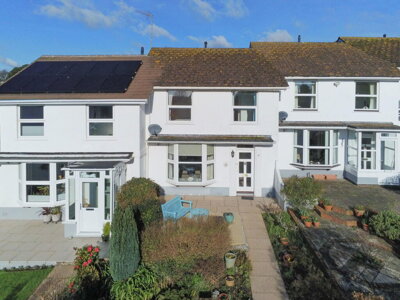
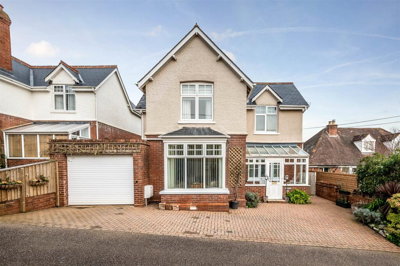
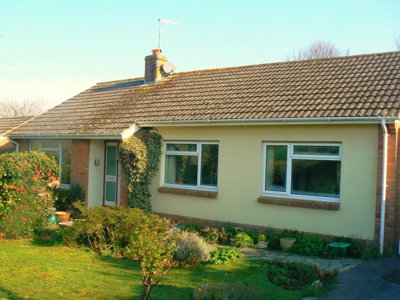
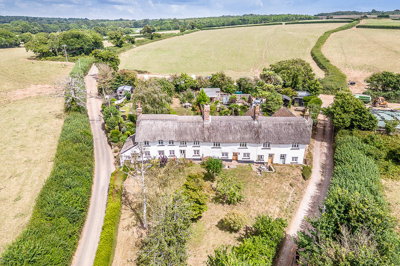
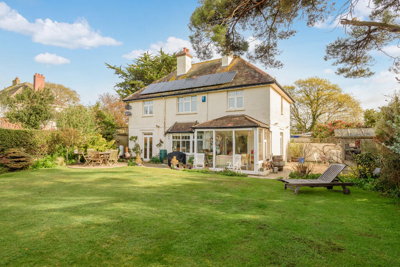
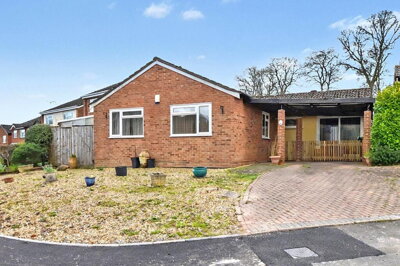
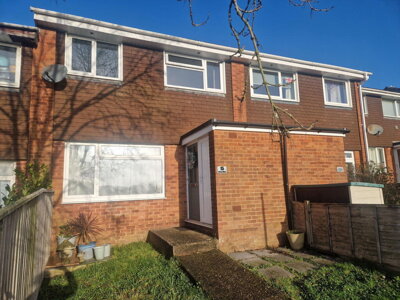
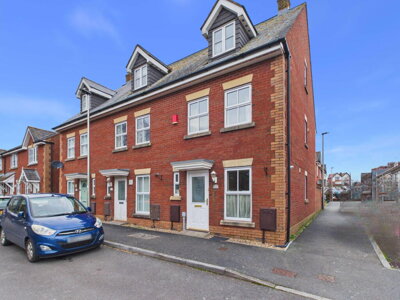
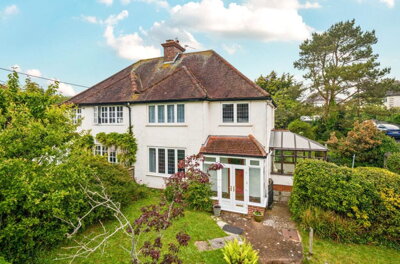
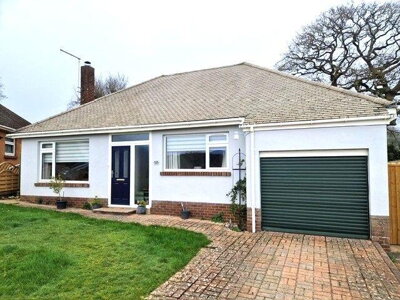
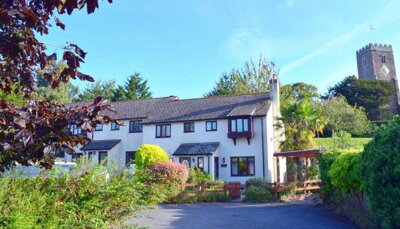
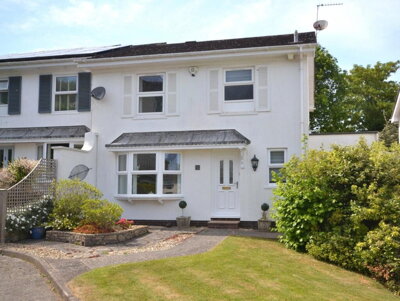
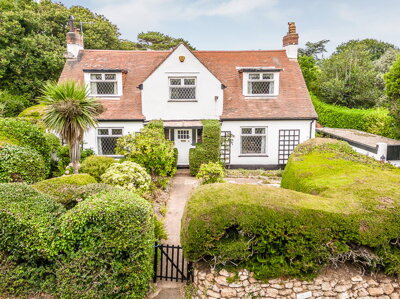
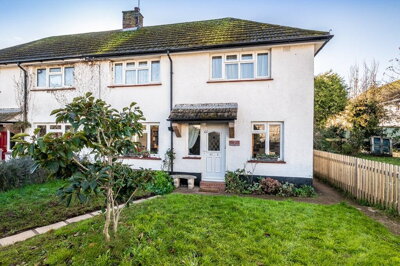
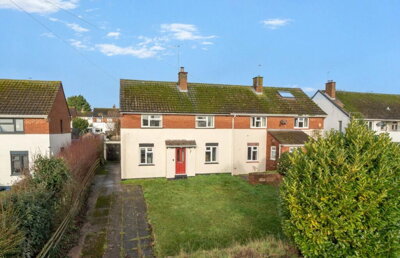
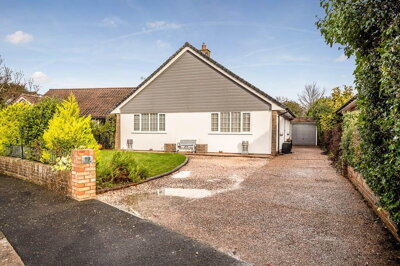
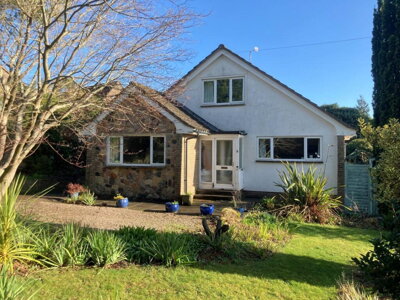
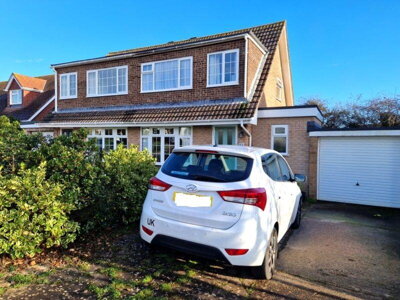
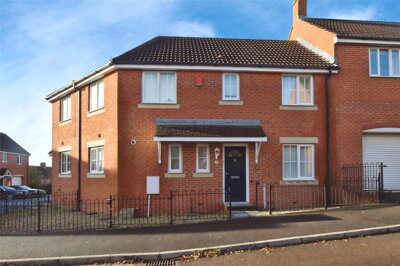
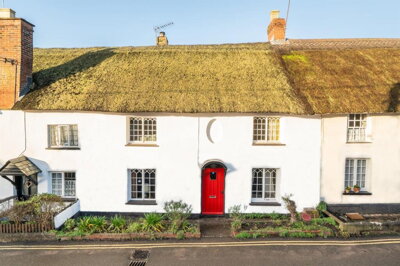
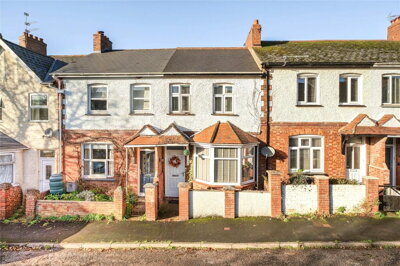
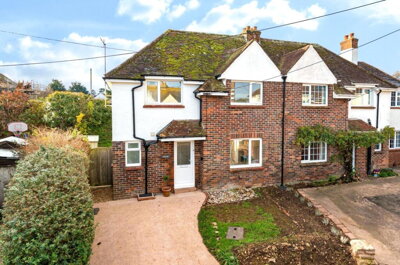
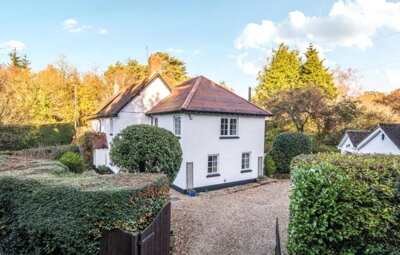
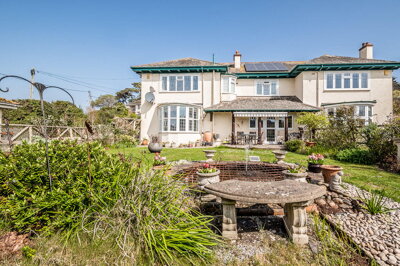
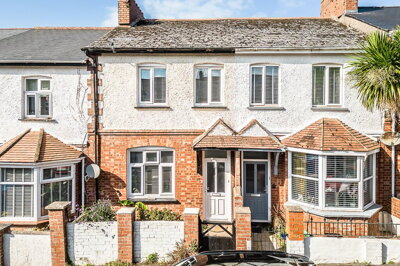
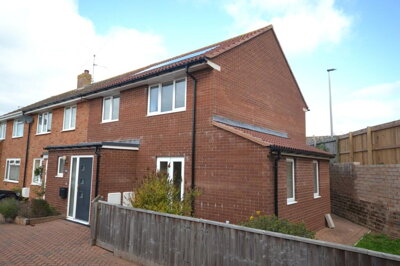
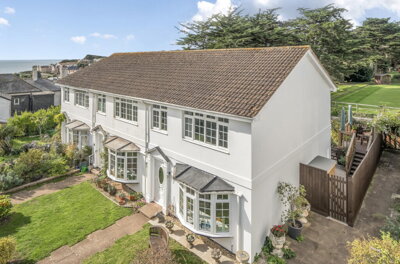
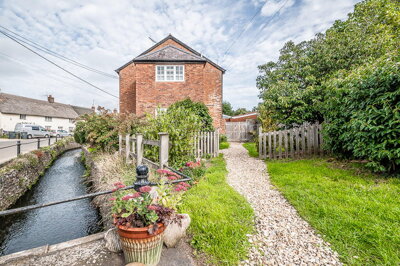
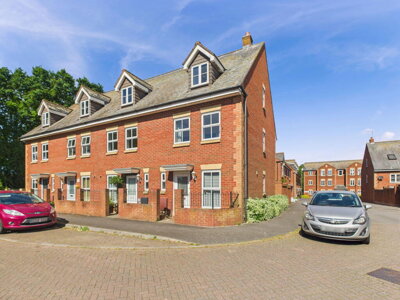
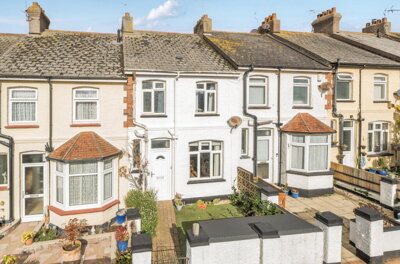
Browse 59 homes for sale in East Budleigh from local estate agents.
Three bedroom properties represent a significant portion of the East Budleigh housing market, offering space for families with multiple reception rooms and gardens in many cases. Browse detached, semi-detached, and terraced options ranging from period character homes to contemporary developments.
The East Budleigh property market offers a range of property types that reflect the village's historic character and rural setting. Detached homes average around £442,500, while semi-detached properties command an average of £519,950. Terraced properties in the village, many of them the celebrated cob and thatch cottages that define the East Budleigh skyline, average approximately £475,000. These prices demonstrate the premium that buyers place on village character and heritage in this part of East Devon, where planning restrictions within the conservation area help maintain property values and neighbourhood quality.
Market activity in East Budleigh has experienced some correction in recent years. Zoopla data shows prices approximately 24% down on the previous year and 15% below the 2022 peak of £554,292. OnTheMarket reports a more modest 3.5% decline over the past 12 months for the January 2026 period. This price adjustment presents opportunities for buyers seeking to enter this prestigious village market at more accessible entry points. The broader Budleigh Salterton area, which encompasses East Budleigh, has seen asking prices stabilise with an average change of just 2.5% over the past six months, suggesting the market may be finding its floor after the correction.
According to the 2021 Census data for the broader Budleigh and Raleigh area, approximately 79.8% of households occupy whole houses or bungalows, with 19.7% living in flats, maisonettes, or apartments. This housing mix reflects the predominantly residential character of the conservation area, which is concentrated around the High Street and Hayes Lane. The limited supply of properties in this small village market means demand typically outstrips supply for desirable character homes, particularly the historic cob and thatch cottages that attract buyers seeking authentic period properties.

New build activity in East Budleigh is limited, reflecting the village's protected status within the conservation area and the East Devon AONB. However, several notable developments offer opportunities for buyers seeking modern accommodation within this desirable village. Pound Barn in the heart of East Budleigh features a brand new architect-designed four-bedroom detached house with a distinctive Western Red Cedar clad exterior and an innovative Bauder green roof system. This property demonstrates how contemporary design can complement the village's historic character while meeting modern standards of energy efficiency and sustainability.
Further new build opportunities exist on Frogmore Road, where planning permission has been granted for two generously sized four-bedroom detached houses accessed from a new private road. These dwellings are designed with a mix of render and brickwork to reflect local building traditions while providing contemporary living spaces across three storeys. A planning application for the conversion of an existing forestry building on land east of Oak Hill represents another potential new residential dwelling in the village, subject to the necessary consents. These opportunities, while limited, demonstrate continued interest in East Budleigh as a location for quality housing development.
The East Budleigh with Bitcham (Bicton) Neighbourhood Plan, which includes a review and management plan adopted in 2020, guides development in the village to ensure it respects the conservation area's character. The neighbourhood plan recognises the importance of lightly settled modern and pre-20th century housing in balancing heritage preservation with contemporary living requirements. Any new development must demonstrate sensitivity to the village's historic fabric, including its 30 Grade II listed buildings and the traditional vernacular architecture that defines the East Budleigh streetscape.
Life in East Budleigh revolves around the village's conservation area, which was first designated on October 1st, 1973, and spans the historic core around the High Street and Hayes Lane. The village is home to 30 Grade II listed buildings, including All Saints' Church, Wynards House, and the remarkable Hayes Barton - a property dating from around 1485. These heritage assets create an atmosphere of timelessness that few English villages can match. The cob and thatch cottages that line the village lanes represent centuries of vernacular architecture, built using traditional methods and local materials including rendered whitewashed walls, fine brickwork, coursed stone, and flint boundary walls.
The community spirit in East Budleigh is strong, centred around the village's essential amenities and the surrounding natural landscape. The Budleigh Brook runs through the village, crossed by footbridges along the High Street, adding to the pastoral charm. The Pebblebed Heaths, managed by the Pebblebed Heaths Conservation Trust, offer extensive walking and wildlife observation opportunities right on the doorstep. The nearby market town of Budleigh Salterton provides additional shopping, dining, and cultural facilities within a short drive, while Exmouth and Sidmouth offer further amenities along the East Devon coast.
Pulhayes Farm, dating from the 13th century, represents the village's deep historical roots and demonstrates the exceptional longevity of traditional construction methods in East Devon. A terrace of six dwellings built in Hayes Lane in the late 1980s shows how modern development has been absorbed into the village fabric when appropriately designed. The neighbourhood plan ensures that any future development respects these traditions, maintaining the balance between growth and preservation that makes East Budleigh such a sought-after location for buyers seeking authentic village life in East Devon.

Education provision for East Budleigh residents centres on nearby primary schools in the surrounding East Devon towns and villages. The village's rural location means that families typically access primary education at schools in Budleigh Salterton, Exmouth, or the surrounding parishes, with journey times manageable for daily commuting. The nearest primary schools serve the surrounding catchment areas and include several Ofsted-rated good or outstanding schools within reasonable driving distance. Parents should research specific catchment areas and admission arrangements for their chosen schools, as these can vary and may affect property preferences within the village and surrounding area.
Secondary education is served by schools in the broader East Devon area, with several well-regarded secondary schools and sixth forms accessible to village families. The Ofsted-rated schools in the wider area provide good options for families prioritising educational outcomes when considering a move to East Budleigh. Transport arrangements for secondary school pupils typically involve school bus services or parental transport, with journey times to schools in nearby towns being manageable for daily commuting.
The East Budleigh with Bitcham (Bicton) Neighbourhood Plan recognises the importance of balancing housing development with community facilities, including educational provision. While the village itself has limited school facilities due to its small population of around 700 residents, the neighbourhood planning framework ensures that any future development considers the needs of existing and new residents. Families moving to East Budleigh should factor education provision into their property search, considering both the availability of school places and the practicalities of the daily school run from this rural village location.
Transport connections from East Budleigh reflect its status as a rural East Devon village, with residents relying primarily on road transport and the nearby coastal railway line. The village sits within easy reach of the A376 road corridor, providing connections to Exmouth and the wider East Devon road network. For longer-distance travel, the M5 motorway at Exeter provides access to the national motorway network, approximately 30 minutes drive from East Budleigh. Exeter Airport offers domestic and international flights, making East Budleigh accessible from further afield for regular commuters or those with business travel requirements.
Public transport options for East Budleigh include bus services connecting the village to nearby towns including Budleigh Salterton, Exmouth, and Sidmouth. The nearest railway station is at Budleigh Salterton on the Avocet Line, which runs between Exeter Exmouth and Exeter St Thomas, providing connections to the national rail network at Exeter Central and Exeter St Davids. This rail access, combined with the village's road connections, makes East Budleigh viable for commuters who need occasional access to larger employment centres while enjoying the benefits of village life.
For daily commuters working in Exeter or the surrounding area, East Budleigh offers a viable base with reasonable journey times. The drive to Exeter takes approximately 30 minutes via the A376 and M5, making it practical for those working in the city centre or at the science park. Rail connections from Budleigh Salterton provide an alternative for those preferring public transport, with regular services to Exeter and connections to the wider rail network. The village's position between the coast and the inland towns provides flexibility for residents to choose their preferred mode of transport based on destination and circumstance.
Start by exploring our listings to understand the range of properties available in this conservation village. With prices averaging around £425,000 and a mix of historic cob cottages and modern homes, knowing what represents value in this market requires familiarity with the local property landscape. Consider engaging a local estate agent who knows the village intimately. Our platform brings together listings from multiple local agents, giving you a comprehensive view of available properties.
Before viewing properties, obtain a mortgage agreement in principle from a lender. This strengthens your position when making offers in what can be a competitive village market where properties, particularly character homes and listed buildings, attract significant interest. Our mortgage partners can provide quotes tailored to your financial situation. Given that most East Budleigh properties fall within the lower price bands, mortgage affordability is generally manageable for typical village purchases.
View properties that match your criteria, paying attention to the specific characteristics of East Budleigh homes. Many properties here are centuries-old with traditional construction methods. Our platform allows you to schedule viewings directly with estate agents listing properties in the village and surrounding area. When viewing period properties, look beyond cosmetic presentation to assess the condition of key structural elements and the maintenance history of the property.
Given that a significant proportion of East Budleigh properties are historic, a RICS Level 2 Survey is essential before purchase. This survey identifies defects common in older properties including damp, roof condition issues, timber defects, and any signs of subsidence related to the clay soils in this part of Devon. For listed buildings or more complex historic properties, a RICS Level 3 Building Survey may be more appropriate to provide a detailed assessment of construction and condition.
Once your offer is accepted, instruct a conveyancing solicitor to handle the legal aspects of your purchase. They will conduct local searches, check the property's title, and manage the transfer of ownership. Our conveyancing partners offer competitive rates for buyers in East Devon. Local searches will include drainage and water searches, local authority checks, and environmental searches that may reveal matters affecting the property.
Your solicitor will manage the exchange of contracts once all searches are satisfactory and finance is confirmed. On completion day, the remaining balance is transferred and you receive the keys to your new East Budleigh home. Allow time for your solicitor to report on the title and any matters discovered during searches before committing to exchange, particularly for properties in flood risk areas or those with historic alterations.
Purchasing a property in East Budleigh requires careful consideration of factors specific to this heritage village. The conservation area designation brings planning restrictions that affect what you can do with a property. Any alterations to the exterior appearance, including window replacements, roof changes, or extensions, may require planning permission and must respect the village's character. The presence of 30 Grade II listed buildings in the village means that listed building consent may be required for works that affect the building's character, regardless of whether planning permission is needed for the work itself. East Devon District Council requires an Assessment of Significance for applications affecting heritage assets.
Structural considerations are particularly important when buying period properties in East Budleigh. The village's geology includes shrinkable clay soils, which can cause subsidence issues, particularly for older properties with shallower foundations. Large trees close to properties can exacerbate this risk by extracting moisture from the soil. The prevalence of cob and thatch construction means that roof conditions require careful inspection, as thatch roofs need specialist maintenance and regular attention from craftspeople skilled in traditional techniques. A thorough survey from a qualified RICS surveyor experienced with historic properties is strongly recommended for any purchase in East Budleigh.
Flood risk should also be considered, as East Budleigh sits in the lower Otter Valley with a history of flooding along Exmouth Road, Station Road, and Mill Lane. The Budleigh Brook runs through the village and properties near watercourses or in low-lying areas may be at increased risk of surface water or groundwater flooding. The East Devon Local Plan notes that a site off Frogmore Road may be subject to groundwater flooding. Your survey should assess any evidence of past flooding or water damage. Properties in flood risk areas may face higher insurance premiums and may require specific flood resilience measures.
The construction materials used in East Budleigh properties reflect centuries of vernacular building traditions specific to this part of East Devon. These include cob - a mixture of clay, straw, and other materials - for walls, thatch for roofing, rendered and whitewashed surfaces, fine brickwork with dentilated detailing, coursed stone walls with ashlar detail, and flint boundary walls. Modern alterations using inappropriate materials, such as UPVC windows in listed buildings, can detract from both the appearance and the performance of historic properties. Your survey should identify any inappropriate alterations that may have compromised the building's breathability or structural integrity.
Environmental factors play an important role in property ownership in East Budleigh, particularly given the village's geological and geographical setting. The UK south and east, including Devon, are largely built on younger, softer clays that are highly susceptible to changes in moisture content. Shrinkable clay soil swells when wet and shrinks during dry spells, which is the primary cause of over 75% of subsidence cases nationally. East Budleigh is likely to have areas with shrinkable clay soils, indicating a potential for shrink-swell risk that buyers should understand before purchasing period properties.
The British Geological Survey Property Subsidence Assessment dataset provides information on shrink-swell hazards at property and postcode levels, and this information can be incorporated into your survey report. Properties with large trees nearby face increased risk, as tree roots extract moisture from the soil, potentially causing ground movement beneath foundations. Signs of previous subsidence movement, such as diagonal cracking, doors and windows that stick, or uneven floors, should be investigated by a structural engineer if identified during survey.
Flood risk in East Budleigh reflects the village's position in the lower Otter Valley. The Budleigh Brook runs through the village centre, crossed by footbridges along the High Street, and properties near this watercourse require particular attention. Historical flooding has been recorded on Exmouth Road, Station Road, and Mill Lane, indicating areas of surface water and river flooding risk. Groundwater flooding may also affect certain sites in the village. A thorough survey should assess any evidence of past flooding, and buyers should factor potential flood resilience measures and insurance implications into their purchasing decision.
Properties in East Budleigh showcase the traditional building methods and local materials that have shaped this part of East Devon over centuries. Cob construction, using a mixture of clay, straw, and aggregate formed into monolithic walls, has been used for centuries and remains the defining characteristic of many village cottages. Cob walls are typically thick, providing excellent thermal mass, but require careful maintenance to prevent water penetration and erosion. The traditional rendered and whitewashed surfaces protect the cob from rain while contributing to the distinctive appearance of the village conservation area.
Thatch roofing, another traditional feature of East Budleigh properties, uses reeds or straw to create distinctive roofs that can last 40 to 60 years with proper maintenance. Thatch requires specialist ongoing care from craftspeople trained in traditional techniques, and roof replacement costs can be significant compared to conventional tiled roofs. Many historic properties in the village have been re-thatched over the centuries, and the quality of recent work should be assessed during survey. The Bauder green roof system on the new build property at Pound Barn represents a modern alternative that may appeal to buyers seeking contemporary sustainability credentials.
Fine brickwork, including dentilated detailing, coursed stone walls with ashlar quoins and lintels, and flint boundary walls represent other traditional materials used in East Budleigh's historic properties. These materials reflect the local geology and the skills of traditional builders working in the area. The conservation area appraisal notes that modern development has sometimes borne little relationship to these vernacular materials, with UPVC windows, doors, and rainwater goods identified as detracting features. Understanding traditional materials and their maintenance requirements helps buyers appreciate both the character and the ongoing responsibilities of owning a period property in this conservation village.
The average sold price for a property in East Budleigh over the past 12 months is approximately £425,190 according to Zoopla data, with Rightmove reporting £469,988. OnTheMarket shows an average price paid of £548,000 as of January 2026, representing a 3.5% fall over the previous year. Detached properties average around £442,500, semi-detached homes £519,950, and terraced properties approximately £475,000. The market has experienced a correction, with prices down approximately 24% year-on-year and 15% below the 2022 peak of £554,292.
Properties in East Budleigh fall under East Devon District Council. Council tax bands in the area range from A through to H, depending on the property's assessed value. Historic and period properties in the conservation area may have varying bandings based on their character and value. Smaller cob and thatch cottages may fall into lower bands, while larger detached properties and historic farmhouses could be in higher bands. You can check specific bandings on the Valuation Office Agency website using the property address, and your solicitor can confirm the banding during the conveyancing process.
East Budleigh itself is a small village without a primary school, so families typically access primary education in nearby towns such as Budleigh Salterton or Exmouth. The nearest primary schools serve the surrounding catchment areas and include several Ofsted-rated good or outstanding schools within reasonable driving distance. Secondary education is available at schools in the broader East Devon area, with various options for families to research based on their specific location and admission criteria. Families should check current catchment areas and admissions policies, as these can affect school place availability for properties in the village.
East Budleigh is served by local bus routes connecting to Budleigh Salterton, Exmouth, and Sidmouth. The nearest railway station is at Budleigh Salterton on the Avocet Line, offering connections to Exeter Central and Exeter St Davids. The Avocet Line runs between Exeter Exmouth and Exeter St Thomas, providing direct access to the national rail network. For air travel, Exeter Airport provides domestic and international flights and is approximately 30 minutes drive from the village. Road access is via the A376 corridor connecting to the M5 motorway at Exeter.
East Budleigh offers strong investment potential for buyers seeking a combination of capital preservation and lifestyle benefits. The conservation area designation limits development and protects the village character, supporting long-term property values. The village's heritage status, with properties dating from the 13th century such as Pulhayes Farm, attracts buyers seeking character homes in an authentic English village setting. Recent price corrections have created more accessible entry points, and the limited supply of properties in this small village market means demand typically outstrips supply for desirable homes. The proximity to the coast and natural beauty of the Pebblebed Heaths enhances the village's enduring appeal.
Stamp Duty Land Tax rates for residential properties from April 2025 are 0% on the first £250,000 of purchase price, 5% on the portion from £250,001 to £925,000, 10% on £925,001 to £1.5 million, and 12% on amounts above £1.5 million. For a typical £425,000 property purchased by a non-first-time buyer, this would result in stamp duty of £8,750. First-time buyers benefit from relief on the first £425,000 for properties meeting eligibility criteria, with 5% payable on the £425,001 to £625,000 portion. Given that most East Budleigh properties fall within the lower price bands, stamp duty costs are generally manageable for typical village purchases.
Period properties in East Budleigh, particularly the cob and thatch cottages, require consideration of several specific risks. The presence of shrinkable clay soils in this part of Devon creates potential subsidence risk, especially for older properties with traditional foundations and properties with large nearby trees. Thatch roofs need specialist ongoing maintenance and can be costly to repair or replace, with replacement costs significantly higher than conventional tiled roofs. Many older properties may have outdated electrical wiring and plumbing systems requiring updating to meet current standards. Damp issues can arise in traditional construction if modern materials or alterations have compromised the building's breathability. A thorough RICS Level 2 or Level 3 Survey is essential before purchasing any period property in the village.
New build opportunities in East Budleigh are limited due to the village's conservation area status and its position within the East Devon AONB. However, Pound Barn in the village centre features a brand new architect-designed four-bedroom detached house with Western Red Cedar cladding and a Bauder green roof system. On Frogmore Road, planning permission exists for two four-bedroom detached houses accessed from a new private road, designed with render and brickwork to reflect local traditions. A planning application for the conversion of a forestry building on land east of Oak Hill represents another potential new dwelling, subject to consents. These opportunities are rare in this protected village setting.
Understanding the full costs of buying a property in East Budleigh is essential for budgeting effectively. The purchase price is the largest cost, with the average property in the village around £425,000 to £470,000. Stamp Duty Land Tax applies based on the purchase price, with standard rates of 0% on the first £250,000, 5% on the portion between £250,001 and £925,000, and higher rates above that threshold. For a typical £425,000 property purchased by a non-first-time buyer, this would result in stamp duty of £8,750. First-time buyers may benefit from relief, reducing this cost significantly for eligible purchasers.
Additional buying costs include solicitor fees for conveyancing, typically ranging from £500 to £1,500 depending on the complexity of the transaction and whether the property is leasehold or involves a mortgage. Survey costs are particularly important for East Budleigh properties given the prevalence of historic buildings. A RICS Level 2 Survey costs from around £350 for smaller properties, rising for larger or more complex homes. An Energy Performance Certificate is mandatory and costs from approximately £75 to £120. Land Registry fees, search fees, and bank transfer charges add further modest costs to the transaction. Your solicitor will provide a detailed breakdown of all costs before you commit to purchasing.
For period properties in East Budleigh, additional costs may arise from the unique characteristics of historic buildings. Thatch roof properties may require specialist surveys or assessments from thatching specialists. Properties with listed building status may require historic building consultant input for any planned works. Flood risk properties may require specific insurance arrangements or flood resilience measures. Factor these potential costs into your overall budget when considering properties in this heritage village.
Properties for Sale In London

Properties for Sale In Plymouth

Properties for Sale In Liverpool

Properties for Sale In Glasgow

Properties for Sale In Sheffield

Properties for Sale In Edinburgh

Properties for Sale In Coventry

Properties for Sale In Bradford

Properties for Sale In Manchester

Properties for Sale In Birmingham

Properties for Sale In Bristol

Properties for Sale In Oxford

Properties for Sale In Leicester

Properties for Sale In Newcastle

Properties for Sale In Leeds

Properties for Sale In Southampton

Properties for Sale In Cardiff

Properties for Sale In Nottingham

Properties for Sale In Norwich

Properties for Sale In Brighton

Properties for Sale In Derby

Properties for Sale In Portsmouth

Properties for Sale In Northampton

Properties for Sale In Milton Keynes

Properties for Sale In Bournemouth

Properties for Sale In Bolton

Properties for Sale In Swansea

Properties for Sale In Swindon

Properties for Sale In Peterborough

Properties for Sale In Wolverhampton

Enter your details to see if this property is within your budget.
Loans, cards, car finance
Estimated property budget
Borrowing + deposit
You could borrow between
Typical borrowing
Monthly repayment
Est. at 4.5%
Loan-to-value
This is an estimate only. Your actual budget may vary depending on interest rates, credit history, and personal circumstances. For an accurate affordability assessment, speak to one of our free mortgage advisors.
This calculator provides estimates for illustrative purposes only and does not constitute financial advice. Your home may be repossessed if you do not keep up repayments on your mortgage. Estimates based on 4.5% interest rate, repayment mortgage. Actual rates depend on your circumstances.
Homemove is a trading name of HM Haus Group Ltd (Company No. 13873779, registered in England & Wales). Homemove Mortgages Ltd (Company No. 15947693) is an Appointed Representative of TMG Direct Limited, trading as TMG Mortgage Network, which is authorised and regulated by the Financial Conduct Authority (FRN 786245). Homemove Mortgages Ltd is entered on the FCA Register as an Appointed Representative (FRN 1022429). You can check registrations at NewRegister or by calling 0800 111 6768.

We use cookies to show you personalised content and improve your experience of our website. Find out more in our Privacy policy and Cookie policy.