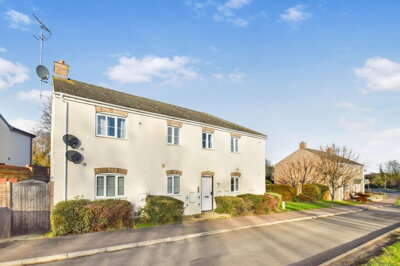
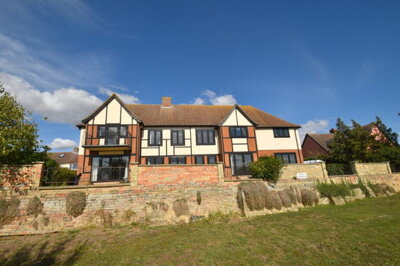
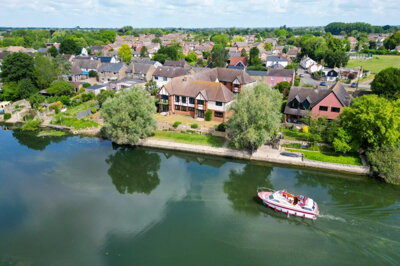
Browse 3 homes for sale in Earith, Huntingdonshire from local estate agents.
Studio apartments feature open-plan living spaces without separate bedrooms, incorporating sleeping, living, kitchen, and bathroom facilities. The Earith studio market includes properties in modern apartment complexes, converted Victorian and Georgian buildings, and purpose-built developments.
£200k
1
0
97
Source: home.co.uk
Showing 1 results for Studio Flats for sale in Earith, Huntingdonshire. The median asking price is £200,000.
Source: home.co.uk
Flat
1 listings
Avg £200,000
Source: home.co.uk
Source: home.co.uk
The Denston property market reflects the broader trends of rural Suffolk, where supply constraints and persistent demand continue to shape values. Our data shows an average house price of £415,000 as of February 2026, with detached properties commanding around £575,000. Semi-detached homes in the village typically fetch approximately £350,000, while terraced properties - fewer in number but highly sought after - average £275,000. The market has shown steady, modest growth with a 12-month price increase of 1.2%, indicating stable conditions rather than volatile swings. This measured growth reflects the confidence buyers place in Denston as a long-term investment in the Suffolk countryside.
Property availability in Denston is naturally limited given the village's small scale. Over the past year, just 4 property sales have completed in the parish, reinforcing that opportunities here arise infrequently. The housing stock predominantly consists of period properties, many dating from before 1919, reflecting the village's Conservation Area status and the presence of numerous historic buildings. New build activity in the immediate postcode area remains minimal, with any recent development typically taking the form of small-scale infill projects or barn conversions rather than larger estate-style developments. This scarcity means that when a property does come to market, competition among buyers can be strong, particularly for the most desirable character homes.
Buyers seeking character properties will find much to admire in Denston's architecture. Traditional Suffolk brickwork, timber framing, and rendered finishes dominate the older housing stock, while the village's collection of Grade II listed cottages and farmhouses offers options for those seeking period features. Properties with generous gardens are common, taking advantage of the village's rural setting and the fertile Suffolk countryside that surrounds it. The majority of homes in the village fall into the detached and semi-detached categories, with terraced properties forming a smaller but equally prized segment of the market.

Life in Denston offers a quintessentially English rural experience, where the pace of life slows and community ties run deep. The village sits within the Glem Valley, a landscape characterised by gently rolling farmland, hedgerow-lined lanes, and the meandering River Glem that flows to the south of the settlement. This geology comprises glacial till deposits overlying chalk bedrock, creating the classic Suffolk claylands that have shaped both the landscape and its traditional architecture for centuries. The village's position elevated above the valley floor offers attractive views across the surrounding countryside while providing some protection from the River Glem's flood risk.
The community spirit in Denston is evident in its well-maintained village facilities and active local events. St Nicholas' Church, dating from the 14th century and holding Grade I listed status, serves as both a place of worship and a focal point for village life. The church's medieval architecture, including its notable tower and historic interior features, reflects the village's long history and importance in the local area. The presence of a Conservation Area covering the historic core ensures that development is carefully managed, preserving the village's architectural heritage and ensuring that Denston retains its unspoiled character for future generations.
For everyday amenities, residents typically travel to nearby towns, with Bury St Edmunds approximately 12 miles distant providing comprehensive shopping, healthcare, and leisure facilities. Sudbury to the south and Newmarket to the north offer additional options, making Denston ideal for those who work in these larger settlements while enjoying a peaceful home life. The agricultural heritage of the area remains visible in the surrounding farmland, with local farms producing cereals and livestock that contribute to the wider Suffolk rural economy. The village's location within the Glem Valley also provides access to excellent walking and cycling routes, with public footpaths crossing the surrounding fields and connecting Denston to neighbouring villages.

Families considering a move to Denston will find a selection of educational options within reasonable driving distance. Primary education is available at several village and small-town schools in the surrounding area, with many small rural primaries serving their local communities with dedicated teaching and strong pupil-to-teacher ratios. Parents should research current Ofsted ratings and consider catchment areas when planning a move, as admission policies can be competitive in popular rural locations. The nearest primary schools are typically found in the surrounding villages, with some families choosing established primaries in towns such as Clare or Cavendish.
Secondary education options include schools in Bury St Edmunds, Sudbury, and Newmarket, all accessible by car with school transport routes serving surrounding villages. Our inspectors who work in the area regularly pass through these larger settlements and can confirm that the road connections make daily commuting feasible for secondary-age children. The county of Suffolk maintains a selective education system, with several grammar schools available in larger towns providing academic pathways for students who pass the entrance examinations. Notable options include King Edward VI School in Bury St Edmunds and King Edward VI Upper School in Sudbury, both historically respected institutions.
For families seeking independent education, a number of preparatory and senior schools operate across the region, with several notable options within 20 miles of Denston. Schools such as St Mary's in Saffron Walden and The King's School in Ely provide established independent pathways for families willing to travel. Sixth form and further education provision is centred in the larger towns, particularly Bury St Edmunds, which offers a choice of sixth form colleges and school sixth forms alongside further education facilities. Students from Denston typically continue their studies in these established educational hubs, where they can access a broader range of A-level subjects and vocational courses than smaller rural settings can provide.
Denston occupies a relatively accessible position within rural Suffolk, balancing its peaceful setting with practical transport connections. The village sits off the A143 road, which runs between Bury St Edmunds and Haverhill, providing direct access to the county town and connecting to the broader road network. Journey times by car to Bury St Edmunds take approximately 25 minutes, while Newmarket can be reached in around 20 minutes, making these major local employment centres practical options for daily commuting. The A14 trunk road is accessible via Bury St Edmunds, connecting the region to Cambridge, Felixstowe, and the wider motorway network.
Rail services are available at nearby stations in Bury St Edmunds and Newmarket, with connections to Cambridge, Ipswich, and London Liverpool Street. The journey from Bury St Edmunds to London takes approximately 90 minutes, positioning the capital within reasonable reach for those who work in the city but prefer countryside living. Newmarket station offers a slightly faster route to Cambridge and connections to London King's Cross via Cambridge, providing commuters with choice depending on their final destination. Stansted Airport is accessible within approximately an hour's drive, providing international travel connections for business and leisure travellers alike.
Local bus services operate in the area, though frequencies are limited as is typical for rural Suffolk. The Suffolk Bus Company operates routes connecting surrounding villages to market towns, but service levels are designed for occasional rather than daily use. Those considering Denston as a base should factor in the necessity of car ownership for daily logistics, while acknowledging that the village's position makes it a comfortable drive to all essential amenities. Cycling is popular in the area, with quiet country lanes providing scenic routes to nearby villages and towns, though the undulating Suffolk landscape does require reasonable fitness for longer journeys.
Understanding the predominant construction methods in Denston helps buyers appreciate both the character of local properties and the potential maintenance considerations they may encounter. The older housing stock, much of which pre-dates 1919, typically features traditional Suffolk building techniques that differ significantly from modern construction. Timber-framed structures with brick or wattle-and-daub infill panels are common, particularly among the village's listed buildings and cottages clustered around the historic core. These traditional methods require specific knowledge when assessing condition and planning any future works.
The characteristic pale red and yellow Suffolk bricks, locally fired and distinctive to the region, appear extensively in boundary walls, outbuildings, and the ground floor construction of many period properties. Traditional lime mortars rather than modern cement were historically used in these buildings, meaning that inappropriate modern repairs using cementitious products can cause moisture trapping and accelerated decay of the original fabric. Rendered finishes, often applied over brick or timber framing, require regular maintenance to prevent water ingress behind the render layer. Our team has extensive experience surveying properties constructed using these traditional methods, and we understand the specific defect patterns associated with each.
Roof construction in older Denston properties typically features pitched roofs with either clay tile or slate coverings, depending on the property's age and original specification. The roof timbers in pre-1919 properties are generally sound but may show signs of historic decay or previous repairs that require assessment. Leadwork around chimneys, valleys, and roof penetrations often shows age-related deterioration in properties of this age. For mid-century properties constructed between 1919 and 1980, cavity wall construction with brick or rendered blockwork became standard, alongside concrete tile roofing. These properties present their own characteristic issues related to the construction practices of their era.
Before beginning your property search in Denston, take time to understand the local market dynamics, including current pricing, property types available, and the terms of sale in this rural market. We recommend registering with local estate agents who cover the village and surrounding area, as many properties may be marketed privately or through word of mouth before reaching major portals. Given the limited number of properties available, being well-prepared financially with a mortgage agreement in principle will position you favourably when listings arise. Understanding the Conservation Area boundaries and listed building status of potential properties is also essential before committing to viewings.
Schedule viewings of properties that match your criteria, paying particular attention to the condition of period features, the maintenance history of older properties, and any potential issues related to the clay geology or proximity to the River Glem. We always suggest visiting the village at different times of day and on different days of the week to get a genuine feel for the community and its amenities. Pay particular attention to the condition of boundary walls, outbuildings, and grounds, which can reveal much about how the property has been maintained over the years. Ask the seller or agent about the history of any works carried out and any issues they are aware of.
Given the significant proportion of older, period properties in Denston, a thorough RICS Level 2 Survey is essential before proceeding. Survey costs in the area typically range from £450 to £800 depending on property size and complexity. This survey will identify common issues including damp, timber defects, roof condition, and any signs of subsidence related to the local clay soils. Our inspectors are experienced in assessing traditional Suffolk construction and will pay particular attention to the specific defect patterns found in period properties, including timber decay, lime mortar condition, and the effectiveness of historic damp-proofing measures.
Once you have made an offer and it has been accepted, instruct a conveyancing solicitor with experience of rural Suffolk properties. They will handle searches, title checks, and the legal transfer of ownership. We can recommend specialist solicitors who understand the complexities of purchasing period and listed properties in rural locations. For properties within the Conservation Area or those that are listed, additional considerations around permitted development and listed building consent may apply, and your solicitor will advise on any restrictions that affect the property. Environmental searches should include flood risk assessment and any historical land use records relevant to the area.
After all searches are satisfactory and mortgage arrangements are confirmed, you will exchange contracts and pay your deposit, typically 10% of the purchase price. Completion typically follows within a few weeks, after which you will receive the keys to your new home in Denston and can begin your life in this charming Suffolk village. We recommend arranging a final walkthrough inspection shortly before completion to confirm nothing has changed since your last visit, and to check that any items agreed to be left with the property are indeed in place.
Purchasing a property in Denston requires careful consideration of factors specific to this rural Suffolk village. The presence of clay soils in the area indicates a moderate to high shrink-swell risk, particularly relevant for properties with shallow foundations. This risk is heightened where large trees stand close to buildings, as moisture changes in clay soils can cause ground movement affecting structures. Our inspectors pay particular attention to foundation condition, crack patterns, and any signs of past movement or remediation when surveying properties in Denston. Properties with significant vegetation nearby should be assessed carefully, with particular focus on trees that may affect foundations through moisture extraction.
Flood risk, while generally low, warrants attention given the proximity of the River Glem. Our research indicates the risk of fluvial flooding is typically minor, occurring only in periods of sustained wet weather, but surface water flooding can affect areas with poor drainage during intense rainfall. The village's position on elevated ground within the Glem Valley provides some natural protection, but buyers should review any available flood risk assessments and consider the drainage history of the property and its grounds before committing to purchase. Checking the position of soakaways, land drainage, and any water courses on or adjacent to the property is advisable.
For properties within the Conservation Area, permitted development rights may be more restricted than in non-designated areas, potentially limiting future extension or alteration options. Listed buildings require Listed Building Consent for virtually any external or significant internal works, adding complexity to any future renovation plans. Our team has extensive experience surveying historic properties in conservation areas and can advise on the implications of these designations. Buyers should factor in the additional costs and timescales associated with specialist surveys for historic properties, and may wish to consider a more detailed RICS Level 3 Building Survey for particularly significant historic structures.
The average property price in Denston, Suffolk, was £415,000 as of February 2026. Detached properties average £575,000, semi-detached homes around £350,000, and terraced properties approximately £275,000. The market has shown steady growth with a 12-month price increase of 1.2%, reflecting stable demand in this desirable rural village. Given the limited supply of properties and the village's attractive character, we expect this steady growth pattern to continue as buyers recognise the value of investing in a established Suffolk community with excellent transport connections to larger employment centres.
Properties in Denston fall under West Suffolk Council, which sets council tax rates annually based on property band. Council tax bands in the village range from Band A through to Band H, depending on property value and characteristics, with most period cottages and smaller homes falling into the lower bands and larger detached properties in the higher categories. Period properties with historic features may have been assessed on different criteria historically, and some older farmhouses may be subject to agricultural property relief considerations. Contact West Suffolk Council directly or check the Valuation Office Agency website for specific band information on any property you are considering.
Denston itself does not have a school within the village, so families should plan for daily transport to nearby educational facilities. Primary education is available at village schools in the surrounding area, with several Ofsted-rated good primaries within a 10-mile radius serving the local community. Secondary schools in Bury St Edmunds, Sudbury, and Newmarket are accessible by car, with school transport routes operating from surrounding villages. Several grammar schools operate in the wider area, including King Edward VI School in Bury St Edmunds and King Edward VI Upper School in Sudbury, offering academic pathways for students who pass the entrance examination. Parents should check current Ofsted ratings and admission catchment areas, as these can influence school placement significantly.
Denston has limited public transport options, reflecting its small village status in rural Suffolk. The nearest rail stations are in Bury St Edmunds and Newmarket, offering connections to Cambridge, Ipswich, and London Liverpool Street, with journey times to London of approximately 90 minutes from Bury St Edmunds. Local bus services operate in the surrounding area but with limited frequencies, typically running to market towns on specific market days rather than providing comprehensive daily coverage. Car ownership is effectively essential for daily living in Denston, though the village is well-positioned for journeys by road to surrounding towns and cities, with Bury St Edmunds approximately 25 minutes away and Newmarket around 20 minutes.
Denston offers a compelling investment case for those seeking stable, long-term returns in a desirable rural location. Property prices have shown consistent, modest growth, and the village's Conservation Area status and limited development potential help protect property values against speculative market fluctuations. Rental demand exists from professionals seeking countryside living within commuting distance of Bury St Edmunds, Cambridge, and other major employment centres. The village's unspoiled character and excellent transport connections mean it appeals to buyers at various life stages, from young families to those seeking retirement in a peaceful rural setting. However, the small size of the market means liquidity is limited, so property should be viewed as a long-term investment rather than a quick-turn opportunity.
For standard purchases, stamp duty land tax is charged at 0% on the first £250,000, 5% on £250,001 to £925,000, 10% on £925,001 to £1.5 million, and 12% above £1.5 million. On a typical Denston property at the average price of £415,000, a standard buyer would pay £8,250 in stamp duty, with the calculation working as follows: 0% on £250,000 plus 5% on the remaining £165,000. First-time buyers benefit from relief on the first £425,000 at 0%, with 5% charged between £425,000 and £625,000, meaning a first-time buyer purchasing at the Denston average of £415,000 would pay £4,500, representing a saving of £3,750 compared to standard buyers.
Common defects in Denston properties reflect both the age of the housing stock and the local geology. In older period properties, our inspectors frequently identify rising damp due to absent or failed damp-proof courses, timber decay affecting roof structures and floor joists, and deterioration of traditional lime mortar pointing. The clay soils in the area create potential for subsidence or heave movement, particularly in properties with shallow foundations near trees or areas of inconsistent ground conditions. Roof coverings often require renewal on properties over 50 years old, with slipped tiles, failed felt, and deteriorating leadwork among the most common issues. Electrical systems in properties built before the 1980s frequently require updating to meet current safety standards.
Beyond the purchase price of your Denston property, budgeting for additional costs is essential for a smooth transaction. Stamp duty land tax applies to all purchases above £250,000 for standard buyers, with rates of 5% on the portion between £250,001 and £925,000, 10% on amounts up to £1.5 million, and 12% on any value exceeding that threshold. For the average Denston property priced at £415,000, this means a stamp duty bill of £8,250 for those not claiming first-time buyer relief, calculated as 5% of £165,000 above the nil-rate threshold.
First-time buyers benefit from more generous thresholds, paying 0% on the first £425,000 and 5% on the portion between £425,000 and £625,000. This means a first-time buyer purchasing at the Denston average of £415,000 would pay £4,500 in stamp duty, representing a saving of £3,750 compared to standard buyers. Those purchasing above £625,000 do not qualify for first-time buyer relief on any portion of the purchase price, which is relevant for those considering the larger detached properties that command prices around £575,000 in the village.
Additional buying costs include solicitor fees, typically ranging from £500 to £2,000 depending on complexity, with rural and listed properties potentially incurring higher charges due to additional searches and specialist requirements. Our conveyancing partners understand the specific considerations involved in purchasing properties in Conservation Areas and can advise on additional requirements such as listed building consents. Survey costs for a RICS Level 2 Survey in the Denston area typically range from £450 to £800, with larger or more complex period properties at the higher end. Search fees, land registry charges, and moving costs should also be factored into your budget when calculating the total expense of purchasing your Denston home.
From £450
A detailed inspection of the property condition, essential for older properties in Denston's Conservation Area
From £600
A comprehensive building survey recommended for period properties and listed buildings
From £80
Energy performance certificate required for all property sales
From £499
Legal services for buying property in Denston, including Conservation Area searches
Properties for Sale In London

Properties for Sale In Plymouth

Properties for Sale In Liverpool

Properties for Sale In Glasgow

Properties for Sale In Sheffield

Properties for Sale In Edinburgh

Properties for Sale In Coventry

Properties for Sale In Bradford

Properties for Sale In Manchester

Properties for Sale In Birmingham

Properties for Sale In Bristol

Properties for Sale In Oxford

Properties for Sale In Leicester

Properties for Sale In Newcastle

Properties for Sale In Leeds

Properties for Sale In Southampton

Properties for Sale In Cardiff

Properties for Sale In Nottingham

Properties for Sale In Norwich

Properties for Sale In Brighton

Properties for Sale In Derby

Properties for Sale In Portsmouth

Properties for Sale In Northampton

Properties for Sale In Milton Keynes

Properties for Sale In Bournemouth

Properties for Sale In Bolton

Properties for Sale In Swansea

Properties for Sale In Swindon

Properties for Sale In Peterborough

Properties for Sale In Wolverhampton

Enter your details to see if this property is within your budget.
Loans, cards, car finance
Estimated property budget
Borrowing + deposit
You could borrow between
Typical borrowing
Monthly repayment
Est. at 4.5%
Loan-to-value
This is an estimate only. Your actual budget may vary depending on interest rates, credit history, and personal circumstances. For an accurate affordability assessment, speak to one of our free mortgage advisors.
This calculator provides estimates for illustrative purposes only and does not constitute financial advice. Your home may be repossessed if you do not keep up repayments on your mortgage. Estimates based on 4.5% interest rate, repayment mortgage. Actual rates depend on your circumstances.
Homemove is a trading name of HM Haus Group Ltd (Company No. 13873779, registered in England & Wales). Homemove Mortgages Ltd (Company No. 15947693) is an Appointed Representative of TMG Direct Limited, trading as TMG Mortgage Network, which is authorised and regulated by the Financial Conduct Authority (FRN 786245). Homemove Mortgages Ltd is entered on the FCA Register as an Appointed Representative (FRN 1022429). You can check registrations at NewRegister or by calling 0800 111 6768.

We use cookies to show you personalised content and improve your experience of our website. Find out more in our Privacy policy and Cookie policy.