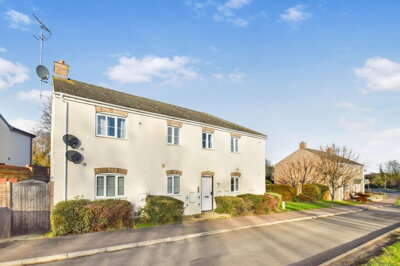
Browse 1 home for sale in Earith, Huntingdonshire from local estate agents.
One bed apartments provide a separate bedroom alongside distinct living space, bathroom, and kitchen areas. Properties in Earith are available in various building types including mansion blocks, contemporary developments, and house conversions.
£0k
0
0
0
Source: home.co.uk
Showing 0 results for 1 Bedroom Flats for sale in Earith, Huntingdonshire.
The Denston property market offers a distinctive range of homes that reflect the village's rural character and historic heritage. Detached properties command the highest prices, with the average currently standing at £575,000, making them ideal for families seeking generous space and privacy. Semi-detached homes average £350,000, providing excellent value for buyers looking to step onto the property ladder in a coveted rural location. Terraced properties, averaging around £275,000, offer an accessible entry point into village life and often include charming period features such as exposed beams and inglenook fireplaces.
Over the past twelve months, property values in Denston have shown steady growth of 1.2%, indicating a stable market with sustained buyer interest. This modest increase suggests that properties in the village retain their value well, even amid broader national market fluctuations. The limited supply of homes for sale, combined with consistent demand from buyers seeking rural Suffolk living, means that well-presented properties in the village can command premium prices. First-time buyers and growing families should note that the terraced and semi-detached segments offer the most accessible opportunities within this exclusive market.
The small number of properties changing hands each year in Denston means the market operates with a degree of exclusivity that larger towns cannot match. Properties here rarely appear on the open market, and when they do, they often attract interest from buyers across East Anglia and beyond. This scarcity factor contributes to the village's reputation as a desirable location and supports property values over the long term. Understanding this dynamic is essential for buyers who may need to act quickly when a suitable property becomes available.

Life in Denston revolves around the rhythms of the Suffolk countryside, offering residents a peaceful lifestyle that has changed little over generations. The village has a population of approximately 134 residents across 58 households, creating an intimate community where neighbours know one another by name. The focal point of village life is The Street, where historic cottages, period farmhouses, and the village church create a scene that has earned Denston its Conservation Area designation. Local amenities include a traditional village pub, providing essential social hub for residents and visitors alike.
The surrounding landscape comprises the gentle rolling hills typical of West Suffolk, with agricultural fields, hedgerows, and small woodlands creating a patchwork of green spaces. The nearby River Glem flows through the valley, offering scenic walks and wildlife-spotting opportunities for those who enjoy the natural environment. Denston lies within easy reach of several larger villages and towns that provide additional services, including primary schools, shops, and medical facilities. The village's position in rural Suffolk means that residents enjoy dark skies at night, making it particularly appealing for those who value astronomy or simply the pleasure of seeing stars without light pollution.
The village pub serves as more than just a place for meals - it functions as the heart of community life, hosting events and gatherings that bring residents together throughout the year. This social infrastructure is particularly valued by newcomers who are building their networks in the area. The sense of belonging that develops in a village of this size is difficult to replicate in larger communities, and many residents report that the friendships formed locally become lifelong bonds. For families with children, the village offers a safe environment where kids can explore the countryside and develop the independence that rural living naturally provides.
Beyond the immediate village, Denston residents have access to the broader West Suffolk countryside, with footpaths and bridleways connecting the community to neighbouring villages and the wider landscape. Walking routes through the area showcase the characteristic hedgerow field patterns that define the Suffolk countryside, while cycling enthusiasts can explore the quiet lanes that link Denston to Clare, Cavendish, and beyond. These outdoor opportunities contribute significantly to the quality of life that makes Denston such an attractive place to call home.

Families considering a move to Denston will find a selection of educational options available within reasonable driving distance. Primary education is served by schools in nearby villages and market towns, with several outstanding and good-rated primary schools located within a short commute. The village's small population means that local primary schools may have limited spaces available, so prospective parents should research catchment areas and enrollment policies carefully. Many families in Denston choose to travel to schools in towns such as Haverhill or Sudbury, which offer broader curriculum choices and excellent facilities.
Secondary education options include well-regarded schools in the surrounding towns, with several academies and grammar schools serving the West Suffolk area. Students can access sixth form provision at schools in Bury St Edmunds and Sudbury, both of which offer a wide range of A-level subjects and vocational courses. For families seeking independent education, several private schools are located within a 30-minute drive, providing additional choices for those willing to travel. The proximity of Denston to Cambridge also opens opportunities for older students to access the renowned educational institutions in that city for further and higher education.
Transport arrangements for school-age children typically involve private vehicles given the rural nature of the area, though some families use the bus services that connect Denston to nearby towns. Planning for school transport is an important consideration for families moving to the village, particularly those with children at secondary school age who may need to travel further for their chosen institution. Many families find that the journey time to good schools is a worthwhile investment given the quality of life that Denston provides in return.
Denston enjoys a strategic position in rural West Suffolk, offering reasonable connectivity to larger towns while maintaining its peaceful village atmosphere. The village is situated approximately 8 miles from Bury St Edmunds, which provides direct rail connections to Cambridge and London Liverpool Street. Daily commuters will find that driving to Bury St Edmunds takes around 25 minutes, with parking available at the railway station for those combining car and rail travel. The journey to London from Bury St Edmunds takes approximately 90 minutes by train, making it feasible for regular commuters to maintain city-based careers.
Road connections from Denston include access to the A143 and A14, which provide routes to Cambridge, Ipswich, and Norwich. The A14 is particularly valuable for those working in logistics or manufacturing, connecting the area to major employment hubs across East Anglia. Bus services operate in the surrounding area, connecting Denston to nearby villages and towns, though schedules may be less frequent than in urban areas. Cyclists will appreciate the quiet country lanes that crisscross the local landscape, though the hilly terrain in places requires a reasonable level of fitness. For air travel, London Stansted and Norwich airports are both accessible within approximately one hour's drive.
Many Denston residents work remotely or run businesses from home, taking advantage of the peaceful environment and the connectivity provided by modern broadband services. The ability to work flexibly has made rural living viable for professionals who previously would have needed to live closer to their offices. This shift has contributed to increased interest in villages like Denston from buyers who value both the lifestyle benefits and the practical requirements of contemporary working life.
Begin by exploring current listings in Denston and surrounding villages. Understanding the price range for different property types will help you set realistic expectations and identify the best opportunities. Our platform provides up-to-date information on all available properties in the area.
Once you have identified properties of interest, schedule viewings to see them in person. Pay attention to the condition of older properties, particularly those in the Conservation Area, and note any features that may require maintenance or specialist care.
Before making an offer, secure a mortgage agreement in principle from a lender. This demonstrates your financial readiness to sellers and their agents, strengthening your position in negotiations.
Given the age of many properties in Denston, we strongly recommend arranging a RICS Level 2 Survey before purchase. This will identify any structural issues, damp problems, or other defects common in period properties. Survey costs in the local area typically range from £450 to £800 depending on property size.
Appoint a conveyancing solicitor to handle the legal aspects of your purchase. They will conduct searches, review contracts, and ensure all necessary documentation is in order for a smooth transaction.
Once all surveys and legal work are satisfactory, you will exchange contracts and pay your deposit. Completion typically follows within a few weeks, after which you will receive the keys to your new home in Denston.
Properties in Denston present unique considerations that buyers should carefully evaluate before purchasing. The village's Conservation Area status means that many properties are subject to planning restrictions regarding alterations, extensions, and external appearances. Any plans to modify a listed building will require Listed Building Consent from West Suffolk Council, which can add complexity and cost to renovation projects. Buyers should verify the listing status of any property they are considering and understand the implications for future modifications.
The local geology presents another important factor to consider. Denston sits on boulder clay over chalk bedrock, creating a moderate to high shrink-swell risk for properties with shallow foundations. This is particularly relevant for older properties or those with large trees nearby, as clay soils can contract significantly during dry periods. A thorough RICS Level 2 Survey will assess foundation conditions and identify any signs of subsidence or movement. The proximity to the River Glem also warrants attention, with a generally low but present risk of fluvial flooding during periods of extreme wet weather.
The construction materials used in Denston properties reflect the local building tradition, with many older homes featuring traditional Suffolk brickwork, timber framing, and lime mortar pointing rather than modern cement. These materials require different maintenance approaches than modern construction, and inappropriate repairs using cementitious renders can trap moisture and cause deterioration. Our inspectors frequently identify issues arising from previous owners using modern materials on traditional buildings, a problem that a RICS Level 2 Survey will highlight. Understanding these construction methods is essential for anyone considering purchasing a period property in the village.
Given the prevalence of listed buildings and the Conservation Area designation, we often recommend that buyers commission a more detailed RICS Level 3 Survey (Building Survey) for significant period properties. This specialist assessment provides a comprehensive analysis of construction, materials, and condition that is particularly valuable for historic buildings where standard surveys may miss important details. The additional cost is justified for properties where renovation or restoration work may be planned, as the survey will identify potential issues and provide guidance on appropriate repair methods.
The age of much of the housing stock in Denston means that certain defects are encountered frequently during property surveys. Damp problems are among the most common issues identified, particularly rising damp in properties that lack a proper damp-proof course or where original lime-based construction has been inappropriately replaced with modern cement. Our inspectors find that penetrating damp often affects roofs where leadwork has deteriorated or where tiles have slipped, allowing water ingress into the structure. Condensation-related issues also occur in properties that have been modernised without adequate ventilation.
Timber defects represent another significant category of problems found in Denston homes. Woodworm activity is frequently discovered in structural timbers and floorboards, particularly in properties where moisture has been allowed to accumulate. Wet and dry rot can develop in areas of persistent dampness, affecting both structural elements and joinery. Our surveyors pay close attention to the condition of timber framing in older properties, as this structural element is critical to the building's integrity. Any evidence of timber damage should be assessed by a specialist before completion.
Roofing issues are particularly prevalent given the age of many properties in the village. Common problems include slipped or broken tiles, deteriorating ridge tiles, failed lead flashings, and decaying timber in rafters and purlins. The original clay tile or slate coverings on older roofs often reach the end of their serviceable life, requiring re-roofing or significant repair. Flat roof sections, where present, frequently show signs of ponding or membrane deterioration. A thorough inspection of the roof space is essential for any property purchase in Denston.
Electrical systems in older Denston properties frequently require attention or complete replacement. Properties constructed before the 1980s typically have wiring and consumer units that do not meet current safety standards. Our inspectors will note the age and condition of visible electrical installations and recommend a qualified electrician assess the system before purchase. Given the complexity of rewiring a period property while preserving its character, electrical upgrades should be factored into renovation budgets.
As of February 2026, the average property price in Denston stands at £415,000. Detached properties average £575,000, semi-detached homes cost around £350,000, and terraced properties typically sell for approximately £275,000. Prices have increased by 1.2% over the past twelve months, indicating stable market conditions in this rural West Suffolk village. The limited supply of available properties means that well-presented homes often achieve prices at or above these averages.
Properties in Denston fall under West Suffolk Council's jurisdiction. Council tax bands vary by individual property depending on its value and characteristics. Most period cottages and family homes in the village typically fall within bands B through E. Prospective buyers should check specific properties on the Valuation Office Agency website to confirm the applicable council tax band before purchase. Council tax charges for properties in this range typically fall between £1,400 and £2,200 annually, depending on the band.
Denston itself is a small village without its own primary school, but families can access good-rated primary schools in nearby villages such as Clare and Cavendish. Secondary education is available at schools in Bury St Edmunds, Sudbury, and surrounding towns, with several achieving outstanding Ofsted ratings. Independent school options are also available within a reasonable drive, providing families with diverse educational choices. Many Denston families choose to make use of the grammar school system in Suffolk, with competitive entrance exams at the 11-plus stage.
Denston has limited public transport options typical of a small rural village. Bus services connect the village to nearby towns, though frequencies are low. The nearest railway stations are in Bury St Edmunds and Audley End, providing access to Cambridge and London Liverpool Street. Most residents rely on private vehicles for daily transport, though the village's position makes cycling viable for shorter journeys. The A14 provides convenient access to Cambridge in approximately 45 minutes by car for those commuting to work in the city.
Denston offers strong appeal for buyers seeking a peaceful rural lifestyle, and property values have shown consistent appreciation over time. The village's Conservation Area status and limited supply of available properties suggest that values are likely to remain stable. However, investors should note that the small population and lack of rental demand may limit rental income potential. Properties requiring renovation, particularly those needing modernisation to modern standards, may offer opportunities for value enhancement. The long-term prospects for Denston property are supported by the ongoing desirability of rural Suffolk living.
Stamp Duty Land Tax rates from April 2025 start at 0% for properties up to £250,000, rising to 5% on the portion between £250,001 and £925,000. For homes priced at £925,001 to £1.5 million, the rate is 10%, with 12% on any value exceeding £1.5 million. First-time buyers may qualify for relief on properties up to £625,000, paying 0% on the first £425,000 and 5% on the remainder. Given the average price of £415,000 in Denston, most buyers would pay stamp duty on the amount above £250,000.
Purchasing a property in Denston involves several costs beyond the purchase price that buyers should budget for carefully. Stamp Duty Land Tax applies to all purchases above £250,000, with rates ranging from 5% on the portion between £250,001 and £925,000. For a typical Denston property priced at £415,000, a buyer would pay approximately £8,250 in stamp duty. First-time buyers purchasing properties under £625,000 may benefit from relief, reducing their stamp duty liability significantly. These thresholds apply to the purchase price portion within each band, so careful calculation is essential.
Additional purchase costs include solicitor fees for conveyancing, which typically range from £499 to £1,500 depending on the complexity of the transaction. A RICS Level 2 Survey costs between £450 and £800 for properties in the Denston area, with the variation reflecting property size, age, and condition. An Energy Performance Certificate is required before selling and costs from £80. Mortgage arrangement fees, valuation fees, and local authority search fees should also be factored into your budget, bringing total additional costs to approximately 2-3% of the purchase price. Setting aside funds for these expenses before proceeding will ensure a smooth transaction when you find your perfect home in Denston.
For buyers purchasing listed buildings or properties in poor condition, additional costs may arise that are worth considering in advance. Specialist surveys such as a RICS Level 3 Building Survey typically cost between £800 and £1,500 but provide much more detailed information about construction and defects. Timber and damp specialist inspections, electrical testing, and gas safety checks are all advisable for older properties. While these expenses add to the upfront cost of purchasing, they can save significant sums by identifying problems before completion rather than after.
Properties for Sale In London

Properties for Sale In Plymouth

Properties for Sale In Liverpool

Properties for Sale In Glasgow

Properties for Sale In Sheffield

Properties for Sale In Edinburgh

Properties for Sale In Coventry

Properties for Sale In Bradford

Properties for Sale In Manchester

Properties for Sale In Birmingham

Properties for Sale In Bristol

Properties for Sale In Oxford

Properties for Sale In Leicester

Properties for Sale In Newcastle

Properties for Sale In Leeds

Properties for Sale In Southampton

Properties for Sale In Cardiff

Properties for Sale In Nottingham

Properties for Sale In Norwich

Properties for Sale In Brighton

Properties for Sale In Derby

Properties for Sale In Portsmouth

Properties for Sale In Northampton

Properties for Sale In Milton Keynes

Properties for Sale In Bournemouth

Properties for Sale In Bolton

Properties for Sale In Swansea

Properties for Sale In Swindon

Properties for Sale In Peterborough

Properties for Sale In Wolverhampton

Enter your details to see if this property is within your budget.
Loans, cards, car finance
Estimated property budget
Borrowing + deposit
You could borrow between
Typical borrowing
Monthly repayment
Est. at 4.5%
Loan-to-value
This is an estimate only. Your actual budget may vary depending on interest rates, credit history, and personal circumstances. For an accurate affordability assessment, speak to one of our free mortgage advisors.
This calculator provides estimates for illustrative purposes only and does not constitute financial advice. Your home may be repossessed if you do not keep up repayments on your mortgage. Estimates based on 4.5% interest rate, repayment mortgage. Actual rates depend on your circumstances.
Homemove is a trading name of HM Haus Group Ltd (Company No. 13873779, registered in England & Wales). Homemove Mortgages Ltd (Company No. 15947693) is an Appointed Representative of TMG Direct Limited, trading as TMG Mortgage Network, which is authorised and regulated by the Financial Conduct Authority (FRN 786245). Homemove Mortgages Ltd is entered on the FCA Register as an Appointed Representative (FRN 1022429). You can check registrations at NewRegister or by calling 0800 111 6768.

We use cookies to show you personalised content and improve your experience of our website. Find out more in our Privacy policy and Cookie policy.