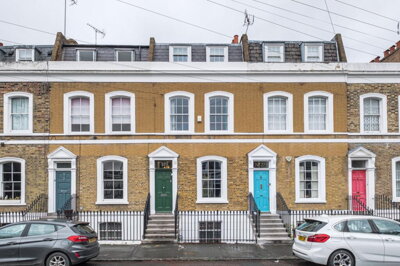
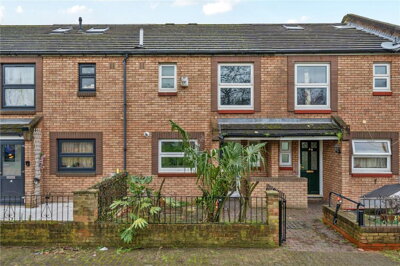
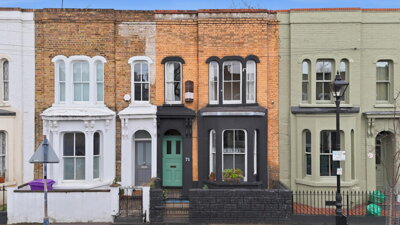
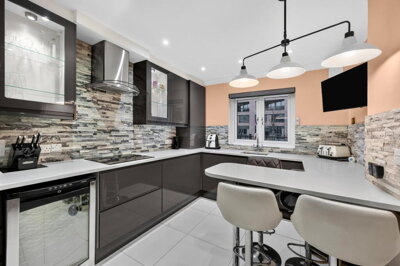
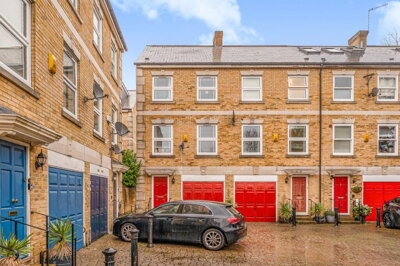
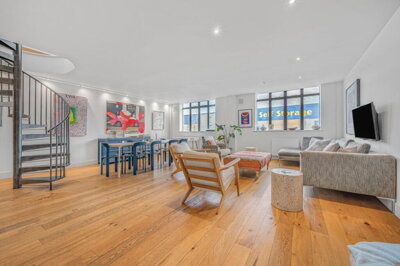
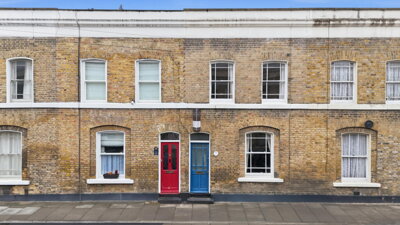
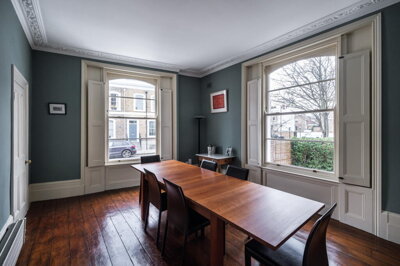
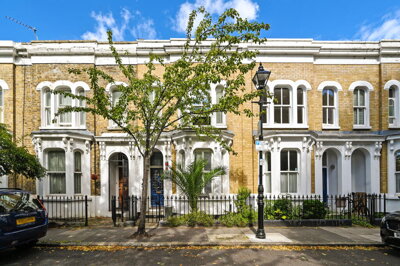
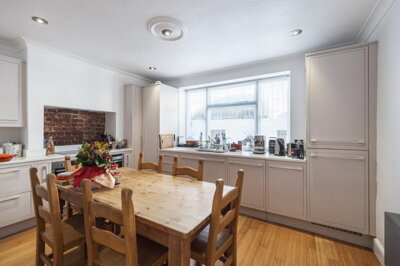
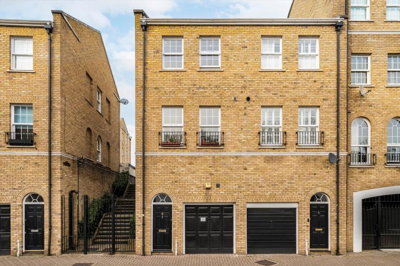
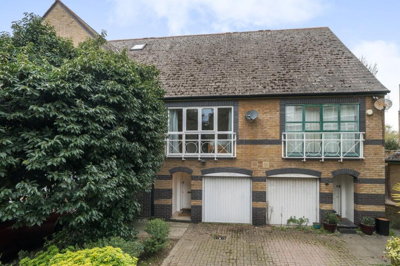
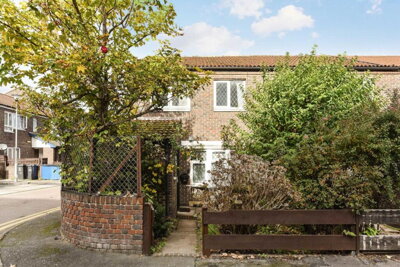
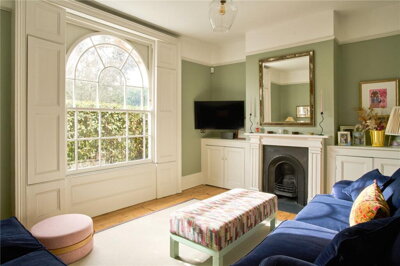
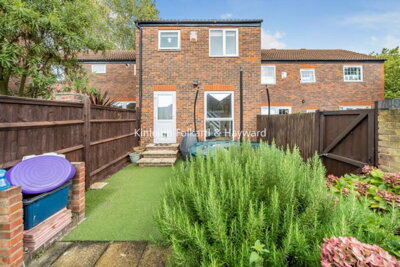
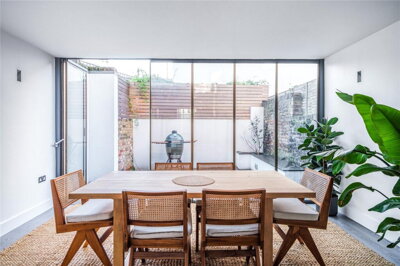
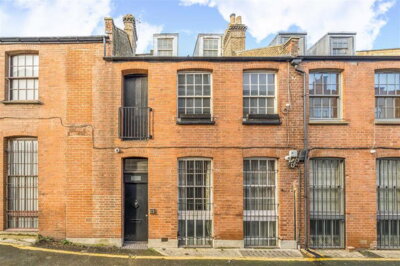
Browse 111 homes for sale in E1 from local estate agents.
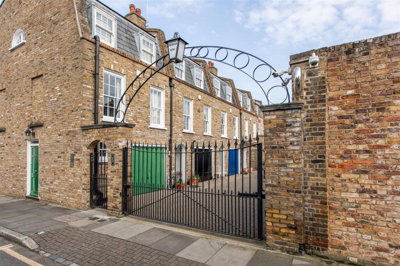
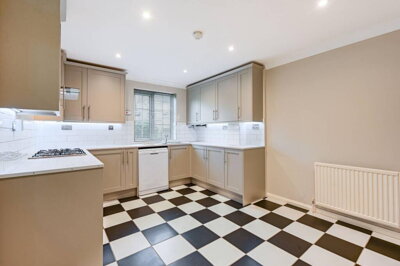
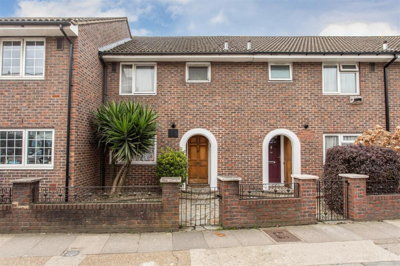
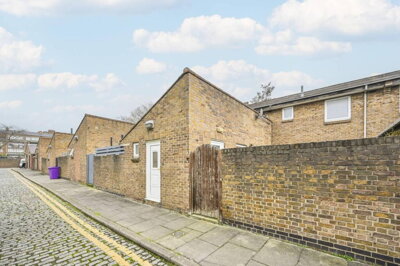
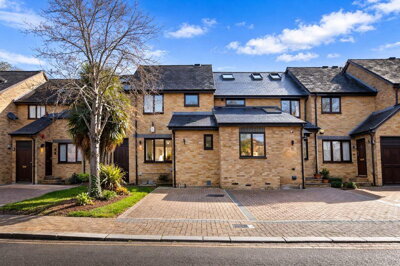
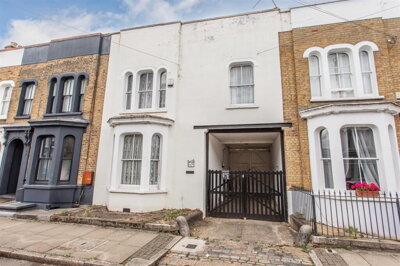
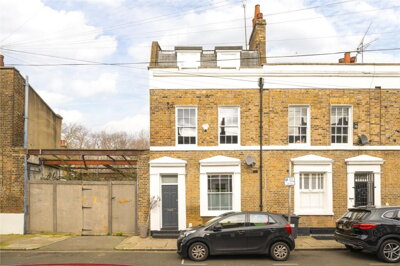
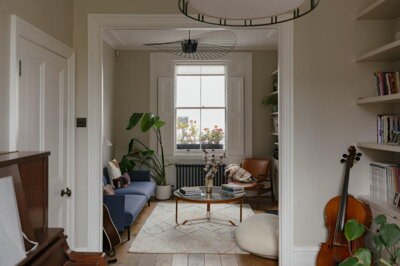
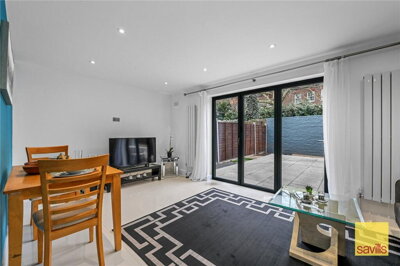
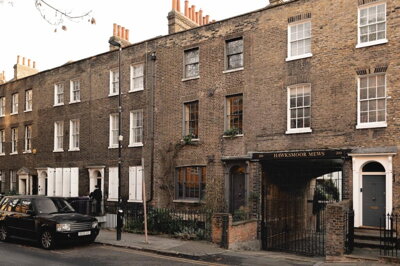
Three bedroom properties represent a significant portion of the E1 housing market, offering space for families with multiple reception rooms and gardens in many cases. Browse detached, semi-detached, and terraced options ranging from period character homes to contemporary developments.
£950k
7
0
57
Source: home.co.uk
Showing 7 results for 3 Bedroom Houses for sale in E1. The median asking price is £950,000.
Source: home.co.uk
Terraced
7 listings
Avg £1.60M
Source: home.co.uk
Source: home.co.uk
The E1 property market reflects the area's remarkable transformation over recent decades. Our data shows 1,029 property sales in the last 12 months across this dynamic postcode. Property prices have shown modest seasonal adjustment, with the overall average declining by 1.03% over the past year, creating opportunities for buyers who are ready to act in the current market conditions. This slight softening has made E1 more accessible for first-time buyers looking to establish themselves in central London without stretching their budgets beyond realistic limits.
Flat prices in E1 average £526,450, making apartment living the most accessible entry point into this sought-after postcode. Terraced properties command higher prices at around £822,763, reflecting the rarity of these historic homes in an area dominated by apartment buildings. Semi-detached homes reach approximately £1,175,000, while detached properties, which are exceptionally rare in this urban environment, average £1,273,333. The premium on houses versus flats demonstrates the strong demand for outside space and additional rooms that remains constant among London buyers seeking more room for families or home offices.
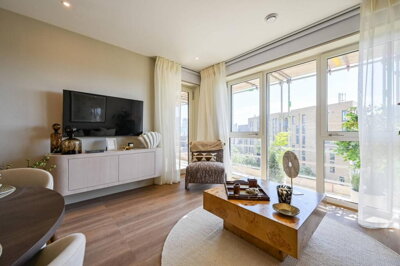
Several significant new build developments continue to shape the E1 landscape. Goodman's Fields by Berkeley Homes offers luxury apartments and penthouses with resort-style amenities including a gym, swimming pool, and cinema. The Silk District by Mount Anvil and L&Q provides options from studios to three-bedroom apartments. Whitechapel Central from Regal London and London Square Spitalfields round out the new build options, with properties often marketed alongside the adjacent One Crown Place development in EC2A. These developments have introduced thousands of new homes to the area while setting new standards for resident facilities and interior specification that influence pricing across the entire postcode.
Price trends across different property types show varying market conditions. Detached properties have experienced the largest decline at 1.78%, followed by semi-detached at 1.26%, while terraced houses have proven more resilient with just 0.73% decline. Flats have seen a 1.04% reduction, broadly in line with the overall market. These figures suggest that the period houses in conservation areas like Spitalfields continue to hold their value better than newer apartment developments, likely due to their relative scarcity and the planning restrictions that limit further construction of similar properties.

The E1 postcode encompasses some of East London's most fascinating and historically significant neighbourhoods. Spitalfields retains its Huguenot heritage with beautifully preserved Georgian townhouses and the famous Spitalfields Market where traders have sold goods since the 17th century. Whitechapel offers a remarkable blend of the historic and contemporary, from the striking Royal London Hospital to the evolving cultural quarter around Brick Lane. The area between Liverpool Street and Aldgate provides seamless access to the City while maintaining a distinct residential character that distinguishes it from purely commercial districts.
The population of approximately 70,000 to 80,000 residents across E1 creates thriving local communities supported by diverse independent retailers, cafes, and restaurants. Bangladeshi cuisine along Brick Lane has earned international recognition, while newer arrivals have brought Vietnamese, Ethiopian, and contemporary British dining options to the area. The Whitechapel Gallery and Museum of London Docklands provide cultural enrichment within walking distance, and the nearby Tower Hamlets parks offer essential green spaces for a densely populated urban environment. Young professionals are drawn to the area's energy and convenience, while families appreciate the strong sense of community in quieter residential streets away from the main commercial zones.
Key employers including financial institutions in the City, tech companies throughout Whitechapel and Aldgate, and the NHS trusts operating the Royal London Hospital ensure that demand for housing in E1 remains consistently strong. Queen Mary University of London in Mile End adds an academic dimension to the local economy, attracting students and researchers who frequently seek rental accommodation nearby. The proximity to Canary Wharf, accessible via the Jubilee line and DLR, opens additional employment opportunities and reinforces E1's status as a location where career advancement and quality of life can be balanced effectively.
The area's property stock spans several distinct construction eras, each bringing different characteristics to the housing market. Georgian and Victorian properties in Spitalfields feature London stock brick construction with original sash windows and often require more maintenance than modern equivalents but offer irreplaceable period details. Post-war council developments around Whitechapel and Shadwell provide more affordable options, while the substantial new build activity since 2000 has transformed former industrial sites into contemporary residential quarters. This diversity means buyers in E1 can choose between characterful period properties, convenient modern flats, or anything in between depending on their priorities and budget.
Families considering a move to E1 will find a range of educational options across all key stages. Primary schools in the Whitechapel and Shadwell areas include Thomas Tallis School, which serves a diverse catchment area and offers strong community engagement. The surrounding Tower Hamlets borough has invested significantly in education, resulting in improved Ofsted ratings across many local schools in recent years. Parents should research individual school catchments carefully, as demand for places in popular primary schools can exceed supply in this densely populated area.
Secondary education options include Dr Kathrine Woolf School and Swanlea School, both serving the local community with growing reputations for academic achievement. For those seeking grammar school education, the Buckinghamshire-based schools are not accessible from E1, but several excellent non-selective schools in the surrounding boroughs offer competitive Sixth Form programmes. The proximity to Queen Mary University of London means that older students have world-class higher education on the doorstep, with the university offering undergraduate and postgraduate programmes across numerous disciplines and maintaining strong industry connections for graduate employment.
Beyond state education, several independent schools operate within reasonable commuting distance from E1, including the IslamicPréparation School in Waltham Forest and various faith-based options throughout East London. Parents should factor travel times into school decisions, as traffic congestion on key routes can significantly extend journey times during peak hours. The availability of before and after-school care varies between institutions, and this amenity often proves essential for working parents navigating the demands of London commuting schedules alongside school responsibilities.
Transport connectivity ranks among E1's most compelling advantages for property buyers. The Elizabeth line, which runs through Whitechapel station, provides rapid access to Heathrow Airport, Paddington, Tottenham Court Road, and Reading without changing trains. Journey times from Whitechapel to Liverpool Street take just two minutes, while Canary Wharf is reachable in approximately 12 minutes via the DLR from Shadwell or Bank stations. This exceptional connectivity has transformed E1 from a peripheral East London postcode into a genuinely central location with outstanding national and international transport links.
Multiple Underground stations serve the E1 area, including Aldgate East, Whitechapel, and Shadwell on the Hammersmith and City line, as well as the District line at Aldgate East. Bank station, providing access to the Central and Northern lines as well as the DLR, is a short walk from the western edge of E1. Bus services throughout the area are frequent and comprehensive, offering an affordable alternative to the Underground for shorter journeys. Drivers should note that parking restrictions are extensive across E1, and the Congestion Charge zone affects areas near Aldgate, making public transport the practical choice for most residents commuting to central London destinations.
For cyclists, the area benefits from several Cycle Superhighway routes connecting to major employment centres, and Barclays Cycle Hire docking stations are distributed throughout the postcode. The relatively flat terrain of East London makes cycling accessible for most fitness levels, though the busy nature of some roads requires confidence in traffic. Walking to work is realistic for residents employed in the City or Canary Wharf, with journey times of 20 to 40 minutes from different parts of E1 depending on the specific destination and walking pace.
Before arranging viewings or making offers on E1 properties, obtain a mortgage agreement in principle from a lender. This demonstrates your financial credibility to estate agents and sellers, strengthening your position in competitive situations where multiple buyers may be interested in desirable properties. Having your financing arranged before you start property hunting also helps you establish a realistic budget based on what lenders are willing to offer rather than what you might theoretically afford.
Explore different neighbourhoods within E1, from the historic streets of Spitalfields to the new developments around Aldgate. Consider your commute requirements, proximity to schools if relevant, and the character of each area. Understanding local price variations helps you identify fair value when you find properties that interest you. Our team can provide additional context about specific developments, management companies, and recent transaction prices to inform your search.
Contact estate agents listing properties in E1 to schedule viewings. We recommend viewing at least five to ten properties to develop a clear understanding of what your budget buys in different locations. Pay attention to the condition of properties, as older buildings in areas like Whitechapel may require maintenance or renovation work. When viewing period properties, look beyond cosmetic presentation to assess the condition of roofs, windows, and any visible signs of damp or structural movement.
Once your offer is accepted, arrange a RICS Level 2 Survey before proceeding with your purchase. For flats averaging £526,450 in E1, expect to pay between £500 and £750 for this essential inspection. Given the prevalence of London Clay geology and older properties in E1, this survey will identify any structural concerns, damp issues, or subsidence risks that may affect your decision. Our inspectors are experienced with the specific construction types found in this postcode and understand the common defect patterns in both Victorian and modern properties.
Your solicitor will handle all legal aspects of the purchase, including searches with Tower Hamlets council, contracts review, and registration with the Land Registry. Choose a solicitor with experience in East London transactions who understands the local property market and any specific considerations for conservation areas or listed buildings. For leasehold properties in E1's many modern developments, the solicitor should carefully review service charge budgets, reserve fund положения, and any upcoming major works that could result in unexpected costs.
After satisfactory survey results and agreed terms, you will exchange contracts and pay your deposit. Completion typically follows within weeks, at which point you will receive the keys to your new E1 home. Consider arranging your removal logistics and utility transfers in advance to ensure a smooth transition to your new property. We recommend scheduling a second visit before completion to verify the property condition and ensure no issues have arisen since your last inspection.
The geological conditions in E1 warrant careful attention from prospective buyers. London Clay underlies much of the area, presenting a moderate to high shrink-swell risk that can affect foundations, particularly for properties built before modern building regulations. During periods of extreme weather, the clay may contract in drought conditions or expand during wet spells, potentially causing subsidence or heave in properties with shallow foundations. Our inspectors check for visible signs of foundation movement, crack patterns, and any evidence of previous remedial work such as underpinning or root barriers that indicate past structural issues.
Flood risk in E1 varies across different parts of the postcode, with surface water flooding posing the most relevant concern during periods of heavy rainfall. Low-lying areas and locations where drainage infrastructure may be overwhelmed can experience localised flooding that affects basements or ground-floor accommodation. While the Thames flood defences provide substantial protection against river flooding, buyers should review any flood risk assessments for specific properties and consider whether adequate insurance coverage is available for their intended purchase. Properties in the Shadwell area, closer to the river, generally face higher flood risk than those on higher ground around Whitechapel.
The high concentration of conservation areas in E1, particularly in Spitalfields, Whitechapel, and parts of Aldgate, means that many properties are either listed or subject to strict planning controls. If you are purchasing a period property or one within a conservation area, understand that certain alterations, extensions, or external modifications may require Listed Building Consent or conservation area consent from Tower Hamlets council. These restrictions protect the character of the neighbourhood but may limit your ability to make significant changes to the property in future. Flats in modern developments typically face fewer restrictions, though you should always review the lease terms and any service charge implications before committing to a purchase.
Building materials vary significantly across E1 depending on the property age. Georgian and Victorian terraces in Spitalfields feature solid London stock brick walls, timber floor joists, and slate or tile roofs, with shallow strip foundations that are more vulnerable to clay movement than modern deep foundations. Post-war properties may incorporate cavity wall construction, but many still feature original plumbing and electrical systems that will require updating. Modern developments typically use steel or concrete frames with brick or rendered facades, and our inspectors assess the condition of these contemporary construction methods, including any cladding systems that may require attention.
The prevalence of leasehold properties in E1 means buyers should pay particular attention to lease terms before committing to a purchase. Ground rent arrangements, service charge levels, and the remaining lease term all affect the long-term cost and enjoyability of ownership. We recommend that your solicitor explains any clauses relating to subletting permissions, pet policies, and procedures for obtaining consent to alter, as these vary significantly between different developments and can impact your plans for the property.
The average property price in E1 is currently £572,206 according to recent market data. Flats average around £526,450, while terraced properties command higher prices at approximately £822,763. Prices have shown a modest decline of 1.03% over the past 12 months, creating opportunities for buyers in a market where prices have stabilised after previous years of significant growth. The E1 market benefits from strong underlying demand driven by the area's excellent transport links and proximity to major employment centres in the City and Canary Wharf.
Properties in E1 fall under Tower Hamlets council tax bands, which range from Band A for the lowest valued properties through to Band H for the most expensive homes. The majority of flats in modern developments typically fall within Bands A to C, while Victorian and Georgian terraced houses may be assessed in higher bands due to their larger size and desirable location. You can check the specific council tax band for any property through the Tower Hamlets council website or the Valuation Office Agency before making an offer.
E1 and the surrounding Tower Hamlets area offer several well-regarded schools across all age groups. Primary schools serving the area include Thomas Tallis School, which has achieved good Ofsted ratings in recent inspections, and English Martyrs School for families seeking a Catholic education. Swanlea School has developed a strong reputation for secondary education, while Stepney Greenmaths College offers a selective grammar stream for academically able students. The borough has seen significant investment in education facilities, with many schools achieving improved Ofsted ratings in recent years.
E1 enjoys exceptional public transport connectivity through multiple Underground stations, the Elizabeth line, and comprehensive bus services. Whitechapel station provides Elizabeth line, Hammersmith and City line, and District line services, while Aldgate East, Shadwell, and nearby Bank stations offer additional Underground connections. Journey times to key destinations include Liverpool Street in 2 minutes via the Elizabeth line, Tottenham Court Road in 12 minutes, and Canary Wharf in approximately 12 minutes via the DLR from Shadwell station.
E1 has historically performed well as an investment location due to its proximity to the City of London and Canary Wharf, strong rental demand from professionals, and ongoing regeneration in areas like Whitechapel. The Elizabeth line has further enhanced accessibility and desirability, with property values along the route showing sustained growth since the line opened. However, like all London markets, property values can fluctuate, and rental yields vary depending on property type and exact location. Flats in modern developments typically achieve higher rental yields but may incur greater service charge costs, while period properties offer capital appreciation potential but may require maintenance investment.
Standard stamp duty rates for 2024-25 apply to E1 property purchases, with 0% charged on the first £250,000, 5% on the portion from £250,001 to £925,000, 10% from £925,001 to £1,500,000, and 12% above £1,500,000. First-time buyers may qualify for relief on the first £425,000, with 5% charged between £425,001 and £625,000. Given the average E1 property price of £572,206, a first-time buyer purchasing at this price would pay approximately £7,361 in stamp duty after their relief entitlement, compared to £16,110 for non-first-time buyers.
Key considerations for E1 buyers include the London Clay geology, which presents a moderate subsidence risk and may affect older properties without deep foundations. Our inspectors check for signs of foundation movement, previous underpinning works, and any crack patterns that might indicate ongoing structural concerns. Surface water flood risk affects some low-lying areas during heavy rainfall, particularly in basements and ground-floor accommodation. The prevalence of leasehold properties, particularly in newer developments, requires careful review of service charges, ground rent terms, and remaining lease length. Properties in conservation areas or listed buildings may face restrictions on alterations that affect future plans for the property.
From £500
A thorough inspection of the property condition, ideal for flats and modern homes in E1. Identifies defects relevant to local construction types.
From £750
A comprehensive building survey recommended for older Victorian and Georgian properties in E1 conservation areas.
From £80
Energy performance certificate required for all property sales.
From 3.94%
Competitive mortgage rates for E1 property purchases from trusted lenders.
From £499
Specialist property solicitors handling E1 transactions including conservation area and leasehold considerations.
Understanding the full costs of purchasing property in E1 helps you budget accurately and avoid surprises during the transaction. The purchase price of £572,206 for an average E1 property represents the largest cost, but you must also budget for stamp duty, legal fees, survey costs, and potential mortgage arrangement fees. For a first-time buyer purchasing at the average price point, stamp duty after relief would amount to approximately £7,361. Standard buyers without first-time buyer status would pay £16,110 on the same property, making the relief scheme particularly valuable for eligible purchasers entering the E1 market.
Legal costs for conveyancing typically range from £500 to £1,500 depending on the complexity of the transaction and whether the property is leasehold or freehold. Leasehold properties in E1's many modern developments require additional searches and documentation review, which may push costs toward the upper end of this range. Your solicitor will conduct local authority searches with Tower Hamlets council, review the lease terms, and ensure there are no outstanding charges or obligations that could affect your ownership. Budget an additional £200 to £500 for disbursements including Land Registry fees, search fees, and bank transfer charges.
If you are purchasing with a mortgage, arrangement fees typically range from £500 to £2,000 depending on the lender and product chosen. Some lenders offer fee-free mortgages with slightly higher interest rates, while others charge lower rates but require upfront fees. A RICS Level 2 Survey for an E1 property costs between £500 and £750 for a typical flat, rising to £700 to £1,000 or more for larger terraced houses. Given the prevalence of older properties and the geological considerations in E1, this investment in professional survey advice is particularly worthwhile for identifying any structural concerns before you commit to your purchase.
Removal costs, utility connections, and potential renovation work should also feature in your moving budget. For period properties in conservation areas, additional costs may arise if you plan to update electrics, plumbing, or heating systems, as these works may require listed building consent. Service charges for the first year of ownership should be confirmed before completion, as these can vary significantly between developments and may include contributions to reserve funds for future maintenance. We recommend setting aside a contingency equivalent to at least 10% of your purchase price for unexpected costs that commonly arise when moving to an older property in this dynamic area.

Properties for Sale In London

Properties for Sale In Plymouth

Properties for Sale In Liverpool

Properties for Sale In Glasgow

Properties for Sale In Sheffield

Properties for Sale In Edinburgh

Properties for Sale In Coventry

Properties for Sale In Bradford

Properties for Sale In Manchester

Properties for Sale In Birmingham

Properties for Sale In Bristol

Properties for Sale In Oxford

Properties for Sale In Leicester

Properties for Sale In Newcastle

Properties for Sale In Leeds

Properties for Sale In Southampton

Properties for Sale In Cardiff

Properties for Sale In Nottingham

Properties for Sale In Norwich

Properties for Sale In Brighton

Properties for Sale In Derby

Properties for Sale In Portsmouth

Properties for Sale In Northampton

Properties for Sale In Milton Keynes

Properties for Sale In Bournemouth

Properties for Sale In Bolton

Properties for Sale In Swansea

Properties for Sale In Swindon

Properties for Sale In Peterborough

Properties for Sale In Wolverhampton

Enter your details to see if this property is within your budget.
Loans, cards, car finance
Estimated property budget
Borrowing + deposit
You could borrow between
Typical borrowing
Monthly repayment
Est. at 4.5%
Loan-to-value
This is an estimate only. Your actual budget may vary depending on interest rates, credit history, and personal circumstances. For an accurate affordability assessment, speak to one of our free mortgage advisors.
This calculator provides estimates for illustrative purposes only and does not constitute financial advice. Your home may be repossessed if you do not keep up repayments on your mortgage. Estimates based on 4.5% interest rate, repayment mortgage. Actual rates depend on your circumstances.
Homemove is a trading name of HM Haus Group Ltd (Company No. 13873779, registered in England & Wales). Homemove Mortgages Ltd (Company No. 15947693) is an Appointed Representative of TMG Direct Limited, trading as TMG Mortgage Network, which is authorised and regulated by the Financial Conduct Authority (FRN 786245). Homemove Mortgages Ltd is entered on the FCA Register as an Appointed Representative (FRN 1022429). You can check registrations at NewRegister or by calling 0800 111 6768.

We use cookies to show you personalised content and improve your experience of our website. Find out more in our Privacy policy and Cookie policy.