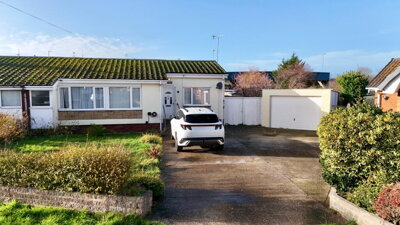
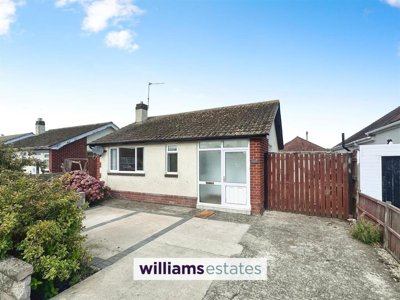
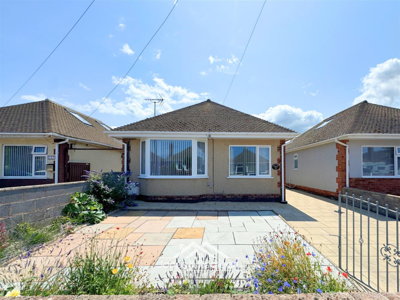
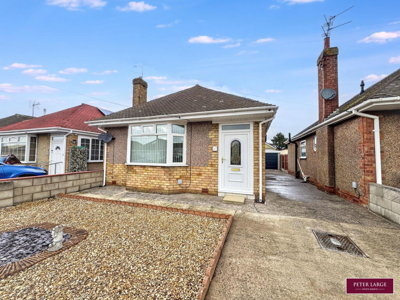
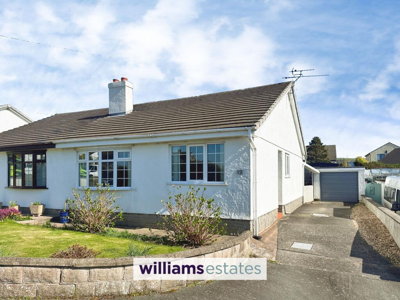
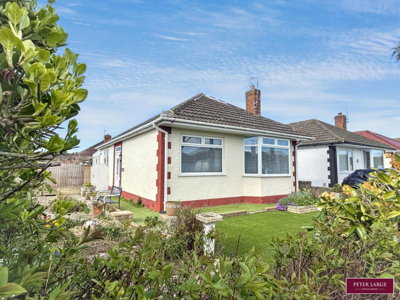
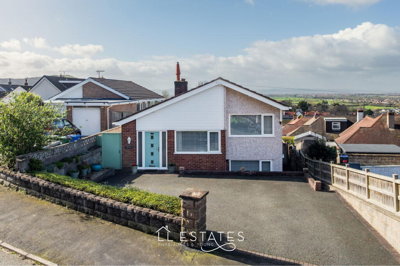
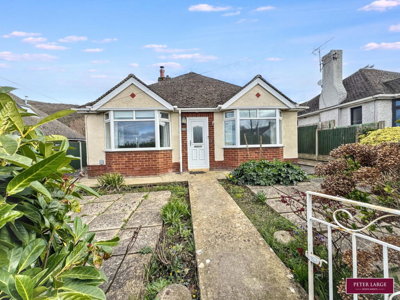
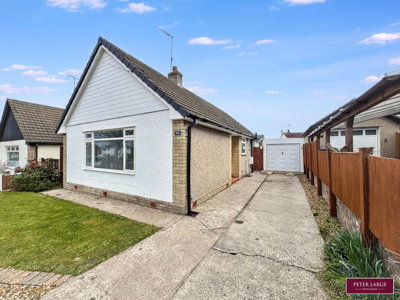
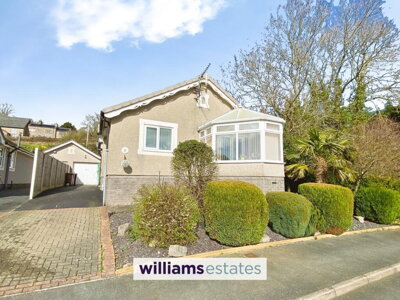
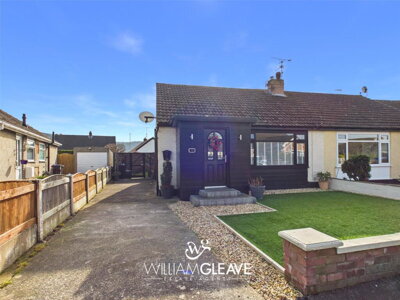
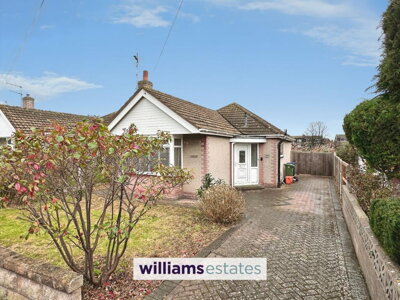
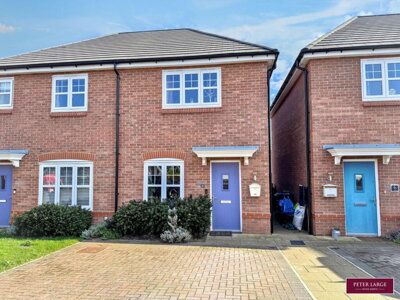
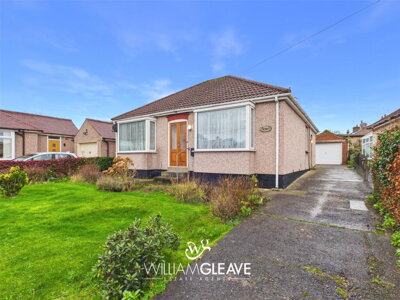
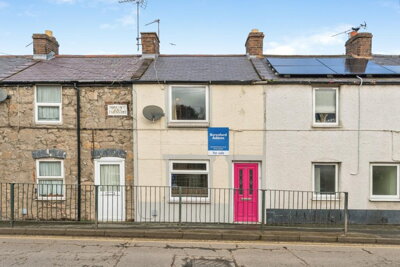
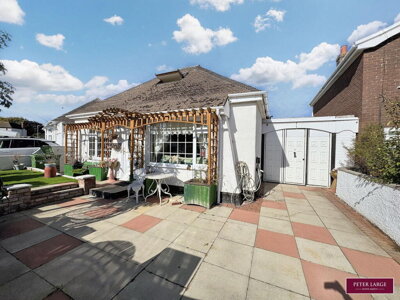
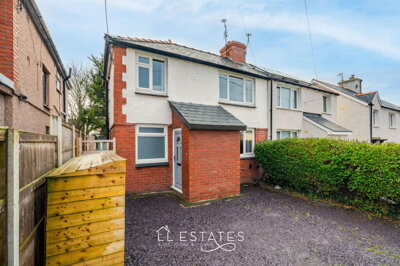
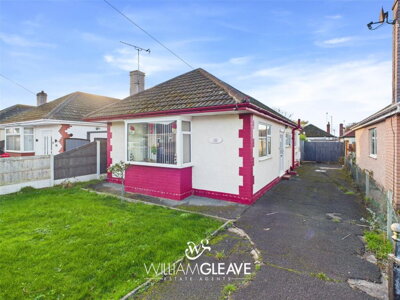
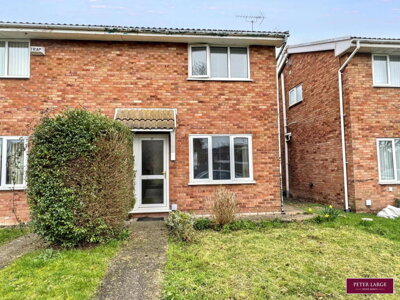
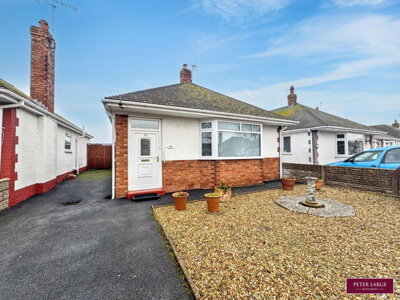
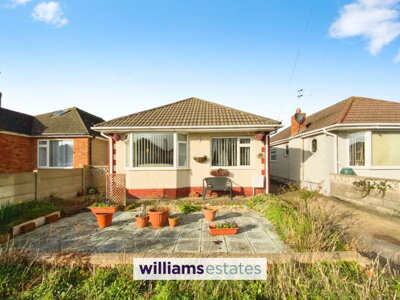
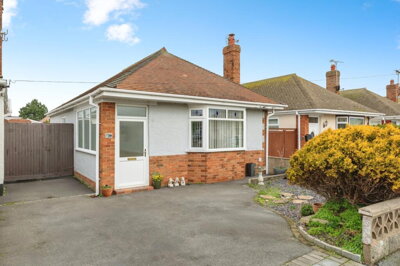
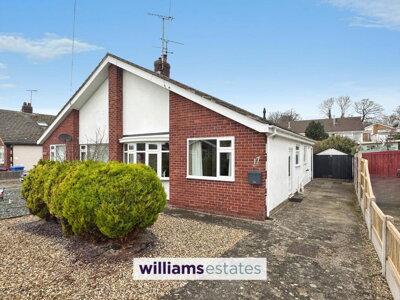
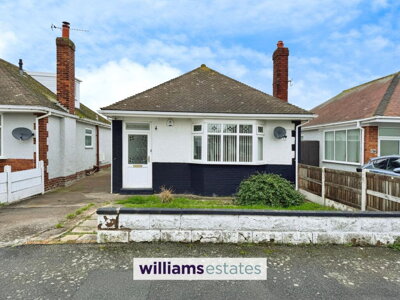
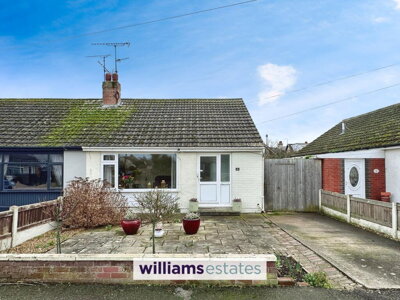
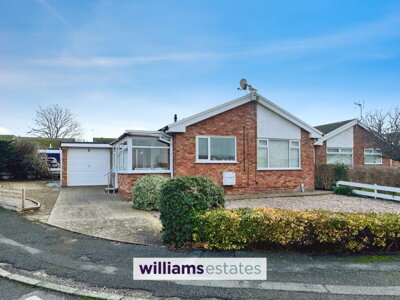
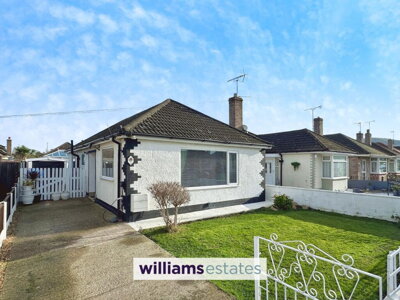
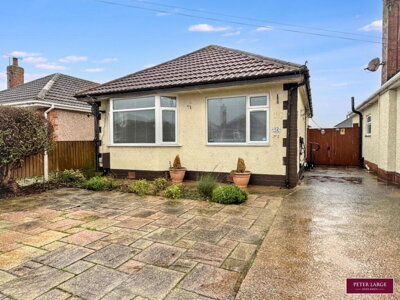
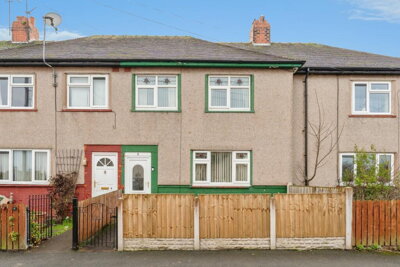
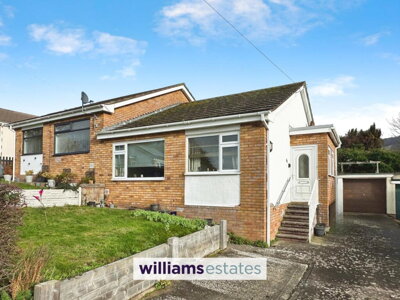
Browse 86 homes for sale in Dyserth, Denbighshire from local estate agents.
The 2 bed house market features detached, semi-detached, and terraced properties with two separate bedrooms plus living spaces. Properties in Dyserth range from Victorian and Edwardian period homes to modern new builds, with pricing varying across different neighbourhoods.
£197k
2
0
44
Source: home.co.uk
Showing 2 results for 2 Bedroom Houses for sale in Dyserth, Denbighshire. The median asking price is £196,500.
Source: home.co.uk
Semi-Detached
2 listings
Avg £196,500
Source: home.co.uk
Source: home.co.uk
The Dyserth property market is dominated by detached homes, which accounted for a remarkable 60.7% of all sales in 2025 with 17 transactions out of 28 total sales recorded. This preference for detached properties reflects the semi-rural character of the village and the demand for spacious homes with gardens in a tranquil setting. Semi-detached properties comprised 9 sales during the same period, while terraced homes and flats each saw just one transaction, indicating limited supply in these categories. The scarcity of terraced properties and flats makes this market particularly challenging for first-time buyers or those seeking more affordable entry points to the village.
Average prices vary considerably by property type, with detached homes commanding around £290,000 to £309,000 depending on the source consulted. Semi-detached properties in Dyserth have sold for approximately £180,000 to £200,000 on average, while terraced properties fetched around £140,000 to £152,500. Flats remain scarce in the village, with limited data suggesting an average price of around £75,000. Rightmove data indicates that sold prices in Dyserth currently sit approximately 5% below the 2022 peak of £264,188, suggesting conditions may favour buyers who act decisively.
Recent price trends show some volatility, with annual figures varying between sources. Land Registry data indicates a 7.4% fall over twelve months, while OnTheMarket reports a more modest 2.2% decline. The LL18 6 postcode area itself showed 8.3% growth in the last year according to some measures, illustrating how localised data can differ significantly. Despite these variations, the overall picture suggests a market that has experienced price corrections from recent highs, creating window-of-opportunity conditions for patient buyers with finance in place.
New build activity in Dyserth itself remains limited, with no significant active developments verified within the village boundaries. Prospective buyers interested in brand-new properties may need to broaden their search to nearby towns such as Prestatyn or Rhyl, where larger developments are more common. This scarcity of new supply helps maintain values for existing properties while also means that rental availability remains tight, supporting both capital values and rental yields for any investors considering the local market.

Dyserth embodies the appeal of North Wales village life, offering residents a close-knit community atmosphere surrounded by beautiful natural landscapes. The village itself provides everyday amenities including local shops, a primary school, and community facilities that serve the needs of residents without requiring trips to larger towns. The pace of life here encourages outdoor activities, with the Welsh countryside and the prestigious Clwydian Range and Dee Valley Area of Outstanding Natural Beauty right on the doorstep. Walking routes through local farmland and along country lanes provide immediate access to scenic landscapes without the need for lengthy journeys.
The village enjoys proximity to the coastal towns of Rhyl and Prestatyn, both offering wider shopping facilities, supermarkets, and leisure centres within a short drive. Prestatyn has undergone significant regeneration in recent years, developing a more diverse retail and dining offering that complements its beachfront attractions. Families are drawn to Dyserth for its safe environment, scenic surroundings, and strong community spirit, with regular events and activities bringing neighbours together throughout the year.
Local community life in Dyserth centres around the village school, local church, and community hall, where events ranging from agricultural shows to quiz nights foster the connections that make village living rewarding. The nearby coastal areas provide additional recreational opportunities during summer months, while the changing seasons showcase the beauty of the Welsh landscape throughout the year. For outdoor enthusiasts, the proximity to the Clwydian Range offers excellent walking, with Offa's Dyke Path passing through the region and providing long-distance hiking opportunities.

Families considering a move to Dyserth will find educational options available within the village itself and the surrounding area. Dyserth Primary School serves the local community, providing education for children from reception through to Year 6. The school offers a small, supportive environment where teachers can give individual attention to each pupil, something that many parents value when choosing between urban and rural settings. Class sizes in village primaries often remain smaller than in larger towns, allowing teachers to develop stronger relationships with students and parents alike.
For secondary education, pupils typically travel to nearby Rhyl or Prestatyn, where several comprehensive schools serve the wider area. Denbighshire maintains a network of schools with varying strengths, and parents are advised to research specific school performance data and catchment area boundaries when planning a move. Several schools in the surrounding area have achieved positive Ofsted ratings in recent years, making this part of North Wales an attractive option for families prioritising education. Transport arrangements for secondary school pupils typically involve school buses, though journey times of 20-30 minutes are common depending on the specific school and home address.
Higher education facilities are accessible through the larger towns, with Glyndwr University in Wrexham and the University of Chester both within commuting distance for older students. The proximity of these institutions means that families do not need to relocate as children reach university age if they wish to maintain their Dyserth base, a consideration that adds long-term value to property purchases in the village.
Dyserth benefits from its position between the North Wales coast and the beautiful inland countryside, with transport connections that serve both local needs and longer-distance travel. The village lies within easy reach of the A55 trunk road, which runs along the North Wales coast connecting Chester to the Isle of Anglesey. This major road provides reliable access to larger cities including Liverpool and Manchester for those who commute for work. The A55 has been progressively upgraded over the years, improving journey times and reliability for commuters heading towards the Northwest of England.
Rail services are available from nearby Rhyl and Prestatyn stations, offering direct connections to destinations along the North Wales Coast main line. Journey times to Chester take approximately 45 minutes by train, opening up access to the broader rail network for travel further afield. Regular services connect to Birmingham New Street and London Eustam via Chester, though journey times to the capital typically exceed three hours. Local bus services connect Dyserth with surrounding villages and towns, though frequencies may be limited compared to urban areas, making car ownership practically essential for many residents.
For residents with cars, the surrounding countryside offers scenic drives through the Clwydian Range, while the stunning landscapes of Snowdonia National Park are accessible for day trips and weekend excursions. The ferry port at Holyhead provides access to Irish Sea crossings to Dublin, making Dyserth surprisingly well-connected for international travel. Many residents find that the quality of life benefits of village living more than compensate for the slightly longer commute times compared to living closer to major employment centres.
Understanding the predominant property types in Dyserth helps buyers narrow their search and anticipate the characteristics they are likely to encounter. The most common property type for sale in the village is the three-bedroom detached bungalow, a hallmark of mid-to-late twentieth century residential development across North Wales. These single-storey homes appeal strongly to retirees and smaller households seeking comfortable living without the maintenance demands of larger two-storey properties.
Detached family houses in Dyserth typically offer three to four bedrooms and were often constructed during the same post-war period as the bungalow stock. Many of these properties sit on generous plots with mature gardens, reflecting the land availability that characterises village development patterns. The semi-rural setting means that properties frequently enjoy views across surrounding farmland or towards the distant hills, features that command premium valuations in the local market.
Construction methods across North Wales often reflect the regional availability of materials, with properties typically featuring brick, render, and locally sourced stone in their external finishes. Roofs predominantly use slate, reflecting the strong tradition of Welsh slate quarrying that made this material both available and affordable across the region. These traditional construction methods generally provide durable, long-lasting structures, though the age of much of the housing stock means that issues such as roof condition, pointing deterioration, and the condition of original windows warrant careful inspection before purchase.
Before viewing any properties, obtain a mortgage agreement in principle from a lender. This demonstrates to sellers that you are a serious buyer with funding already assessed, which is particularly important in a village market where properties may attract multiple interested parties. Given current interest rate conditions, exploring different mortgage products and speaking to a fee-free financial adviser can help clarify your budget and ensure you are prepared when the right property becomes available.
Explore current listings and recently sold prices in the LL18 6 postcode area to understand what your budget can secure. With detached properties averaging around £290,000 to £309,000 and prices currently 5% below the 2022 peak of £264,188, conditions offer different opportunities depending on your position. Register with multiple estate agent portals and set up instant alerts so you can arrange viewings quickly when suitable properties appear on the market.
Contact local estate agents active in Dyserth and the surrounding Denbighshire area to arrange viewings. Pay attention to property condition, garden sizes, and parking availability, as these factors significantly impact daily life in a village setting. Consider visiting properties at different times of day to assess noise levels, traffic patterns, and the quality of natural light across the day.
Once you have had an offer accepted, arrange a RICS Level 2 Survey to assess the property condition thoroughly. Given the age of much of the housing stock in North Wales, this survey can identify issues with roofs, damp, or structural elements that may not be visible during a standard viewing. For older properties or those in conservation areas, a more detailed RICS Level 3 Survey may be warranted to provide comprehensive analysis of construction and condition.
Choose a conveyancing solicitor with experience in Welsh property transactions to handle the legal work. They will conduct searches, handle land registry requirements, and ensure your purchase proceeds smoothly through to completion. Local knowledge of Denbighshire planning issues and any village-specific covenants or restrictions can prove valuable during the conveyancing process.
After all searches are satisfactory and finances are confirmed, you will exchange contracts and agree a completion date with the seller. On completion day, your solicitor will transfer the remaining funds and you will receive the keys to your new Dyserth home. At this point, you will typically need to arrange buildings insurance, notify utility companies of the change of occupancy, and register with local services such as doctors and dentists.
Buyers considering properties in Dyserth should pay particular attention to the construction and condition of homes, many of which date from the mid-twentieth century or earlier. Common issues in properties of this age include roof condition, the presence of damp, and the state of original windows and heating systems. A thorough RICS Level 2 Survey will identify any concerns before you commit to the purchase, potentially saving significant expense later. Given the prevalence of slate roofing across the region, checking for slipped or damaged slates and assessing the overall roof structure should form part of any viewing assessment.
Parking availability is an important consideration in a village setting, where driveways and garages add considerable value to properties. Properties without dedicated parking can prove challenging for households with multiple vehicles, particularly given the limited public transport options serving Dyserth. Additionally, those considering flats in the area should carefully examine lease terms, ground rent clauses, and any service charges that apply, as these ongoing costs can significantly affect overall affordability. The limited flat supply in Dyserth means that any such properties may carry leasehold complications that require careful legal review.
Flood risk should always be verified for properties in Wales, particularly those near watercourses or in low-lying areas. While specific flood risk data for Dyserth was not available in current searches, buyers should request a specialist flood risk report and review Environment Agency mapping before proceeding. Properties in or near conservation areas may face restrictions on modifications, so it is worth checking with Denbighshire County Council planning department if you have renovation plans. Any proposed extensions or significant alterations to older properties may require planning permission and listed building consent if the property has any historic designation.
The average sold price for a property in Dyserth over the past twelve months is approximately £243,206 according to Zoopla data, with Rightmove reporting £250,363 and OnTheMarket citing £253,000. Detached properties average around £290,000 to £309,000, while semi-detached homes typically sell for £180,000 to £200,000. Terraced properties have sold for approximately £140,000 to £152,500. The variation between sources reflects different methodologies and the relatively small sample size of transactions in this village market.
Properties in Dyserth fall under Denbighshire County Council's jurisdiction for council tax purposes. Bands range from A through to H, with the specific band assigned depending on the property's assessed value. Most three-bedroom detached bungalows in the village typically fall into bands C or D, though individual assessments vary. You can verify the council tax band for any specific property through the Valuation Office Agency website using the property address or council tax reference number.
Dyserth has a local primary school serving Reception to Year 6, providing education within the village itself. For secondary education, pupils typically attend schools in nearby Rhyl or Prestatyn, with journey times of approximately 20-30 minutes by school bus. Parents should research individual school performance through the Welsh Government website or Estyn reports to identify the best options for their children, as school performance can vary significantly year by year. Catchment area boundaries are particularly important to verify before committing to a purchase, as they can affect which schools your children can attend.
Dyserth is served by local bus routes connecting the village to nearby towns including Rhyl and Prestatyn, though service frequencies are limited compared to urban areas. Rhyl railway station offers direct services along the North Wales Coast main line, with journey times to Chester taking approximately 45 minutes and connections onwards to Birmingham and London. The A55 trunk road passes nearby, providing road connections to Chester, Liverpool, and Manchester for those who drive, with typical journey times of around one hour to Liverpool and ninety minutes to Manchester in good traffic conditions.
Dyserth offers potential for both long-term residence and property investment, though buyers should understand current market conditions and property limitations. House prices have fallen by approximately 7.4% over the past year and sit around 5% below the 2022 peak of £264,188, suggesting a buyers' market for those with capital. The predominance of detached properties (over 60% of sales) indicates demand for family homes in a village setting, though limited new build supply means rental stock is unlikely to increase rapidly. Rental demand in Dyserth benefits from the village's appeal to families and retirees, though the limited property stock means achieving rental income requires careful property selection and management.
As Dyserth is in Wales, Land Transaction Tax applies rather than Stamp Duty Land Tax. For standard residential purchases, the rates are 0% on the first £225,000, 6% on £225,001 to £400,000, 7.5% on £400,001 to £750,000, and 10% on £750,001 to £1,500,000, with 12% above that. For a typical detached home in Dyserth priced around £290,000, LTT would amount to approximately £3,900 on the portion above £225,000. First-time buyers in Wales do not receive additional relief beyond any provisions within Welsh LTT bands, so standard rates apply regardless of previous property ownership.
The village's older housing stock means that some properties come to market requiring varying degrees of renovation or modernisation. Properties needing work often price accordingly below the village average, offering opportunities for buyers willing to undertake projects in exchange for below-market purchase prices. However, renovation costs in North Wales can exceed expectations due to specialist contractor availability and material delivery charges from more distant suppliers. Anyone considering a renovation project should obtain detailed quotes before committing to purchase and factor in contingency budgets of at least 20% for unexpected discoveries.
The North Wales property market typically experiences seasonal variations, with transaction volumes generally lower during autumn and winter compared to spring and summer. This pattern reflects buyer behaviour and the practical challenges of moving during darker, wetter months. Prices tend to be relatively stable across seasons in normal market conditions, though properties that remain on the market through winter may face price reductions if vendors become motivated to achieve sales before year-end. Patient buyers who search during quieter periods may find motivated sellers willing to negotiate more favourable terms.
From 4.5%
Finance your Dyserth home purchase with competitive mortgage rates
From £499
Expert legal services for your property transaction in Wales
From £350
Professional survey to assess property condition before you buy
From £60
Energy performance certificate for your Dyserth property
Understanding the full costs of buying a property in Dyserth extends beyond the purchase price itself. In Wales, buyers pay Land Transaction Tax rather than Stamp Duty Land Tax, with residential rates set at 0% for the first £225,000 of the purchase price. For a typical detached home in Dyserth priced around £290,000, this means LTT would apply at 6% on the portion between £225,000 and £400,000, resulting in a charge of approximately £3,900 on that portion alone. This represents a significant upfront cost that buyers must factor into their overall budget alongside deposit and mortgage arrangement requirements.
Beyond LTT, buyers should budget for solicitor fees typically ranging from £500 to £1,500 depending on complexity and property value. A RICS Level 2 Survey costs from around £350 for a standard property, rising for larger homes or those requiring more detailed assessment. If you require a mortgage, arrangement fees of £1,000 to £2,000 are common, though some lenders offer fee-free deals that may suit particular buyers. Search fees, land registry charges, and removals costs add further expenses, so most buyers find it helpful to set aside an additional 2% to 3% of the purchase price for these ancillary costs.
First-time buyers should note that Wales does not currently offer the same first-time buyer relief as existed in England, so standard LTT rates apply regardless of whether you have previously owned property. Getting a mortgage agreement in principle before house hunting is strongly recommended, as it clarifies your budget and demonstrates serious intent to sellers in what can be a competitive village market. The buying process in Wales follows similar stages to England, though specific Welsh regulations and requirements for Land Transaction Tax filings require experienced conveyancing solicitors to navigate correctly.
Properties for Sale In London

Properties for Sale In Plymouth

Properties for Sale In Liverpool

Properties for Sale In Glasgow

Properties for Sale In Sheffield

Properties for Sale In Edinburgh

Properties for Sale In Coventry

Properties for Sale In Bradford

Properties for Sale In Manchester

Properties for Sale In Birmingham

Properties for Sale In Bristol

Properties for Sale In Oxford

Properties for Sale In Leicester

Properties for Sale In Newcastle

Properties for Sale In Leeds

Properties for Sale In Southampton

Properties for Sale In Cardiff

Properties for Sale In Nottingham

Properties for Sale In Norwich

Properties for Sale In Brighton

Properties for Sale In Derby

Properties for Sale In Portsmouth

Properties for Sale In Northampton

Properties for Sale In Milton Keynes

Properties for Sale In Bournemouth

Properties for Sale In Bolton

Properties for Sale In Swansea

Properties for Sale In Swindon

Properties for Sale In Peterborough

Properties for Sale In Wolverhampton

Enter your details to see if this property is within your budget.
Loans, cards, car finance
Estimated property budget
Borrowing + deposit
You could borrow between
Typical borrowing
Monthly repayment
Est. at 4.5%
Loan-to-value
This is an estimate only. Your actual budget may vary depending on interest rates, credit history, and personal circumstances. For an accurate affordability assessment, speak to one of our free mortgage advisors.
This calculator provides estimates for illustrative purposes only and does not constitute financial advice. Your home may be repossessed if you do not keep up repayments on your mortgage. Estimates based on 4.5% interest rate, repayment mortgage. Actual rates depend on your circumstances.
Homemove is a trading name of HM Haus Group Ltd (Company No. 13873779, registered in England & Wales). Homemove Mortgages Ltd (Company No. 15947693) is an Appointed Representative of TMG Direct Limited, trading as TMG Mortgage Network, which is authorised and regulated by the Financial Conduct Authority (FRN 786245). Homemove Mortgages Ltd is entered on the FCA Register as an Appointed Representative (FRN 1022429). You can check registrations at NewRegister or by calling 0800 111 6768.

We use cookies to show you personalised content and improve your experience of our website. Find out more in our Privacy policy and Cookie policy.