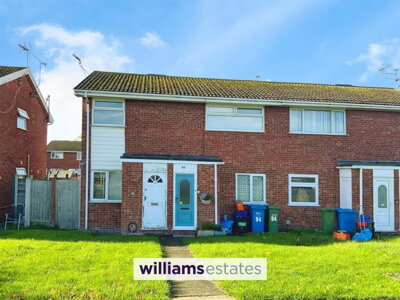
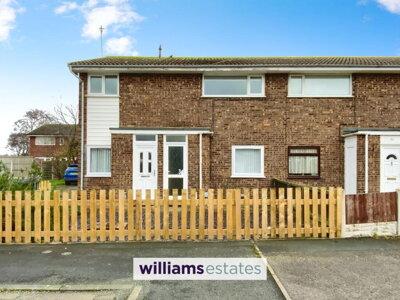
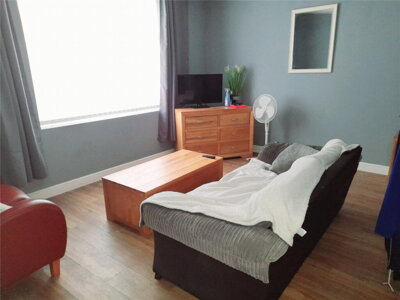
Browse 3 homes for sale in Dyserth, Denbighshire from local estate agents.
The 2 bed flat sector typically includes two separate bedrooms, dedicated living areas, and bathroom facilities. Properties in Dyserth span purpose-built blocks, converted period houses, and modern apartment complexes on various floors.
£0k
0
0
0
Source: home.co.uk
Showing 0 results for 2 Bedroom Flats for sale in Dyserth, Denbighshire.
The Powys property market offers exceptional variety for buyers, from traditional stone-built farmhouses and charming terraced cottages in historic market towns to contemporary detached family homes in established residential areas. Property prices in Powys remain notably accessible, with detached homes averaging £304,010 and semi-detached properties at around £194,188, making this one of the more affordable rural counties in the UK for families seeking generous living space without the premium prices found in southern England. Terraced properties typically sell for approximately £165,160, while flats and maisonettes represent the most affordable entry point at around £105,714.
The market has experienced modest adjustments over the past twelve months, with overall prices declining by approximately 2.31% as buyers and sellers adjust to changing economic conditions. This cooling period presents genuine opportunities for purchasers who may find themselves with greater negotiating power than in the competitive seller markets of recent years. Detached properties have seen similar adjustments at around 2.36%, while terraced homes and flats have shown greater resilience with declines of just 1.79% and 1.82% respectively, suggesting sustained demand for family-sized homes in the county's towns and villages.
Several new-build developments are currently underway across Powys, providing opportunities for buyers seeking modern construction with contemporary fittings and energy efficiency. The Pastures in Newtown offers three and four-bedroom homes from £229,995 to £319,995, while Charles Church's Maes Y Dderwen development in Brecon presents larger family homes priced between £289,995 and £429,995. Persimmon Homes' The Coppice in Welshpool provides two, three, and four-bedroom options from £199,995, and Elan Homes' Llys Y Coed in Llandrindod Wells offers three and four-bedroom properties from £259,995 to £369,995.

Powys offers a lifestyle that many homebuyers find increasingly precious: space, natural beauty, and a genuine sense of community that has become rare in urban environments. The county's population of approximately 133,000 residents across 60,182 households creates a population density of just 26 persons per square kilometre, the lowest of any local authority in Wales. This sparse population means that wherever you choose to live in Powys, you are never far from open countryside, with stunning views across valleys, mountains, and moorland that change character with each passing season. The average household size of 2.19 people reflects a mix of families, couples, and individuals who have chosen to embrace the quieter rhythms of rural Welsh life.
The housing stock in Powys reflects its predominantly rural character and historical development. Nearly half of all properties in the county are detached homes at 47.9%, providing the generous gardens and private outdoor space that define the rural lifestyle. Semi-detached properties account for 26.0% of the housing stock, while terraced homes represent 17.5%, concentrated mainly in the market towns where they were built to serve local workers and shopkeepers. Flats and maisonettes comprise just 7.9% of properties, with the remaining 0.7% consisting of caravans and mobile structures that serve as permanent or holiday homes in more remote locations.
The age profile of Powys properties tells the story of a county with deep historical roots and steady development through the twentieth century. A remarkable 30.7% of properties were built before 1919, including many beautiful stone-built farmhouses, traditional cottages, and historic buildings constructed using local materials including sandstone, shale, and slate. A further 31.0% were built between 1945 and 1980, representing the post-war expansion of housing to accommodate a growing population. Properties built after 1980 account for 27.9% of the stock, with these newer homes providing more contemporary layouts and improved insulation standards.
Key employers in Powys include agriculture, forestry, and fishing, which accounts for 14% of employment - significantly higher than the Welsh average of 3% and the highest of any local authority in Wales. The public sector, including NHS Powys Teaching Health Board, education, and Powys County Council, provides substantial employment, while the Brecon Beacons National Park supports a growing tourism industry. These economic factors influence both housing demand and the character of properties available throughout the county.

Education provision in Powys reflects the county's commitment to serving its dispersed rural population with accessible schools throughout its towns and villages. Powys County Council maintains a network of primary schools serving communities across the county, with many small rural schools providing intimate learning environments where children benefit from close relationships with teachers and a strong sense of local identity. Secondary education is concentrated in the larger towns including Newtown, Brecon, Welshpool, and Llandrindod Wells, where students can access broader curriculum choices and specialist facilities. The county's rural character means that school transport links are an important consideration for families, with many secondary pupils travelling reasonable distances to reach their schools.
Several schools in Powys have received excellent Ofsted ratings, reflecting the dedication of teaching staff and the supportive learning environments found throughout the county. Parents researching educational options should consult the Ofsted website for the latest inspection reports, as ratings are updated regularly following full inspections. For families seeking faith-based education, the county offers church primary schools that combine academic excellence with religious character. Secondary school options include both community schools and those with specialist status in areas such as technology, arts, and sports.
Beyond primary and secondary education, Powys provides further education opportunities through colleges and training providers serving students of all ages. The county's proximity to larger cities including Hereford, Shrewsbury, and Cardiff means that students seeking university education or advanced vocational qualifications can access institutions in these cities within reasonable travelling times. The growth of online learning and remote working has created new opportunities for Powys residents to pursue further education without relocating, with many adults combining study with family life and rural employment. Families prioritising education will find Powys offers solid foundations, though catchment areas and travel logistics warrant careful research before committing to a specific location.
Transport connections in Powys reflect its status as a predominantly rural county, with road travel forming the backbone of daily commuting and transportation. The A458 runs east-west through the county, connecting Welshpool to Shrewsbury and providing access to the national motorway network via the M54. The A470 serves as the main north-south artery, running from Cardiff through Brecon and the Cambrian Mountains to Dolgellau and the north Wales coast. The A483 provides an important east-west route through Newtown and Llandrindod Wells, connecting the county to the M4 corridor and Swansea in the south. These main roads are complemented by smaller B roads and country lanes that provide access to the county's numerous villages and isolated properties.
Rail connections are more limited but serve key towns effectively for those commuting to larger employment centres. The Cambrian Line runs through Powys, connecting Shrewsbury to Aberystwyth via towns including Welshpool and Dovey Junction, providing access to the West Midlands and national rail network. The Heart of Wales Line runs through the southern part of the county, connecting with the main line at Craven Arms and providing a scenic route through the Welsh borders to Swansea. Journey times to major cities can be lengthy, with travel to Cardiff taking two to three hours by public transport, making Powys more suitable for those working locally or with flexible arrangements such as hybrid working.
The increase in home working from 22% in 2011 to 30% in the 2021 Census reflects a significant shift in Powys's employment patterns, with many residents now able to pursue careers remotely without the need for daily commuting. This change has made rural locations like Powys more attractive to professionals who previously would have needed to live within reasonable reach of major employment centres. Bus services operate throughout Powys, connecting towns and villages, though frequencies are often limited compared to urban areas, making car ownership effectively essential for many residents.
Start by exploring our comprehensive property listings to understand what is available within your budget. Powys offers properties ranging from affordable terraced homes at around £165,000 to substantial detached properties exceeding £300,000, so defining your priorities and price range early will help focus your search. Consider visiting the county at different times of year to experience how the landscape and local amenities change across seasons.
Before viewing properties, obtain a mortgage agreement in principle from a lender to confirm your borrowing capacity. Current Stamp Duty thresholds mean that properties up to £250,000 attract zero duty for most buyers, with first-time buyers able to claim relief on purchases up to £625,000. Speaking with a mortgage broker can help you understand the full costs involved, including deposit requirements, arrangement fees, and ongoing mortgage payments.
Work with local estate agents to arrange viewings of properties that match your criteria. Many properties in Powys are older constructions built before 1980, so pay attention to the condition of roofs, damp-proof courses, and electrical systems during viewings. Take measurements and photographs to help remember each property's features, and do not hesitate to revisit properties that particularly interest you at different times of day.
Given that over 72% of properties in Powys were built before 1980, a RICS Level 2 survey is highly recommended before proceeding with any purchase. These surveys typically cost between £400 and £700 for standard properties in the county and can identify issues such as damp, roof defects, structural movement, and outdated electrics that may not be visible during viewings. For period properties or those with known defects, a more comprehensive RICS Level 3 survey may be advisable.
Once your offer has been accepted, instruct a solicitor to handle the legal aspects of your purchase. Conveyancing services in Powys typically cost from £499 for straightforward transactions, though leasehold properties or those with planning complications may cost more. Your solicitor will conduct searches, review contracts, and coordinate with the seller's representatives to ensure a smooth transaction through to completion.
After all searches and surveys have been satisfactory and contracts have been signed, your solicitor will arrange for the deposit to be paid and contracts to be exchanged, setting a completion date. On completion day, the remaining funds are transferred, and you receive the keys to your new Powys home. Register your ownership with HM Land Registry and update your address with banks, utilities, and relevant organizations.
Property buyers in Powys should pay particular attention to the construction and condition of buildings given the county's predominantly older housing stock. With over 30% of properties built before 1919, traditional construction using local stone, lime mortar, and slate roofing is common throughout the county. These materials require different maintenance approaches than modern brick and tile, so understanding how to care for a period property is essential before committing to a purchase. Look for signs of damp, particularly rising damp in properties without adequate damp-proof courses, and check the condition of slate roofs where individual slates may have slipped or become brittle with age.
Flood risk requires careful consideration when buying in Powys, as the county's numerous rivers including the Severn, Wye, Usk, and Teme create potential flooding concerns in low-lying areas adjacent to their courses. Properties in towns such as Newtown, which sits on the River Severn, or along other river valleys should be researched thoroughly for their flood history and any flood prevention measures in place. Surface water flooding can also occur during heavy rainfall, particularly where drainage systems are inadequate. Always review the government's flood risk maps and ask sellers about any previous flooding incidents before proceeding with a purchase.
Conservation areas and listed buildings are prevalent throughout Powys, with protected status applying to towns and villages including Montgomery, Presteigne, Hay-on-Wye, and parts of Brecon. Properties with listed building status may have restrictions on alterations, repairs, and extensions that require consent from the local planning authority. If you are considering a listed property, factor in the potential costs of specialist maintenance and the additional permissions required for any changes. Many buyers find that living in a conservation area or listed building offers a unique character and sense of heritage that makes these considerations worthwhile.
The local geology in Powys presents specific considerations for property buyers, particularly regarding ground conditions and potential shrink-swell risk. Clay-rich shales and glacial till deposits are present in certain areas, and where these are near the surface, they can be subject to moisture-related movement that affects building foundations. Trees planted close to properties can exacerbate these issues by extracting moisture from the ground. A geotechnical assessment or targeted ground investigation may be advisable for properties in higher-risk areas. Additionally, radon gas levels in some parts of Powys can exceed national averages, making radon testing a sensible precaution for any property purchase.
Understanding the costs involved in purchasing property in Powys is essential for budgeting effectively and avoiding unexpected expenses during your home buying journey. Stamp Duty Land Tax (SDLT) in England applies to property purchases in Powys, with current thresholds for standard buyers set at zero duty on the first £250,000 of the purchase price. Properties priced between £250,001 and £925,000 attract SDLT at 5%, while the rate increases to 10% for the portion between £925,001 and £1.5 million, and 12% on any amount exceeding £1.5 million. Given that the average property price in Powys is approximately £239,837, many buyers will benefit from the entry-level SDLT exemption.
First-time buyers in Powys benefit from increased SDLT relief compared to those who have previously owned property. The first-time buyer threshold allows zero SDLT on purchases up to £425,000, with 5% applying to the portion between £425,001 and £625,000. This relief can result in significant savings for first-time buyers purchasing properties within this price range, which encompasses the majority of homes available in Powys. Properties priced above £625,000 do not qualify for first-time buyer relief and are subject to standard SDLT rates. Anyone unsure of their first-time buyer status should consult HM Revenue and Customs or seek professional advice.
Beyond SDLT, buyers should budget for additional costs including legal fees, survey fees, and various searches. Conveyancing solicitors in Powys typically charge from £499 for straightforward transactions, though leasehold properties, properties with complex titles, or those in conservation areas may incur higher fees due to additional work required. RICS Level 2 surveys in Powys range from approximately £400 for smaller properties to £700 or more for larger detached homes. Local searches including drainage and water searches, environmental searches, and planning history checks typically cost between £250 and £400 in total.
The average house price in Powys is approximately £239,837 as of early 2026, according to property price data. Detached properties average £304,010, semi-detached homes around £194,188, terraced properties approximately £165,160, and flats or maisonettes around £105,714. Property prices have shown modest adjustment over the past twelve months, declining by approximately 2.31% overall, which presents opportunities for buyers in a market that remains more affordable than many parts of England.
Powys offers a range of educational options with several primary and secondary schools serving communities throughout the county. Schools in towns including Newtown, Brecon, Welshpool, and Llandrindod Wells provide secondary education, while primary schools are distributed across smaller towns and villages. Parents should consult the Ofsted website for the latest inspection reports and consider school transport arrangements given the rural nature of the county. The proximity to excellent schools in border towns such as Shrewsbury and Hereford also extends options for families willing to travel.
Public transport in rural Powys is more limited than in urban areas, with bus services providing connections between towns and villages but at frequencies that often make car ownership essential for daily life. Rail services operate via the Cambrian Line and Heart of Wales Line, connecting towns including Welshpool and Newtown to broader rail networks. Journey times to major cities like Cardiff, Birmingham, and Manchester range from two to four hours by public transport. The growth of home working from 22% to 30% between 2011 and 2021 Census has reduced the importance of daily commuting for many Powys residents.
Powys offers several attractive features for property investment, including relatively affordable prices compared to national averages, a strong rental market driven by tourism and rural employment, and potential for capital growth as more buyers discover the appeal of rural Welsh living. The Brecon Beacons National Park attracts holidaymakers throughout the year, creating opportunities for holiday let investments in popular areas. However, investors should be aware of potential challenges including limited tenant demand in some rural locations, property maintenance costs for older buildings, and potential future changes to holiday let regulations.
Council tax in Powys is set by Powys County Council, with property bands ranging from A through to H based on the assessed value of the home. Specific bandings depend on the property's characteristics and market value, with smaller terraced properties and flats typically falling into lower bands while larger detached homes occupy higher categories. Prospective buyers can check the Council Tax band for any specific property through the Valuation Office Agency website before making an offer.
For standard buyers, Stamp Duty Land Tax applies at 0% on the first £250,000, 5% on amounts from £250,001 to £925,000, 10% from £925,001 to £1.5 million, and 12% above £1.5 million. First-time buyers qualify for increased relief with 0% on the first £425,000 and 5% on amounts from £425,001 to £625,000. Given that the average property price in Powys is approximately £239,837, many buyers purchasing at or below this level will pay no SDLT at all.
Over 72% of properties in Powys were built before 1980, meaning that buyers frequently encounter traditional construction features that require specific knowledge and maintenance approaches. Common issues include damp due to inadequate damp-proof courses, slate roof defects such as slipped or broken tiles, timber defects including wet rot and woodworm, and outdated electrical systems that do not meet current standards. Properties near rivers face potential flood risk, while certain areas have shrink-swell clay soils that may affect foundations. The presence of radon gas in some locations also warrants consideration. A thorough RICS Level 2 survey is strongly recommended for any property purchase in the county.
From 4.5% APR
Compare mortgage deals from leading lenders for your Powys property purchase
From £499
Expert property solicitors to handle your Powys home purchase
From £400
Professional property survey to identify defects in your Powys home
From £60
Energy performance certificate for your Powys property
Properties for Sale In London

Properties for Sale In Plymouth

Properties for Sale In Liverpool

Properties for Sale In Glasgow

Properties for Sale In Sheffield

Properties for Sale In Edinburgh

Properties for Sale In Coventry

Properties for Sale In Bradford

Properties for Sale In Manchester

Properties for Sale In Birmingham

Properties for Sale In Bristol

Properties for Sale In Oxford

Properties for Sale In Leicester

Properties for Sale In Newcastle

Properties for Sale In Leeds

Properties for Sale In Southampton

Properties for Sale In Cardiff

Properties for Sale In Nottingham

Properties for Sale In Norwich

Properties for Sale In Brighton

Properties for Sale In Derby

Properties for Sale In Portsmouth

Properties for Sale In Northampton

Properties for Sale In Milton Keynes

Properties for Sale In Bournemouth

Properties for Sale In Bolton

Properties for Sale In Swansea

Properties for Sale In Swindon

Properties for Sale In Peterborough

Properties for Sale In Wolverhampton

Enter your details to see if this property is within your budget.
Loans, cards, car finance
Estimated property budget
Borrowing + deposit
You could borrow between
Typical borrowing
Monthly repayment
Est. at 4.5%
Loan-to-value
This is an estimate only. Your actual budget may vary depending on interest rates, credit history, and personal circumstances. For an accurate affordability assessment, speak to one of our free mortgage advisors.
This calculator provides estimates for illustrative purposes only and does not constitute financial advice. Your home may be repossessed if you do not keep up repayments on your mortgage. Estimates based on 4.5% interest rate, repayment mortgage. Actual rates depend on your circumstances.
Homemove is a trading name of HM Haus Group Ltd (Company No. 13873779, registered in England & Wales). Homemove Mortgages Ltd (Company No. 15947693) is an Appointed Representative of TMG Direct Limited, trading as TMG Mortgage Network, which is authorised and regulated by the Financial Conduct Authority (FRN 786245). Homemove Mortgages Ltd is entered on the FCA Register as an Appointed Representative (FRN 1022429). You can check registrations at NewRegister or by calling 0800 111 6768.

We use cookies to show you personalised content and improve your experience of our website. Find out more in our Privacy policy and Cookie policy.