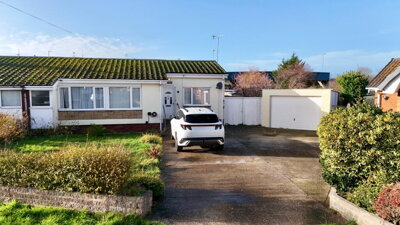
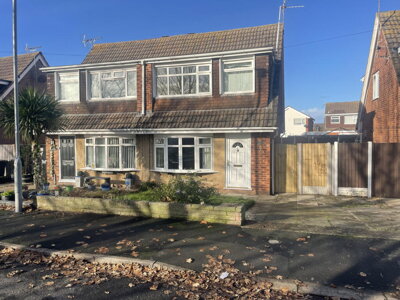
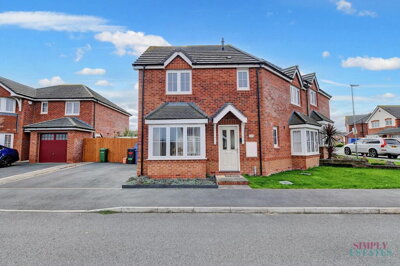
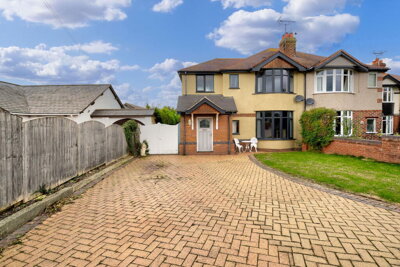
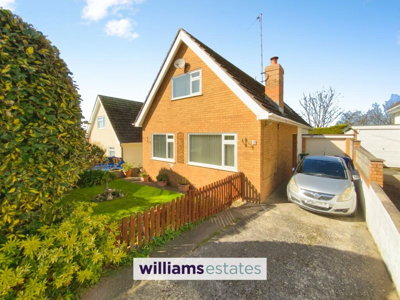
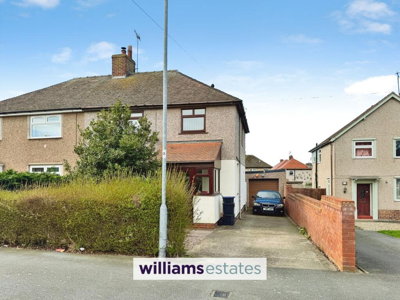
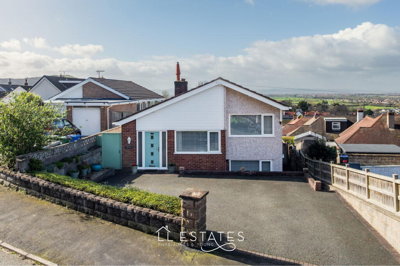
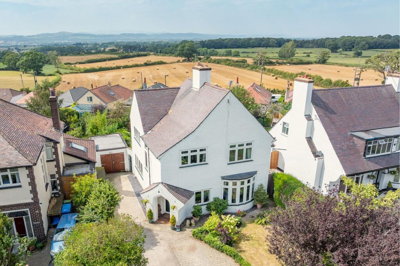
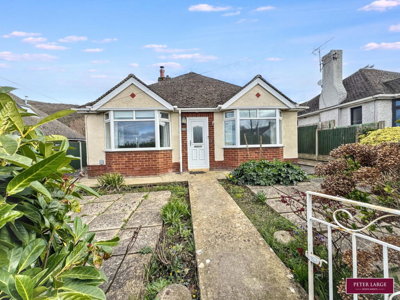
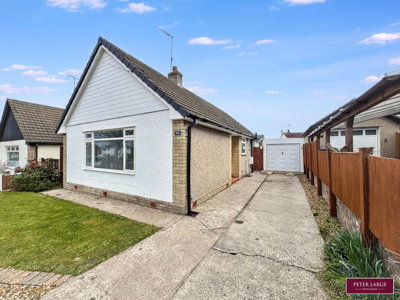
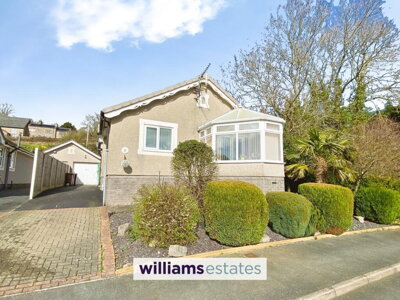
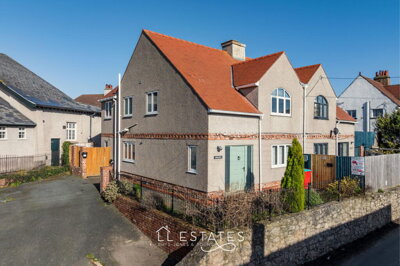
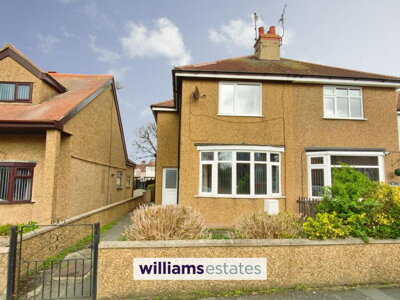
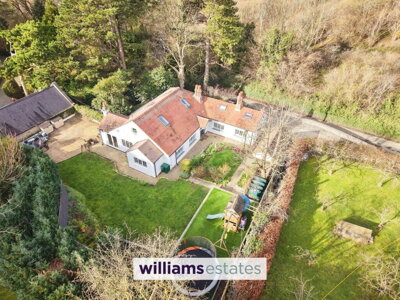
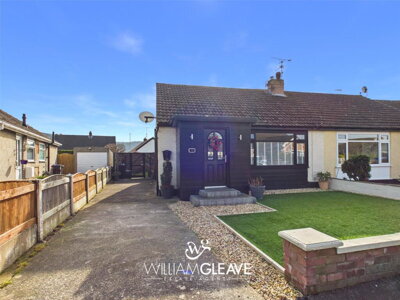
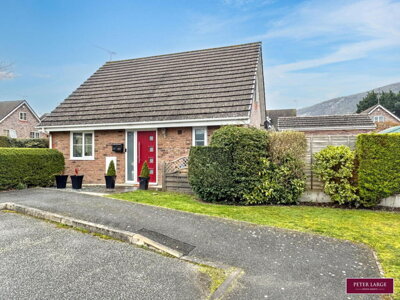
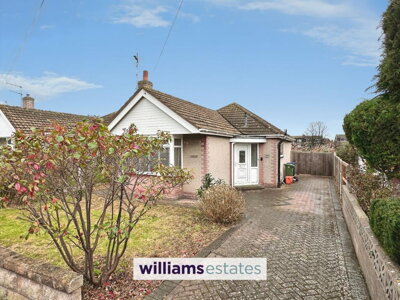
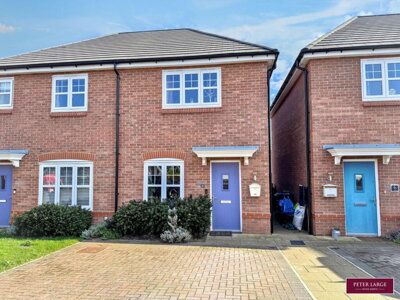
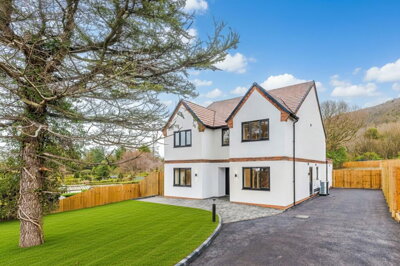
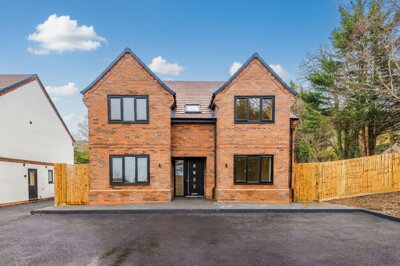
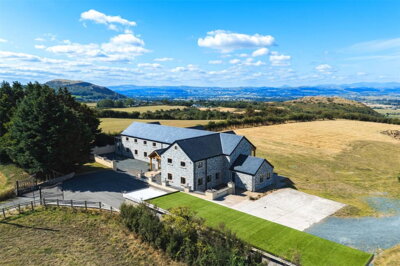
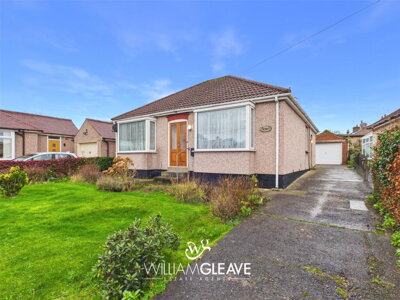
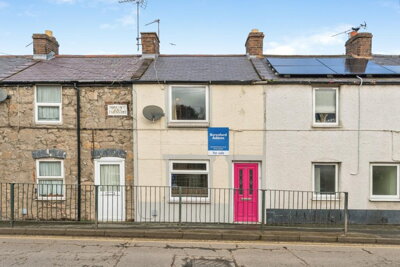
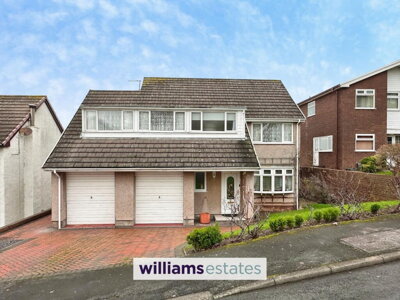
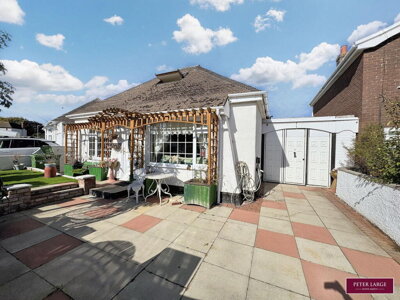
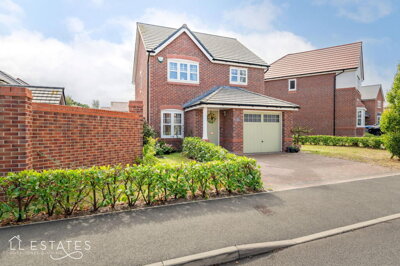
Browse 200 homes for sale in Dyserth, Denbighshire from local estate agents.
£285k
23
0
147
Source: home.co.uk
Source: home.co.uk
Detached
12 listings
Avg £580,167
Bungalow
4 listings
Avg £256,250
Semi-Detached
3 listings
Avg £164,333
Semi-Detached Bungalow
2 listings
Avg £240,000
Cottage
1 listings
Avg £145,000
House
1 listings
Avg £235,000
Source: home.co.uk
Source: home.co.uk
The Powys property market presents a compelling proposition for buyers seeking more space for their money. Our data shows detached properties averaging £304,010, semi-detached homes at £194,188, and terraced properties around £165,160. Flats in the county average £105,714, offering an accessible entry point for first-time buyers or those seeking a low-maintenance lifestyle in a market town setting. Over the past twelve months, property values across Powys have shown a modest decline of approximately 2.3%, creating opportunities for buyers who are prepared to act decisively in a market where properties can sell quickly once priced correctly.
The county saw 2,125 property transactions in the past year, with new-build properties accounting for a small but significant portion of sales. Four active new-build developments currently offer homes across Powys. The Pastures in Newtown by Bellway presents 3 and 4-bedroom homes from £229,995 to £319,995, while Maes Y Dderwen in Brecon from Charles Church offers larger family homes ranging from £289,995 to £429,995. Persimmon Homes' development The Coppice in Welshpool brings 2, 3, and 4-bedroom properties from £199,995, and Llys Y Coed in Llandrindod Wells from Elan Homes offers homes from £259,995 to £369,995.
Understanding the local market dynamics is essential when making an offer. Powys has a predominantly rural property stock with nearly 48% of homes being detached, reflecting the county's generous plot sizes and historic patterns of development. The housing age profile is notably older than many areas, with over 72% of properties built before 1980 and 30.7% dating from the pre-1919 period. This means many homes will feature traditional construction methods, original character features, and the maintenance considerations that come with period properties. Buyers should factor in survey costs and potential renovation work when budgeting for older properties in areas like Montgomery, Hay-on-Wye, and Presteigne, where conservation area restrictions may affect what you can alter.

Choosing to live in Powys means embracing a way of life that prioritises space, natural beauty, and genuine community connections. The county encompasses some of Wales's most spectacular landscapes, from the peaks of the Brecon Beacons to the rolling hills and river valleys that characterise the Welsh Marches. With a population of 133,174 spread across the county's 2,000 square miles, Powys offers an enviable combination of rural tranquility and the practical amenities of historic market towns. The average household size of 2.19 persons reflects the county's appeal to couples, retirees, and families seeking room to breathe without the constraints of urban living.
The local economy reflects Powys's rural character, with agriculture, forestry, and fishing employing 14% of the workforce, significantly higher than the Welsh average of 3%. This makes Powys the highest local authority in Wales for agricultural employment, and the landscape reflects this heritage with working farms, traditional stone barns, and agricultural buildings dotting the countryside. The tourism sector plays a vital role in supporting local businesses, with the Brecon Beacons National Park attracting visitors throughout the year for walking, cycling, pony trekking, and cultural events. Hay-on-Wye has become internationally known for its second-hand bookshops, while market towns throughout the county host weekly farmers' markets and artisan fairs.
Working from home has increased significantly in Powys, rising from 22% in 2011 to 30% in the 2021 Census, reflecting both the county's excellent broadband improvements and the shift towards flexible working that has made rural living more viable for a broader range of professions. This trend has influenced housing preferences, with buyers increasingly seeking properties with dedicated office space, good internet connectivity, and proximity to local amenities. The public sector remains a significant employer through NHS Powys Teaching Health Board, Powys County Council, and the county's schools, providing stable employment that underpins the local housing market.
Education provision in Powys reflects the county's rural character, with a network of primary schools serving villages and small towns across the extensive geographic area. Secondary education is concentrated in the main market towns, with schools in Brecon, Newtown, Welshpool, Llandrindod Wells, and Ystradgynlais serving as the main educational hubs for their respective areas. Parents buying property in Powys should research individual school catchments carefully, as the county's dispersed population means school transport arrangements and journey times are important practical considerations when choosing where to live.
Powys has invested significantly in education facilities in recent years, with new primary school buildings and secondary school improvements reflecting the county council's commitment to providing quality education despite the challenges of serving a rural population. Sixth form provision is available at secondary schools in the larger towns, with Coleg Powys offering further education courses from campuses in Newtown, Brecon, and Welshpool. For families considering private education, the county has several independent schools that draw pupils from across Wales and the border regions. The Welsh language plays an important role in Powys education, with Welsh-medium schools available for parents seeking to raise their children with fluency in both Welsh and English.
When buying property in Powys, families should factor school accessibility into their decision-making alongside property features and location. The county's road network connects most areas to schools within reasonable journey times, though properties in more remote valleys may require longer drives or school transport arrangements. Researching individual school performance through Ofsted reports and understanding catchment area boundaries is essential, as property prices in popular school catchment zones can be notably higher than in adjacent areas.

Transport connections from Powys reflect the county's position as a gateway between Wales and England, with road and rail links serving both local journeys and longer-distance commuting. The A483 trunk road runs through the county connecting Newtown and Welshpool to Shrewsbury and Swansea, while the A470 provides the main north-south route through Mid Wales linking Llandrindod Wells and Builth Wells to Cardiff and the south Wales coast. For residents who need to commute to major employment centres, the journey times to cities like Birmingham, Manchester, and Cardiff require careful consideration when choosing where to buy in Powys.
Rail services operate from several Powys stations, with the Cambrian Line connecting Machynlleth, Caersws, Newtown, and Welshpool to Birmingham and the national rail network. Journey times from Newtown to Birmingham New Street typically take around 90 minutes, making day commuting feasible for those with flexible working arrangements or hybrid work patterns. The Heart of Wales Line runs through the southern part of the county, connecting with Swansea to the south and Shrewsbury to the north, offering scenic journeys through the Welsh hills for both commuters and leisure travellers. Many Powys residents rely on private cars for daily transport, and properties with off-street parking or garages command premiums in town centre locations.
Local bus services operate throughout Powys, though frequencies are naturally lower than in urban areas and concentrated on routes connecting market towns with surrounding villages. For buyers considering properties in more rural locations, understanding bus service frequencies and school transport arrangements is important for family logistics. Cycling infrastructure has improved in recent years, with the Reen in Brecon providing an accessible route for recreational cycling and the county's quiet lanes attracting road cyclists seeking traffic-free routes through scenic countryside.
Before committing to a purchase, explore current listings across different Powys towns and villages to understand what is available within your budget. Powys covers a large area with significant price variations between market towns and rural properties, so take time to compare options in Brecon, Newtown, Welshpool, Llandrindod Wells, and the various village communities. Understanding local price trends, average days on market, and the typical conveyancing timeline for Powys properties will help you make competitive offers.
Speak to a mortgage broker or lender to obtain an Agreement in Principle before viewing properties. This demonstrates to sellers that you are a serious buyer with financing in place, which is particularly important in competitive market towns like Brecon where desirable properties may receive multiple offers. Current mortgage rates vary, so comparing options from multiple lenders ensures you secure the best deal for your circumstances. First-time buyers in Wales may also qualify for support through the Welsh Government Help to Buy scheme.
Visit a range of properties that match your criteria, paying attention to both the property condition and the surrounding neighbourhood. In Powys, consider factors like distance to your workplace, school catchments, mobile signal coverage, and broadband speed alongside the property itself. Ask the estate agent about the local area, recent sales in the street, and any planning applications nearby that might affect the property or its outlook.
Given that over 72% of Powys properties were built before 1980, a RICS Level 2 survey is essential for identifying potential issues with the property. Local surveyors familiar with traditional Welsh construction methods can provide detailed assessments of stone walls, slate roofs, and period features. Survey costs typically range from £400 for smaller properties to £900 or more for larger detached homes, but identifying defects before purchase can save thousands in unexpected repair costs.
Once your offer is accepted, instruct a solicitor experienced in Powys property transactions to handle the legal work. Conveyancing costs in the area typically start from around £499 for standard purchases. Your solicitor will conduct searches with Powys County Council, check for any environmental risks like flooding or radon, and handle the Land Registry transfer process. Given the county's rural nature, additional searches for agricultural drainage, rights of way, and common land may be relevant for certain properties.
Once all searches are satisfactory and your mortgage offer is confirmed, your solicitor will arrange for you to sign contracts and transfer the deposit. Completion dates are agreed between buyer and seller, typically allowing two to four weeks from exchange. On completion day, you will receive the keys to your new Powys home, and the property will be officially registered in your name through HM Land Registry.
Buying property in Powys requires attention to specific local factors that may not affect properties in urban areas. The county's geology includes clay-rich shales and glacial till deposits that create potential shrink-swell risks in certain locations, particularly where these materials lie near the surface and are subject to moisture changes. Properties with large trees close to foundations, or those built on or near the numerous river valleys that cross the county, may warrant more detailed structural investigation. A thorough RICS Level 2 survey will identify signs of subsidence or heave movement, and buyers should pay particular attention to any cracking, bowing walls, or uneven floors when viewing older properties.
Flood risk is an important consideration throughout Powys, with properties adjacent to the River Severn, River Wye, River Usk, River Teme, and their tributaries facing potential fluvial flooding during periods of heavy rainfall. Surface water flooding can occur across the county, especially in urban areas where drainage systems may be overwhelmed during intense storms. Properties in known flood risk areas may face higher insurance premiums or require specialist coverage, and this should be factored into your overall cost calculations. The county is landlocked, so coastal flooding is not a concern, but the interplay between the rivers and the mountainous terrain means that some locations require careful assessment.
Radon gas represents an environmental consideration that buyers should be aware of when purchasing property in Powys. The county is identified as an area where radon levels can be higher than the national average in certain locations, particularly in properties built on or with proximity to rocky terrain and certain geological formations. A Level 2 survey will recommend a radon test for properties in higher-risk zones, and mitigation measures are available if elevated levels are detected. This is typically a straightforward fix but should be addressed before completion to ensure the property meets safe living standards.
The high concentration of listed buildings and conservation areas throughout Powys means that buyers should investigate whether their intended property carries any heritage designations before purchase. Properties listed as Grade I, Grade II, or Grade II* require Listed Building Consent for any alterations or significant works, which can affect renovation plans and ongoing maintenance costs. Similarly, properties within conservation areas may be subject to additional planning controls on extensions, alterations, and even external paint colours or materials. A local surveyor familiar with Powys heritage properties can advise on the implications of these designations and what they mean for your intended use of the property.
The average house price in Powys currently sits around £230,000 to £240,000 depending on the data source. Detached properties average approximately £304,000, semi-detached homes around £194,000, terraced properties from £165,000, and flats averaging around £106,000. Property prices have shown modest downward movement of approximately 2.3% over the past year, creating opportunities for buyers in a market where you typically get significantly more space for your money compared to urban areas across the UK.
Council tax in Powys is administered by Powys County Council, and bands range from A through to H depending on property value. Properties in the county typically fall across the full range of bands, with smaller terraced houses and flats generally in bands A to C, while larger detached properties and period homes with high values may be in bands E to H. You can check the specific council tax band for any property through the Valuation Office Agency website before making an offer, and this information should be provided by your solicitor during the conveyancing process.
Powys offers a network of primary and secondary schools, with the main secondary schools located in Brecon, Newtown, Welshpool, Llandrindod Wells, and Ystradgynlais. Individual school performance varies, and parents should research current Ofsted ratings and exam results for schools in their specific area of interest. The county has Welsh-medium primary schools for families seeking bilingual education, and further education is available through Coleg Powys campuses. School catchment areas can significantly affect which schools serve a property, so confirming catchment boundaries before buying is essential for families with children.
Public transport in rural Powys is more limited than in urban areas, with bus services operating on major routes between market towns and surrounding villages but with reduced frequencies compared to cities. The Cambrian Line railway connects Newtown, Caersws, and Welshpool to Birmingham, with journey times around 90 minutes to Birmingham New Street. The Heart of Wales Line serves the southern part of the county with connections to Swansea and Shrewsbury. Most Powys residents rely on private cars for daily transport, and properties with garages or off-street parking are highly valued.
Powys offers distinct investment considerations compared to urban property markets. The county's rural character means capital growth tends to be more modest than in cities, but properties often provide stronger rental yields relative to purchase prices. Holiday let potential is significant, particularly near the Brecon Beacons and in popular towns like Hay-on-Wye, where tourist demand supports short-term rental income. The growth in remote working has made Powys more attractive to buyers seeking rural lifestyles without sacrificing employment opportunities, which may support demand in coming years.
Stamp Duty Land Tax (SDLT) applies to property purchases in Powys at the same rates as the rest of England and Wales. For properties purchased after October 2024, there is no SDLT on purchases up to £250,000, with 5% charged on the portion between £250,001 and £925,000, 10% between £925,001 and £1.5 million, and 12% above £1.5 million. First-time buyers qualify for relief on purchases up to £625,000, paying 0% on the first £425,000 and 5% on the remainder up to that threshold.
The main risks to consider when buying in Powys include flood risk from the county's rivers, potential radon gas exposure in certain areas, and the structural implications of the county's diverse geology including shrink-swell clay soils. Properties in flood risk zones may face higher insurance costs and potential difficulty obtaining coverage. The high proportion of older properties means that issues like damp, outdated electrics, and roof defects are more common than in newer housing stock. Heritage designations on listed buildings and conservation areas can restrict what alterations are permitted.
New build properties in Powys are available through several active developments across the county. Bellway Homes is building at The Pastures in Newtown with 3 and 4-bedroom homes from £229,995 to £319,995. Charles Church has development Maes Y Dderwen in Brecon offering larger properties from £289,995 to £429,995. Persimmon Homes is building at The Coppice in Welshpool with homes from £199,995, and Elan Homes has Llys Y Coed in Llandrindod Wells from £259,995 to £369,995. New build homes offer the advantage of modern construction, energy efficiency, and no chain complications.
From 4.5% APR
Compare mortgage rates from leading lenders
From £499
Expert property solicitors for your Powys purchase
From £400
Essential survey for Powys properties built before 1980
From £80
Energy performance certificate for your new home
Understanding the full costs of buying property in Powys extends beyond the purchase price to include stamp duty, solicitor fees, survey costs, and various other expenses that together can add several thousand pounds to your budget. Stamp Duty Land Tax applies to all purchases above £250,000 at standard rates, though the good news for Powys buyers is that the county's average property price of around £230,000 means many purchases fall below this threshold. First-time buyers purchasing properties up to £625,000 can claim relief that means purchases up to £425,000 are entirely exempt from SDLT.
Solicitor conveyancing costs in Powys typically start from around £499 for a standard purchase transaction, though more complex deals involving leasehold properties, new builds, or properties with title complications may cost more. Your solicitor will conduct essential searches with Powys County Council, check for environmental risks, and handle the transfer of ownership through HM Land Registry. Additional costs to budget for include Land Registry fees for registering your ownership, bank transfer fees, and search fees which can vary depending on the property location.
Survey costs represent an important investment when buying in Powys, where over 72% of properties predate 1980. A RICS Level 2 survey for a typical Powys property ranges from approximately £400 for smaller flats or terraced homes up to £900 or more for larger detached properties. Given the prevalence of period construction, traditional building materials, and the county's varied geology, a professional survey is particularly valuable for identifying issues like damp, structural movement, or roof defects before you commit to purchase. Planning your complete budget before beginning your property search ensures you can move confidently when you find the right home in Powys.
Properties for Sale In London

Properties for Sale In Plymouth

Properties for Sale In Liverpool

Properties for Sale In Glasgow

Properties for Sale In Sheffield

Properties for Sale In Edinburgh

Properties for Sale In Coventry

Properties for Sale In Bradford

Properties for Sale In Manchester

Properties for Sale In Birmingham

Properties for Sale In Bristol

Properties for Sale In Oxford

Properties for Sale In Leicester

Properties for Sale In Newcastle

Properties for Sale In Leeds

Properties for Sale In Southampton

Properties for Sale In Cardiff

Properties for Sale In Nottingham

Properties for Sale In Norwich

Properties for Sale In Brighton

Properties for Sale In Derby

Properties for Sale In Portsmouth

Properties for Sale In Northampton

Properties for Sale In Milton Keynes

Properties for Sale In Bournemouth

Properties for Sale In Bolton

Properties for Sale In Swansea

Properties for Sale In Swindon

Properties for Sale In Peterborough

Properties for Sale In Wolverhampton

Enter your details to see if this property is within your budget.
Loans, cards, car finance
Estimated property budget
Borrowing + deposit
You could borrow between
Typical borrowing
Monthly repayment
Est. at 4.5%
Loan-to-value
This is an estimate only. Your actual budget may vary depending on interest rates, credit history, and personal circumstances. For an accurate affordability assessment, speak to one of our free mortgage advisors.
This calculator provides estimates for illustrative purposes only and does not constitute financial advice. Your home may be repossessed if you do not keep up repayments on your mortgage. Estimates based on 4.5% interest rate, repayment mortgage. Actual rates depend on your circumstances.
Homemove is a trading name of HM Haus Group Ltd (Company No. 13873779, registered in England & Wales). Homemove Mortgages Ltd (Company No. 15947693) is an Appointed Representative of TMG Direct Limited, trading as TMG Mortgage Network, which is authorised and regulated by the Financial Conduct Authority (FRN 786245). Homemove Mortgages Ltd is entered on the FCA Register as an Appointed Representative (FRN 1022429). You can check registrations at NewRegister or by calling 0800 111 6768.

We use cookies to show you personalised content and improve your experience of our website. Find out more in our Privacy policy and Cookie policy.