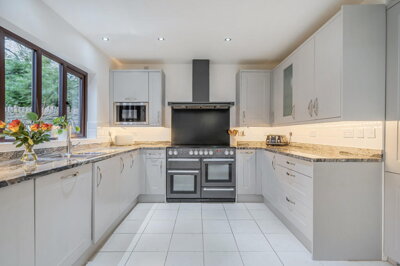
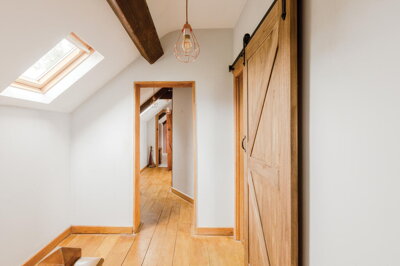
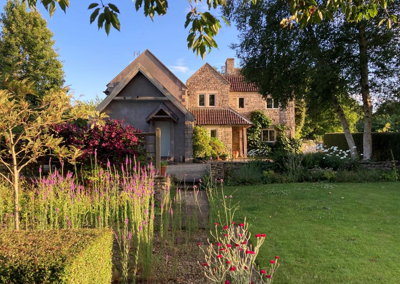
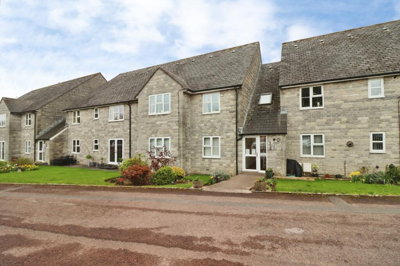
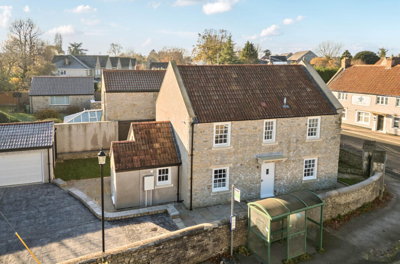
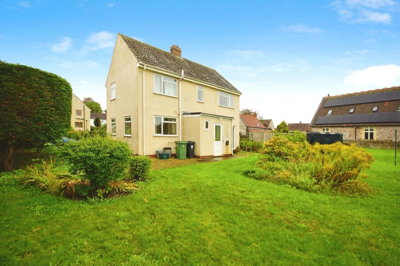
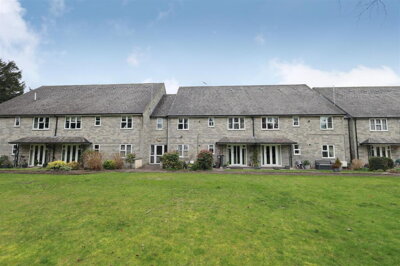
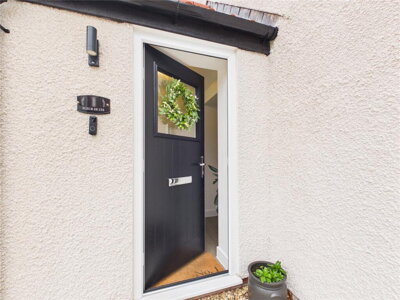
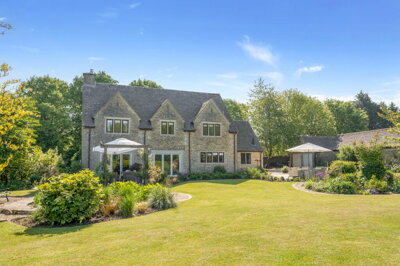
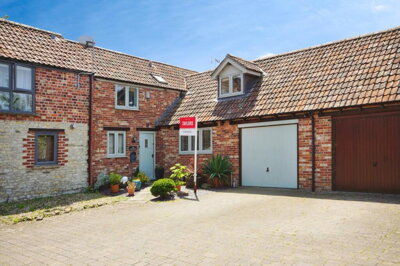
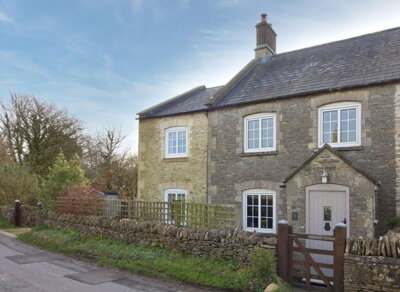
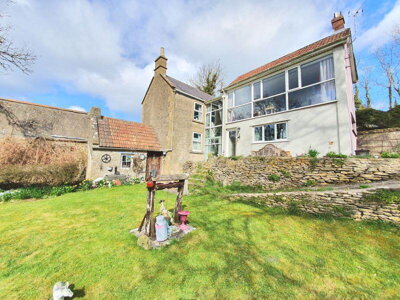
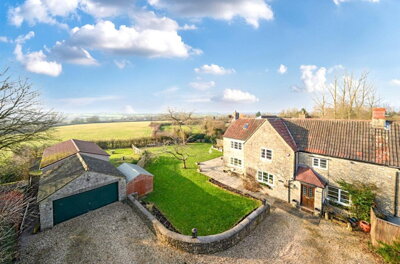
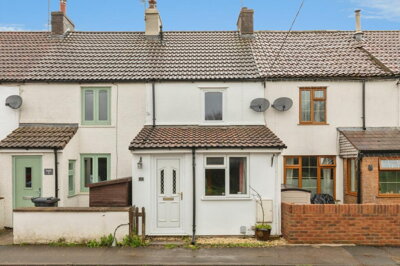
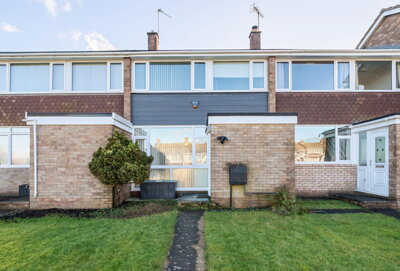
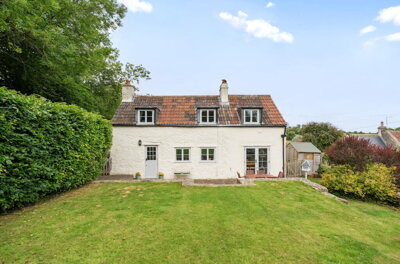
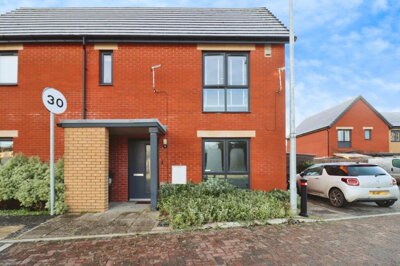
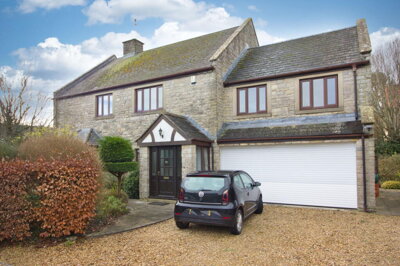
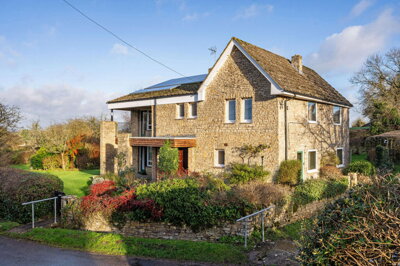
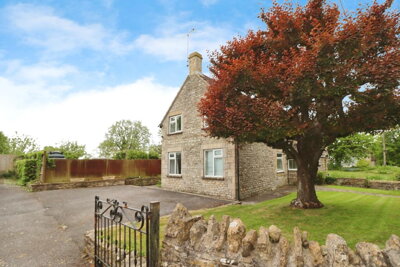
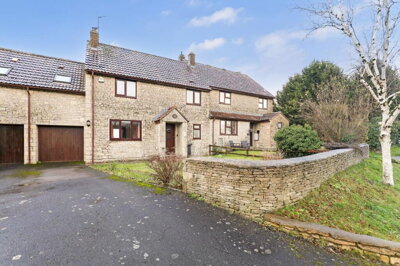
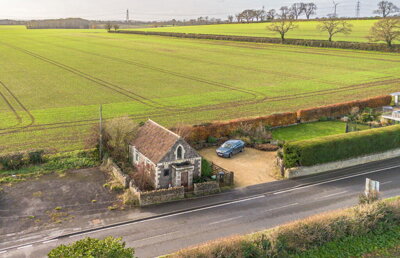
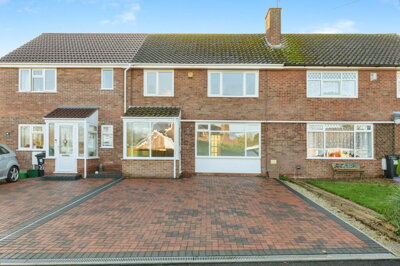
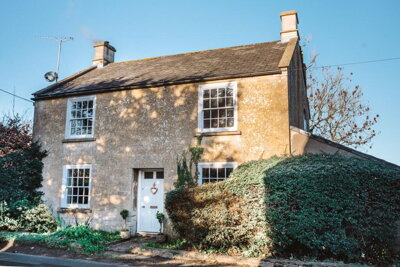
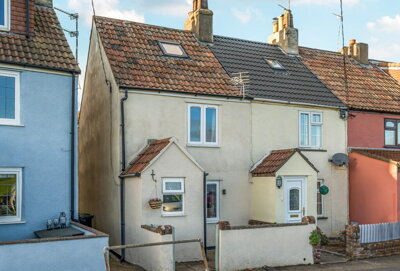
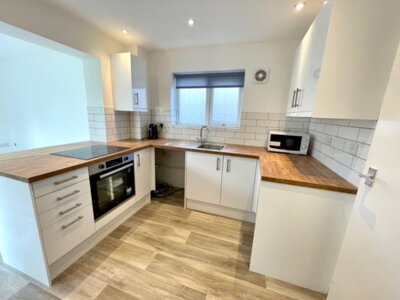
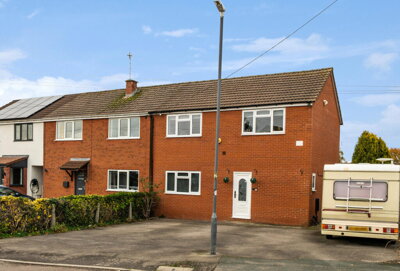
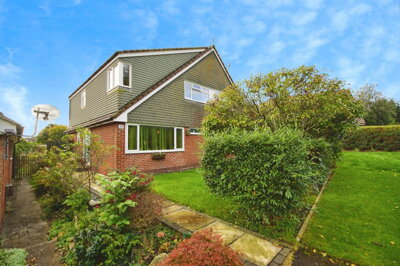
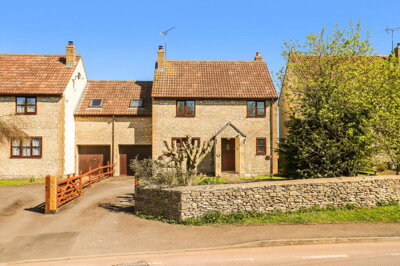
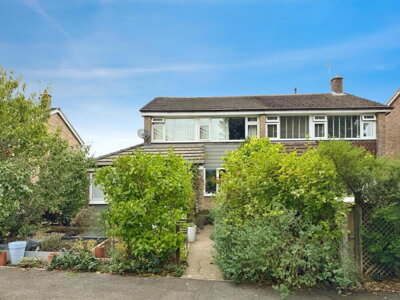
Browse 39 homes for sale in Dyrham and Hinton from local estate agents.
The Bressay property market presents a distinctive opportunity for buyers seeking island living without the premium prices found in more accessible areas. Our current listings show properties averaging approximately £160,000, with specific examples including a 2-bedroom detached bungalow priced at around £160,000. Historical sales demonstrate the range available, from more modest semi-detached properties to substantial detached homes. For instance, a 3-bedroom semi-detached property at 6 Glebe Park sold for £170,000 in October 2024, while a larger 3-bedroom detached house at Cliprogarth achieved £205,000 in February 2024.
Price trends over the past twelve months show an increase of 19% compared to the previous year, indicating growing recognition of Bressay's appeal. However, prices remain approximately 5% below the 2018 peak of £185,000, suggesting reasonable value for buyers entering the market now. The village saw 8 property sales in the ZE2 9EW postcode area within the last year alone, with the most recent transaction completing in May 2024. This steady transaction volume reflects a healthy market for a small island community.
Properties in Bressay typically fall into several categories: traditional stone-built cottages with characteristic harl render and slate roofs, modern detached bungalows offering single-level living, and larger detached houses that appeal to families requiring more space. The 7-bedroom detached house at Bressay Lighthouse, listed at £350,000 in August 2025, represents the upper end of the market, demonstrating that unique period properties command significant premiums. First-time buyers and those seeking holiday homes will find the mid-range properties particularly well-suited to their needs, with several options available below the £175,000 average.

Bressay offers a lifestyle that feels a world away from typical urban living, yet remains remarkably connected to Shetland's main hub. The island's population of 368 residents (as recorded in the 2011 census) maintains a close-knit community atmosphere where neighbours know one another and local events bring people together throughout the year. The island's character is shaped by its relationship with the sea, with fishing, farming, and aquaculture forming the traditional economic foundations. More recently, Shetland has emerged as a centre for renewable energy, adding contemporary employment opportunities to the island's economic mix.
The natural environment provides endless opportunities for outdoor pursuits, with dramatic coastal landscapes, walking trails, and wildlife watching drawing residents outdoors throughout the seasons. The Bressay Stone, an 8th or 9th-century Pictish slab discovered in the island's graveyard, testifies to Bressay's deep historical roots and archaeological significance. The Bressay Lighthouse, constructed in 1858, stands as a prominent landmark and is highly likely to hold listed building status given its age and maritime significance. These historical features add character to the island and remind residents of its long human history.
Local amenities are accessible via the frequent ferry service to Lerwick, where residents find supermarkets, healthcare facilities, schools, and cultural attractions. This arrangement offers the best of both worlds: the tranquility and community spirit of island life, combined with convenient access to urban conveniences. The ferry crossing takes just seven minutes, making day trips and regular commuting entirely practical for Bressay residents.
Beyond the immediate island, Bressay residents benefit from Shetland's distinctive position as a gateway to the wider North Atlantic region. The ferry service to Lerwick connects to inter-island ferries reaching Orkney, while flights from Tingwall Airport, a short drive from Lerwick, provide direct links to Aberdeen and Edinburgh. This connectivity ensures that while Bressay offers a peaceful retreat from the modern world, it remains thoroughly accessible to those who need occasional connections beyond Shetland's shores.

Families considering a move to Bressay will find educational provision accessible through the ferry connection to Lerwick, Shetland's main settlement. The islands maintain a strong tradition of quality local education, with small class sizes and dedicated teachers who know students individually. Primary education is available in Lerwick's cluster of schools, with transport arrangements in place for island residents. The Shetland Islands Council oversees education provision across the archipelago, maintaining high standards that have earned the region a positive reputation for educational outcomes.
For secondary education, students typically travel to Anderson High School in Lerwick, which serves as the main secondary school for the southern Shetland area. The school offers a comprehensive curriculum and a range of extracurricular activities, with students benefiting from the broader facilities available in Shetland's largest settlement. Sixth form provision and further education opportunities are also centred in Lerwick, ensuring continuity for students progressing through their education while living in Bressay.
The daily commute for school-aged children involves the short ferry crossing from Bressay to Lerwick, taking approximately seven minutes. Shetland Islands Council provides dedicated school transport services, ensuring children can travel safely and reliably between the island and mainland schools. Many families find this arrangement manageable, and the ferry schedule accommodates typical school hours, allowing children to participate in after-school activities in Lerwick before returning home. The island's small scale means that children often walk or cycle to the ferry terminal, promoting independence from an early age.
Transport connectivity lies Bressay's appeal as a residential location, with the island linked to Lerwick by a reliable ferry service taking just seven minutes. This short crossing operates regularly throughout the day, allowing residents to commute to work, access services, and enjoy Lerwick's amenities without the challenges often associated with island living. The ferry carries both vehicles and passengers, meaning residents maintain full mobility and can easily transport groceries, equipment, or larger items back to their Bressay home.
Lerwick serves as Shetland's transport hub, with regular flights connecting the islands to Aberdeen and Edinburgh on the Scottish mainland. The ferry terminal at Lerwick provides connections to Orkney and onward services to the mainland. For commuters working in Lerwick, living in Bressay offers a genuine island lifestyle without requiring a lengthy daily journey. Local buses serve communities across the island, and many residents appreciate the ability to walk or cycle within Bressay's compact settlement areas.
The sense of isolation sometimes associated with island living is notably absent in Bressay, where connectivity remains excellent. Ferry services operate on a frequent timetable throughout the day, with crossings taking approximately seven minutes. Residents can check current schedules through the Shetland Islands Council website. For those considering regular commuting, the short crossing means work schedules in Lerwick remain entirely feasible, and many Bressay residents maintain active professional lives in Shetland's capital while enjoying the peaceful island environment at home.
Explore current listings and recent sale prices to understand what your budget can achieve in this unique island market. With average prices around £175,000 and properties ranging from detached bungalows to traditional stone cottages, knowing the market helps set realistic expectations. Our platform provides access to current listings alongside historical sales data, giving you a complete picture of what your budget can achieve in Bressay.
Schedule viewings of properties that match your criteria and take the ferry from Lerwick to experience Bressay firsthand. Walking the streets, meeting locals, and exploring the coastline gives invaluable insight into whether island life suits your lifestyle preferences. We recommend visiting at different times of day and checking ferry schedules to understand daily logistics before committing to a purchase.
If you require financing, approach lenders for an Agreement in Principle before making an offer. This strengthens your position when negotiating, particularly in a market where multiple buyers may be interested in well-presented properties. Some lenders offer specific products for island and remote area purchases, so it is worth discussing your circumstances with a mortgage broker familiar with Scottish island properties.
Given Bressay's older housing stock, including traditional stone properties, we strongly recommend a RICS Level 2 Homebuyer Report. This survey identifies defects common to older coastal properties, such as damp penetration, roof condition, and render issues, helping you budget for any necessary repairs. The RICS Level 2 survey typically costs from £350, though island locations may incur slightly higher fees due to surveyor travel requirements.
A solicitor with experience in Scottish property transactions will handle the legal work, including searches, title checks, and registration with the Land Register of Scotland. Their local knowledge ensures smooth handling of any island-specific considerations. Conveyancing fees typically start from around £499 for straightforward transactions, though complex titles or listed properties may require additional work.
Once offers are accepted and surveys completed, your solicitor will handle the final contracts and registration. On completion day, you receive the keys to your new Bressay home, ready to begin your island life adventure. The Land Register of Scotland maintains records of all property transactions, and your solicitor will ensure the title is correctly transferred into your name.
Purchasing property in Bressay requires attention to several area-specific considerations that differ from typical mainland transactions. The traditional building methods used across Shetland, including stone construction with harl (render) and pitched slate roofs as seen in properties dating from the 1850s, require careful assessment. Older properties like the stone cottages found throughout the island may show signs of damp penetration, particularly given Bressay's exposed coastal position and exposure to harsh weather systems sweeping in from the North Atlantic.
Potential buyers should investigate the condition of external render, as the harl finish common on older properties can deteriorate over time, especially when subjected to driving rain and salt spray. Roof condition warrants particular attention, with slate roofs requiring maintenance in the challenging maritime environment. Properties near the coastline may face considerations around coastal erosion, and while specific flood risk data for Bressay is limited, the island's position means that coastal flooding risk should be evaluated for any property near the shore.
The question of leasehold versus freehold ownership requires investigation, though freehold ownership is more common in this area. Service charges and maintenance arrangements for any shared facilities should be clarified before purchase. Properties in areas of historical significance, potentially near the lighthouse or within any future conservation designations, may carry planning restrictions affecting renovations or extensions. Your RICS Level 2 survey will help identify these issues, and we recommend budgeting for any repair costs revealed.
Traditional stone construction defines much of Bressay's older housing stock, bringing character but also specific vulnerabilities that prospective buyers should understand. The stone walls common in properties dating from the 1850s require different maintenance approaches compared to modern cavity wall construction. Penetration of moisture through the stone, particularly in driving rain conditions common to Shetland's exposed position, can lead to internal damp issues if the external harl render has deteriorated. Our inspectors frequently identify failing render as a precursor to more serious damp problems in properties along the island's eastern coastline.
The harsh maritime climate significantly impacts property condition over time. Salt-laden winds accelerate decay of external finishes, while the frequent rainfall saturates ground around property foundations. Properties near the cliff edges or exposed coastlines face additional risk from coastal erosion, and buyers should assess the stability of any nearby terrain before completing a purchase. The Bressay Lighthouse and its associated cottages demonstrate how traditional construction has adapted to these conditions over generations, though maintaining that adaptation requires ongoing attention.
Electrical systems in older Bressay properties frequently require attention. Rewiring to meet current BS 7671 standards is often necessary in properties over 30 years old, particularly where the original installation remains largely unchanged. Heating systems also merit investigation, as properties may rely on older storage heaters or oil-fired systems requiring upgrades. A thorough RICS Level 2 survey will identify these issues, allowing buyers to budget accurately for any necessary works before completing their purchase.
The average house price in Bressay is approximately £175,000 according to Rightmove data, with properties currently for sale averaging around £160,000. Zoopla reports average sold prices of approximately £200,000 over the past 12 months. Recent individual sales have ranged from £150,000 for a 3-bedroom detached bungalow at 2 Glebe Park sold in February 2025, to £205,000 for a larger detached property at Cliprogarth achieved in February 2024. A substantial 7-bedroom detached house at Bressay Lighthouse was listed at £350,000 in August 2025, demonstrating the range of property values across the island.
Properties in Bressay fall under Shetland Islands Council's jurisdiction, and council tax bands are generally reasonable compared to many mainland areas of Scotland. Specific bands depend on property valuation and are assigned by the Scottish Assessors Association. Your solicitor can confirm the exact council tax band for any property during the conveyancing process, as the information forms part of the standard searches. Band D properties in Shetland typically pay around £1,400-£1,500 annually, making it relatively affordable compared to urban centres elsewhere in Scotland.
Bressay itself has limited primary school provision, with children typically attending primary schools in Lerwick, accessible via the seven-minute ferry crossing. Anderson High School in Lerwick serves secondary students from across southern Shetland. Shetland Islands Council maintains strong educational standards with small class sizes, and the island setting provides excellent outdoor learning opportunities. Transport arrangements support daily travel to Lerwick schools for Bressay residents, with dedicated school transport services operating the ferry crossing. Parents considering the move will find the educational transition manageable thanks to the excellent transport links between the island and Lerwick's schools.
Bressay is exceptionally well-connected for an island community, with a ferry service to Lerwick taking just seven minutes and operating regularly throughout the day. The ferry carries both passengers and vehicles, making it practical for daily commuting. Lerwick serves as Shetland's transport hub, with flights to Aberdeen and Edinburgh connecting the islands to the Scottish mainland. This connectivity makes Bressay suitable for those working in Lerwick who wish to enjoy island living without sacrificing access to urban employment and services.
Bressay offers several factors that may appeal to property investors. The Shetland Islands have shown price growth of 19% in the past year, indicating increased demand for island locations. The consistent number of property sales, including 28 transactions recorded through ESPC, demonstrates ongoing market activity. Properties may appeal to those seeking holiday lets, with Lerwick's amenities within easy reach via the seven-minute ferry crossing. However, investors should consider the limited rental market and the unique nature of island property ownership, including ferry access requirements for residents.
Stamp Duty Land Tax (SDLT) applies to property purchases in Bressay as it would anywhere in Scotland. For standard purchases, the thresholds are 0% on the first £250,000, 5% on the portion from £250,001 to £925,000, 10% on £925,001 to £1.5 million, and 12% above £1.5 million. First-time buyers benefit from increased thresholds, paying 0% on the first £425,000. Given Bressay's average price of around £175,000, most buyers would pay no SDLT on their purchase, representing significant savings compared to property purchases in more expensive areas.
The Bressay Lighthouse, constructed in 1858, represents a significant historical structure that is highly likely to hold listed building status given its age and maritime significance. Properties of this age or within potential conservation areas may carry planning restrictions affecting renovations or extensions. If you are considering purchasing a historic property, we recommend a specialist RICS Level 3 Building Survey to assess its condition thoroughly, particularly if you plan any alterations. Your solicitor can advise on any specific restrictions during the conveyancing process.
Given the traditional stone construction and coastal location of Bressay properties, several common defects warrant careful inspection. Damp penetration represents the most frequent issue, particularly in older stone-built properties subjected to driving rain and salt spray from the North Atlantic. The harl (render) finish common on exterior walls can deteriorate over time, requiring maintenance or replacement. Roof condition is critical, with slate roofs particularly vulnerable to damage from high winds and driving rain. Electrical systems in older properties may be outdated and not compliant with current BS 7671 regulations, requiring rewiring before purchase.
Understanding the full costs of purchasing property in Bressay helps buyers budget accurately for their island move. The majority of properties in Bressay fall below the £250,000 threshold, meaning many buyers will pay no Stamp Duty Land Tax at all. For properties priced around the island average of £175,000, the purchase would be entirely SDLT-free under the standard thresholds. This represents significant savings compared to property purchases in more expensive areas of the UK and makes Bressay particularly accessible for first-time buyers.
Additional costs to factor into your budget include solicitor fees for conveyancing, which typically start from around £499 for a straightforward transaction. A RICS Level 2 Homebuyer Report costs from approximately £350, though island locations may incur slightly higher fees due to surveyor travel requirements. Survey costs are money well spent given the age of many Bressay properties, where traditional stone construction may reveal defects requiring attention.
Land Registry registration fees and any mortgage arrangement fees should also be included in your calculations. First-time buyers should note that Help to Buy valuations may be available if using government schemes, and some lenders offer deals specifically for island and remote area purchases. The total buying costs for a typical Bressay property, excluding mortgage costs, generally fall between £1,000 and £1,500 when accounting for survey, solicitor fees, and registration.
From 4.5%
Finding the right mortgage for your Bressay purchase
From £499
Expert solicitors for your property transaction
From £350
Professional survey of your Bressay property
From £60
Energy performance certificate
Properties for Sale In London

Properties for Sale In Plymouth

Properties for Sale In Liverpool

Properties for Sale In Glasgow

Properties for Sale In Sheffield

Properties for Sale In Edinburgh

Properties for Sale In Coventry

Properties for Sale In Bradford

Properties for Sale In Manchester

Properties for Sale In Birmingham

Properties for Sale In Bristol

Properties for Sale In Oxford

Properties for Sale In Leicester

Properties for Sale In Newcastle

Properties for Sale In Leeds

Properties for Sale In Southampton

Properties for Sale In Cardiff

Properties for Sale In Nottingham

Properties for Sale In Norwich

Properties for Sale In Brighton

Properties for Sale In Derby

Properties for Sale In Portsmouth

Properties for Sale In Northampton

Properties for Sale In Milton Keynes

Properties for Sale In Bournemouth

Properties for Sale In Bolton

Properties for Sale In Swansea

Properties for Sale In Swindon

Properties for Sale In Peterborough

Properties for Sale In Wolverhampton

Enter your details to see if this property is within your budget.
Loans, cards, car finance
Estimated property budget
Borrowing + deposit
You could borrow between
Typical borrowing
Monthly repayment
Est. at 4.5%
Loan-to-value
This is an estimate only. Your actual budget may vary depending on interest rates, credit history, and personal circumstances. For an accurate affordability assessment, speak to one of our free mortgage advisors.
This calculator provides estimates for illustrative purposes only and does not constitute financial advice. Your home may be repossessed if you do not keep up repayments on your mortgage. Estimates based on 4.5% interest rate, repayment mortgage. Actual rates depend on your circumstances.
Homemove is a trading name of HM Haus Group Ltd (Company No. 13873779, registered in England & Wales). Homemove Mortgages Ltd (Company No. 15947693) is an Appointed Representative of TMG Direct Limited, trading as TMG Mortgage Network, which is authorised and regulated by the Financial Conduct Authority (FRN 786245). Homemove Mortgages Ltd is entered on the FCA Register as an Appointed Representative (FRN 1022429). You can check registrations at NewRegister or by calling 0800 111 6768.

We use cookies to show you personalised content and improve your experience of our website. Find out more in our Privacy policy and Cookie policy.