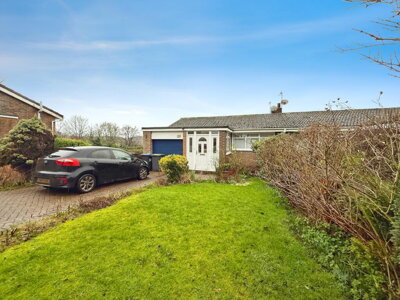
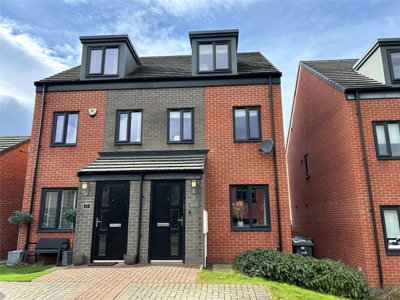
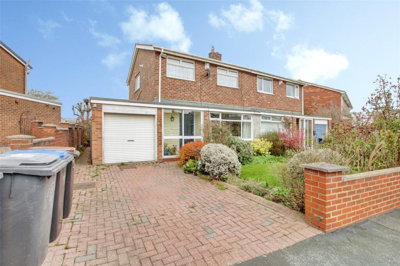
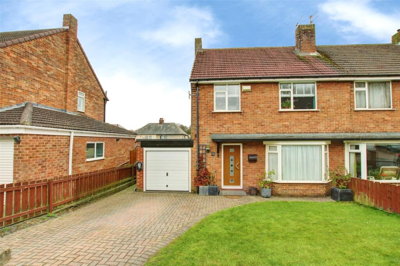
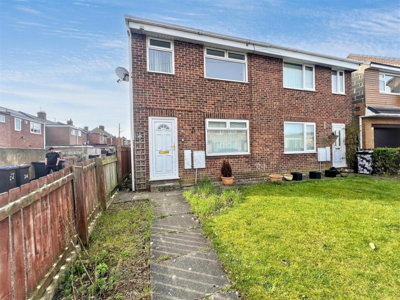
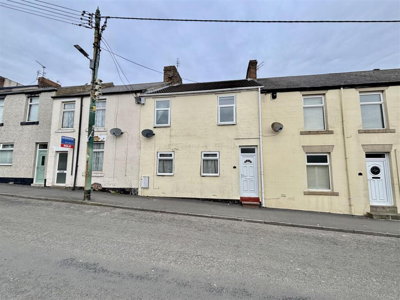
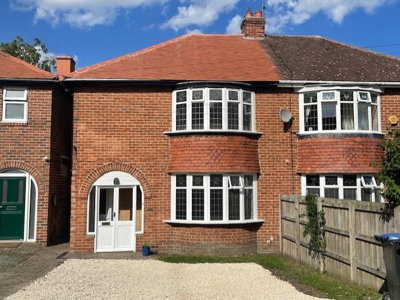
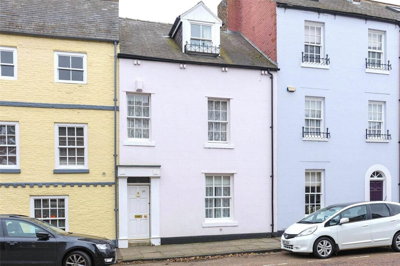
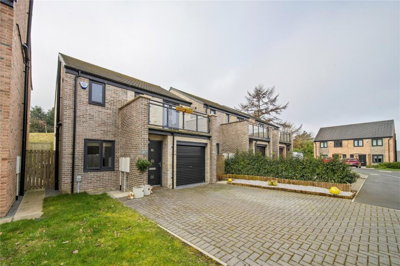
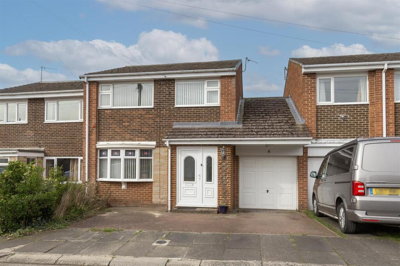
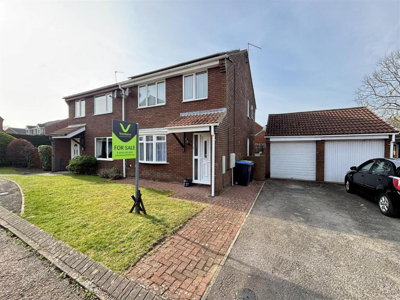
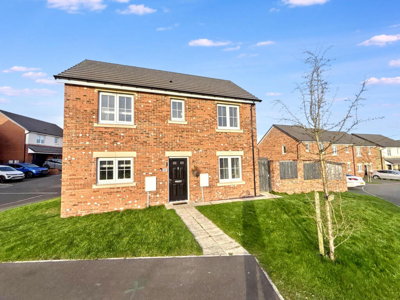
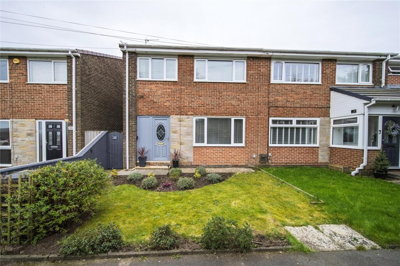
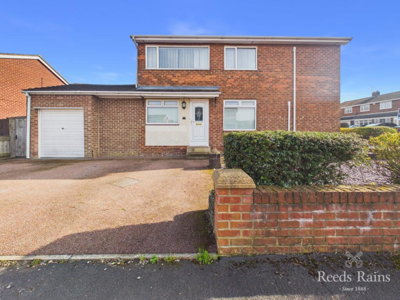
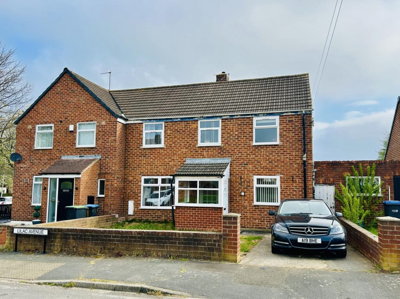
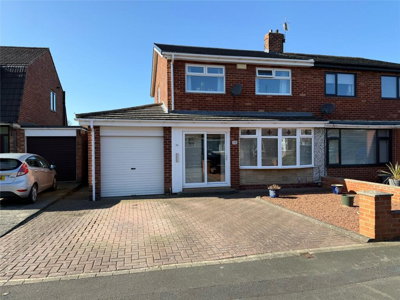
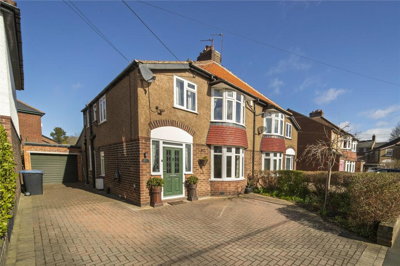
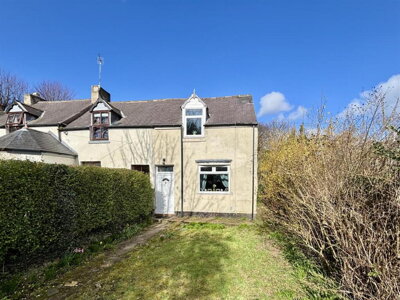
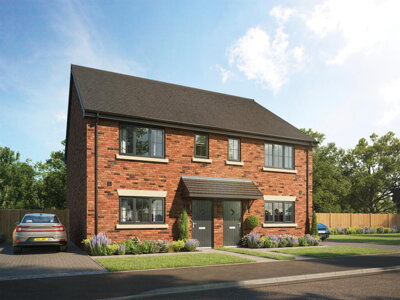
Browse 170 homes for sale in Durham, County Durham from local estate agents.
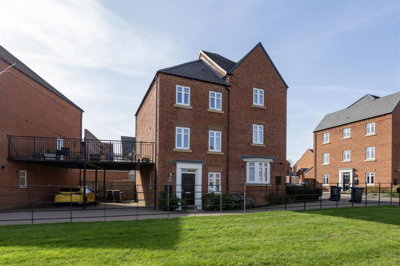
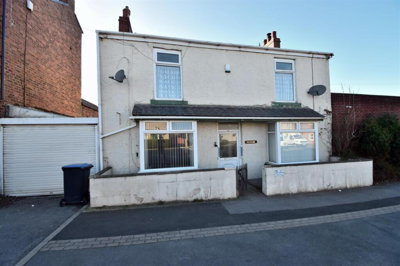
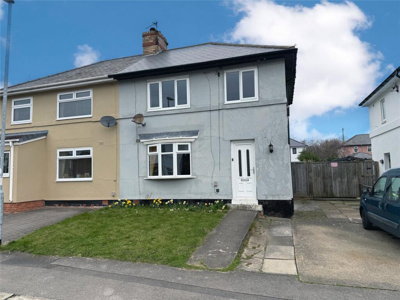
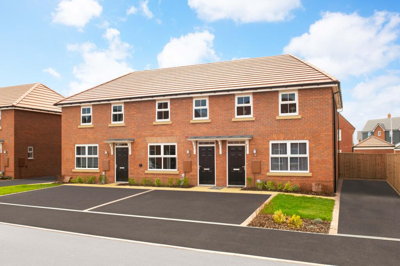
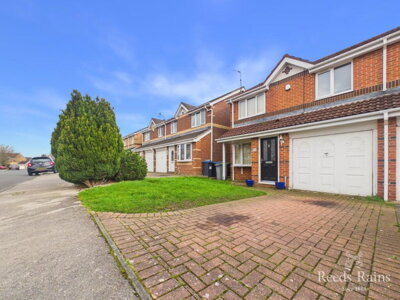
Three bedroom properties represent a significant portion of the Durham housing market, offering space for families with multiple reception rooms and gardens in many cases. Browse detached, semi-detached, and terraced options ranging from period character homes to contemporary developments.
£338k
18
4
94
Source: home.co.uk
Showing 18 results for 3 Bedroom Houses for sale in Durham, County Durham. 4 new listings added this week. The median asking price is £337,500.
Source: home.co.uk
Semi-Detached
13 listings
Avg £325,000
Terraced
3 listings
Avg £286,667
Detached
2 listings
Avg £382,500
Source: home.co.uk
Source: home.co.uk
The Durham property market demonstrates resilience and variety, with detached properties commanding the highest prices at an average of £328,226, reflecting the premium space and privacy these homes offer. Semi-detached homes, which form the largest proportion of housing stock across County Durham at 38.2 percent, average £194,184 and represent excellent value for families seeking generous room sizes and gardens. Terraced properties averaging £178,024 remain popular among first-time buyers and investors, particularly those seeking homes near the university or city centre where period features and convenient locations combine.
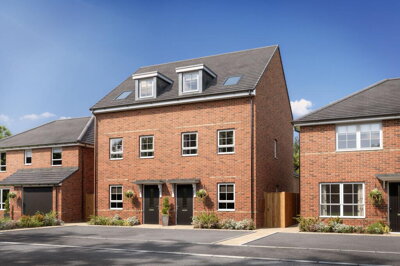
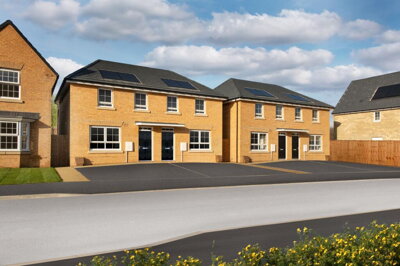
New build developments continue to shape the Durham landscape, with Bishop's Walk by Miller Homes offering three to five-bedroom properties priced from £221,000 to £495,000, and Barratt Homes' Old Durham Gate development providing options from £133,000 to £429,995. The Sniperley Park development on Durham's northern-western edge represents one of the most significant new communities, featuring conversions of four nineteenth-century farm buildings alongside contemporary homes. Bellway's DH1 and The Green at DH1 developments include a mix of two to five-bedroom properties for private sale alongside affordable housing options, with approximately two-thirds of homes in the DH1 phase part of Bellway's accessible Life collection designed for adaptable living.
For buyers considering custom build options, Trinity Mews on the outskirts of Durham city offers nine fully serviced plots for self-build or custom-build homes through a partnership between Durham County Council and Custom Build Homes. This development provides an alternative route for buyers who want complete control over their new home specification and design. The broader County Durham housing market saw 12,600 property sales in the previous twelve months, with sales dropping by 17.2 percent as market conditions adjusted following the pandemic period surge.

Durham occupies a special position among English cities, with its medieval core dominated by the UNESCO World Heritage Site of Durham Castle and Cathedral, built from locally quarried sandstone that has shaped the city's distinctive golden character. The River Wear curves gracefully around the peninsula formed by the river's oxbow, creating scenic walks and green spaces that residents enjoy throughout the year. The city blends ancient architecture with contemporary facilities, including the Gala Theatre, Durham University Botanic Garden, and extensive parks that provide recreational opportunities for all ages.
County Durham's population of approximately 538,000 includes around 20,616 residents within Durham city itself, with the university student population of nearly 19,000 significantly influencing local life and the private rental sector. Durham University students create substantial demand for rental accommodation, with approximately 11,882 students living outside of colleges in rented properties, which presents investment opportunities for buyers considering buy-to-let purchases. The broader county features diverse communities from market towns like Barnard Castle to former mining villages, each offering distinct characters and amenities.
The local economy benefits from the presence of Durham University as a major employer, alongside healthcare services and the County Durham Inclusive Economic Strategy targeting 10,000 new jobs over the coming years. This economic development programme aims to increase professional employment across the county, which should support continued housing demand and potentially drive property value growth. Residents benefit from a range of supermarkets, independent retailers, healthcare facilities, and leisure centres that serve both city and county populations. The area's combination of affordable property prices, strong transport connections, and quality of life makes Durham an attractive option for buyers seeking value without sacrificing accessibility to employment and amenities.

Education provision in Durham serves students of all ages, from nursery through higher education, with Durham University established as one of Britain's prestigious ancient institutions dating back to 1832. The university attracts students from across the globe and operates multiple colleges throughout the city, contributing significantly to Durham's cultural and intellectual life. For families with school-age children, County Durham offers a mix of primary and secondary schools, with Ofsted ratings providing guidance on local educational standards and catchment area considerations being important for parents seeking specific school placements.
The area features various educational pathways including grammar schools for academically selective students, comprehensive schools serving broader communities, and faith schools reflecting local traditions. Durham School is a prominent independent option, while the nearby Consett area and Newton Aycliffe host additional educational facilities. Further education is available at colleges throughout County Durham, providing vocational qualifications and apprenticeships alongside traditional A-level courses.
Parents researching properties should note that school catchments can significantly impact property values and family priorities, making proximity to high-performing schools an important consideration when house hunting in Durham. The Outwood Academy communities serve several areas across the county, while faith-based schools such as those associated with local churches provide alternative educational settings. The university's influence extends beyond higher education, with Durham University School of Education offering teacher training and community engagement programmes that benefit the wider region.
Durham provides excellent transport connectivity for commuters and visitors, with Durham railway station offering direct services to major destinations including London King's Cross, Edinburgh, Newcastle, and Sheffield. Journey times to Newcastle take approximately 15 minutes, placing the city firmly within the commuting hinterland of the North East's largest city. The East Coast Main Line provides reliable intercity connections, while local services connect Durham to towns throughout County Durham and beyond. Bus services operated by various providers link the city centre with surrounding suburbs and villages, with the Park and Ride scheme helping manage city centre traffic.
Road access is equally strong, with the A1(M) motorway passing to the west of Durham and providing connections to Leeds, Newcastle, and the broader national motorway network. The A177 runs through the city connecting to Newton Aycliffe and the A688 providing routes into Teesdale. For those travelling by air, Newcastle International Airport is accessible within 40 minutes, offering domestic and international flights. Cyclists benefit from developing cycle networks, particularly along the River Wear, while pedestrian infrastructure in the compact city centre makes walking the preferred option for many residents.
Commuters working in Newcastle particularly benefit from Durham's position, with regular train services making day-to-day commuting feasible for those employed in the larger city. The University Hospital of North Durham and other major employers are readily accessible by public transport or car, reducing commute times for healthcare workers and other professionals. The Park and Ride facilities at Newcastle Road, Durham County Hospital, and Howlands provide convenient options for those travelling into the city centre while avoiding parking costs and congestion.
Explore online listings and attend viewings to understand what £178,000 terraced homes and £328,000 detached properties offer in different neighbourhoods. Consider proximity to schools, transport links, and whether you prefer the historic character of city centre streets or modern developments on the outskirts. Our platform provides comprehensive access to properties listed by local estate agents throughout Durham and surrounding villages.
Contact lenders or use Homemove's mortgage comparison service to secure an agreement in principle before making offers. With Durham's average price of £212,224, most buyers will require a mortgage, and having financial approval strengthens your position against other purchasers. Mortgage brokers familiar with the Durham market can advise on products suitable for various property types, including older sandstone homes that may require specialist lending criteria.
Visit properties that match your criteria, taking time to assess the local area at different times of day. In Durham, pay particular attention to flood risk areas near the River Wear and the condition of older sandstone properties that may require maintenance. Our inspectors frequently note that viewing properties multiple times, including at evening or weekend hours, reveals different aspects of neighbourhood character and potential issues.
Before completing your purchase, arrange a professional survey to identify any structural issues, particularly given Durham's mining history and older housing stock. Homemove offers Level 2 surveys in Durham starting from £395. Given the prevalence of sandstone construction and the age of many properties in the city, our surveyors are experienced in identifying defects common to traditional building methods in the North East.
Appoint a conveyancing specialist to handle the legal aspects of your purchase, including local searches for coal mining and environmental risks. Your solicitor will coordinate with the seller's representatives through to completion. For properties in Durham's conservation areas or those with listed status, your solicitor will also manage the additional documentation requirements.
Once all searches are satisfactory and financing is confirmed, your solicitor will exchange contracts and set a completion date. On completion day, you will receive the keys to your new Durham home. Our team can recommend local conveyancers experienced in Durham transactions who understand the specific requirements for properties in mining-affected areas.
Property buyers in Durham should be aware of several area-specific considerations that could affect their purchase decision and future costs. The city's coal mining history means that a CON29M Coal Mining Search is essential for any property, as mining subsidence remains a relevant environmental risk in parts of the area. Our surveyors regularly report that properties in areas such as the former colliery villages surrounding Durham city require particular attention to ground conditions and potential mining-related issues.
The presence of clay-rich soils means clay shrink-swell should be assessed, particularly for properties with trees nearby or those built on older, shallower foundations. While clay rocks in this region are generally older and less susceptible to shrink-swell than those in the south-east of Britain, individual properties may still face enhanced risk of clay-related subsidence due to factors like tree proximity and local meteorological conditions. These searches will reveal potential ground hazards that could impact structural integrity and insurance costs.
Durham's conservation areas and high concentration of listed buildings require careful consideration, with 458 listed structures within Durham city's boundaries alone. There are 47 Grade I listed buildings, 28 Grade II* listed buildings, and 383 Grade II listed structures in the city, meaning any purchase in the historic core may involve listed property considerations. Properties in conservation areas may face Article 4 Directions that remove permitted development rights, requiring planning permission for works including window replacements and boundary changes. Listed buildings require Listed Building Consent for any alterations, and standard surveys may not be sufficient for these properties.
The River Wear bisecting the city creates flood risk considerations, particularly for properties in low-lying areas, so buyers should review flood risk assessments and consider surface water flooding in urban areas with extensive paving. Our inspectors check drainage systems and note that hidden guttering behind parapet walls, common in Victorian and Edwardian properties, can lead to undetected problems affecting structural elements.
Our inspectors frequently encounter damp and moisture problems in Durham properties, including rising damp, penetrating damp, and condensation particularly in older or stone-built homes. Causes often include failed or bridged damp-proof courses, poor ventilation, and defective rainwater goods. Sandstone construction, while traditional and characterful, requires particular attention to moisture management as the permeable nature of local sandstone can absorb water if maintenance is neglected.
Roof defects are another common finding during surveys in Durham, with issues such as missing or damaged tiles, sagging rooflines, leaks, and inadequate insulation frequently reported. Many older properties were designed for lighter clay tiles rather than modern concrete replacements, and our inspectors have seen roof spread issues where heavier tiles have been fitted without corresponding structural reinforcement. The age of Durham's housing stock means that roof maintenance has often been deferred, making thorough inspection essential.
Structural cracks and movement range from minor cosmetic issues to signs of serious structural problems like subsidence or settlement. Causes include ground movement, foundation settlement in older properties with shallow foundations, and tree root damage. Our surveyors pay particular attention to crack patterns and monitor any evidence of ongoing movement, especially in properties built on clay soils or in areas affected by former mining activity. Properties with visible cracking should always be investigated by a qualified structural engineer before purchase proceeds.
Outdated electrical systems pose safety risks in many older Durham properties, with wiring over 25 years old potentially presenting fire hazards. Frequent fuse trips, burn marks on sockets, or flickering lights are warning signs our inspectors note during surveys. Similarly, many older homes lack adequate insulation, leading to heat loss, higher energy bills, and condensation problems. Our inspectors can recommend an Electrical Installation Condition Report (EICR) alongside the survey for older properties.
Durham offers several factors that may appeal to property investors, including relatively affordable average prices compared to national averages and a strong rental market driven by Durham University's student population. With approximately 11,882 students living outside of college accommodation in rented properties, the demand for quality rental housing remains consistent. Our platform helps investors identify properties suitable for the student rental market, including terraced homes near the university and city centre locations.
The County Durham Inclusive Economic Strategy aims to create 10,000 new jobs over the coming years, which could support continued housing demand and potentially drive property value growth. Historical property price data shows modest growth trends, with County Durham recording a 7.7 percent price rise in the year to December 2025, with semi-detached properties rising by 8.7 percent and flats increasing by 2.8 percent. This suggests a market that, while experiencing some correction, continues to show underlying strength.
However, investors should consider local factors including mining heritage that may affect insurance costs, flood risk in certain areas near the River Wear, and the concentration of listed buildings that may affect maintenance costs and permitted development opportunities. Properties requiring renovation may offer opportunities to add value, but our surveyors advise that older sandstone properties often require ongoing maintenance investment. Landlord licensing requirements and energy efficiency regulations continue to evolve, making professional guidance valuable for investors new to the Durham market.
The average house price in Durham stands at approximately £212,224 according to recent Rightmove data. Property types vary significantly in price, with detached properties averaging £328,226, semi-detached homes at £194,184, and terraced properties around £178,024. Flats in the area average approximately £100,129 according to Zoopla data for County Durham. Prices have shown a modest 3 percent decrease over the past twelve months, creating opportunities for buyers seeking more accessible entry points into the market.
Council tax in Durham is set by Durham County Council, with bands ranging from A to H based on property valuation as of April 1991. The specific band for any property can be found on the gov.uk council tax pages or through local authority records. Band D is typically used as a reference point, though individual properties may fall above or below this depending on their assessed value. Prospective buyers should verify the council tax band for any specific property during the conveyancing process, as this forms part of the ongoing costs of home ownership.
Durham offers educational options across all levels, with Durham University being one of Britain's leading higher education institutions. For primary and secondary education, parents should research current Ofsted ratings for schools throughout County Durham, as performance can vary between institutions. Grammar schools serve academically selective students, while comprehensive schools serve broader communities. School catchment areas can significantly influence property desirability in certain neighbourhoods, making this an important factor for families with children when house hunting in Durham.
Durham railway station sits on the East Coast Main Line, providing direct services to London, Edinburgh, Newcastle, and Sheffield, with Newcastle reachable in approximately 15 minutes. The city's Park and Ride scheme offers convenient access to the city centre from outlying car parks. Bus services connect Durham with surrounding towns and villages throughout County Durham. For air travel, Newcastle International Airport is accessible within 40 minutes by road, offering domestic and international flights. The A1(M) motorway provides road connections to Leeds, Newcastle, and the broader national motorway network.
Durham offers several factors that may appeal to property investors, including relatively affordable average prices compared to national averages and a strong rental market driven by Durham University's student population. The County Durham Inclusive Economic Strategy aims to create 10,000 new jobs, which could support continued housing demand. Historical property price data shows modest growth trends, with County Durham recording a 7.7 percent price rise in the year to December 2025. However, investors should consider local factors including mining heritage, flood risk in certain areas, and the concentration of listed buildings that may affect maintenance costs and permitted development opportunities.
Stamp Duty Land Tax rates for residential properties in England start at zero percent on purchases up to £250,000, rising to 5 percent on the portion between £250,001 and £925,000. For properties above £925,000, rates increase further to 10 percent up to £1.5 million and 12 percent above that threshold. First-time buyers benefit from increased thresholds, paying zero percent up to £425,000 and 5 percent between £425,001 and £625,000, though this relief does not apply to purchases above £625,000. Given Durham's average property price of approximately £212,224, most buyers would fall into the lower tax bands or potentially qualify for first-time buyer relief.
Our inspectors strongly recommend a RICS Level 2 Survey for any property purchase in Durham, particularly given the age of much of the local housing stock and the area's mining heritage. Surveys typically cost from £395 for standard properties in reasonable condition, rising for larger, older, or more complex properties. For sandstone properties in conservation areas or listed buildings, a more comprehensive RICS Level 3 Building Survey may be more appropriate. Given the prevalence of mining risk, clay soils, and older construction methods in Durham, the survey investment provides valuable protection against unexpected defects and repair costs.
Beyond the standard local authority search, buyers in Durham should specifically request a CON29M Coal Mining Search given the area's significant mining history. This search reveals any past, present, or proposed mining operations that could affect the property. Your solicitor will also typically arrange drainage searches, environmental searches, and water searches as part of standard conveyancing. For properties near the River Wear or in low-lying areas, a specific flood risk search provides important information about potential flood history and future risk. Our conveyancing partners understand Durham's specific requirements and can ensure all necessary searches are obtained.
Understanding the full costs of buying property in Durham helps buyers budget accurately and avoid unexpected expenses during the transaction process. Stamp Duty Land Tax represents a significant upfront cost, though current thresholds provide relief for many buyers entering the Durham market. For a typical Durham property priced at the area average of £212,224, a standard buyer would pay no stamp duty on the first £250,000, meaning most purchases at or below this price point would incur zero SDLT. First-time buyers benefiting from the increased threshold would pay nothing on purchases up to £425,000, covering the majority of properties in Durham's market.
Beyond stamp duty, buyers should budget for solicitor conveyancing fees, which typically start from £499 for standard transactions and cover local searches, title checks, and contract preparation. A RICS Level 2 Survey costs from £395 for properties in reasonable condition, rising for larger, older, or more complex properties. Given Durham's mining heritage, buyers should budget for a CON29M Coal Mining Search, which is essential for identifying any subsidence risks. Removal costs, potential renovation expenses, and building insurance all add to the total outlay when moving into a new property.
Additional costs often overlooked include surveyor fees for specialist reports such as electrical testing or structural engineering assessments if the survey identifies concerns. Properties with timber frames may require a timber pest inspection, while those built before 2000 may benefit from an asbestos survey. Our team can provide a comprehensive breakdown of expected costs based on your specific property type and location within Durham. Getting a mortgage agreement in principle before viewing properties ensures you understand your borrowing capacity and can act quickly when you find your ideal Durham home.
From 4.5%
Expert mortgage advice for Durham properties, from first-time buyers to remortgaging
From £499
Local conveyancing solicitors experienced in Durham property transactions
From £395
Professional property survey identifying defects in Durham homes
From £60
Energy performance certificate for your Durham property
Properties for Sale In London

Properties for Sale In Plymouth

Properties for Sale In Liverpool

Properties for Sale In Glasgow

Properties for Sale In Sheffield

Properties for Sale In Edinburgh

Properties for Sale In Coventry

Properties for Sale In Bradford

Properties for Sale In Manchester

Properties for Sale In Birmingham

Properties for Sale In Bristol

Properties for Sale In Oxford

Properties for Sale In Leicester

Properties for Sale In Newcastle

Properties for Sale In Leeds

Properties for Sale In Southampton

Properties for Sale In Cardiff

Properties for Sale In Nottingham

Properties for Sale In Norwich

Properties for Sale In Brighton

Properties for Sale In Derby

Properties for Sale In Portsmouth

Properties for Sale In Northampton

Properties for Sale In Milton Keynes

Properties for Sale In Bournemouth

Properties for Sale In Bolton

Properties for Sale In Swansea

Properties for Sale In Swindon

Properties for Sale In Peterborough

Properties for Sale In Wolverhampton

Enter your details to see if this property is within your budget.
Loans, cards, car finance
Estimated property budget
Borrowing + deposit
You could borrow between
Typical borrowing
Monthly repayment
Est. at 4.5%
Loan-to-value
This is an estimate only. Your actual budget may vary depending on interest rates, credit history, and personal circumstances. For an accurate affordability assessment, speak to one of our free mortgage advisors.
This calculator provides estimates for illustrative purposes only and does not constitute financial advice. Your home may be repossessed if you do not keep up repayments on your mortgage. Estimates based on 4.5% interest rate, repayment mortgage. Actual rates depend on your circumstances.
Homemove is a trading name of HM Haus Group Ltd (Company No. 13873779, registered in England & Wales). Homemove Mortgages Ltd (Company No. 15947693) is an Appointed Representative of TMG Direct Limited, trading as TMG Mortgage Network, which is authorised and regulated by the Financial Conduct Authority (FRN 786245). Homemove Mortgages Ltd is entered on the FCA Register as an Appointed Representative (FRN 1022429). You can check registrations at NewRegister or by calling 0800 111 6768.

We use cookies to show you personalised content and improve your experience of our website. Find out more in our Privacy policy and Cookie policy.