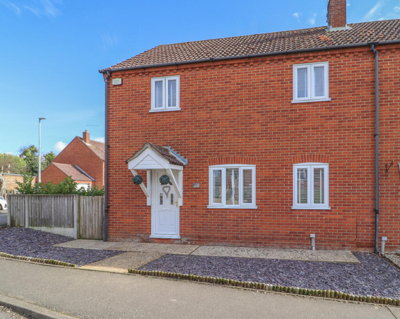
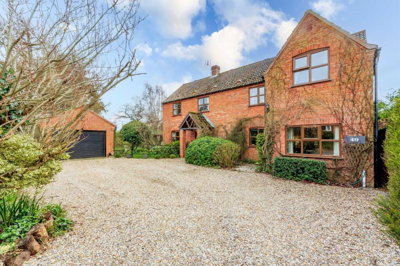
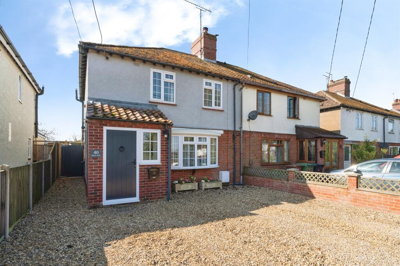
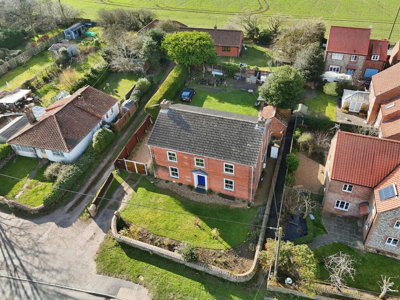
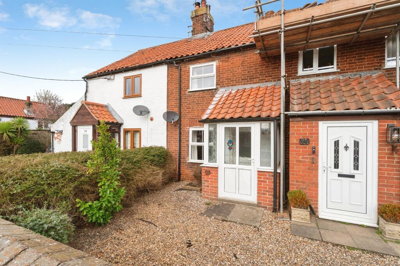
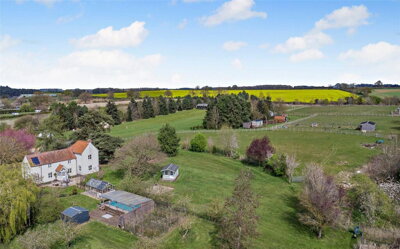
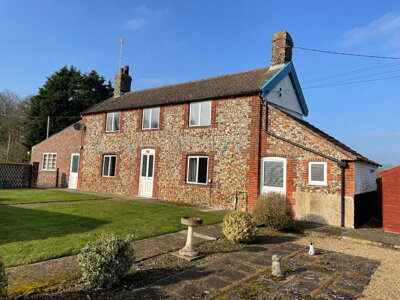
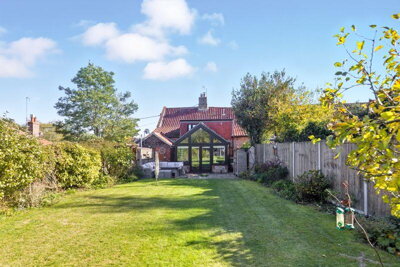
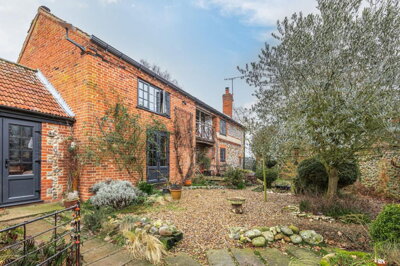
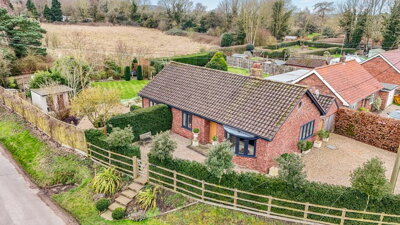
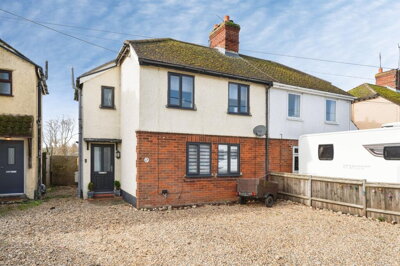
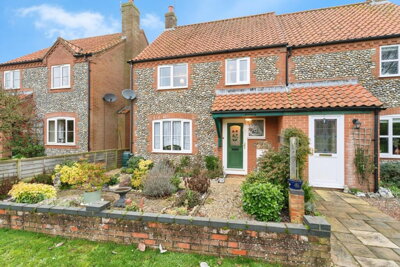
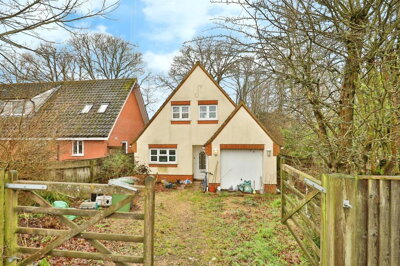
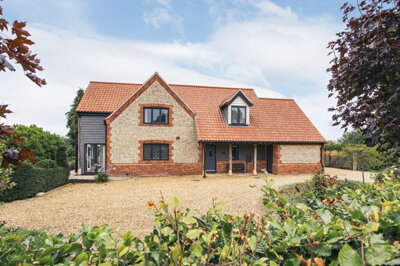
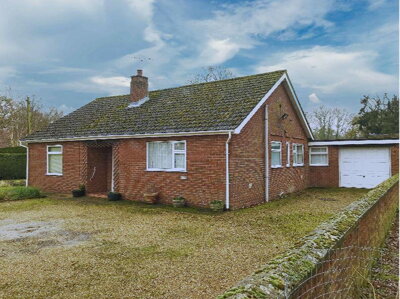
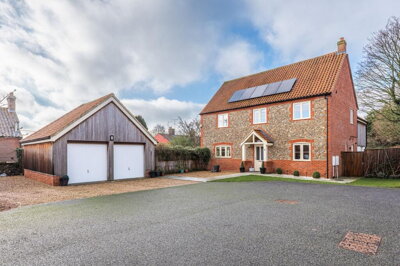
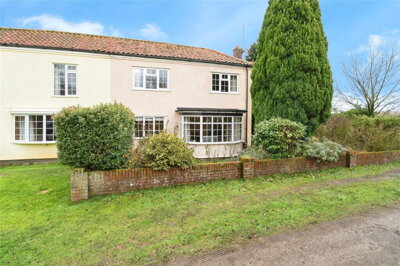
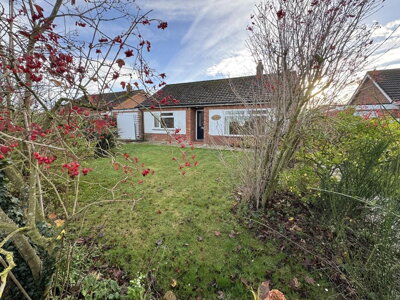
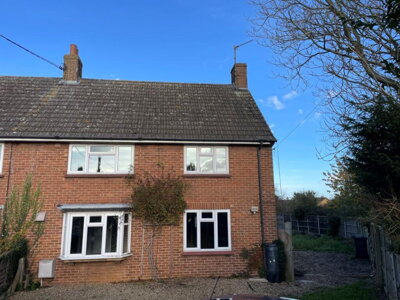
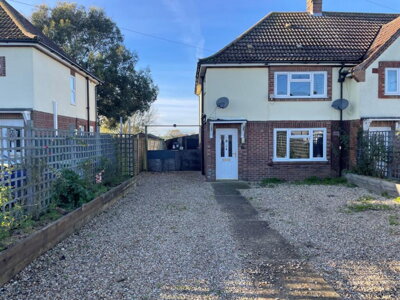
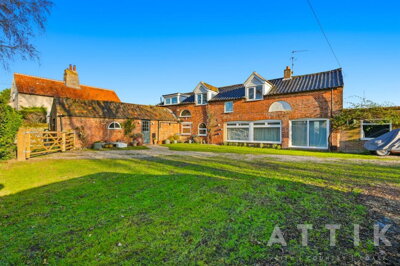
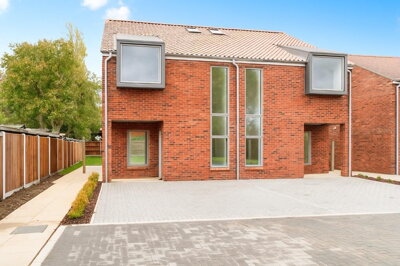
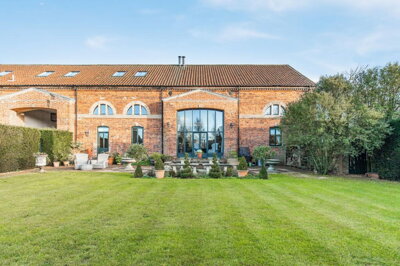
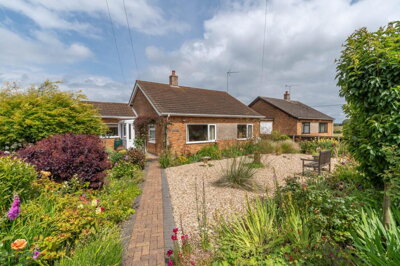
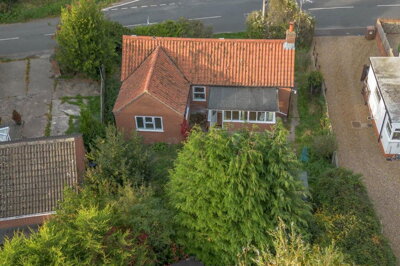
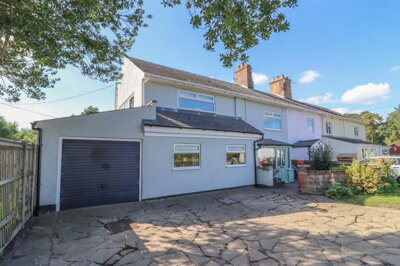
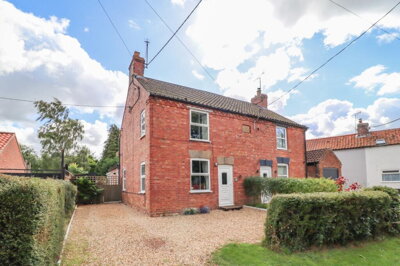
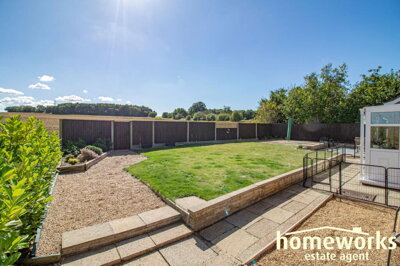
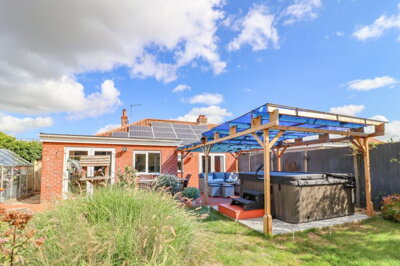
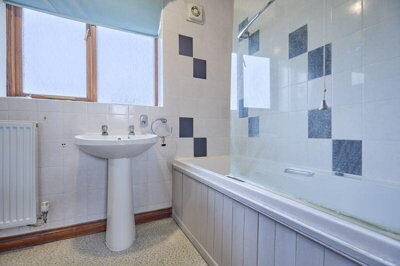
Browse 45 homes for sale in Dunton from local estate agents.
The Dunton property market offers detached, semi-detached, and terraced houses spanning various price ranges and neighbourhoods. Each listing includes detailed property information, photographs, and direct contact with the marketing agent.
The Dunton property market reflects the wider trends affecting North Norfolk, with detached properties commanding the highest prices at around £600,000. Semi-detached homes in the village and surrounding area typically sell for approximately £340,790, while terraced properties average £347,875. These figures indicate a market that offers relative value compared to some coastal hotspots in the region, though prices have experienced a 15% adjustment over the past year following the 2022 peak of £1,045,000.
Property types in Dunton predominantly consist of detached houses, consistent with the wider North Norfolk district where 49.1% of dwellings are detached. The housing stock includes charming period cottages constructed from traditional Norfolk materials such as flint, brick, and thatch, alongside more recent additions built to complement the rural aesthetic. Flats remain less common in the village setting, with the broader NR21 postcode area reporting an average flat price of £153,000, offering an entry point for first-time buyers or those seeking a smaller property.
The wider North Norfolk district recorded an average house price of £289,000 in December 2025, representing a 3.6% decline from the previous year. Detached properties in the broader district averaged £402,000, while semi-detached homes came in at £268,000 and terraced properties at £225,000. For buyers considering Dunton, these regional figures provide useful context when evaluating village property values against the wider market, with Dunton's village premiums reflecting the added desirability of smaller, established communities.
Dunton is a small but vibrant village community with approximately 111 residents according to the 2021 Census, spread across an area of 15.5 square kilometres. This low-density settlement offers genuine countryside living, with roughly 7 people per square kilometre creating a sense of space and connection to nature that is increasingly rare in modern England. The village sits within the North Norfolk district, which notably has the highest median age of any local authority area in England at 54 years, indicating a settled, established community with strong roots.
The demographics of North Norfolk paint a picture of a region where 69.3% of households own their homes outright or with a mortgage, with 48.6% owned outright without a mortgage. This high rate of home ownership reflects the attractive nature of the area for families and retirees seeking stability. The local economy benefits significantly from tourism, with approximately a quarter of the population employed in the visitor economy, supporting around 54,000 jobs across Norfolk and contributing approximately £2.8 billion annually to the local economy.
Traditional building materials define the local architectural character, with flint walls, Norfolk pantiles, and thatched roofs creating a distinctive village aesthetic. Properties built from local materials using lime mortar and traditional methods have stood for centuries, though they require ongoing maintenance and understanding from prospective buyers. The presence of Boulder Clay in the local geology, a remnant of glacial activity, influences both the type of construction found in the area and the potential considerations for property condition surveys.
Norfolk County has been calculated as the 10th most at-risk area for flooding in the UK by the Environment Agency, with long-term considerations from rising sea levels affecting the broader coastal region. While Dunton sits inland, the village shares the NR21 postcode with coastal areas facing these considerations, making flood risk awareness relevant for property buyers in the wider area. The North Norfolk district has 84 designated conservation areas, and Dunton's heritage character is evidenced by St. Peter's Church, a Grade II listed building that anchors the village's historic core.

Families considering a move to Dunton will find primary education available at schools in nearby villages and towns, with secondary options extending across the North Norfolk district. The area is served by a mix of community schools and those with particular specialisms, with several primary schools in the surrounding villages providing education for younger children. Parents should research specific catchment areas, as school admissions in rural Norfolk can be competitive and geographically influenced.
Secondary education in the region includes several well-regarded schools in market towns such as Fakenham, where students can access a broader curriculum and facilities. The North Norfolk area offers sixth form provision at several secondary schools, with further education colleges accessible in larger towns. For families seeking independent education, several private schools operate in the broader Norfolk area, though these require travel arrangements from Dunton.
The aging population profile of North Norfolk, with 33.4% of residents aged 65 or older, influences local school rolls and the sustainability of smaller rural schools. Parents should verify current Ofsted ratings and consider transportation arrangements when evaluating educational options, as some schools may require daily journeys from the village. The North Norfolk School Finder service and local authority admissions portal provide up-to-date information on school availability and application procedures. With school admissions often determined by catchment boundaries, prospective buyers should confirm placement eligibility before committing to a purchase.
Dunton is situated in a rural location where private transport forms the backbone of daily life, with limited public transport options within the village itself. The nearest railway stations are located in larger towns, with connections to Norwich and the wider rail network providing access to Cambridge, London, and Birmingham. The village sits within reasonable distance of the A148 and A1065 roads, providing routes to King's Lynn and the regional road network, though journey times to major employment centres require careful consideration.
Bus services operate between local villages and market towns, though frequencies reflect the rural nature of the area and may not suit those dependent on public transport for daily commuting. For residents working in Norwich, typical journey times by car range from 45 minutes to an hour depending on traffic conditions and specific destinations. Cyclists will find varying conditions across the Norfolk countryside, with some scenic routes available though busy roads may present challenges for less experienced riders.
Norfolk's rural infrastructure presents both opportunities and challenges for residents, with the lack of motorways or trunk roads preserving the scenic character of the landscape while limiting some connectivity options. The North Norfolk district has been identified as an area where infrastructure improvements are ongoing, though prospective buyers should realistically assess their commuting requirements against available transport links. For those working from home or seeking a truly rural lifestyle, the transport limitations become less significant factors in the property decision. Key sectors driving the local economy include clean energy, agri-food, financial services, and tourism, offering diverse employment opportunities for residents who do not need to commute daily.

Explore property listings in Dunton and compare prices against the wider North Norfolk area. Our platform shows current asking prices and recent sale values to help you understand whether a property is fairly priced. The NR21 postcode area recorded 5,069 property sales in the past year, providing substantial data on comparable transactions.
Contact lenders or brokers to obtain a mortgage agreement in principle before viewing properties. This financial preparation strengthens your position when making offers and demonstrates your seriousness to sellers. With average properties in Dunton around £381,869, most buyers will require mortgage financing.
Visit multiple properties in Dunton to understand the different neighbourhoods, property conditions, and proximity to amenities. Take notes and photographs to help compare properties after viewings. Given the village's small population of around 111 residents, availability of suitable properties may be limited at any one time.
Once your offer is accepted, arrange a Level 2 survey to assess the property condition. Given Dunton's older housing stock and traditional construction materials including flint walls and thatched roofs, a professional survey is essential to identify any defects or maintenance concerns specific to traditional Norfolk construction.
Choose a solicitor experienced in Norfolk property transactions to handle the legal aspects of your purchase. They will conduct searches, handle contracts, and coordinate with your mortgage lender. Local searches specific to North Norfolk, including drainage and water authority enquiries, form part of the standard conveyancing package.
Once all searches are satisfactory and finances are arranged, your solicitor will exchange contracts and set a completion date. On completion day, the remaining balance is transferred and you receive the keys to your new Dunton home.
Properties in Dunton often feature traditional construction methods that require specialist knowledge from prospective buyers. Flint walls, commonly found throughout North Norfolk, may show signs of mortar degradation or require repointing over time. Thatched roofs, while visually appealing and long-lasting when properly maintained, carry higher insurance costs and require specialist contractors for repairs and renewals. Understanding these traditional building methods helps buyers appreciate the character of older properties while recognising maintenance responsibilities.
The presence of Boulder Clay in the local geology introduces potential shrink-swell considerations for property foundations. Buyers should look for signs of structural movement, cracking patterns, and any previous underpinning or foundation work. Properties with large trees nearby may be more susceptible to subsidence risks during dry periods when vegetation draws moisture from the clay soil. A thorough RICS Level 2 survey will identify any existing movement or potential concerns with the foundations.
Flood risk awareness extends throughout North Norfolk, with the district identified as vulnerable to coastal flooding and the county ranking among the top 10 most at-risk areas in the UK. While Dunton itself sits inland, the wider area faces long-term considerations from rising sea levels and climate change. Property buyers should review the Environment Agency's flood risk maps and consider whether flood resilience measures have been implemented in any property they are considering purchasing.
Listed building status affects many properties in the area, with St. Peter's Church being one notable example. Any property with listed status requires special permission for alterations and may mandate specific materials or techniques for repairs. Buyers should factor in the additional costs and planning considerations associated with listed properties, as well as the potential for grants available for heritage property maintenance. North Norfolk has around 2,400 listed buildings across the district, reflecting the area's rich architectural heritage.
The overall average house price in Dunton is currently around £381,869 based on recent market data. Detached properties average approximately £600,000, while semi-detached homes typically sell for around £340,790 and terraced properties average £347,875. These prices reflect a market that has seen a 15% adjustment over the past year following the 2022 peak of £1,045,000. For context, the wider North Norfolk district has a December 2025 average of £289,000 across all property types, with detached homes averaging £402,000 in the broader area.
Properties in Dunton fall under North Norfolk District Council for council tax purposes. Bands range from A through to H, with most traditional village properties typically falling in bands B to D depending on their assessed value. The exact band depends on the property's value at the time of the last valuation, and prospective buyers can verify the specific band through the Valuation Office Agency website or by requesting this information during the conveyancing process. Council tax funds local services including education, waste collection, and local authority functions.
Primary education is available at schools in nearby villages and towns across the North Norfolk district, with catchment areas determining placements. Secondary education options include schools in Fakenham and surrounding market towns, with sixth form provision at several locations. Parents should consult the Norfolk County Council admissions portal for current school availability, catchment boundaries, and Ofsted ratings to identify the most suitable options for their children. The aging population profile of North Norfolk affects school rolls and the sustainability of smaller rural schools.
Dunton is a rural village where private transport is the primary means of travel, with limited public transport options directly serving the village. The nearest railway stations are located in larger towns, providing connections to Norwich and the wider rail network. Bus services operate between local villages and towns, though frequencies reflect the rural nature of the area. Prospective buyers should consider whether their daily transport needs can be met with available services, particularly for commuting to employment in towns like Norwich or King's Lynn.
Dunton and the wider North Norfolk area offer investment potential for those seeking lifestyle purchases or long-term holds. The area's popularity with retirees and those seeking countryside living supports demand, while the shortage of new housing stock in rural villages maintains property values. However, the significant proportion of holiday homes in the district and the aging population profile should be considered. Investors should also factor in potential flood risk considerations and the costs associated with maintaining period properties built from traditional materials like flint and thatch.
Stamp Duty Land Tax rates for residential properties are 0% on the first £250,000, 5% on £250,001 to £925,000, 10% on £925,001 to £1.5 million, and 12% above £1.5 million. First-time buyers benefit from relief on the first £425,000, paying 5% between £425,001 and £625,000, with no relief above £625,000. Given that most Dunton properties fall below £600,000, many buyers will pay stamp duty on the portion above £250,000 at the standard rate, or benefit from first-time buyer relief if applicable.
Properties in Dunton often feature traditional construction including flint walls, thatched roofs, and solid walls predating cavity insulation. A RICS Level 2 survey will check for dampness, roof condition, structural movement, and the condition of traditional materials. The local Boulder Clay geology means surveys should specifically assess foundation conditions and signs of subsidence or heave. Properties may also have outdated electrical systems or plumbing that require updating to meet current standards. Given North Norfolk has the oldest population profile of any local authority in England, many properties have had limited modernisation.
Direct new-build developments specifically within the village of Dunton are limited, reflecting the character of this small rural community. Some barn-style developments have been proposed in the wider North Norfolk area using traditional materials. For buyers seeking new build properties, nearby market towns like Fakenham offer new housing developments. Most property transactions in the village involve existing period properties, which buyers should factor into their expectations regarding construction quality and maintenance requirements.
Understanding the full costs of purchasing property in Dunton extends beyond the asking price to include stamp duty, survey fees, legal costs, and moving expenses. For a typical property in Dunton priced around the village average of £381,869, a standard buyer would pay stamp duty on £131,869 at the 5% rate, totaling approximately £6,593. First-time buyers benefiting from the increased threshold would pay nothing on the first £425,000, making the purchase more affordable for eligible buyers.
Professional survey costs represent an important investment, particularly given the traditional construction methods found throughout Dunton and the wider North Norfolk area. RICS Level 2 surveys in the NR21 postcode area typically range from £400 to £800 depending on property size and complexity, with larger or older properties commanding higher fees. For older properties with non-standard construction such as thatch or flint walls, a RICS Level 3 Building Survey may be more appropriate despite the higher cost, providing more detailed assessment of structural condition. Norfolk average survey costs sit around £499 for RICS Level 2 surveys nationally.
Conveyancing costs for property purchases in North Norfolk typically start from around £499 for basic transactions, rising depending on the complexity of the purchase, any leasehold elements, or listed building considerations. Searches specific to the area, including drainage and water searches for North Norfolk properties, form part of the standard conveyancing package. Buyers should budget for mortgage arrangement fees, valuation fees, and removals costs when calculating the total expenditure involved in purchasing a home in Dunton. The countywide affordability ratio of 10.6 times median income indicates that most buyers will require substantial mortgage financing.
Properties for Sale In London

Properties for Sale In Plymouth

Properties for Sale In Liverpool

Properties for Sale In Glasgow

Properties for Sale In Sheffield

Properties for Sale In Edinburgh

Properties for Sale In Coventry

Properties for Sale In Bradford

Properties for Sale In Manchester

Properties for Sale In Birmingham

Properties for Sale In Bristol

Properties for Sale In Oxford

Properties for Sale In Leicester

Properties for Sale In Newcastle

Properties for Sale In Leeds

Properties for Sale In Southampton

Properties for Sale In Cardiff

Properties for Sale In Nottingham

Properties for Sale In Norwich

Properties for Sale In Brighton

Properties for Sale In Derby

Properties for Sale In Portsmouth

Properties for Sale In Northampton

Properties for Sale In Milton Keynes

Properties for Sale In Bournemouth

Properties for Sale In Bolton

Properties for Sale In Swansea

Properties for Sale In Swindon

Properties for Sale In Peterborough

Properties for Sale In Wolverhampton

Enter your details to see if this property is within your budget.
Loans, cards, car finance
Estimated property budget
Borrowing + deposit
You could borrow between
Typical borrowing
Monthly repayment
Est. at 4.5%
Loan-to-value
This is an estimate only. Your actual budget may vary depending on interest rates, credit history, and personal circumstances. For an accurate affordability assessment, speak to one of our free mortgage advisors.
This calculator provides estimates for illustrative purposes only and does not constitute financial advice. Your home may be repossessed if you do not keep up repayments on your mortgage. Estimates based on 4.5% interest rate, repayment mortgage. Actual rates depend on your circumstances.
Homemove is a trading name of HM Haus Group Ltd (Company No. 13873779, registered in England & Wales). Homemove Mortgages Ltd (Company No. 15947693) is an Appointed Representative of TMG Direct Limited, trading as TMG Mortgage Network, which is authorised and regulated by the Financial Conduct Authority (FRN 786245). Homemove Mortgages Ltd is entered on the FCA Register as an Appointed Representative (FRN 1022429). You can check registrations at NewRegister or by calling 0800 111 6768.

We use cookies to show you personalised content and improve your experience of our website. Find out more in our Privacy policy and Cookie policy.