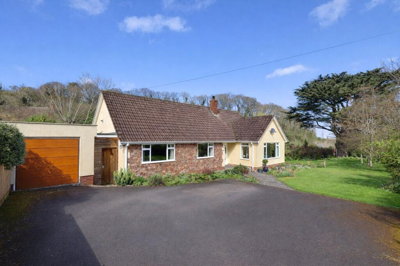
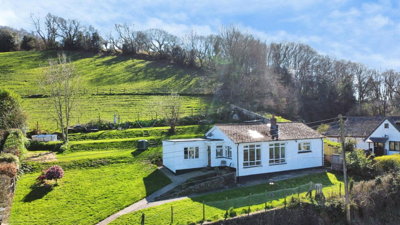
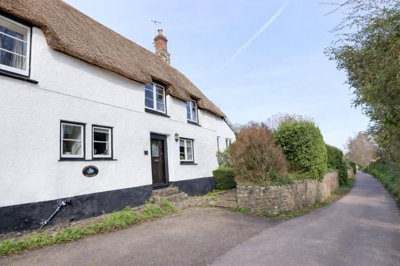
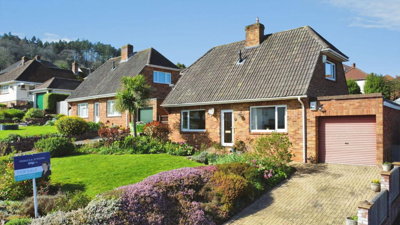
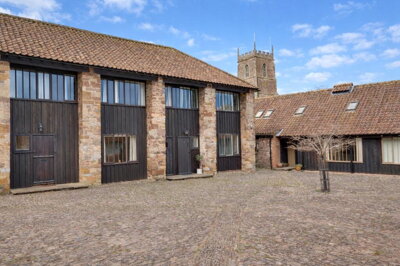
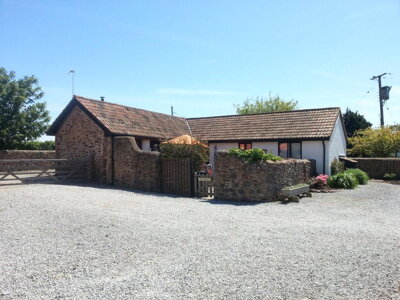
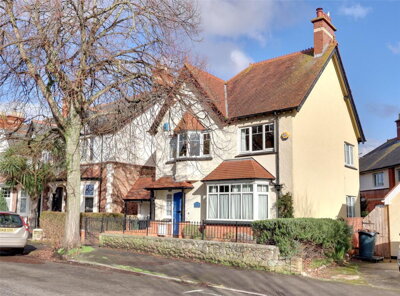
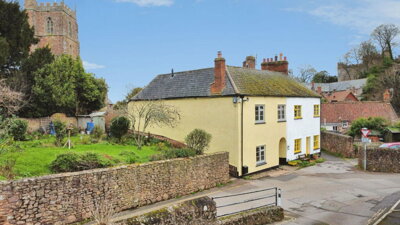
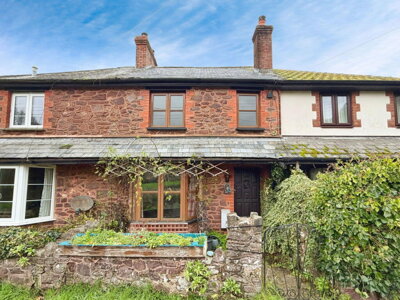
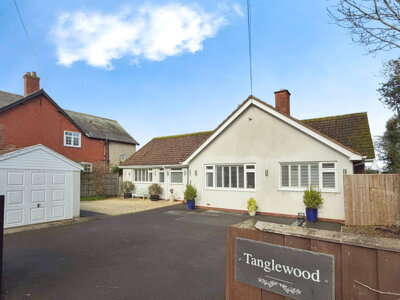
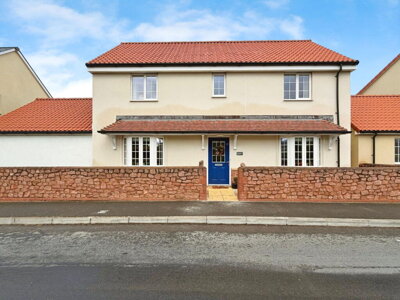
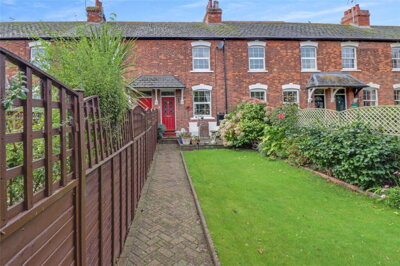
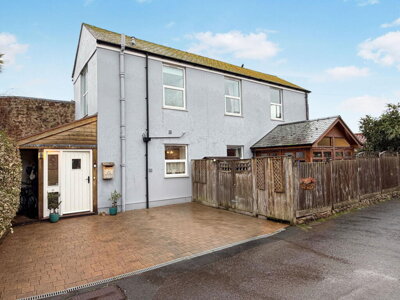
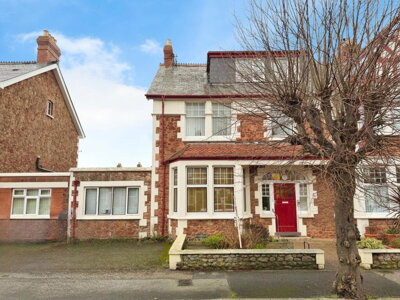
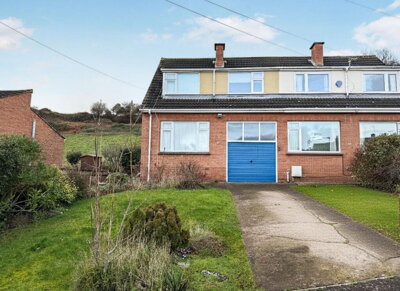
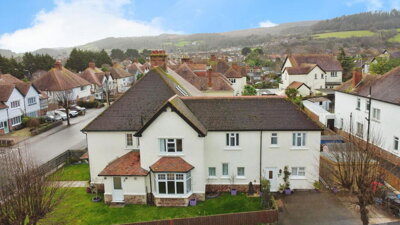
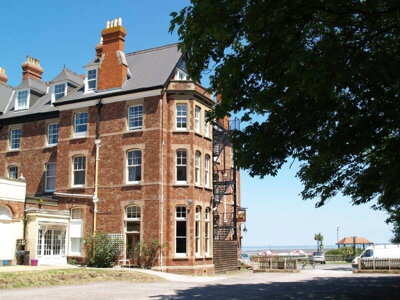
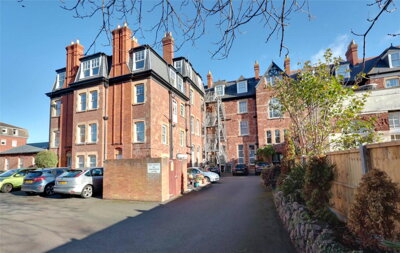
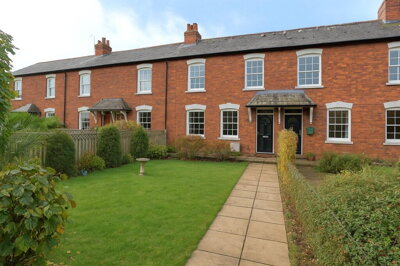
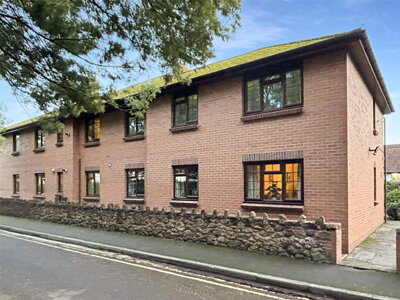
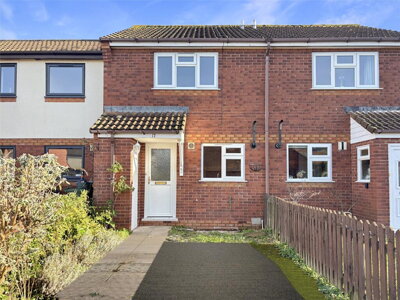
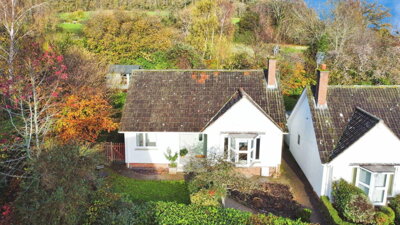
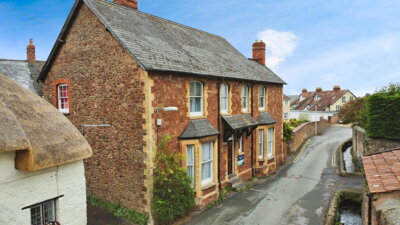
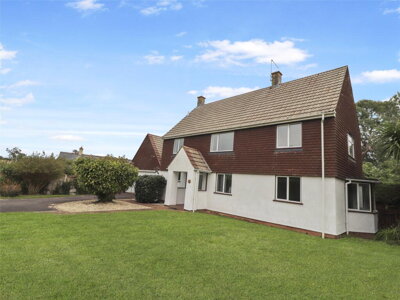
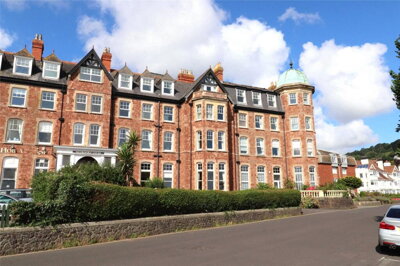
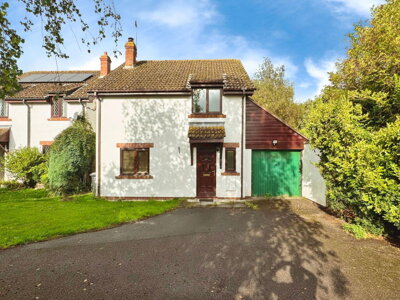
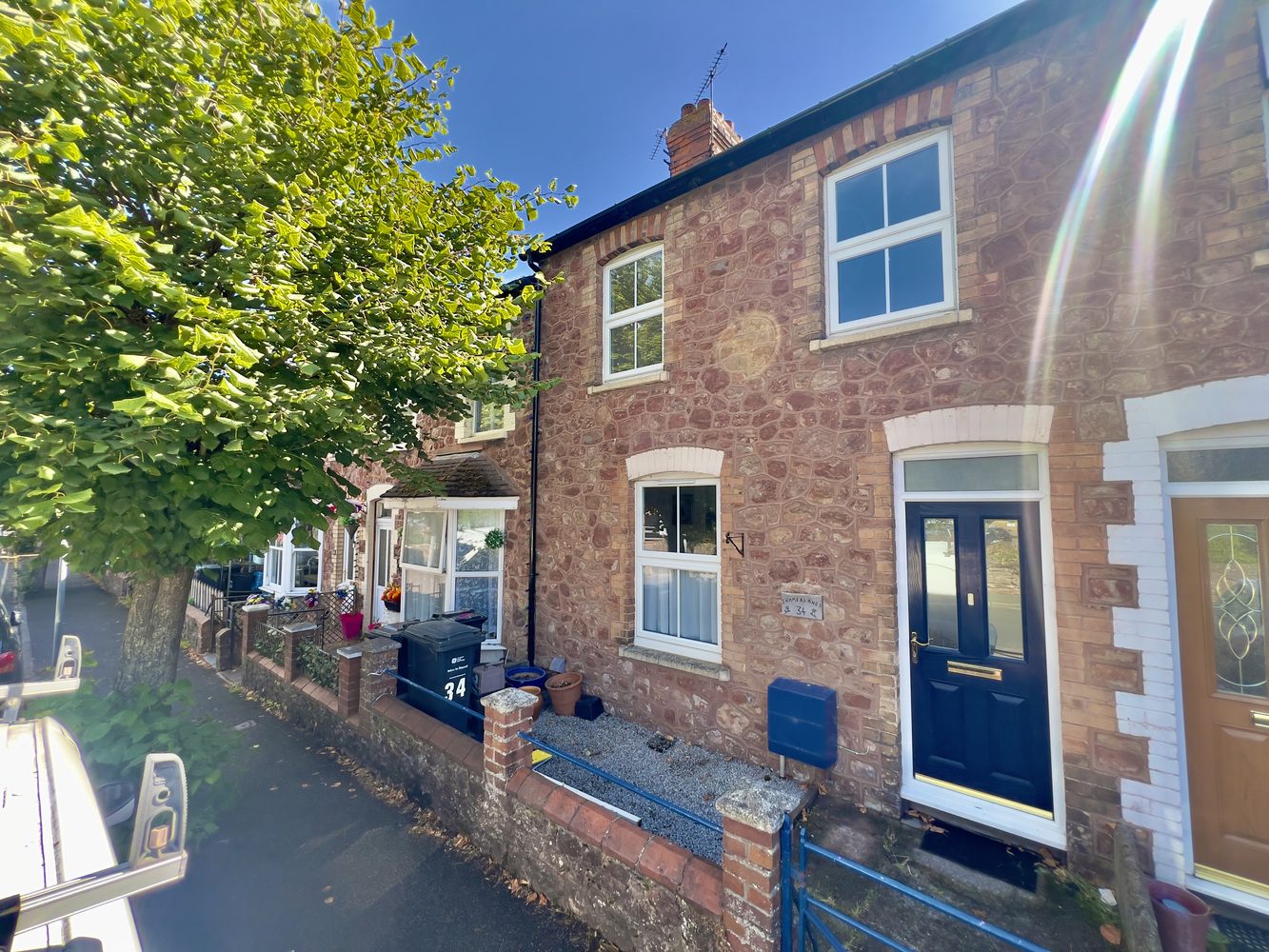
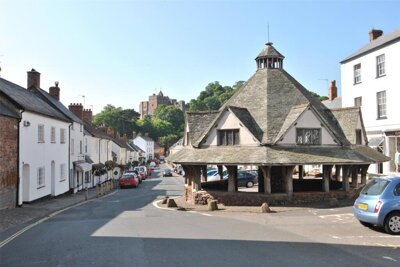
Browse 160 homes for sale in Dunster, Somerset from local estate agents.
£325k
21
1
183
Source: home.co.uk
Source: home.co.uk
Detached
5 listings
Avg £563,600
Terraced
4 listings
Avg £311,249
Character Property
2 listings
Avg £305,000
House
2 listings
Avg £312,500
Semi-Detached
2 listings
Avg £587,500
Apartment
1 listings
Avg £195,000
Barn Conversion
1 listings
Avg £325,000
Bungalow
1 listings
Avg £365,000
Detached Bungalow
1 listings
Avg £244,500
End of Terrace
1 listings
Avg £275,000
Source: home.co.uk
Source: home.co.uk
The Heydon property market reflects the character of this small conservation village, where period properties dominate and turnover is relatively modest due to the limited housing stock. Recent sales data shows detached properties in the broader Broadland district commanding an average of £424,000, while semi-detached homes average £277,000. Within Heydon itself, The Street has recorded an average sale value of £290,650, representing good value for buyers seeking character properties in a designated conservation area. Price ranges span from around £147,076 for leasehold flats up to £1,735,820 for premium freehold family homes, demonstrating the range of options available.
Market trends indicate that Heydon has experienced a 33% price reduction over the past year compared to the previous year, and values sit 54% below the 2015 peak of £946,429. This adjustment brings entry prices to more accessible levels while the underlying appeal of the village remains unchanged. The wider Broadland district has shown more stability, with the average house price in December 2025 reaching £315,000, representing a 1.9% increase from December 2024. Semi-detached properties across Broadland have performed particularly well, rising by 2.8% year-on-year, suggesting continued demand for family-sized homes in the broader area. The recent sale of Lime Kiln Barn on Holt Road in May 2024 demonstrates that quality properties do come to market periodically, though buyers should be prepared for limited selection and swift action when suitable homes appear.
For investors and buyers considering longer-term hold, the conservation area status provides natural protection against overdevelopment while the village's limited housing stock (the NR11 street alone contains 34 houses, 3 flats, and 10 other properties across 47 addresses) ensures demand from buyers specifically seeking this type of rural Norfolk lifestyle. The current price adjustment from the 2015 peak may present a buying opportunity for those who appreciate the village's enduring appeal rather than seeking rapid capital growth.

Understanding the traditional building methods used throughout Heydon helps buyers appreciate what makes village properties distinctive and plan appropriately for maintenance. The predominant construction material is red brick, typically limewashed in the characteristic Norfolk style to create the attractive pale cream finish seen on many cottage facades. These limewashed walls require periodic reapplication but provide excellent breathability for older structures, allowing moisture to escape rather than becoming trapped within the wall cavity. Prospective buyers should assess the condition of limewash finishes and factor repainting into their maintenance budgets.
The village showcases several examples of traditional flint construction, most notably in the parish church and The Old Rectory, where knapped flint was used for prestigious buildings requiring both durability and visual impact. Boundary walls throughout Heydon frequently incorporate flint nodules set in lime mortar, a technique perfected by Norfolk craftsmen over centuries. Properties with flint construction or flint boundary walls may require specialist repair work using traditional materials, and buyers should obtain quotes from craftsmen experienced in flintwork before committing to purchase.
The most recognisable feature of Heydon's architectural landscape is the use of Norfolk pantiles for roofing. While standard red pantiles appear on many properties, the village contains excellent examples of the distinctive dark blue or black glazed pantiles that mark Norfolk's architectural heritage. Buildings such as The Dower House, The Old Post Office, and the Gate Lodges to The Hall showcase these characterful roof coverings, which were historically reserved for more substantial or prestigious properties. The Pump House on The Green and buildings near the former Smithy also feature these decorative tiles. Properties with original dark blue or black glazed pantiles benefit from significantly enhanced kerb appeal but may require specialist tiles for any replacement work, so understanding the source and cost of matching tiles is advisable.
Heydon is a quintessential Norfolk village that captures the essence of rural English living at its finest. The village sits on a gently elevated plateau in the Broadland district, providing pleasant views across the surrounding countryside while maintaining proximity to the amenities of nearby market towns. The village centre features a traditional green with a historic pump, creating a focal point for community gatherings and a reminder of village life through the centuries. Building materials throughout Heydon reflect the local Norfolk tradition: red brick (often limewashed) and red pantiles for main structures, with flint used for more prestigious buildings including the parish church and The Old Rectory.
The village's conservation status means that any new development is strictly controlled, preserving the historic character that makes Heydon so appealing to buyers. Properties date predominantly from the Georgian and Victorian periods (1800-1911), featuring characteristic architectural details such as original sash windows, fireplaces, and traditional floorboards. The Dower House, The Old Post Office, and the Gate Lodges to The Hall all showcase the distinctive dark blue or black glazed pantiles that mark Norfolk's architectural heritage. Community life in Heydon centres on the parish church, village hall, and the strong sense of belonging that comes from living in a close-knit rural community where neighbours know one another by name.
Daily life in Heydon revolves around the rhythms of rural Norfolk, with nearby market towns providing essential services that the small village itself cannot support. The nearest primary school, shops, and healthcare facilities are located in surrounding villages and towns, making car ownership essential for most residents. However, this minor inconvenience is offset by the exceptional quality of life offered by the village itself, with residents enjoying access to beautiful countryside walks, wildlife spotting opportunities, and the camaraderie of a genuine community that welcomes newcomers who appreciate its character. The village hall hosts various events throughout the year, from harvest suppers to quiz nights, providing regular opportunities for social connection.

Families considering a move to Heydon will find educational options available within reasonable driving distance, though the rural location means school runs require planning. The nearby market town of Aylsham (approximately 5 miles east) offers several primary schools serving the local area, with reputations for both pastoral care and academic achievement. Parents should research individual school Ofsted ratings and visit schools where possible to assess suitability, as rural schools often benefit from smaller class sizes and strong community ties that larger urban schools cannot replicate.
For secondary education, the surrounding Norfolk market towns provide several options including high schools in Aylsham, Holt, and Norwich, each offering different specialisms and extracurricular programmes. The eleven-plus selection process provides access to Norfolk's grammar schools for academically able students, with several options accessible from the Heydon area. Transport arrangements for secondary school pupils require careful consideration, with county transport services available but journey times varying significantly depending on the specific school and family location within the village.
The historic nature of properties in Heydon means that parents with young children should carefully consider the configuration of bedrooms and living spaces when viewing properties. Period cottages often have smaller rooms than modern buyers expect but compensate with character and charm in abundance. Many Georgian and Victorian properties were designed with servant quarters or smaller sleeping rooms that may not suit modern family requirements for large bedrooms. Viewing properties at different times of day helps parents assess how natural light illuminates different spaces and whether the layout will work for their family's specific needs. For families prioritising education, proximity to good schools should weigh heavily in property selection, with some buyers choosing properties specifically within catchment areas of preferred schools even if other aspects of a particular property are less ideal.
Transport connectivity from Heydon centres on road travel, with the village situated in a rural location approximately 7 miles north of Holt and around 20 miles northwest of Norwich. The A140 provides the main route connecting the area to Norwich city centre, with typical journey times of 35-40 minutes by car under normal traffic conditions. For those travelling to Holt for local amenities, the journey takes approximately 15-20 minutes by car. Road infrastructure in the immediate vicinity consists of single-track lanes typical of rural Norfolk, requiring careful navigation and consideration of passing places.
Public transport options are limited given the village's small size, making car ownership practically essential for most residents. The nearest railway stations are found in larger towns including Norwich, which offers connections to London Liverpool Street with journey times of approximately 2 hours. Local bus services connect Heydon with nearby market towns, though frequencies are geared towards rural communities rather than daily commuters. Cyclists will appreciate the quiet country lanes surrounding the village, though the Norfolk countryside is flat to gently rolling, making cycling accessible for most fitness levels. For international travel, Norwich Airport offers connections to European destinations, while Stansted and London airports are accessible for global travel.
Commuters working in Norwich or other nearby towns should factor journey times and fuel costs into their overall budget calculations when considering a move to Heydon. The village's rural lanes, while scenic, require confident driving skills, particularly during winter months when frost and ice can make untreated roads treacherous. Many residents find that remote working has transformed their ability to enjoy village life while maintaining professional careers, with the peaceful environment proving conducive to focused work. Internet connectivity should be verified with individual properties, as rural broadband speeds can vary significantly even within the same village, potentially affecting suitability for home workers or those requiring reliable video conferencing facilities.
Before arranging viewings, spend time exploring Heydon at different times of day and week. Visit the village pub if available, walk the lanes, and speak with residents to understand what daily life is like here. The conservation area status and limited amenities mean this village suits specific lifestyles.
Speak with a mortgage broker to understand your borrowing capacity before viewing properties. With average values around £536,931 in the NR11 area, having your finances arranged demonstrates serious intent to sellers and speeds up the purchase process once you find your ideal home.
Work with local estate agents who know the Heydon market intimately. Properties here are scarce when they do come to market, so be prepared to move quickly on homes that meet your criteria. Take measurements and photos to help remember property details.
Given the age of properties in Heydon (predominantly 1800-1911), a thorough survey is essential. A RICS Level 2 or Level 3 survey will identify any structural issues, woodworm, damp, or other period property concerns that may not be visible during viewings.
Choose a solicitor experienced in rural Norfolk property transactions to handle the legal work. They will conduct searches, handle the contract, and manage the transfer of ownership through to completion.
Once surveys are satisfactory and legal searches are clear, your solicitor will exchange contracts and set a completion date. On completion day, the remaining funds are transferred and you receive the keys to your new Heydon home.
Buying property in Heydon requires careful attention to the specific characteristics of period village homes. The traditional building materials used throughout the village, including limewashed brick, flint, and pantiles, require ongoing maintenance that differs from modern construction. Prospective buyers should investigate the condition of roofs (particularly the characteristic Norfolk pantiles), check for signs of damp in older walls, and assess the state of timber windows and doors. Properties in conservation areas often have restrictions on alterations and permitted development rights, so understanding what changes you can make is crucial before purchase.
Flood risk should be investigated despite no specific high-risk designation being confirmed for Heydon. Given the plateau location and Norfolk's variable weather patterns, a thorough investigation of drainage, the history of any flooding, and the condition of any basements or cellars is advisable. For properties with large gardens or land holdings, boundary maintenance responsibilities and any rights of way should be clarified with the seller before proceeding. Service charges and maintenance fees for any shared facilities should be established upfront, as these can vary significantly between properties and catch buyers by surprise after purchase.
The age of Heydon's housing stock means that electrical wiring, plumbing, and heating systems may require updating to meet modern standards or buyer expectations. Original fuse boards, lead piping, and cast iron radiators add character but may need attention or replacement. A thorough survey will identify any urgent issues, but buyers should also consider the aesthetic impact of outdated kitchens and bathrooms on their plans for the property. Renovation budgets for period properties should typically allow for the unexpected, as hidden works frequently emerge once walls and floors are opened up during refurbishment.
The average sale value in the Heydon, Norwich, NR11 postcode area stands at £536,931 based on recent transaction data. Properties on The Street average £290,650, while broader Broadland district data shows an average of £315,000 as of December 2025. Detached properties in the wider district command around £424,000 on average, with prices having adjusted from the 2015 peak of £946,429. Individual property prices range from approximately £147,076 for smaller leasehold units up to £1,735,820 for substantial freehold family homes. The Heydon village itself has seen limited recent transaction activity, making local comparable data somewhat scarce compared to more active markets.
Properties in Heydon fall under Broadland District Council, which sets council tax rates based on property valuation bands A through H. Most period properties in the village, given their character and size, typically fall within bands C to E. Prospective buyers should request the specific council tax band from the seller or verify through the Broadland District Council website, as bands can affect ongoing running costs significantly. The age and listed status of some properties may influence bandings, and buyers should factor annual council tax obligations into their budget calculations alongside mortgage payments and maintenance costs.
Primary education in the Heydon area is served by schools in nearby market towns, particularly Aylsham approximately 5 miles away. Parents should research individual school Ofsted ratings and consider catchment areas, which can be competitive in popular rural locations. Secondary schools in Holt, Aylsham, and Norwich offer broader curriculum options, with several grammar schools in Norfolk accessible through the eleven-plus selection process. School transport arrangements require planning given the rural location, and families should verify journey times and costs before committing to a property purchase.
Public transport options from Heydon are limited, reflecting the village's small size and rural location. Local bus services connect the village to nearby towns but operate on frequencies suited to occasional travel rather than daily commuting. The nearest railway stations are in larger towns including Norwich, which offers direct services to London taking approximately 2 hours. Car ownership is effectively essential for most residents given the limited public transport options and the spread of amenities across the Norfolk countryside. Residents working in Norwich typically allow 35-40 minutes for the commute by car under normal traffic conditions.
Heydon offers a unique investment proposition combining conservation village status, limited housing supply, and strong appeal to buyers seeking rural lifestyles. Property values have adjusted from their 2015 peak of £946,429 down to current averages around £536,931 in the NR11 area, potentially creating entry opportunities for buyers who appreciate the village's character. The stability of the broader Broadland market (1.9% annual increase as of December 2025) suggests underlying demand for quality rural properties. However, the limited turnover of properties and specific buyer profile (those seeking rural village living) means capital growth may be slower than in more active markets. Rental demand in such villages tends to be limited given the lack of local employment, making Heydon more suitable for owner-occupiers than investors seeking rental income.
Stamp Duty Land Tax rates for standard buyers start at 0% on the first £250,000 of property value, rising to 5% on the portion between £250,001 and £925,000. For a typical Heydon property at the village average of £290,650, a buyer would pay no stamp duty on the first £250,000 and 5% on the remaining £40,650, totalling approximately £2,032.50. First-time buyers benefit from relief on the first £425,000, meaning properties at or below this threshold incur no stamp duty whatsoever. Above £625,000, first-time buyer relief does not apply.
The Heydon property market is dominated by period houses built between 1800 and 1911, with the NR11 street containing 34 houses, 3 flats, and 10 other properties across 47 addresses. Traditional Norfolk construction features prominently, with red brick (limewashed), flint, and pantile roofing reflecting the county's building heritage. Detached and semi-detached houses are most common, with fewer terraced properties and very few flats. Recent sales include Lime Kiln Barn on Holt Road, demonstrating that varied property types occasionally become available. The conservation area status restricts new development, meaning buyers typically work with the existing housing stock rather than new build options.
Heydon's conservation area designation means that any significant external alterations require consent from Broadland District Council, and permitted development rights may be more limited than in non-designated areas. Before purchasing, prospective buyers should establish what changes they wish to make and whether these would be permissible. Original features such as sash windows, fireplaces, and limewashed brickwork contribute to the village's character and may be protected, meaning their removal would not be permitted. Properties with listed building status (such as The Old Rectory) face additional restrictions. Understanding these constraints before purchase prevents disappointment and ensures buyers can achieve their vision for the property.
From 4.5%
Find competitive mortgage rates for your Heydon property purchase
From £499
Expert solicitors for your Heydon property transaction
From £350
Professional survey for your Heydon period property
From £60
Energy performance certificate for your Heydon home
Understanding the full costs of buying property in Heydon requires budgeting beyond the purchase price itself. Stamp Duty Land Tax represents a significant upfront cost, with standard rates applying 0% on the first £250,000, 5% between £250,001 and £925,000, 10% between £925,001 and £1.5 million, and 12% on any portion exceeding £1.5 million. For a typical Heydon property at the village average of £290,650, expect to pay around £2,032 in stamp duty. First-time buyers purchasing properties up to £425,000 pay no stamp duty, making village properties accessible to those entering the market with lower deposits.
Additional buying costs include solicitor fees (typically £800-1,500 for conveyancing on a standard property), survey costs (RICS Level 2 surveys start from around £350 for smaller properties, rising for larger homes), and search fees (approximately £250-400 for local and drainage searches). Mortgage arrangement fees vary by lender but commonly range from £0 to £1,500. Factor in removal costs (£500-2,000 depending on distance and volume of belongings), and potential costs for immediate repairs or updates identified during surveys. For period properties in Heydon, setting aside a contingency fund of 5-10% of the purchase price for unexpected works is prudent given the age of the housing stock.
When budgeting for a period property purchase in Heydon, consider that older properties frequently require more maintenance than newer homes, and renovation costs can escalate quickly once work begins. A property that appears excellent value may prove more expensive over time if rewiring, replumbing, or structural repairs become necessary. Building a realistic renovation budget before purchasing helps avoid financial stress and ensures the project remains enjoyable rather than overwhelming. Many buyers choose to phase renovations over several years, spreading costs while gradually improving their new home to their exact specifications.
Properties for Sale In London

Properties for Sale In Plymouth

Properties for Sale In Liverpool

Properties for Sale In Glasgow

Properties for Sale In Sheffield

Properties for Sale In Edinburgh

Properties for Sale In Coventry

Properties for Sale In Bradford

Properties for Sale In Manchester

Properties for Sale In Birmingham

Properties for Sale In Bristol

Properties for Sale In Oxford

Properties for Sale In Leicester

Properties for Sale In Newcastle

Properties for Sale In Leeds

Properties for Sale In Southampton

Properties for Sale In Cardiff

Properties for Sale In Nottingham

Properties for Sale In Norwich

Properties for Sale In Brighton

Properties for Sale In Derby

Properties for Sale In Portsmouth

Properties for Sale In Northampton

Properties for Sale In Milton Keynes

Properties for Sale In Bournemouth

Properties for Sale In Bolton

Properties for Sale In Swansea

Properties for Sale In Swindon

Properties for Sale In Peterborough

Properties for Sale In Wolverhampton

Enter your details to see if this property is within your budget.
Loans, cards, car finance
Estimated property budget
Borrowing + deposit
You could borrow between
Typical borrowing
Monthly repayment
Est. at 4.5%
Loan-to-value
This is an estimate only. Your actual budget may vary depending on interest rates, credit history, and personal circumstances. For an accurate affordability assessment, speak to one of our free mortgage advisors.
This calculator provides estimates for illustrative purposes only and does not constitute financial advice. Your home may be repossessed if you do not keep up repayments on your mortgage. Estimates based on 4.5% interest rate, repayment mortgage. Actual rates depend on your circumstances.
Homemove is a trading name of HM Haus Group Ltd (Company No. 13873779, registered in England & Wales). Homemove Mortgages Ltd (Company No. 15947693) is an Appointed Representative of TMG Direct Limited, trading as TMG Mortgage Network, which is authorised and regulated by the Financial Conduct Authority (FRN 786245). Homemove Mortgages Ltd is entered on the FCA Register as an Appointed Representative (FRN 1022429). You can check registrations at NewRegister or by calling 0800 111 6768.

We use cookies to show you personalised content and improve your experience of our website. Find out more in our Privacy policy and Cookie policy.