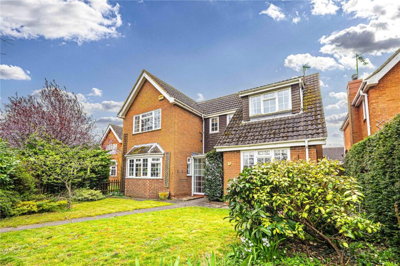
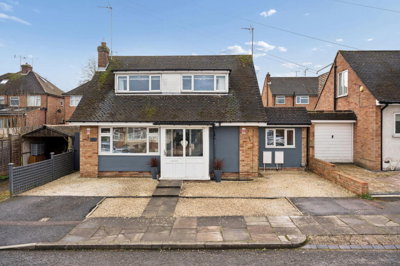
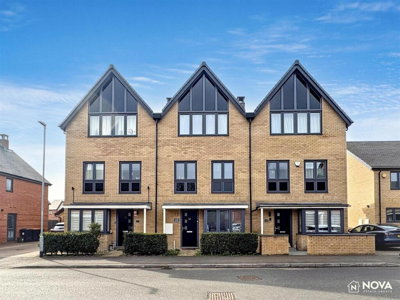
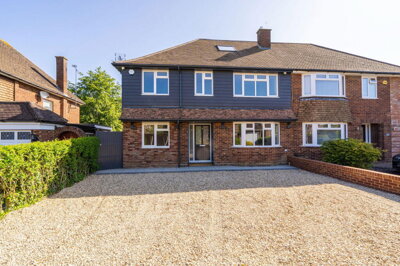
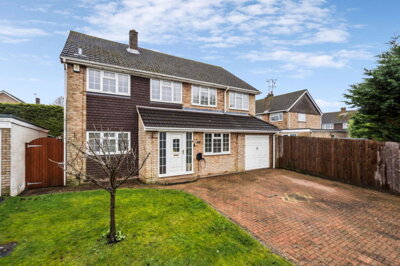
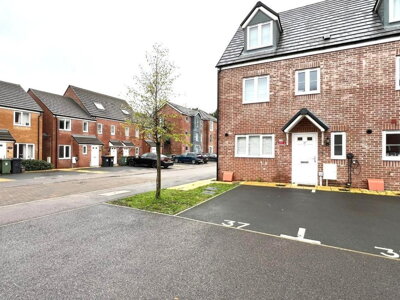
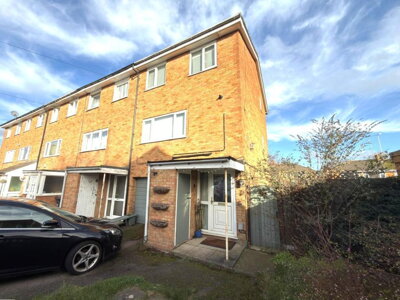
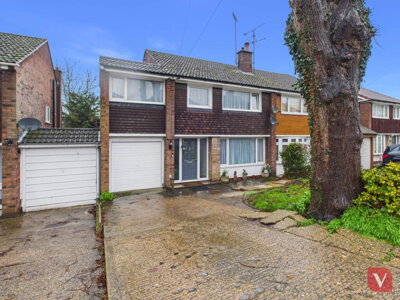
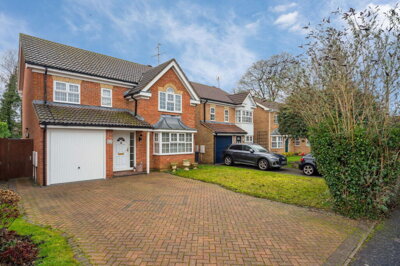
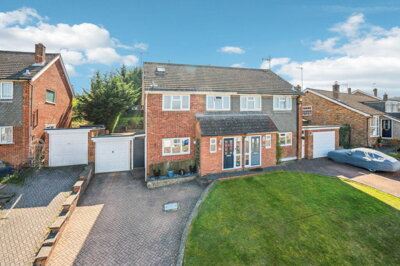
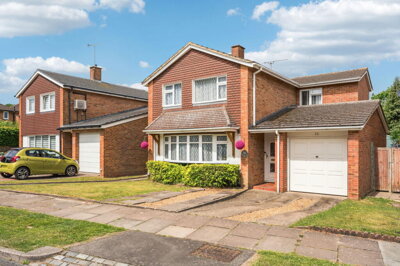
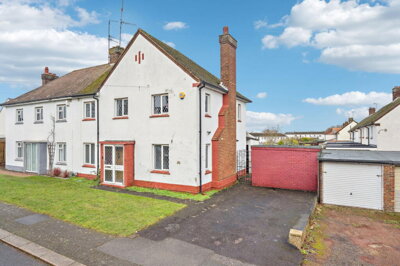
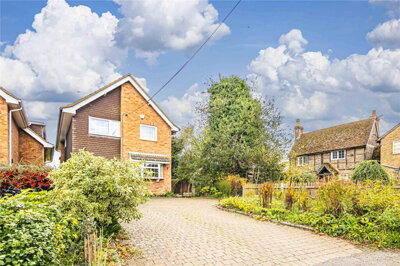
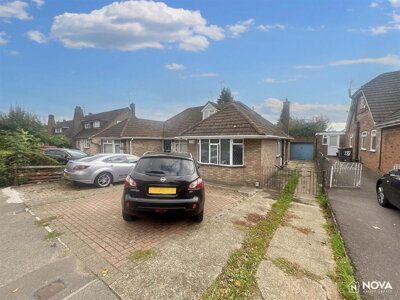
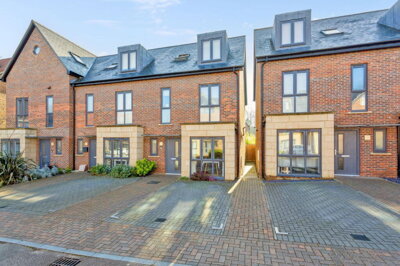
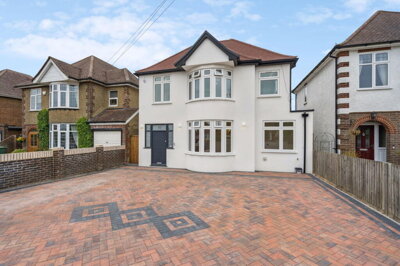
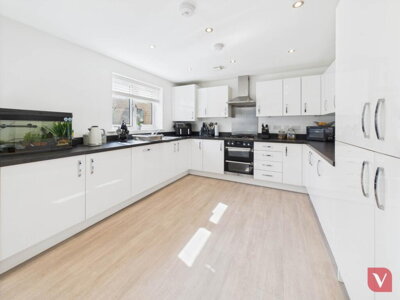
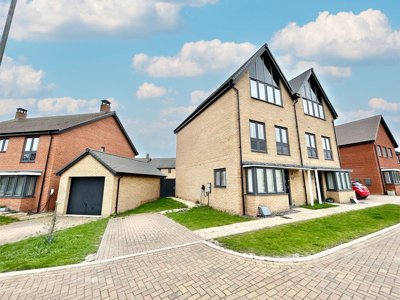
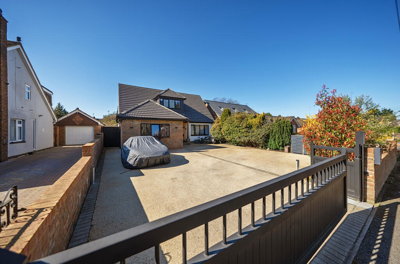
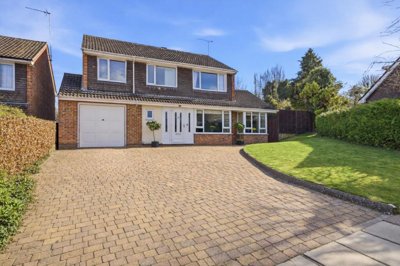
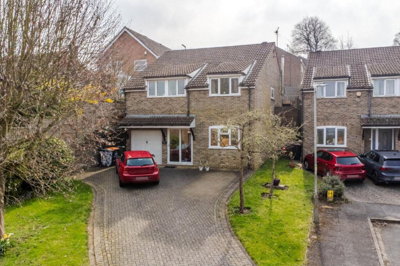
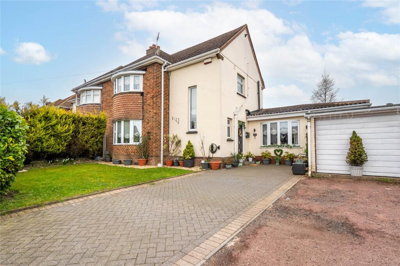
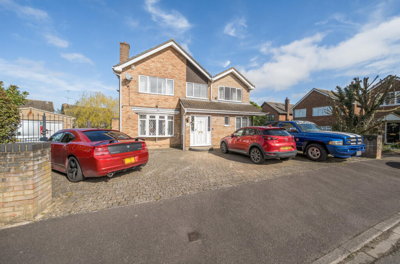
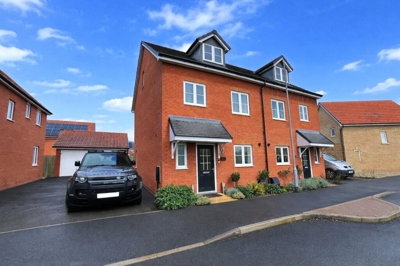
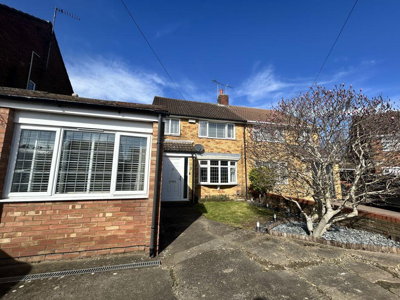
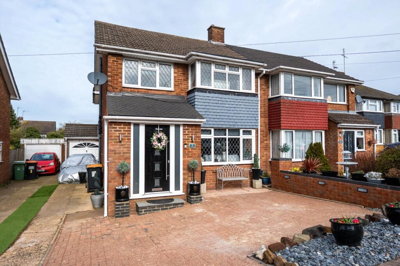
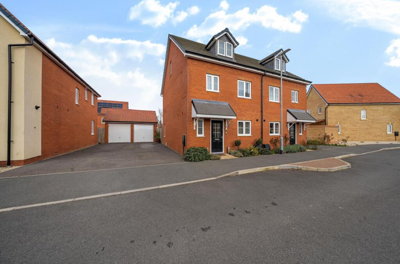
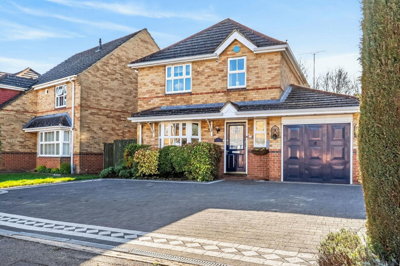
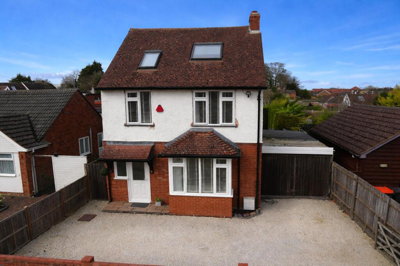
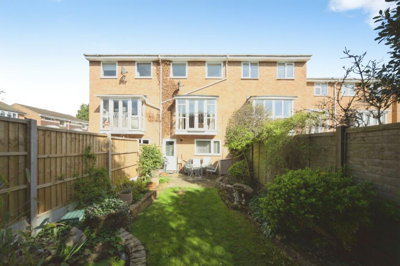
Browse 160 homes for sale in Dunstable, Central Bedfordshire from local estate agents.
The larger property sector typically features multiple bathrooms, substantial reception space, and private gardens or off-street parking. Four bedroom houses in Dunstable span detached, semi-detached, and occasionally terraced configurations, with styles ranging from period properties to modern executive homes.
£475k
50
5
98
Source: home.co.uk
Showing 50 results for 4 Bedroom Houses for sale in Dunstable, Central Bedfordshire. 5 new listings added this week. The median asking price is £475,000.
Source: home.co.uk
Detached
26 listings
Avg £609,423
Semi-Detached
23 listings
Avg £475,870
Terraced
1 listings
Avg £350,000
Source: home.co.uk
Source: home.co.uk
The Dunstable property market has demonstrated steady growth over the past year, with the average house price reaching £331,247 according to Rightmove data, representing a 3% increase compared to the previous year and a 7% rise on the 2022 peak of £309,638. In 2025 alone, there were 930 property sales recorded in Dunstable, with 8.7% of those being new build homes, amounting to 81 newly constructed properties changing hands. Semi-detached properties remain the most popular choice among buyers, accounting for 36.8% of all sales, reflecting the strong demand for family-sized homes at accessible price points.
Property prices in Dunstable vary considerably depending on type and location. Detached homes command an average of £488,635 according to Zoopla, while semi-detached properties fetch around £370,707. Terraced homes offer excellent value at approximately £318,548, and flats remain the most affordable entry point at an average of £179,692. These price points position Dunstable competitively against neighbouring areas, with properties typically costing less than comparable homes in Milton Keynes or the southern Home Counties while offering similar access to transport links.
Several major developers are active in the area, providing significant new housing supply for buyers. Taylor Wimpey has multiple schemes including Hampden Fields East offering 2 to 5 bedroom homes from £340,000 to £510,000, Chaulden Meadows with 2 and 3 bedroom semi-detached homes from £450,000 to £515,000, and Salden Place East ranging from £325,000 to £435,000. Barratt Homes offers 3, 4 and 5 bedroom properties from £375,000 to £629,995, while Redrow targets the premium segment with prices from £475,000 to £860,000. For those seeking more affordable options, Peabody's Tavistock Place development provides 44 affordable rent properties and 11 shared ownership homes on former industrial land just half a mile from the town centre.

Dunstable traces its roots back to Roman times and grew prosperous as a centre for straw hat and bonnet making, an industry closely linked to neighbouring Luton's famous hat-making heritage. This historic craft shaped much of the town's development, with workers' cottages and artisan housing forming the backbone of residential areas that still exist today. The town centre is centred around the historic Priory House, a Grade II* listed building dating to the 13th century that showcases the depth of local history. The Priory grounds and surrounding areas remain focal points for community life in the town.
The town centre Conservation Area, established in 1976 and extended in 1995, encompasses 28.067 hectares and contains 53 listed buildings and one scheduled monument, preserving the character of areas around West Street, High Street South, Church Street, and Edward Street for future generations. English Heritage identified the town centre as a conservation area at risk in 2009 due to significant deterioration, highlighting the importance of careful maintenance of historic properties. Buyers considering period homes within the conservation area should understand that permitted development rights may be restricted, requiring planning permission for extensions or alterations that would normally be permitted elsewhere.
The local architecture reflects Dunstable's varied geology, with the town sitting on chalk bedrock, clay-with-flints to the south-east, and limestone to the north-west. This geological diversity is reflected in the building materials used over the centuries, from local clunch (a hard chalk used in structures like Priory House) to brickwork on Victorian-era properties. The presence of late 16th century timber-framed buildings alongside 19th century brick-fronted properties creates an interesting streetscape that gives different neighbourhoods their distinct character. Properties on West Street and the surrounding conservation area showcase the transition from medieval construction using local stone and timber to the more uniform brick terraces of the Victorian period.

Families considering a move to Dunstable will find a good selection of educational establishments serving the town and surrounding areas. The town and its immediate vicinity offer a range of primary and secondary schools, with several rated Good or Outstanding by Ofsted. Parents should research specific catchment areas carefully, as school places are allocated based on proximity to the school and demand can be high in popular areas. The Dunstable-Central ward alone has 5,132 residents across 2,329 households, reflecting the significant family population that the local school network serves.
Primary schools in Dunstable serve distinct neighbourhoods across the town, with institutions serving areas around the historic Priory, the residential suburbs of Watling View and Kingsbury, and the newer developments on the town outskirts. Parents moving to the area should verify which primary school serves their specific address, as catchment boundaries can exclude properties that appear geographically close to a school. Many families find that properties in the LU5 and LU6 postcode areas offer good access to primary provision, though demand often exceeds supply in the most popular catchments.
Secondary education options include both comprehensive schools and specialist academies, providing varied educational pathways for students of all abilities and interests. Secondary schools in the area draw from defined catchment zones that typically cover multiple primary school cohorts, meaning families should consider secondary provision when choosing a primary school, as the transition pathway influences long-term educational planning. For those seeking faith-based education, Catholic and other denominational schools in the wider Central Bedfordshire area may be accessible depending on catchment boundaries and admissions criteria.
For those seeking higher education or further training, Dunstable is well-positioned within Central Bedfordshire with good transport links to colleges in Luton and the surrounding areas. The proximity to the University of Bedfordshire in Luton makes this an accessible option for students preferring to live at home while studying. The university offers a range of undergraduate and postgraduate courses, and the short commute from Dunstable makes it practical for students to maintain part-time work or family commitments alongside their studies. Parents are encouraged to visit schools directly and check current Ofsted ratings on the official website, as inspection outcomes can change and staying informed about local educational provision is essential when choosing where to buy a family home.
One of Dunstable's greatest strengths is its excellent transport connectivity, which has made the town increasingly popular with commuters seeking more affordable housing than central London offers. The M1 motorway runs close to the town, providing direct access to London to the south and Milton Keynes, Northampton, and Leicester to the north. Junction 11A of the M1 is located just outside Dunstable, making the town particularly accessible for those who travel by car for work. The A5 trunk road also passes nearby, offering an alternative route to Milton Keynes and further afield. Traffic on these routes can be busy during peak hours, particularly around junction 11A where the M1 meets local road networks, so commuters should factor this into journey planning.
For those relying on public transport, Luton Airport Parkway railway station is within easy reach, offering fast services to London St Pancras International in approximately 30 minutes. This station is served by Thameslink and East Midlands Railway services, providing regular connections throughout the day and into the evening. Luton town centre provides additional rail services via Luton station itself, while local bus routes connect Dunstable with surrounding towns and villages across Central Bedfordshire. Bus services operated by Arriva and other providers run regular routes to Luton, Houghton Regis, and the surrounding villages, making car-free living practical for those who work locally.
Cyclists benefit from connections to the Chiltern Hills area, though the town's hilly terrain to the north requires some consideration when planning cycling commutes. The chalk geology that underlies much of the area creates undulating landscape, with the Chiltern Hills rising notably to the north-west of the town. For commuters heading towards London, the terrain generally assists cyclists, though the return journey involves climbing back toward Dunstable. Secure cycle storage at Luton Airport Parkway station makes combined cycling and rail commuting practical, and the station has seen investment in cycle facilities in recent years.
Before beginning your property search in Dunstable, work out how much you can afford to spend. Obtain a mortgage agreement in principle from a lender to understand your borrowing capacity, and factor in additional costs such as solicitor fees, survey costs, and stamp duty. With average prices around £331,247, Dunstable offers options across various budgets from affordable flats around £180,000 to spacious detached family homes approaching £500,000. We recommend using online mortgage calculators to explore different scenarios and speaking to a financial adviser to understand the full implications of your borrowing.
Use Homemove to browse all available properties in Dunstable, filtering by price, property type, and number of bedrooms to find homes that match your requirements. Once you have identified properties of interest, contact the listing estate agents to arrange viewings. Our platform brings together listings from multiple agents, making it easy to compare options and schedule visits to properties that appeal to you. We recommend viewing multiple properties before making an offer, as the local market offers considerable variety between different neighbourhoods and property types.
When you find a property you wish to purchase, submit your offer through the selling estate agent. Be prepared to negotiate on price, particularly if the property has been on the market for some time or if similar homes are available nearby. Having your mortgage agreement in principle and funds readily available strengthens your position as a buyer in what can be a competitive market. In Dunstable's current market, well-presented properties in popular areas like the conservation zone or near good schools can attract multiple offers, so being prepared to move quickly is advantageous.
Before completing your purchase, arrange for a qualified surveyor to inspect the property. Given Dunstable's mix of historic properties including listed buildings and older timber-framed homes, a RICS Level 2 survey is advisable to identify any structural issues, damp, or roof problems that may not be visible during a standard viewing. This report can also provide valuable negotiating leverage for repairs or price adjustments. Properties in the conservation area may require specialist surveys beyond the standard RICS Level 2, particularly for any significant works or heritage-sensitive alterations.
Hire a conveyancing solicitor to handle the legal aspects of your purchase. They will conduct searches with Central Bedfordshire Council, review the property's title, and manage the transfer of funds. Your solicitor will liaise with the seller's legal team to ensure a smooth transaction and keep you informed throughout the process until completion. Local searches will include information on planning history, highways, and environmental factors specific to Dunstable's geology and location.
Once all searches are satisfactory and both parties agree on terms, your solicitor will exchange contracts and pay the deposit. Completion typically follows within days or weeks, after which you will receive the keys to your new Dunstable home. Remember to budget for stamp duty land tax, which applies to purchases above £250,000 at the current rate of 5% on the portion between £250,001 and £925,000. We recommend coordinating with your solicitor to ensure all utility transfers and insurance arrangements are in place for completion day.
Buyers considering older properties in Dunstable should be aware of potential issues common to historic housing stock. The town's property portfolio includes buildings dating back to the 13th century and numerous late 16th century timber-framed structures, which may suffer from damp, roof condition problems, or outdated electrical systems that require attention. When purchasing period properties, particularly those in or near the Conservation Area, it is worth commissioning a thorough survey to identify any structural concerns before committing to the purchase. Properties like those on West Street and High Street South may have undergone sympathetic renovation over the years, but the underlying timber-frame construction can still present challenges that only a professional survey will reveal.
The presence of clay-with-flints in areas to the south-east of Dunstable suggests potential for shrink-swell ground movement, which can lead to subsidence or heave issues over time. Buyers should ask the seller about any history of structural problems and ensure that surveys include assessment of the property's foundations. Properties built on clay-with-flints may show signs of movement during periods of drought or heavy rainfall, and insurance underwriters may ask specific questions about foundation type and ground conditions. We recommend asking your surveyor to specifically assess foundation depth and any signs of previous movement when inspecting properties in affected areas.
Properties within Dunstable's Conservation Area may also be subject to planning restrictions that limit permitted development rights, so prospective buyers should check with Central Bedfordshire Council about any constraints that may affect future renovations or extensions they are considering. The conservation area designation means that exterior alterations, including window replacement, roof material changes, and boundary treatments, may require planning permission. Listed buildings carry additional restrictions, and any works affecting the fabric of these properties will need Listed Building Consent from the council. These constraints should be factored into your purchasing decision if you anticipate wanting to make significant changes to the property.
For those purchasing new build properties, developer reputations vary, and understanding what is included in the purchase price is essential. With multiple Taylor Wimpey developments in the area, including Hampden Fields East and Chaulden Meadows, alongside Barratt Homes and Redrow's premium offerings, buyers have significant choice in the new homes market. Always review the specifications carefully and understand what snagging issues to look for in newly constructed properties before completion. We recommend arranging an independent snagging inspection shortly after legal completion, as developers typically address defects during a defects liability period, and having a thorough list of issues ensures they are addressed promptly.
The average house price in Dunstable currently stands at approximately £331,247 according to Rightmove data, with prices having risen 3% over the past year. Property prices vary significantly by type, with detached homes averaging around £488,635, semi-detached properties at approximately £370,707, terraced homes at £318,548, and flats at £179,692. The town has seen consistent price growth, with values now 7% above the 2022 peak of £309,638, making it an attractive option for buyers seeking property value in a well-connected Central Bedfordshire location.
Council tax in Dunstable is managed by Central Bedfordshire Council, with properties falling into bands A through H depending on assessed value. Most standard family homes in the town, including Victorian terraces on streets like West Street and Edward Street, as well as post-war semi-detached properties in residential areas like Kingsbury, typically fall into bands B through E. The exact band depends on the property's assessed value, and buyers can check specific bands on the Central Bedfordshire Council website or request this information from the seller or their solicitor during the conveyancing process. Council tax payments fund essential local services including education, refuse collection, and local authority services, and understanding the band helps with accurate monthly budgeting when calculating the true cost of homeownership in Dunstable.
Dunstable and the surrounding Central Bedfordshire area offer a range of educational options for families at all levels. The town has several primary schools serving different neighbourhoods, with some achieving Good or Outstanding Ofsted ratings in recent inspections. Secondary schools draw from defined catchment areas across the town, and parents are advised to research current Ofsted ratings directly on the official Ofsted website and understand which schools serve their prospective address before purchasing. The proximity to Luton also provides access to additional educational establishments, including the University of Bedfordshire, making the area suitable for families at all stages of education. Families should note that catchment boundaries can be competitive in popular areas, and properties near the boundary may not always secure places at the nearest school.
Dunstable benefits from excellent transport connections despite not having its own railway station. The nearby Luton Airport Parkway station, accessible via the A5 or local bus services, offers fast Thameslink services to London St Pancras in approximately 30 minutes, making the town practical for commuters working in the capital. East Midlands Railway services also operate from the station, providing connections to Bedford, Nottingham, and Derby. Local bus services operated by Arriva and other providers connect Dunstable with Luton town centre, Houghton Regis, and surrounding villages, with regular services throughout the day. For car travel, the M1 motorway's junction 11A is located just outside the town, providing direct access north to Milton Keynes and south towards London, while the A5 provides an alternative route for regional travel.
Dunstable has demonstrated consistent growth in its property market, with prices rising 3% year-on-year and 930 property transactions recorded in 2025. The town's proximity to the M1 and good rail connections to London make it attractive to commuters, while more affordable average prices compared to surrounding areas position it well for both first-time buyers and investors seeking rental yields. The ongoing new build development activity, with multiple Taylor Wimpey, Barratt, and Redrow schemes adding homes to the area, suggests continued demand for housing in this part of Central Bedfordshire. Rental demand in Dunstable is supported by the town's appeal to commuters and key workers who prefer not to commute daily from London, and the presence of affordable new developments provides options for different investment strategies from entry-level flats to family homes with strong rental potential.
For standard purchases, stamp duty land tax applies at 0% on the first £250,000 of the property value, 5% on the portion from £250,001 to £925,000, 10% on the portion from £925,001 to £1.5 million, and 12% on any amount above £1.5 million. First-time buyers benefit from relief on purchases up to £625,000, paying 0% on the first £425,000 and 5% on the portion between £425,001 and £625,000. Given Dunstable's average price of £331,247, most buyers purchasing at or near the average price would pay no stamp duty, while first-time buyers buying above £425,000 would pay 5% on the amount between £425,001 and £625,000. For investors and additional property purchases, a 3% surcharge applies on top of standard rates, significantly affecting the total SDLT bill.
Period properties in Dunstable, particularly those dating from the 16th and 17th centuries that can be found on streets within the conservation area, may present challenges that differ from modern construction. Common issues include timber rot affecting structural beams, damp penetration through solid walls that lack cavity insulation, and outdated electrical systems that would require complete rewire before meeting current standards. Properties built with local clunch, a hard chalk material, may show surface erosion over time, particularly in exposed positions. We recommend arranging a thorough RICS Level 2 survey before purchasing any period property, with specific attention to structural elements, roof condition, and the condition of timber-framed construction. For listed buildings, additional specialist surveys may be required to assess heritage elements and ensure any future works comply with conservation requirements.
Understanding the full cost of purchasing a property in Dunstable is essential for budgeting effectively. Beyond the property price, buyers should account for stamp duty land tax (SDLT), which for most standard purchases incurs 5% on the portion of the price between £250,001 and £925,000. With the average Dunstable property priced at £331,247, many buyers purchasing at or near the average price would pay no stamp duty on the first £250,000, with the remainder attracting a 5% charge of approximately £4,062. First-time buyers purchasing properties up to £425,000 pay no SDLT at all under current relief provisions, which can represent significant savings for those entering the market.
Additional purchase costs include conveyancing fees, which typically start from around £499 for standard transactions but may be higher for leasehold properties, those with complex titles, or period properties that require additional investigation. Survey costs should also be factored in, with a RICS Level 2 survey starting from approximately £350 depending on property size, and specialist heritage surveys for listed buildings potentially costing more. Searches conducted by your solicitor with Central Bedfordshire Council typically cost between £250 and £400, covering local land charges, planning history, and environmental data specific to Dunstable's geology and location.
When calculating total monthly costs, remember to account for mortgage repayments, council tax (managed by Central Bedfordshire Council with bands typically ranging from B to E for standard Dunstable homes), buildings insurance, and service charges if purchasing a flat or leasehold property. For those buying new build properties, developers may also charge estate management fees or contribute towards community infrastructure through section 106 agreements. Mortgage arrangement fees can range from free to 2% of the loan amount depending on the lender and product selected, and buyers should factor these into their comparison of different mortgage offers. Seeking independent financial advice before committing to a purchase ensures you have a complete picture of all associated costs and can make an informed decision about your Dunstable property purchase.
Properties for Sale In London

Properties for Sale In Plymouth

Properties for Sale In Liverpool

Properties for Sale In Glasgow

Properties for Sale In Sheffield

Properties for Sale In Edinburgh

Properties for Sale In Coventry

Properties for Sale In Bradford

Properties for Sale In Manchester

Properties for Sale In Birmingham

Properties for Sale In Bristol

Properties for Sale In Oxford

Properties for Sale In Leicester

Properties for Sale In Newcastle

Properties for Sale In Leeds

Properties for Sale In Southampton

Properties for Sale In Cardiff

Properties for Sale In Nottingham

Properties for Sale In Norwich

Properties for Sale In Brighton

Properties for Sale In Derby

Properties for Sale In Portsmouth

Properties for Sale In Northampton

Properties for Sale In Milton Keynes

Properties for Sale In Bournemouth

Properties for Sale In Bolton

Properties for Sale In Swansea

Properties for Sale In Swindon

Properties for Sale In Peterborough

Properties for Sale In Wolverhampton

Enter your details to see if this property is within your budget.
Loans, cards, car finance
Estimated property budget
Borrowing + deposit
You could borrow between
Typical borrowing
Monthly repayment
Est. at 4.5%
Loan-to-value
This is an estimate only. Your actual budget may vary depending on interest rates, credit history, and personal circumstances. For an accurate affordability assessment, speak to one of our free mortgage advisors.
This calculator provides estimates for illustrative purposes only and does not constitute financial advice. Your home may be repossessed if you do not keep up repayments on your mortgage. Estimates based on 4.5% interest rate, repayment mortgage. Actual rates depend on your circumstances.
Homemove is a trading name of HM Haus Group Ltd (Company No. 13873779, registered in England & Wales). Homemove Mortgages Ltd (Company No. 15947693) is an Appointed Representative of TMG Direct Limited, trading as TMG Mortgage Network, which is authorised and regulated by the Financial Conduct Authority (FRN 786245). Homemove Mortgages Ltd is entered on the FCA Register as an Appointed Representative (FRN 1022429). You can check registrations at NewRegister or by calling 0800 111 6768.

We use cookies to show you personalised content and improve your experience of our website. Find out more in our Privacy policy and Cookie policy.