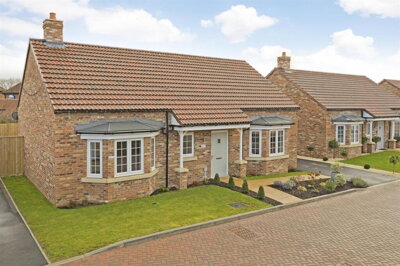
Browse 1 home for sale in Dunsforths, North Yorkshire from local estate agents.
The 2 bed house market features detached, semi-detached, and terraced properties with two separate bedrooms plus living spaces. Properties in Dunsforths range from Victorian and Edwardian period homes to modern new builds, with pricing varying across different neighbourhoods.
£0k
0
0
0
Source: home.co.uk
Showing 0 results for 2 Bedroom Houses for sale in Dunsforths, North Yorkshire.
The Dunsforths property market presents a compelling picture of rural North Yorkshire living at its finest. Our current listings feature a range of property types including detached family homes, traditional terraced cottages, and bungalows suitable for buyers at various stages of their property journey. The village's housing stock reflects its agricultural heritage, with many properties dating from the Georgian and Victorian periods offering character features that simply cannot be replicated in modern construction.
Price data for the area reveals significant variation between the different Dunsforth settlements. Lower Dunsforth has seen average prices reach approximately £1,700,000, representing a substantial 208% increase compared to the previous year and a 26% rise above the 2016 peak of £1,350,000. Low Dunsforth presents more accessible entry points with detached properties averaging £785,044, semi-detached homes at £252,500, and terraced properties around £308,000. Recent sales in Upper Dunsforth include transactions at £920,000 and £875,000, demonstrating continued buyer appetite for properties in this desirable postcode area.
The limited supply of properties in these small villages creates a competitive market environment. With typically only a handful of homes available at any one time, serious buyers need to act quickly when suitable properties come to market. The prestige of Lower Dunsforth in particular attracts buyers from across Yorkshire and beyond who appreciate the combination of rural character and accessibility to major cities like York and Leeds via the A1(M) corridor.

Life in the Dunsforths revolves around the rhythms of rural North Yorkshire, where agricultural traditions remain woven into the fabric of daily life. The civil parish, with its 224 inhabitants according to the 2011 census and growth to 252 residents by 2021, offers an enviable quality of life characterised by stunning countryside views, ancient byways, and the gentle pace of village existence. The area's lowland landscape, formed at the end of the last Ice Age, creates the fertile agricultural land that has sustained communities here for centuries.
The villages are anchored by St Mary's Church in Lower Dunsforth, rebuilt in 1861, which serves as both a spiritual centre and a visible testament to the area's architectural heritage. The parish contains five Grade II listed buildings, including The Old Vicarage dated 1866, Mattisons Farm House from around 1830, and an historic dovecote dating to approximately 1800. These buildings showcase the traditional construction materials of the area, including cobble, sandstone, and the distinctive mottled brickwork that characterises many Dunsforth properties.
The local economy remains rooted in agriculture, with working farms surrounding the villages and contributing to the pastoral character that makes Dunsforths so appealing to prospective residents. Community life centres on the church, local pub, and village hall events, fostering the close-knit atmosphere that distinguishes North Yorkshire village living from more urban environments. Walking routes through the surrounding farmland and along the River Ure provide excellent opportunities for outdoor recreation, while Boroughbridge offers essential amenities including shops, medical services, and restaurants within a short drive.
Understanding the construction methods used in Dunsforths properties is essential for any prospective buyer. The five Grade II listed buildings in the parish demonstrate the traditional building materials that dominate the local housing stock. Properties in Lower Dunsforth feature distinctive pink and cream mottled brickwork with bands of vitreous blue brick, sandstone dressings, and slate roofs - a hallmark of Victorian-era construction in this part of North Yorkshire.
The older properties in the Dunsforths villages were built using solid-walled construction methods, long before cavity wall insulation and modern damp-proof courses became standard practice. Many farmhouses and cottages feature cobble and sandstone lower courses with brickwork above, while roofs typically employ slate or pantile tiles. These traditional materials require specific maintenance knowledge and can present challenges during renovation or improvement works, particularly for listed properties where planning consent may be required for alterations.
Properties dating from the early to mid-19th century commonly feature original timber windows, flagstone floors, and cast iron fireplaces that form part of their character appeal. However, these features may also require attention to meet modern energy efficiency standards. We recommend that any survey of a Dunsforths property examines the condition of these traditional elements carefully, as restoration work can be specialist and costly. The area's historic buildings represent a significant part of North Yorkshire's architectural heritage but demand knowledgeable stewardship from their owners.
Families considering a move to Dunsforths will find educational facilities available in the nearby market town of Boroughbridge, approximately three miles west of the villages. The town provides primary school options serving the Dunsforths community, with schools typically accepting pupils from the surrounding rural parishes. Secondary education is available at schools within comfortable daily commuting distance, with many families travelling to larger towns in North Yorkshire for a broader range of educational choices including grammar school provision where available.
The rural nature of the Dunsforths means that school transport arrangements are an important consideration for families. Many parents factor travel times and bus connections into their property search, particularly for secondary-aged children. Properties in Lower Dunsforth and Upper Dunsforth generally fall within catchment areas for local primary schools, while secondary school placement depends on individual circumstances and the specific schools chosen. Prospective buyers with school-age children should confirm current catchment arrangements with North Yorkshire County Council before committing to a purchase.
North Yorkshire County Council manages school admissions and transport for the Dunsforths area. Families should note that some schools in the wider region, particularly those in Harrogate and York, are oversubscribed and operate selective admissions criteria. Early registration and careful planning of school transport are advisable for families targeting these popular educational institutions. The presence of quality schools in the surrounding market towns contributes significantly to the Dunsforths property market's appeal to families seeking a countryside location without sacrificing educational opportunities.

The Dunsforths enjoy a strategic position within North Yorkshire, offering reasonable connectivity to the regional road network while retaining their peaceful village character. The A1(M) motorway corridor provides north-south access, connecting residents to Leeds, York, and Newcastle upon Tyne. For air travel, Leeds Bradford Airport offers domestic and international flights within reasonable driving distance, while Newcastle Airport provides additional options for longer-haul destinations.
Public transport options reflect the rural nature of the area, with bus services connecting the Dunsforths to Boroughbridge and surrounding villages. Train services are available at larger stations in nearby towns, with York station providing excellent intercity connections to London, Edinburgh, and major UK destinations. Commuters working in regional centres often find that the peaceful surroundings and lower property prices compared to urban areas more than compensate for the additional travel time involved in a rural move.
The YO26 postcode area places the Dunsforths within comfortable reach of major employment centres. Residents working in York can typically commute within 30-40 minutes by car, while Leeds is accessible within approximately one hour via the A59 and A1(M). The village location means that private vehicle ownership is effectively essential for most residents, though the modest property premiums compared to city living help offset the costs of car ownership and commuting.
Properties in the Dunsforths require careful consideration of several area-specific factors due to their age and construction methods. The presence of clay soils in parts of North Yorkshire introduces potential subsidence risk, particularly for older properties with shallow foundations. Tree roots, leaking drains, and seasonal moisture changes can all affect properties on shrinkable clay soils. A thorough building survey will identify any signs of structural movement, cracking, or previous subsidence work.
Given that many Dunsforths properties date from the 19th century, expect to encounter traditional construction methods including solid-walled buildings built before modern cavity wall insulation and damp-proof course technology became standard. Dampness represents one of the most common issues in older rural properties, often caused by poor ventilation, leaking roofs, defective weatherproofing, or failed damp-proof courses. Our surveyors frequently identify damp problems in properties of this age, particularly in ground-floor rooms and basements where moisture can accumulate.
Roof defects and damage affect many older properties in the Dunsforths area. Age and weathering of slate and pantile materials, storm damage, poor installation, or lack of maintenance can lead to issues like slipped or cracked tiles, deteriorating ridge mortar, and failing flashings. Properties with original timber windows may require attention to meet modern energy efficiency standards, while outdated electrical systems and potential lead pipework in very old properties should be assessed during any survey. Timber decay and pest damage, including wet rot, dry rot, and woodworm, are also common in areas with poor ventilation or historical dampness issues.
Start by exploring current property listings in the Dunsforths area through Homemove. The market here is relatively small with limited turnover, so understanding what properties have sold for recently helps set realistic expectations. Lower Dunsforth properties command premium prices, while Low Dunsforth offers more accessible entry points.
Contact estate agents listing properties in the Dunsforths villages to arrange viewings. Given the limited number of properties available at any one time, be prepared to act quickly when suitable homes come to market. Consider viewing multiple properties to compare the condition and character of different properties.
Before making an offer, secure a mortgage agreement in principle from a lender. This strengthens your position when negotiating, particularly in a desirable village market where competition for properties can be significant.
Given the age of many Dunsforths properties, we recommend a RICS Level 2 Survey for conventional properties or a Level 3 Survey for older, listed, or non-standard construction homes. The average UK cost for a Level 2 Survey is around £455, though prices vary based on property value and complexity. For properties above £500,000, expect to pay approximately £586 on average.
Your solicitor will handle the legal aspects of your purchase, including local searches, title checks, and coordination with your mortgage lender. Conveyancing services typically start from £499, though rural properties with additional title issues or rights of way may incur higher fees.
Once all checks are satisfactory, you will exchange contracts and pay your deposit. Completion typically follows within days or weeks, and you will receive your keys for your new Dunsforths home.
Average house prices in the Dunsforths vary significantly by village. Lower Dunsforth commands the highest prices with recent averages around £1,700,000, reflecting the prestige of this particular settlement and its position adjacent to the River Ure. Low Dunsforth offers more accessible pricing with detached properties averaging £785,044, semi-detached homes at £252,500, and terraced properties around £308,000. Upper Dunsforth has seen recent sales at £875,000 to £920,000. The overall average across the YO26 postcode area sits at approximately £560,691, though this figure encompasses significant variation between property types and specific locations.
Properties in Dunsforths fall under North Yorkshire County Council jurisdiction for council tax purposes. Specific bands depend on the property valuation and range from Band A through to Band H for the most valuable homes. Given that Lower Dunsforth properties can exceed £1 million in value, many will fall into higher council tax bands. Prospective buyers should check the specific property's council tax band through the North Yorkshire County Council website or their solicitor during the conveyancing process. The band affects monthly outgoings and should be factored into the overall budget when comparing properties.
The Dunsforths villages are served by primary schools in the nearby Boroughbridge area, with pupils typically attending schools within the local catchment. North Yorkshire County Council maintains school information and catchment area maps on their website for parents researching options. Secondary education options include schools in surrounding towns, with many families considering schools in Ripon, York, and Harrogate for their broader curriculum offerings. School transport arrangements should be confirmed with the local authority before purchasing if your family will require school bus services, as rural transport can be limited outside main routes.
Dunsforths has limited public transport options reflecting its rural village character. Bus services connect the villages to Boroughbridge and surrounding communities, though frequencies are typically reduced compared to urban areas, with some routes operating only on certain days of the week. Nearest train services are available in larger towns including York, with its direct services to London and major UK cities taking approximately two hours to the capital. Residents who commute regularly typically require private vehicle transport, though the A1(M) corridor provides reasonable road access to regional employment centres in Leeds, York, and Newcastle. Leeds Bradford Airport offers international flights within approximately one hour's drive.
The Dunsforths property market has demonstrated strong performance, particularly in Lower Dunsforth where prices have risen 208% compared to previous years. The combination of limited property supply, desirable rural character, proximity to quality countryside, and relative proximity to major northern cities creates sustained demand from buyers seeking the North Yorkshire lifestyle. Properties in the area benefit from excellent schools, nearby market towns, and countryside recreation on the doorstep. The presence of historic listed buildings adds to the area's character and prestige, though buyers should budget for the additional maintenance requirements these properties often entail. Investment returns in rural Yorkshire villages tend to be stable rather than spectacular, with capital growth driven by scarcity and lifestyle factors.
Stamp Duty Land Tax (SDLT) rates for residential purchases from April 2025 are 0% on the first £250,000 of property value, 5% on £250,001 to £925,000, 10% on £925,001 to £1.5 million, and 12% on any value above £1.5 million. First-time buyers benefit from relief on the first £425,000, with 5% payable between £425,001 and £625,000. Given that many Dunsforths properties exceed £500,000, most buyers will pay SDLT at the standard rates. Your solicitor will calculate and submit the SDLT return as part of the conveyancing process.
Lower Dunsforth has a documented history of recurrent River Ure flooding, including major events in the 19th century that shaped the local landscape and property construction. We strongly recommend requesting a flood risk report and reviewing the Environment Agency's flood maps for the specific property location before purchasing. Properties in flood risk areas may face higher insurance premiums and potential difficulties with future resales. The fertile lowland landscape around the River Ure, formed at the end of the last Ice Age, creates beautiful countryside but requires careful consideration of flood risk when evaluating properties in this area.
For conventional properties in reasonable condition, a RICS Level 2 Survey provides thorough assessment of visible defects, estimated repair costs, and overall condition. However, given that many Dunsforths properties are over 50 years old with traditional construction methods, a RICS Level 3 Survey is often recommended for older, listed, or non-standard construction homes. Properties with mottled brickwork, solid walls, and original features may require the more detailed analysis that a Level 3 survey provides. The additional cost of a Level 3 survey is justified by the greater depth of investigation, particularly for properties in flood-affected areas or those with visible signs of structural movement.
From 4.5%
Competitive mortgage rates for your Dunsforths purchase
From £499
Expert legal services for your property purchase
From £455
Thorough inspection for conventional properties
From £600
Detailed survey for older or complex properties
Budgeting for your Dunsforths purchase requires careful consideration of all associated costs beyond the property price itself. The Stamp Duty Land Tax structure means that buyers of properties priced above £250,000 will need to budget for SDLT at the relevant rate. For a typical Dunsforths property priced at £560,000, a buyer would pay no SDLT on the first £250,000, then 5% on the amount between £250,001 and £560,000, totalling approximately £15,500. First-time buyers purchasing properties up to £625,000 may qualify for relief, reducing their SDLT liability significantly.
Additional purchase costs include survey fees, with RICS Level 2 Surveys averaging around £455 in the UK market, though prices increase for higher-value properties and those requiring specialist assessment due to age or construction type. Properties above £500,000 typically average £586 for survey work. Solicitor conveyancing costs usually start from £499 for standard transactions, though complex rural properties with additional title issues may incur higher fees. Mortgage arrangement fees vary by lender but typically range from zero to £2,000 depending on the deal secured.
Building insurance should be in place from the day of completion, and buyers should also budget for moving costs, potential redecoration, and the furnishing of their new Dunsforths home. For properties in flood risk areas, buildings insurance may carry higher premiums, and buyers should obtain quotes before finalising their budget. The total buying costs for a property in the Dunsforths area typically range from 2% to 4% of the purchase price, depending on property value, mortgage requirements, and the level of survey needed.
Properties for Sale In London

Properties for Sale In Plymouth

Properties for Sale In Liverpool

Properties for Sale In Glasgow

Properties for Sale In Sheffield

Properties for Sale In Edinburgh

Properties for Sale In Coventry

Properties for Sale In Bradford

Properties for Sale In Manchester

Properties for Sale In Birmingham

Properties for Sale In Bristol

Properties for Sale In Oxford

Properties for Sale In Leicester

Properties for Sale In Newcastle

Properties for Sale In Leeds

Properties for Sale In Southampton

Properties for Sale In Cardiff

Properties for Sale In Nottingham

Properties for Sale In Norwich

Properties for Sale In Brighton

Properties for Sale In Derby

Properties for Sale In Portsmouth

Properties for Sale In Northampton

Properties for Sale In Milton Keynes

Properties for Sale In Bournemouth

Properties for Sale In Bolton

Properties for Sale In Swansea

Properties for Sale In Swindon

Properties for Sale In Peterborough

Properties for Sale In Wolverhampton

Enter your details to see if this property is within your budget.
Loans, cards, car finance
Estimated property budget
Borrowing + deposit
You could borrow between
Typical borrowing
Monthly repayment
Est. at 4.5%
Loan-to-value
This is an estimate only. Your actual budget may vary depending on interest rates, credit history, and personal circumstances. For an accurate affordability assessment, speak to one of our free mortgage advisors.
This calculator provides estimates for illustrative purposes only and does not constitute financial advice. Your home may be repossessed if you do not keep up repayments on your mortgage. Estimates based on 4.5% interest rate, repayment mortgage. Actual rates depend on your circumstances.
Homemove is a trading name of HM Haus Group Ltd (Company No. 13873779, registered in England & Wales). Homemove Mortgages Ltd (Company No. 15947693) is an Appointed Representative of TMG Direct Limited, trading as TMG Mortgage Network, which is authorised and regulated by the Financial Conduct Authority (FRN 786245). Homemove Mortgages Ltd is entered on the FCA Register as an Appointed Representative (FRN 1022429). You can check registrations at NewRegister or by calling 0800 111 6768.

We use cookies to show you personalised content and improve your experience of our website. Find out more in our Privacy policy and Cookie policy.