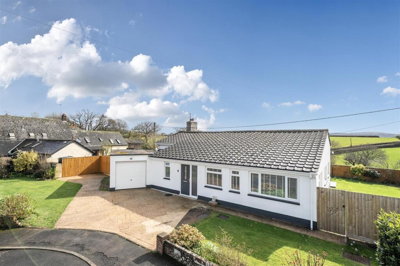
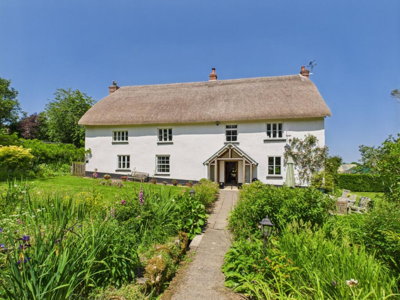
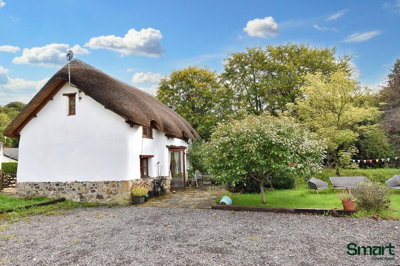
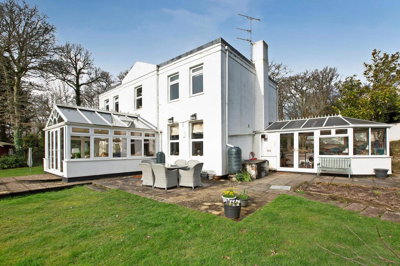
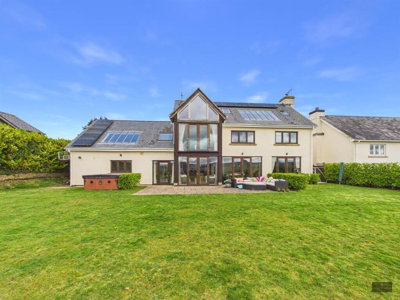
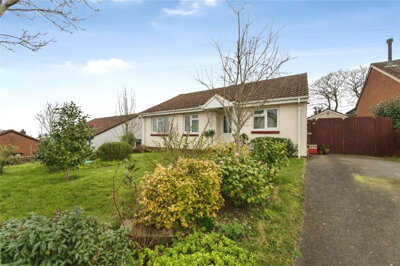
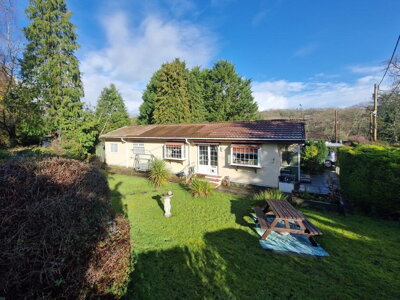
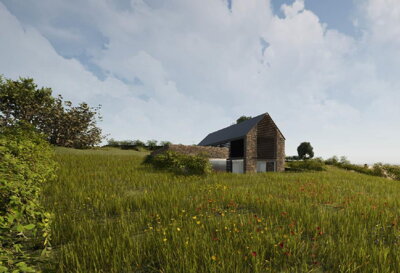
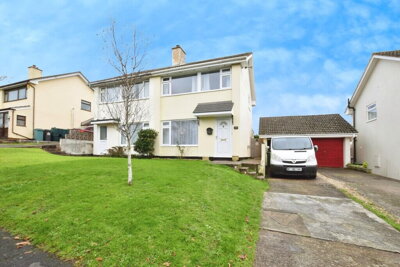
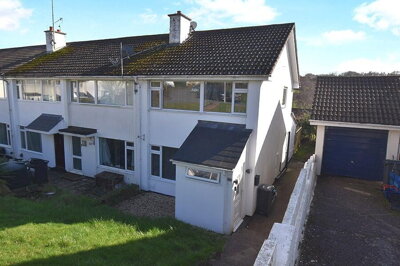
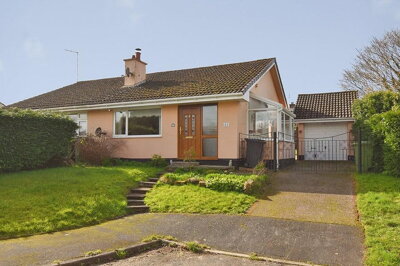
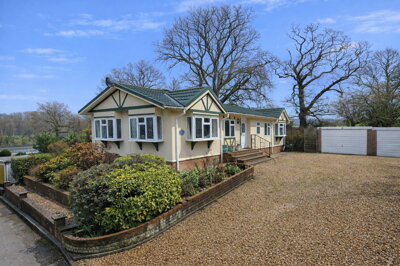
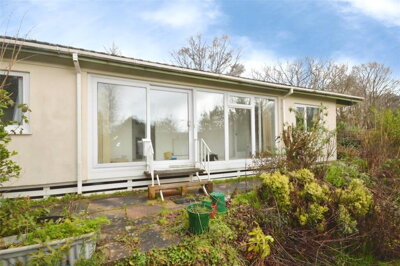
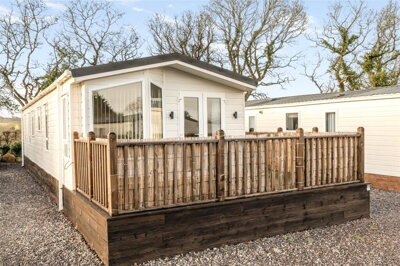
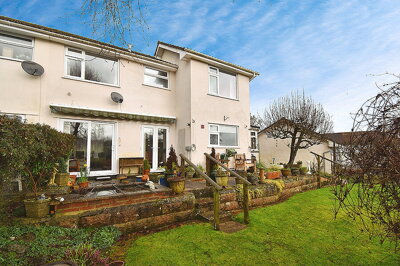
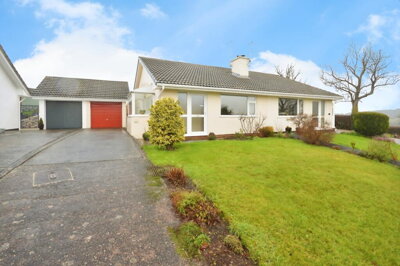
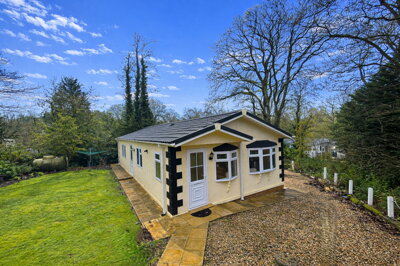
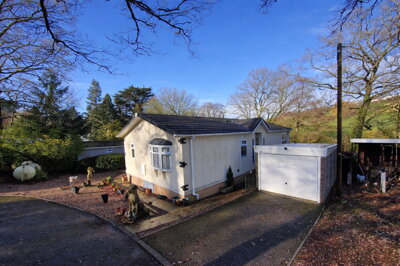
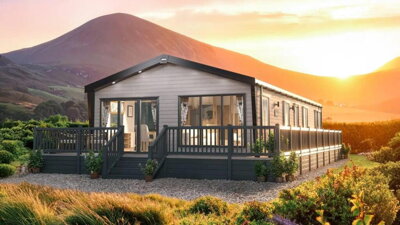
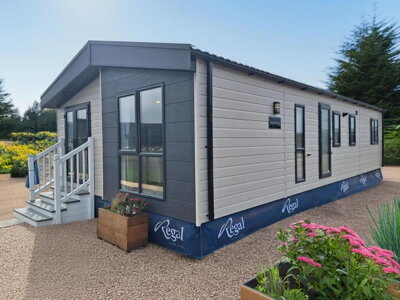
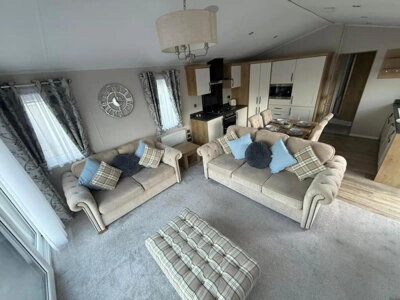
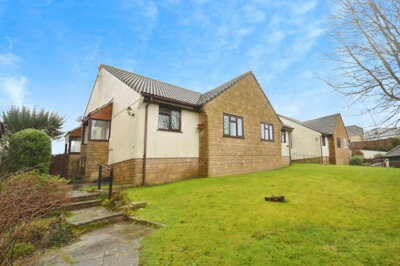
Browse 70 homes for sale in Dunsford, Teignbridge from local estate agents.
The Dunsford property market offers detached, semi-detached, and terraced houses spanning various price ranges and neighbourhoods. Each listing includes detailed property information, photographs, and direct contact with the marketing agent.
£500k
5
2
80
Source: home.co.uk
Showing 5 results for Houses for sale in Dunsford, Teignbridge. 2 new listings added this week. The median asking price is £500,000.
Source: home.co.uk
Detached
4 listings
Avg £750,000
Terraced
1 listings
Avg £450,000
Source: home.co.uk
Source: home.co.uk
The Dunsford property market presents a nuanced picture for prospective buyers considering this Devon village. Average house prices in Dunsford have experienced notable fluctuations, with figures ranging from £160,000 to £389,000 depending on the data source and measurement period. According to Rightmove data, the average property price sits at approximately £290,000, representing a 31% decrease from the previous year and a significant 53% decline from the 2021 peak of £616,667. This correction in the market may present opportunities for buyers seeking to enter this desirable rural location at a more accessible price point. The broader East Devon market has shown some resilience, with average prices rising 4.1% from December 2024 to December 2025, suggesting underlying demand for properties in this region.
When examining property types, Dunsford's housing stock since 2018 shows distinct price patterns across different categories. Detached properties command the highest values at an average of £559,881, reflecting the desirability of spacious homes with gardens in this semi-rural setting. Semi-detached homes average £457,857, while terraced properties average £297,500. These figures indicate that buyers can find properties across a range of budgets within the village, from more modest terraced cottages to substantial detached family homes. Zoopla records the average sold price at £225,000 over the last 12 months, demonstrating the variation between listing and transaction prices in this relatively quiet market.
For buyers interested in new build opportunities, the EX6 postcode area has seen planning applications including a proposal for nine affordable homes on Reedy Lane in Dunsford itself. This application by Summerfield Planning Limited on behalf of Mr and Mrs Tripp is for Permission in Principle, located at the corner of Fulford Road and Reedy Hill on the village edge. Broader new build developments in neighbouring villages such as Cheriton Bishop offer additional options within the postcode area, with contemporary homes at Hilltops featuring Dartmoor views, though buyers should verify the precise location of any new property they are considering. The nearby South West Exeter development, planned to deliver 2,500 new homes with 2,000 within Teignbridge District Council's area, represents longer-term housing growth in the wider region that may influence the Dunsford property market.

Dunsford is a village that embodies traditional Devon village life at its most authentic, characterised by winding lanes, historic buildings, and a strong sense of community. The village sits within the Teignbridge district, which saw its population increase by 13.9% from 2011 to 2021, reflecting growing interest in this part of Devon. The village itself had a population of 672 according to the 2021 Census, with estimates suggesting around 725 residents by 2024. This population growth reflects the broader trend of people seeking to relocate from urban centres to rural communities offering better quality of life while retaining reasonable access to city amenities. Devon's economy grew slightly faster than the national average from 2018 to 2023, making it an attractive location for those seeking employment alongside rural living.
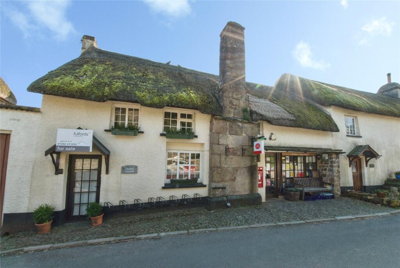
The character of Dunsford is deeply rooted in its traditional architecture, with the village centre featuring roughcast rendered cob properties on stone plinths, many with distinctive thatched roofs. White and cream coloured walls reflect the historic limewashed finish that has been a feature of Devon buildings for centuries. Substantial chimney stacks, including lateral stacks on older properties, add to the architectural interest of the village streetscape. The construction method for cob involves mixing sub-soil with straw and water, placed in horizontal layers, creating walls that were designed to breathe naturally. Many older Dunsford homes are linear in plan, one room deep, built tight to the street in the traditional cross-passage house style common throughout Devon. Timber framing using locally sourced oak and hardwoods was used for structural support, roofing, and flooring in these historic properties.
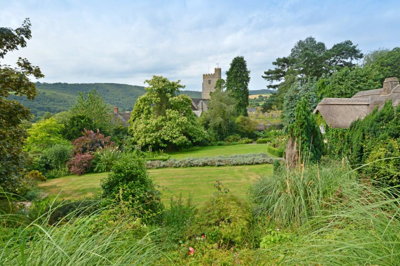
The Dunsford Conservation Area, designated in January 1972 and extended in August 1993, encompasses 26 listed buildings, ensuring the preservation of the village's historic character. The Church of St Mary holds Grade I listed status, while Lewishill and Great Fulford House represent other significant historic buildings within the parish. Great Fulford, a Grade I listed manor house, dates mainly from the early 16th century, demonstrating the long heritage of substantial properties in this area. Local amenities within the village include a shop and Post Office serving everyday needs, a public house offering food and social connection, a garage, and the village hall hosting community events. The River Teign flows through the valley, with low-lying areas around Steps Bridge and The Iron Mills forming part of the natural landscape.

Education provision in Dunsford centres on the village primary school, which serves families with young children and provides the foundation of local educational provision. Primary school education in rural Devon has traditionally maintained good standards, with smaller class sizes allowing for individual attention and a strong sense of community among pupils and staff. For families considering a move to Dunsford, the presence of a local primary school removes the need for lengthy daily journeys for younger children, contributing to the village's appeal for families. The housing stock in East Devon is predominantly houses and bungalows at 77.9%, with semi-detached properties at 31.5% and detached homes at 23.2%, providing good options for families seeking space for children.
Secondary education options for Dunsford residents typically involve travel to nearby towns, with Teignbridge having several secondary schools serving the wider area. Parents should research current catchment areas and admission arrangements for their specific circumstances, as these can change and may influence school allocations. The exam performance and Ofsted ratings of local schools should factor into family decisions when house hunting in the Dunsford area. Planning for secondary education travel is an important consideration for families with older children. The 2011 Census showed the East Devon district had a population of 132,500, growing to 150,800 by 2021, representing that 13.9% increase that has put pressure on local services including schools.
Beyond school age, further and higher education opportunities are accessible through Exeter, approximately six miles away, which offers colleges and the University of Exeter. The university provides a range of undergraduate and postgraduate courses, while Exeter College offers vocational and A-level programmes. Exeter's economic significance extends beyond education, with major employers including the Met Office, Connaught plc, and Pennon Group, creating employment opportunities that draw workers from surrounding villages like Dunsford. For students pursuing apprenticeships or vocational qualifications, Devon College and other local providers offer various programmes across the county. The proximity to Exeter's educational institutions enhances Dunsford's appeal for families with children of all ages, from primary school through to university education.
Transport connectivity from Dunsford balances the advantages of rural living with access to major urban centres for work and leisure. The village sits approximately six miles from Exeter, Devon's principal city, which provides extensive rail and bus connections to destinations across the UK. Exeter St David's station offers regular services to London Paddington, with journey times of around two and a half hours, while Exeter Central provides connections along the south coast. For commuters working in Exeter, daily travel by car or bus is feasible, with the journey taking approximately 20-30 minutes depending on traffic conditions. Devon's economy has a very high proportion of self-employment and small businesses compared to national figures, meaning many residents may work from home rather than commute daily.
The B3212 road passes through Dunsford, connecting the village to the broader local road network and providing access to surrounding communities including Cheriton Bishop and Tedburn St Mary. For those relying on private vehicles, Dunsford is approximately 15 miles from the M5 motorway at Exeter, providing straightforward access to Bristol, Taunton, and the national motorway network. Exeter Airport offers domestic and international flights, making overseas travel accessible for residents without requiring a lengthy journey to larger airports. Daily commuting to Exeter for work is therefore practical for many residents who maintain employment in the city while enjoying rural living. The area is popular for cycling, with country lanes offering scenic routes for recreational and commuting purposes, though the hilly Devon terrain requires varying levels of fitness.
Local bus services connect Dunsford with nearby towns and villages, though rural bus provision typically operates on reduced frequencies compared to urban routes. Residents without private vehicles should factor bus timetables into their planning when considering a move to the village. Cycling is popular in the area, with country lanes offering scenic routes for recreational and commuting purposes, though the hilly Devon terrain requires varying levels of fitness. For those working from home, which is increasingly common given Devon's high proportion of self-employment and small businesses, Dunsford's location provides an attractive environment for remote workers seeking a peaceful setting away from urban distractions. The broader Devon economy employs 42.7% of its workforce in Health, Retail, and Tourism sectors, with significant representation also in Agriculture, Education, Manufacturing, Construction, and Real Estate compared to national averages.
Explore current listings on Homemove to understand available properties, price ranges, and market trends in Dunsford. Given the village's varied housing stock from thatched cottages to modern homes, identify property types that match your requirements and budget before arranging viewings. With average prices having corrected significantly from the 2021 peak, the current market may present opportunities for buyers who were previously priced out of this desirable rural location.
Visit properties that interest you to assess their condition, location within the village, and proximity to local amenities. Pay particular attention to the condition of older properties, especially those with cob construction, thatched roofs, or listed building status, as these may require specialist maintenance and conservation considerations. Properties along the B3212 through the village centre will differ in character from those on quieter lanes.
Before making an offer, obtain a mortgage agreement in principle from a lender to confirm your borrowing capacity. This strengthens your position when negotiating with sellers and demonstrates your seriousness as a buyer. Average earnings in Devon are below the national average, with a housing affordability ratio of 9.5 compared to 7.7 nationally, making mortgage approval an important step for local buyers.
Given Dunsford's significant older housing stock, including many properties with cob construction and traditional features, a RICS Level 2 Home Survey is strongly recommended before purchase. Our inspectors will identify any structural issues, damp problems, roof condition concerns, or other defects that may affect the property's value or require remediation. For listed buildings or those with significant heritage features, our team may recommend a more detailed RICS Level 3 Building Survey.
Appoint a solicitor experienced in rural Devon property transactions to handle the legal aspects of your purchase. They will conduct searches, manage contracts, and ensure all necessary permissions are in place, particularly important for listed buildings or properties in the Conservation Area. Given Dunsford's location within a flood warning area for the River Teign, we also recommend requesting a specific flood risk search.
Once all searches are satisfactory and finances are arranged, you will exchange contracts and pay your deposit. Completion typically follows shortly after, at which point you will receive the keys to your new Dunsford home and can begin settling into village life.
Properties in Dunsford require careful inspection due to the village's significant heritage and traditional construction methods. The majority of homes in the village centre feature roughcast rendered cob on stone plinths, a construction technique that requires ongoing maintenance and specialist knowledge to preserve correctly. Our inspectors frequently identify issues with cob walls, including cracking, damp penetration, and erosion of the render, which can indicate underlying problems with the structure. The Dunsford series of soils, comprising moderately well-drained shallow brownish clay loam over shale on steeper slopes, creates conditions where moisture movement can affect traditional buildings differently than modern construction.
Thatched roofs, a distinctive feature of traditional Dunsford properties, require specialist maintenance and periodic re-thatching by skilled craftsmen. Our surveyors always note the age and condition of any thatched roof, as replacement or major repairs can represent significant costs running into tens of thousands of pounds. Properties with original slate roofs, introduced in the 19th century as an alternative to thatch, may show signs of wear or require updating. The Conservation Area designation covering the village centre means that exterior alterations, including window replacements, require consideration of their impact on the area's character. We frequently see that properties with PVCu replacement windows may have been altered inappropriately for a conservation setting, and this can affect both the property's character and its value.
Flood risk is a material consideration for certain properties in Dunsford, with the village lying within a flood warning area for the River Teign (Upper). Low-lying properties and roads, including those near Steps Bridge, The Iron Mills, The Mill House, and along the B3212, face potential flooding during periods of heavy rainfall. Our team recommends checking the Environment Agency's flood risk maps and considering arranging appropriate surveys for any property in affected areas. Buildings insurance costs may be higher for properties with significant flood risk, and this should be factored into overall purchase costs. Climate change is projected to increase flood risk from rivers, surface water, and sewer sources in the coming years.
Listed building status affects numerous properties within Dunsford, with 26 listed buildings in the Conservation Area including Grade I and Grade II structures. Properties with listed status require Listed Building Consent for many alterations and repairs, limiting the scope for modifications. Buyers should understand the implications of purchasing a listed property, including requirements to use appropriate traditional materials and methods for any works. Our team often recommends a specialist RICS Level 3 Building Survey for listed properties to fully assess their condition and identify any compliance issues with conservation requirements. The geological conditions in the area also warrant attention, as the presence of clay soils makes shrink-swell subsidence a potential risk, particularly as climate change is expected to increase both drought and rainfall extremes.
Average house prices in Dunsford range from approximately £160,000 to £389,000 depending on the data source and measurement period. Recent Rightmove data shows an average of around £290,000, though this represents a 31% decrease from the previous year and a 53% decline from the 2021 peak of £616,667. Property types command different prices, with detached homes averaging £559,881 since 2018, semi-detached homes at £457,857, and terraced properties at £297,500. Zoopla reports an average sold price of £225,000 over the last 12 months, while OnTheMarket recorded £389,000 as of December 2025. The current market correction may present opportunities for buyers seeking to enter this desirable Devon village market at more accessible price points.
Dunsford has a primary school serving the village and surrounding area, providing education for children of primary school age within the village itself. For secondary education, residents typically travel to schools in nearby towns within Teignbridge district, so families should research current catchment areas, admission criteria, and Ofsted ratings when considering a move to Dunsford. The 2019 Dunsford Housing Needs Survey identified demand from families with children, reflecting the village's appeal to households at various stages of family life. Higher education options are accessible in Exeter, approximately six miles away, including the University of Exeter and Exeter College, which offer undergraduate, postgraduate, and vocational programmes.
Dunsford is served by local bus services connecting the village with nearby towns and communities, though frequencies reflect typical rural Devon provision with reduced compared to urban routes. Exeter, approximately six miles away, provides comprehensive rail connections including services to London Paddington taking around two and a half hours from Exeter St David's. The village sits approximately 15 miles from the M5 motorway at Exeter, giving straightforward access to the national motorway network for those with private vehicles. Residents commuting to Exeter for work typically travel by car or combine bus services with rail connections from the city, with the journey taking approximately 20-30 minutes by car depending on traffic.
Dunsford offers several factors that may appeal to property investors, including the village's Conservation Area status with 26 listed buildings, limited new housing supply, and proximity to Exeter as an economic hub with major employers including the Met Office and Pennon Group. The average property price has corrected significantly from the 2021 peak of £616,667 to around £290,000, potentially creating more accessible entry points for investors. However, the local market is relatively small with limited transaction volumes, and average earnings in Devon are below national averages with a housing affordability ratio of 9.5 compared to 7.7 nationally, which may affect rental demand. The planning application for nine affordable homes on Reedy Lane indicates some development activity in the village, though supply remains constrained.
Properties in Dunsford fall under Teignbridge District Council for council tax purposes, with bands ranging from A to H depending on property value and type. Band A properties have a capital value of up to £30,000, while Band H properties exceed £320,000. Traditional features such as thatch roofing, cob construction, and listed building status do not affect council tax bands directly but may influence property values and maintenance costs. The village's predominantly older housing stock, with origins dating from the 15th to 18th centuries, means many properties may fall into mid-range bands. Prospective buyers should verify the specific council tax band for any property they are considering.
Stamp Duty Land Tax rates for residential properties are 0% on the first £250,000 of purchase price, 5% on £250,001 to £925,000, 10% on £925,001 to £1.5 million, and 12% above £1.5 million. For a typical Dunsford property priced at the village average of £290,000, a buyer would pay no stamp duty on the first £250,000 and 5% on the remaining £40,000, totalling £2,000 in SDLT. First-time buyers benefit from relief on the first £425,000 (0% up to £425,000, 5% from £425,001 to £625,000), provided they are purchasing their first home and the property price is below £625,000. Given that most Dunsford properties are priced below £600,000, many buyers will fall into the lower tax brackets or qualify for first-time buyer relief.
Dunsford is located within a flood warning area for the River Teign (Upper), with low-lying properties and roads at risk during periods of heavy rainfall. Specific areas of concern include properties near Steps Bridge, The Iron Mills, The Mill House, properties along the B3212, and Swanaford. The Environment Agency provides flood risk mapping and a warning service for residents and property buyers. Our surveyors recommend requesting a specific flood risk search as part of the conveyancing process for any property in affected areas. Climate change is projected to increase flood risk from rivers, surface water, and sewer sources, and buildings insurance premiums may be higher for properties with significant flood exposure.
The Dunsford area has a historical association with mining activity in the Teign Valley, including attempts at copper and lead mining around the mid-19th century. Wheal Ann Maria was one operation within Dunsford parish, though these small-scale mining activities closed by 1855. The Dunsford area overlies Carboniferous, Permian, and Triassic solid formations, which can sometimes indicate historical mining activity. A mining search may be appropriate as part of the conveyancing process to confirm any residual risks. Notably, a property in the nearby Tedburn St Mary area within the EX6 postcode explicitly states no mining risk, so the risk profile varies by specific location within the postcode area.
From £400
A detailed inspection of the property condition, ideal for most homes in Dunsford including traditional cottages
From £600
A comprehensive building survey recommended for older properties, listed buildings, and those with significant defects
From £499
Legal services for your property purchase including local searches and flood risk assessments
From 4.5%
Compare mortgage rates from lenders to find the best deal for your Dunsford property
Understanding the full costs of purchasing a property in Dunsford requires careful budgeting beyond the advertised sale price. Stamp Duty Land Tax represents one of the largest additional costs, with standard residential rates applying 0% tax on the first £250,000, 5% on the portion between £250,001 and £925,000, 10% on amounts from £925,001 to £1.5 million, and 12% on any amount above £1.5 million. For a typical Dunsford property priced at the village average of £290,000, a buyer would pay no stamp duty on the first £250,000 and 5% on the remaining £40,000, totalling £2,000 in SDLT.
First-time buyers purchasing residential property for the first time benefit from increased thresholds under current relief provisions. The first £425,000 of a property purchase is exempt from SDLT for eligible first-time buyers, with 5% applied to the amount between £425,001 and £625,000. No first-time buyer relief is available for purchases above £625,000. Given that most Dunsford properties fall within or below this range, many first-time buyers purchasing at the village average of £290,000 would pay no stamp duty at all, representing significant savings compared to the standard rates. Our team can provide more detailed calculations based on your specific purchase price and circumstances.
Beyond stamp duty, buyers should budget for solicitor conveyancing fees, which typically start from around £499 for standard transactions but may be higher for complex purchases involving listed buildings or Conservation Area properties. Survey costs should be factored in, with a RICS Level 2 Home Survey recommended for most properties and costing from £400 depending on property size and value. Given Dunsford's older housing stock, including cob construction, thatched properties, and listed buildings, a more detailed RICS Level 3 Building Survey may be appropriate for some properties, starting from around £600. Land Registry fees, local authority searches, drainage and water searches, and bank transfer charges add further modest costs to the transaction. Buildings insurance should be arranged from the point of completion, with premiums potentially higher for properties in flood risk areas or those with thatched roofs, which specialist insurers may be required to cover.
Properties for Sale In London

Properties for Sale In Plymouth

Properties for Sale In Liverpool

Properties for Sale In Glasgow

Properties for Sale In Sheffield

Properties for Sale In Edinburgh

Properties for Sale In Coventry

Properties for Sale In Bradford

Properties for Sale In Manchester

Properties for Sale In Birmingham

Properties for Sale In Bristol

Properties for Sale In Oxford

Properties for Sale In Leicester

Properties for Sale In Newcastle

Properties for Sale In Leeds

Properties for Sale In Southampton

Properties for Sale In Cardiff

Properties for Sale In Nottingham

Properties for Sale In Norwich

Properties for Sale In Brighton

Properties for Sale In Derby

Properties for Sale In Portsmouth

Properties for Sale In Northampton

Properties for Sale In Milton Keynes

Properties for Sale In Bournemouth

Properties for Sale In Bolton

Properties for Sale In Swansea

Properties for Sale In Swindon

Properties for Sale In Peterborough

Properties for Sale In Wolverhampton

Enter your details to see if this property is within your budget.
Loans, cards, car finance
Estimated property budget
Borrowing + deposit
You could borrow between
Typical borrowing
Monthly repayment
Est. at 4.5%
Loan-to-value
This is an estimate only. Your actual budget may vary depending on interest rates, credit history, and personal circumstances. For an accurate affordability assessment, speak to one of our free mortgage advisors.
This calculator provides estimates for illustrative purposes only and does not constitute financial advice. Your home may be repossessed if you do not keep up repayments on your mortgage. Estimates based on 4.5% interest rate, repayment mortgage. Actual rates depend on your circumstances.
Homemove is a trading name of HM Haus Group Ltd (Company No. 13873779, registered in England & Wales). Homemove Mortgages Ltd (Company No. 15947693) is an Appointed Representative of TMG Direct Limited, trading as TMG Mortgage Network, which is authorised and regulated by the Financial Conduct Authority (FRN 786245). Homemove Mortgages Ltd is entered on the FCA Register as an Appointed Representative (FRN 1022429). You can check registrations at NewRegister or by calling 0800 111 6768.

We use cookies to show you personalised content and improve your experience of our website. Find out more in our Privacy policy and Cookie policy.