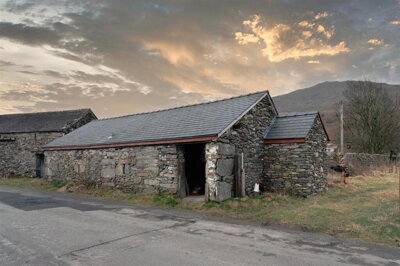
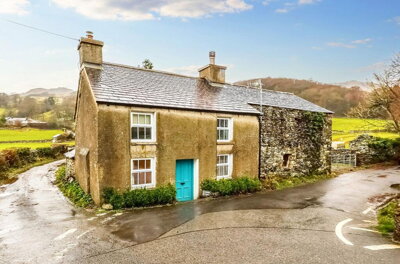
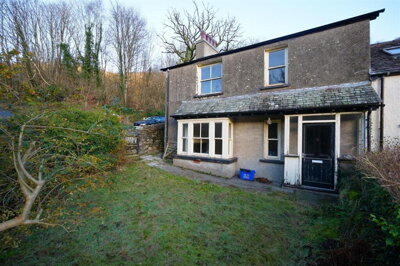
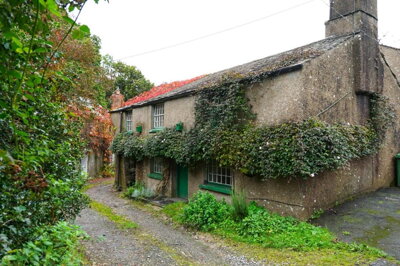
Browse 9 homes for sale in Dunnerdale-with-Seathwaite from local estate agents.
The property market in Dunnerdale-with-Seathwaite reflects the unique character of this small Lake District parish, where scarcity of supply meets persistent demand from buyers drawn to its outstanding natural beauty and heritage-rich environment. Properties here typically range from traditional Lakeland cottages priced from around £175,000 to substantial detached homes and farmsteads reaching £885,000 at the upper end of the market. The average sale price of £446,042 positions the area firmly within the premium sector of the South Lakeland property market, while the prevalence of four-bedroom detached houses at approximately £539,444 indicates strong demand from families and those seeking spacious countryside living.
Recent comparable sales in the surrounding LA20 postcode area demonstrate the resilient values achievable in this location, with "Long House, Seathwaite" selling for £620,000 in October 2023 and historical sales such as "Hall Dunnerdale Farm, Seathwaite" at £415,000 in 2003 illustrating long-term capital appreciation. New build activity remains virtually non-existent within the specific postcode area, which is typical for a sparsely populated parish within a national park where planning restrictions prioritise the preservation of landscape character and heritage assets. This scarcity of new supply means existing properties, particularly those with land or development potential, command strong prices among buyers who recognise the rarity of opportunities in this protected landscape.
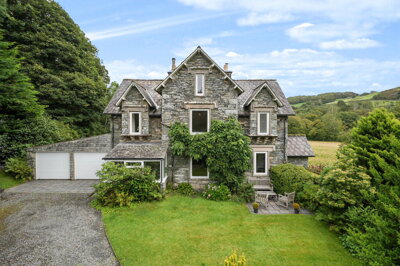
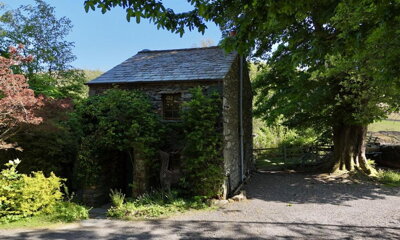
The local housing stock is dominated by period properties constructed from traditional materials, including lime-washed rubble on boulder plinths and coursed rubble with quoins, typically roofed with Westmorland slate. Properties such as Dunnerdale Hall Farmhouse from the mid-to-late 18th century and numerous 17th-century farm buildings represent the architectural heritage that defines the parish. The limited availability of properties coming to market, combined with the prestige of Lake District National Park designation, means that buyers should be prepared for competitive conditions when quality properties are listed. Estate agents operating in the LA20 postcode area report consistent interest from buyers across the North West and beyond, seeking either primary residences or holiday letting opportunities in this scenic location.

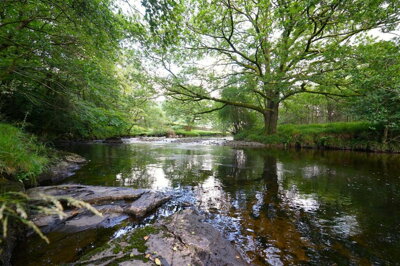
Life in Dunnerdale-with-Seathwaite offers an experience that feels worlds away from urban living, centred around the River Duddon as it flows through a valley of exceptional natural beauty within the Lake District National Park. The parish has a population of just 109 residents according to the 2021 census, creating an intimate community where neighbours know one another and the pace of life is dictated by the seasons rather than the clock. The landscape is characterised by dramatic moorland, ancient woodlands, and the characteristic stone buildings that have defined Lakeland architecture for centuries, with properties typically constructed from local stone and roofed with Westmorland slate.
The economic history of the area is deeply rooted in rural industries, from medieval bloomeries and early 19th-century lead and copper mining to the large-scale slate quarrying that dominated the later part of that century. Seathwaite Mine and Dunnerdale Mine were active during the mining boom, contributing to the local economy alongside a yarn spinning mill that operated here in the 1820s. The legacy of hill farming remains evident in the working farms and agricultural buildings that contribute to the valley's character, with many original farmsteads now converted to residential use while retaining their historic character. Walking routes including paths to Seathwaite Tarn, Ulpha, and the Birker Fell area attract visitors throughout the year, with the valley particularly popular during the spring and summer months when the countryside is at its most accessible.
Today, as part of the Lake District National Park, tourism and related services form the backbone of the local economy, with visitors drawn to the area's outstanding walking, wildlife, and the profound sense of tranquillity that comes from living amid such dramatic scenery. The 19 Grade II listed buildings scattered throughout the parish serve as tangible reminders of the area's rich heritage, including Birks Bridge, Rawfold Bridge, Seathwaite Bridge, Shop Bridge, Ulpha Bridge, and Water Yeat Bridge spanning the Duddon, along with the Church of Holy Trinity in Seathwaite and the Quaker Burial Ground. Local amenities are concentrated in the nearby village of Broughton-in-Furness, where residents access the post office, village store, pubs, and other essential services, with more comprehensive shopping available in the market towns of Millom and Barrow-in-Furness. Broadband connectivity in the parish can be variable, reflecting the rural nature of the location, though mobile phone coverage has improved in recent years along the main valley road.

Families considering a move to Dunnerdale-with-Seathwaite will find educational provision centred on nearby villages within the South Lakeland district, with primary schools serving the local communities and secondary education available in the surrounding market towns. The small-scale nature of the local population means that schools in this part of the Lake District often benefit from smaller class sizes and strong community connections, though parents should be aware that journey times to educational establishments may be longer than in urban areas. Primary aged children in the parish typically attend schools in neighbouring villages such as Broughton-in-Furness, where local provision has historically served the scattered communities of the Duddon Valley.
Secondary education options include schools in Millom, Barrow-in-Furness, and the more distant grammar schools in Kendal, with transport arrangements and catchment areas being important considerations for families relocating to the parish. The proximity to the Lake District's broader educational infrastructure means that parents have access to a range of options, from traditional comprehensive schools to independent schools in the region, though the distance from larger towns does necessitate planning for school runs and extracurricular activities. Sixth form and further education provision is available in the nearby market towns, with Kendal College and colleges in Barrow offering vocational and academic courses for older students. Parents should verify current catchment areas and school transport arrangements with Cumbria County Council before purchasing property, as these can change and may affect the viability of schooling options for their children.
For families prioritising educational outcomes, it is worth noting that the limited local school provision means that securing a place at popular schools may require early application and careful planning of transport arrangements. Some families choose to relocate to areas with more comprehensive schooling options while maintaining a base in the Dunnerdale area, particularly if parents work remotely or have flexible employment arrangements. The close-knit nature of the local community means that families who do settle in the parish often find strong support networks, with shared transport arrangements and social connections forming quickly among residents.
Transport connections from Dunnerdale-with-Seathwaite reflect its rural character within the Lake District National Park, with the valley road following the course of the River Duddon as the primary route through the parish. The A595 trunk road runs through nearby Broughton-in-Furness, providing connections to the A590 and to the M6 motorway at Kendal, with typical journey times to the motorway network taking around 45 minutes to an hour depending on weather and traffic conditions. For rail travel, the nearest mainline stations are at Barrow-in-Furness and the West Coast Main Line at Penrith, with connections to major cities including Manchester, Birmingham, and London Euston available from these stations.
Local bus services operate along the Duddon Valley, connecting residents with Broughton-in-Furness and providing links to the wider South Lakeland area, though service frequencies are limited compared to urban routes and are often aligned with school terms and market days. The number 6 service connects various communities in the Duddon Valley area, providing a vital link for residents without cars, though journey planning should account for the reduced frequency on weekends and during school holidays. The absence of a railway station within the parish itself means that car ownership is effectively essential for residents, though the quiet country lanes and spectacular driving routes compensate for this dependence. Walking and cycling are popular modes of transport for local journeys, with the bridleways and footpaths of the Lake District providing exceptional routes for recreation and even commuting for those working locally.
For those commuting to work, the reality of living in Dunnerdale-with-Seathwaite is that significant daily travel to major employment centres is impractical, making this location most suitable for those who work locally, are self-employed in the area, or have the flexibility to work from home. The nearest airports are Liverpool John Lennon and Manchester, both offering domestic and international flights with connections via the motorway network, with typical drive times of around two to two and a half hours depending on traffic conditions. Residents travelling to Barrow-in-Furness for work or services typically find the journey takes around 30 to 40 minutes by car, while Kendal and the M6 corridor are approximately 45 minutes to an hour away.
Buying property in Dunnerdale-with-Seathwaite requires careful attention to several factors specific to this Lake District National Park location, beginning with the high proportion of historic and listed buildings that form the local housing stock. The 19 Grade II listed buildings within the parish, ranging from farmhouses and cottages to bridges and the Church of Holy Trinity, are subject to planning restrictions that affect alterations, extensions, and even maintenance works, requiring Listed Building Consent for significant changes. Prospective buyers should commission thorough surveys of any period property, as older stone buildings may have underlying structural issues related to their traditional construction methods, including lime mortar pointing, slate roofing condition, and potential issues with damp penetration through solid walls.
Flood risk awareness is essential when considering properties in Dunnerdale-with-Seathwaite, given the presence of the River Duddon and the valley location that channels water through the parish during periods of heavy rainfall. While specific flood risk data for individual properties requires detailed assessment, the river's proximity means that lower-lying properties and those adjacent to watercourses warrant careful evaluation before purchase. Properties in the area are predominantly freehold, though any leasehold arrangements should be scrutinised carefully, and buyers of flats or converted buildings should pay particular attention to service charges, maintenance arrangements for shared elements, and any restrictions imposed by the Lake District National Park planning authority.
The geology of the area around Seathwaite Tarn, based on Borrowdale Volcanic Series material, may affect ground conditions for some properties, making a professional survey particularly valuable. Properties on or near the hillside may encounter variable ground conditions, and our inspectors are experienced in identifying potential issues associated with local geology. The Lake District National Park Authority exercises strict planning control over development within the parish, which means that any plans for extensions, outbuildings, or significant alterations face careful scrutiny. Buyers should review the planning register and consult with the authority before committing to a purchase if they have any development aspirations. Properties with land or agricultural buildings may offer additional potential, though planning permission for conversions or changes of use is not guaranteed and should be verified before purchase.
Explore current property listings in Dunnerdale-with-Seathwaite and understand the price range for different property types. Given the small number of sales in this area, working with an estate agent familiar with the LA20 postcode and South Lakeland market is essential. Register with multiple agents to receive alerts when properties come to market, as sought-after homes in this area can sell quickly.
Contact a mortgage broker or lender to obtain an agreement in principle before viewing properties. This strengthens your position when making offers and helps you understand your budget realistically. Given the premium nature of property in this area, ensure your mortgage broker understands the Lake District market and can arrange appropriate lending for older or non-standard construction properties.
Visit properties that match your criteria, paying attention to the condition of stone construction, roof conditions, and any signs of damp or structural movement. Ask about the property's listing status and any planning restrictions. For listed buildings, review what alterations have been carried out previously and whether any works were undertaken without consent.
Before completing your purchase, arrange for a RICS Level 2 Survey which provides a detailed assessment of the property condition, identifying any defects that may affect value or require attention. For stone-built properties in Dunnerdale-with-Seathwaite, our inspectors pay particular attention to traditional construction methods, lime mortar condition, and slate roofing, providing you with a comprehensive picture of the property's condition.
Appoint a solicitor with experience in Lake District property transactions to handle the legal aspects of your purchase, including searches, contracts, and registration. Conveyancing in a national park may involve additional searches and considerations related to planning conditions, listed building status, and environmental factors that an experienced solicitor will be familiar with.
Once all searches are satisfactory and financing is confirmed, your solicitor will arrange exchange of contracts and set a completion date for your move to Dunnerdale-with-Seathwaite. Budget for removal costs, buildings insurance from completion date, and any immediate repairs or renovations identified during your survey.
The average property price in the Hall Dunnerdale, LA20 area is £446,042, with prices typically ranging from £175,000 for smaller properties up to £885,000 for premium homes. Four-bedroom detached houses are the most common property type and average approximately £539,444. The area is ranked as the 14th most expensive parish in South Lakeland based on properties with at least 10 sales since 2018, indicating strong values in this Lake District location. Recent sales such as Long House, Seathwaite which sold for £620,000 in October 2023 demonstrate the values achievable for quality period properties in the area.
Properties in Dunnerdale-with-Seathwaite fall under South Lakeland District Council, with council tax bands ranging from A to H depending on the property's assessed value. As a guide, band A properties typically pay around £1,400-£1,500 annually, while higher band properties pay correspondingly more. Historic and listed buildings may have been assessed differently from standard properties, and buyers should check the specific band with South Lakeland District Council using the property address. The council tax system in this part of Cumbria reflects the mix of traditional and modern properties found in the parish.
Primary education in the area is typically accessed through schools in nearby villages such as Broughton-in-Furness, with small class sizes and strong community links that benefit children's educational development. Secondary schools are available in Millom and Barrow-in-Furness, with school transport arrangements managed through the local education authority and typically involving bus services that follow established routes. For grammar school provision, families often consider schools in Kendal, which involves a longer daily journey. Parents should verify current catchment areas and transport arrangements with Cumbria County Council before purchasing, as these can affect which schools children can attend.
Public transport options in Dunnerdale-with-Seathwaite are limited, reflecting its rural location within the Lake District National Park. Local bus services connect the parish with Broughton-in-Furness and the wider area, though frequencies are low and often aligned with school terms, making weekday travel more practical than weekend journeys. The nearest mainline railway stations are at Barrow-in-Furness and Penrith on the West Coast Main Line, with Penrith providing direct services to London, Edinburgh, and other major destinations. Car ownership is effectively essential for most residents, though the scenic driving routes through the Duddon Valley and connections to the A595 and M6 motorway make regional travel manageable for those with vehicles.
Dunnerdale-with-Seathwaite offers several investment characteristics, including the scarcity of properties coming to market, the prestige of Lake District National Park location, and the consistent demand for character properties in South Lakeland. Property values in the area have demonstrated long-term appreciation, with historic sales indicating capital growth over decades, as illustrated by Hall Dunnerdale Farm which increased from £415,000 in 2003 to values well above £500,000 for comparable properties today. However, the limited rental market due to the small population and the high cost of maintaining historic properties should be considered carefully. Any renovation or development must comply with national park planning requirements, which can restrict returns on investment projects and extend timescales for works significantly.
Stamp Duty Land Tax (SDLT) rates for 2024-25 are 0% on the first £250,000 of residential purchases, 5% on £250,001 to £925,000, 10% on £925,001 to £1.5 million, and 12% above £1.5 million. First-time buyers benefit from relief on the first £425,000 (0% rate), with 5% applicable between £425,001 and £625,000. For a typical property at the average price of £446,042, a standard buyer would pay approximately £9,802 in SDLT, calculated as 0% on £250,000 plus 5% on £196,042. A first-time buyer would pay nothing on the first £425,000 and 5% on the remaining £21,042, resulting in SDLT of around £1,052.
When viewing properties in this Lake District parish, pay particular attention to the condition of traditional stone construction, as older properties may have issues with lime mortar pointing that has deteriorated over time, leading to damp penetration through solid walls. Check the condition of Westmorland slate roofing, which can be expensive to repair or replace, and look for signs of structural movement in older farmsteads and cottages. For listed buildings, ask the vendor about any recent works and whether appropriate consents were obtained, as works carried out without Listed Building Consent can create complications for future sales. Properties adjacent to the River Duddon should be evaluated for flood risk, and our inspectors can advise on specific concerns during a survey.
As a property owner in Dunnerdale-with-Seathwaite within the Lake District National Park, you will be subject to planning controls administered by the Lake District National Park Authority that are more restrictive than standard planning permissions. These controls aim to preserve the landscape character and heritage of the area, affecting what changes you can make to your property, including extensions, outbuildings, and even maintenance works. For listed buildings, any significant alterations require Listed Building Consent, and the authority may have views on materials, methods, and design that differ from your preferences. These restrictions are part of what makes the area special and protect your investment, but they should be understood before purchasing.
From £350
Detailed assessment of property condition, essential for stone-built and listed properties
From £500
Comprehensive structural survey for older or complex properties
From £60
Energy performance certificate required for sale
From £499
Legal services for your property purchase
Understanding the full cost of purchasing property in Dunnerdale-with-Seathwaite extends beyond the purchase price to include SDLT, legal fees, survey costs, and ongoing expenses that together can add significantly to your budget. For a typical property at the average price of £446,042, a standard buyer would pay SDLT of approximately £9,802, calculated as 0% on £250,000 plus 5% on £196,042. First-time buyers purchasing residential property up to £425,000 would pay no SDLT, with the 5% rate applying only to the portion between £425,001 and £625,000, making this relief valuable for those purchasing within that threshold.
Legal costs for conveyancing typically range from £500 to £1,500 depending on the complexity of the transaction, with disbursements including search fees, Land Registry fees, and stamp duty bringing the total legal bill to perhaps £1,500 to £2,500. Given the prevalence of historic stone properties and listed buildings in the parish, transactions may require additional searches and specialist advice that can increase legal costs slightly. A RICS Level 2 Survey, strongly recommended given the prevalence of historic stone properties in the parish, typically costs between £350 and £600 depending on the size of the property. Additional costs to budget for include removal expenses, buildings insurance from completion date, and any immediate repairs or renovations required.
For properties in the Lake District National Park, you should also factor in potentially higher maintenance costs for period properties and any specialist requirements related to listed building status. Replacement of traditional lime mortar, repair of Westmorland slate roofing, and maintenance of period features can all add to the cost of ownership compared to modern properties. Buildings insurance in this area may also be higher than average due to the value of traditional buildings and the flood risk associated with properties near the River Duddon. Setting aside a contingency fund equivalent to around 10-15% of the purchase price for unforeseen works is a prudent approach for buyers purchasing character properties in this area.
Properties for Sale In London

Properties for Sale In Plymouth

Properties for Sale In Liverpool

Properties for Sale In Glasgow

Properties for Sale In Sheffield

Properties for Sale In Edinburgh

Properties for Sale In Coventry

Properties for Sale In Bradford

Properties for Sale In Manchester

Properties for Sale In Birmingham

Properties for Sale In Bristol

Properties for Sale In Oxford

Properties for Sale In Leicester

Properties for Sale In Newcastle

Properties for Sale In Leeds

Properties for Sale In Southampton

Properties for Sale In Cardiff

Properties for Sale In Nottingham

Properties for Sale In Norwich

Properties for Sale In Brighton

Properties for Sale In Derby

Properties for Sale In Portsmouth

Properties for Sale In Northampton

Properties for Sale In Milton Keynes

Properties for Sale In Bournemouth

Properties for Sale In Bolton

Properties for Sale In Swansea

Properties for Sale In Swindon

Properties for Sale In Peterborough

Properties for Sale In Wolverhampton

Enter your details to see if this property is within your budget.
Loans, cards, car finance
Estimated property budget
Borrowing + deposit
You could borrow between
Typical borrowing
Monthly repayment
Est. at 4.5%
Loan-to-value
This is an estimate only. Your actual budget may vary depending on interest rates, credit history, and personal circumstances. For an accurate affordability assessment, speak to one of our free mortgage advisors.
This calculator provides estimates for illustrative purposes only and does not constitute financial advice. Your home may be repossessed if you do not keep up repayments on your mortgage. Estimates based on 4.5% interest rate, repayment mortgage. Actual rates depend on your circumstances.
Homemove is a trading name of HM Haus Group Ltd (Company No. 13873779, registered in England & Wales). Homemove Mortgages Ltd (Company No. 15947693) is an Appointed Representative of TMG Direct Limited, trading as TMG Mortgage Network, which is authorised and regulated by the Financial Conduct Authority (FRN 786245). Homemove Mortgages Ltd is entered on the FCA Register as an Appointed Representative (FRN 1022429). You can check registrations at NewRegister or by calling 0800 111 6768.

We use cookies to show you personalised content and improve your experience of our website. Find out more in our Privacy policy and Cookie policy.