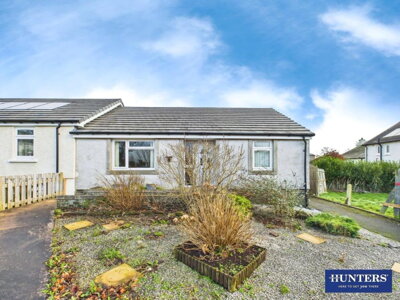
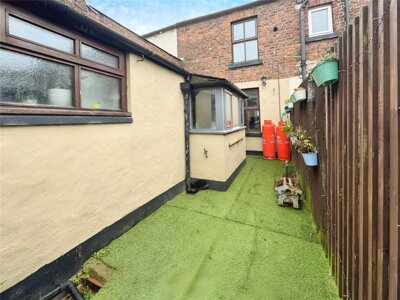
Browse 2 homes for sale in Dundraw, Cumberland from local estate agents.
The 2 bed house market features detached, semi-detached, and terraced properties with two separate bedrooms plus living spaces. Properties in Dundraw range from Victorian and Edwardian period homes to modern new builds, with pricing varying across different neighbourhoods.
£0k
0
0
0
Source: home.co.uk
Showing 0 results for 2 Bedroom Houses for sale in Dundraw, Cumberland.
The Dundraw property market reflects the characteristics of a small rural hamlet, with limited but desirable stock attracting buyers seeking the Cumbrian countryside lifestyle. Our current listings feature property types typical of the area, including detached farmhouses valued around £350,000, semi-detached homes averaging £220,000, character terraced cottages priced from £180,000, and the very rare flats that occasionally appear at around £120,000. The market here moves at a measured pace, with fewer than 10 property sales typically completing in the hamlet over any twelve-month period, making each available property relatively precious to prospective buyers. Given this scarcity, properties that meet the criteria for family homes with gardens and traditional features consistently generate interest from buyers across Cumbria and beyond.
Price trends across the wider Carlisle housing market, which encompasses Dundraw and the surrounding postcode area, have shown resilience with approximately 3% growth over the past twelve months. This modest but steady appreciation reflects the enduring appeal of Cumbrian living and the limited supply of properties in villages like Dundraw. New build developments remain absent from the immediate Dundraw area, meaning buyers in this price range are primarily considering period properties requiring varying degrees of modernisation and care. The absence of new build stock in the hamlet reinforces its traditional character and ensures that buyers acquire properties with genuine historical integrity rather than newly constructed homes.
Flats in Dundraw represent an extremely limited market segment, with availability so scarce that most property portals show little to no apartment stock in the hamlet. This scarcity reflects the housing stock consisting almost entirely of houses with gardens and outdoor space, characteristics that define the rural lifestyle appeal of the area. The average property price of £250,000 positions Dundraw competitively against other Cumbrian villages, offering good value for those prioritising space, character, and access to the natural beauty of the Lake District region. Compared to more tourist-focused villages closer to the national park boundaries, Dundraw provides a more affordable entry point to Cumbrian rural living while still offering excellent accessibility to the area's renowned landscapes and recreational opportunities.

Dundraw embodies the essence of rural Cumbrian living, offering residents a peaceful environment characterised by traditional stone-built properties, open farmland, and strong community connections. The hamlet's population numbers in the low hundreds, creating an intimate atmosphere where neighbours know one another and community events foster genuine relationships. This scale of settlement provides a stark contrast to urban living, offering clarity of air, dark night skies, and the sounds of countryside instead of traffic. Properties in Dundraw are scattered along minor roads connecting the hamlet to surrounding farmland, with clusters of cottages typically found near Town End and along routes leading to nearby settlements including Langrigg and Waverton.
The local economy around Dundraw remains predominantly agricultural, with farms in the surrounding area producing livestock and crops across the fertile Cumbrian plains. Many residents balance rural living with employment in nearby towns, particularly Wigton and the county city of Carlisle, commuting along well-maintained country roads that showcase the area's natural beauty. The proximity to the Lake District National Park enhances Dundraw's appeal considerably, with residents able to access world-renowned walking routes, scenic drives, and outdoor recreational opportunities within a short drive. The nearby Talkin Tarn Country Park provides an excellent local destination for walks and family outings, offering scenic views across the Cumbrian countryside without requiring a journey into the national park itself.
The property age distribution in Dundraw skews heavily towards older properties, with the majority of homes constructed before 1945 and many dating to the pre-1919 era when traditional building methods produced the solid, characterful houses that define the hamlet's appearance. Local building materials reflect Cumbrian vernacular architecture, with properties typically constructed from local red sandstone or rendered brick and roofed with traditional slate or clay tiles. This architectural heritage creates a visually cohesive environment while presenting buyers with properties that may require ongoing maintenance and thoughtful modernisation. The solid wall construction common in these older properties means that insulation solutions and energy efficiency considerations differ from modern cavity-wall homes, and prospective buyers should factor potential upgrade costs into their purchasing decisions.
Families considering a move to Dundraw will find educational provision primarily located in the nearby town of Wigton, approximately 5 miles from the hamlet, which offers primary schooling within reasonable travelling distance for most families. The local primary schools in Wigton serve the surrounding rural communities, providing education for children from reception through to year six before pupils transition to secondary education. Parents should research current catchment areas and admission arrangements, as these can influence school allocations for families moving into the area and may differ depending on which side of the town boundaries a property falls within. School transport arrangements for primary-aged children living in Dundraw typically require private vehicle travel or careful planning around limited bus services.
Secondary education in the region is typically accessed through schools in Wigton or further afield in Carlisle, with families often arranging transportation for older children attending grammar or comprehensive schools in these larger settlements. The selection of secondary schools in the wider area provides options for parents seeking specific educational approaches, religious affiliations, or particular curriculum specialisms. Many families in Dundraw choose secondary schools in Carlisle, approximately 15 miles from the hamlet, which requires a longer daily journey but offers access to a broader range of educational facilities and extracurricular activities. Sixth form provision in the region is concentrated in Carlisle, where students access a wider range of A-level subjects and vocational courses that may not be available in smaller town schools.
For families prioritising academic excellence, the grammar school system in Cumbria offers an alternative pathway, with selective schools in Carlisle including the highly regarded Carlisle Grammar School catering to students who pass the entrance examination. Early planning is essential for families seeking grammar school places, as catchment areas and competition for places can be significant in this popular region. The small scale of Dundraw itself means that families with school-age children should carefully consider transportation arrangements and school run logistics when evaluating properties in the hamlet, as the nearest primary school is several miles away and secondary options require either daily commuting to Wigton or Carlisle or consideration of boarding arrangements.
Transport connectivity from Dundraw relies primarily on road networks, with the A595 providing the main arterial route connecting the hamlet to nearby towns including Wigton and to Carlisle approximately 15 miles to the north. This road passes through attractive Cumbrian countryside, offering scenic drives but requiring private vehicle ownership for most daily transport needs. The road network is generally well-maintained, though rural roads around the hamlet may require careful driving during adverse weather conditions, particularly during winter months when frost and ice can make country lanes treacherous. Properties along minor roads leading to Dundraw from the A595 should be evaluated for their accessibility during different seasons and weather conditions.
Public transport options serving Dundraw are limited, reflecting the small-scale nature of the settlement. Bus services connecting to Wigton and Carlisle operate on a reduced frequency compared to urban routes, making private vehicles essential for most residents regardless of employment circumstances. The nearest railway stations are located in Carlisle, offering direct services to major cities including London Euston, Edinburgh, Manchester, and Birmingham through the West Coast Main Line. Other rail connections can be accessed via the Cumbrian Coast Line stations in nearby towns, though reaching these stations from Dundraw still requires car travel. For commuters working in Carlisle or other larger towns, driving remains the most practical option, with journey times to Carlisle city centre typically taking 30-40 minutes depending on traffic conditions and the specific destination.
For professionals working remotely or in flexible employment arrangements, the quiet and characterful setting of Dundraw provides an appealing base from which to conduct business while maintaining occasional commuting capability to regional centres. The hamlet's rural character means that broadband speeds may vary depending on property location and the local infrastructure serving that particular part of the settlement, and prospective buyers should verify current broadband availability and speeds at any property under consideration. Many remote workers find that the quality of life benefits of rural Cumbrian living outweigh minor inconveniences in connectivity, particularly given the proximity to major road and rail connections via Carlisle.
Spend time exploring Dundraw and the surrounding region to understand the local property market, community atmosphere, and practical considerations such as travel times, school catchments, and nearest amenities. Visiting at different times of day and week will give you a fuller picture of what daily life in the hamlet would be like, and speaking with current residents can provide invaluable insights into the practical realities of living in this small rural community.
Before viewing properties in Dundraw, obtain a mortgage agreement in principle from a lender to understand your budget and demonstrate your seriousness to sellers. With average prices around £250,000, most buyers will require mortgage financing, and having this in place streamlines the purchasing process considerably. Given the limited stock in the hamlet, being ready to move quickly with financing in place can make the difference when a suitable property becomes available.
View multiple properties in Dundraw and nearby villages to compare options, condition, and value. Given the limited stock in the hamlet, be prepared to act quickly on properties that meet your requirements while maintaining appropriate caution about properties requiring significant renovation work. Document your viewings carefully and revisit promising properties before making an offer, as the rural setting and older construction common to the area means that some defects may not be apparent during a first viewing.
Commission a RICS Level 2 Survey before completing your purchase. For properties in Dundraw, which are predominantly older construction dating from the pre-war period, this survey will identify defects common to period properties including potential damp issues, roof condition, timber defects, and the condition of electrical and plumbing systems. Survey costs typically range from £450 to £900 depending on property size and type, with larger detached farmhouses at the higher end of this range and smaller terraced cottages at the lower end.
Appoint a conveyancing solicitor to handle the legal aspects of your purchase, conduct searches with Westmorland and Furness local authority, and manage the transfer of ownership. Ensure your solicitor has experience with rural Cumbrian properties and understands any specific issues that may arise in this type of location, including septic tank regulations, private drainage arrangements, and rights of way that commonly affect rural properties.
Once all surveys, searches, and legal work are satisfactory, proceed to exchange contracts and set a completion date. On completion day, your solicitor will transfer the remaining funds and you will receive the keys to your new Dundraw home. Given the hamlet's tight-knit community, your solicitor may also be able to advise on any local protocols or relationships with local businesses that could prove helpful as you settle into your new property.
Purchasing a property in Dundraw requires careful attention to matters specific to rural Cumbrian properties and the hamlet's particular characteristics. The predominance of older construction means that potential buyers should pay close attention to the condition of traditional building elements including stone walls, slate or tile roofs, and timber features. Solid walls lack the cavity insulation found in modern properties, potentially affecting energy efficiency and heating costs, so understanding the insulation status of any property under consideration is important for budgeting future improvements. The local geology in the Dundraw area consists of glacial till deposits overlying bedrock including sandstone and mudstone, with some areas of clay that can cause low to moderate shrink-swell movement affecting foundations over time.
The geology around Dundraw includes areas of clay that present a low to moderate shrink-swell risk to property foundations. While this is not typically a significant concern for most properties in the hamlet, buyers should look for signs of subsidence or settlement, particularly those on variable ground or near areas of changing ground conditions. The presence of the River Wampool nearby means that properties in close proximity to watercourses or low-lying areas should be checked for surface water flooding history and current drainage arrangements. A thorough property search will reveal whether any specific flood risks apply to a particular address, and any property near water should be investigated for its flood history and current flood resilience measures before committing to purchase.
Electrical and plumbing systems in older Dundraw properties frequently require updating to meet current standards, and this work can represent a significant additional cost beyond the purchase price. A thorough RICS Level 2 Survey will identify any electrical installation concerns, plumbing issues, or presence of outdated materials such as lead piping or older fuse boards. Properties constructed before 2000 may contain asbestos-containing materials, which should be professionally assessed and managed appropriately by any future renovation work. The construction methods typical of Dundraw properties include traditional solid stone or brick walls with timber floor joists and slate or tile roofs, and our inspectors are experienced in identifying the specific defect patterns that commonly affect these construction types in the Cumbrian climate.
Conservation areas do not currently apply to Dundraw, and there is no significant concentration of listed buildings within the hamlet itself, meaning fewer planning restrictions than might apply in some heritage-sensitive locations. However, any older properties may still be subject to general planning controls, and buyers should investigate the planning history of individual properties to understand any permissions, restrictions, or ongoing obligations that may affect their ownership. Properties of historical significance, even if not formally listed, would benefit from a more detailed RICS Level 3 Survey to assess their condition and any specialist repair requirements before purchase.
The average house price in Dundraw is approximately £250,000 as of early 2026. Property prices vary by type, with detached properties averaging around £350,000, semi-detached homes at approximately £220,000, and terraced cottages priced from £180,000. The very limited flat market in the hamlet sees prices around £120,000 when properties become available. The market reflects the rural Cumbrian character of the area, with limited stock and steady demand from buyers seeking countryside living. The wider Carlisle area, which encompasses Dundraw, has seen price growth of approximately 3% over the past twelve months, indicating modest but consistent appreciation in property values across this segment of the Cumbrian market.
Properties in Dundraw fall within the Westmorland and Furness local authority area, which administers council tax for the hamlet and surrounding rural communities. Council tax bands for properties in the area vary according to property type, size, and value, typically ranging from Band A to Band D for most residential properties in Dundraw. Larger detached farmhouses and period properties with multiple bedrooms may fall into Band E or higher. You can check the specific band for any property through the Valuation Office Agency website or by contacting Westmorland and Furness Council directly, and your solicitor will typically verify the council tax band during the conveyancing process as part of the local authority searches.
The nearest primary schools to Dundraw are located in Wigton, approximately 5 miles away, serving the surrounding rural communities including the hamlet. Schools in Wigton provide education for children from reception through year six, with catchment areas that typically encompass the Dundraw area. For secondary education, families typically access schools in Wigton or travel to Carlisle, approximately 15 miles north, for a broader range of options including grammar schools. The nearest further education colleges are in Carlisle, where students access A-level courses and vocational qualifications. Parents should check current admission policies, catchment areas, and transport arrangements when considering schools, as these can change annually and may influence which schools serve specific addresses in the Dundraw area.
Public transport connections from Dundraw are limited, reflecting the hamlet's small scale and rural location in the Westmorland and Furness district. Bus services operate between Dundraw and nearby towns including Wigton, though frequencies are significantly reduced compared to urban routes, with some services operating only on certain days of the week. Most residents require private vehicle ownership for daily transportation needs. The nearest railway stations are located in Carlisle, offering connections to London, Edinburgh, Manchester, and other major cities via the West Coast Main Line, with journey times to London taking approximately three to four hours depending on the service. Journey times by car to Carlisle city centre take approximately 30-40 minutes via the A595, making day trips to the city practical for shopping, appointments, and leisure activities.
Dundraw offers a niche investment proposition focused on lifestyle rather than high rental yields or rapid capital growth. Property prices in the hamlet remain accessible compared to the Lake District's more expensive villages, and the wider Carlisle area has shown consistent modest price growth averaging around 3% annually. Rental demand in rural Cumbria tends to be focused on towns rather than small hamlets, so buy-to-let investors should consider whether rental demand actually exists in Dundraw itself and what rental yields might be achievable. The area's appeal lies in its peaceful setting, traditional character, and proximity to the Lake District, making it attractive to buyers seeking long-term lifestyle investments or those planning to relocate to rural Cumbria for retirement or remote working purposes.
Stamp duty rates for properties purchased in Dundraw are as follows: no stamp duty is payable on properties up to £250,000, 5% applies to the portion between £250,001 and £925,000, 10% applies between £925,001 and £1.5 million, and 12% applies above £1.5 million. First-time buyers receive relief on properties up to £425,000, with 5% applying between £425,001 and £625,000. For a typical Dundraw property priced around £250,000, most buyers would pay no stamp duty at all, as the purchase falls entirely within the nil-rate band. First-time buyers purchasing at the average Dundraw price would qualify for full exemption from stamp duty. Your solicitor will handle stamp duty calculation and submission to HMRC as part of the conveyancing process.
Properties in Dundraw are predominantly older construction from the pre-war period, and our inspectors commonly find defects including damp (rising or penetrating damp due to age or lack of modern damp-proof courses), roof condition issues such as slipped slates or deteriorated pointing, timber defects including woodworm or wet rot, and outdated electrical wiring and plumbing systems. The clay-rich geology in parts of the area can cause foundation movement in susceptible properties, particularly during prolonged dry or wet periods. A RICS Level 2 Survey is strongly recommended for any property purchase in Dundraw to identify these issues before completion, with survey costs typically ranging from £450 to £900 depending on property size and type. Properties built before 2000 may also contain asbestos-containing materials that require professional assessment.
Dundraw's inland location reduces coastal flood risk significantly, making river flooding from the sea not a concern for properties in the hamlet. However, surface water flooding can occur in rural areas, particularly near minor watercourses and in low-lying ground during periods of heavy rainfall. The River Wampool flows through the area and its flood plain could pose a risk to properties in close proximity to the watercourse, especially those on lower-lying land. Properties on hillside locations or elevated ground within Dundraw generally face lower flood risk than those in valley locations. A property search will reveal whether any specific flood risks apply to a particular address, and any property near water should be investigated for its flood history and current flood resilience measures before committing to purchase.
From £450
Professional survey for buyers in Dundraw, identifying defects common to period properties
From £499
Solicitors experienced with rural Cumbrian property transactions
From 4.5%
Competitive mortgage rates for Dundraw property purchases
From £60
Energy performance certificate for your new home
Understanding the full costs of purchasing property in Dundraw, Cumberland, requires consideration of stamp duty alongside other expenses including solicitor fees, survey costs, and potential renovation work. For properties at the Dundraw average price of approximately £250,000, standard stamp duty rates would result in no liability under the current thresholds, as the nil-rate band extends to £250,000. This represents a meaningful saving for buyers compared to properties in higher-value areas and reduces the overall purchase cost for those at the typical price point in the hamlet. The stamp duty saving effectively lowers the total acquisition cost for buyers at the average price level.
First-time buyers purchasing in Dundraw should note that relief extends the nil-rate band to £425,000, meaning that the majority of properties available in the hamlet would qualify for full first-time buyer exemption from stamp duty. Given that detached properties averaging £350,000 also fall within this threshold, most first-time buyers considering any property type in Dundraw would complete their purchase without stamp duty liability. For those purchasing above £425,000, a 5% rate applies to the portion between £425,001 and £625,000, with no relief available above £625,000. This creates an advantage for first-time buyers in the Dundraw market compared to higher-value locations where full relief would not apply to typical stock.
Beyond stamp duty, buyers should budget for solicitor conveyancing costs typically ranging from £500 to £1,500 depending on complexity and property value, with more complex rural transactions potentially at the higher end of this range. A RICS Level 2 Survey costs approximately £450 to £900 for properties in Dundraw, with larger detached farmhouses requiring fees at the higher end and smaller terraced cottages at the lower end. Mortgage arrangement fees may apply if using a lender that charges these, though some products offer fee-free options. Properties in this rural Cumbrian location may also require additional investigation into drainage, utilities, septic tank arrangements, and rural property-specific matters that could generate supplementary search costs. Budgeting a contingency of 5-10% above the purchase price for these additional costs and any immediate repairs or improvements identified during survey provides a sensible financial buffer for Dundraw buyers.

Properties for Sale In London

Properties for Sale In Plymouth

Properties for Sale In Liverpool

Properties for Sale In Glasgow

Properties for Sale In Sheffield

Properties for Sale In Edinburgh

Properties for Sale In Coventry

Properties for Sale In Bradford

Properties for Sale In Manchester

Properties for Sale In Birmingham

Properties for Sale In Bristol

Properties for Sale In Oxford

Properties for Sale In Leicester

Properties for Sale In Newcastle

Properties for Sale In Leeds

Properties for Sale In Southampton

Properties for Sale In Cardiff

Properties for Sale In Nottingham

Properties for Sale In Norwich

Properties for Sale In Brighton

Properties for Sale In Derby

Properties for Sale In Portsmouth

Properties for Sale In Northampton

Properties for Sale In Milton Keynes

Properties for Sale In Bournemouth

Properties for Sale In Bolton

Properties for Sale In Swansea

Properties for Sale In Swindon

Properties for Sale In Peterborough

Properties for Sale In Wolverhampton

Enter your details to see if this property is within your budget.
Loans, cards, car finance
Estimated property budget
Borrowing + deposit
You could borrow between
Typical borrowing
Monthly repayment
Est. at 4.5%
Loan-to-value
This is an estimate only. Your actual budget may vary depending on interest rates, credit history, and personal circumstances. For an accurate affordability assessment, speak to one of our free mortgage advisors.
This calculator provides estimates for illustrative purposes only and does not constitute financial advice. Your home may be repossessed if you do not keep up repayments on your mortgage. Estimates based on 4.5% interest rate, repayment mortgage. Actual rates depend on your circumstances.
Homemove is a trading name of HM Haus Group Ltd (Company No. 13873779, registered in England & Wales). Homemove Mortgages Ltd (Company No. 15947693) is an Appointed Representative of TMG Direct Limited, trading as TMG Mortgage Network, which is authorised and regulated by the Financial Conduct Authority (FRN 786245). Homemove Mortgages Ltd is entered on the FCA Register as an Appointed Representative (FRN 1022429). You can check registrations at NewRegister or by calling 0800 111 6768.

We use cookies to show you personalised content and improve your experience of our website. Find out more in our Privacy policy and Cookie policy.