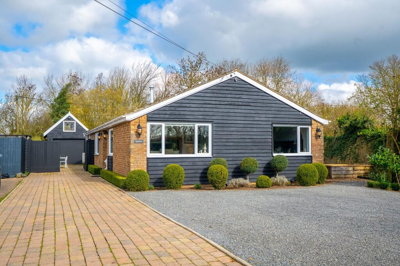
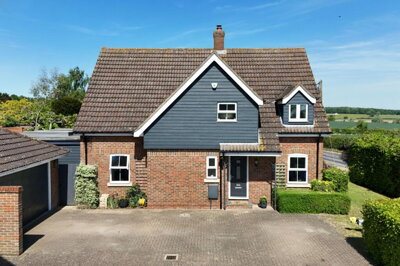
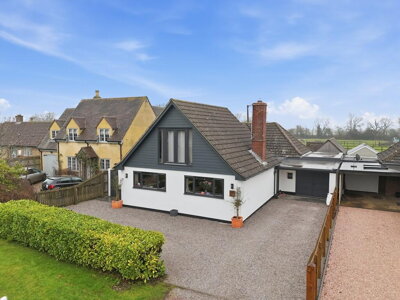
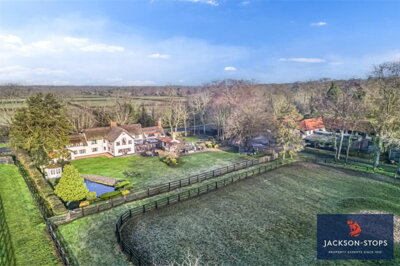
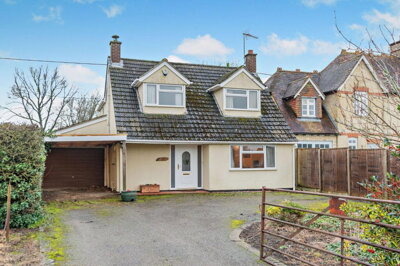
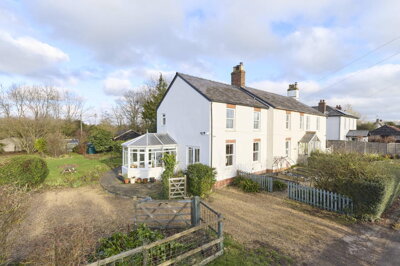
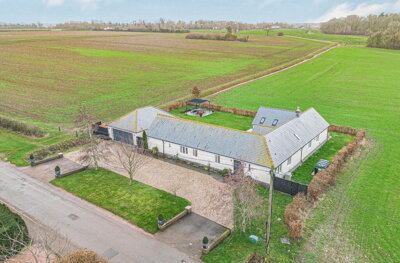
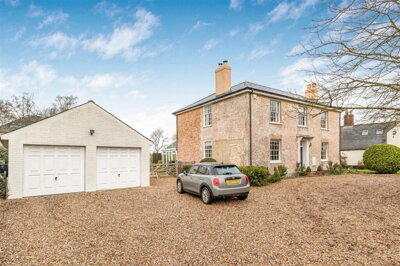
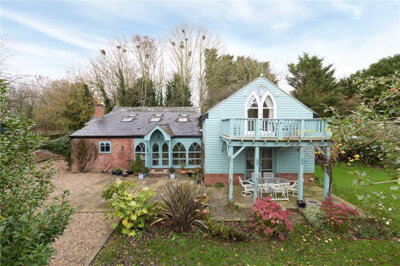
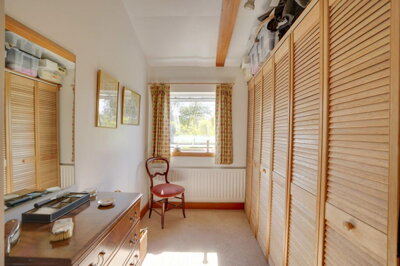
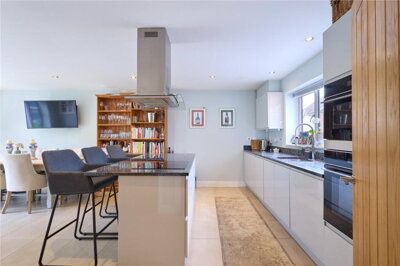
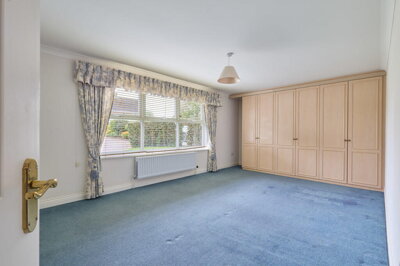
Browse 14 homes for sale in Dullingham, East Cambridgeshire from local estate agents.
The larger property sector typically features multiple bathrooms, substantial reception space, and private gardens or off-street parking. Four bedroom houses in Dullingham span detached, semi-detached, and occasionally terraced configurations, with styles ranging from period properties to modern executive homes.
£1.00M
1
0
126
Source: home.co.uk
Showing 1 results for 4 Bedroom Houses for sale in Dullingham, East Cambridgeshire. The median asking price is £1,000,000.
Source: home.co.uk
Detached
1 listings
Avg £1.00M
Source: home.co.uk
Source: home.co.uk
The Dullingham property market has demonstrated remarkable resilience and growth over the past twelve months, with transaction volumes holding steady at approximately 10 sales and prices climbing by 10% year-on-year. This upward trajectory reflects the broader appeal of rural Cambridgeshire as buyers seek more space, better value, and an improved quality of life compared to urban centres. The village predominantly features detached properties, which comprise 52.8% of the housing stock, making this an ideal location for families seeking generous living arrangements and outdoor space. We have seen sustained interest from buyers migrating from Cambridge and surrounding towns, drawn by the village character and relative affordability compared to city prices.
Property types in Dullingham span a wide range of architectural styles and periods. The village housing stock breaks down as follows: 52.8% detached homes, 23.2% semi-detached properties, 16% terraced houses, and just 8% flats. The age distribution of properties is equally diverse, with 25% of homes built before 1919, offering gorgeous period features such as original fireplaces, exposed beams, and thick walls. A further 30% of properties date from the post-war period through to 1980, providing solid family homes with modernised interiors. The remaining 30% of properties are post-1980 construction, appealing to buyers who prefer contemporary layouts and newer building standards. Our local knowledge helps you navigate this varied stock and identify properties matching your specific requirements and budget.
Current listing activity shows a healthy supply of properties across all price points, though demand consistently outstrips supply for the most desirable period homes. The average price of £549,999 positions Dullingham as a premium village location within East Cambridgeshire, yet still offering better value than comparable villages closer to Cambridge. Buyers should expect competitive situations for well-presented properties, particularly those with gardens, parking, and character features. We can provide up-to-date market intelligence on new listings and recent sales to help you make informed decisions in this active market.
£549,999
Average Price
£750,000
Detached Homes
£420,000
Semi-Detached
£360,000
Terraced
10%
Annual Growth
10
Sales (12 months)
Life in Dullingham revolves around community, countryside, and a pace of life that feels a world away from the pressures of city living. The village, with its population of 760 residents across 300 households, retains an authentic Cambridgeshire village character where local events, the parish church, and the village hall form social focal points. St Mary's Church stands as a historic landmark for the community, while the surrounding countryside offers endless opportunities for walking, cycling, and enjoying the natural beauty of East Cambridgeshire. The equestrian community is particularly strong in this area, given Dullingham's proximity to Newmarket, the headquarters of British horse racing.
The local economy of Dullingham is shaped by its rural setting, with agriculture and equestrian activities playing significant roles alongside commuting to nearby towns. Residents benefit from the best of both worlds: the tranquility and space of village life, combined with straightforward access to major employment centres. Cambridge lies within easy reach for professionals working in the technology, research, and academic sectors, while Newmarket offers employment in the racing industry and Bury St Edmunds provides additional retail and service sector opportunities. The village itself has essential amenities including a primary school and local shop, with more extensive facilities available in neighbouring towns just a short drive away.
The flat East Cambridgeshire landscape creates ideal conditions for cycling and walking. Numerous public footpaths crisscross the surrounding countryside, connecting Dullingham to neighbouring villages and providing scenic routes through farmland and countryside. For equestrian enthusiasts, the area offers excellent riding opportunities with direct access to bridleways and the Newmarket gallops. The village hosts various community events throughout the year, from summer fetes to church gatherings, fostering the strong neighbourly atmosphere that defines village life here. New residents often remark on how quickly they feel part of the community, with the intimate scale making it easy to put names to faces and build lasting connections.
Understanding the local construction methods helps you appreciate Dullingham's housing stock and anticipate potential survey findings. Many older properties in the village feature traditional brick construction using gault clay bricks, which were commonly produced from local kilns in Cambridgeshire. These distinctive yellow-grey bricks give period properties their characteristic appearance and are highly durable when properly maintained. Our inspectors across East Cambridgeshire regularly assess properties built with traditional methods, and we understand how gault brick responds to weathering and moisture exposure over time.
Period properties in Dullingham, comprising the 25% of homes built before 1919, typically feature solid brick walls with lime mortar pointing, timber floor structures, and slate or clay tile roofs. These construction methods differ significantly from modern cavity wall construction and require specific maintenance approaches. Solid walls lack the damp-proof course found in newer properties, making them more susceptible to rising damp if ground levels or ventilation change. We check the condition of original features including sash windows, servant bells, and cast iron fireplaces, which add character but may need attention.
The post-war properties built between 1945 and 1980 comprise 30% of Dullingham's housing stock and often feature cavity wall construction with brick outer leaves and block inner leaves. These homes may incorporate materials that were standard practice but are now considered outdated, including bitumen damp-proof courses and artex finishes. Our team can identify these materials and assess their condition, advising on any remediation that may be needed. Roof coverings from this era, particularly concrete tiles, have finite lifespans and we examine their current condition during every survey.
Given the mix of construction types in Dullingham, from traditional gault brick cottages to post-war family homes, arranging a professional survey before purchase makes sound financial sense. Each construction era brings its own typical defect patterns, and our inspectors are familiar with the specific issues affecting homes across East Cambridgeshire.
Education provision in Dullingham centres on the village primary school, which serves families with young children and provides a solid foundation for early learning within a supportive village setting. The school benefits from its intimate scale, allowing teachers to provide individual attention and fostering strong relationships between staff, pupils, and parents. Village primary schools often become community hubs, hosting events and after-school activities that involve the wider family. For families with pre-school children, the surrounding area offers various nursery and pre-school options.
For secondary education, residents typically access schools in nearby towns, with several well-regarded options within reasonable driving distance. The surrounding East Cambridgeshire area offers a range of educational choices from state schools to faith schools and independent options, ensuring families can find the right fit for their children's academic needs and personal development. Parents should research current catchment areas and admissions policies, as these can significantly impact which schools children can access from Dullingham. School transport arrangements and parking at pick-up and drop-off times are practical considerations for families daily commute patterns.
For families considering secondary school options, the nearby market towns provide several choices including grammar schools and comprehensive schools with strong academic records. Newmarket hosts several secondary schools serving the wider area, while Cambridge offers additional options including some nationally recognised institutions. The proximity to Cambridge also opens possibilities for accessing some of the city's renowned educational institutions, particularly at secondary and further education levels. Sixth form provision is available in surrounding towns, with Cambridge colleges offering higher education opportunities within commuting distance for older students.
Transport connectivity from Dullingham balances the tranquility of rural living with practical access to major cities and towns. The village sits near the B1061 road, providing connections to the wider road network including straightforward access to Cambridge to the northwest and Newmarket to the northeast. For commuters, the A14 trunk road is accessible within a reasonable drive, linking to Cambridge, Huntingdon, and the wider motorway network beyond. This makes Dullingham particularly attractive to workers in Cambridge's technology and research sectors who desire countryside living with manageable commute times.
Public transport options serve the village through bus services connecting Dullingham to surrounding towns, though frequencies may be limited compared to urban routes. The village benefits from a working railway station, providing direct services to Cambridge and beyond for residents who prefer train travel. Cambridge station offers direct services to London, Birmingham, and other major destinations, while Newmarket station provides connections to Cambridge and Ipswich. Many residents of Dullingham are dual-car households, with one vehicle serving daily commuting needs and the village location enabling efficient journey times to employment hubs.
Beyond traditional commuting, Dullingham's position near Newmarket opens employment opportunities in the racing industry. Horse grooms, trainers, stud farm workers, and racing administration roles are well-represented in the regional economy. For equestrian professionals, this proximity is invaluable, with daily access to the world's finest racing facilities without the costs of city living. Cycling is a popular option for shorter local journeys, with the flat East Cambridgeshire landscape making bike travel accessible for residents of all ages and fitness levels.
Spend time exploring Dullingham at different times of day and week to understand the neighbourhood character. Visit local amenities, speak with residents, and get a feel for community life. Check transport connections to your workplace and research school catchment areas if you have children.
Before viewing properties, speak with a mortgage broker to understand your borrowing capacity and get an agreement in principle. This strengthens your position when making offers and demonstrates to sellers that you are a serious buyer with finance already arranged. Our mortgage partners can provide competitive rates and guide you through the application process.
Work with Homemove to arrange viewings of suitable properties in Dullingham. Once you find your ideal home, submit a competitive offer that reflects current market conditions. Be prepared to negotiate on price and terms, particularly for properties that have been on the market for some time.
Given that approximately 70% of properties in Dullingham were built before 1980, arranging a thorough survey is essential. A Level 2 HomeBuyer Report typically costs between £450 and £800 locally and will identify any structural issues, damp problems, or defects that might affect your purchase decision.
Appoint a conveyancing solicitor to handle the legal aspects of your purchase. They will conduct local searches, review the contract, and manage the transfer of ownership. Budget for conveyancing fees from around £499 for standard transactions.
Once all searches are satisfactory and finances are confirmed, you will exchange contracts and pay your deposit. Completion typically follows within a few weeks, when you will receive the keys and take ownership of your new Dullingham home.
Purchasing property in Dullingham requires careful attention to several area-specific factors that could affect your investment. The village has a designated Conservation Area and numerous listed buildings, which means properties may be subject to planning restrictions on alterations, extensions, and even external decorations. If you are considering any changes to a period property, you should consult with East Cambridgeshire District Council planning department before committing to a purchase. Listed building consent may be required for works that would otherwise be permitted development, adding time and cost to any renovation project.
Flood risk is another consideration for Dullingham buyers. While the risk of flooding from rivers and the sea is very low, certain areas experience medium to high surface water flooding risk, particularly around the village centre and along the B1061 approach roads. We check surface water drainage patterns and note any historical flooding issues reported by owners or revealed during survey inspections. Properties in affected areas may face higher buildings insurance premiums, and your surveyor will flag any evidence of previous water damage.
The local geology presents additional considerations for potential buyers. The East Cambridgeshire area, including Dullingham, features chalk bedrock with overlying clay deposits in places. Clay soils are susceptible to shrink-swell movement, which can cause subsidence in properties with shallow foundations, particularly older buildings. During periods of drought followed by wet weather, clay soils contract and expand, potentially disturbing building foundations. We pay particular attention to properties built before modern building regulations introduced deeper foundation requirements.
With approximately 70% of properties in Dullingham built before 1980, the housing stock includes many homes constructed using traditional methods that differ from modern standards. Solid brick walls, timber floors, and single-glazed windows are characteristic of older properties and may require ongoing maintenance. Our inspectors check these traditional features thoroughly, identifying any defects that might not be apparent during a casual viewing. A comprehensive RICS Level 2 or Level 3 survey provides the detailed assessment needed before committing to purchase one of these character properties.
Understanding the full costs of buying property in Dullingham helps you budget accurately for your purchase. The average property price of £549,999 means most buyers will need to budget for stamp duty land tax alongside their mortgage deposit and purchase price. For a typical home at this price point, a standard buyer would expect to pay around £15,000 in stamp duty, while first-time buyers could benefit from relief reducing this to approximately £6,250. These figures assume the property is your main residence and you are not an additional property buyer, which would attract the higher rates.
Beyond stamp duty, purchasing a property in Dullingham involves several additional costs that first-time buyers sometimes overlook. Survey fees for a RICS Level 2 HomeBuyer Report typically range from £450 to £800 depending on property size and value, while a Level 3 Building Survey for larger or listed properties could cost more. Conveyancing fees usually start from around £499 for straightforward transactions but can increase for leasehold properties or if complications arise. Local searches conducted by your solicitor, including drainage and water searches, environmental searches, and local authority queries, typically add several hundred pounds to your legal costs.
When calculating your total budget, remember to factor in mortgage arrangement fees, which can range from nothing to around £2,000 depending on the lender and deal selected. Buildings insurance should be in place from completion day onwards, and you will need to budget for moving costs, potential furniture purchases, and any immediate repairs or renovations. For properties in Dullingham's Conservation Area or listed buildings, set aside funds for any works that may require specialist contractors or listed building consent. Speaking with a mortgage broker early in your search helps you understand your true budget and ensures you can move quickly when you find your ideal village home.

The average property price in Dullingham is £549,999, based on recent sales data. Detached properties command the highest prices at around £750,000, while semi-detached homes average £420,000 and terraced properties fetch approximately £360,000. Prices have increased by 10% over the past twelve months, reflecting strong demand for rural village properties in East Cambridgeshire. The market remains active with approximately 10 sales completed in the past year, demonstrating consistent transaction volumes despite the national economic uncertainty affecting other regions.
Council tax bands in Dullingham are set by East Cambridgeshire District Council and vary depending on property value and type. Most residential properties in the village fall within bands B through E, with band valuations based on property values as of April 1991. You can check the specific band for any property through the East Cambridgeshire Council website or the Valuation Office Agency before making a purchase, as this will affect your annual running costs.
Dullingham has a village primary school serving the immediate community, providing education for children up to around age 11. For secondary education, families typically access schools in nearby towns such as Newmarket, Cambridge, or Bury St Edmunds. The surrounding area offers various options including grammar schools and comprehensive schools with strong academic records. Parents should research individual school performance data, Ofsted ratings, and catchment area boundaries to identify the most suitable options for their children.
Public transport options from Dullingham include local bus services connecting to nearby towns, though frequencies are more limited than in urban areas. The village is well-positioned for road travel, with straightforward access to Cambridge, Newmarket, and the A14 trunk road. For rail travel, Cambridge station provides services to London and major cities, while Newmarket station offers connections to Cambridge and Ipswich. Many residents rely on private vehicles for daily commuting, though the village station serves the Cambridge to Newmarket line.
Dullingham offers strong appeal for property investment due to its desirable rural location, proximity to Cambridge and other employment centres, and consistent price growth of 10% over the past year. The village character, with its Conservation Area and listed buildings, suggests property values will remain robust. Demand from commuters seeking village living ensures a consistent market for both purchases and rental properties in the area.
For standard purchases, stamp duty land tax applies at 0% on the first £250,000 of property value, 5% on the portion from £250,001 to £925,000, and 10% on the amount up to £1.5 million. First-time buyers benefit from relief on the first £425,000, with 5% charged between £425,001 and £625,000. Given the average property price of £549,999 in Dullingham, a first-time buyer would pay approximately £6,250 in stamp duty on a typical home.
With approximately 70% of Dullingham properties built before 1980, buyers should watch for damp affecting walls and floors, timber defects including rot and woodworm in structural elements, roof deterioration with slipped tiles or failed flashing, and outdated electrical wiring that may not meet current standards. Properties on clay soils may show signs of subsidence or foundation movement. Given the prevalence of traditional construction methods and listed buildings, a comprehensive RICS Level 2 or Level 3 survey is strongly recommended before purchasing any period property in the village.
From 3.5% APR
Competitive mortgage rates available for Dullingham buyers
From £499
Local conveyancing solicitors familiar with East Cambridgeshire
From £450
Essential for older Dullingham properties
From £80
Energy performance certificate for your new home
Properties for Sale In London

Properties for Sale In Plymouth

Properties for Sale In Liverpool

Properties for Sale In Glasgow

Properties for Sale In Sheffield

Properties for Sale In Edinburgh

Properties for Sale In Coventry

Properties for Sale In Bradford

Properties for Sale In Manchester

Properties for Sale In Birmingham

Properties for Sale In Bristol

Properties for Sale In Oxford

Properties for Sale In Leicester

Properties for Sale In Newcastle

Properties for Sale In Leeds

Properties for Sale In Southampton

Properties for Sale In Cardiff

Properties for Sale In Nottingham

Properties for Sale In Norwich

Properties for Sale In Brighton

Properties for Sale In Derby

Properties for Sale In Portsmouth

Properties for Sale In Northampton

Properties for Sale In Milton Keynes

Properties for Sale In Bournemouth

Properties for Sale In Bolton

Properties for Sale In Swansea

Properties for Sale In Swindon

Properties for Sale In Peterborough

Properties for Sale In Wolverhampton

Enter your details to see if this property is within your budget.
Loans, cards, car finance
Estimated property budget
Borrowing + deposit
You could borrow between
Typical borrowing
Monthly repayment
Est. at 4.5%
Loan-to-value
This is an estimate only. Your actual budget may vary depending on interest rates, credit history, and personal circumstances. For an accurate affordability assessment, speak to one of our free mortgage advisors.
This calculator provides estimates for illustrative purposes only and does not constitute financial advice. Your home may be repossessed if you do not keep up repayments on your mortgage. Estimates based on 4.5% interest rate, repayment mortgage. Actual rates depend on your circumstances.
Homemove is a trading name of HM Haus Group Ltd (Company No. 13873779, registered in England & Wales). Homemove Mortgages Ltd (Company No. 15947693) is an Appointed Representative of TMG Direct Limited, trading as TMG Mortgage Network, which is authorised and regulated by the Financial Conduct Authority (FRN 786245). Homemove Mortgages Ltd is entered on the FCA Register as an Appointed Representative (FRN 1022429). You can check registrations at NewRegister or by calling 0800 111 6768.

We use cookies to show you personalised content and improve your experience of our website. Find out more in our Privacy policy and Cookie policy.