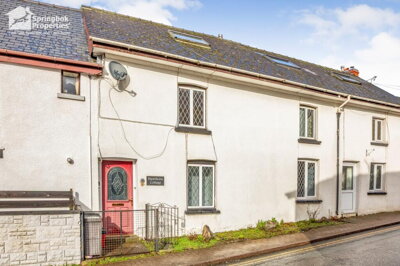
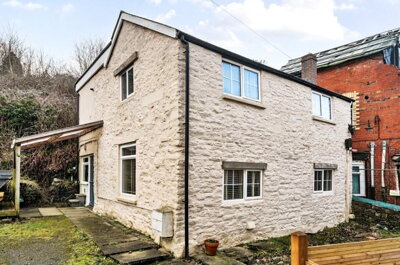
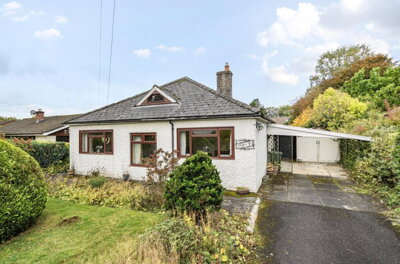
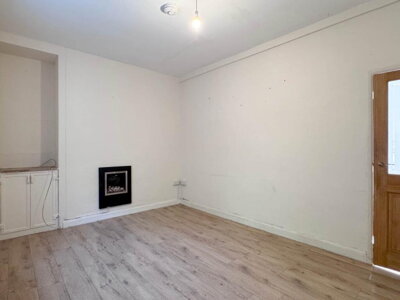
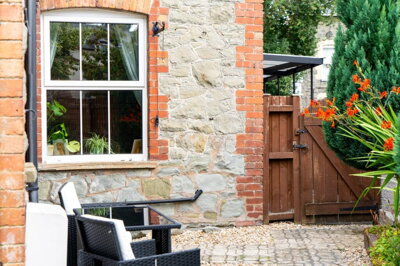
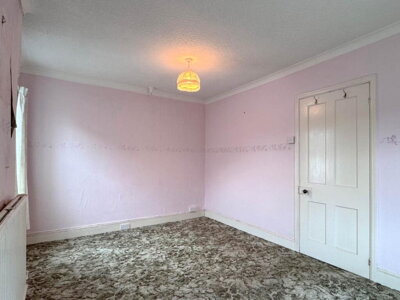
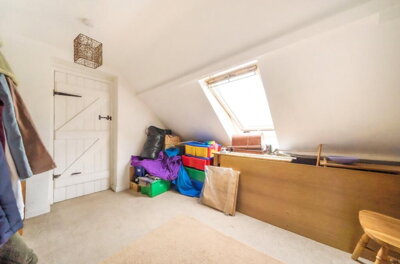
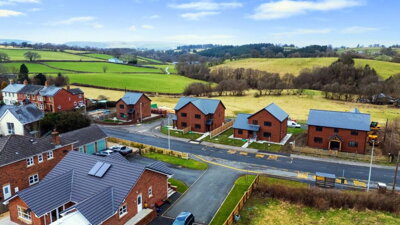
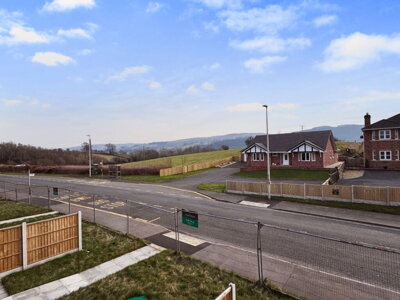
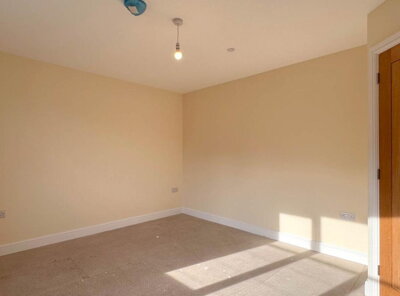
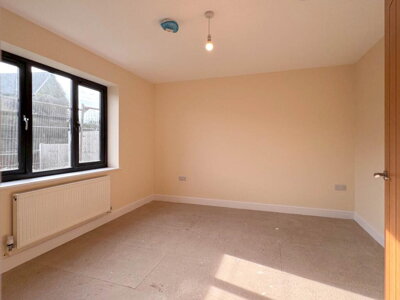
Browse 15 homes for sale in Duhonw, Powys from local estate agents.
Three bedroom properties represent a significant portion of the Duhonw housing market, offering space for families with multiple reception rooms and gardens in many cases. Browse detached, semi-detached, and terraced options ranging from period character homes to contemporary developments.
£0k
0
0
0
Source: home.co.uk
Showing 0 results for 3 Bedroom Houses for sale in Duhonw, Powys.
Understanding the Powys property market helps buyers set realistic expectations when searching in Duhonw. The county's average house price currently sits at £230,000 according to the Office for National Statistics, with Rightmove recording a slightly higher figure of £271,211 over the past year. Property prices in Powys have shown remarkable stability, with just a 1.0% change recorded between December 2024 and December 2025, and the market stands just 3% below the 2022 peak of £278,342. This stability makes Powys an appealing option for buyers who want to avoid the volatile price fluctuations seen in more urban areas of the UK while gaining access to the exceptional natural beauty and community spirit that defines life in Duhonw and its surrounding villages.
The housing stock in Powys differs significantly from urban markets, with detached properties accounting for approximately 43% of the housing mix. Semi-detached homes represent 22% of properties, while terraced houses make up 17%, with the remainder comprising flats and other accommodation types. Average prices for detached homes reach £351,873, semi-detached properties average £221,251, and terraced homes typically sell for around £179,822. Flats in Powys remain the most affordable option at approximately £94,000, though limited availability means competition for smaller properties can be intense. Most properties in Powys sell within the £150,000 to £200,000 price range, accounting for 20.1% of all transactions, followed by homes in the £300,000 to £400,000 bracket at 18.2% of sales, indicating strong demand across multiple market segments.
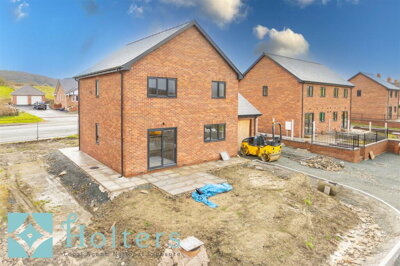
New build activity in Powys remains limited within rural communities like Duhonw, reflecting the challenges of developing in areas of outstanding natural beauty and the priorities of Powys County Council, which has focused on delivering 350 new council homes for social rent between 2023-2031 across the wider county. Approved developments include 18 new council homes in Llanrhaeadr-ym-Mochnant and plans for 25 dwellings in Llanfechain, though these are located in neighbouring communities rather than the immediate Duhonw area. For buyers specifically seeking new build properties in or near Duhonw, options are extremely limited, meaning most purchasers will be looking at traditional period properties requiring careful inspection to assess their condition and any renovation needs.

Duhonw embodies the essence of rural Welsh living, offering residents a peaceful lifestyle surrounded by rolling countryside, ancient waterways, and a close-knit community spirit. The community takes its name from the River Duhonw, which flows through the parish alongside the larger Afon Irfon, creating a landscape defined by lush meadows, native woodland, and the gentle sounds of flowing water that draw visitors from across Wales and beyond. With a population of approximately 294 residents, Duhonw maintains the intimate scale of a traditional Welsh village where neighbours know one another and community events bring people together throughout the year. The village hall serves as a focal point for local gatherings, from annual summer fetes to weekly craft groups and evening socials that maintain the strong sense of community that defines life in this corner of Powys.
The demographic profile of Powys reveals an aging population, with the median age reaching 50 in 2021, the highest in Wales. This reflects both the popularity of Powys as a retirement destination and the challenges facing rural communities as younger residents sometimes relocate to seek employment opportunities in larger towns and cities. Between 2011 and 2021, the number of people aged 65 and over in Powys increased by 22.3%, indicating significant demographic change that influences both the local property market and the types of services available to residents. However, the same statistics show that working from home has increased significantly in Powys, rising from 22% in 2011 to 30% in 2021, suggesting that improved digital connectivity is enabling more people to embrace rural living while maintaining professional careers that would previously have required proximity to major urban centres.
The economic landscape of Powys supports diverse employment opportunities, with the employment rate standing at 75.1% for working-age residents, higher than the Welsh average. Key sectors include professional services, construction, retail, and tourism, which accounts for 11% of all jobs in the county and draws visitors to attractions including the Elan Valley, Brecon Beacons National Park, and the historic market towns scattered throughout the region. Over 95% of businesses in Powys are micro-businesses, reflecting the entrepreneurial spirit of rural communities and the growing trend towards self-employment and small business ownership that flourishes in areas like Duhonw where low overheads and quality of life attract business owners seeking alternatives to city-based operations.

Families considering a move to Duhonw will find educational facilities available in the surrounding Powys area, though options within the immediate village are limited due to its small scale. Primary education is typically provided through local village schools serving small catchments, while secondary education requires travel to larger settlements such as Builth Wells, Llandrindod Wells, or Newtown. Powys maintains a network of primary and secondary schools committed to providing quality education to students across this geographically large but sparsely populated county, with the small class sizes often found in rural schools providing excellent opportunities for individual attention and personalised learning approaches that benefit students at all ability levels.
The aging population demographic in Powys reflects the area's appeal to families at various life stages as well as retirees, with school communities often benefiting from strong parental engagement and smaller class sizes than those found in urban schools. For older students, further education and sixth form provision is available at colleges in the main towns of Powys, with transport arrangements connecting rural communities to these facilities. The lack of direct school provision within Duhonw itself means that parents should carefully research specific catchment areas and admission arrangements when considering properties in the village, as school placements can involve longer journeys than urban families might experience. Many families find that the benefits of rural living in Duhonw more than compensate for the additional travel time required to access secondary education.
Higher education institutions in Wales remain accessible through good road connections, with Aberystwyth University and the University of Wales Trinity Saint David offering courses within reasonable driving distance from Duhonw. Students from the village can also access further education colleges in Llandrindod Wells and Newtown, which provide a range of vocational and academic qualifications. When purchasing property in Duhonw, families should confirm current school OFSTED ratings and transport arrangements, as these factors significantly impact daily family life in rural areas. The Welsh-medium education option is available in some Powys schools, providing families with choices about whether their children receive instruction in English or Welsh, reflecting the bilingual nature of the wider region.
Transport connectivity defines daily life for Duhonw residents, requiring careful consideration of how commuting and essential journeys will work from this rural location. The nearest railway stations are located in larger towns, with the Heart of Wales Line providing services through nearby communities connecting to the national rail network at Shrewsbury and beyond. The A483 trunk road passes through the broader Powys area, providing access to major destinations including Swansea, Cardiff, and the Midlands via the motorway network, though travel times to these destinations can be lengthy compared to urban commuting. Daily commuting to urban employment centres typically requires a combination of road travel and public transport, making remote working an increasingly practical solution for many Powys residents who wish to enjoy rural life without sacrificing career opportunities.
The growth in homeworking from 22% to 30% of the workforce between 2011 and 2021 demonstrates how digital infrastructure improvements are transforming the viability of rural living for professional workers. High-speed broadband access varies across Duhonw and the surrounding area, and prospective buyers should verify current connectivity speeds at specific properties before committing to a purchase. The Welsh Government has invested in improving digital connectivity across rural Wales, though some properties in more isolated locations may still experience slower speeds or intermittent connectivity that could affect homeworking arrangements. Mobile phone coverage also varies, and residents often find that having multiple providers helps ensure reliable communication for both personal and professional purposes.
Local bus services operate in Powys, though frequencies are limited compared to urban routes, making car ownership effectively essential for most residents. The village is served by occasional bus routes connecting to Builth Wells and Llandrindod Wells, but timetable frequencies mean that independent travel by car remains the most practical option for most daily activities. Cycling infrastructure remains underdeveloped in the immediate Duhonw area, though the scenic countryside roads attract recreational cyclists, and e-bikes are increasingly popular for longer rural journeys. The surrounding lanes and minor roads offer pleasant cycling opportunities during drier weather, though the hilly terrain requires reasonable fitness or electric assistance for longer routes.
Purchasing property in Duhonw requires attention to several area-specific factors that reflect the unique characteristics of rural Powys living. The traditional construction methods used in local properties typically involve stone walls, lime mortar, and slate roofing, materials that require different maintenance approaches than modern brick and tile construction. Our inspectors frequently encounter properties built with traditional methods that show signs of age-related wear, including weathered pointing, slate displacement, and the effects of moisture penetration through porous stonework. Properties may have older electrical systems and plumbing that require updating to meet current safety standards, and buyers should budget for potential renovation costs when purchasing older cottages or farmhouses that may have been little altered since their original construction.
The presence of clay soils in parts of Powys creates shrink-swell subsidence risks that can affect property foundations, particularly during periods of drought or when large trees are present near buildings. Powys also carries historical mining legacy risks, with the region having a significant history of lead and metal mining activity from Roman times until the early 20th century. Our surveyors check for signs of past mining activity that could indicate underground voids or unstable ground conditions, as collapse of old mining tunnels and shafts can cause ground movement affecting property foundations. Properties in areas with former mining activity may require specialist foundation assessments and should be carefully evaluated before purchase to identify any structural concerns that could prove costly to address.
Flood risk deserves careful consideration when purchasing in Duhonw, as the community is bordered by both the Afon Irfon and River Duhonw, meaning some properties may fall within flood zones or have historical exposure to water ingress. Our inspectors assess property locations relative to known flood risk areas and check for evidence of past water damage, including tide marks, damp patches, and repairs that may indicate previous flooding episodes. Surface water flooding represents an additional risk factor across the wider Powys area, and buyers should review Environment Agency flood maps and local records before committing to a purchase. Properties near rivers may face higher insurance premiums or mortgage conditions requiring flood resilience measures, and these ongoing costs should factor into budget calculations when considering a purchase in riverside locations within the Duhonw area.
While Powys County Council manages listed buildings and conservation areas, no specific designations were identified for Duhonw itself, though neighbouring communities may have properties subject to planning controls affecting renovations and extensions. Article 4 Directions imposing additional planning controls apply in Knighton, Llandrindod Wells, Llanidloes, Machynlleth, and Presteigne within the wider Powys area. Any properties falling within designated conservation areas or listed building categories will require additional considerations for future works, and specialist surveys may be necessary to assess the condition of period features and identify any works required to maintain the historic character of the property while ensuring it meets modern living standards.
Start by exploring the Duhonw and Powys property market through Homemove to understand available properties, price ranges, and recent sales data. The county's median house price of £230,000 and the variety of detached, semi-detached, and terraced properties provide a useful baseline for setting your budget and expectations. Consider working with local estate agents who have detailed knowledge of the Duhonw area and can alert you to properties coming to market before they appear on national portals. Understanding the market timing in rural Wales is important, as property availability can be more limited than in urban areas and competition for the best properties can be significant during peak buying seasons.
Before arranging viewings for properties in Duhonw, obtain a mortgage agreement in principle from a lender to confirm your borrowing capacity and understand the full extent of your budget. This strengthens your position when making offers and demonstrates to sellers that you are a serious, finance-ready buyer in what can be a competitive rural market where multiple offers on desirable properties are not uncommon. Contact several mortgage providers to compare rates and products suitable for properties in rural Wales, as some lenders have specific criteria for properties in areas with limited comparables or non-standard construction methods that may apply to traditional stone cottages and farmhouses in the Duhonw area.
Visit properties in Duhonw and the surrounding Powys villages to assess their condition, proximity to amenities, and suitability for your needs. Pay particular attention to access roads, broadband speeds, and the condition of traditional stone construction common in the area, noting any signs of damp, roof wear, or structural issues that may require attention. View properties at different times of day and in various weather conditions to get a complete picture of light levels, access, and how the property and surrounding area perform throughout the seasons. Many properties in Duhonw are located in conservation areas or are listed buildings, so consider how planning controls might affect any future alterations or extensions you may wish to make.
For any property you seriously consider purchasing, especially older properties common in rural Powys, arrange a RICS Level 2 Homebuyer Report survey to provide a thorough assessment of the property condition. This inspection typically costs between £416 and £639 nationally and identifies defects such as damp, subsidence risks from clay soil or historical mining activity, roof damage, and outdated electrical or plumbing systems that may not be apparent during viewings. Our inspectors have extensive experience surveying traditional Welsh properties and understand the specific construction methods and common defect patterns found in properties throughout the Duhonw and Powys area, providing you with detailed insights into the true condition of your potential new home.
Appoint a solicitor experienced in Powys property transactions to handle the legal aspects of your purchase, including local searches, title checks, and coordination with the seller's legal team. Conveyancing costs in Wales typically start from around £499 for standard transactions, with additional costs for leasehold properties, properties in conservation areas, or those with complex title issues that may affect older properties in rural locations. Your solicitor will conduct local authority searches with Powys County Council to identify any planning permissions, building regulations approvals, or environmental issues that could affect the property, including flood risk assessments and any historical mining records that may be relevant to properties in this area.
Once surveys, searches, and negotiations are complete, your solicitor will coordinate the exchange of contracts and finalisation of your mortgage advance. Completion typically occurs within 28 days of exchange, at which point you will receive the keys to your new Duhonw home and can begin settling into your Welsh rural lifestyle. Before completion, arrange for buildings insurance to be in place from the contract completion date, as properties in rural areas like Duhonw may require specific coverage for flood risk, subsidence, and other factors that standard policies might exclude or charge additional premiums for. Consider booking a final inspection with your surveyor to verify the property condition hasn't changed significantly since the survey was conducted.
Specific price data for Duhonw itself is not separately recorded due to the village's small population of around 300 residents, but the Powys county average stands at £230,000 according to ONS figures from December 2025, with Rightmove recording a county-wide average of £271,211. Detached properties average £351,873, semi-detached homes £221,251, and terraced properties £179,822, with flats averaging approximately £94,000 though these remain scarce in rural areas. The market has remained stable with just a 1.0% change over the past year and sits only 3% below the 2022 peak of £278,342, making Powys an affordable option compared to many UK regions where prices have risen more rapidly in recent years.
Council tax bands in Powys vary by property type and value, following the standard Welsh council tax banding system from Band A through Band I, with Duhonw falling under Powys County Council's jurisdiction. Traditional stone cottages and modest farmhouses in the Duhonw area typically fall into Bands B through D, while larger detached properties with land or period features may attract higher bandings. Prospective buyers can check specific bandings through the Welsh Government council tax database or request this information during the conveyancing process, as council tax costs form an important part of ongoing household budgeting alongside mortgage payments, insurance, and maintenance costs for traditional properties.
Education provision in rural Powys operates through a network of primary schools serving local catchments and secondary schools in larger towns such as Builth Wells, Llandrindod Wells, and Newtown, with travel times varying depending on exact property location within the Duhonw area. Primary school provision in the immediate Duhonw area depends on specific village locations, with pupils typically assigned to their nearest available school following Powys County Council's admission arrangements. Parents should research individual school OFSTED ratings through the Estyn website and understand that secondary school travel may involve longer journeys than urban families experience, with some students undertaking daily journeys of 30 minutes or more to reach their secondary school.
Public transport connectivity in Duhonw reflects the challenges of rural living, with limited bus services operating fewer than daily frequencies on some routes serving the surrounding countryside. The Heart of Wales Line railway serves communities within reasonable driving distance, providing connections to the national rail network and onward travel to major UK cities, though Duhonw itself has no railway station. The A483 trunk road provides the main road artery through Powys, connecting to Swansea, Cardiff, and the motorway network beyond, with regular bus services along this corridor providing access to larger towns. Most Duhonw residents rely on private vehicles for daily transportation, making car ownership essential rather than optional in this rural location, and prospective buyers should factor this into their household budgets and lifestyle planning.
Property investment in Duhonw and rural Powys appeals to buyers prioritising lifestyle over high rental yields, with the county's stable house prices, affordable averages compared to UK urban centres, and growing remote working population suggesting potential for long-term capital growth. Tourism contributes 11% of employment in Powys, creating demand for holiday lets in attractive rural locations like those surrounding Duhonw, though this market segment requires active management and understanding of visitor expectations. However, investors should consider limited rental tenant demand in such a small community, longer property sale times than in urban markets averaging several months or more for comparable properties, and the potential maintenance costs associated with older traditional properties built from stone and slate that may require more frequent attention than modern homes.
Stamp duty land tax rates for properties in Wales follow the same thresholds as England, with 0% duty on purchases up to £250,000, 5% on the portion from £250,001 to £925,000, 10% from £925,001 to £1.5 million, and 12% above £1.5 million. First-time buyers in Wales receive enhanced relief paying 0% on the first £425,000 of their purchase, with 5% applying between £425,001 and £625,000, though no relief is available above £625,000. Given the Powys average price of £230,000, many properties in Duhonw fall within the lower duty brackets, meaning first-time buyers purchasing at or near the average price would pay no stamp duty at all, while standard buyers would also benefit from the nil rate threshold that makes purchasing in this affordable Welsh county particularly attractive compared to higher-value regions.
Properties in Duhonw warrant careful flood risk consideration, as the village is bordered by the Afon Irfon and River Duhonw, with some locations falling within flood zones or having historical exposure to water ingress during periods of heavy rainfall. Our surveyors check for evidence of past flooding including tide marks, repaired plasterwork at low levels, and any flood resilience measures that may have been installed by previous owners. Surface water flooding represents an additional risk factor across the wider Powys area, and Powys County Council provides flood risk maps showing river and surface water flood zones that buyers should review before committing to a purchase. Properties in designated flood zones may face higher insurance premiums, and mortgage lenders may require specific flood resilience measures or additional conditions before approving finance.
Understanding the full costs of purchasing property in Duhonw helps buyers budget accurately and avoid financial surprises during the transaction process. Stamp duty land tax in Wales follows the same structure as England, with no duty payable on properties up to £250,000, 5% on the portion between £250,001 and £925,000, 10% on amounts between £925,001 and £1.5 million, and 12% on anything above £1.5 million. Given that the Powys average property price of £230,000 falls below the standard threshold, many buyers purchasing at or near the average price will pay no stamp duty at all, providing significant savings compared to purchasing in more expensive UK regions where property values regularly exceed the nil rate threshold.
First-time buyers benefit from enhanced relief, paying 0% on the first £425,000 of their purchase, with 5% applying between £425,001 and £625,000, though no relief is available above £625,000. This relief allows many first-time buyers purchasing cottages or modest family homes in Duhonw to complete their purchase without any stamp duty liability, making rural property ownership more accessible to those entering the market for the first time. Beyond stamp duty, buyers should budget for solicitor conveyancing costs from around £499 for standard transactions, survey fees of approximately £416 to £639 for a RICS Level 2 Homebuyer Report, and potentially higher mortgage arrangement fees depending on the lender chosen, with some providers charging additional fees for properties in rural locations or those with non-standard construction.
Additional costs include land registry fees, local authority search fees with Powys County Council, and moving expenses, meaning buyers should aim to have approximately 5% to 10% of the purchase price available beyond the mortgage amount to cover all associated costs of buying a home in rural Powys. Properties with land or in conservation areas may incur additional legal costs for specialist searches and title investigations that reflect the complexity of rural property transactions. Budgeting for potential renovation works is also advisable for older properties in Duhonw, as traditional stone cottages and period farmhouses may require updating of electrical systems, plumbing, insulation, and other elements to meet modern living standards while preserving their character and heritage value.
From £350
A detailed inspection of your property to identify defects and maintenance issues before you buy
From £450
A comprehensive building survey for older or complex properties
From £85
Energy performance certificate required for all property sales
From £499
Expert legal support for your property purchase
From 4.5%
Competitive mortgage rates for Duhonw buyers
Properties for Sale In London

Properties for Sale In Plymouth

Properties for Sale In Liverpool

Properties for Sale In Glasgow

Properties for Sale In Sheffield

Properties for Sale In Edinburgh

Properties for Sale In Coventry

Properties for Sale In Bradford

Properties for Sale In Manchester

Properties for Sale In Birmingham

Properties for Sale In Bristol

Properties for Sale In Oxford

Properties for Sale In Leicester

Properties for Sale In Newcastle

Properties for Sale In Leeds

Properties for Sale In Southampton

Properties for Sale In Cardiff

Properties for Sale In Nottingham

Properties for Sale In Norwich

Properties for Sale In Brighton

Properties for Sale In Derby

Properties for Sale In Portsmouth

Properties for Sale In Northampton

Properties for Sale In Milton Keynes

Properties for Sale In Bournemouth

Properties for Sale In Bolton

Properties for Sale In Swansea

Properties for Sale In Swindon

Properties for Sale In Peterborough

Properties for Sale In Wolverhampton

Enter your details to see if this property is within your budget.
Loans, cards, car finance
Estimated property budget
Borrowing + deposit
You could borrow between
Typical borrowing
Monthly repayment
Est. at 4.5%
Loan-to-value
This is an estimate only. Your actual budget may vary depending on interest rates, credit history, and personal circumstances. For an accurate affordability assessment, speak to one of our free mortgage advisors.
This calculator provides estimates for illustrative purposes only and does not constitute financial advice. Your home may be repossessed if you do not keep up repayments on your mortgage. Estimates based on 4.5% interest rate, repayment mortgage. Actual rates depend on your circumstances.
Homemove is a trading name of HM Haus Group Ltd (Company No. 13873779, registered in England & Wales). Homemove Mortgages Ltd (Company No. 15947693) is an Appointed Representative of TMG Direct Limited, trading as TMG Mortgage Network, which is authorised and regulated by the Financial Conduct Authority (FRN 786245). Homemove Mortgages Ltd is entered on the FCA Register as an Appointed Representative (FRN 1022429). You can check registrations at NewRegister or by calling 0800 111 6768.

We use cookies to show you personalised content and improve your experience of our website. Find out more in our Privacy policy and Cookie policy.