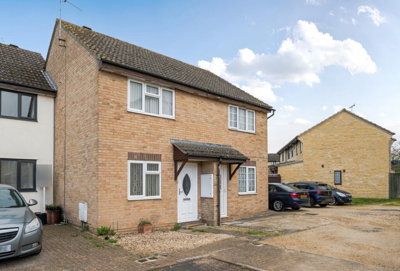
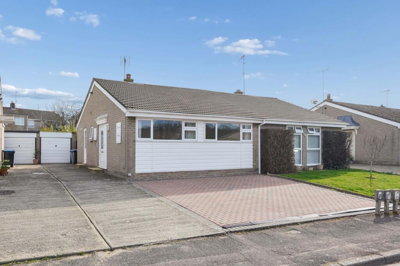
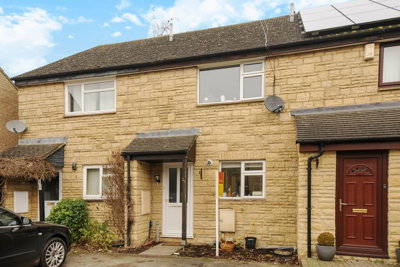
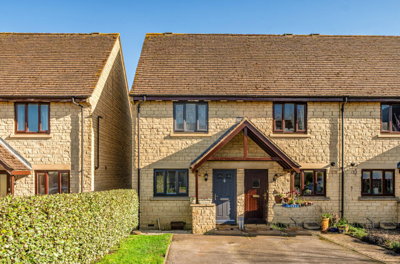
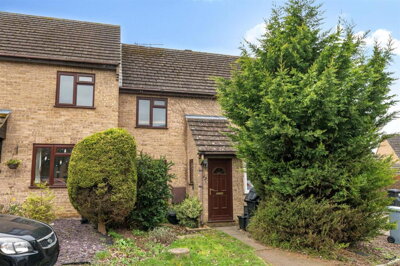
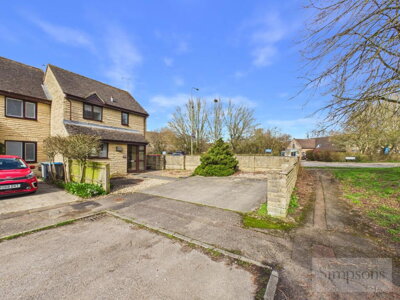
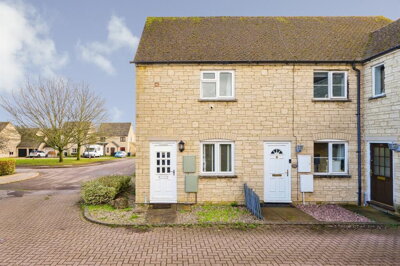
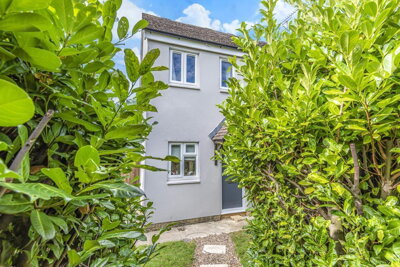
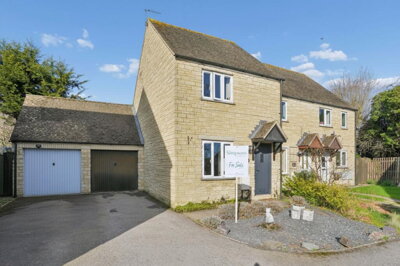
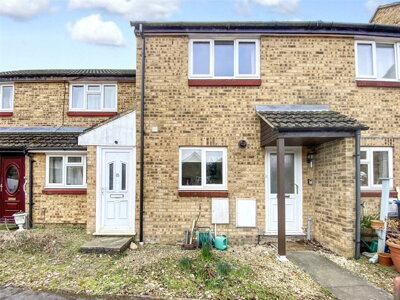
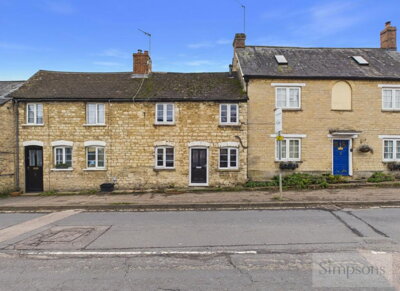
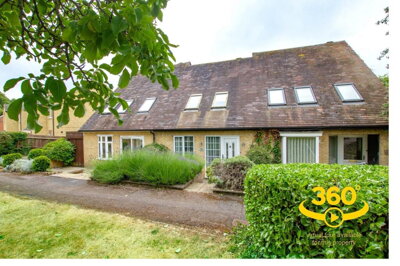
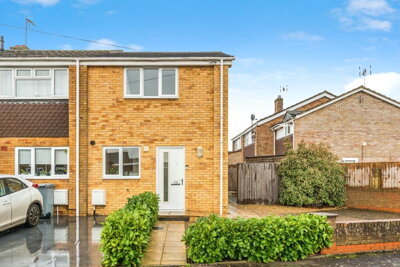
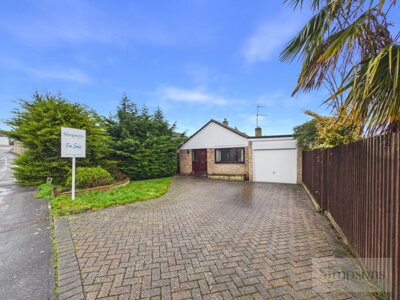
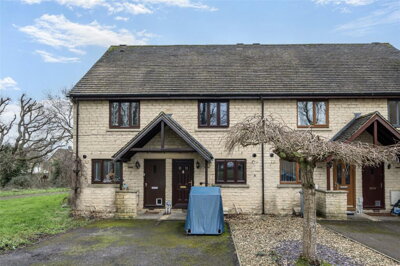
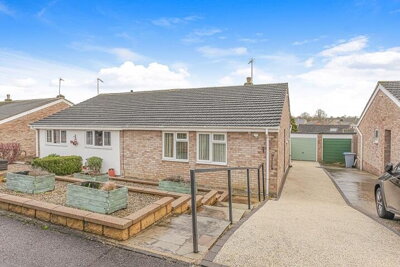
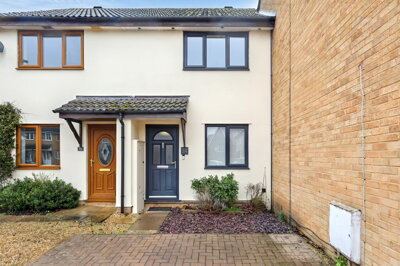
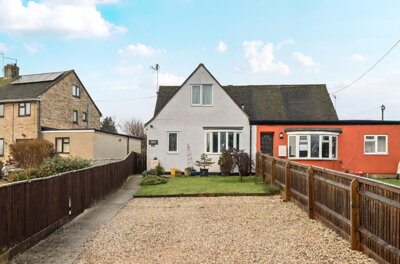
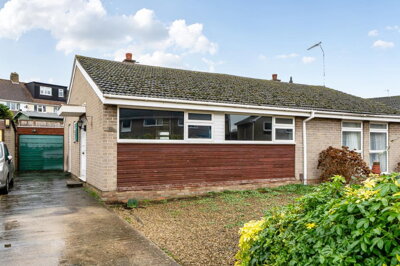
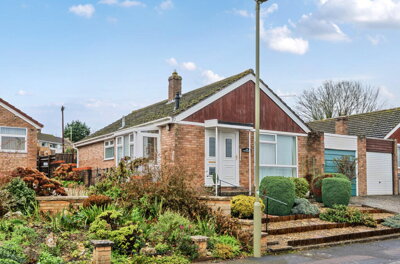
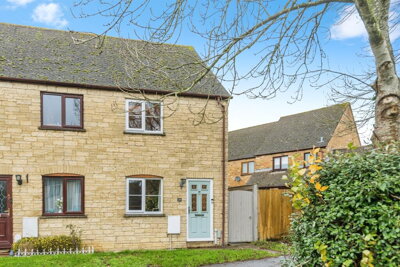
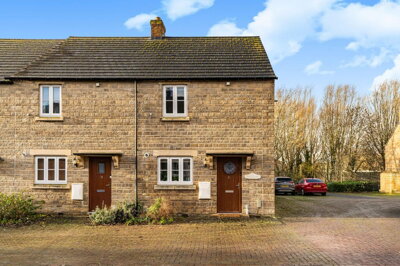
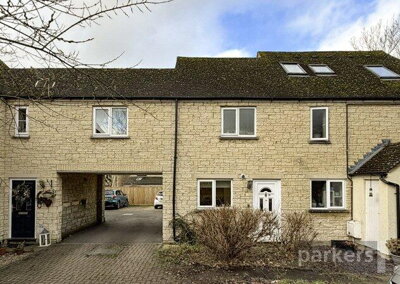
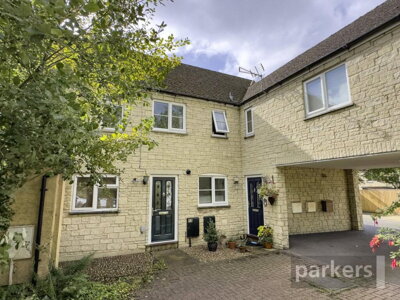
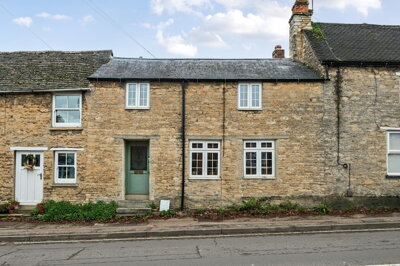
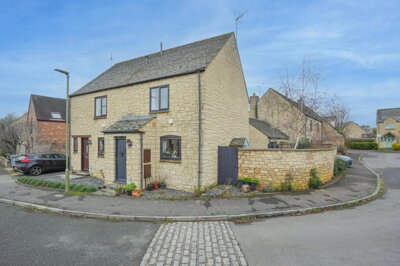
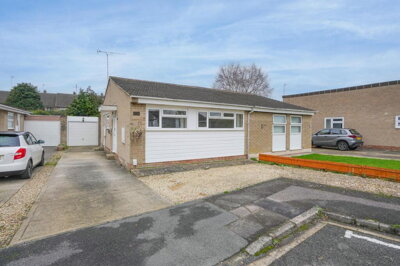
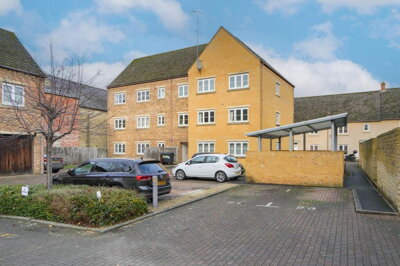
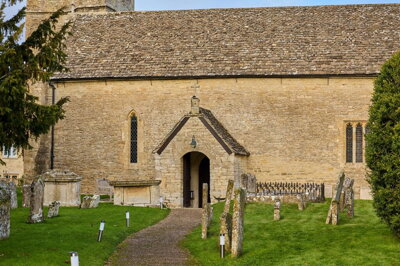
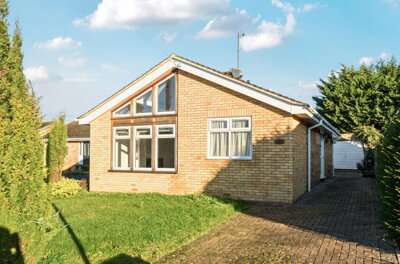
Browse 44 homes for sale in Ducklington, West Oxfordshire from local estate agents.
The 2 bed house market features detached, semi-detached, and terraced properties with two separate bedrooms plus living spaces. Properties in Ducklington range from Victorian and Edwardian period homes to modern new builds, with pricing varying across different neighbourhoods.
£0k
0
0
0
Source: home.co.uk
Showing 0 results for 2 Bedroom Houses for sale in Ducklington, West Oxfordshire.
The Ducklington property market offers a diverse range of homes to suit different buyer requirements and budgets. Detached properties command the highest prices in the area, with an average sale price of £533,000 reflecting the desirability of spacious family homes with gardens and off-street parking. Semi-detached properties sold for an average of £431,667 over the past year, making them an attractive option for families seeking generous accommodation without the premium associated with detached homes. Terraced properties fetched an average of £313,750, providing a more accessible entry point for first-time buyers or those seeking a character property in this sought-after village location.
According to ONS Census 2021 data, whole houses or bungalows represent 93.5% of the local housing stock, with flats, maisonettes, and apartments comprising just 6.2%. This distribution reflects Ducklington's predominantly suburban character, where detached and semi-detached family homes dominate the residential landscape. The remaining 0.3% consists of caravans or other mobile or temporary accommodation, consistent with the village's rural setting within the Upper Thames Clay Vale.
The local housing stock reflects Ducklington's historical development, blending centuries-old thatched cottages and farmsteads with more recent housing estates constructed to the south-west of the village. Within the Conservation Area, traditional grey limestone construction predominates, with coursed rubble for humbler properties and ashlar or worked stone dressings for higher-status dwellings. The earliest surviving secular buildings date from the late 16th or early 17th centuries, while 19th-century additions include the Italianate Yew Tree Farm, the old school, and the Baptist Chapel of 1868. This architectural diversity means buyers can choose between the character of period properties and the practical benefits of modern construction methods.
Two significant planning applications are currently in progress, including a development of up to 38 homes south of Standlake Road featuring 40% affordable housing and a further 105 dwellings east of Witney Road known as The Moors. The Standlake Road development will include vehicular access from Standlake Road with landscaping and public open space, while the larger Witney Road scheme has faced previous planning battles due to flood risk concerns. Both developments will expand the housing supply in coming years, potentially affecting property values in different parts of the village.

Life in Ducklington revolves around community spirit and the convenience of village amenities combined with easy access to larger towns. The village centre retains its historic character, centred around the 12th-century Church of Saint Bartholomew and the traditional high street with its mix of period properties and local businesses. The Bell public house serves as a focal point for social life, offering locally sourced food and regular community events that bring residents together throughout the year. The village hall hosts various clubs, societies, and events, while sports facilities cater to those interested in outdoor activities and maintaining an active lifestyle.
The natural landscape surrounding Ducklington provides ample opportunities for recreation and relaxation. The village sits within the lowland landscape of the Upper Thames Clay Vale, with walking routes crossing the surrounding countryside and along the River Windrush. The local geology, dominated by alluvium and terrace gravels, has shaped both the landscape and the traditional building methods of the area. Residents benefit from the proximity to Witney, just across the A40 trunk road, where larger supermarkets, high street shops, healthcare facilities, and restaurants are readily available. Oxford is accessible for those working in the city or seeking cultural attractions, theatres, and university facilities.
Ducklington functions primarily as a commuter village, with many inhabitants working in nearby Witney or Oxford. Key employers in the surrounding area include the Witney business parks, Oxford's hospitals and university sector, and various manufacturing and service industries throughout West Oxfordshire. The village's post-war bypass has been instrumental in reducing through-traffic, maintaining a quieter environment within the residential areas while still providing convenient access to the strategic road network. This combination of rural charm and urban connectivity makes Ducklington particularly attractive to professionals seeking a balanced lifestyle.

Education provision in Ducklington centres on the local primary school, which serves families with children from Reception through to Year 6. The school is situated within the village, providing a convenient option for young families who wish to minimise school runs and enable children to walk or cycle to lessons. Ducklington Primary School forms part of the local education system, with pupils typically progressing to secondary schools in the surrounding area. The presence of a good primary school within the village is a significant factor for families considering a move to Ducklington, contributing to the area's appeal among parents seeking a balanced lifestyle.
Secondary education options for Ducklington residents include schools in nearby Witney and the surrounding West Oxfordshire area, with several establishments offering a range of academic and vocational programmes. Families should research specific catchment areas and admission policies when considering secondary school options, as these can vary and influence property values in different parts of the village. The 2021 Census recorded the parish population as 1,585, with the current estimate of 1,819 suggesting steady growth in recent years. For sixth form and further education, the nearby towns provide access to colleges offering A-levels and vocational qualifications, while Oxford's universities and colleges remain an option for older students pursuing higher education.
The strong educational infrastructure in the region makes Ducklington an attractive location for families at all stages of schooling. Properties located within the catchment area of highly regarded schools often command a premium, and prospective buyers should factor school catchment information into their property search. For families considering older properties within the Conservation Area, the potential for future extensions or alterations may be restricted, which could affect the long-term suitability of the property as family needs change.
Ducklington enjoys excellent transport connections that make it particularly attractive to commuters working in Oxford, Witney, or further afield. The A40 trunk road runs east-west through the area, effectively separating Ducklington from its larger neighbour Witney while providing direct access to Oxford city centre to the east. This strategic road connection allows residents to reach Oxford in approximately 30 minutes by car, depending on traffic conditions, making day-to-day commuting feasible for those working in the city. The A415 road heading south provides connections to Abingdon and the wider Oxfordshire road network, opening routes to the south and west of the county.
Public transport options complement the road connections, with bus services operating in the area providing links to nearby towns and villages. The nearby town of Witney offers additional transport choices, including bus services connecting to Oxford and other destinations in Oxfordshire. For rail travel, the mainline stations at Oxford and Didcot Parkway provide access to national rail services, with regular trains to London Paddington, Birmingham, and other major destinations. Many Ducklington residents appreciate the flexibility of being able to travel by car when needed while having public transport options available for commuting or leisure journeys.
The village's post-war bypass has been instrumental in reducing through-traffic, maintaining a quieter environment within the residential areas. However, prospective buyers should be aware that properties located close to the A40 may experience some road noise, particularly during peak commuting hours. Those sensitive to traffic noise should consider viewing properties at different times of day and during different traffic conditions before committing to a purchase. The strategic positioning of Ducklington between Oxford and Witney makes it a practical choice for those who need access to both employment centres.
Begin by exploring current listings and recently sold prices in Ducklington to understand the market dynamics. With detached properties averaging £533,000 and terraced homes around £313,750, knowing your budget helps narrow your search effectively. Review the planning applications for new developments at Standlake Road and Witney Road, as these will affect future housing supply in the village.
Contact lenders to obtain an Agreement in Principle before viewing properties. This demonstrates your financial readiness to estate agents and sellers when making offers on homes in Ducklington. Given the average property price of £458,750, most buyers will require a substantial mortgage, so comparing rates from multiple lenders is advisable.
Visit shortlisted properties in Ducklington, paying attention to flood risk areas near the River Windrush, construction materials, and proximity to the A40 if noise sensitivity is a concern. For Conservation Area properties, assess the condition of traditional limestone walls, thatched roofs, and original features that may require specialist maintenance. Properties on Bridge Street, Riverside Gardens, and Millers Mews warrant particular attention to flood risk.
For older properties in the Conservation Area or traditional limestone cottages, a Level 2 survey provides detailed assessment of condition. A RICS Level 2 Survey for a three-bedroom property costs approximately £437, rising to around £495 for four-bedroom homes. Properties above £500,000 average £586 for a survey. Given the prevalence of traditional construction in Ducklington, a thorough survey is particularly valuable for identifying potential issues with limestone walls, lime mortar pointing, and timber-framed elements.
Appoint a conveyancing solicitor to handle the legal aspects of your purchase, including local searches, title checks, and coordination with the Land Registry. Your solicitor should investigate any planning permissions relevant to the property, particularly for properties in the Conservation Area where permitted development rights may be restricted. They will also coordinate with the Land Registry to ensure the title is registered correctly.
Once all searches are satisfactory and finances are confirmed, your solicitor will coordinate the exchange of contracts and final completion, when you will receive the keys to your new Ducklington home. Allow time for the mortgage lender to arrange valuations if applicable, and ensure buildings insurance is in place from the point of contract exchange. Your solicitor will notify the Land Registry and local authority of the change of ownership.
Prospective buyers considering properties in Ducklington should be aware of several location-specific factors that can influence their purchase decision and long-term satisfaction with the property. Flood risk is a significant consideration, as Ducklington is situated on the River Windrush and parts of the village fall within flood zone three, the highest risk category. The River Windrush at Witney and Ducklington is a flood warning area, meaning flooding to some property is expected when warnings are in force. Properties on Bridge Street, Riverside Gardens, Woodford Mill, Millers Mews, West End, and West End Industrial Estate are particularly susceptible during periods of high river levels.
The area south of the A40 and west of Queen Emma's Dyke in Ducklington has an underrepresented flood risk from main rivers, and the Flood Map for Planning has been updated to reflect that the site known as The Moors is within flood zone three. A thorough review of the Environment Agency flood maps and appropriate building survey can help buyers understand the specific risk to any property they are considering. Properties in higher-risk areas may require flood resilience measures, and buildings insurance premiums could be higher.
The presence of a Conservation Area and 25 listed buildings means that properties in certain parts of Ducklington may be subject to additional planning controls and restrictions. Any external alterations, extensions, or demolition works within the Conservation Area require approval from West Oxfordshire District Council, and listed buildings have specific protections under the planning system. Buildings listed include properties on Witney Road, Church Street, Brecon Cottage, and Peartree Cottage, along with several chest tombs at the Church of St Bartholomew. Buyers should factor in these considerations when evaluating properties, particularly if they anticipate wanting to make changes to the property in the future.
The traditional construction methods used in older properties, including local grey limestone and traditional lime mortar, may require specialist maintenance approaches that differ from modern construction standards. Common issues in older Ducklington properties include damp related to traditional construction methods, roof defects requiring specialist assessment, timber defects such as rot or woodworm, and potentially outdated electrical and plumbing systems. For listed buildings or properties requiring extensive alterations, a more comprehensive RICS Level 3 Building Survey would likely be recommended. Given the underlying geology of alluvium and terrace gravels within the Upper Thames Clay Vale, properties should be inspected for signs of subsidence or ground movement, particularly where clay deposits create shrink-swell potential. A comprehensive survey will identify any structural concerns, while investigation of drainage and foundations provides additional reassurance regarding ground conditions.
The average house price in Ducklington over the past year was £458,750, according to property sales data. Detached properties sold for an average of £533,000, semi-detached homes for £431,667, and terraced properties for £313,750. These figures reflect the premium associated with larger family homes in this desirable West Oxfordshire village, with prices influenced by the area's character, conservation status, and transport connections to Oxford and Witney. Historical data shows prices were 10% down on the previous year and 5% down on the 2022 peak of £482,326, suggesting some market correction in recent months.
Properties in Ducklington fall under West Oxfordshire District Council's jurisdiction for council tax purposes. Bands range from A to H depending on the property's assessed value, with most traditional cottages and modern homes in the B to D range. Prospective buyers should check the specific band for any property they are considering, as council tax forms part of the ongoing cost of homeownership in Ducklington. Council tax bands can be verified through the Valuation Office Agency website using the property address.
Ducklington Primary School serves the village for Reception through Year 6 pupils and is conveniently located within the community. For secondary education, students typically attend schools in nearby Witney or the wider West Oxfordshire area, with several options available offering different curricula and extracurricular programmes. The presence of a village primary school is a significant advantage for families, reducing the need for daily travel to larger towns for younger children. Families should research specific catchment areas and admission policies, as these can vary and influence which schools their children can access.
Ducklington benefits from road connections via the A40 trunk road, which provides access to Oxford and Witney, while the A415 connects to Abingdon and southern Oxfordshire. Bus services operate in the area, linking Ducklington to nearby towns including Witney, where additional bus routes connect to Oxford and other destinations. Rail connections are available from Oxford and Didcot Parkway stations, which offer regular services to London Paddington and other national destinations. Many residents choose to combine public transport with cycling or car travel for flexibility, and the journey to Oxford city centre takes approximately 30 minutes by car.
Ducklington presents several factors that make it attractive to property investors. The village benefits from strong transport links to major employment centres in Oxford and Witney, a conservation designation that helps protect property values, and planned new developments that will expand housing supply. The average price of £458,750 positions the village competitively within the Oxfordshire property market, while the limited availability of properties for sale creates ongoing demand. Properties near the River Windrush require consideration of flood risk, which should factor into any investment decision. The planned developments at Standlake Road and Witney Road will add new housing stock, potentially affecting rental yields and capital growth in different segments of the market.
Stamp Duty Land Tax rates for 2024-25 are 0% on the first £250,000 of property value, 5% between £250,001 and £925,000, 10% between £925,001 and £1.5 million, and 12% above £1.5 million. First-time buyers benefit from relief on properties up to £625,000, paying 0% on the first £425,000 and 5% on the amount between £425,001 and £625,000. For a typical Ducklington property at the average price of £458,750, a standard buyer would pay £10,438 in stamp duty, while first-time buyers would pay £1,688.
Ducklington is situated on the River Windrush, and the village falls within flood warning areas managed by the Environment Agency. The highest risk areas are in flood zone three, which includes properties on Bridge Street, Riverside Gardens, Woodford Mill, Millers Mews, West End, and West End Industrial Estate. The site known as The Moors east of Witney Road is also within flood zone three, which has been a factor in planning considerations for the proposed residential development there. Prospective buyers should check the Environment Agency flood maps and consider whether flood resilience measures would be appropriate for any property they are considering.
There are currently two significant planning applications in progress for new developments in Ducklington. Victoria Land Promotion Ltd has submitted plans for up to 38 new homes south of Standlake Road, including 40% affordable housing with a mix of one to four-bedroom homes. Ainscough Strategic Land has submitted a reserved matters application for 105 dwellings east of Witney Road, known as The Moors, which has previously been subject to planning battles due to flood risk concerns. Both developments will provide additional housing options and may affect property values in different parts of the village as they are completed.
Understanding the full cost of purchasing a property in Ducklington requires careful budgeting beyond the headline purchase price. Stamp Duty Land Tax forms a significant element of the upfront costs, with the standard rate applying 0% duty on the first £250,000, 5% on the portion between £250,001 and £925,000, 10% on amounts from £925,001 to £1.5 million, and 12% on anything above £1.5 million. For the majority of properties in Ducklington, where the average price sits at £458,750, most buyers would expect to pay stamp duty of approximately £10,438 on completion.
First-time buyers purchasing property in Ducklington benefit from enhanced relief that reduces their stamp duty liability considerably. The first-time buyer exemption applies to properties up to £625,000, with 0% duty on the first £425,000 and 5% on amounts between £425,001 and £625,000. At the average Ducklington price of £458,750, a first-time buyer would pay approximately £1,688 in stamp duty, representing a significant saving of £8,750 compared to standard rates. Those purchasing above £625,000 do not receive first-time buyer relief on any portion of the purchase price.
Additional buying costs include solicitor fees for conveyancing, typically ranging from £500 to £1,500 depending on the complexity of the transaction and whether the property is freehold or leasehold. Survey costs should also be factored in, with a RICS Level 2 Survey for a standard three-bedroom property costing approximately £437, rising to around £495 for four-bedroom homes and £559 for five-bedroom properties. Properties valued above £500,000 typically incur higher survey fees, averaging £586. Local search fees, Land Registry registration costs, and removal expenses complete the typical budget for moving to a new property in Ducklington.
From £420
Expert assessment of property condition for conventional homes
From £550
Comprehensive structural survey for older or complex properties
From £85
Energy performance certificate for your property
From £499
Legal services for property purchase
From 4.5%
Competitive mortgage rates for Ducklington buyers
Properties for Sale In London

Properties for Sale In Plymouth

Properties for Sale In Liverpool

Properties for Sale In Glasgow

Properties for Sale In Sheffield

Properties for Sale In Edinburgh

Properties for Sale In Coventry

Properties for Sale In Bradford

Properties for Sale In Manchester

Properties for Sale In Birmingham

Properties for Sale In Bristol

Properties for Sale In Oxford

Properties for Sale In Leicester

Properties for Sale In Newcastle

Properties for Sale In Leeds

Properties for Sale In Southampton

Properties for Sale In Cardiff

Properties for Sale In Nottingham

Properties for Sale In Norwich

Properties for Sale In Brighton

Properties for Sale In Derby

Properties for Sale In Portsmouth

Properties for Sale In Northampton

Properties for Sale In Milton Keynes

Properties for Sale In Bournemouth

Properties for Sale In Bolton

Properties for Sale In Swansea

Properties for Sale In Swindon

Properties for Sale In Peterborough

Properties for Sale In Wolverhampton

Enter your details to see if this property is within your budget.
Loans, cards, car finance
Estimated property budget
Borrowing + deposit
You could borrow between
Typical borrowing
Monthly repayment
Est. at 4.5%
Loan-to-value
This is an estimate only. Your actual budget may vary depending on interest rates, credit history, and personal circumstances. For an accurate affordability assessment, speak to one of our free mortgage advisors.
This calculator provides estimates for illustrative purposes only and does not constitute financial advice. Your home may be repossessed if you do not keep up repayments on your mortgage. Estimates based on 4.5% interest rate, repayment mortgage. Actual rates depend on your circumstances.
Homemove is a trading name of HM Haus Group Ltd (Company No. 13873779, registered in England & Wales). Homemove Mortgages Ltd (Company No. 15947693) is an Appointed Representative of TMG Direct Limited, trading as TMG Mortgage Network, which is authorised and regulated by the Financial Conduct Authority (FRN 786245). Homemove Mortgages Ltd is entered on the FCA Register as an Appointed Representative (FRN 1022429). You can check registrations at NewRegister or by calling 0800 111 6768.

We use cookies to show you personalised content and improve your experience of our website. Find out more in our Privacy policy and Cookie policy.