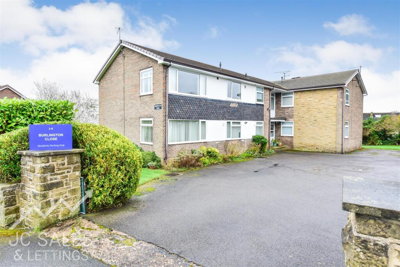
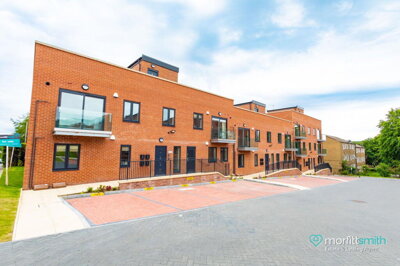
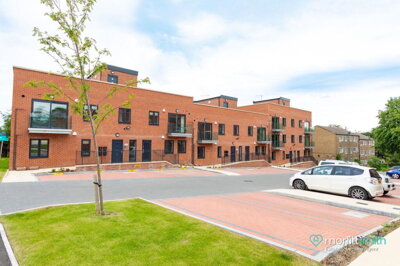
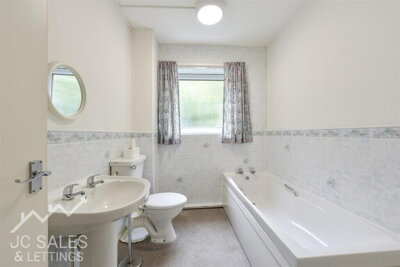
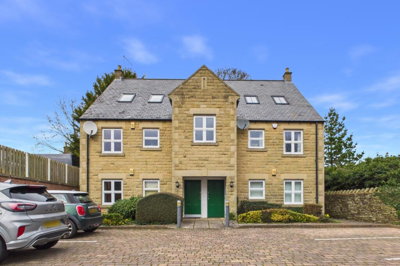
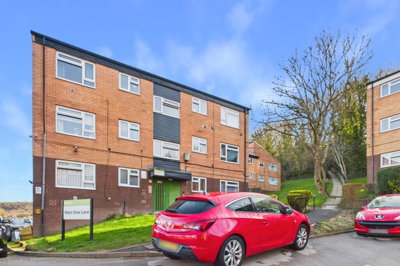
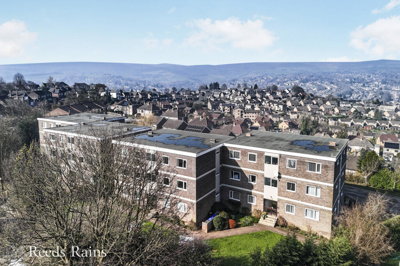
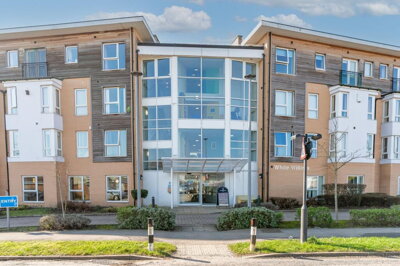
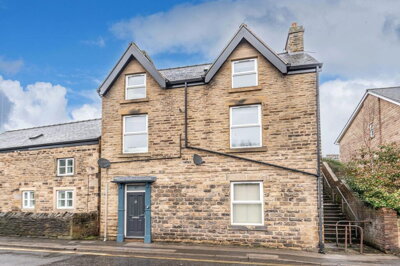
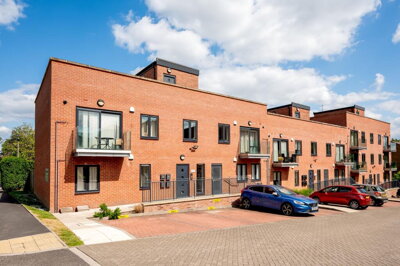
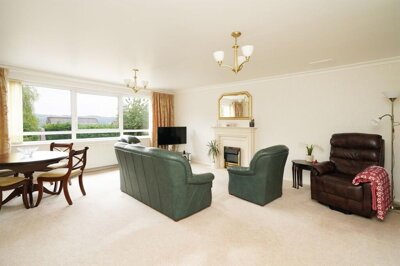
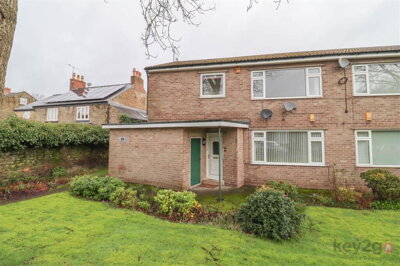
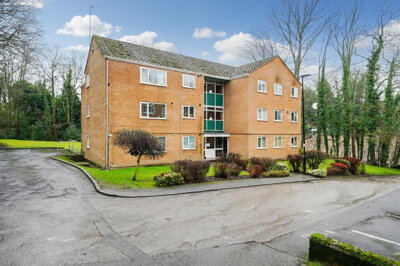
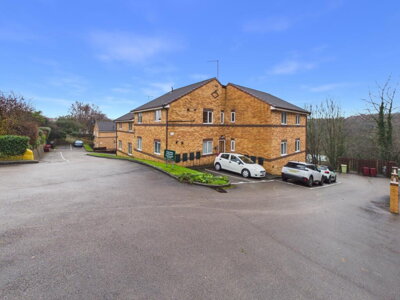
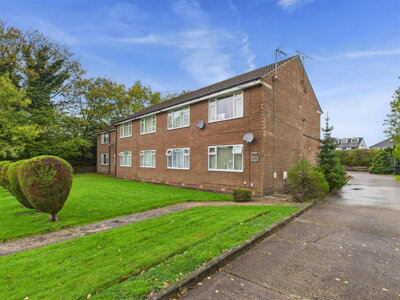
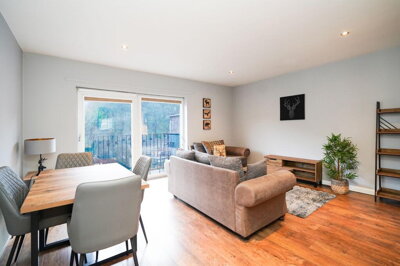
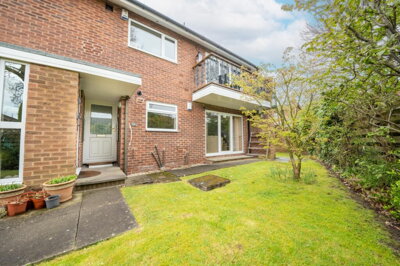
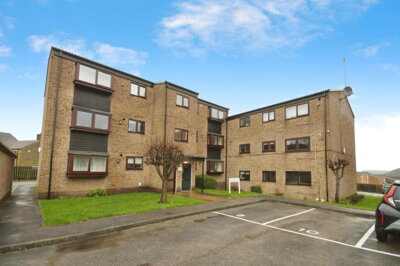
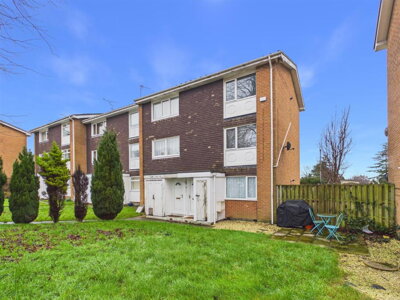
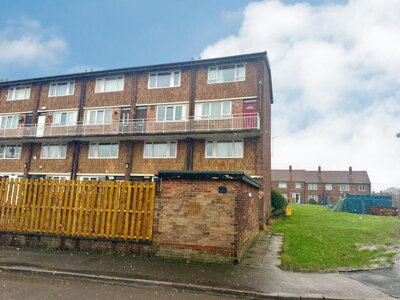
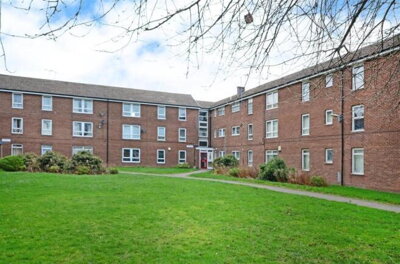
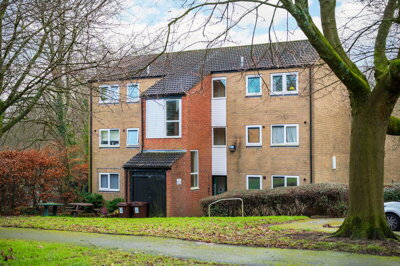
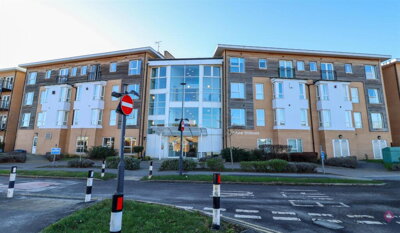
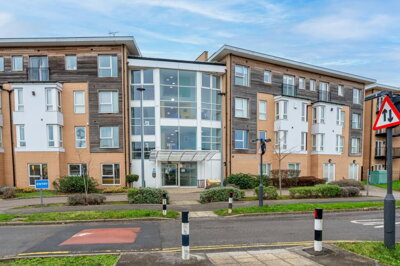
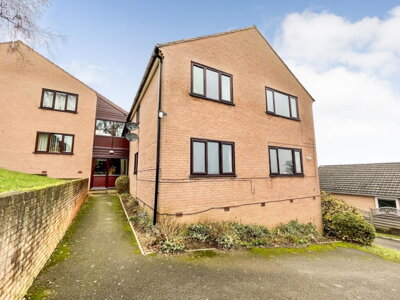
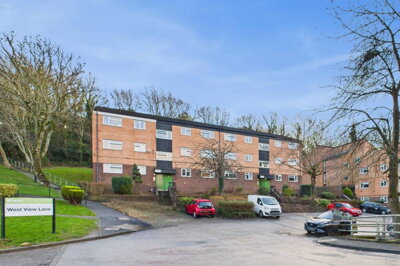
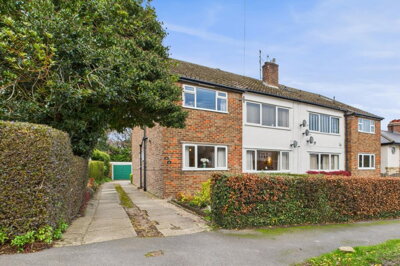
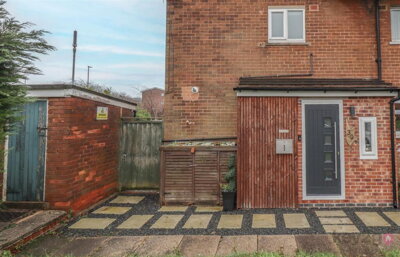
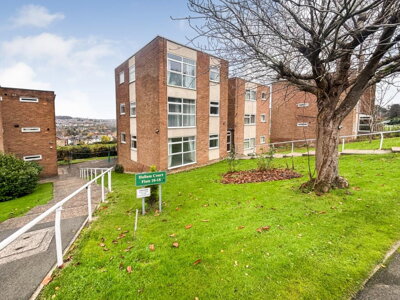
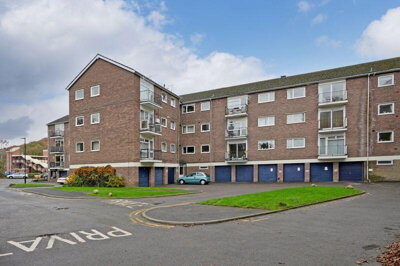
Browse 52 homes for sale in Dronfield, North East Derbyshire from local estate agents.
Studio apartments feature open-plan living spaces without separate bedrooms, incorporating sleeping, living, kitchen, and bathroom facilities. The Dronfield studio market includes properties in modern apartment complexes, converted Victorian and Georgian buildings, and purpose-built developments.
£160k
1
0
19
Source: home.co.uk
Showing 1 results for Studio Flats for sale in Dronfield, North East Derbyshire. The median asking price is £160,000.
Source: home.co.uk
Flat
1 listings
Avg £160,000
Source: home.co.uk
Source: home.co.uk
£246,250
Median House Price
Mid Suffolk
Village District
7 miles
Distance to Ipswich
From £455,000
Recent Detached Sales
The Swilland property market reflects the character of the village itself - modest in scale but strong in appeal. Our current listings feature a range of property types including detached homes with prices typically ranging between £400,000 and £600,000 for larger family residences. Recent sales data shows detached properties achieving a median price of £506,500 in 2024, with specific transactions including Forge Cottage on High Road which sold for £558,000 in May 2024 and Wutherings, also on High Road, which changed hands for £455,000 in November 2024.
Semidetached properties represent excellent value in Swilland, with the market showing particularly strong activity in 2024. A semidetached home at 2 Charity Cottages on Swilland Road sold for £475,000 in August 2024, demonstrating robust demand for properties offering character and practical family accommodation. The broader Mid Suffolk district, within which Swilland sits, has experienced a 5.2% increase in average house prices from December 2024 to December 2025, indicating healthy market conditions for both buyers and sellers in this rural location.
Properties in Swilland benefit from limited supply, with village homes rarely appearing on the market, creating competitive conditions when desirable properties do become available. The village attracts buyers from across the region seeking the combination of rural charm and practical connectivity that Swilland provides. Current market activity suggests steady interest from families, professionals working in Ipswich and beyond, and retirees looking to downsize to a peaceful countryside location while remaining within reach of essential services.

Swilland embodies the essence of traditional English village life, characterised by winding country lanes, centuries-old cottages, and a close-knit community that welcomes newcomers warmly. The village forms part of the larger rural community of East Suffolk, where agriculture remains central to the local economy and landscape. Residents enjoy walking through farmland, exploring public footpaths that connect the village to neighbouring communities, and participating in village events that have continued for generations.
The village location provides easy access to the market town of Ipswich, approximately seven miles away, where residents find comprehensive shopping facilities, healthcare services, and cultural attractions including museums, theatres, and restaurants. For everyday needs, the surrounding area includes village pubs, local farm shops, and farm-gate sellers offering fresh produce directly from the fields. The geology of this part of Suffolk consists predominantly of Cenozoic sedimentary rocks including various clays, sands, and gravels, contributing to the fertile agricultural land that defines the local landscape.
Daily life in Swilland centres around community connections and the natural surroundings. Local pubs provide venues for socialising, while village halls host events throughout the year. The proximity to Ipswich means residents can access larger supermarkets, specialist retailers, and medical facilities without committing to daily town living. Weekend activities often revolve around exploring the Suffolk countryside, with the coast accessible for day trips and numerous nature reserves within easy driving distance.
Families considering a move to Swilland will find several educational options within reasonable travelling distance. The village falls within the catchment area for primary schools serving the rural communities around Ipswich, with several Good and Outstanding rated schools located in nearby villages and towns. Parents should research specific school allocations with the local education authority, as catchment boundaries can influence which schools children attend based on residential address.
Secondary education options in the surrounding area include well-regarded comprehensive schools and selective grammar schools accessible through the examination process. For families requiring sixth form or further education provisions, the facilities in Ipswich offer a comprehensive range of A-level courses and vocational qualifications. Several independent schools in the broader Suffolk area also provide alternatives for families seeking specialist educational environments. Transport arrangements to secondary schools should be confirmed before committing to a property purchase, as rural bus services may affect journey times.
Early years childcare and preschool facilities are available in surrounding villages, with registered childminders providing flexible care options for working parents. Suffolk County Council maintains information about available childcare across the district, helping families plan their move to Swilland with confidence. Schools in the Mid Suffolk area generally perform well in national comparisons, making the location attractive for families prioritising educational outcomes.
Transport connections from Swilland reflect its rural village character while still offering practical options for commuters. The village sits within easy reach of the A14 trunk road, which provides direct access to Ipswich to the southwest and extends eastwards to Felixstowe, one of Britain's major container ports. This road network also connects residents to Cambridge and the M11 motorway beyond, opening up broader commuting possibilities for those working in knowledge economy sectors.
Public transport options include bus services connecting Swilland to Ipswich and surrounding villages, though frequencies may be limited compared to urban routes. For international travel, Norwich Airport offers flights to European destinations, while London Stansted provides a broader range of domestic and international connections. The mainline railway station at Ipswich offers regular services to London Liverpool Street, with journey times of approximately one hour, making Swilland viable for commuters seeking to work in the capital while enjoying countryside living.
Daily life in Swilland typically requires private vehicle ownership given the limited public transport frequencies. Many residents combine remote working with occasional office visits, taking advantage of the village's road connections to reach major employment centres. Weekend travel often involves visiting larger towns for shopping, entertainment, and family activities, with the A14 providing reliable access throughout the year. Cycling is popular on quieter country lanes, though riders should be prepared for the hilly terrain that characterises parts of the surrounding countryside.
Spend time exploring Swilland and surrounding villages to understand the local property market, community atmosphere, and practical considerations such as broadband speeds and mobile signal coverage. Visit at different times of day and week to gauge traffic levels and noise from nearby farms. Speak to existing residents about their experience of living in the village, including access to amenities and any seasonal factors to consider.
Before viewing properties, obtain a mortgage agreement in principle from a lender to confirm your budget and demonstrate your seriousness as a buyer. This step strengthens your position when making offers in what can be a competitive market for desirable village homes. Speak to our mortgage partners who understand the rural property market and can advise on products suitable for village properties.
Work with local estate agents to arrange viewings of properties matching your criteria. Take notes, ask questions about the property history, any planning permissions granted, and speak to neighbours if possible to understand the area better. Our platform connects you with agents active in the Swilland market who can guide you through available properties and recent comparable sales.
Once you have a property under offer, arrange a RICS Level 2 Survey (Homebuyer Report) to assess the condition of the property. This is particularly important for older properties in Swilland, where traditional construction methods may have specific maintenance requirements. Our inspectors have experience surveying period properties in rural Suffolk and can identify issues common to the local housing stock.
Choose a conveyancing solicitor to handle the legal aspects of your purchase. They will conduct searches, review contracts, and coordinate with the seller's legal team to ensure a smooth transaction through to completion. Our conveyancing partners understand rural property transactions and can advise on any specific considerations affecting properties in Swilland.
After all searches are satisfactory and finances are confirmed, your solicitor will exchange contracts and set a completion date. On completion day, the remaining funds are transferred and you receive the keys to your new Swilland home. Our team can connect you with all the services you need to complete your purchase smoothly.
Swilland's housing stock predominantly consists of period properties that reflect the village's long agricultural history and rural character. The majority of homes in the village predate the Second World War, constructed using traditional methods and materials that were standard in East Anglia for generations. These older properties often feature timber-framed construction, handmade bricks from local kilns, and clay or slate roofing tiles that age beautifully but require ongoing maintenance. When purchasing in Swilland, buyers should budget for the maintenance requirements that come with period properties, including repointing brickwork, replacing weathered timber elements, and ensuring adequate insulation without compromising the building's character.
Several properties in Swilland carry listed building status, recognising their architectural and historical significance within the village. Listed properties benefit from protections that preserve their distinctive features but also require adherence to strict guidelines when undertaking any alterations or improvements. The village's medieval parish church and remnants of former agricultural buildings contribute to the area's heritage character. Buyers interested in listed properties should discuss the implications with their surveyor and solicitor, as permitted development rights may be limited and specialist contractors may be required for any works.
The traditional construction methods used in Swilland's older properties bring both charm and practical considerations for prospective buyers. Many homes retain original features including exposed beams, open fireplaces, and sash windows that add character but may require updating to meet modern standards for energy efficiency and comfort. Timber-framed walls often have solid construction without cavity insulation, meaning heat loss can be higher than in modern properties. A thorough survey from our inspectors can identify any areas requiring attention and help buyers understand the investment needed to maintain these characterful homes properly.
Properties in Swilland include a mix of period cottages and more modern family homes, each presenting unique considerations for prospective buyers. Older properties may feature traditional construction techniques including timber frames and clay tile roofs, requiring careful assessment of their current condition and ongoing maintenance needs. When viewing properties, pay particular attention to the roof structure, damp-proof courses, and the condition of original windows, as these elements can indicate the overall maintenance investment required.
The local geology in this part of Suffolk includes clay-rich soils, which can present shrink-swell risks particularly for properties with shallow foundations. Buyers should review any available survey reports and consider commissioning a specialist foundation assessment if the property shows any signs of subsidence or movement. Additionally, check the tenure of any property carefully, as some homes may be leasehold or have unusual arrangements for rights of way or common land that affect use and future resale value.
Local property transactions provide useful market context when considering a purchase in Swilland. Recent sales include Forge Cottage on High Road, which achieved £558,000, Wutherings on the same road at £455,000, and 2 Charity Cottages on Swilland Road at £475,000 in August 2024. Understanding these comparable sales helps buyers assess whether a property is fairly priced relative to the local market. Our platform provides access to current listings and recent transaction data to support informed decision-making.
Properties in Swilland benefit from limited supply, with village homes rarely appearing on the market. When desirable properties do become available, they often attract competitive interest from buyers seeking rural lifestyles within commuting distance of major employment centres.
The median house price in Swilland stands at £246,250 based on available sales data. Detached properties tend to command higher prices, with a median of £506,500 recorded in 2024. Recent sales include Forge Cottage which sold for £558,000 and a semidetached property at 2 Charity Cottages on Swilland Road which achieved £475,000. The broader Mid Suffolk district has seen average prices increase by 5.2% over the past year, suggesting stable and potentially growing values for village properties.
Properties in Swilland fall under Mid Suffolk District Council for council tax purposes. Bands range from A through to H, with most traditional cottages and family homes typically falling in bands B to D. Prospective buyers should check specific properties with the local authority or the listing agent, as band assessments depend on the property's valuation relative to 1991 baseline values. Council tax bills fund essential local services including education, waste collection, and road maintenance throughout the district.
Swilland falls within catchment areas for several well-regarded primary schools in the surrounding rural communities. Secondary options in the broader Ipswich area include both comprehensive and grammar schools. Parents should contact Suffolk County Council's education admissions team for the most current information on school allocations and any catchment area changes affecting the Swilland postcode. Transport arrangements to secondary schools should be confirmed before committing to a purchase, as rural bus services may affect journey times for students.
Swilland has limited public transport options reflecting its rural village status. Bus services connect the village to Ipswich and neighbouring communities, though frequencies are lower than urban routes. For railway travel, Ipswich station provides regular services to London Liverpool Street with journey times around one hour. Residents typically rely on private vehicles as their primary transport method for daily commuting and errands.
Swilland offers solid investment potential for buyers seeking long-term growth in a desirable rural Suffolk location. The Mid Suffolk district has shown consistent price growth of 5.2% year-on-year, while properties in the village benefit from limited supply and consistent demand from buyers seeking village lifestyles within commuting distance of major employment centres. Traditional cottages and detached family homes particularly hold their value well in this market segment.
Stamp Duty Land Tax applies to all property purchases in England. For standard purchases, there is no SDLT on properties up to £250,000, with 5% charged on the portion between £250,001 and £925,000. First-time buyers benefit from relief on properties up to £425,000, paying 5% only on amounts between £425,001 and £625,000. At current median prices around £246,250, many Swilland properties may fall below the standard threshold or require only minimal SDLT, making this an attractive market for cost-conscious buyers.
From 4.5%
Expert mortgage advice for Swilland buyers
From £499
Expert legal services for your purchase
From £350
Comprehensive condition survey for your new home
From £85
Energy performance certificate
Understanding the full costs of purchasing property in Swilland extends beyond the advertised asking price. Beyond the property value itself, buyers should budget for Stamp Duty Land Tax, which for most standard purchases in England carries no charge on the first £250,000 of value. Given that Swilland's median property price sits at approximately £246,250, many buyers may find their purchase falls entirely within the nil-rate band, making this a particularly financially accessible village market compared to many locations near London or other major cities.
Additional purchasing costs include mortgage arrangement fees typically ranging from £500 to £2,000 depending on the lender and product chosen. Survey costs should be factored in, with a RICS Level 2 Homebuyer Report generally ranging from £350 to £800 depending on the property value and size. Conveyancing fees for a standard freehold purchase typically start from around £499 for basic legal services, though complex transactions involving leasehold properties or unusual arrangements may cost more. Searches and registration fees with the Land Registry and local authority usually total between £200 and £500. Buyers should also maintain a contingency fund equivalent to around 5% of the purchase price to cover unexpected costs or negotiated reductions following survey findings.
The village's position within the Mid Suffolk district means buyers also contribute to local council tax, which funds essential services including education, waste collection, and road maintenance. Annual council tax bills vary by property band, with most village homes falling in bands B through D. First-time buyers should factor in moving costs including removal services, potential storage requirements, and any immediate repairs or improvements needed once they take ownership of their new property.
Properties for Sale In London

Properties for Sale In Plymouth

Properties for Sale In Liverpool

Properties for Sale In Glasgow

Properties for Sale In Sheffield

Properties for Sale In Edinburgh

Properties for Sale In Coventry

Properties for Sale In Bradford

Properties for Sale In Manchester

Properties for Sale In Birmingham

Properties for Sale In Bristol

Properties for Sale In Oxford

Properties for Sale In Leicester

Properties for Sale In Newcastle

Properties for Sale In Leeds

Properties for Sale In Southampton

Properties for Sale In Cardiff

Properties for Sale In Nottingham

Properties for Sale In Norwich

Properties for Sale In Brighton

Properties for Sale In Derby

Properties for Sale In Portsmouth

Properties for Sale In Northampton

Properties for Sale In Milton Keynes

Properties for Sale In Bournemouth

Properties for Sale In Bolton

Properties for Sale In Swansea

Properties for Sale In Swindon

Properties for Sale In Peterborough

Properties for Sale In Wolverhampton

Enter your details to see if this property is within your budget.
Loans, cards, car finance
Estimated property budget
Borrowing + deposit
You could borrow between
Typical borrowing
Monthly repayment
Est. at 4.5%
Loan-to-value
This is an estimate only. Your actual budget may vary depending on interest rates, credit history, and personal circumstances. For an accurate affordability assessment, speak to one of our free mortgage advisors.
This calculator provides estimates for illustrative purposes only and does not constitute financial advice. Your home may be repossessed if you do not keep up repayments on your mortgage. Estimates based on 4.5% interest rate, repayment mortgage. Actual rates depend on your circumstances.
Homemove is a trading name of HM Haus Group Ltd (Company No. 13873779, registered in England & Wales). Homemove Mortgages Ltd (Company No. 15947693) is an Appointed Representative of TMG Direct Limited, trading as TMG Mortgage Network, which is authorised and regulated by the Financial Conduct Authority (FRN 786245). Homemove Mortgages Ltd is entered on the FCA Register as an Appointed Representative (FRN 1022429). You can check registrations at NewRegister or by calling 0800 111 6768.

We use cookies to show you personalised content and improve your experience of our website. Find out more in our Privacy policy and Cookie policy.