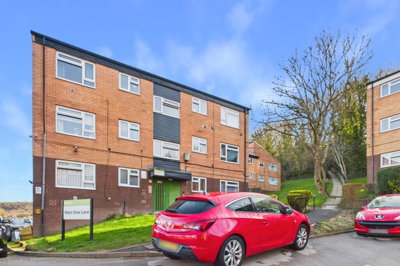
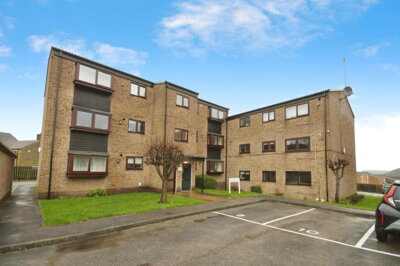
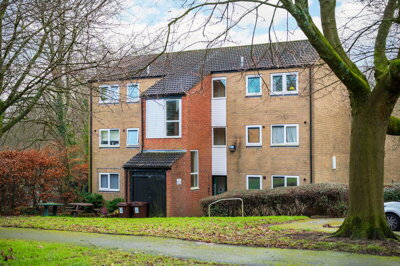
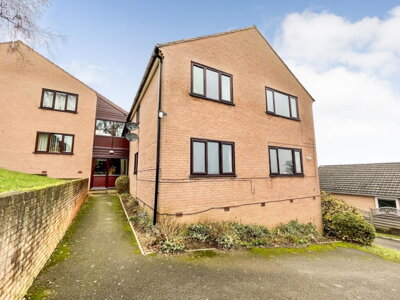
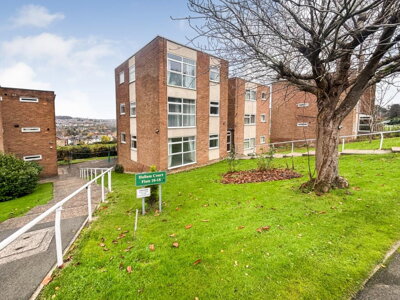
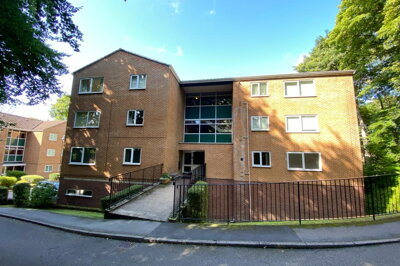
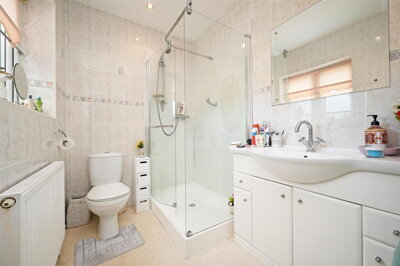
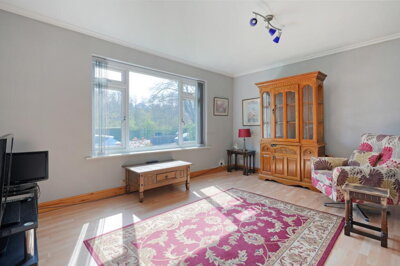
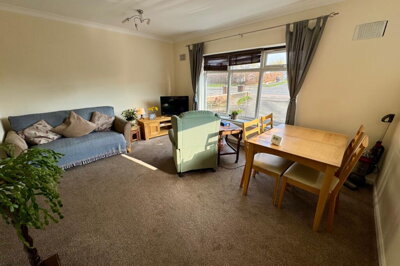
Browse 9 homes for sale in Dronfield, North East Derbyshire from local estate agents.
One bed apartments provide a separate bedroom alongside distinct living space, bathroom, and kitchen areas. Properties in Dronfield are available in various building types including mansion blocks, contemporary developments, and house conversions.
£0k
0
0
0
Source: home.co.uk
Showing 0 results for 1 Bedroom Flats for sale in Dronfield, North East Derbyshire.
The Swilland property market reflects its status as a small, desirable village in the Suffolk countryside, with detached homes commanding premium prices that significantly exceed the village median. Recent sales data shows detached properties achieving median prices of £506,500 in 2024 based on two recorded transactions, with individual sales including Forge Cottage on High Road, which sold for £558,000 in May 2024, and Wutherings, also on High Road, which changed hands for £455,000 in November 2024. These figures demonstrate continued demand for character properties with generous proportions and rural settings within the village, with high-specification homes attracting competitive interest from buyers seeking the quintessential Suffolk village experience.
Semi-detached properties in Swilland offer more accessible price points, with recent transactions including 2 Charity Cottages on Swilland Road, which sold for £475,000 in August 2024, though this sale reflects the premium commanded by renovated period cottages in the village rather than typical semi-detached pricing. The broader Mid Suffolk district has seen semi-detached prices rise by 6.4% over the past year, indicating strengthening demand across the area for family-sized accommodation. However, it is worth noting that terraced properties and flats remain scarce in Swilland itself, as the village predominantly consists of detached houses and traditional semis reflecting its historic development pattern around farms and estates rather than industrial or commercial development.
No new build developments have been verified within the IP6 postcode area, meaning buyers seeking brand new homes may need to expand their search to nearby settlements such as Woodbridge or Ipswich where larger housing developments are more common. This absence of new build supply in Swilland itself contributes to the village's character and exclusivity, as properties that do come to market are typically established homes with history and character rather than newly constructed equivalents. The limited turnover of just 56 total sales recorded in the village also means that opportunities to purchase in Swilland arise infrequently, making the market relatively tight-fisted for prospective buyers who have set their sights on this particular corner of East Suffolk.

Swilland is a small, tight-knit village community set amidst the rolling farmland of East Suffolk, offering residents a peaceful rural lifestyle while remaining within easy reach of the regional centre of Ipswich. The village character is quintessentially Suffolk, with historic properties featuring traditional materials including brick, timber frame, and render that reflect centuries of local building tradition. The presence of cottages dating back generations, evident in property names like Forge Cottage and Halfmoon Cottages, speaks to the village's deep agricultural roots and enduring appeal as a place to call home. Village life revolves around the sense of community and the landscape setting rather than commercial amenities, which are accessed in nearby towns.
The surrounding landscape of Mid Suffolk features the characteristic geology of the region, dominated by Cenozoic sedimentary formations including various clays, sands, and gravels that have been shaped by millions of years of natural processes. This geology contributes to the attractive countryside views and productive agricultural land that surrounds the village but does require consideration for property buyers, as clay-rich soils can present shrink-swell risks affecting properties with shallow foundations during periods of drought or heavy rainfall. Our inspectors frequently encounter foundation movement concerns in older East Suffolk properties where original construction predates modern building regulations, making a thorough survey essential before committing to purchase. Understanding the underlying ground conditions helps buyers appreciate why some older properties may show signs of cracking or subsidence that require professional assessment.
Community life in Swilland centres on its rural character, with local connections to neighbouring villages for essential services and a strong sense of village identity fostered by shared history and geography. Residents typically travel to nearby settlements for primary schools, convenience shopping, and medical services, with Woodbridge and Ipswich serving as the main centres for healthcare, retail, and leisure facilities. The village's location within the Mid Suffolk district means residents participate in local council services and elections, with the district council based in Needham Market handling planning applications, waste collection, and environmental services. This arrangement is typical of rural Suffolk villages, where community life balances local autonomy with reliance on nearby market towns for services that cannot be sustained by small populations alone.
Families considering a move to Swilland will find educational provision primarily located in nearby villages and the market town of Woodbridge, which offers a range of primary and secondary schooling options serving the surrounding rural communities. Primary education within reasonable distance includes schools in villages such as Rendlesham and Melton, which serve the surrounding rural communities with good reputations for pupil development and community engagement. Rendlesham Primary School, situated in the nearby settlement of Rendlesham which grew significantly following the closure of the nearby US Air Base, provides local primary education for families in the surrounding villages, while Melton Primary School offers another option for families closer to Woodbridge. These schools typically serve catchments that include families from multiple surrounding villages, reflecting the rural geography of the area.
The county of Suffolk generally maintains solid educational standards, with many schools achieving good or outstanding Ofsted ratings, though specific performance data for individual schools should be verified through official channels when considering catchment areas and examination results. Parents should research current school performance tables published by the Department for Education, which provide comparison data across key measures including reading, writing, and mathematics attainment at primary level and GCSE results at secondary level. For secondary education, students from Swilland typically travel to schools in Woodbridge or Ipswich, with Woodbridge School and Farlingaye High School among the options serving the southeastern Suffolk area. These schools have established reputations within the region, though competition for places can be keen given the rural nature of catchment areas where school transport links influence where families choose to reside.
Sixth form provision is available at these secondary schools and at colleges in Ipswich, providing progression routes for older students seeking A-level qualifications or vocational alternatives before university or employment. Suffolk has several sixth form colleges and further education institutions, with the county town of Ipswich offering the widest range of options including Suffolk New College, which provides both academic and vocational courses across multiple subject areas. Parents buying in Swilland should research current catchment arrangements with Suffolk County Council, as school admissions can be competitive in popular areas where demand from multiple villages exceeds available places. The village's rural location means that school transport arrangements and journey times should be factored into family moving decisions, particularly for secondary-aged children who may face longer daily journeys than would be typical for urban or suburban residents.
Swilland benefits from its position that balances rural tranquility with practical connectivity to larger settlements, making it viable for residents who need to commute to nearby towns for work while enjoying village living. The village is located within the IP6 postcode area, with the nearby A12 providing direct access to Ipswich to the south and Saxmundham to the north, connecting residents to the wider Suffolk road network and making car travel the primary mode of transport for most daily needs. Journey times to central Ipswich typically take around 25-30 minutes by car, while Colchester is accessible within approximately 45 minutes and Norwich within roughly an hour, positioning Swilland within reasonable reach of three significant East Anglia employment centres. The A14 trunk road also provides efficient links to Cambridge and the M11 motorway for residents who need to travel further afield for work.
Public transport options serving the Swilland area include bus services connecting the village to surrounding communities and market towns, though frequency is limited compared to urban routes and schedules should be checked for accuracy before relying on public transport for daily commuting. The bus services that do operate are often designed to serve school transport needs rather than commuter requirements, meaning weekday morning and afternoon services may be well-provided while midday and weekend options are more restricted. The nearest railway stations are located in Ipswich and Woodbridge, both offering connections to London Liverpool Street via the Great Eastern Main Line, with fastest journey times to the capital of approximately 75 minutes from Ipswich. Woodbridge station is particularly convenient for residents in the eastern part of the IP6 area, offering similar London services from a more local departure point.
For those working in Ipswich or commuting to London regularly, the proximity of Swilland to these rail hubs makes it a viable location for commuters seeking more space and a rural lifestyle without sacrificing employment connectivity. Many London commuters have discovered the appeal of living in Suffolk villages like Swilland, trading longer journeys for significantly more property for their money and a quality of life that urban living cannot match. Norwich International Airport provides regional and international flight connections for those requiring air travel, with the airport located approximately an hour's drive from Swilland and offering domestic flights to UK destinations as well as European holiday routes. East Anglian Railway Museum in Saxmundham, while primarily a heritage attraction, serves as a reminder of the region's strong rail heritage and the importance of railway connections to the local economy.
Start by exploring available properties in Swilland through Homemove, reviewing current listings and recent sales prices including detached homes averaging around £506,500 and semi-detached properties from £475,000. Understanding what your budget achieves in this specific village market helps set realistic expectations, and given the limited stock that typically becomes available in small villages, being well-informed about values and property types will help you act decisively when suitable homes appear. We recommend comparing asking prices against recent comparable sales such as Forge Cottage on High Road which achieved £558,000 to gauge whether properties are competitively priced.
Before scheduling viewings, obtain a mortgage agreement in principle from a lender. This strengthens your position when making offers and demonstrates to sellers that you have financing arranged, which is particularly important in villages like Swilland where sellers may receive multiple enquiries. Compare rates across multiple lenders including high street banks and specialist mortgage brokers who may have access to products better suited to rural property purchases. Given that many properties in Swilland are older or non-standard construction, some lenders may apply additional scrutiny, so understanding your borrowing capacity before viewing helps avoid disappointment.
Visit properties in Swilland to assess their condition, location within the village, and proximity to local amenities. Given the limited stock in small villages, be prepared to act quickly on suitable properties as homes in desirable rural locations can attract competitive interest from buyers seeking the same village lifestyle. Take notes and photographs to help compare options later, and consider visiting at different times of day to assess traffic, noise levels, and the general atmosphere of the neighbourhood. We recommend viewing properties multiple times before making an offer, particularly for homes where you may be placing a significant offer relative to your total budget.
Once you have an offer accepted, arrange a RICS Level 2 Survey for the property through Homemove. This is particularly important for older homes in Swilland, where issues such as damp, roof condition, and potential foundation concerns related to the local clay-rich geology should be professionally assessed before completion. The survey will identify defects that may not be visible during viewings and provide you with detailed information about the property's condition, expected maintenance costs, and any urgent repairs required. If significant issues are discovered, you may be able to renegotiate the purchase price or request that the seller address specific problems before completion.
Appoint a solicitor to handle the legal transfer of ownership, including local searches with Mid Suffolk District Council, title verification, and coordination with your mortgage lender. Conveyancing for village properties may involve additional checks related to rights of way, agricultural drainage, and planning history that reflect the rural nature of the location. Your solicitor will also investigate whether the property is in a conservation area or subject to any planning restrictions that could affect your plans for the property. Conveyancing typically takes 8-12 weeks for village properties, though this timescale can vary depending on the complexity of the title and whether any issues arise during the legal process.
After satisfactory survey results and legal checks, you will exchange contracts and pay your deposit, which is typically 10% of the purchase price though this can be negotiated depending on circumstances. Completion follows, typically a week or two after exchange, when you receive the keys to your new Swilland home and can begin settling into village life in this charming East Suffolk community. We recommend arranging building insurance to commence before exchange of contracts, as this is typically required by mortgage lenders and protects your investment from the point of contract commitment.
Property buyers considering Swilland should approach purchases with awareness of the village's predominantly older housing stock, much of which dates back decades or centuries and may have been constructed before modern building regulations were introduced. Historic cottages and farmhouses form the backbone of the available property stock, bringing character and charm but also potential maintenance considerations that differ from newer properties. These older properties often feature traditional construction methods such as timber frame structures, thatched roofs on some properties, and pargeted external render that require specialist knowledge to assess and maintain properly. Understanding the construction type and age of any property you are considering is essential for appreciating both its character and its potential maintenance requirements.
Given the Suffolk geology featuring clay-rich soils that can cause shrink-swell movement affecting foundations, buyers should pay particular attention to foundation conditions and any signs of movement or cracking, particularly in properties with shallower foundations typical of older construction. Our inspectors regularly identify foundation concerns in properties across East Suffolk where original footings may not meet modern standards for ground conditions that experience moisture variation. Look for cracks in walls that appear to be widening, doors and windows that stick or don't close properly, and any signs of subsidence or settlement around the property's perimeter. A thorough RICS Level 2 Survey will identify these issues and help you understand what remedial work may be needed.
Flood risk should be investigated using Environment Agency resources, though Swilland's inland position away from the coast makes it generally less vulnerable to the coastal erosion concerns that affect some Suffolk coastal communities. The village sits above the river valleys that carry drainage from the surrounding farmland, meaning surface water drainage and groundwater levels may be relevant considerations depending on the specific property location. For properties potentially falling within any conservation considerations, buyers should check with Mid Suffolk District Council regarding planning restrictions and permitted development rights that may affect renovation plans, as many villages in this part of Suffolk have designated conservation areas covering historic cores. The village's limited commercial development means residents typically travel to Ipswich or Woodbridge for shopping, healthcare, and other services, so factor these journey requirements into daily logistics and ensure this arrangement works for your household's needs and commitments.
The median house price in Swilland is £246,250 based on 56 recorded sales spanning various periods, though the composition of this median includes a wide range of property types and sizes available in the village. Detached properties have achieved significantly higher prices, with a median of £506,500 recorded in 2024 based on two verified sales, while individual premium sales have included Forge Cottage on High Road achieving £558,000 in May 2024 and Wutherings on the same road selling for £455,000 in November 2024. The broader Mid Suffolk district has seen property prices increase by 5.2% between December 2024 and December 2025, suggesting continued demand for homes in this rural corner of East Suffolk despite broader county-wide fluctuations.
Properties in Swilland fall under Mid Suffolk District Council for council tax purposes, with the district council responsible for setting the tax rates applied to all properties within its boundaries including those in Swilland itself and surrounding villages. Specific band allocations depend on the property valuation, with homes in the village typically spanning bands B through F depending on their size, condition, and market value, though individual valuations can only be confirmed through the Valuation Office Agency. Prospective buyers should verify the exact council tax band for any specific property through the Valuation Office Agency website, as bands affect annual charges and can influence overall running costs for the household budget. The current Mid Suffolk District Council tax rates for 2024-25 set Band D charges at approximately £1,500 annually before any parish council supplements.
Swilland itself does not have schools within the village boundary, so families rely on educational options in surrounding communities, with primary school provision typically provided by schools in nearby villages that serve the wider rural catchment area. Primary schools in nearby villages such as Rendlesham and Melton serve the local area, with both schools rated good or outstanding by Ofsted in recent inspections, while Woodbridge offers additional options including Woodbridge Primary School. Parents should check current admission arrangements with Suffolk County Council, as catchment areas determine eligibility and can be competitive for popular schools particularly where multiple villages compete for limited places, with distance from the school being a key factor in allocation decisions for oversubscribed schools.
Public transport connections from Swilland are limited, with bus services providing access to surrounding villages and towns but with less frequent schedules than urban areas, meaning car ownership is effectively essential for most residents regardless of commuting requirements. The nearest railway stations are in Woodbridge and Ipswich, both offering regular services to London Liverpool Street with journey times from approximately 75 minutes from Ipswich, making daily London commuting feasible though requiring early morning departures. The A12 road provides direct driving access to Ipswich in 25-30 minutes and Colchester in approximately 45 minutes, while Norwich is accessible in around an hour for those working in the county town or needing international flight connections from Norwich Airport. For residents working locally in the Ipswich area or in the various businesses serving the surrounding agricultural communities, the road connections make commuting by car straightforward.
Swilland and the surrounding Mid Suffolk area have demonstrated price resilience, with district-wide increases of 5.2% recorded between December 2024 and December 2025, notably outperforming the 4.9% decline seen across Suffolk as a whole during the same period. The village's rural character, proximity to Ipswich, and limited housing stock with only 56 total sales recorded suggest ongoing demand for properties offering village living with good transport links to the regional centre. Rental demand in the area tends to be driven by workers in nearby towns and agricultural sector employees seeking quieter living than towns provide, though the village's small size means limited turnover of properties and potential void periods between tenants should be factored into any investment calculation. As with any property investment, thorough research on rental yields, void periods, and local demand factors is advisable before committing to purchase.
Stamp Duty Land Tax applies to purchases in Swilland based on UK Government thresholds, with the tax calculated on the portion of the purchase price falling within each band rather than a flat rate on the total value. For residential purchases, there is no SDLT on the first £250,000 of property value, 5% on the portion from £250,001 to £925,000, 10% up to £1.5 million, and 12% above that threshold. Given the median price of £246,250 in Swilland, many properties may attract no stamp duty for standard buyers, while higher-priced detached homes averaging over £500,000 will incur SDLT charges on the portion exceeding £250,000. First-time buyers benefit from enhanced relief on the first £425,000 with 5% applying between £425,001 and £625,000, potentially making a significant difference for those purchasing at the lower end of the Swilland market.
Understanding the full costs of purchasing property in Swilland extends beyond the asking price to include stamp duty, legal fees, survey costs, and moving expenses that together can add significantly to the overall budget for your purchase. The current SDLT thresholds for residential properties set zero duty on the first £250,000, with 5% applying to the portion between £250,001 and £925,000, meaning most properties at or below the Swilland median of £246,250 attract no SDLT for standard buyers. However, higher-priced properties including detached homes averaging over £500,000 will incur SDLT charges on the portion exceeding the £250,000 threshold, with a £500,000 property attracting £12,500 in stamp duty under standard rates.
First-time buyers purchasing in Swilland benefit from enhanced relief, with no SDLT applying to the first £425,000 and 5% on the next portion up to £625,000, which can make a significant difference for first-time buyers targeting properties priced below £625,000. This enhanced first-time buyer relief potentially saves thousands of pounds compared to standard rates, making property purchase more accessible for those entering the housing market in this desirable rural location. Buyers who have previously owned property anywhere in the world do not qualify for first-time buyer relief, even if they have not owned in the UK, so it's important to understand your eligibility before calculating budgets. The Government provides SDLT calculators on their website that allow you to input specific purchase prices and circumstances to receive accurate calculations.
Beyond stamp duty, buyers should budget for solicitor conveyancing fees typically starting from £499 for straightforward transactions, though village properties with complex titles or planning histories may incur additional costs. A RICS Level 2 survey from approximately £350 for standard properties provides essential professional assessment of the property's condition, while an Energy Performance Certificate from around £80 is required from sellers but buyers sometimes commission their own for negotiation purposes. Removal costs vary significantly depending on distance and volume of belongings, while mortgage arrangement fees, broker charges, and potential renovation expenses for older properties should also be factored into your overall buying budget when considering Swilland homes. We recommend budgeting an additional 10-15% above the purchase price to cover these associated costs and any unexpected expenses that arise during the transaction process.
Properties for Sale In London

Properties for Sale In Plymouth

Properties for Sale In Liverpool

Properties for Sale In Glasgow

Properties for Sale In Sheffield

Properties for Sale In Edinburgh

Properties for Sale In Coventry

Properties for Sale In Bradford

Properties for Sale In Manchester

Properties for Sale In Birmingham

Properties for Sale In Bristol

Properties for Sale In Oxford

Properties for Sale In Leicester

Properties for Sale In Newcastle

Properties for Sale In Leeds

Properties for Sale In Southampton

Properties for Sale In Cardiff

Properties for Sale In Nottingham

Properties for Sale In Norwich

Properties for Sale In Brighton

Properties for Sale In Derby

Properties for Sale In Portsmouth

Properties for Sale In Northampton

Properties for Sale In Milton Keynes

Properties for Sale In Bournemouth

Properties for Sale In Bolton

Properties for Sale In Swansea

Properties for Sale In Swindon

Properties for Sale In Peterborough

Properties for Sale In Wolverhampton

Enter your details to see if this property is within your budget.
Loans, cards, car finance
Estimated property budget
Borrowing + deposit
You could borrow between
Typical borrowing
Monthly repayment
Est. at 4.5%
Loan-to-value
This is an estimate only. Your actual budget may vary depending on interest rates, credit history, and personal circumstances. For an accurate affordability assessment, speak to one of our free mortgage advisors.
This calculator provides estimates for illustrative purposes only and does not constitute financial advice. Your home may be repossessed if you do not keep up repayments on your mortgage. Estimates based on 4.5% interest rate, repayment mortgage. Actual rates depend on your circumstances.
Homemove is a trading name of HM Haus Group Ltd (Company No. 13873779, registered in England & Wales). Homemove Mortgages Ltd (Company No. 15947693) is an Appointed Representative of TMG Direct Limited, trading as TMG Mortgage Network, which is authorised and regulated by the Financial Conduct Authority (FRN 786245). Homemove Mortgages Ltd is entered on the FCA Register as an Appointed Representative (FRN 1022429). You can check registrations at NewRegister or by calling 0800 111 6768.

We use cookies to show you personalised content and improve your experience of our website. Find out more in our Privacy policy and Cookie policy.