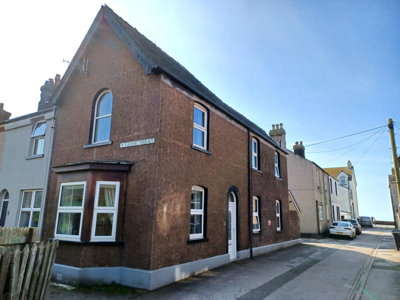
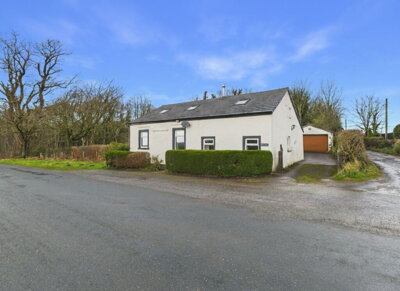
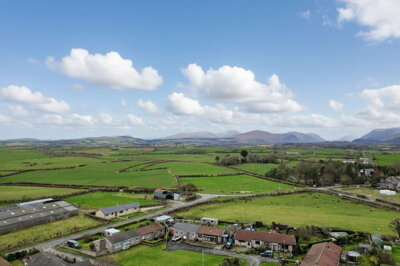
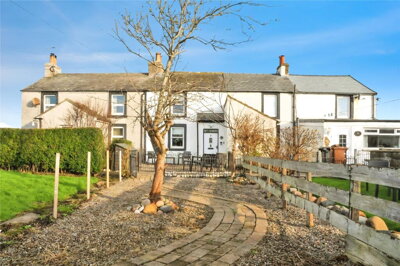
Browse 4 homes for sale in Drigg and Carleton from local estate agents.
The 2 bed house market features detached, semi-detached, and terraced properties with two separate bedrooms plus living spaces. Properties in Drigg And Carleton range from Victorian and Edwardian period homes to modern new builds, with pricing varying across different neighbourhoods.
The Drigg and Carleton property market offers buyers a distinctive range of housing options reflecting the area's rich architectural heritage and rural character. Detached properties command the highest prices in the locality, with the average price for this property type reaching £365,000. These standalone homes typically offer generous gardens, off-street parking, and views across the surrounding farmland or towards the coast, making them particularly attractive to families and those seeking space for home offices or hobby rooms. The premium pricing reflects both the scarcity of such properties in this rural setting and the quality of life they offer.
Semi-detached properties in Drigg and Carleton provide more accessible entry points to the local housing market, with average prices around £215,000. These homes often feature the traditional Lakeland architecture seen throughout the region, with stone facades, slate roofing, and characterful interiors that have been sympathetically updated over the years. Many properties in this category were built during the mid-20th century expansion of local communities and offer practical family accommodation with the added benefit of mature gardens and established neighbourhood relationships.
Terraced cottages represent the most affordable option in the village, averaging approximately £165,000, and these properties frequently appear on the market as charming period homes requiring varying degrees of modernisation. The housing stock in Drigg and Carleton includes a significant proportion of pre-1919 properties constructed from local stone using traditional methods, with solid walls, lime mortars, and slate roofing that differ significantly from modern building standards. Over the past twelve months, property values in the wider Drigg and Holmrook area have decreased by 1.8%, creating potential opportunities for buyers willing to take a longer-term view of their investment in this attractive coastal parish.

Life in Drigg and Carleton revolves around the rhythms of rural Cumbrian living, where community spirit runs deep and the pace of life remains refreshingly unhurried. The parish sits at the confluence of the River Irt as it approaches the coast, creating a landscape of salt marshes, sand dunes, and intertidal zones that form part of the Drigg Hall natural heritage area. This coastal designation attracts significant birdlife including wading birds, wildfowl, and the occasional sighting of osprey, making the area particularly valuable for birdwatchers and nature enthusiasts who appreciate the spectacle of seasonal migrations.
Local residents enjoy direct access to extensive footpaths and public rights of way that traverse the coastline and surrounding farmland, including sections of the Cumbrian Way long-distance trail that passes through the village. The River Irt estuary provides excellent opportunities for kayaking, paddleboarding, and fishing, while the nearby village of Ravenglass offers access to the Ravenglass and Eskdale Railway, a heritage railway that carries visitors into the heart of the Lake District. The population of approximately 456 residents, as recorded in the 2011 Census, maintains a close-knit community where neighbours know one another and local events including harvest suppers, sports days, and seasonal celebrations bring people together throughout the year.
A significant economic driver for the entire West Cumbrian region, including Drigg and Carleton, is the nearby Sellafield nuclear site, which provides employment for thousands of workers and supports demand for both rental and purchase properties in the surrounding area. Tourism forms another vital component of the local economy, with visitors drawn to the area's natural beauty, coastal scenery, and proximity to the Western Lake District. Agricultural businesses continue to operate throughout the parish, with farms producing livestock and crops against the backdrop of the dramatic Cumbrian landscape, maintaining the rural character that makes this area so appealing to new residents seeking a change from urban life.

Families considering a move to Drigg and Carleton will find educational options that serve the local community while providing solid foundations for children's development. The village is served by its own primary school, offering education for children from reception through to Year 6, with small class sizes that allow teachers to provide individual attention and support. Primary-age children in the parish benefit from the nurturing environment that rural village schools provide, where older pupils often mentor younger ones and the curriculum includes outdoor learning opportunities that take full advantage of the stunning natural surroundings.
For families seeking faith-based education, St. Bees School in the nearby village of St. Bees offers a renowned independent co-educational day and boarding school providing education from ages 3 to 18. This historic institution, founded in 1580, draws families from across the region and beyond, with several Church of England primary schools operating within reasonable driving distance of Drigg and Carleton. State-funded secondary education for residents is typically accessed through schools in the surrounding market towns, with students generally travelling daily by bus to attend their chosen institution.
The nearest secondary schools are located in Whitehaven, approximately 25 minutes away by car, offering a range of options including the St. Benedict's Catholic School and Fine Arts College for those seeking faith-based education, as well as comprehensive schools serving diverse communities. For families with children approaching GCSEs or A-levels, the availability of sixth form provision at secondary schools in nearby towns provides clear pathways to further education. Higher education facilities are accessible in larger cities including Carlisle and Lancaster, both of which offer universities and further education colleges for students pursuing undergraduate degrees or vocational qualifications.

While Drigg and Carleton embrace their rural character, residents benefit from reasonable transport connections that link the village to the wider region. The nearest railway station is located in the nearby town of Ravenglass, which sits on the scenic Cumbrian Coast Line connecting Carlisle to Barrow-in-Furness. This heritage railway line, operated by Northern Trains, provides regular services connecting passengers to major destinations including Carlisle, where onward connections to the West Coast Main Line offer fast trains to London, Edinburgh, and Birmingham. The journey time from Ravenglass to Carlisle is approximately 1 hour 40 minutes by train, while travel to Barrow-in-Furness takes around 30 minutes, opening up employment opportunities and leisure destinations along the coast.
Bus services operated by Stagecoach and local operators provide vital connections for residents without access to private vehicles, with routes linking Drigg and Carleton to surrounding villages and market towns. The bus network enables residents to access secondary schools, healthcare facilities, and shopping amenities in nearby towns without relying entirely on car travel. Those accustomed to frequent or comprehensive public transport should note that rural services operate less frequently than urban networks, and private vehicle ownership remains common among local residents for this reason.
For those commuting by car, the A595 trunk road runs through the area, providing direct access to Whitehaven to the north and Barrow-in-Furness to the south. The journey to Whitehaven takes approximately 25 minutes by car, while the larger city of Carlisle can be reached in around 1 hour 15 minutes. Several local employers are accessible within a 30-minute drive, including the Sellafield site, which is located approximately 15 miles away and represents a major employment opportunity for skilled workers in nuclear engineering, construction, and support services.

Before beginning your property search in Drigg and Carleton, speak to a mortgage broker or bank to obtain an Agreement in Principle. This document confirms how much you can borrow and demonstrates to sellers that you are a serious, financially prepared buyer. Having this in place before viewing properties gives you a significant advantage when making offers, particularly in a market where rural properties with limited availability can attract multiple interested parties.
Spend time exploring Drigg and Carleton at different times of day and week to understand the community, traffic patterns, and local amenities. Visit the village centre, speak to residents, and check facilities including the local shop, the local pub, and nearby towns for supermarkets, healthcare, and other essential services. Understanding the flood risk profile of specific properties, particularly those near the River Irt and the coastline, is essential for making an informed purchase decision in this coastal parish.
Contact estate agents through Homemove to arrange viewings of properties that match your requirements. When viewing properties in Drigg and Carleton, pay attention to the construction materials, age of the property, and any signs of damp or structural issues common in older rural properties. Take photographs and notes during each viewing to help you compare properties and identify the home that best meets your needs and budget.
Once you have had an offer accepted, arrange for a suitable property survey before proceeding to completion. This comprehensive inspection is particularly important for the older properties common in Drigg and Carleton, many of which may have traditional construction, listed building status, or proximity to flood risk areas. The survey will identify any structural issues, defects, or maintenance concerns that may affect your decision or require negotiation with the seller.
Appoint a solicitor experienced in Cumbrian property transactions to handle the legal aspects of your purchase. Your solicitor will conduct searches with Copeland Borough Council, check for any planning restrictions or rights of way affecting the property, and manage the transfer of funds on completion. Local knowledge is valuable for identifying any specific issues affecting properties in this area, including former mining activity, coastal erosion risks, or conservation area requirements.
Once all searches are satisfactory and your mortgage is finalised, your solicitor will arrange for contracts to be signed and exchanged, setting a binding completion date. On completion day, the remaining funds are transferred, and you receive the keys to your new home in Drigg and Carleton. Congratulations on your purchase of a Cumbrian coastal property in one of England's most beautiful rural parishes.
Purchasing property in Drigg and Carleton requires careful consideration of several factors specific to this coastal Cumbrian location. Flood risk represents a primary concern for buyers, as properties near the River Irt and the coastline may be susceptible to river flooding, surface water flooding, or tidal events. The Environment Agency provides detailed flood risk maps that should be consulted for any property in the parish, and any survey you commission should assess the property's flood resilience and any history of flooding incidents. Properties in flood risk areas may face higher insurance premiums or difficulty obtaining mortgage financing without appropriate conditions.
The age and construction of properties in Drigg and Carleton warrant thorough investigation before purchase. Many homes in the parish predate 1919 and feature traditional construction methods including solid walls, local stone, lime mortars, and slate roofing that differ significantly from modern building standards. Properties constructed from Lakeland stone using traditional methods may have different insulation levels compared to modern homes, and buyers should consider the potential for higher heating costs and plans for improving thermal efficiency. Where properties are listed buildings, as is the case with several properties in the village including St Peter's Church, any renovation or alteration works will require consent from the local planning authority, and buyers should budget for the additional costs of sympathetic repairs using traditional materials and craftspeople.
Coastal proximity brings additional considerations including salt-related erosion, damp penetration, and the condition of timber elements that may be accelerated in exposed locations. A thorough property survey should specifically assess the condition of roof coverings, leadwork, timber windows, and any render finishes that may show signs of weathering or deterioration. Given the geology of the wider area, which includes complex sedimentary rocks, glacial till, and alluvial deposits, buyers should also consider the potential for ground movement affecting properties with shrinkable clay content or near trees with significant root systems.

The average property price in the Drigg and Holmrook area, which encompasses Drigg and Carleton, stands at £272,500 as of February 2026. Detached properties average £365,000, semi-detached homes around £215,000, and terraced cottages approximately £165,000. Property prices have decreased by 1.8% over the past twelve months, potentially creating opportunities for buyers who take a longer-term view of their investment in this attractive coastal parish. There have been 10 property sales in the area over the last 12 months, indicating a relatively active market for a rural location.
Properties in Drigg and Carleton fall under Copeland Borough Council, and most residential properties in the area are likely to be in Council Tax bands A through D. Band A properties typically have lower annual charges than properties in higher bands, making this an affordable area for council tax purposes compared to many urban locations. You should verify the specific band of any property you are considering through the Valuation Office Agency website or your solicitor during conveyancing, as the band can affect your ongoing annual costs for the property.
Drigg and Carleton is served by a local primary school providing education from reception through Year 6, with small class sizes and individual attention for pupils. Secondary school students typically travel by bus to schools in nearby towns including Whitehaven, where options include grammar schools and comprehensive institutions. St. Bees School, located in the nearby village of St. Bees approximately 8 miles away, offers a highly regarded independent education from nursery through to A-levels and has been educating students since 1580, making it a notable option for families seeking private education in the region.
Drigg and Carleton is connected to the wider region through a combination of rail and bus services. The nearest railway station at Ravenglass operates services along the Cumbrian Coast Line to Carlisle and Barrow-in-Furness, with connections to the national rail network at Carlisle where the West Coast Main Line provides access to London, Edinburgh, and Birmingham. Local bus services link the village to surrounding communities and market towns, providing essential transport for residents without private vehicles. However, those accustomed to frequent or comprehensive public transport should note that rural services operate less frequently than urban networks, and private vehicle ownership remains common among local residents.
Drigg and Carleton offers potential for property investment, particularly given the ongoing demand from workers employed at the nearby Sellafield nuclear site and professionals seeking rural lifestyles within commuting distance of West Cumbrian employment centres. The tourism sector supports demand for holiday lets and second homes in the area, and properties with character features or coastal locations may appeal to this market. The Drigg Hall natural heritage area and proximity to the Lake District ensure a steady stream of visitors seeking countryside accommodation. However, the rural location, limited local employment, and potential flood risk for some properties mean that capital growth may be slower than in urban areas with stronger demand fundamentals.
Stamp Duty Land Tax rates for standard purchases from April 2025 start at 0% for properties up to £250,000, then 5% on the portion from £250,001 to £925,000. For a property priced at the area average of £272,500, a first-time buyer would pay no stamp duty, while a subsequent buyer would pay approximately £1,125 calculated on the amount above the £250,000 threshold. Properties above £625,000 do not qualify for first-time buyer relief, and those exceeding £1.5 million face higher rate charges. First-time buyer relief applies to purchases up to £425,000 for eligible buyers.
From 4.5% APR
Compare mortgage deals from leading lenders for your Drigg and Carleton purchase
From £499
Solicitors experienced in Cumbrian property transactions
From £400
Professional survey for properties in Drigg and Carleton
From £80
Energy performance certificate for your new home
Understanding the full costs of purchasing property in Drigg and Carleton helps you budget accurately and avoid surprises during your transaction. Stamp Duty Land Tax represents the most significant government levy, with standard rates applying 0% to the first £250,000 of a property purchase, 5% on the portion between £250,001 and £925,000, and higher rates for more expensive properties. For a typical Drigg and Carleton property at the current average price of £272,500, a buyer who already owns property would pay approximately £1,125 in stamp duty, while first-time buyers would pay nothing due to relief on purchases up to £425,000. These thresholds were confirmed in the Autumn Budget and apply throughout the 2025-26 tax year.
Additional buying costs include solicitor fees for conveyancing, which typically range from £500 to £1,500 depending on the complexity of the transaction and whether the property is freehold or leasehold. Your solicitor will also conduct essential searches including local authority checks with Copeland Borough Council, drainage and water searches, and environmental searches that assess flood risk, ground conditions, and any potential contamination issues relevant to this coastal area. Given the proximity to the Sellafield nuclear site and the area's mining heritage, environmental searches may also include checks for any historical industrial activity that could affect the property.
Survey costs for a professional property survey typically start from around £400 for smaller properties, rising to £800 or more for larger detached homes with complex construction or period features. Mortgage arrangement fees vary between lenders but often range from 0% to 1.5% of the loan amount, and you should factor in valuation fees charged by your mortgage lender. When budgeting for your Drigg and Carleton purchase, remember to include costs for moving day including removal firms, potential temporary accommodation if there is a gap between completing on your sale and purchase, and connection charges for utilities at your new property. Buildings insurance must be in place from the day of completion, and for properties in this coastal location, flood resilience measures and specialist insurance may add to ongoing costs.

Properties for Sale In London

Properties for Sale In Plymouth

Properties for Sale In Liverpool

Properties for Sale In Glasgow

Properties for Sale In Sheffield

Properties for Sale In Edinburgh

Properties for Sale In Coventry

Properties for Sale In Bradford

Properties for Sale In Manchester

Properties for Sale In Birmingham

Properties for Sale In Bristol

Properties for Sale In Oxford

Properties for Sale In Leicester

Properties for Sale In Newcastle

Properties for Sale In Leeds

Properties for Sale In Southampton

Properties for Sale In Cardiff

Properties for Sale In Nottingham

Properties for Sale In Norwich

Properties for Sale In Brighton

Properties for Sale In Derby

Properties for Sale In Portsmouth

Properties for Sale In Northampton

Properties for Sale In Milton Keynes

Properties for Sale In Bournemouth

Properties for Sale In Bolton

Properties for Sale In Swansea

Properties for Sale In Swindon

Properties for Sale In Peterborough

Properties for Sale In Wolverhampton

Enter your details to see if this property is within your budget.
Loans, cards, car finance
Estimated property budget
Borrowing + deposit
You could borrow between
Typical borrowing
Monthly repayment
Est. at 4.5%
Loan-to-value
This is an estimate only. Your actual budget may vary depending on interest rates, credit history, and personal circumstances. For an accurate affordability assessment, speak to one of our free mortgage advisors.
This calculator provides estimates for illustrative purposes only and does not constitute financial advice. Your home may be repossessed if you do not keep up repayments on your mortgage. Estimates based on 4.5% interest rate, repayment mortgage. Actual rates depend on your circumstances.
Homemove is a trading name of HM Haus Group Ltd (Company No. 13873779, registered in England & Wales). Homemove Mortgages Ltd (Company No. 15947693) is an Appointed Representative of TMG Direct Limited, trading as TMG Mortgage Network, which is authorised and regulated by the Financial Conduct Authority (FRN 786245). Homemove Mortgages Ltd is entered on the FCA Register as an Appointed Representative (FRN 1022429). You can check registrations at NewRegister or by calling 0800 111 6768.

We use cookies to show you personalised content and improve your experience of our website. Find out more in our Privacy policy and Cookie policy.