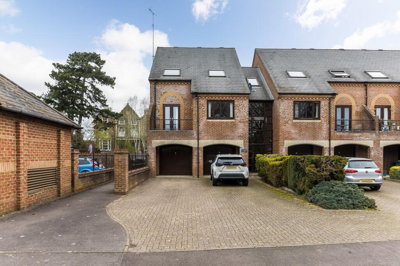
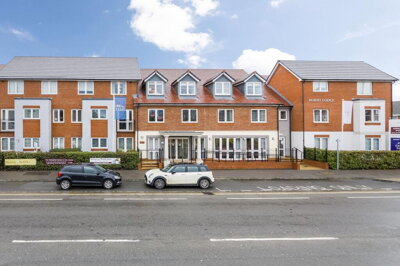
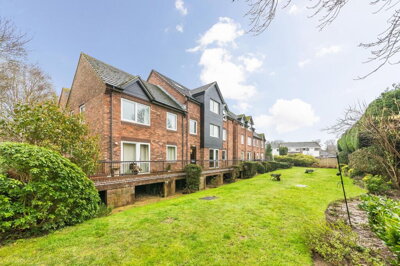
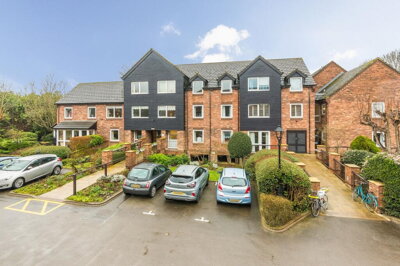
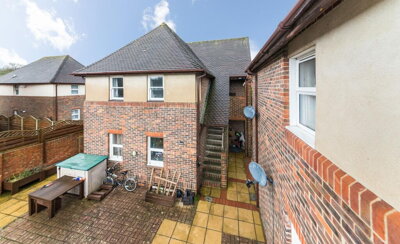
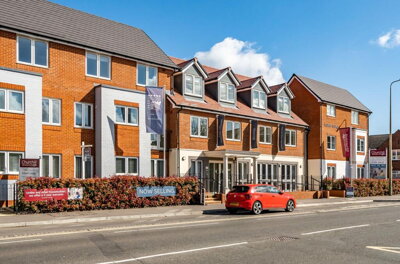
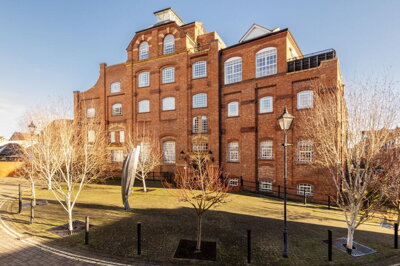
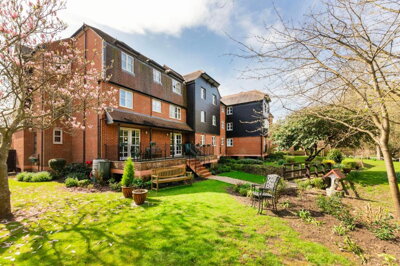
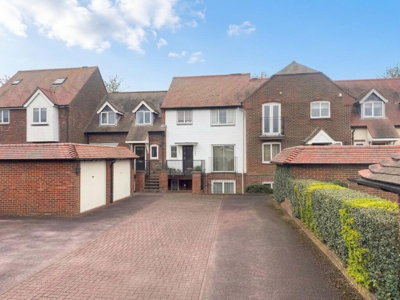
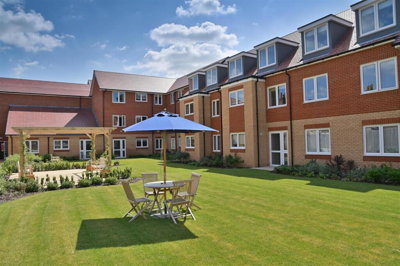
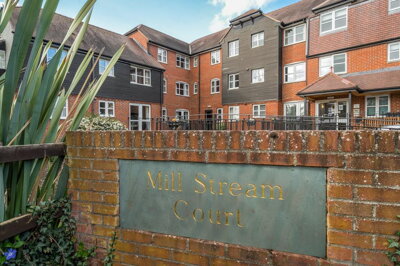
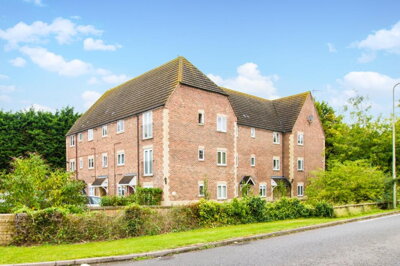
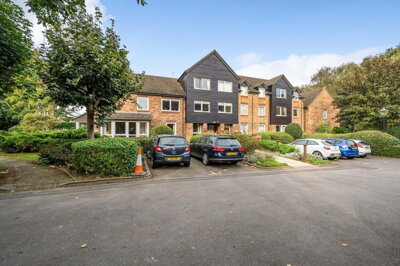
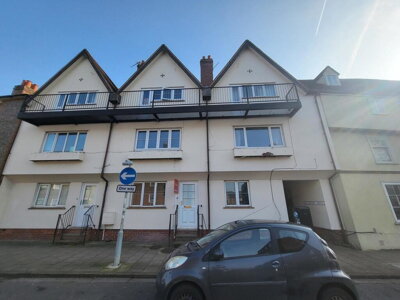
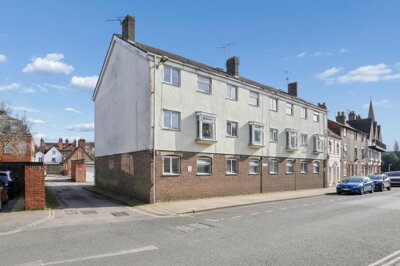
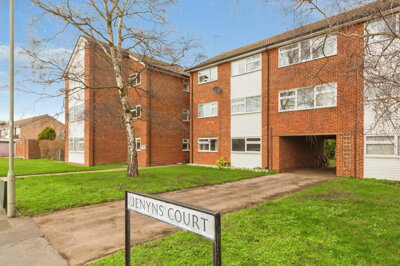
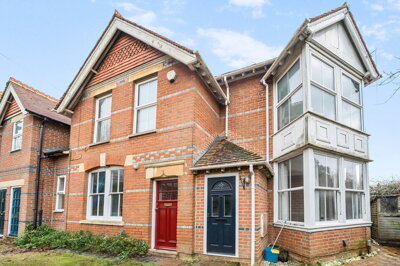
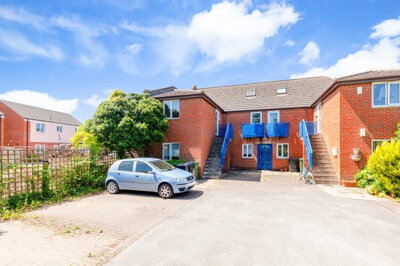
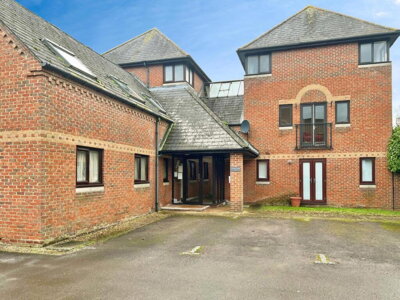
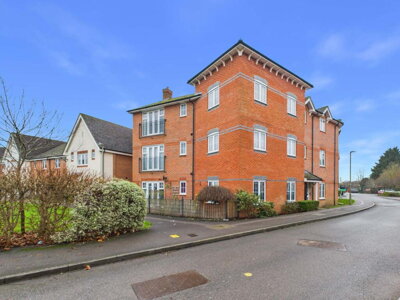
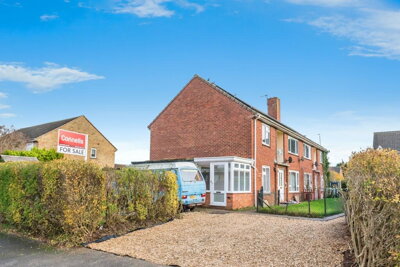
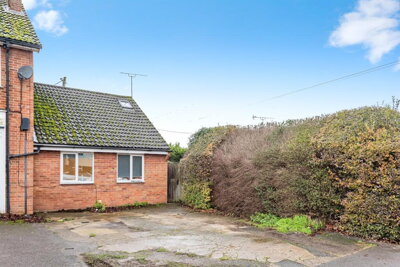
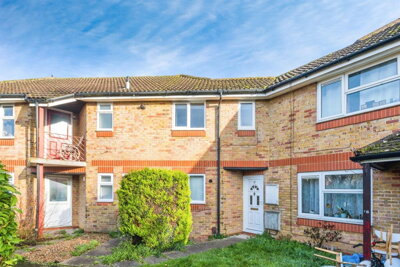
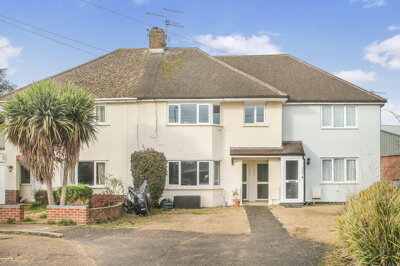
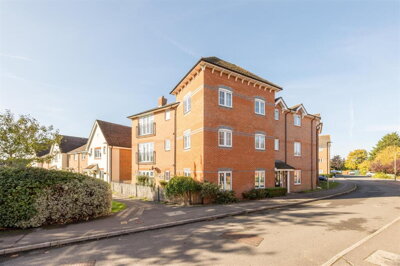
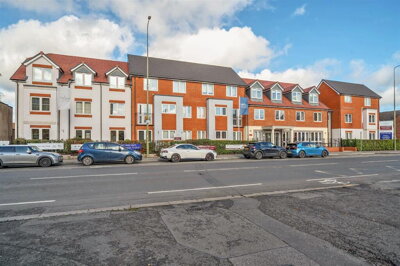
Browse 58 homes for sale in Drayton from local estate agents.
Studio apartments feature open-plan living spaces without separate bedrooms, incorporating sleeping, living, kitchen, and bathroom facilities. The Drayton studio market includes properties in modern apartment complexes, converted Victorian and Georgian buildings, and purpose-built developments.
The Drayton property market has demonstrated remarkable resilience despite broader national fluctuations, with 216 sales completed across all property types in 2025 and a total of 636 properties changing hands over the past decade. Detached homes dominate the sales figures, accounting for the highest number of transactions at 94 sales, reflecting strong demand for generous living space and gardens that suit family buyers. The median price for detached properties stands at £499,000, while semi-detached homes achieved £381,250 across 56 sales and terraced properties reached £298,500 with 44 transactions recorded.
Recent market data reveals a cooling trend following the peak prices seen in 2021, with sold prices approximately 10% down on the previous year and 24% below the 2021 peak of £426,000. This correction has created opportunities for buyers who were previously priced out of the village market, particularly first-time buyers seeking terraced properties at the £298,500 median price point. Flats remain the most affordable entry point at a median of £217,500 across 22 sales, making Drayton accessible to a wider range of buyers than many Oxfordshire villages. Looking ahead, Miller Homes has submitted a planning application for an 8-hectare residential development north of Barrow Road, which would add significant new-build stock to the village if approved under the draft Drayton Neighbourhood Plan.
The market cycle in Drayton reflects broader Oxfordshire trends, where the relative affordability compared to Oxford itself has sustained demand even during periods of national uncertainty. Properties along Drayton Road and the surrounding streets benefit from the village's period character, with Victorian and Edwardian homes commanding premiums over newer construction elsewhere in the settlement. Investment activity in the village remains modest, with most transactions representing owner-occupiers rather than landlords, contributing to the stable community atmosphere that defines village life here.

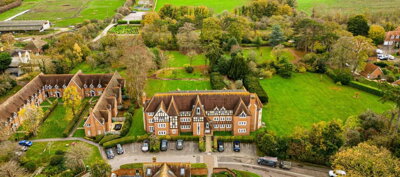
Drayton embodies the classic English village character that makes Oxfordshire's rural communities so desirable, with a historic core featuring its parish church, traditional farms, and agricultural buildings that speak to the village's agricultural heritage. The village green serves as an important focal point for community life, hosting events and providing open space for residents to enjoy throughout the year. Many buildings in the village illustrate the evolution of housing technology and fashion from the Georgian period through to modern times, with period houses dating from 1800 to 1911 particularly concentrated along Drayton Road and surrounding streets, giving the village its distinctive architectural character.
The local geology of Kimmeridge Clay and gravel, with alluvium deposits along the River Ock corridor, shapes both the landscape and the practical considerations of property ownership in the village. The village occupies an ancient gravel terrace that sits slightly elevated above the surrounding lowland, which explains why most of the residential area remains free from flooding despite the proximity to major rivers. The River Thames lies to the east and the River Ock flows to the north-west, providing attractive walking routes and natural habitats for wildlife while contributing to the rural charm that defines village life here. Local amenities include a convenience store, traditional pub serving food, and proximity to the larger centres of Abingdon and Wantage for supermarkets, restaurants, and additional services.
Community spirit in Drayton reflects its village scale, with active involvement in the neighbourhood planning process demonstrating residents' commitment to preserving the area's character while allowing appropriate development. The Drayton Neighbourhood Plan addresses various aspects of village life including consideration of local building materials, protection of heritage assets, and management of future growth, indicating a proactive approach to maintaining quality of life. Demographically, the village attracts a mix of families drawn by the schooling, professionals who commute to nearby towns, and older residents who have put down deep roots in the community over many years.

Families considering a move to Drayton will find a selection of educational options both within the village and in the surrounding area, with primary schooling available at Drayton School itself, a well-established primary institution serving the local community. The school's catchment area covers the village and surrounding hamlets, making it the natural first choice for families with young children seeking to establish roots in the community. For secondary education, pupils typically progress to schools in nearby Abingdon, with the Abingdon area offering several secondary schools including the highly regarded Fitzharrys School and St Edmund's Catholic Primary School feeding into strong secondary options. Parents should verify current catchment boundaries and admissions criteria with Oxfordshire County Council, as these can change and may influence which schools pupils can access.
The presence of the prestigious Abingdon School, one of Oxfordshire's most notable independent schools, provides additional educational choice for families seeking private education options within reasonable travelling distance. The John Mason School in Abingdon and Larkmead School also serve the wider area, with both maintained schools offering GCSE and A-level programmes for students continuing their education locally. For younger children, several primary schools in the surrounding villages provide additional options, with many families choosing to stay within the Drayton catchment or selecting schools based on specific educational approaches or religious affiliations where applicable.
Several families in Drayton opt for schooling in nearby Wantage, where additional primary and secondary options are available including the Grove Primary School and King Alfred's Academy. School transport arrangements are generally well-established for secondary-aged pupils commuting to Abingdon schools, with dedicated bus services operating from the village. The presence of multiple schooling options within a reasonable radius means that families should carefully consider catchment areas and transport logistics when budgeting for their move, as these factors can significantly impact daily routines and long-term educational outcomes for children.
Transport connectivity ranks among Drayton's strongest attributes, with the village positioned to offer convenient access to major road networks while retaining its peaceful village atmosphere. The A415 runs through the village, connecting Drayton directly to Abingdon approximately 3 miles to the north-east, where residents can access the A34 trunk road providing north-south routes to Oxford, Swindon, and the M4 motorway at Newbury. The A4185 offers an alternative route towards Wantage and the A417, opening up connections to the Cotswolds and Gloucestershire beyond. This strategic positioning makes Drayton particularly attractive to commuters who require regular access to regional employment centres while preferring the quieter lifestyle of a village setting.
Public transport options centre on bus services connecting Drayton to Abingdon, Wantage, and Oxford, with the X1 and X2 bus routes providing regular connections to Oxford city centre for those working in the university city. Oxford railway station offers direct trains to London Paddington in approximately one hour, with services operated by Great Western Railway from Didcot Parkway station also within reasonable reach by road or bus. For air travel, London Heathrow is accessible within approximately 75 minutes by car via the M4 and M25, while Birmingham Airport offers an alternative for longer-haul destinations. Cycling infrastructure continues to improve in the area, with quiet country lanes popular among recreational and commuter cyclists alike, though hilly terrain in some directions requires varying fitness levels.
Commuters working in Didcot benefit from the Science Vale area, which includes the Harwell Campus and Milton Park business parks offering employment in science, technology, and engineering sectors. The journey to Didcot by car takes approximately 20 minutes via the A4185 and A4130, making it practical for daily commuting. For those working from home, the village's broadband infrastructure has improved significantly in recent years, with superfast connectivity now available to most properties, supporting the growing trend towards remote and hybrid working arrangements that reduce the need for daily travel.
The housing stock in Drayton reflects its long history as a settlement, with properties spanning several eras of construction from traditional farmhouses through to contemporary homes built within the last two decades. Properties built between 1800 and 1911 dominate the streets around Drayton Road and the historic core, typically constructed using traditional methods with solid brick walls, timber floor structures, and clay tile or slate roofs. These Victorian and Edwardian properties often retain original features such as fireplaces, cornicing, and sash windows that add character but may require maintenance attention as they age. Understanding the construction era of any property you view helps anticipate common issues such as outdated electrical wiring, single-glazed windows, and potential damp penetration that affect older properties across Oxfordshire.
The presence of Kimmeridge Clay as the predominant subsoil in Drayton creates specific considerations for property condition that buyers should investigate carefully. This clay geology is known for its shrink-swell potential, which can affect foundations particularly during periods of extreme wet or dry weather that cause the clay to contract or expand. Properties built before the mid-twentieth century often have shallower foundations that are more susceptible to ground movement, making structural surveys particularly valuable in this village. Signs of past movement include diagonal cracking in walls, sticking doors or windows, and uneven floor levels that may indicate previous subsidence that has been addressed or could recur under changing conditions.
Properties near the River Ock corridor may have alluvium deposits that create softer ground conditions requiring deeper foundations or specialized construction approaches. The village's elevated position on the ancient gravel terrace provides good ground conditions for most residential areas, but individual plot conditions can vary significantly. Conservation considerations apply to properties in the historic core, where permitted development rights may be more restricted than in newer areas of the village. Any planned renovations or extensions should be discussed with Vale of White Horse planning department early in the purchase process to understand what permissions may be required.
Obtain a mortgage agreement in principle before viewing properties. This demonstrates to sellers that you are a serious buyer and can proceed quickly when you find your ideal home. Contact our recommended mortgage advisors who understand the Drayton market and can help you secure the best rates available for your circumstances.
Explore current listings in Drayton using our comprehensive property search, which brings together homes from every major estate agent in the area. Understanding price trends, property types available, and typical time on market will help you identify genuine opportunities and negotiate confidently when you make an offer.
Once you have identified properties that match your requirements, arrange viewings through the listing agents or book directly through our platform. Take time to examine the property condition, check for signs of damp or structural issues, and ask about the tenure, service charges, and any planned development in the vicinity.
Given the prevalence of older properties and clay soil geology in Drayton, we strongly recommend commissioning a RICS Level 2 Survey before completing your purchase. This will identify any subsidence risk, structural concerns, or defects that may not be visible during a standard viewing, potentially saving you significant expense after moving.
Choose a conveyancing specialist to handle the legal aspects of your purchase. Your solicitor will conduct searches, review the contract, and coordinate with the seller's representatives to ensure a smooth transaction. The local authority for Drayton is Vale of White Horse District Council, and searches will check planning history, environmental factors, and local charges affecting the property.
Once all searches are satisfactory and financing is confirmed, you will exchange contracts and pay your deposit, committing legally to the purchase. Completion typically follows within weeks, at which point you will receive the keys and can begin your new life in Drayton.
Properties in Drayton present several considerations specific to the village's geography and construction history that buyers should investigate carefully before committing to a purchase. The presence of Kimmeridge Clay subsoil across much of the area creates a shrink-swell risk that can affect foundations, particularly in properties with shallow foundations that are more susceptible to movement during periods of extreme wet or dry weather. When viewing properties, look for signs of cracking in walls, doors that stick or do not close properly, and any unevenness in floors that might indicate past or ongoing subsidence issues that may require expensive remedial work.
Flood risk varies significantly across Drayton depending on proximity to the River Ock and River Thames, with the village occupying a gravel terrace that provides good protection for most residential areas. However, properties located near watercourses or in lower-lying areas towards the river corridors may face occasional flooding, and buyers should request flood risk reports and check historical flooding records before purchasing. Buildings in the historic core may qualify as listed buildings or fall within conservation considerations, which can restrict permitted development rights and require specialist surveys before any renovation work can be undertaken. Always verify the listing status and any planning restrictions with Vale of White Horse planning department.
The tenure mix in Drayton includes both freehold houses and leasehold flats, with buyers advised to check carefully the terms of any lease including remaining length, ground rent obligations, and any service charges that apply. Properties with long driveways or generous gardens may have private drainage systems rather than mains sewerage, requiring regular maintenance and occasional pumping costs that should be factored into your budget. Given the number of period properties built before 1911, electrical and plumbing systems may require updating to meet modern standards, and a thorough survey will identify any work needed to bring these systems up to current regulations.
Drainage andUtilities require particular attention in properties with larger plots, where septic tanks or private water supplies may be present instead of mains connections. The age of wiring in Victorian and Edwardian properties often means that re-wiring to current standards is necessary before or shortly after purchase, with costs varying depending on the property size and accessibility of existing cables. Double-glazing replacement is common in period properties, but poor quality installations can create condensation issues or fail to address underlying timber frame deterioration that should be addressed separately.
The average sold price in Drayton over the past year is approximately £519,185 according to recent transaction data. Property prices vary significantly by type, with detached homes achieving a median price of £499,000 across 94 sales, semi-detached properties at £381,250 across 56 sales, terraced homes at £298,500 across 44 sales, and flats at £217,500 across 22 sales. The market has seen some correction from the 2021 peak of £426,000, with prices approximately 10% down on the previous year, creating more accessible entry points for buyers seeking to enter the village market.
Properties in Drayton fall under Vale of White Horse District Council, with council tax bands ranging from A through to H depending on the property's assessed value. Most terraced properties and smaller flats typically fall into bands A to C, while larger detached family homes often occupy bands D to F. Prospective buyers should check the specific band with the Valuation Office Agency or during the conveyancing process, as this will affect your ongoing monthly outgoings alongside mortgage payments and utility bills.
Drayton has its own primary school serving the local catchment area, with secondary school options available in nearby Abingdon including Fitzharrys School and schools accessible via school transport from the village. The prestigious Abingdon School provides independent education options within reasonable travelling distance, with several families in Drayton choosing this established institution for its academic reputation. Families should verify current catchment areas and admissions policies with Oxfordshire County Council, as these can influence which schools pupils can access and may affect planning for younger siblings.
Drayton is served by regular bus routes connecting the village to Abingdon, Wantage, and Oxford, with the X1 and X2 routes providing access to Oxford city centre for those working in the university city. From Abingdon, the A34 provides road connections to Oxford and the wider motorway network, while the journey to Didcot for Science Vale employment takes approximately 20 minutes by car. Rail connections are available from Didcot Parkway and Oxford, with direct services to London Paddington available from Didcot taking around one hour to the capital.
Drayton offers several factors that make it attractive for property investment, including its proximity to Oxford, strong transport connections, and desirable village character that maintains long-term appeal. The proposed Miller Homes development north of Barrow Road, if approved under the Drayton Neighbourhood Plan, would increase housing supply but also potentially boost demand as new residents are attracted to the improved amenities and village facilities. Rental demand in the village is supported by commuters working in Oxford, Didcot, and the science parks around the area, with tenant demand likely to remain steady given the relative affordability compared to Oxford itself.
Stamp duty Land Tax applies to your purchase based on the property price, with standard rates starting at 0% for the first £250,000 of purchase price. For properties between £250,001 and £925,000, the rate is 5%, rising to 10% for the portion between £925,001 and £1.5 million, and 12% on any value above £1.5 million. First-time buyers benefit from relief on the first £425,000, with 5% charged on the portion from £425,001 to £625,000. Given the average property price of £519,185 in Drayton, a typical first-time buyer purchasing at this level would pay no stamp duty.
Period properties in Drayton built between 1800 and 1911 require careful inspection for signs of structural movement related to the Kimmeridge Clay subsoil, which is prone to shrink-swell behaviour during extreme weather conditions. Look for diagonal cracking in walls, sticking doors or windows, and any evidence of previous underpinning or structural repairs that may indicate past foundation problems. Electrical wiring in properties of this age typically requires complete replacement to meet current standards, and plumbing systems may also need updating. A RICS Level 2 Survey is strongly recommended before purchasing any period property in the village to identify these issues and provide a clear picture of renovation costs needed.
Miller Homes has submitted a planning application for an 8-hectare residential development north of Barrow Road on land currently comprising arable fields. This site is also allocated for residential development in the draft Drayton Neighbourhood Plan, which is undergoing preparation to guide future growth in the village. If approved, this development would add significant new-build properties to the village market, potentially increasing choices for buyers seeking modern construction with warranty coverage. Existing residents should monitor the neighbourhood planning process through the Vale of White Horse District Council website for updates on the allocation and any conditions that may be attached to future development.
From 4.5%
Compare mortgage rates from leading lenders for your Drayton purchase
From £499
Expert property solicitors to handle your Drayton purchase
From £350
Essential survey for Drayton's period properties and clay soil
From £75
Energy performance certificate for your new home
Purchasing a property in Drayton involves several costs beyond the purchase price that buyers should budget for carefully to avoid financial surprises during the transaction. Stamp duty Land Tax represents the most significant additional cost, with the current thresholds applying from April 2025: zero percent on the first £250,000, five percent on the portion from £250,001 to £925,000, ten percent between £925,001 and £1.5 million, and twelve percent on any value exceeding £1.5 million. For a typical Drayton property at the current average price of £519,185, a standard buyer without first-time buyer relief would pay approximately £13,459 in stamp duty, while a first-time buyer could pay nothing if purchasing within the £425,000 relief threshold.
First-time buyer relief provides meaningful savings for those who qualify, removing stamp duty on the first £425,000 of the purchase price with five percent charged on the portion between £425,001 and £625,000. This means a first-time buyer purchasing a property at the terraced homes median price of £298,500 would pay no stamp duty at all, making Drayton more accessible to those taking their first steps on the property ladder. Buyers who have previously owned property anywhere in the world do not qualify for first-time relief, regardless of whether they currently own, so it is worth confirming your eligibility with your solicitor before completing your tax calculation.
Beyond stamp duty, budget for solicitor conveyancing fees typically ranging from £500 to £1,500 depending on complexity and whether the property is leasehold or freehold. Local searches with Vale of White Horse District Council usually cost between £250 and £400, while surveys and valuations add another £400 to £1,500 depending on which level of inspection you commission. Mortgage arrangement fees vary by lender but commonly range from zero to £2,000, and removal costs should also be factored in. For leasehold properties, you may need to pay a share of service charges and contribute to a sinking fund, while any shared equity or shared ownership arrangements will have their own financial requirements that your solicitor will explain during the conveyancing process.
Properties for Sale In London

Properties for Sale In Plymouth

Properties for Sale In Liverpool

Properties for Sale In Glasgow

Properties for Sale In Sheffield

Properties for Sale In Edinburgh

Properties for Sale In Coventry

Properties for Sale In Bradford

Properties for Sale In Manchester

Properties for Sale In Birmingham

Properties for Sale In Bristol

Properties for Sale In Oxford

Properties for Sale In Leicester

Properties for Sale In Newcastle

Properties for Sale In Leeds

Properties for Sale In Southampton

Properties for Sale In Cardiff

Properties for Sale In Nottingham

Properties for Sale In Norwich

Properties for Sale In Brighton

Properties for Sale In Derby

Properties for Sale In Portsmouth

Properties for Sale In Northampton

Properties for Sale In Milton Keynes

Properties for Sale In Bournemouth

Properties for Sale In Bolton

Properties for Sale In Swansea

Properties for Sale In Swindon

Properties for Sale In Peterborough

Properties for Sale In Wolverhampton

Enter your details to see if this property is within your budget.
Loans, cards, car finance
Estimated property budget
Borrowing + deposit
You could borrow between
Typical borrowing
Monthly repayment
Est. at 4.5%
Loan-to-value
This is an estimate only. Your actual budget may vary depending on interest rates, credit history, and personal circumstances. For an accurate affordability assessment, speak to one of our free mortgage advisors.
This calculator provides estimates for illustrative purposes only and does not constitute financial advice. Your home may be repossessed if you do not keep up repayments on your mortgage. Estimates based on 4.5% interest rate, repayment mortgage. Actual rates depend on your circumstances.
Homemove is a trading name of HM Haus Group Ltd (Company No. 13873779, registered in England & Wales). Homemove Mortgages Ltd (Company No. 15947693) is an Appointed Representative of TMG Direct Limited, trading as TMG Mortgage Network, which is authorised and regulated by the Financial Conduct Authority (FRN 786245). Homemove Mortgages Ltd is entered on the FCA Register as an Appointed Representative (FRN 1022429). You can check registrations at NewRegister or by calling 0800 111 6768.

We use cookies to show you personalised content and improve your experience of our website. Find out more in our Privacy policy and Cookie policy.