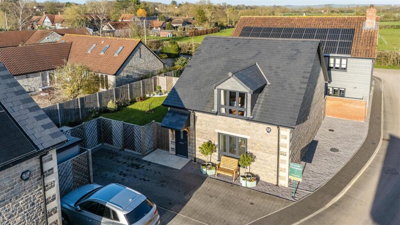
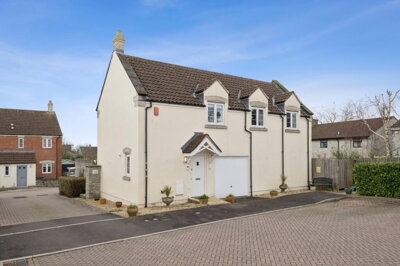
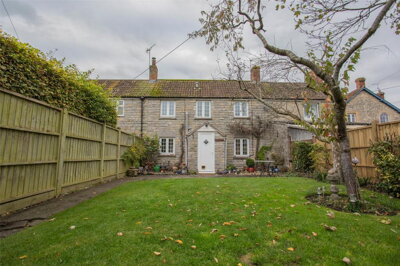
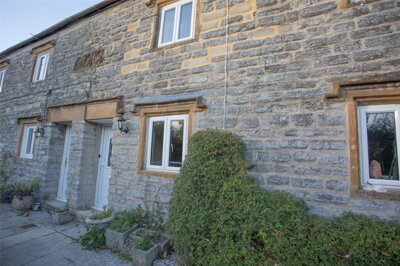
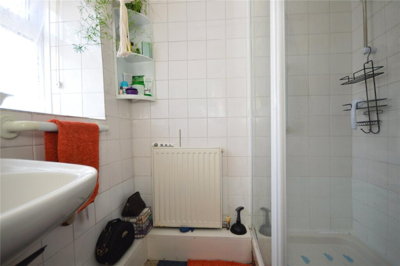
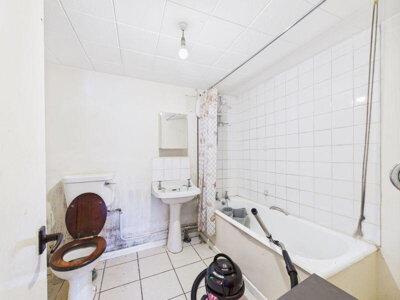
Browse 7 homes for sale in Drayton from local estate agents.
The 2 bed house market features detached, semi-detached, and terraced properties with two separate bedrooms plus living spaces. Properties in Drayton range from Victorian and Edwardian period homes to modern new builds, with pricing varying across different neighbourhoods.
The Drayton property market presents attractive opportunities for buyers seeking value in South Somerset. Detached properties dominate the local housing stock, accounting for 43.5% of recent sales with a median price of £499,000. These family homes typically offer generous gardens and spacious accommodation that appeals to buyers looking to escape larger urban centres while maintaining reasonable commuting options to employment hubs in Taunton and Yeovil. The market has experienced some correction recently, with overall prices falling around 1.1% over the past year, creating potential entry points for first-time buyers and those looking to upgrade.
Semi-detached properties provide more accessible entry points to the local market, with median prices around £381,250 across 56 recorded sales last year. Terraced properties and cottages command median prices of approximately £298,500, making them popular choices for first-time buyers and those seeking characterful period homes without the premium associated with larger detached properties. Flats remain relatively scarce in Drayton, with limited options averaging around £217,500, reflecting the predominantly rural character of the village housing stock.
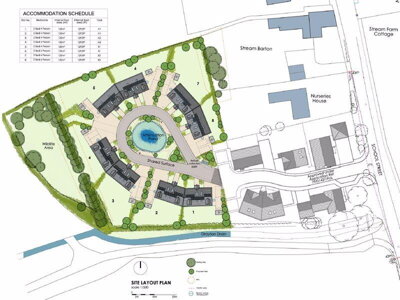
New build opportunities are emerging in the village, including the Drayton Homes development on School Street where eight two-bedroom semi-detached houses have been approved adjacent to previously completed new homes. This development reflects local demand for smaller properties suitable for downsizers, as advocated by the parish council to meet community housing needs. Nearby Langport offers additional new build options at developments such as Badger Close and Pibsbury View, providing modern alternatives for buyers who prefer contemporary construction methods over traditional period properties.

Life in Drayton centres around its strong community spirit and proximity to the neighbouring town of Langport, just a short drive away, where residents enjoy a quaint high street lined with independent shops, traditional cafes, and riverside walks along the River Parrett. The village itself features several notable historic buildings, including the Grade I listed St Catherine's Church dating from the 15th century, which showcases beautiful blue lias and golden hamstone construction that characterises much of the local architecture. This ecclesiastical heritage contributes significantly to the village's distinctive character and sense of place.
The surrounding Somerset Levels landscape offers residents ample opportunities for outdoor pursuits, including walking, cycling, and birdwatching across the meadows and waterways that define this distinctive part of England. Local residents appreciate the peace and quiet of rural living while having convenient access to the broader amenities of nearby towns including supermarkets, healthcare facilities, and specialist services. The area's geological heritage, with its characteristic Somerset stone and brick construction, gives Drayton an unmistakable visual identity that distinguishes it from more generic modern developments found in larger towns.
Community facilities in the village and surrounding area include traditional pubs such as The Lord Poulett Arms in nearby Hinton St George, local clubs, and village halls that host regular events throughout the year, fostering the close-knit atmosphere that makes Drayton particularly appealing to families and retirees seeking a slower pace of life without sacrificing essential services and amenities. The village hall regularly organizes community activities, from quiz nights to craft markets, providing opportunities for residents to connect and build lasting relationships with neighbours.

Families considering a move to Drayton will find a selection of educational options within reasonable driving distance. Primary school provision in the surrounding area includes several village schools serving the local community, with broader options available in the nearby towns of Langport, Somerton, and Street. The village's rural setting means that school transport arrangements are an important consideration for families, and prospective buyers should familiarise themselves with catchment areas and admissions criteria for their preferred schools well before committing to a purchase.
Secondary education options in South Somerset include well-regarded schools in Taunton, Yeovil, and the surrounding market towns, with many families factoring school quality into their location decisions. The drive to secondary schools typically ranges from 15 to 30 minutes depending on the specific institution, and bus services operate to serve these routes, though families should verify current timetables and routes as these can change. Well-performing secondary schools in the area regularly feature in Somerset education league tables, making research into current performance data worthwhile.
For those seeking specialist or independent education, several private schools in the region provide alternatives to the state system, though these inevitably involve additional travel time and costs. Schools in Somerset and Dorset are accessible within reasonable driving distance, offering various educational approaches from traditional academic curricula to more contemporary teaching methods. Further education and sixth form provision is readily accessible in nearby towns, with colleges and sixth form centres offering a wide range of A-level and vocational courses for older students.
Drayton benefits from excellent transport connections that make it practical for commuters and those needing regular access to larger urban centres. The village sits within easy reach of the A303, Somerset's main arterial route connecting the county to London and the South West via the M3 and M25 motorways. This strategic positioning allows residents to access broader national transport networks while enjoying the lifestyle benefits of countryside living. The A303 provides direct access to the M25 at the London end and to Exeter and Plymouth at the western terminus.
Rail services from nearby stations provide direct connections to major cities. Castle Cary station offers South Western Railway services to Bristol, Southampton, and London Paddington, while Taunton station provides Great Western Railway access to Exeter, Plymouth, Bristol, and London Paddington. Journey times from Castle Cary to London Paddington take approximately two hours, making Drayton viable for commuters who need to travel to the capital regularly, particularly with increasingly flexible working arrangements that reduce the need for daily commuting. Parking availability at local stations is worth considering when planning your commute.
Local bus services connect Drayton with surrounding villages and towns, though rural bus frequencies mean that car ownership remains practically essential for many residents. The village's position in the Somerset Levels means that road travel may be affected by seasonal conditions, particularly during periods of heavy rainfall when minor roads can become flooded or difficult to navigate. Residents should be aware of the rural nature of local roads when planning daily journeys and allow extra time during inclement weather conditions.
Understanding the local construction methods in Drayton helps buyers appreciate the character of properties here and anticipate maintenance requirements. Traditional buildings in the village predominantly feature blue lias stone, a type of limestone quarried locally that creates distinctive blue-grey walls when dressed. Golden hamstone, another locally sourced building material, appears in many period properties and contributes warm honey-coloured tones to the village streetscape. These traditional materials require specific maintenance approaches that differ from modern brick construction.
Flemish bond brickwork characterises many late 18th and early 19th-century properties in Drayton, including notable buildings such as Drayton Manor. This decorative brick pattern, featuring alternating headers and stretchers, was traditionally used on higher-status properties and remains a distinctive feature of the village's architectural heritage. Older properties may also feature traditional construction methods including lathe and plaster internal walls, wattle and daub infill panels, and thatched roofing on the oldest cottages, each presenting unique maintenance considerations for prospective buyers.
Our inspectors frequently identify issues arising from the age of these traditional construction methods. Properties built before modern building regulations often lack adequate damp-proof courses, insulation standards fall below current requirements, and original structural elements may show signs of movement accumulated over centuries. When surveying Drayton properties, we pay particular attention to the condition of traditional materials, looking for signs of erosion, moisture penetration, and structural movement that commonly affect historic buildings constructed from local stone and brick.
Explore current listings and recently sold prices in Drayton to understand the market dynamics before making offers. Our platform shows over 200 properties currently available, with detached homes typically ranging from £400,000 to £575,000 and smaller terraced properties from around £255,000 to £300,000. Review local property trends and compare similar properties to ensure you are making an informed decision. Pay attention to price differences between properties in different conditions, as some recently renovated homes command significant premiums over properties requiring work.
Before arranging viewings, obtain a mortgage agreement in principle from a lender to strengthen your position when making offers. This document demonstrates to sellers that you have secured financing and can proceed to completion without delays related to mortgage applications. Compare rates across multiple lenders and consider speaking to an independent mortgage broker who can access deals from across the market. For properties in Drayton's higher price brackets, ensure your mortgage in principle covers the full amount you may need to borrow.
Schedule viewings of properties that match your requirements and budget, paying particular attention to construction materials, property age, and any signs of maintenance needs. When visiting Drayton properties, take time to examine external walls for signs of erosion or cracking, check window frames and doors for deterioration, and assess the overall presentation of the property. Given the number of historic and listed buildings in the area, viewing multiple properties helps establish what represents good value in the local market and which properties may require significant investment.
Commission a RICS Level 2 Survey to assess the property's condition before completing your purchase. This is particularly important for older properties in Drayton where common issues include damp, structural movement, and timber decay affecting traditional construction. Survey costs typically range from £400 to £600 for standard properties, rising to around £495 to £726 for larger four-bedroom homes. Our team includes surveyors with specific experience of local building methods and common defects in Somerset period properties.
Appoint a conveyancing solicitor to handle the legal aspects of your purchase, including searches, contract review, and documentation exchange with the seller's legal team. For properties in Drayton's conservation-sensitive area, additional searches may be required regarding listed building status and permitted development rights. Your solicitor will also handle the registration of your ownership with the Land Registry and ensure all mortgages and charges are properly discharged or transferred as applicable.
Once all searches are satisfactory and finances are confirmed, your solicitor will arrange the exchange of contracts and set a completion date. On completion day, the remaining funds are transferred and you receive the keys to your new Drayton home. We recommend arranging buildings insurance from the point of exchange, as properties remain at your risk from that date. For period properties, ensure your insurance covers the full rebuild cost including traditional materials and features.
Properties in Drayton include a significant proportion of historic buildings, with 29 listed buildings recorded in the village including Grade I and Grade II structures. Buyers should understand that listed buildings carry additional responsibilities and may face restrictions on modifications and improvements. A standard RICS Level 2 Survey may be insufficient for significant listed properties, and a more detailed RICS Level 3 Building Survey could be advisable to fully assess construction and condition. Listed building consent may be required for alterations that affect the building's character or structure, adding time and cost to any renovation project.
The local building materials merit close attention during property surveys. Traditional Drayton properties feature blue lias stone, golden hamstone, and Flemish bond brickwork that can be susceptible to weather erosion and require specific maintenance approaches. Our surveyors regularly identify erosion of soft stone masonry, particularly on south and west-facing walls exposed to prevailing weather. Repointing with inappropriate cementitious mortars rather than traditional lime mortar can cause lasting damage to historic fabric, and this is worth checking when viewing properties.
Rising damp affects many period properties built before the introduction of modern damp-proof courses, and prospective buyers should look for signs of moisture damage, particularly in ground floor rooms and basements. Our inspectors use moisture meters and thermal imaging equipment to assess the extent of any damp issues and identify their likely causes. Timber decay including wet rot and woodworm commonly affects traditional properties, particularly where moisture has been allowed to accumulate in poorly ventilated roof spaces or where plumbing leaks have gone undetected.
While specific flood risk data for Drayton was not detailed in local records, the Somerset Levels location means that buyers should investigate drainage patterns and proximity to watercourses. Surface water flooding can affect properties in low-lying areas, and appropriate building surveys should include assessment of potential water ingress issues. Properties with large gardens or adjacent farmland may offer some protection but require individual evaluation. Local drainage records held by South Somerset District Council can provide valuable information about historical flooding issues in specific locations.
The median house price in Drayton stands at £375,000 based on 216 recorded sales in 2025, with the overall average at approximately £414,000. Detached properties command the highest prices with a median of £499,000, while semi-detached homes average around £381,250. Terraced properties and cottages typically sell for approximately £298,500, and flats average around £217,500. The market has experienced some price correction recently, with overall prices falling around 1.1% over the past year, though this varies by property type and condition.
Drayton falls under South Somerset District Council for council tax purposes, with bills calculated using the bands set by the Valuation Office Agency. Specific band distributions in the village vary by property value and type, with period cottages typically falling into bands B through D, while larger detached family homes often occupy bands E through G. New build properties typically enter the valuation system at higher bands reflecting their modern construction and amenities. Prospective buyers should check individual property details on the Valuation Office Agency website for exact banding information relevant to their target property.
Drayton village itself has limited primary school provision, with families typically relying on schools in surrounding villages and towns such as Langport, Somerton, and Street. Primary schools in these nearby towns serve their local catchments and often have good reputations for pastoral care and academic achievement. Research Ofsted ratings for nearby primary schools and secondary schools in Taunton and Yeovil to identify the best options for your family, as school performance data is publicly available and can inform location decisions. Several well-regarded independent schools are also accessible within reasonable driving distance, including establishments in Somerset and Dorset.
Drayton has limited public transport options, with rural bus services providing connections to nearby towns on finite timetables that may not suit those working regular office hours. The nearest rail stations are Castle Cary and Taunton, offering services to Bristol, Southampton, and London Paddington with journey times to the capital of approximately two hours from Castle Cary. Most residents find car ownership essential for daily living, though the village's position near the A303 provides reasonable road access to the surrounding region and national motorway network, connecting to the M5 at Taunton and to London via the M3 and M25.
Drayton offers solid fundamentals for property investment, with the Somerset village lifestyle continuing to attract buyers seeking rural settings within commuting distance of major employment centres in Bristol, Exeter, and beyond. The presence of listed buildings and the village's historic character help maintain property values, while ongoing new build developments like the Drayton Homes scheme provide modern options for different buyer preferences. Rental demand exists from commuters and those seeking weekend retreats, though the small village size limits the rental market compared to larger towns. Capital growth prospects depend on broader market conditions and any future infrastructure improvements in the region.
Standard stamp duty rates apply to Drayton properties as they do throughout England. For properties up to £250,000, no stamp duty is payable, making smaller properties attractive for first-time buyers. Properties between £250,000 and £925,000 incur 5% on the portion above £250,000, meaning a typical £375,000 property would attract approximately £6,250 in stamp duty. Higher value properties face rates of 10% between £925,000 and £1.5 million, and 12% above £1.5 million. First-time buyers benefit from relief on properties up to £625,000, paying 0% on the first £425,000 and 5% on amounts between £425,000 and £625,000.
Many Drayton properties date from the 15th to 19th centuries and feature traditional construction using local blue lias stone, golden hamstone, and Flemish bond brickwork. Survey reports should specifically assess damp penetration, structural movement, roof condition, and timber decay, as these issues commonly affect period properties of this age. Properties with traditional materials require specialist maintenance knowledge and buyers should budget for potential renovation costs, as older buildings often require updating of services including electrics, plumbing, and heating systems. Buildings insurance for period properties should reflect the full rebuild cost using appropriate materials and specialist contractors.
From £420
Professional survey covering condition, defects, and recommendations for properties in Drayton
From £600
Comprehensive building survey for older or complex properties including listed buildings
From £60
Energy performance certificate required for all property sales
From £499
Solicitors handling legal work for your property purchase
Purchasing a property in Drayton involves several costs beyond the purchase price that buyers should factor into their budget to avoid financial surprises during the transaction. Stamp duty land tax applies to all purchases above £250,000 at the standard rates, meaning a typical Drayton property at the median price of £375,000 would incur approximately £6,250 in stamp duty for standard buyers. First-time buyers purchasing properties up to £625,000 benefit from relief that reduces costs significantly, with no stamp duty on the first £425,000 of their purchase.
Survey costs represent an important investment in protecting your purchase and identifying any issues before you commit. A RICS Level 2 Survey for a three-bedroom property in Drayton typically costs between £409 and £633, while larger four-bedroom homes may require surveys ranging from £467 to £726. Given the age of many Drayton properties and their traditional construction methods, investing in a thorough survey can identify issues that might otherwise result in significant unexpected costs after completion. For listed buildings or properties with apparent structural issues, a more detailed RICS Level 3 Building Survey may be advisable despite the higher cost.
Legal fees for conveyancing typically start from £499 for straightforward purchases, though additional searches, leasehold complications, or listed building considerations can increase costs considerably. Searches specific to the Somerset area may include drainage and water authority checks, local authority searches, and environmental searches relevant to the Levels landscape where ground conditions require careful investigation. Buildings insurance should be arranged from exchange of contracts, and your solicitor can recommend appropriate cover for period properties with traditional construction materials that may require specialist insurers. Removal costs, decoration allowances, and potential renovation budgets should all feature in your overall buying cost calculation.
Properties for Sale In London

Properties for Sale In Plymouth

Properties for Sale In Liverpool

Properties for Sale In Glasgow

Properties for Sale In Sheffield

Properties for Sale In Edinburgh

Properties for Sale In Coventry

Properties for Sale In Bradford

Properties for Sale In Manchester

Properties for Sale In Birmingham

Properties for Sale In Bristol

Properties for Sale In Oxford

Properties for Sale In Leicester

Properties for Sale In Newcastle

Properties for Sale In Leeds

Properties for Sale In Southampton

Properties for Sale In Cardiff

Properties for Sale In Nottingham

Properties for Sale In Norwich

Properties for Sale In Brighton

Properties for Sale In Derby

Properties for Sale In Portsmouth

Properties for Sale In Northampton

Properties for Sale In Milton Keynes

Properties for Sale In Bournemouth

Properties for Sale In Bolton

Properties for Sale In Swansea

Properties for Sale In Swindon

Properties for Sale In Peterborough

Properties for Sale In Wolverhampton

Enter your details to see if this property is within your budget.
Loans, cards, car finance
Estimated property budget
Borrowing + deposit
You could borrow between
Typical borrowing
Monthly repayment
Est. at 4.5%
Loan-to-value
This is an estimate only. Your actual budget may vary depending on interest rates, credit history, and personal circumstances. For an accurate affordability assessment, speak to one of our free mortgage advisors.
This calculator provides estimates for illustrative purposes only and does not constitute financial advice. Your home may be repossessed if you do not keep up repayments on your mortgage. Estimates based on 4.5% interest rate, repayment mortgage. Actual rates depend on your circumstances.
Homemove is a trading name of HM Haus Group Ltd (Company No. 13873779, registered in England & Wales). Homemove Mortgages Ltd (Company No. 15947693) is an Appointed Representative of TMG Direct Limited, trading as TMG Mortgage Network, which is authorised and regulated by the Financial Conduct Authority (FRN 786245). Homemove Mortgages Ltd is entered on the FCA Register as an Appointed Representative (FRN 1022429). You can check registrations at NewRegister or by calling 0800 111 6768.

We use cookies to show you personalised content and improve your experience of our website. Find out more in our Privacy policy and Cookie policy.