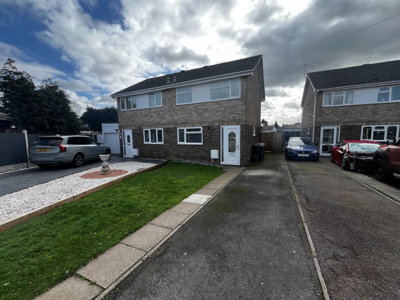
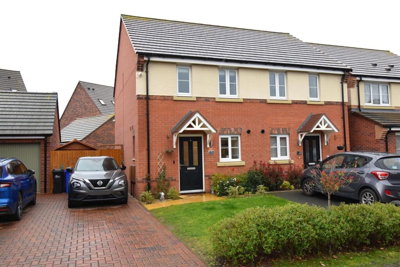
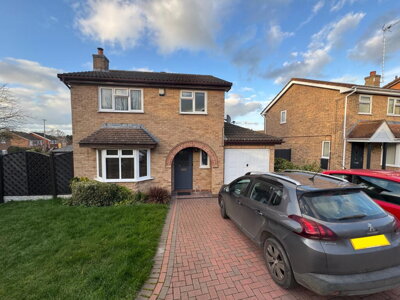
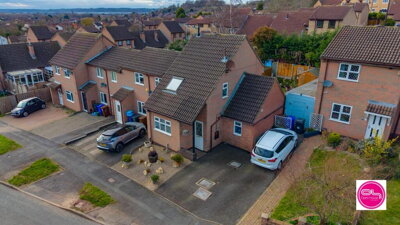
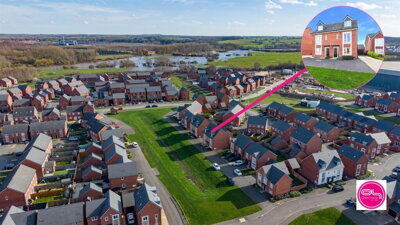
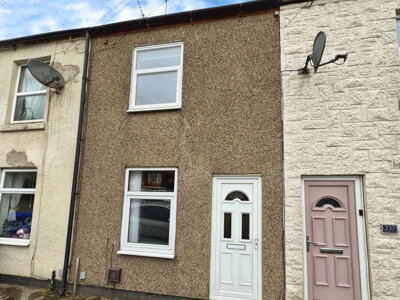
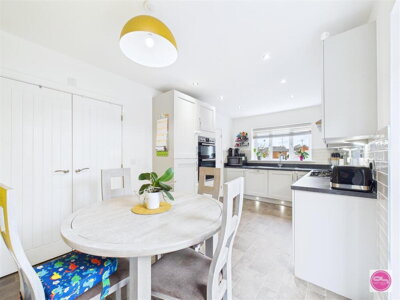
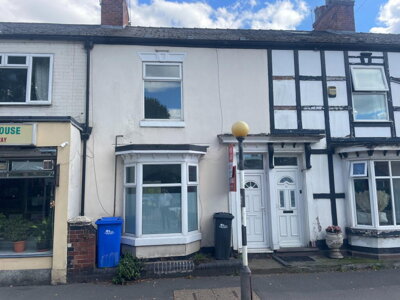
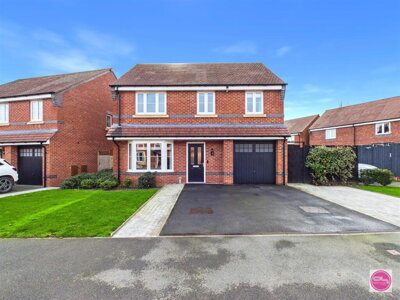
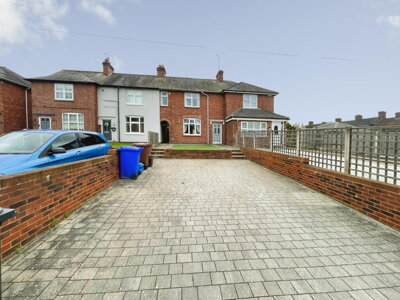
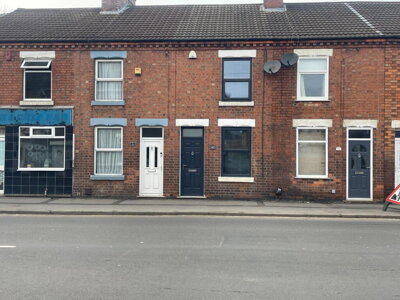
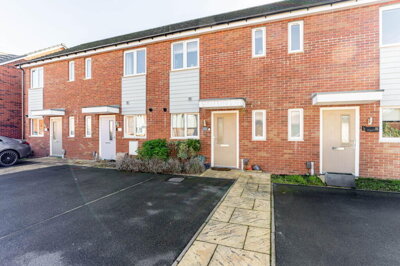
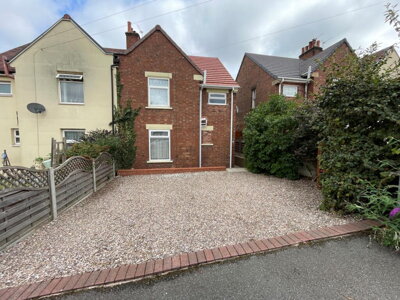
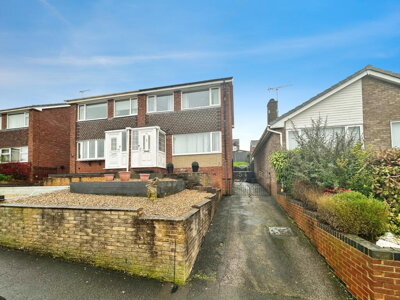
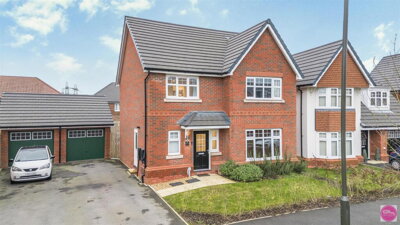
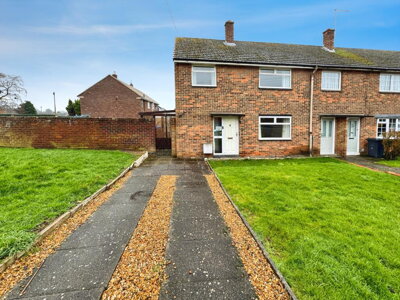
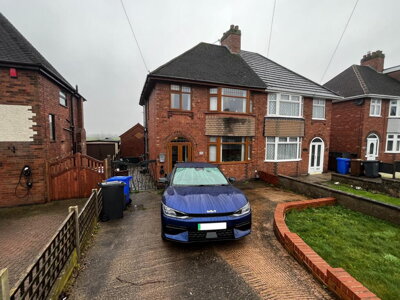
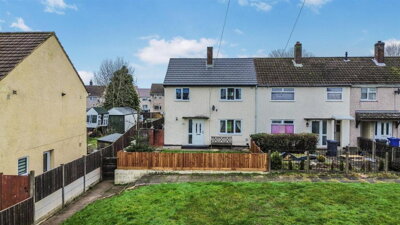
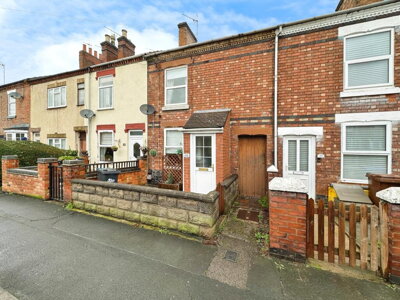
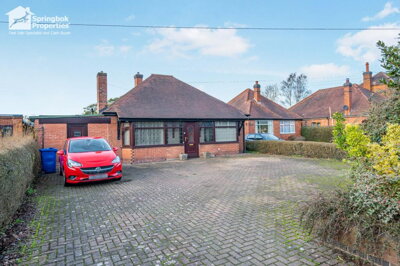
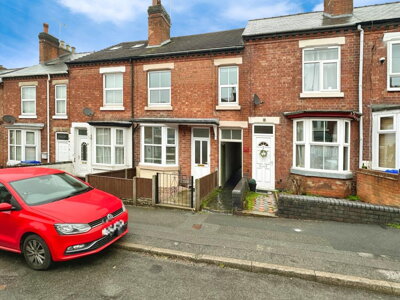
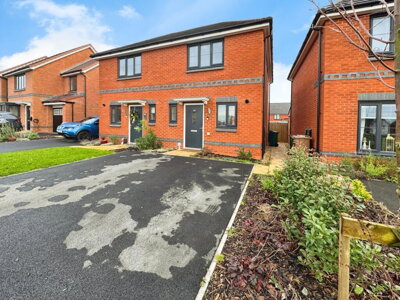
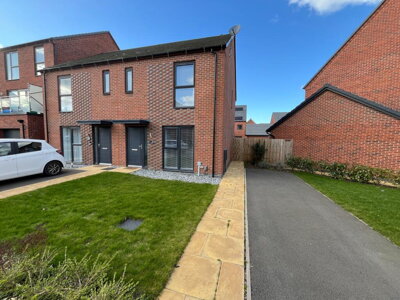
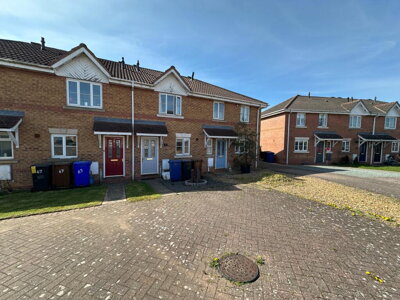
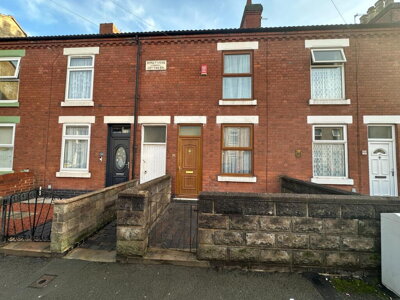
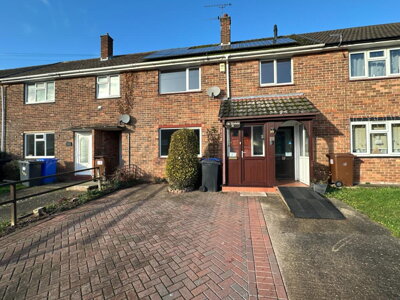
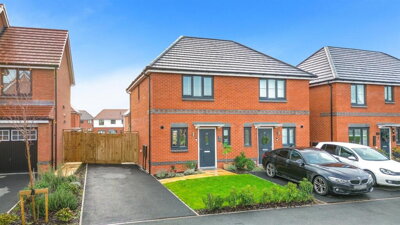
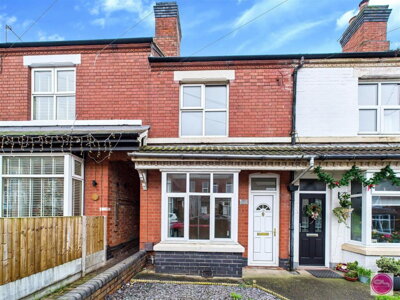
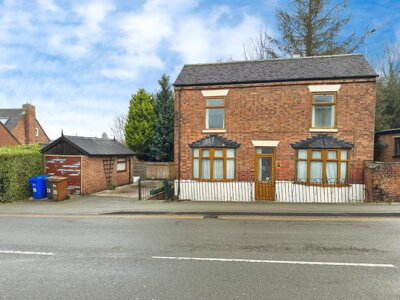
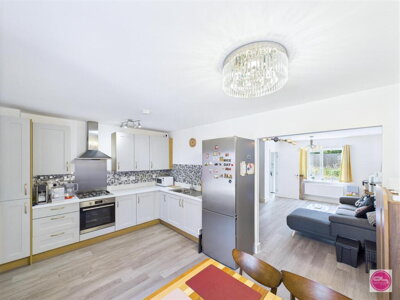
Browse 366 homes for sale in Drakelow, South Derbyshire from local estate agents.
The Drakelow property market offers detached, semi-detached, and terraced houses spanning various price ranges and neighbourhoods. Each listing includes detailed property information, photographs, and direct contact with the marketing agent.
£340k
39
0
49
Source: home.co.uk
Showing 39 results for Houses for sale in Drakelow, South Derbyshire. The median asking price is £339,995.
Source: home.co.uk
Detached
31 listings
Avg £346,643
Semi-Detached
8 listings
Avg £208,873
Source: home.co.uk
Source: home.co.uk
Properties in Dilham reflect the traditional Norfolk building styles that have characterised the region for centuries. The predominant construction materials include red brick, which has been a staple of Norfolk building since the medieval period, alongside render finishes that give many village homes their distinctive appearance. Weatherboarding in timber appears on certain properties, particularly those closer to the river where moisture considerations influenced building choices. Roofing throughout the village typically features clay tiles or slate, materials that have proven durable against the Norfolk climate over many generations.
The local geology in this part of North Norfolk consists predominantly of Quaternary deposits overlying Cretaceous chalk, with clay seams running through the substrate. This clay content presents important considerations for property buyers, as shrink-swell movement in clay soils can affect foundations, particularly during extended periods of wet or dry weather. Properties built before modern building regulations may have shallower foundations that are more susceptible to ground movement, making professional surveys particularly valuable for anyone considering older homes in the village. The solid wall construction common in pre-1919 properties also means that damp penetration represents a more significant concern compared to newer cavity-wall builds.
Flood risk in Dilham centres on the River Ant, which flows directly through the village as part of the Norfolk Broads navigable waterway system. Properties situated immediately adjacent to the river face heightened flood risk during periods of heavy rainfall or tidal surge, and prospective buyers should investigate the specific flood zone classification of any property under consideration. Surface water flooding can also occur in low-lying areas of the village during exceptional rainfall events, given the relatively flat topography of the surrounding Broads landscape. Buildings insurance costs may reflect these flood risk factors, and quotes should be obtained before completing any purchase in areas near the riverbank.
The Dilham property market reflects the character of this small North Norfolk village, offering primarily detached and semi-detached homes at competitive prices. Current data shows detached properties averaging around £310,000, while semi-detached homes command approximately £347,000 and terraced properties typically sell for £300,000. These figures position Dilham as a more affordable alternative to coastal Norfolk locations while still providing the rural charm and scenic beauty that makes the region so desirable. The village's housing stock consists largely of traditional brick-built properties with render finishes, often featuring the distinctive red brick that characterises Norfolk construction.
Recent market activity indicates some softening in prices over the past twelve months, with various sources reporting decreases ranging from 13% to 29.6% depending on methodology. Rightmove reports a 13% decrease, while OnTheMarket indicates a steeper 29.6% fall, and PropertyResearch.uk shows 17.3% decline over the same period. This variation reflects the relatively small number of transactions in a village of Dilham's size, where individual sales can have a significant impact on aggregate statistics. For buyers, this market condition may present opportunities to acquire properties at more reasonable prices than in previous years. The volume of transactions remains low, with typically only isolated sales of each property type recorded in recent months, making each individual sale influential in shaping perceived market values.
New build activity in Dilham itself remains limited, with no active development sites currently available within the village boundary. The absence of new development means the majority of available stock consists of existing homes that carry the character and solid construction of traditional Norfolk buildings. Properties in the village span various eras, from cottages and farmhouses dating to the Victorian and Edwardian periods through to post-war additions and sporadic renovation projects. This variety gives buyers scope to find properties suited to different budgets and preferences, whether prioritising period features or modern layouts. Holiday let potential exists given the village's position within the Broads tourism area, with waterside properties particularly attractive to visitors seeking river access.
Waterside properties in Dilham represent a distinct segment of the local market, with direct access to the River Ant commanding premium interest from buyers seeking the boating and waterside lifestyle that defines the Broads experience. These properties benefit from the year-round tourism that supports the local economy, though prospective buyers should understand that planning permission requirements for certain alterations or uses may differ from standard residential properties in this sensitive environmental area.

Life in Dilham centres around the River Ant, which flows through the village as part of the renowned Norfolk Broads system. This waterway connection defines much of the local character, attracting boaters, anglers, and nature enthusiasts to the area throughout the year. The village maintains an unspoiled rural atmosphere with period cottages, farm buildings, and older residential properties creating a streetscape that has evolved organically over many generations. St. Nicholas' Church anchors the historic core of the village, its architecture reflecting the long-standing religious and community traditions that have shaped village life for centuries.
The demographic profile of Dilham reflects typical small Norfolk villages, with a population skewed towards families and older residents who appreciate the quiet lifestyle and community cohesion that larger towns cannot replicate. Community activities centre on the village hall, local pub, and occasional events that bring residents together throughout the year. Essential amenities in the immediate vicinity include the local pub serving food and drinks, with more comprehensive shopping, healthcare, and recreational facilities available in nearby North Walsham, approximately five miles away. Wroxham and Stalham, both within easy driving distance, offer additional amenities including supermarkets, pharmacies, and medical practices.
The proximity to the Norfolk Broads National Park provides exceptional opportunities for walking, wildlife watching, and water-based activities, with the area recognised for its diverse birdlife including kingfishers, marsh harriers, and bitterns. Weekend markets in surrounding towns offer access to local produce and artisan goods, with North Walsham market operating weekly and offering fresh local vegetables, meats, and crafts. The Broads themselves provide kayaking, sailing, and motorboat hire opportunities, with several hire companies operating from nearby villages including Horning and Wroxham. Cyclists enjoy the quiet country lanes connecting Dilham to neighbouring villages, though the flat terrain of the Broads makes cycling accessible for most fitness levels.

Families considering a move to Dilham will find educational provision available through a network of primary and secondary schools in the surrounding North Norfolk area. Primary education within reasonable travelling distance includes St. Mary's Community Primary School in the nearby town of North Walsham, as well as smaller village schools in communities such as Tunstead and Ludham. The rural nature of the area means that primary school provision is distributed across multiple small schools, each serving their local community with traditional values and personal attention that parents often find preferable to larger urban schools. School transport arrangements for younger children typically require parental coordination, and families should verify routes and schedules before committing to a property purchase.
Secondary education options include Sir John Dees School in North Walsham, which offers a comprehensive curriculum for pupils aged 11-16, along with Fakenham Academy providing secondary education in the nearby market town of Fakenham. For families prioritising academic excellence, the grammar school system in Norfolk provides additional options, with selective schools in Norwich and surrounding areas accepting pupils who pass the eleven-plus examination held during Year 6. Transport arrangements for secondary school pupils typically involve school buses serving villages like Dilham, though parents should verify current routes and timings with Norfolk County Council before committing to a property purchase. Some families choose to arrange private transport or carpooling arrangements with other parents in similar situations.
For early years education, preschool settings operate in nearby communities including North Walsham and surrounding villages, providing childcare options for working parents who require flexibility in their daily routines. The nearest independent schooling options exist in Norwich, approximately twenty miles away, offering alternative educational approaches for families seeking particular pedagogical methods or facilities. Higher education provision centres on the University of East Anglia and Norwich University of the Arts in Norwich, with the University of Norfolk due to open in 2025 providing additional undergraduate and postgraduate options within the city.
Connectivity from Dilham relies primarily on road networks, with the village situated off the A149 coast road that runs through the North Norfolk Broads area. This route provides access to Cromer to the north and Great Yarmouth to the south, while the wider A47 trunk road offers connections to Norwich, approximately twenty miles to the south-west. Daily commuters to Norwich typically allow forty minutes to an hour for the journey by car, depending on traffic conditions and the specific destination within the city. The A47 provides the most direct route to Norwich for those working in the city, passing through Norwich city boundary at the Thickthorn interchange.
Public transport options from Dilham are limited, consistent with the pattern experienced in many rural Norfolk villages. Bus services operate on routes connecting to North Walsham and surrounding towns, though frequencies are typically geared towards essential journeys rather than peak-hour commuting. The Konect Bus network provides services along the A149 corridor, with connections to market towns and coastal destinations. The nearest railway stations are found in North Walsham and Cromer, providing connections to Norwich and the wider national rail network via the Bittern Line. Norwich station offers direct services to London Liverpool Street, Cambridge, and Birmingham, making regular rail travel feasible for those based in Dilham.
For buyers who require regular rail travel, proximity to these stations should factor into property selection decisions, with some buyers prioritising properties with easy access to the A149 for reaching North Walsham station. Cycling infrastructure in the area continues to develop, with quiet country lanes providing scenic routes for recreational cycling and occasional commuting, though the Norfolk climate with its wind and rain should be considered when planning year-round cycling journeys. The terrain of North Norfolk is predominantly flat, making cycling more accessible than in hillier regions, and dedicated cycle paths are gradually being developed connecting major destinations in the Broads area.
Start by exploring current listings on Homemove to understand available properties, price ranges, and market conditions in the village and surrounding NR28 postcode area. Consider visiting Dilham at different times of day and week to assess noise levels, traffic patterns along the A149, and community atmosphere. Speak with local estate agents in North Walsham about properties coming to market and the level of buying competition you might face in this relatively small market where individual sales can significantly influence conditions.
Before viewing properties, obtain a mortgage agreement in principle from a lender. This demonstrates your financial credibility to sellers and strengthens your position when making offers. Our mortgage comparison service helps you find competitive rates suited to your circumstances, and speaking with a broker familiar with Norfolk properties can help navigate the specific requirements for properties in flood-risk areas given Dilham's position on the River Ant.
Visit properties that match your criteria, paying attention to the condition of the building, its position relative to the River Ant, and any signs of damp, structural movement, or maintenance concerns common in older Norfolk properties. Take detailed notes and photographs to help compare options later, and consider revisiting properties at different times to assess lighting, noise, and how the property feels in varying conditions.
Once you have a property under offer, instruct a RICS Level 2 Survey to assess the condition of the building comprehensively. Given the age of many properties in Dilham and the local clay geology that can cause foundation movement, this survey is particularly valuable for identifying defects that might not be visible during viewings. The survey will specifically assess roof condition, damp penetration, timber integrity, and any signs of subsidence or heave related to clay shrink-swell activity.
Appoint a solicitor with experience in Norfolk property transactions to handle the legal aspects of your purchase. They will conduct local searches including environmental searches that will reveal flood risk information specific to the River Ant, review contracts, and coordinate with your mortgage lender through to completion. Flood risk information is particularly relevant for properties near the river in Dilham.
After satisfactory survey results and completed searches, your solicitor will arrange contract exchange with the seller's representative. On completion day, funds are transferred and you receive the keys to your new Dilham home. Arrange buildings insurance before completion, ensuring your insurer is aware of the property's proximity to the River Ant and any flood risk considerations identified during the conveyancing searches.
The average sold house price in Dilham over recent months is approximately £347,000 according to Zoopla and Rightmove data, with OnTheMarket reporting a slightly lower figure of £329,000. Detached properties average around £310,000, semi-detached homes command approximately £347,000, and terraced properties typically sell for £300,000. These prices reflect the rural Norfolk market and the village's desirable position within the Broads area, though recent months have seen some price adjustment compared to previous years, with Rightmove reporting a 13% decrease and OnTheMarket showing 29.6% decline depending on methodology used. The relatively low transaction volumes in Dilham mean individual sales have a significant impact on these aggregate figures, so buyers should consider specific property characteristics rather than relying solely on headline averages.
Properties in Dilham fall under North Norfolk District Council for council tax purposes, with the council managing local services including waste collection, planning decisions, and environmental enforcement in the village. Bands range from A through to H, with the specific band assigned to a property depending on its assessed value at the 1991 valuation date. Most traditional cottages and smaller homes in the village typically fall within bands A to C, while larger detached properties may be assigned higher bands. Prospective buyers can verify the council tax band for any specific property through the Valuation Office Agency website or by requesting this information during the conveyancing process. North Norfolk District Council sets annual charges for each band, and these charges should be factored into ongoing running costs when budgeting for a property purchase.
Primary education near Dilham is served by schools in nearby villages and the town of North Walsham, including St. Mary's Community Primary School which serves the local community with traditional values and smaller class sizes. For secondary education, families commonly access Sir John Dees School in North Walsham, which provides comprehensive education for pupils aged 11-16. Grammar school options exist for pupils who pass the eleven-plus examination, with selective schools accessible in Norwich for families willing to manage the daily commute. The nearest railway stations with broader educational facilities are located in Norwich, approximately twenty miles away, which some families consider for specialist secondary education. Parents should verify current school admissions policies and catchment areas with Norfolk County Council as these can affect placement decisions and may change over time.
Public transport options from Dilham are limited, consistent with a small rural village, with bus services operating routes connecting to North Walsham and surrounding towns at frequencies oriented toward essential journeys rather than peak commuting times. The Konect Bus network provides services along the A149 corridor, connecting Dilham to North Walsham, Stalham, and other Broads villages. The nearest railway stations are located in North Walsham and Cromer, providing connections to Norwich and the wider rail network via the Bittern Line, with Norwich station offering direct services to London Liverpool Street in approximately two hours. For daily commuting to Norwich or other major centres, a car remains the most practical option, with journey times to Norwich typically taking forty minutes to one hour depending on traffic conditions and the specific destination within the city.
Dilham's position along the River Ant creates specific flood considerations for property buyers, with properties immediately adjacent to the river facing heightened river flood risk during periods of heavy rainfall or tidal surge events. The low-lying nature of the surrounding Broads landscape also means that surface water flooding can occur during exceptional rainfall events, particularly in areas with poor drainage. The clay geology prevalent in this part of Norfolk can contribute to ground movement during wet-dry cycles, which may affect foundations over time. Environmental searches conducted during the conveyancing process will reveal the specific flood zone classification for any property under consideration, and buildings insurance quotes should be obtained before completing a purchase given that flood risk can influence both availability and cost of insurance cover.
Dilham offers several characteristics that may appeal to property investors, including its position within the Norfolk Broads tourism area and the presence of the River Ant, which attracts visitors throughout the year seeking boating, fishing, and countryside experiences. The village's historic character and traditional housing stock could appeal to buyers seeking holiday lets or rental properties, with waterside properties in particular commanding attention from tourists wanting river access. Prospective investors should carefully research planning regulations and any restrictions on short-term lets through North Norfolk District Council, as the Broads National Park authority has specific policies governing holiday accommodation. The limited new build supply in the village means existing properties maintain inherent value, while the broader Norfolk property market has shown resilience despite recent price adjustments. Any investment decision should account for the relatively low transaction volumes in a village of this size and the importance of location within the village, particularly regarding flood risk proximity to the river.
Stamp duty rates for England apply to all property purchases in Dilham, with current thresholds providing relief for buyers at various price points. For standard purchases, no duty is charged on properties up to £250,000, with 5% applied to the portion between £250,001 and £925,000. Properties priced above £925,000 incur 10% on the next portion and 12% on any amount exceeding £1.5 million. First-time buyers benefit from relief on properties up to £425,000, paying 5% on amounts between £425,001 and £625,000, with no relief available above £625,000. For a typical Dilham property priced at the village average of £347,000, a first-time buyer would pay no stamp duty, while a previous owner would incur duty calculated at 5% on the amount above £250,000, resulting in £4,850. These thresholds were updated in the 2024-25 tax year and should be verified closer to your intended purchase date as they may change with government policy.
Understanding the full costs of purchasing property in Dilham extends beyond the sale price to include stamp duty, legal fees, survey costs, and moving expenses that should all feature in your budget planning. Current SDLT thresholds provide relief for first-time buyers purchasing properties up to £425,000, with the nil-rate band eliminating duty on the first £250,000 for all buyers. For a typical Dilham property priced at the village average of £347,000, a first-time buyer would pay no stamp duty, while a previous owner would incur duty calculated at 5% on the amount above £250,000, resulting in £4,850. These thresholds were updated in the 2024-25 tax year and should be verified closer to your intended purchase date as they may change with government policy.
Additional purchase costs typically include mortgage arrangement fees ranging from £0 to £2,000 depending on the lender and product selected, with some lenders offering fee-free mortgages while others provide rate incentives that offset arrangement charges. Survey costs for a RICS Level 2 Survey typically range from £400 to £900 depending on property size and complexity, with larger detached properties commanding higher fees than terraced homes due to the additional inspection time required. Conveyancing fees typically start from £499 for standard transactions, though properties with complications such as planning conditions, listed building status, or flood risk considerations may incur additional charges for the additional work involved.
Local search fees, land registry charges, and disbursements typically total between £300 and £500, covering the local authority search, drainage and water search, and environmental database checks that form standard conveyancing documentation. Buildings insurance should be arranged before completion, with quotes obtained in advance for properties in flood-risk areas given the River Ant proximity and the potential impact on insurance availability and cost. Search fees for properties near the river may need to specifically address flood risk assessments, and your solicitor will advise on any additional environmental searches warranted by the property's location. Budgeting for removals, potential furniture purchases, and immediate post-purchase maintenance is advisable to avoid financial pressure after completing your acquisition.
From 3.89%
Compare mortgage rates from leading lenders
From £499
Expert property solicitors for Dilham purchases
From £350
Comprehensive condition report for Dilham properties
From £80
Energy performance certificate for your new home
Properties for Sale In London

Properties for Sale In Plymouth

Properties for Sale In Liverpool

Properties for Sale In Glasgow

Properties for Sale In Sheffield

Properties for Sale In Edinburgh

Properties for Sale In Coventry

Properties for Sale In Bradford

Properties for Sale In Manchester

Properties for Sale In Birmingham

Properties for Sale In Bristol

Properties for Sale In Oxford

Properties for Sale In Leicester

Properties for Sale In Newcastle

Properties for Sale In Leeds

Properties for Sale In Southampton

Properties for Sale In Cardiff

Properties for Sale In Nottingham

Properties for Sale In Norwich

Properties for Sale In Brighton

Properties for Sale In Derby

Properties for Sale In Portsmouth

Properties for Sale In Northampton

Properties for Sale In Milton Keynes

Properties for Sale In Bournemouth

Properties for Sale In Bolton

Properties for Sale In Swansea

Properties for Sale In Swindon

Properties for Sale In Peterborough

Properties for Sale In Wolverhampton

Enter your details to see if this property is within your budget.
Loans, cards, car finance
Estimated property budget
Borrowing + deposit
You could borrow between
Typical borrowing
Monthly repayment
Est. at 4.5%
Loan-to-value
This is an estimate only. Your actual budget may vary depending on interest rates, credit history, and personal circumstances. For an accurate affordability assessment, speak to one of our free mortgage advisors.
This calculator provides estimates for illustrative purposes only and does not constitute financial advice. Your home may be repossessed if you do not keep up repayments on your mortgage. Estimates based on 4.5% interest rate, repayment mortgage. Actual rates depend on your circumstances.
Homemove is a trading name of HM Haus Group Ltd (Company No. 13873779, registered in England & Wales). Homemove Mortgages Ltd (Company No. 15947693) is an Appointed Representative of TMG Direct Limited, trading as TMG Mortgage Network, which is authorised and regulated by the Financial Conduct Authority (FRN 786245). Homemove Mortgages Ltd is entered on the FCA Register as an Appointed Representative (FRN 1022429). You can check registrations at NewRegister or by calling 0800 111 6768.

We use cookies to show you personalised content and improve your experience of our website. Find out more in our Privacy policy and Cookie policy.