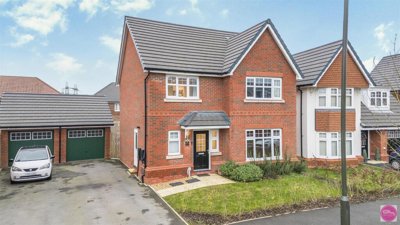
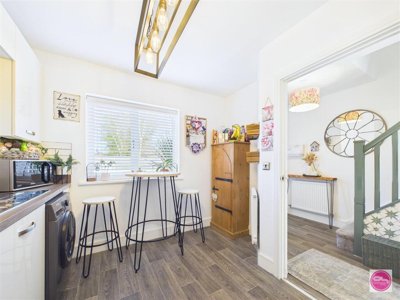
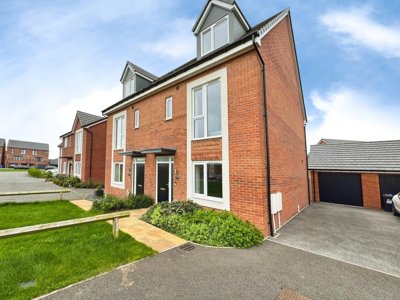
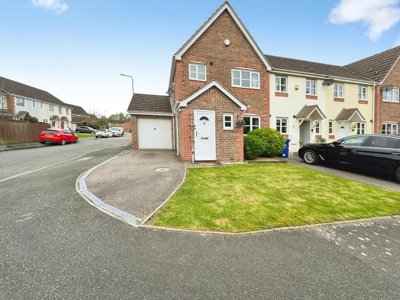
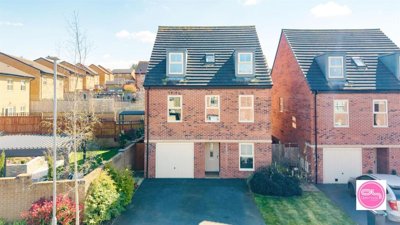
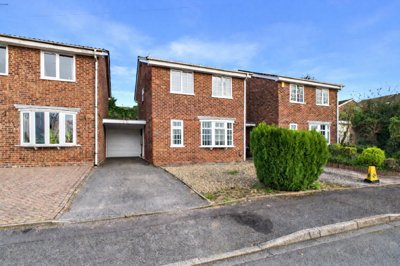
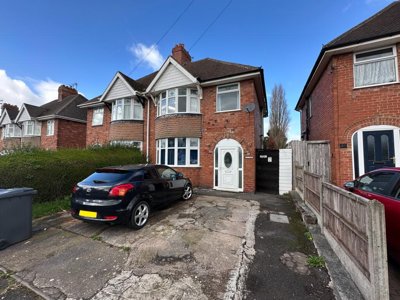
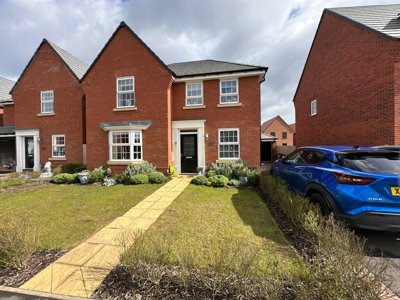
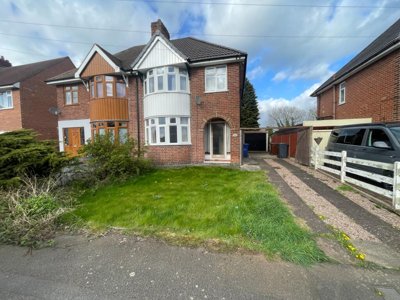
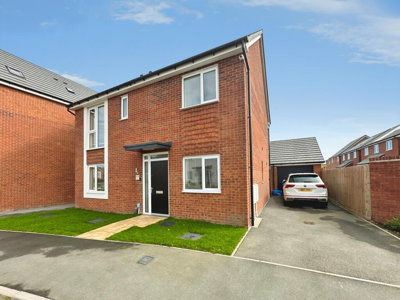
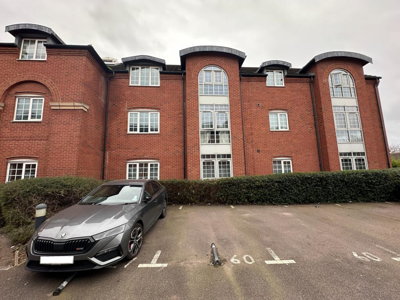
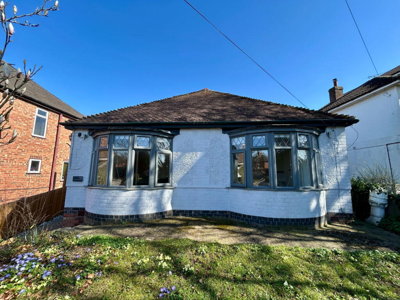
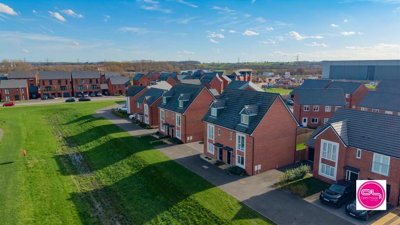
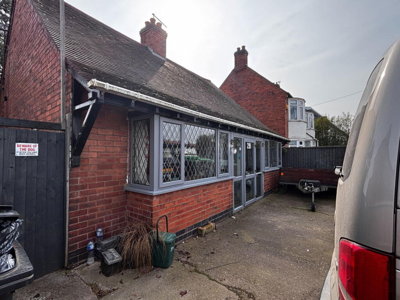
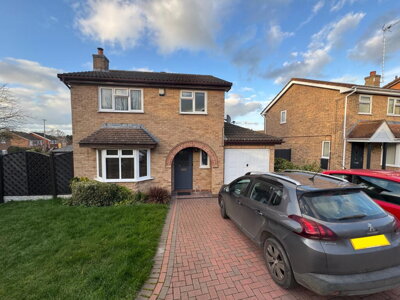
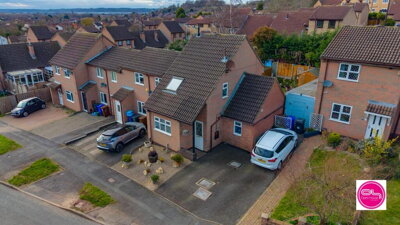
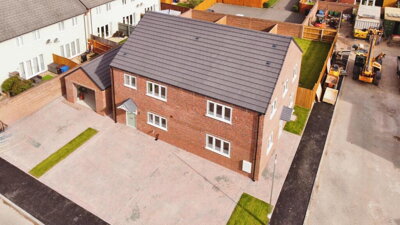
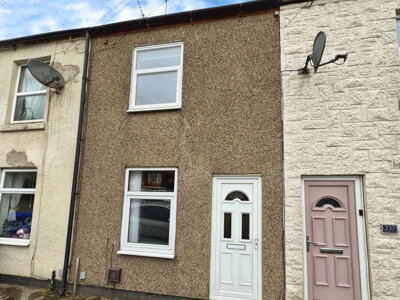
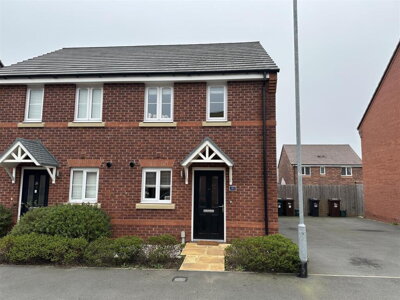
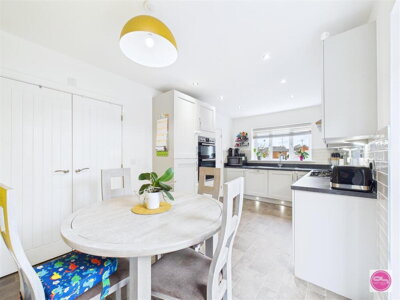
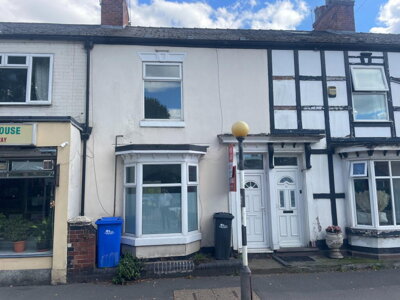
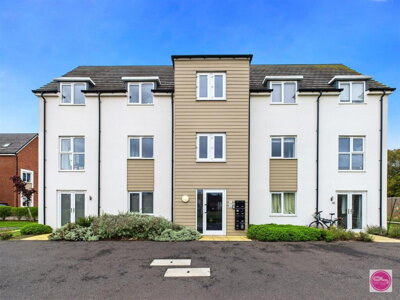
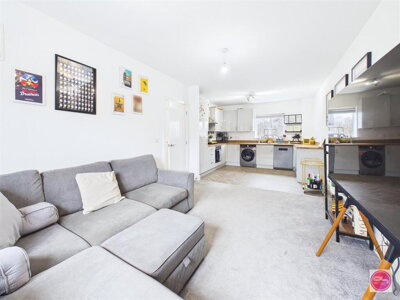
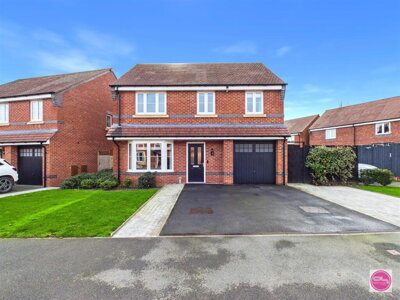
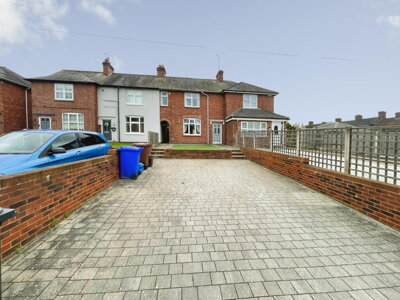
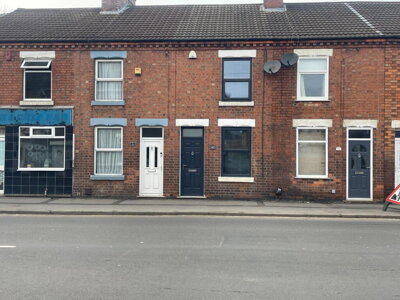
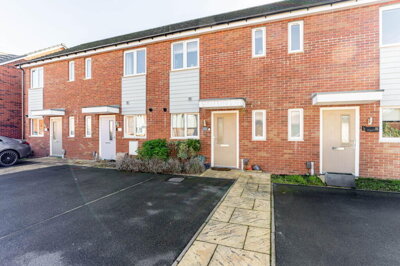
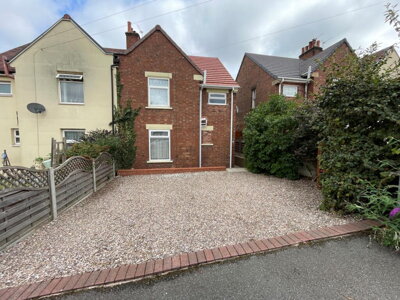
Browse 364 homes for sale in Drakelow, South Derbyshire from local estate agents.
£245k
29
5
42
Source: home.co.uk
Source: home.co.uk
Detached
22 listings
Avg £335,613
Semi-Detached
4 listings
Avg £136,499
Terraced
2 listings
Avg £70,000
End of Terrace
1 listings
Avg £112,500
Source: home.co.uk
Source: home.co.uk
The Drakelow property market offers a diverse selection of housing types to prospective buyers. Our listings include detached family homes priced from around £336,300, semi-detached properties in the region of £189,800, and terraced houses starting from approximately £164,983. This range of options means buyers can find properties suited to various requirements, whether seeking a starter home or a larger family residence. The village has seen steady activity in recent months, with semi-detached properties forming the majority of sales, indicating consistent demand for this property type in the area.
Recent price trends show the Drakelow market has experienced some correction after reaching a peak average of £295,709 in 2023. Current figures indicate prices are around 5% higher than the previous year, suggesting renewed stability and confidence among buyers and sellers. However, prices remain approximately 27% below the 2023 peak, which may present opportunities for buyers who missed the previous market cycle. This adjustment creates a more balanced market environment where negotiation is possible and properties are not selling at the premium rates seen two years ago.
Property availability in Drakelow and the surrounding DE15 9 postcode area includes both established homes and new build options. The presence of active developments means buyers have genuine choice between older properties requiring potential modernisation and brand-new homes with modern construction standards and developer warranties. This variety in the housing stock means prospective purchasers should carefully consider their priorities regarding condition, age, and specification when searching for homes for sale in Drakelow.

Drakelow is a village that balances rural charm with practical convenience. Located in South Derbyshire, the community sits close to the River Trent, offering pleasant riverside walks and access to green spaces that define the local landscape. The village atmosphere appeals to those who appreciate a quieter pace of life while still needing access to larger towns for work and amenities. Local residents benefit from community events and the kind of neighbourly connections that smaller settlements often foster.
The village itself has expanded significantly in recent years, particularly with the Dracan Village development bringing new homes to the Drakelow Park area. Traditional village amenities include a local primary school, a parish church, and a village pub, all contributing to community spirit. The surrounding area offers scenic walks through the Trent valley, with footpaths connecting Drakelow to neighbouring villages and providing access to the wider South Derbyshire countryside. These rural routes are popular with dog walkers and families seeking outdoor recreation without travelling far from home.
For everyday needs, residents of Drakelow rely heavily on nearby Burton-on-Trent, which is less than four miles away. The town provides comprehensive shopping facilities including the Castle Gate retail park, healthcare services at Queen's Hospital, restaurants, and leisure amenities including swimming pools and fitness centres. The proximity means that while Drakelow itself maintains its village character, residents do not sacrifice access to urban conveniences. The area attracts families, professionals working in the Burton or Derby area, and retirees seeking a peaceful location with good transport connections.

New build activity in Drakelow has been particularly concentrated around the Drakelow Park area, with Countryside's Dracan Village representing a significant addition to the local housing stock. This development offers a range of property types including 2-bedroom and 3-bedroom houses designed for modern family living. The 2-bedroom Ivy property is priced from £187,500, while the larger 3-bedroom Cedar home starts from £215,000, making them accessible options within the South Derbyshire property market. Properties on this development benefit from contemporary construction methods, energy-efficient specifications, and the reassurance of developer-backed warranties.
Shared ownership opportunities at Dracan Village provide an important route onto the property ladder for buyers who may not have access to full market-rate mortgages. Through a partnership with Midland Heart, purchasers can acquire a 25% share of a property while paying reduced rent on the remaining portion. For example, a 25% share of a 2-bedroom house costs approximately £46,875, with a mortgage likely required on around £50,000 to £60,000 depending on the property. This shared ownership model has helped local first-time buyers who found saving for a full deposit challenging in the current market conditions.
Other recent construction in Drakelow includes properties on Marley Way and Sidings Drive, where homes were built within the last few years by developers including David Wilson Homes and Lion Court Homes. A 5-bedroom detached property on Marley Way was completed in December 2023, demonstrating ongoing development activity in the village. These newer properties typically come with NHBC or similar structural warranties, providing buyers with protection and recourse should any defects emerge after purchase. When viewing newer properties, prospective buyers should understand exactly what warranty coverage remains in place and what the developer specifications include regarding fixtures, fittings, and finishes.

Families considering a move to Drakelow will find a selection of educational options within reach. The village falls within the South Derbyshire local education authority, which oversees a network of primary and secondary schools serving the surrounding area. Primary schools in nearby villages and in Burton-on-Trent provide early years education for younger children, while secondary options include both comprehensive schools and grammar schools that serve the wider region. Parents should research individual school performance data through Ofsted reports and consider catchment area boundaries when making property decisions.
Local primary schools serving Drakelow include Five Witches Primary School and Newhall Primary Academy, both within reasonable travelling distance. For secondary education, students typically attend schools in Burton-on-Trent such as The King's School or Blessed Robert Hughes Catholic Academy, depending on catchment areas and admissions criteria. Some families in South Derbyshire pursue places at the selective grammar schools in the region, which require passing the 11-plus entrance examination. School transport arrangements should be verified with Derbyshire County Council when considering properties further from preferred schools.
For sixth form and further education, students typically travel to Burton-on-Trent or Derby to access broader curriculum offerings and specialist subjects. Burton and Derby College provide a range of vocational and academic courses, while sixth forms at local secondary schools offer A-level programmes across various subjects. The presence of good schools in the surrounding area makes Drakelow an attractive location for families at various stages of their educational journey. When searching for property, buyers with children should verify current school allocations with South Derbyshire Council and visit potential schools to assess their suitability for individual family circumstances.

Drakelow benefits from its strategic position in South Derbyshire, offering straightforward access to major transport routes. The village sits near the A38 trunk road, which provides connections to Derby to the north and Birmingham to the south-west. This road network makes car travel convenient for residents working in nearby towns or commuting further afield. The proximity to the A38 means that destinations like the National Exhibition Centre, East Midlands Airport, and Derby city centre are all accessible within reasonable driving times.
Commuting times from Drakelow to major employment centres are practical for daily travel. The journey to Derby city centre takes approximately 25 minutes by car via the A38, while Birmingham can be reached in around 45 minutes depending on traffic conditions. East Midlands Airport is approximately 30 minutes away, making international travel straightforward for business and leisure purposes. The proximity to these key destinations makes Drakelow appealing to workers who need regional connectivity without the expense of living in a major city centre.
Public transport options include bus services connecting Drakelow with Burton-on-Trent and surrounding villages, providing essential connectivity for those without private vehicles. The X1 service operated by Arriva provides regular connections between Burton-on-Trent and Derby, stopping at intermediate villages. Rail travel is available from Burton-on-Trent station, which offers direct services to cities including Derby, Birmingham New Street, and Nottingham. Commuters working in Derby or Burton can typically reach their workplaces in under 30 minutes by car, making Drakelow a viable base for those whose employment takes them to these larger towns.

Begin by exploring current listings and recent sold prices in Drakelow and surrounding South Derbyshire. Understanding the local market helps you set realistic expectations and identify properties that match your requirements and budget. Use sold price data to assess whether properties are priced competitively, and familiarise yourself with the different neighbourhoods within the DE15 postcode area.
Before arranging viewings, obtain a mortgage agreement in principle from a lender. This strengthens your position when making offers and demonstrates to sellers that you have financing secured. Given that average prices in Drakelow are around £215,783, most buyers will need a mortgage amount of £170,000 to £200,000, though this varies based on deposit size and individual circumstances.
Visit properties that match your criteria and assess their condition, location, and proximity to amenities. Pay attention to the neighbourhood, noise levels from nearby roads, and any signs of maintenance issues during viewings. Take time to walk around the area at different times of day to understand traffic patterns and community atmosphere.
Once you have a property in mind, book a RICS Level 2 Homebuyer Report or Level 3 Building Survey to identify any structural issues or defects before proceeding with your purchase. Given the mix of older and newer properties in Drakelow, a survey is valuable for flagging issues ranging from damp in traditional homes to snagging requirements in new builds.
Choose a solicitor experienced in Derbyshire property transactions to handle the legal aspects of your purchase, including searches, contracts, and registration with the Land Registry. Your solicitor will conduct local authority searches with South Derbyshire District Council and environmental searches that may reveal flood risk information for properties near the River Trent.
Finalise your mortgage, complete all legal searches, and proceed to exchange and completion. Your solicitor will guide you through each stage until you receive the keys to your new Drakelow home. On completion day, collect your keys from the estate agent and arrange to collect your door keys from the property.
Prospective buyers considering property in Drakelow should be aware of specific local factors that may affect their purchase. The proximity of some areas to the River Trent means flood risk assessment is advisable for properties near waterways or in low-lying positions. Requesting environmental searches from your solicitor will provide definitive information about flood history and potential risk for any specific property you are considering. This is particularly relevant for properties in the Drakelow Park area, where the Dracan Village development sits next to the river.
The mix of property ages in Drakelow means buyers should investigate the condition of older properties carefully. While some homes will have been well-maintained and updated, others may require investment in areas such as roofing, plumbing, or electrical systems. Older properties along Dunstall Road and similar established streets may have original features that require attention, while newer homes on recent developments generally require less immediate maintenance but may have snagging issues in the first few years. A thorough survey will identify any existing defects that need addressing.
For new build properties, verify what warranties remain in place and understand what is included in the developer specifications. Homes built by Countryside at Dracan Village, David Wilson Homes on Marley Way, and Lion Court Homes on Sidings Drive will have varying warranty coverage depending on their completion dates. NHBC warranties typically run for 10 years and cover major structural defects, while snagging items from the developer should be reported promptly after completion. Shared ownership properties through Midland Heart have their own governance arrangements that buyers should understand fully before proceeding.

According to home.co.uk listings data, the average sold house price in Drakelow over the past 12 months is approximately £215,783. This figure represents an increase of around 5% compared to the previous year, suggesting the market is stabilising after the correction from 2023 peak prices of £295,709. Property types range significantly in price, with detached homes averaging around £336,300, semi-detached properties at approximately £189,800, and terraced houses from £164,983. that homedata.co.uk reports a higher average of £634,748, which may reflect a smaller sample including higher-value sales in the wider DE15 postcode area.
Properties in Drakelow fall under South Derbyshire District Council for council tax purposes. Specific banding depends on the property valuation, but homes in the village typically fall within council tax bands A through D, with newer properties and larger detached homes potentially in higher bands E or F. Prospective buyers should verify the council tax band for any specific property through the Valuation Office Agency website or request this information during the conveyancing process. Council tax charges for band A properties in South Derbyshire are among the lowest in the region, making this an affordable consideration for budget planning.
Drakelow is served by South Derbyshire's education system, with primary schools in nearby villages and Burton-on-Trent including Five Witches Primary School and Newhall Primary Academy. Secondary education options include schools in the wider area, with some families accessing grammar schools depending on catchment boundaries and entrance criteria. Parents should research individual school performance through Ofsted reports and consider school transport arrangements when evaluating properties. Visiting schools directly provides valuable insight into their atmosphere and suitability for individual children, and prospective buyers should contact South Derbyshire education admissions for the most current catchment area information.
Bus services operate routes connecting Drakelow with Burton-on-Trent and surrounding villages, including the X1 service between Burton-on-Trent and Derby. The Arriva network provides essential connectivity for daily travel and access to amenities without a private vehicle. Burton-on-Trent railway station offers direct train services to Derby, Birmingham New Street, and Nottingham, with journey times of approximately 15 minutes to Derby and 45 minutes to Birmingham. The nearby A38 provides straightforward road access to Derby, Birmingham, and the wider motorway network for those who travel by car, with East Midlands Airport accessible within 30 minutes.
Drakelow presents a balanced investment proposition based on current market data. The village has seen price stabilisation following the correction from 2023 peaks, with prices rising modestly year-on-year. The presence of new build developments, including Countryside's Dracan Village, indicates ongoing investment in the area, while shared ownership options through Midland Heart are expanding access to homeownership for first-time buyers. Proximity to Burton-on-Trent, good transport links via the A38, and the broader appeal of South Derbyshire support consistent demand. However, as with any property investment, buyers should consider their long-term plans, potential mortgage rates, and local market conditions carefully before committing.
Stamp Duty Land Tax rates for standard buyers start at 0% on the first £250,000 of property value, then 5% on the portion between £250,001 and £925,000. Given that the average Drakelow property price is around £215,783, most buyers would pay no SDLT on a typical home. However, properties priced above £250,000 would incur duty on the amount exceeding this threshold. First-time buyers purchasing properties up to £425,000 can benefit from relief that exempts the first £425,000 from SDLT, which covers many properties in the Drakelow area. Your solicitor will calculate the exact amount due based on your purchase price and circumstances.
Properties near the River Trent, particularly those in the Drakelow Park area where Dracan Village is located, should be assessed for flood risk before purchase. Environmental searches conducted during conveyancing will reveal whether a property falls within flood zones and provide historical flood data. The Environment Agency flood risk maps show that areas adjacent to the River Trent have a higher probability of river flooding, so buyers should review these carefully and consider whether flood resilience measures are in place for any property being considered.
When purchasing property in Drakelow, budget for additional costs beyond the purchase price. Stamp Duty Land Tax applies based on the property value, starting at 0% for the first £250,000 for standard buyers. This means a typical Drakelow property priced around the area average of £215,783 would incur no SDLT for most buyers, while properties priced above this threshold would see duty applied to the amount exceeding £250,000. First-time buyers purchasing properties up to £425,000 can benefit from relief that exempts the first £425,000 from SDLT, providing significant savings for eligible purchasers.
Other buying costs include solicitor fees for conveyancing, which typically start from around £499 for a standard transaction. Your solicitor will conduct local searches with South Derbyshire District Council, drainage searches, and environmental searches that may reveal flood risk information for properties near the River Trent. These searches typically cost between £200 and £400 depending on the property location and the search provider used. Land Registry registration fees for transferring ownership are charged at a fixed rate based on the property value.
Property surveys are advisable, with RICS Level 2 Homebuyer Reports starting from approximately £350 for a modest property, rising for larger homes. Given the mix of older and newer properties in Drakelow, a survey is particularly valuable for identifying issues in traditional properties or snagging requirements in new builds. An Energy Performance Certificate is required by law and costs from around £60. Removal expenses, immediate repairs, and furnishing costs should also factor into your budget. Obtaining a mortgage agreement in principle before searching properties helps clarify your financial position and demonstrates seriousness to sellers when making offers on homes in this South Derbyshire village.
Properties for Sale In London

Properties for Sale In Plymouth

Properties for Sale In Liverpool

Properties for Sale In Glasgow

Properties for Sale In Sheffield

Properties for Sale In Edinburgh

Properties for Sale In Coventry

Properties for Sale In Bradford

Properties for Sale In Manchester

Properties for Sale In Birmingham

Properties for Sale In Bristol

Properties for Sale In Oxford

Properties for Sale In Leicester

Properties for Sale In Newcastle

Properties for Sale In Leeds

Properties for Sale In Southampton

Properties for Sale In Cardiff

Properties for Sale In Nottingham

Properties for Sale In Norwich

Properties for Sale In Brighton

Properties for Sale In Derby

Properties for Sale In Portsmouth

Properties for Sale In Northampton

Properties for Sale In Milton Keynes

Properties for Sale In Bournemouth

Properties for Sale In Bolton

Properties for Sale In Swansea

Properties for Sale In Swindon

Properties for Sale In Peterborough

Properties for Sale In Wolverhampton

Enter your details to see if this property is within your budget.
Loans, cards, car finance
Estimated property budget
Borrowing + deposit
You could borrow between
Typical borrowing
Monthly repayment
Est. at 4.5%
Loan-to-value
This is an estimate only. Your actual budget may vary depending on interest rates, credit history, and personal circumstances. For an accurate affordability assessment, speak to one of our free mortgage advisors.
This calculator provides estimates for illustrative purposes only and does not constitute financial advice. Your home may be repossessed if you do not keep up repayments on your mortgage. Estimates based on 4.5% interest rate, repayment mortgage. Actual rates depend on your circumstances.
Homemove is a trading name of HM Haus Group Ltd (Company No. 13873779, registered in England & Wales). Homemove Mortgages Ltd (Company No. 15947693) is an Appointed Representative of TMG Direct Limited, trading as TMG Mortgage Network, which is authorised and regulated by the Financial Conduct Authority (FRN 786245). Homemove Mortgages Ltd is entered on the FCA Register as an Appointed Representative (FRN 1022429). You can check registrations at NewRegister or by calling 0800 111 6768.

We use cookies to show you personalised content and improve your experience of our website. Find out more in our Privacy policy and Cookie policy.