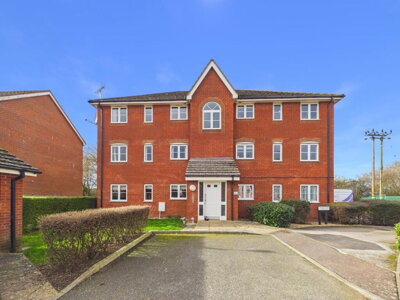
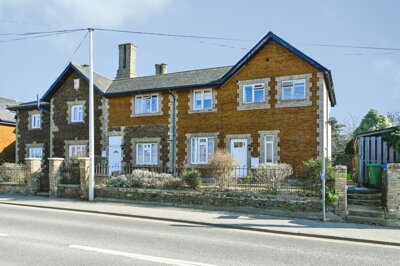
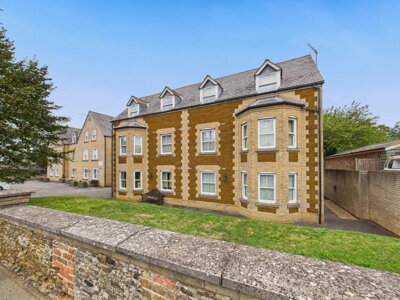
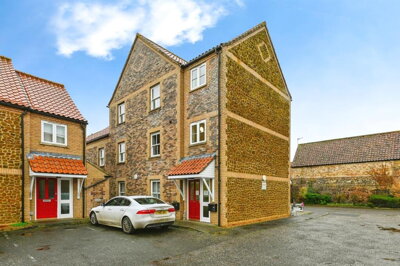
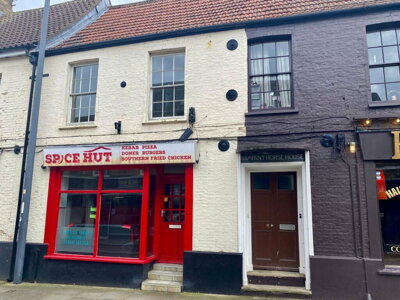
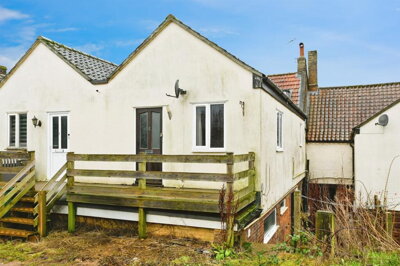
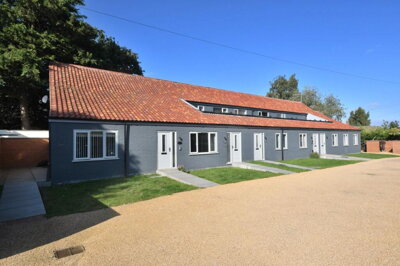
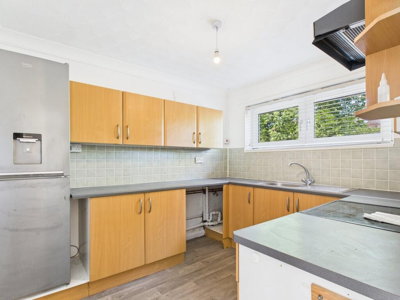
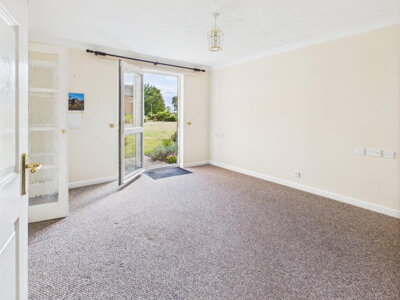
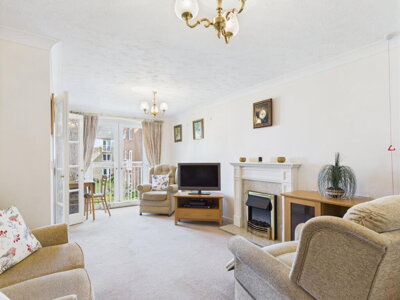
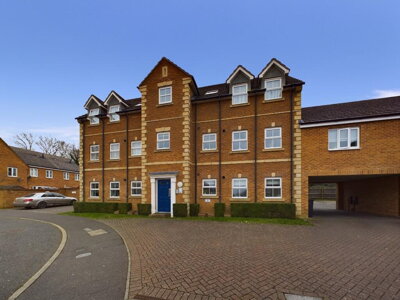
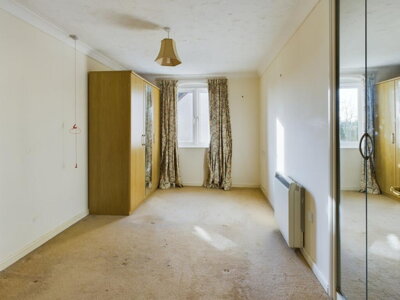
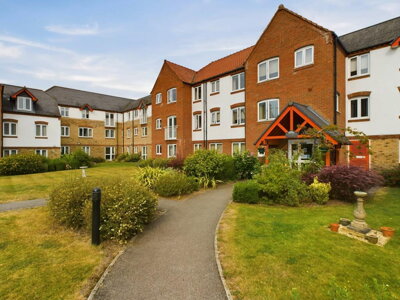
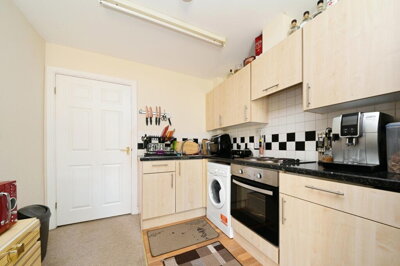
Browse 15 homes for sale in Downham West from local estate agents.
Studio apartments feature open-plan living spaces without separate bedrooms, incorporating sleeping, living, kitchen, and bathroom facilities. The Downham West studio market includes properties in modern apartment complexes, converted Victorian and Georgian buildings, and purpose-built developments.
The Sleat property market reflects the unique characteristics of Scotland's most celebrated island peninsula. Our current listings draw from the broader Skye market, where Rightmove records an average house price of £262,054, while Zoopla reports £264,368 over the past twelve months. These figures represent a market that has proven remarkably resilient, with prices rising 3 percent year-on-year despite sitting 6 percent below the 2023 peak of £277,619. For buyers seeking value in one of Scotland's most desirable locations, this modest correction presents a genuine opportunity to enter a market that has historically outpaced many urban areas in terms of long-term appreciation.
Property types across the peninsula vary considerably in price. Detached homes, many of them traditional stone-built cottages or modern executive houses with panoramic views, average between £282,000 and £285,000. Semi-detached properties offer more accessible entry points at around £189,000 to £192,000, while terraced homes average approximately £169,000. Flats, which represent a smaller portion of the market, range from £250,000 to £282,000 depending on location and condition. The predominance of older properties means that many homes will require varying degrees of modernisation, making thorough surveys essential for any serious buyer.
The Kilbeg development in Sleat represents a landmark moment for the local property market. Described as the first new village in Skye in over 100 years, this development partners Sabhal Mor Ostaig, The Highland Council, and the Communities Housing Trust. James MacQueen Building Contractors Ltd handles construction, with Phase 2 delivering 17 affordable homes including 6 for social rent, 8 affordable homes for sale, and 3 discounted self-build plots. An adjacent private development will add a further 14 flats, offering more options for those seeking modern accommodation in this sought-after peninsula.

Life in Sleat offers an quality of existence that increasingly draws buyers from across Britain and beyond. The peninsula, known as the "Garden of Skye" for its lush landscapes and extensive woodlands, supports a population of approximately 891 residents spread across 383 households. The community has grown by 12 percent since 2001, indicating steady attraction despite the area's remote location. The demographic profile shows significant nuance: 73.1 percent of households contain just two people or fewer, with single-person households comprising 33.6 percent, reflecting both the older population and the nature of smallholding and crofting life that has characterised these shores for centuries.
The local economy centres on a blend of traditional crofting, public sector employment, and the tourism industry that generates around £211 million annually for the wider Skye economy while supporting approximately 2,850 jobs. Sabhal Mor Ostaig, the National Centre for Gaelic Language and Culture, stands as the peninsula's most significant institution, employing hundreds and attracting students and researchers from across the globe. This creates a cosmopolitan atmosphere within a rural setting that many find irresistible. The local economy supports essential services, local shops, and community facilities that belied the area's sparse population, ensuring that daily life, while different from urban Britain, lacks for little.
The Sleat Community Trust plays an increasingly important role in local development, currently advancing plans for three house sites at Tormore Forest, Capisdal, with planning permission being sought from Highland Council. These sites will be sold to raise capital for community projects, demonstrating the proactive approach local residents take in shaping their peninsula's future. Additional plans for affordable housing on community-owned land at Armadale show how the community continues to evolve while maintaining its distinctive character.

Properties in Sleat reflect centuries of traditional Scottish building practices that buyers must understand before committing to purchase. The traditional buildings of Skye, including the historic blackhouses, were constructed using locally sourced materials: drystone walls typically built as double-skinned structures with earth or rubble infill, timber roof frames, and thatched roofs using common rush or local reeds. These construction methods created homes of considerable character and thermal mass, but they require knowledgeable maintenance that differs significantly from modern building standards.
Many historic and rural properties across the peninsula feature solid walls rather than the cavity construction common in modern buildings. This solid-wall construction means that insulation and moisture management require different approaches than those used in newer properties. Traditional lime-based mortars and renders allow walls to breathe, while modern cement-based products can trap moisture and cause deterioration. Our surveyors regularly identify issues arising from inappropriate modern upgrades to traditional structures, where well-meaning improvements have inadvertently caused damp penetration or timber decay.
Modern new builds on the Isle of Skye can utilise timber frame or double block construction, following contemporary building regulations. However, given that the Kilbeg development represents the first new village in over a century, the overwhelming majority of the housing stock dates from earlier periods. Pre-1919 construction predominates, bringing with it the considerations that accompany older properties: potential for hidden defects, the need for ongoing maintenance, and the importance of professional survey assessment before purchase.
The local geology of the Sleat Peninsula features peat-based soils of variable depth, which can affect foundations and drainage in ways that buyers should understand before purchasing. Peat soils present challenges that can affect the long-term stability of structures, and foundations on peat require careful consideration during both construction and any subsequent extension or alteration work. Our surveyors pay particular attention to signs of settlement, ground movement, or drainage issues that may indicate underlying ground conditions requiring attention.
Properties near the coast face exposure to salt air that accelerates weathering of external surfaces, particularly on west-facing elevations that bear the brunt of Atlantic weather systems. Traditional building materials cope well with this exposure when maintained properly, but neglected properties can show significant deterioration of stonework, timber, and metalwork within a single generation. The sheltered valleys of Sleat offer different considerations around drainage and damp, with reduced wind exposure but potentially higher rainfall accumulation and reduced natural ventilation.
While specific flood risk data for Sleat requires individual property assessment, the peninsula's topography and coastal position mean that properties should be evaluated for potential exposure to surface water, coastal erosion, and storm conditions. Professional survey assessment should include evaluation of any existing drainage systems, retaining structures, and the condition of any sea walls or coastal defences that protect the property.
Education provision in Sleat reflects the peninsula's commitment to maintaining its Gaelic heritage and providing quality learning opportunities within a rural context. Primary education is available through local schools serving the scattered communities, with secondary pupils typically travelling to Portree or Broadford on the mainland portions of Skye. The presence of Sabhal Mor Ostaig adds a unique dimension, offering further and higher education courses in Gaelic language, culture, and related subjects that attract students from across Scotland and internationally. This institution transforms the peninsula from a remote outpost into a centre of academic excellence.
Families considering relocation will find that The Highland Council maintains rigorous standards across its schools, with regular inspection cycles ensuring quality provision. The smaller class sizes that naturally accompany rural schooling offer benefits that many urban parents increasingly seek, with teachers able to provide individual attention that larger schools struggle to match. For parents concerned about secondary education options, the availability of school transport and the proximity of good secondary schools in Portree and Broadford ensure that older children can access excellent academic programmes without requiring daily commutes that would challenge most urban families.
The investment in Sabhal Mor Ostaig extends beyond education into community development, with the institution partnering in the Kilbeg development to create a mixed community including family homes, level-access, and wheelchair-accessible properties. This demonstrates how educational investment translates into tangible community benefits for residents across all ages and circumstances.
Accessing Sleat requires crossing the mainland via the Skye Bridge at Kyle of Lochalsh, or arriving by ferry from Mallaig on the West Highland Line. The journey from Inverness takes approximately two and a half hours by car, placing the peninsula firmly in the category of truly rural living. For those who must commute regularly, this distance requires serious consideration, though many residents work locally or embrace flexible working arrangements that modern technology makes increasingly feasible. The ferry crossing itself, whether from Mallaig or from Armadale to the Small Isles, forms part of daily life rather than an obstacle, with residents quickly adapting to sea travel as simply another aspect of Highland living.
Within the peninsula, the single-track road network that winds through Sleat demands confident driving but opens up the entire coastline to exploration. Public transport options are limited, as they are across most of rural Scotland, making car ownership effectively essential for most residents. The road to Armadale and the communities beyond is maintained year-round by The Highland Council, though winter driving requires preparation and awareness of the conditions that can affect any road in this mountainous region. For buyers from urban backgrounds, the adjustment to rural transport patterns represents one of the most significant lifestyle changes, though many find that the compensation in terms of quality of life far outweighs the practical inconveniences.
The nearest railway station at Kyle of Lochalsh connects to the West Highland Line, offering direct services to Glasgow and Inverness. This connection, while requiring a drive or bus link to reach it, provides access to the broader Scottish rail network and onwards connections across the UK. Many residents find that the occasional journey to use long-distance rail services becomes part of their travel pattern, combining the best of rural living with connectivity to urban centres when needed.
Start by exploring current listings across the Sleat Peninsula to understand what properties are available and at what price points. The market here differs significantly from urban areas, with traditional stone cottages, croft houses, and the occasional modern development comprising the bulk of available stock. Take time to understand the distinction between freehold, crofting tenure, and other arrangements that may affect your purchase.
Before viewing properties, obtain a mortgage agreement in principle from a lender. This demonstrates your seriousness to sellers and helps you understand your true budget. Rural properties can sometimes involve complex financing situations, including crofting tenures, that require specialist advice. Speak to a broker familiar with Scottish rural property if your situation involves non-standard tenure arrangements.
View multiple properties across the peninsula to understand the range of options available. Many homes here are traditional constructions that will require some level of renovation, so assess properties with both their current condition and potential in mind. Consider the practical implications of peat-based soils, solid wall construction, and the maintenance requirements of traditional buildings when evaluating any property.
Before purchasing any property in Sleat, arrange a comprehensive RICS Level 2 Survey. Given the age of many properties, their traditional construction methods, and the unique local geology featuring peat-based soils, professional assessment of the property condition is essential. We can connect you with surveyors experienced in traditional Scottish construction who understand the specific issues affecting properties on Skye.
A local or Highland-based solicitor with experience in rural Scottish property transactions can guide you through the legal process, including any specific considerations around crofting land, listed building regulations, or community land ownership arrangements that may affect the property. Scottish conveyancing differs from the rest of the UK, and local expertise proves invaluable.
Once all searches and surveys are satisfactory, your solicitor will handle the completion process. Remember that Scottish property law differs from English law, with separate completion procedures that your solicitor will manage. The process in Scotland is generally considered more straightforward than in England, with fewer opportunities for last-minute complications, but professional guidance remains essential.
While specific data for the Sleat Peninsula is not published separately, the broader Isle of Skye market shows average house prices of approximately £262,000 to £264,000 according to Rightmove and Zoopla. Detached properties average around £282,000 to £285,000, semi-detached homes around £189,000 to £192,000, and terraced properties approximately £169,000. The market has shown 3% growth year-on-year and sits around 6% below the 2023 peak, offering reasonable entry points for buyers seeking Highland property. Flats range from £250,000 to £282,000 depending on location and condition.
Properties in Sleat fall under The Highland Council's jurisdiction. Council tax bands in the area range from A through to H, with the majority of traditional cottages and smaller properties typically falling in bands A to C. Highland Council's rates are generally competitive compared to urban authorities across the UK, though specific bands depend on the property's assessed value. The Kilbeg development and other modern properties may fall into different bands reflecting their current construction standards and amenities. Your solicitor can confirm the exact council tax band during the conveyancing process.
Primary education is available through local schools serving the Sleat communities, with secondary pupils typically attending schools in Portree or Broadford. The area is served by The Highland Council's education authority, which maintains good standards across its rural schools. Sabhal Mor Ostaig provides further and higher education opportunities in Gaelic and related subjects, with the institution playing a key role in the Kilbeg development that includes family homes and accessible housing for the community. Families should contact The Highland Council directly to confirm catchment areas and current enrollment procedures for specific schools.
Public transport options in Sleat are limited, reflecting the rural nature of the peninsula. The nearest railway station is at Kyle of Lochalsh on the West Highland Line, from where buses connect to the Skye Bridge. Ferries run from Mallaig to Armadale, providing an alternative access route and serving the route to the Small Isles beyond Sleat. Most residents consider car ownership essential for daily life, and those relocating from urban areas should expect to adjust their expectations around public transport availability. The single-track road network within the peninsula is well-maintained by The Highland Council but requires confident driving.
The Sleat property market has demonstrated steady growth, with the 12 percent population increase since 2001 indicating sustained appeal. Tourism generates £211 million annually for Skye, supporting the local economy and maintaining property values. The Kilbeg development, the first new village in over 100 years, signals recognition of continued demand, with James MacQueen Building Contractors Ltd delivering new homes alongside community housing initiatives. Properties here tend to attract both those seeking permanent residence and those purchasing holiday lets or retreat homes, with the latter category potentially offering attractive rental income. However, buyers should note the 14 percent second-home rate which indicates competition for the limited traditional property stock.
Stamp Duty Land Tax does not apply in Scotland. Instead, all residential purchases in Scotland attract the Land and Buildings Transaction Tax (LBTT) system. For a typical property priced at the Isle of Skye average of around £262,000, the LBTT calculation starts with 0% on the first £145,000, then 2% on the portion between £145,001 and £250,000, and 5% on the balance. First-time buyers purchasing properties up to £175,000 can benefit from first-time buyer relief, which removes the LBTT burden entirely on qualifying purchases. Your solicitor will calculate the exact amount due based on the purchase price and your circumstances.
Traditional properties in Sleat often feature solid walls, drystone construction, and original features that require knowledgeable assessment. Signs of inappropriate modern alterations, such as cement-based mortars applied to traditional stonework, can indicate work that may have caused damage. Peat-based soils require evaluation of foundations and drainage, while coastal exposure accelerates weathering on west-facing elevations. Salt damage to original joinery, ironmongery, and external renders or finishes often requires attention on exposed properties. We strongly recommend a professional RICS Level 2 Survey before purchasing any traditional property on the peninsula.
The Kilbeg development represents the most significant new build activity in recent memory, described as the first new village in over 100 years. Phase 2 includes 17 affordable homes with The Highland Council providing 6 for social rent, the Communities Housing Trust offering 8 affordable homes for sale plus 3 discounted self-build plots. James MacQueen Building Contractors Ltd is constructing these properties alongside an adjacent private development of 14 flats. Additionally, the Sleat Community Trust is advancing plans for three house sites at Tormore Forest, Capisdal, offering further opportunities for those seeking modern accommodation in this sought-after peninsula.
Understanding the costs involved in purchasing property in Sleat requires familiarity with the Scottish Land and Buildings Transaction Tax (LBTT) system, which applies to all residential purchases in Scotland. For a typical property priced at the Isle of Skye average of around £262,000, the LBTT calculation would start with 0% on the first £145,000, then 2% on the portion between £145,001 and £250,000, and 5% on the balance. This results in a total tax bill considerably lower than buyers from England and Wales might initially expect, though the exact figure depends on the purchase price and any applicable reliefs.
First-time buyers purchasing properties up to £175,000 can benefit from first-time buyer relief, which removes the LBTT burden entirely on qualifying purchases. Those buying above this threshold will pay standard rates. Beyond the tax, buyers should budget for solicitor fees, which typically range from £500 to £1,500 depending on complexity and whether the property involves any unusual tenure arrangements such as crofting land or community ownership shares. Survey costs, including a RICS Level 2 Survey which we strongly recommend given the age and construction type of many Sleat properties, typically start from around £350. Land registry fees, search costs, and moving expenses round out the additional costs that buyers should factor into their overall budget when planning a Sleat purchase.
Properties involving crofting tenure or community land arrangements may incur additional costs for necessary registrations and transfers. Your solicitor will advise on any specific fees associated with your transaction type. Given the traditional nature of many properties and the peat-based soils common across the peninsula, the investment in a thorough property survey represents money well spent before committing to purchase.
Competitive mortgage rates for your Sleat property purchase
From 4.5% APR
Expert Scottish conveyancing for rural property
From £499
Essential survey for traditional Highland properties
From £350
Energy performance certificate for your property
From £60
Properties for Sale In London

Properties for Sale In Plymouth

Properties for Sale In Liverpool

Properties for Sale In Glasgow

Properties for Sale In Sheffield

Properties for Sale In Edinburgh

Properties for Sale In Coventry

Properties for Sale In Bradford

Properties for Sale In Manchester

Properties for Sale In Birmingham

Properties for Sale In Bristol

Properties for Sale In Oxford

Properties for Sale In Leicester

Properties for Sale In Newcastle

Properties for Sale In Leeds

Properties for Sale In Southampton

Properties for Sale In Cardiff

Properties for Sale In Nottingham

Properties for Sale In Norwich

Properties for Sale In Brighton

Properties for Sale In Derby

Properties for Sale In Portsmouth

Properties for Sale In Northampton

Properties for Sale In Milton Keynes

Properties for Sale In Bournemouth

Properties for Sale In Bolton

Properties for Sale In Swansea

Properties for Sale In Swindon

Properties for Sale In Peterborough

Properties for Sale In Wolverhampton

Enter your details to see if this property is within your budget.
Loans, cards, car finance
Estimated property budget
Borrowing + deposit
You could borrow between
Typical borrowing
Monthly repayment
Est. at 4.5%
Loan-to-value
This is an estimate only. Your actual budget may vary depending on interest rates, credit history, and personal circumstances. For an accurate affordability assessment, speak to one of our free mortgage advisors.
This calculator provides estimates for illustrative purposes only and does not constitute financial advice. Your home may be repossessed if you do not keep up repayments on your mortgage. Estimates based on 4.5% interest rate, repayment mortgage. Actual rates depend on your circumstances.
Homemove is a trading name of HM Haus Group Ltd (Company No. 13873779, registered in England & Wales). Homemove Mortgages Ltd (Company No. 15947693) is an Appointed Representative of TMG Direct Limited, trading as TMG Mortgage Network, which is authorised and regulated by the Financial Conduct Authority (FRN 786245). Homemove Mortgages Ltd is entered on the FCA Register as an Appointed Representative (FRN 1022429). You can check registrations at NewRegister or by calling 0800 111 6768.

We use cookies to show you personalised content and improve your experience of our website. Find out more in our Privacy policy and Cookie policy.