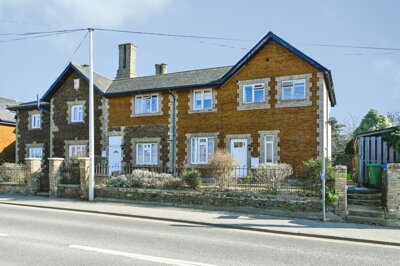
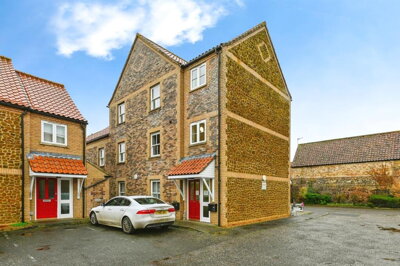
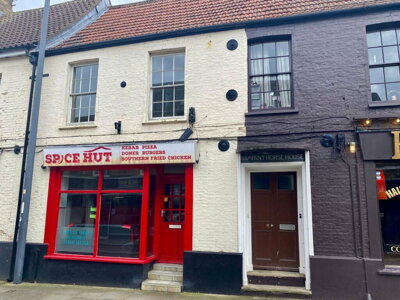
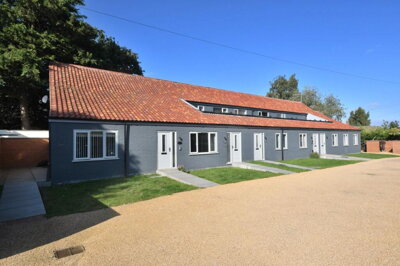
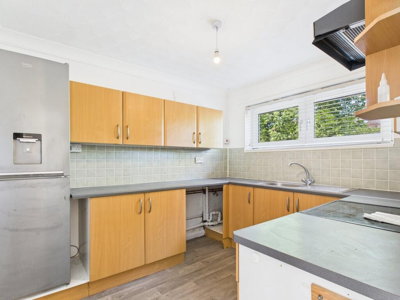
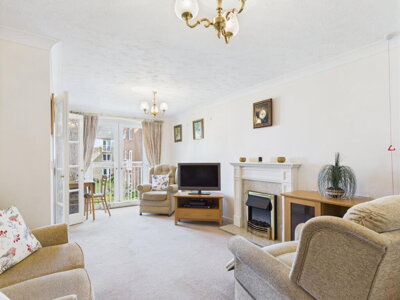
Browse 9 homes for sale in Downham West from local estate agents.
The 2 bed flat sector typically includes two separate bedrooms, dedicated living areas, and bathroom facilities. Properties in Downham West span purpose-built blocks, converted period houses, and modern apartment complexes on various floors.
The property market on the Sleat Peninsula reflects the broader trends of the Isle of Skye, with Rightmove recording an average house price of £262,054 over the past year, while Zoopla reports £264,368. Property values have shown resilience, rising 3% year-on-year despite being 6% down from the 2023 peak of £277,619. This slight correction from the peak may present opportunities for buyers looking to enter this desirable market before prices potentially stabilise or increase further.
Detached properties dominate the market, averaging £282,194 according to Rightmove and £285,489 on Zoopla, reflecting the preference for spacious homes that take advantage of Skye's dramatic scenery. Semi-detached homes offer more accessible entry points at around £189,000 to £192,000, while terraced properties typically start from approximately £169,571. Flats on the Isle of Skye command higher prices than many mainland areas, with averages ranging from £249,808 to £282,000, partly due to limited supply and strong demand from those seeking holiday homes or retirement properties.
One of the most significant developments in the area is the Kilbeg Development in Sleat, hailed as "the first new village in Skye in over 100 years." This partnership between Sabhal Mòr Ostaig, The Highland Council, and the Communities Housing Trust represents a major investment in local housing. Phase 2 includes 17 affordable homes comprising 6 for social rent, 8 affordable homes for sale, and 3 discounted self-build plots. An additional private development by James MacQueen's Ltd will provide a further 14 flats, offering housing options across various tenures and price points. For buyers interested in community-led initiatives, the Sleat Community Trust is also creating three house sites at Tormore Forest, Capisdal, with planning in principle being advanced with Highland Council, with proceeds supporting wider community projects.

Life on the Sleat Peninsula offers a lifestyle that feels a world away from the pressures of urban living. The area is characterised by its strong Gaelic heritage, with Sabhal Mòr Ostaig at its heart serving as the National Centre for Gaelic Language and Culture. This institution not only provides educational opportunities but also anchors a community that values its cultural traditions, from local music and arts to the preservation of the Gaelic language. Residents often describe the peninsula as the "Garden of Skye" due to its milder climate and lush landscapes compared to other parts of the island.
The demographic profile of Sleat reveals a community with distinct characteristics. According to 2011 Census data, 74.3% of households are owner-occupiers, significantly higher than the Highland Council area average of 67.2%, indicating strong pride in homeownership and community stability. Social housing comprises just 11.8% of the housing stock, lower than the 18.9% average across Highland. The area had a 14% second-home rate in 2013, reflecting Skye's popularity as a destination for those seeking holiday homes or investment properties, which has implications for the local property market and housing availability for permanent residents.
Household composition shows that 73.1% of homes contain two people or fewer, with single-person households at 33.6% and two-person households approaching 40%. This reflects a higher proportion of older residents in the community. The population of 891 represents growth of 12% since 2001, demonstrating that despite its rural nature, Sleat continues to attract new residents seeking its unique quality of life. The local economy is supported by crofting communities, which remain a defining feature of the peninsula's landscape and agricultural tradition.
The economic fabric of Sleat is shaped by several key sectors, with the public sector serving as the largest employer on the Isle of Skye, followed by distribution, hotels, and restaurants. Tourism plays a significant role, generating £211 million for Skye pre-pandemic and supporting 2,850 jobs, demonstrating the area's appeal to visitors. Local amenities include shops, pubs, and community facilities in Armadale, while the wider Isle of Skye offers comprehensive services in Broadford and Portree.

Education provision on the Sleat Peninsula centres on primary schooling, with local primary schools serving families living within the peninsula's communities. The area falls under The Highland Council's education authority, which coordinates school admissions and catchment area policies. Primary school-aged children can access local education without the need for lengthy journeys, making Sleat practical for families with younger children. Parents should verify current catchment boundaries and enrollment policies directly with The Highland Council as these can be subject to change.
Secondary education for Sleat residents typically involves travel to schools in Broadford or Portree on the Isle of Skye. The bus services connecting Sleat to these larger settlements are essential for secondary school pupils and their families. Broadford Academy serves students from across southern Skye, offering secondary education through to S6, while Portree High School provides comprehensive secondary education for the wider island. Both schools maintain relationships with The Highland Council regarding transportation arrangements for outlying communities like Sleat, with dedicated school bus routes operating from Armadale and surrounding areas.
For higher and further education, the presence of Sabhal Mòr Ostaig within Sleat itself is a significant asset. This institution offers courses in Gaelic language, culture, and arts, ranging from short programmes to degree-level qualifications. The college forms part of the University of the Highlands and Islands network, providing accessible higher education opportunities without requiring students to relocate to mainland Scotland. Adult learners and those seeking continuing professional development will find particular value in the courses available at Sabhal Mòr Ostaig, which contributes to the peninsula's reputation as a centre for Gaelic learning and cultural preservation.
The Sleat Peninsula is connected to the rest of the Isle of Skye via the A851 road, which runs through the peninsula and links Armadale to the Skye Bridge at Kyleakin. The bridge provides the only road connection between Skye and the Scottish mainland, crossing to Kyle of Lochalsh on the mainland. From Kyle of Lochalsh, the A87 trunk road provides access to Inverness, approximately 120 miles to the east, and connects to the West Highland Way region. The journey time to Inverness by car is typically around 2.5 to 3 hours, depending on road conditions.
Public transport options include bus services operated by Highland Council's public transport arm, with services connecting Sleat communities to Broadford, Portree, and other parts of Skye. The X96 and related routes provide essential connections for residents without private vehicles, though service frequency may be limited compared to urban areas. Planning around bus timetables is advisable for those relying on public transport for regular commuting or shopping trips. Ferry services from Armadale on the Sleat Peninsula to Mallaig on the mainland offer an alternative route, particularly valuable for those travelling to or from the West Highlands and Western Isles, with the ferry crossing taking approximately 30 minutes.
The Mallaig to London Bridge train route, accessible via the ferry from Mallaig, provides connections to Glasgow and London, though this involves a longer journey. For air travel, Inverness Airport offers domestic flights and connections to the UK mainland, approximately 2.5 to 3 hours' drive from Sleat. Edinburgh and Glasgow airports are around 4 to 5 hours away by car. Within the peninsula itself, cycling is popular for shorter journeys, though the hilly terrain and single-track roads require careful cycling practices. Parking is generally not problematic in Sleat's communities, unlike in busier tourist areas of Skye.
Property buyers considering Sleat should be aware of the area's traditional building construction, which often features older properties built with locally sourced materials. Traditional buildings on Skye, including the historic blackhouses, were constructed using drystone walls, timber roof frames, and thatched roofs using local materials. These solid-walled traditional properties may require different maintenance approaches compared to modern constructions, and surveyors experienced in Scottish traditional buildings can provide valuable insights into their condition and any potential issues.
The geology of the Sleat Peninsula features peat-based soils of variable depth, which can affect foundations and ground stability. Buyers should ensure their survey includes assessment of ground conditions, particularly for properties on lower-lying ground or near water features. Modern new builds on the Isle of Skye may utilise timber frame or double block construction, which differ significantly from traditional methods and require different assessment approaches. While specific flood risk data for Sleat was not detailed in available sources, the peninsula's coastal position means that exposure to weather and potential coastal erosion should be considered.
The prevalence of older housing stock on Sleat means that many properties will have been subject to various alterations and improvements over the years. Listed building status may apply to some historic properties, requiring consent for alterations under Scottish planning regulations. Given that approximately 14% of homes in the area were second homes as of 2013, buyers should consider the implications of this for the character and availability of the local community. Those purchasing with mortgage finance should obtain a mortgage valuation and consider additional surveys for older properties, while cash buyers should still invest in a survey to understand the property's condition fully.
Start by exploring current listings on Homemove to understand what properties are available and at what price points. Given the area's unique characteristics, including its traditional housing stock and the recent Kilbeg development, researching the local market thoroughly will help you identify suitable properties and understand typical values in different communities across the peninsula. Consider setting up automated alerts for new listings as properties in desirable areas like Sleat can sell quickly.
Before viewing properties, obtain a mortgage agreement in principle from a lender. This demonstrates your financial readiness to sellers and agents, particularly important in a competitive market where second-home buyers may be active. Our mortgage partners can help you find competitive rates and guide you through the application process for properties in the Highland Council area. Having this in place strengthens your position when making offers.
Once you have identified properties of interest, arrange viewings through the listed estate agents. Consider visiting at different times of day and in various weather conditions to get a complete picture of the property and its surroundings. Pay attention to access roads, proximity to amenities, and how the property sits within the landscape. For properties on the outskirts of Armadale, consider the distance to the ferry terminal and bus services.
Before committing to purchase, arrange for a RICS Level 2 Survey on the property. This is particularly important for older properties common in Sleat, which may have traditional construction features, peat-related ground conditions, or maintenance issues not visible during a standard mortgage valuation. The investment in a thorough survey can save significant costs and negotiations later in the process.
Choose a conveyancing solicitor with experience in Scottish property transactions to handle the legal aspects of your purchase. They will conduct searches with The Highland Council, handle the land registration process, and ensure all necessary checks are completed for properties in the area. Scottish conveyancing has specific requirements that differ from other UK jurisdictions, so local expertise is valuable.
Once all surveys, searches, and legal work are satisfactory, your solicitor will coordinate the completion of your purchase. In Scotland, the process involves a formal conclusion of the missives before the completion date, when the balance payment is transferred and ownership transfers to you. Plan your move carefully, accounting for the logistics of moving to a peninsula location.
While specific data for Sleat alone is not available, the broader Isle of Skye averages around £262,054 according to Rightmove data and £264,368 on Zoopla for the past year. Detached properties average approximately £282,000-£285,000, semi-detached homes around £189,000-£192,000, terraced properties from £169,571, and flats from £249,808. Prices rose 3% year-on-year but remain 6% below the 2023 peak of £277,619, potentially offering buying opportunities for those entering the market now.
Properties in Sleat fall under The Highland Council tax banding system. Specific band distributions for Sleat are not detailed in available data, but Highland Council maintains records for all properties in its jurisdiction. You can check current council tax bands through The Highland Council website or contact them directly. Highland Council tax rates are generally competitive compared to urban Scottish local authorities, making the area attractive for budget-conscious buyers. The peninsula's rural character means many properties may fall into lower bands, though factors such as property size and improvements can affect banding.
Sleat has access to primary schools serving the peninsula's communities, with secondary education available at schools in Broadford and Portree, requiring daily travel of approximately 20-40 minutes each way depending on the specific community. Broadford Academy and Portree High School are the main secondary options, both offering comprehensive curricula and transport arrangements for Sleat pupils. Sabhal Mòr Ostaig, the National Centre for Gaelic Language and Culture, provides higher education opportunities within Sleat itself, offering degree courses and adult learning through the University of the Highlands and Islands network. Parents should contact The Highland Council directly for current school catchment information and enrollment procedures.
Sleat is connected via the A851 road to the Skye Bridge at Kyleakin, providing road access to the Scottish mainland and onwards to Inverness via the A87. Bus services operated by Highland Council link Sleat communities to Broadford, Portree, and Kyleakin, though frequencies may be limited to several services per day rather than hourly departures. The ferry from Armadale to Mallaig provides an alternative route to the mainland rail network, with the scenic crossing taking approximately 30 minutes. For air travel, Inverness Airport is approximately 2.5 to 3 hours' drive away. Those relying on public transport should plan journeys carefully around timetables, particularly during winter months when weather conditions may affect services.
Sleat and the broader Isle of Skye offer several investment considerations for property buyers. The area has strong tourism appeal, generating £211 million annually pre-pandemic and supporting 2,850 jobs, suggesting potential for holiday let income. The Kilbeg Development represents the first new village in over 100 years, indicating limited new supply that could support existing property values. However, the 14% second-home rate and seasonal population fluctuations affect rental demand and long-term capital growth prospects. Buyers should carefully consider their investment objectives and the implications of Highland Council regulations on short-term lets, as well as the practical considerations of managing a property remotely.
As a Scottish property, Stamp Duty Land Tax (LBTT) applies instead of UK Stamp Duty. Current thresholds (2024-25) are: 0% up to £40,000, 1% from £40,001 to £75,000, 2% from £75,001 to £150,000, 4% from £150,001 to £250,000, 5% from £250,001 to £325,000, 7% from £325,001 to £750,000, and 12% above £750,000. First-time buyers in Scotland do not receive relief on LBTT. For a typical £262,000 property in Sleat, you would pay approximately £1,870 in LBTT at the standard rate. Your solicitor will calculate the exact amount based on the purchase price and your circumstances.
Beyond the property purchase price, buyers should budget for additional costs associated with purchasing property on the Sleat Peninsula. Land and Buildings Transaction Tax (LBTT), Scotland's equivalent of stamp duty, applies to all purchases with rates starting at 1% for properties between £40,001 and £75,000, rising through bands to 12% for properties above £750,000. For a typical property valued at £262,054, you would expect to pay approximately £1,870 in LBTT under current Scottish thresholds. First-time buyers do not receive LBTT relief in Scotland, so this cost should be factored into your budget from the outset.
Conveyancing costs for Scottish property transactions typically start from around £499 for basic transactions, rising depending on the complexity of the purchase and any title issues that arise. Your solicitor will conduct various searches with The Highland Council, including local authority searches, which may reveal planning decisions, road schemes, or environmental factors relevant to your property. Given the peat-based soils and traditional construction common in the area, searches may also need to address specific local considerations. Budget approximately £1,000 to £1,500 for legal fees and disbursements on a standard transaction, though more complex purchases may cost more.
Survey costs represent an important investment in protecting your purchase. A RICS Level 2 Survey typically starts from £350 and provides a detailed assessment of the property's condition, identifying defects that may require attention or negotiation with the seller. For older properties common in Sleat, this survey is particularly valuable given traditional construction methods and the potential for hidden defects. If you require a mortgage, the lender will arrange a valuation, but this is not the same as a full survey and may not identify all issues. Additional costs to consider include moving expenses, potential repairs or renovations, and ongoing costs such as buildings insurance, which may be higher for properties in remote locations or those exposed to coastal weather.
Properties for Sale In London

Properties for Sale In Plymouth

Properties for Sale In Liverpool

Properties for Sale In Glasgow

Properties for Sale In Sheffield

Properties for Sale In Edinburgh

Properties for Sale In Coventry

Properties for Sale In Bradford

Properties for Sale In Manchester

Properties for Sale In Birmingham

Properties for Sale In Bristol

Properties for Sale In Oxford

Properties for Sale In Leicester

Properties for Sale In Newcastle

Properties for Sale In Leeds

Properties for Sale In Southampton

Properties for Sale In Cardiff

Properties for Sale In Nottingham

Properties for Sale In Norwich

Properties for Sale In Brighton

Properties for Sale In Derby

Properties for Sale In Portsmouth

Properties for Sale In Northampton

Properties for Sale In Milton Keynes

Properties for Sale In Bournemouth

Properties for Sale In Bolton

Properties for Sale In Swansea

Properties for Sale In Swindon

Properties for Sale In Peterborough

Properties for Sale In Wolverhampton

Enter your details to see if this property is within your budget.
Loans, cards, car finance
Estimated property budget
Borrowing + deposit
You could borrow between
Typical borrowing
Monthly repayment
Est. at 4.5%
Loan-to-value
This is an estimate only. Your actual budget may vary depending on interest rates, credit history, and personal circumstances. For an accurate affordability assessment, speak to one of our free mortgage advisors.
This calculator provides estimates for illustrative purposes only and does not constitute financial advice. Your home may be repossessed if you do not keep up repayments on your mortgage. Estimates based on 4.5% interest rate, repayment mortgage. Actual rates depend on your circumstances.
Homemove is a trading name of HM Haus Group Ltd (Company No. 13873779, registered in England & Wales). Homemove Mortgages Ltd (Company No. 15947693) is an Appointed Representative of TMG Direct Limited, trading as TMG Mortgage Network, which is authorised and regulated by the Financial Conduct Authority (FRN 786245). Homemove Mortgages Ltd is entered on the FCA Register as an Appointed Representative (FRN 1022429). You can check registrations at NewRegister or by calling 0800 111 6768.

We use cookies to show you personalised content and improve your experience of our website. Find out more in our Privacy policy and Cookie policy.