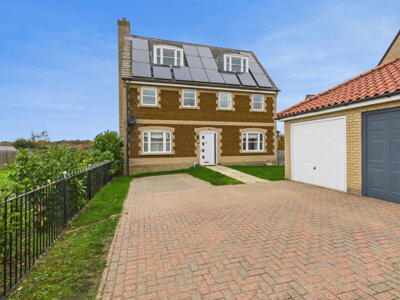
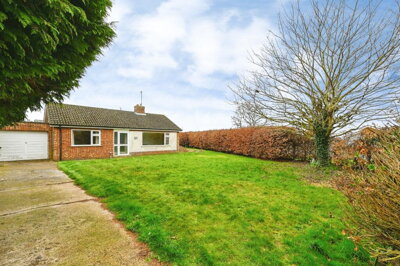
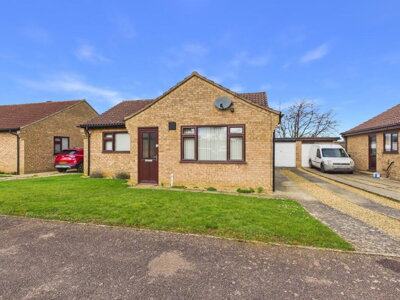
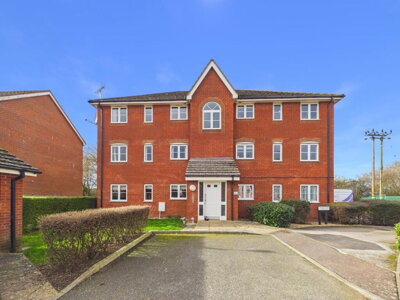
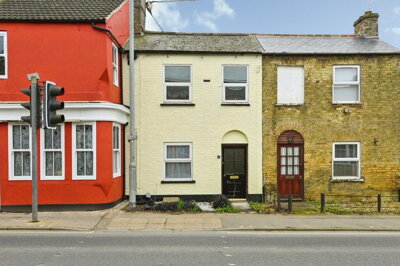
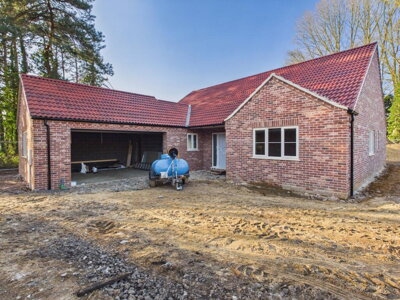
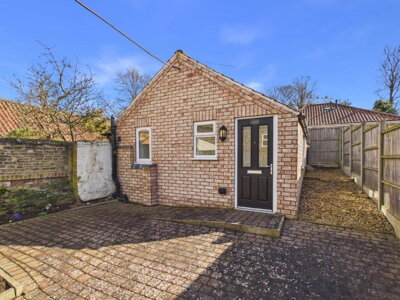
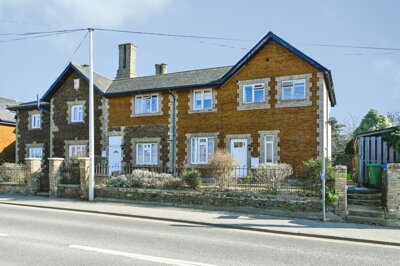
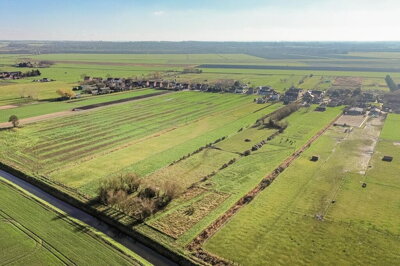
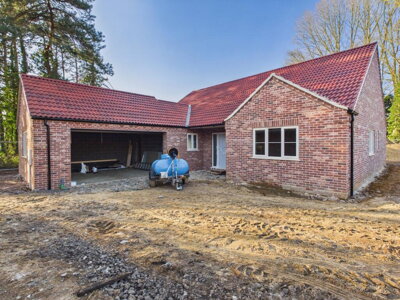
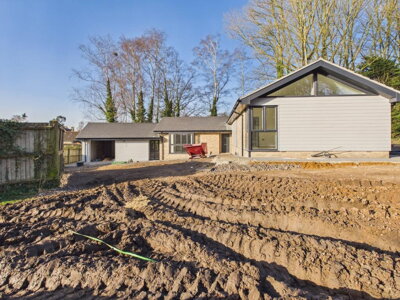
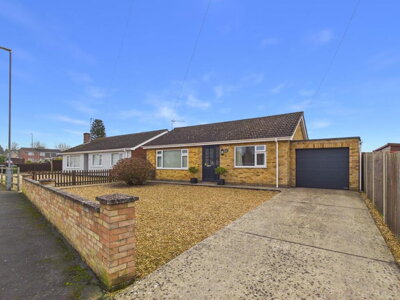
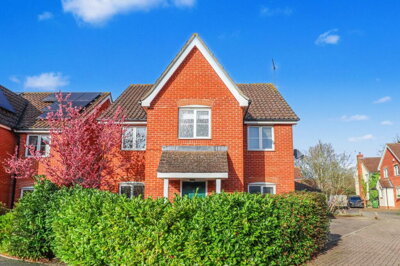
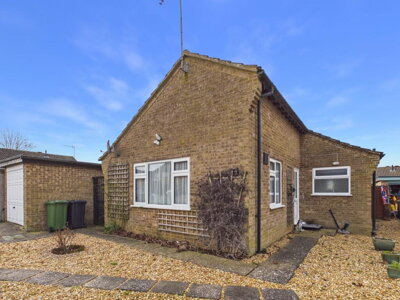
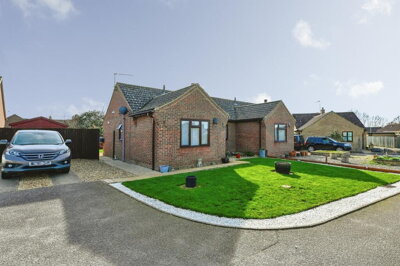
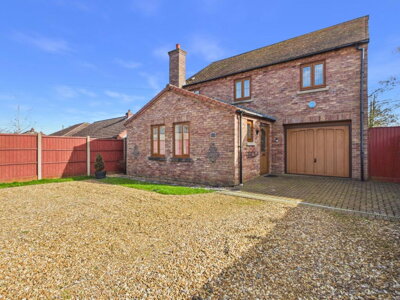
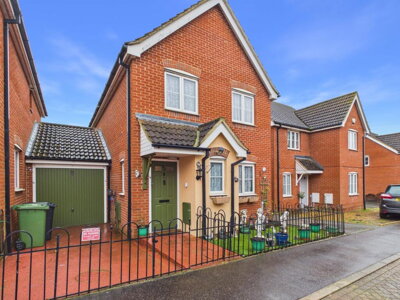
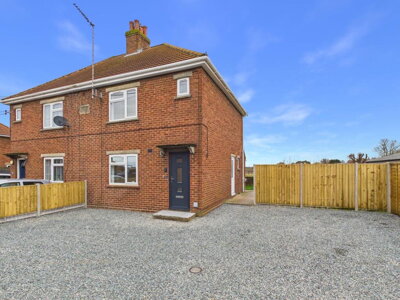
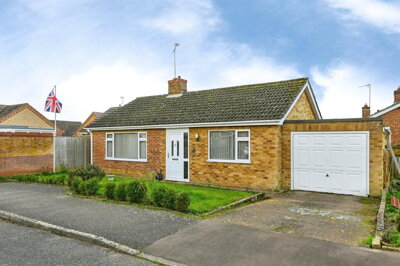
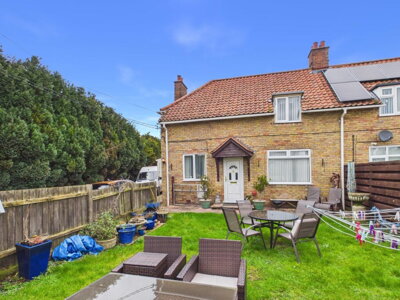
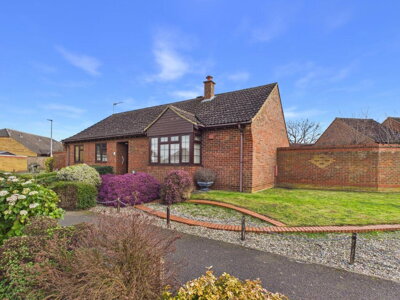
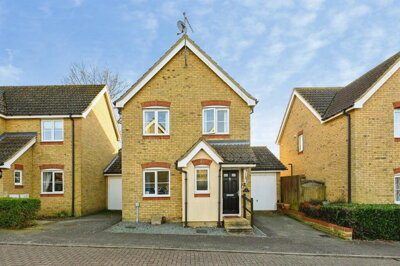
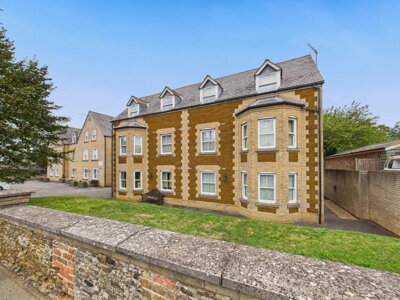
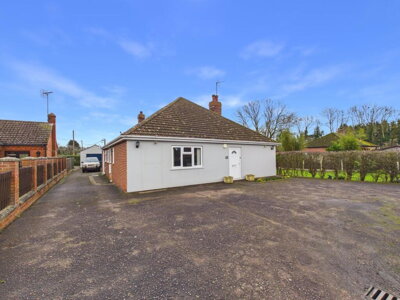
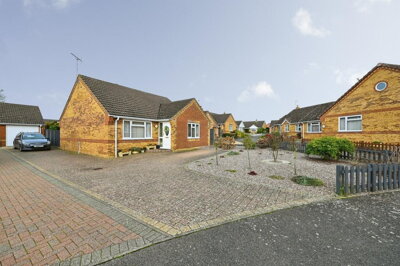
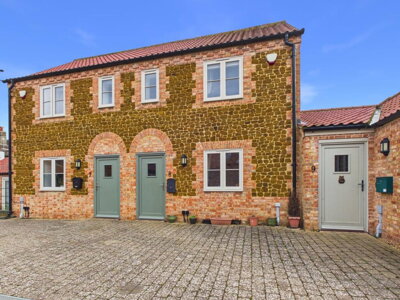
Browse 230 homes for sale in Downham West from local estate agents.
The Sleat property market reflects the unique character of this peninsula community. Our listings include traditional blackhouses and stone cottages alongside modern family homes and the groundbreaking Kilbeg development, which represents the first new village in Skye in over 100 years. The broader Isle of Skye market has shown resilience, with prices rising 3% year-on-year despite being 6% below the 2023 peak of £277,619. The combination of limited new supply and sustained demand from buyers seeking the Highland lifestyle continues to support property values across the peninsula.
Property types available in Sleat include detached family homes averaging £282,000, semi-detached properties around £192,000, and terraced homes from £170,000. Flats on the island average between £250,000 and £282,000, though the market for apartments in Sleat specifically remains relatively limited. The Kilbeg development in Sleat offers affordable housing options including social rent properties managed by The Highland Council, discounted self-build plots, and homes for sale through the Communities Housing Trust, providing opportunities for various budgets and circumstances.
The Kilbeg development deserves special attention for anyone considering property purchase in Sleat. Phase 2 includes 17 new affordable homes, with 6 allocated for social rent, 8 affordable homes for sale, and 3 discounted self-build plots available through the Communities Housing Trust. James MacQueen Building Contractors Ltd is handling the construction, with an adjacent private development planned to provide a further 14 flats. The development aims to create a mixed community including family homes and wheelchair-accessible properties, representing a significant investment in the peninsula's housing stock.

Life in Sleat revolves around the rhythms of the natural environment and the strong Gaelic cultural heritage of the peninsula. Sabhal Mòr Ostaig, the National Centre for Gaelic Language and Culture, anchors the community with educational programmes, cultural events, and employment opportunities. The college attracts students and academics from across Scotland and beyond, creating a vibrant cultural hub in this remote peninsula setting. Regular events, exhibitions, and language courses enrich the broader community throughout the year.
The peninsula supports a population of approximately 891 residents across 383 households, with a significant proportion being older residents enjoying the peaceful surroundings and tight-knit community atmosphere. Demographic data shows that 74.3% of households are owner-occupiers, which is notably higher than the Highland Council average of 67.2%, reflecting the long-term commitment of residents to the community. Single-person households comprise 33.6% of the population, with two-person households representing nearly 40%, indicating an area particularly popular with couples and retirees seeking a peaceful lifestyle.
Crofting communities remain active throughout the peninsula, maintaining agricultural traditions while embracing new opportunities in tourism and renewable energy. The public sector is the largest employer on the Isle of Skye, followed by the distribution, hotels, and restaurants sector, highlighting the importance of tourism to the local economy. Tourism generates approximately £211 million annually for Skye and supports around 2,850 jobs, creating a robust economic foundation that benefits property owners through rental income opportunities and sustained local services.

Properties in Sleat showcase the traditional building techniques that have shaped the Scottish Highlands for centuries. Many homes feature drystone walls constructed from locally sourced stone, often built as double-skinned structures with earth and rubble infill between the leaves. These traditional methods create buildings with excellent thermal mass, though they require different maintenance approaches compared to modern construction. Timber roof frames supporting thatched roofs using common rush or local reeds were common historically, though most traditional properties have been re-roofed with slate or modern materials over the years.
The housing stock on the Sleat peninsula is predominantly older construction, with a significant proportion of properties dating from the pre-1919 period. This reflects the historical nature of the community and the fact that the Kilbeg development represents the first new village in over 100 years. Many historic and rural Scottish homes in the area feature solid walls without the cavity insulation found in modern properties, which affects both thermal performance and moisture management. When purchasing traditional stone properties, understanding these construction methods is essential for planning maintenance and renovation work.
Modern new-builds on the Isle of Skye, including those at the Kilbeg development, utilise contemporary construction techniques such as timber frame or double block construction with cavity insulation. These properties offer improved energy efficiency compared to traditional buildings, though they represent a small proportion of the overall housing stock. Highland Council planning requirements ensure that new developments meet current building standards while respecting the traditional character of the area. Buyers should verify planning restrictions and permitted development rights before purchasing, particularly for listed buildings or properties in sensitive locations.
The peat-based soils of variable depth found across the Sleat peninsula can affect foundation conditions and drainage. Properties on hillside sites may require deep foundations or specific ground engineering solutions. Traditional properties in the area were often built with flagstone floors at ground level, which can be susceptible to damp penetration. A thorough property survey before purchase is particularly important for traditional buildings, where hidden structural issues or maintenance needs may not be apparent during viewings.
Education on the Sleat peninsula is centred around Sabhal Mòr Ostaig, the renowned National Centre for Gaelic Language and Culture, which offers further and higher education programmes in the heart of the community. The college campus provides cultural programmes, language courses at various levels, and hosts events that enrich the broader community. Students from across Scotland and beyond attend the college, creating a youthful presence that adds vitality to the peninsula throughout the academic year.
Primary education is available through local schools serving the peninsula communities, with children attending schools within reasonable travelling distance of their homes. Secondary pupils typically travel to schools in Broadford or Portree on the main island, requiring bus transport arrangements that families should factor into their planning. The rural nature of island education means that school transport can involve significant journey times, and families moving to Sleat should research current catchments and routes carefully. Home education options are also supported within the local authority framework for families preferring alternative approaches.
For families with older children pursuing higher education or specialised training, Sabhal Mòr Ostaig offers unique opportunities not found elsewhere in Scotland. The college provides courses in Gaelic language, Scottish culture, and related subjects at various qualification levels. For families prioritising Gaelic language education and cultural immersion, Sleat represents an exceptional opportunity. The presence of the college also supports part-time and distance learning opportunities for adult learners throughout the peninsula.
Accessing Sleat requires crossing the bridge from the mainland to the Isle of Skye, with the peninsula forming the southern tip of the island. The bridge connection at Kyle of Lochalsh provides the main vehicular access point, while the area remains relatively remote from major population centres. Residents typically travel to Inverness, approximately two hours away, for specialist medical services, hospital appointments, and international airport connections. The nearest railway station is at Kyle of Lochalsh, offering connections to Inverness and the west coast rail network.
Within the peninsula, a car is essential for daily life, as public transport options are limited compared to urban areas. The A851 road traverses the length of Sleat, connecting the villages and communities along the peninsula from Armadale in the south to the junction with the A87. Bus services operate but are infrequent, and timings may not suit those with conventional working hours. The Armadale ferry terminal provides connections to Mallaig on the mainland, offering an alternative route to the mainland and supporting tourism traffic during peak seasons when additional services may operate.
For those working remotely or running businesses from home, ultrafast broadband is available in parts of Sleat, though connectivity can vary significantly depending on your exact location. Mobile phone coverage is generally limited, with some providers offering only intermittent signal in rural areas. Those considering relocation should test broadband speeds at specific properties and discuss options with local providers. The Scottish Government and Highland Council continue to invest in digital infrastructure for rural areas, and the presence of Sabhal Mòr Ostaig has encouraged improvements in connectivity around the college campus.
Spend time exploring the Sleat peninsula and understanding the property market before committing to a purchase. Properties here include traditional stone cottages, modern homes, and affordable housing through community trusts. The island market moves differently from mainland Scotland, so building relationships with local estate agents is valuable. Attend community events, speak with residents, and get a feel for the seasonal variations in the peninsula's atmosphere during tourist season versus the quieter winter months.
Obtain a mortgage agreement in principle before viewing properties to demonstrate your purchasing capability to sellers. With average prices around £262,000 for the Isle of Skye, ensure you have suitable financing in place well in advance of making an offer. Consider consulting a specialist Highland mortgage broker familiar with island properties and any unique lending considerations that may apply to remote locations. Factor in the additional costs of island relocations, including ferry crossings for furniture transport and potential storage requirements.
Visit properties during different seasons if possible, as weather and light vary dramatically on Skye throughout the year. Check access routes, mobile phone coverage, broadband speeds, and proximity to amenities during your visits. The peaceful atmosphere of Sleat can feel different during busy tourist seasons when additional vehicles and visitors pass through the peninsula. Consider how the property would perform as a full-time residence versus a holiday let if either use is contemplated.
Before purchasing, arrange a thorough building survey to assess the condition of the property. Traditional island properties may have older construction methods including drystone walls, solid stone structures, and original features that require careful inspection. Surveys are essential for identifying structural concerns, moisture issues, or maintenance requirements specific to Highland properties. The peat-based soils of variable depth can affect foundation conditions, and a surveyor familiar with traditional Scottish construction will be best placed to identify potential issues.
Use a conveyancing solicitor with experience in Scottish property transactions for your Sleat purchase. Your solicitor will handle title checks, land registration, and the completion process through Registers of Scotland. Factor in any additional costs for searches specific to the Highland Council area and verify planning permissions for any modifications or extensions. Scottish property law differs significantly from English law, and professional guidance is essential throughout the transaction process.
Exchange and completion in Scotland follows a different process than England and Wales, with the Scottish system being more aligned with a single contract completion date. Your solicitor will handle the final arrangements, including registration with Registers of Scotland and any land registration requirements. You will receive the keys to your new Sleat home, ready to begin your life on the Isle of Skye peninsula. Remember to budget for the move itself, including any ferry costs for transporting belongings to the island.
Properties in Sleat often feature traditional construction methods including drystone walls, solid stone structures, and original features that require careful inspection during viewings. The peninsula features peat-based soils of variable depth, which can affect foundation conditions and drainage in some locations. Before purchasing, arrange for a thorough building survey that accounts for traditional construction techniques and potential settlement issues associated with local geology. Pay particular attention to the condition of roofs, as traditional properties may have been re-roofed multiple times over their lifespan.
The presence of listed buildings and traditional property styles means that planning restrictions and conservation considerations may apply to certain properties in Sleat. Buildings of historical interest may be subject to listed building consent requirements for any alterations or extensions, and permitted development rights may be more limited than in other areas. Buyers should verify any permitted development rights and understand that renovations to historic properties require specialist contractors with experience in traditional building techniques and materials.
Community-led affordable housing initiatives, including the Kilbeg development managed in partnership with Sabhal Mor Ostaig, The Highland Council, and the Communities Housing Trust, offer alternatives to the open market for those meeting eligibility criteria. The Sleat Community Trust is also creating new house sites at Tormore Forest in Capisdal, with planning in principle being advanced with Highland Council, representing additional opportunities for those seeking to build in the peninsula. These community initiatives aim to maintain population levels and provide housing options for local people, which can affect the character and sustainability of the area.
While specific data for Sleat alone is not published, the broader Isle of Skye market shows an average property price of approximately £262,000 to £264,000 according to Rightmove and Zoopla. Detached properties average around £282,000 to £285,000, semi-detached homes around £192,000, and terraced properties from £170,000. Flats on the island average between £250,000 and £282,000 depending on location and condition. Prices have risen 3% year-on-year on the Isle of Skye, though they remain 6% below the 2023 peak of £277,619, suggesting some cooling from the post-pandemic surge while maintaining overall value growth.
Properties in Sleat fall under Highland Council administration, with council tax bands assigned based on property valuation carried out by the assessor for the Highland Council area. The rural nature of the peninsula means many traditional properties may fall into lower valuation bands, though this varies significantly by individual property depending on size, condition, and location. Contact Highland Council directly or instruct your solicitor to verify the specific band for any property you are considering, as this information will affect your annual running costs.
Primary education is available through local schools serving the Sleat peninsula communities, with secondary pupils typically attending schools in Broadford or Portree requiring transport arrangements. Sabhal Mor Ostaig provides further and higher education opportunities in Gaelic language and culture at the National Centre for Gaelic Language and Culture, attracting students from across Scotland. The Gaelic college makes Sleat particularly attractive for families prioritising Gaelic language education and cultural immersion, with courses available from beginner level through to advanced academic programmes.
Sleat is accessed via the bridge from the mainland to the Isle of Skye, with the A851 road running through the peninsula connecting the various communities. Public bus services operate but are limited compared to urban areas, and a car is essential for daily life in most circumstances. The nearest railway station is at Kyle of Lochalsh on the mainland, offering connections to Inverness and the wider west coast rail network. The Armadale ferry terminal provides seasonal connections to Mallaig, and Inverness approximately two hours by car offers the nearest major transport hub and airport with flights to London and other UK destinations.
The Sleat property market benefits from limited stock, strong community ties, and the unique appeal of Gaelic culture and Highland scenery that continues to attract buyers. With 14% of homes being second homes as of 2013, the holiday let market is significant, and tourism generates £211 million annually for Skye supporting the local economy. The Kilbeg development represents the first new village in over 100 years, indicating limited new supply that helps maintain property values. However, the remote location, seasonal population fluctuations, and dependence on tourism-related employment should be carefully considered in any investment calculation.
Stamp Duty Land Tax does not apply in Scotland; instead, Land and Buildings Transaction Tax (LBTT) applies to property purchases north of the border. The current thresholds from 2024-25 are: 0% on purchases up to £40,000, 2% on £40,001 to £145,000, 5% on £145,001 to £250,000, 10% on £250,001 to £325,000, and 12% above £325,000. First-time buyers in Scotland receive increased thresholds with 0% applying up to £175,000. For a typical £262,000 Isle of Skye property, LBTT would be approximately £1,960 for a non-first-time buyer, while a first-time buyer would pay nothing under the relief threshold.
Traditional properties in Sleat often feature drystone walls, solid stone construction, and original features that differ significantly from modern building standards. A surveyor experienced with traditional Scottish construction will check for signs of settlement in peat soils, moisture penetration through solid walls, condition of any thatch or historic roof coverings, and the integrity of flagstone floors common in older properties. Foundation conditions may be variable depending on local geology, and timber roof structures should be inspected for rot or insect damage. Listed buildings require specialist consideration regarding permitted works and maintenance requirements.
Purchasing property in Sleat involves several costs beyond the purchase price that buyers should factor into their budget from the outset. Land and Buildings Transaction Tax (LBTT), Scotland's equivalent to stamp duty, applies using bands starting at 2% for properties between £40,001 and £145,000, rising through 5%, 10%, and 12% for higher values. For a typical Isle of Skye property at £262,000, a non-first-time buyer would pay approximately £1,960 in LBTT, while first-time buyers benefit from relief on the first £175,000 of the purchase price.
Additional costs include solicitor fees for conveyancing, typically starting from £499 for a straightforward transaction, plus Land Registry fees, local authority searches, and mortgage arrangement fees where applicable. A property survey is particularly important for traditional stone-built properties common in Sleat, where construction methods may differ from modern standards and hidden defects could prove costly. Factor in moving costs, which can be higher for island relocations due to ferry crossings for vehicles and furniture transport, and consider the cost of home contents insurance, which varies based on property location, construction type, and flood risk assessment.
Properties for Sale In London

Properties for Sale In Plymouth

Properties for Sale In Liverpool

Properties for Sale In Glasgow

Properties for Sale In Sheffield

Properties for Sale In Edinburgh

Properties for Sale In Coventry

Properties for Sale In Bradford

Properties for Sale In Manchester

Properties for Sale In Birmingham

Properties for Sale In Bristol

Properties for Sale In Oxford

Properties for Sale In Leicester

Properties for Sale In Newcastle

Properties for Sale In Leeds

Properties for Sale In Southampton

Properties for Sale In Cardiff

Properties for Sale In Nottingham

Properties for Sale In Norwich

Properties for Sale In Brighton

Properties for Sale In Derby

Properties for Sale In Portsmouth

Properties for Sale In Northampton

Properties for Sale In Milton Keynes

Properties for Sale In Bournemouth

Properties for Sale In Bolton

Properties for Sale In Swansea

Properties for Sale In Swindon

Properties for Sale In Peterborough

Properties for Sale In Wolverhampton

Enter your details to see if this property is within your budget.
Loans, cards, car finance
Estimated property budget
Borrowing + deposit
You could borrow between
Typical borrowing
Monthly repayment
Est. at 4.5%
Loan-to-value
This is an estimate only. Your actual budget may vary depending on interest rates, credit history, and personal circumstances. For an accurate affordability assessment, speak to one of our free mortgage advisors.
This calculator provides estimates for illustrative purposes only and does not constitute financial advice. Your home may be repossessed if you do not keep up repayments on your mortgage. Estimates based on 4.5% interest rate, repayment mortgage. Actual rates depend on your circumstances.
Homemove is a trading name of HM Haus Group Ltd (Company No. 13873779, registered in England & Wales). Homemove Mortgages Ltd (Company No. 15947693) is an Appointed Representative of TMG Direct Limited, trading as TMG Mortgage Network, which is authorised and regulated by the Financial Conduct Authority (FRN 786245). Homemove Mortgages Ltd is entered on the FCA Register as an Appointed Representative (FRN 1022429). You can check registrations at NewRegister or by calling 0800 111 6768.

We use cookies to show you personalised content and improve your experience of our website. Find out more in our Privacy policy and Cookie policy.