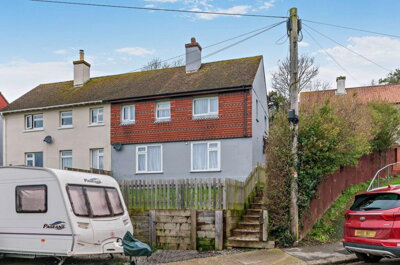
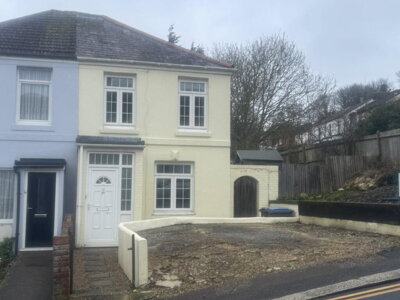
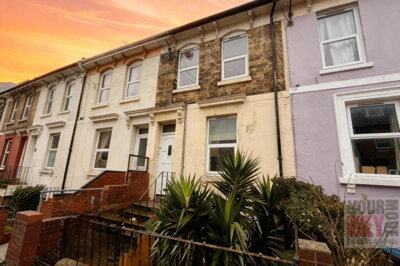
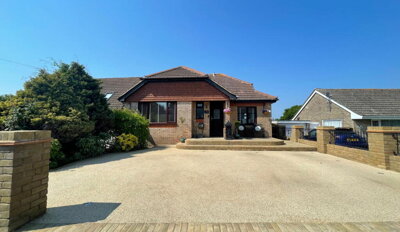
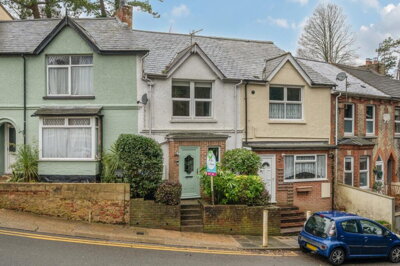
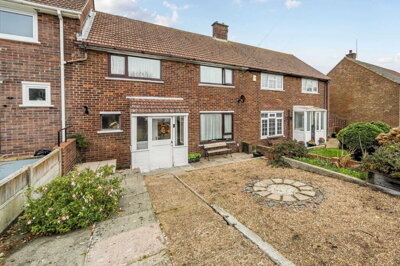
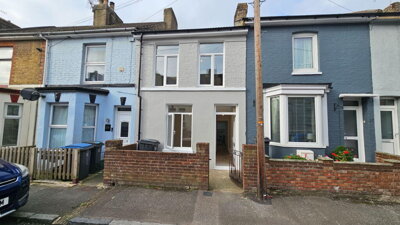
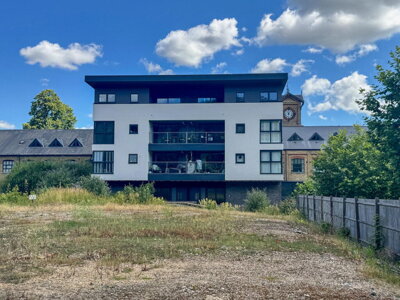
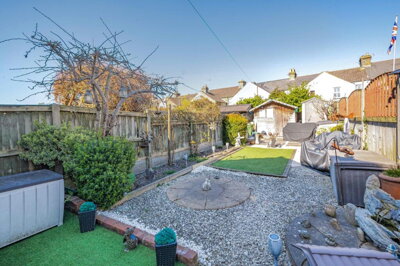
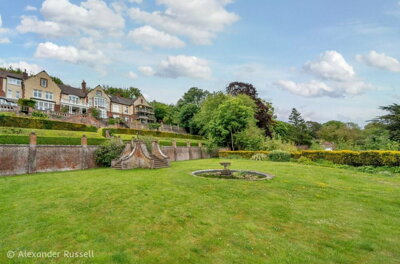
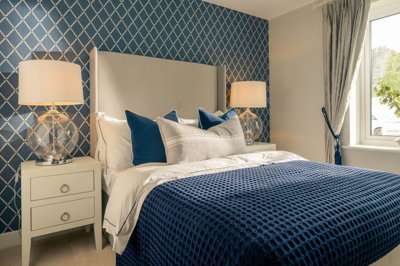
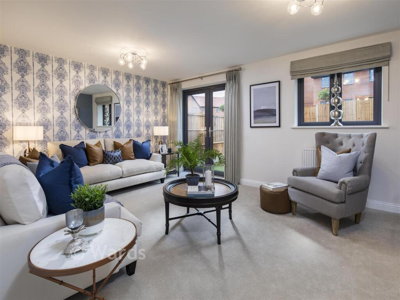
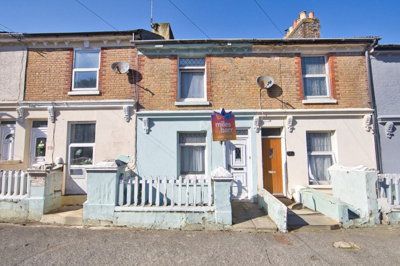
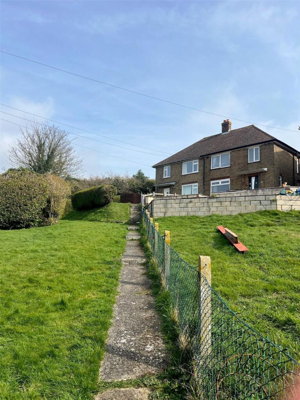
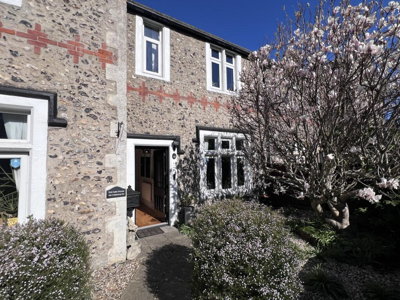
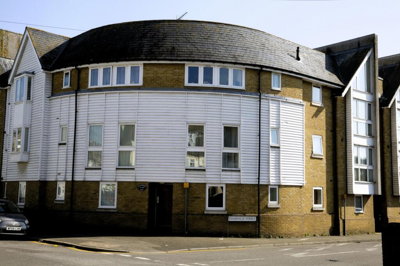
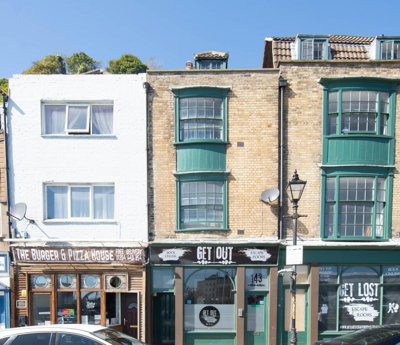
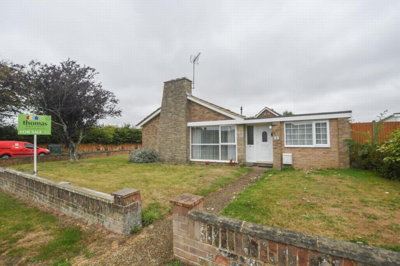
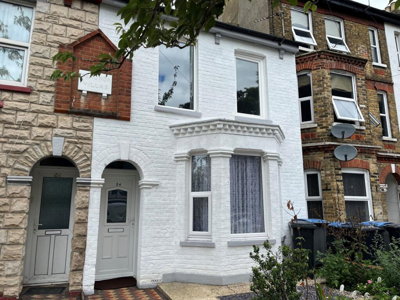
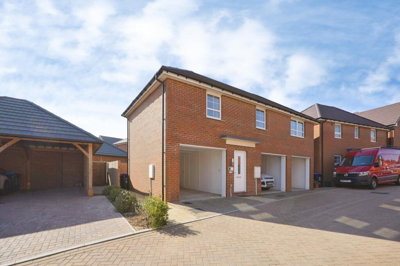
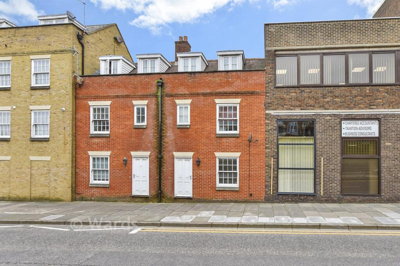
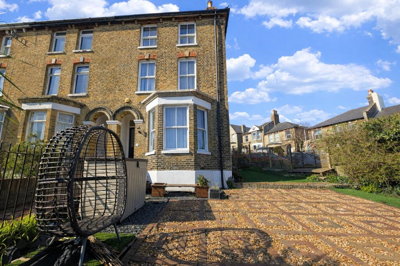
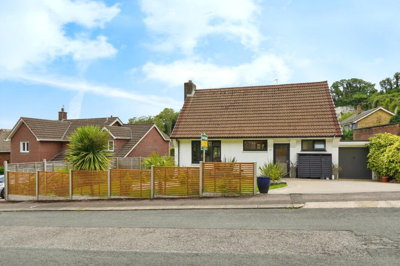
Browse 510 homes for sale in Dover, Dover from local estate agents.
£200k
211
13
135
Source: home.co.uk
Source: home.co.uk
Terraced
69 listings
Avg £225,498
Flat
41 listings
Avg £158,232
Semi-Detached
29 listings
Avg £268,788
Apartment
17 listings
Avg £160,021
Detached
15 listings
Avg £477,330
End of Terrace
10 listings
Avg £212,100
Retirement Property
6 listings
Avg £193,333
Maisonette
5 listings
Avg £190,500
Bungalow
3 listings
Avg £200,000
Duplex
3 listings
Avg £223,333
Source: home.co.uk
Source: home.co.uk
The Stoke St. Gregory property market has demonstrated steady growth, with overall prices increasing by 2.7% over the past twelve months. Detached properties have led the market with a 3.1% increase, reflecting strong demand for larger family homes in rural Somerset. The current average for detached homes stands at £470,000, while semi-detached properties average £300,000 and terraced homes offer more accessible entry points starting from £250,000. This price structure makes Stoke St. Gregory attractive to families looking to upgrade from town properties while maintaining a reasonable commute to employment centres.
One significant development enhancing the local housing offer is Broomfield Park on Willey Road, a purpose-built scheme by Otter Construct Ltd comprising 34 new properties ranging from 2 to 5-bedroom houses and 2 to 3-bedroom bungalows. All homes at Broomfield Park benefit from a 10-year NHBC guarantee and the development occupies a desirable position directly opposite the village cricket pitch and tennis courts. This mix of new-build and traditional village properties provides buyers with genuine choice when searching for their ideal home in Stoke St. Gregory.
Analysis of recent sales data indicates approximately 30-40 property transactions in Stoke St. Gregory over the past twelve months, with detached properties dominating the market. The predominantly rural character of the village means that housing stock is diverse, ranging from historic farmhouses dating back to the 18th and 19th centuries through to estate-style homes constructed after 1970. Properties constructed before 1919 account for 30-40% of the housing stock, with a further significant proportion built between 1945 and 1980. This age distribution means that most homes available for sale in Stoke St. Gregory would benefit from a thorough survey before purchase.

The housing stock in Stoke St. Gregory reflects its rural Somerset location, with detached properties comprising approximately 55-60% of available homes. These larger homes typically sit on generous plots and benefit from the expansive views across the Levels that define this part of Somerset. Traditional detached farmhouses often feature local Ham stone or red brick construction with slate or clay tile roofs, while more recent detached homes offer modern layouts suitable for families requiring additional space.
Semi-detached properties account for roughly 25-30% of the housing stock, providing more affordable options for first-time buyers or those seeking a smaller footprint. These homes often date from the mid-20th century and benefit from relatively low maintenance requirements compared to older period properties. Terraced homes represent approximately 10-15% of available properties, with most being traditional workers' cottages or converted agricultural buildings that offer character and charm at accessible price points.
Flats remain rare in Stoke St. Gregory, comprising less than 5% of the housing stock, which reflects the village's predominantly agricultural character and the lack of commercial development. Prospective buyers seeking apartment-style accommodation would need to consider nearby towns such as Taunton or Bridgwater. The village's limited flat supply also means that rental options are correspondingly scarce, making Stoke St. Gregory particularly suited to buyers seeking longer-term family homes rather than starter apartments.

Life in Stoke St. Gregory revolves around the rhythms of the Somerset Levels, a landscape shaped by centuries of farming and water management. The local economy has traditionally centred on dairy farming, with many residents continuing to work in agriculture or related industries. The area also maintains a diminishing but proud tradition of willow-growing and basket-making, crafts that reflect the wetland environment and provide unique local character. These traditional industries coexist with modern commuting patterns, as many residents travel to Taunton or Bridgwater for professional and industrial employment.
The village itself centres around the historic Church of St Gregory, a Grade I listed building constructed from local Ham stone rubble with Ham stone dressings that serves as both a spiritual centre and architectural landmark. The Baptist Church, built in 1895 in red brick with limestone dressings and a slate roof, adds further ecclesiastical heritage to the village. Social life centres on the local pub and village hall, where community events and gatherings reinforce the strong neighbourhood bonds that characterise rural Somerset village life. The surrounding countryside offers extensive walking opportunities across the Levels, with the network of drains and waterways creating a distinctive wetland landscape.
Beyond daily village life, residents benefit from proximity to the comprehensive amenities available in nearby Taunton, approximately 20-25 minutes away by car. Taunton town centre offers major supermarkets, high street retailers, healthcare facilities including Musgrove Park Hospital, and a range of restaurants and leisure facilities. The county town also hosts regular markets and events that draw visitors from across the region. For cultural activities, Taunton provides cinema, theatre, and museum facilities that complement the more understated entertainment options available within Stoke St. Gregory itself.
Families considering a move to Stoke St. Gregory will find educational provision centred primarily in the surrounding larger villages and towns. The village itself falls within the catchment area for primary schools in nearby communities, with the closest primary education typically available in neighbouring villages serving the rural parishes of the Somerset Levels. Parents should verify current catchment arrangements and admission policies when considering property purchase, as these can influence school placement availability and travel arrangements.
Secondary education options include schools in the Taunton and Bridgwater areas, with school transport arrangements supporting families who choose these institutions from Stoke St. Gregory. Taunton offers a particularly strong range of secondary schools including grammar schools, comprehensives, and independent establishments. Taunton School provides co-educational independent education from ages 13-18, while King's College Taunton offers both senior and junior departments. For state secondary education, The Castle School, Honiton Community College, and other nearby schools serve the wider area including families from Stoke St. Gregory.
For sixth form and further education, the excellent facilities at Richard Huish College and Somerset College in Taunton offer comprehensive post-16 pathways. Richard Huish College has built a strong reputation for A-level provision and university preparation, regularly sending students to Russell Group universities. Somerset College provides both academic and vocational courses alongside apprenticeship opportunities. The proximity to Taunton means that Stoke St. Gregory families have access to educational pathways spanning from primary through to further and higher education without needing to relocate to a larger town.
Stoke St. Gregory benefits from its position within the Somerset Levels, providing reasonable access to the road network while maintaining a peaceful rural setting. The village connects to the A361 and A38 trunk roads, facilitating travel to the county town of Taunton to the north and Bridgwater to the south. Journey times to Taunton town centre typically take 20-25 minutes by car, making day-to-day commuting feasible for those working in the county town. The M5 motorway is accessible via Taunton, providing broader regional connectivity to Exeter, Bristol, and the national motorway network.
Public transport options reflect the rural nature of the village, with bus services providing connections to larger settlements on less frequent schedules typical of Somerset village routes. The nearest railway stations are located in Taunton and Bridgwater, both offering regular services on the mainline to London Paddington, Bristol Temple Meads, Exeter, and Plymouth. Taunton station provides particularly strong connectivity with journey times of around 2 hours to London Paddington, making day commuting to the capital feasible for those with flexible working arrangements or occasional London requirements.
For those who work from home or have flexible commuting patterns, the tranquil village setting combined with adequate road access makes Stoke St. Gregory practical for modern working lives. Superfast broadband coverage continues to improve across the Somerset Levels, supporting home working for professionals in digital occupations. The village hall and local pub also provide occasional co-working opportunities for residents seeking a change from home office environments. Given that many residents now work in hybrid arrangements combining remote and office-based work, Stoke St. Gregory's position offers an attractive balance between countryside living and professional connectivity.
Before committing to a purchase in Stoke St. Gregory, spend time exploring the village at different times of day and week. Understand the flood risk profile of specific properties by reviewing Environment Agency flood maps and discussing insurance implications with providers. Consider the property age and construction type, as many village homes are over 50 years old and may require maintenance investment. The low-lying position of the village between the rivers Tone and Parrett means that some areas face elevated flood risk that should be assessed carefully before purchase.
Speak to mortgage lenders or brokers to obtain an agreement in principle before beginning property viewings. This financial preparation strengthens your position when making offers and demonstrates your capability to proceed. Given average prices of around £385,000, most buyers will need mortgage finance, and having this arranged early streamlines the purchasing process considerably. Several lenders offer competitive rates for properties in rural locations, though some may have specific requirements regarding flood risk properties that should be discussed upfront.
Visit multiple properties across different price points and styles available in Stoke St. Gregory. Consider how each property's position relates to flood risk areas and the village's amenities. Take time to view properties both internally and externally, noting the condition of traditional construction elements like stone walls, slate roofs, and timber features. Many homes in the village feature solid-wall construction using local Ham stone or red brick, which requires different maintenance approaches compared to modern cavity-walled properties.
Given the age of many properties in Stoke St. Gregory and the local geology, we strongly recommend commissioning a RICS Level 2 Survey before purchase. For a typical 3-bedroom semi-detached property, expect to pay approximately £450-650, while larger detached homes may cost £550-800. This investment identifies defects such as damp, roof condition issues, and potential structural concerns related to clay soils before you commit. Our inspectors have extensive experience surveying properties across Somerset and understand the common issues found in traditional village homes.
Once your offer is accepted, instruct a conveyancing solicitor to handle the legal transfer of ownership. Your solicitor will conduct searches including flood risk and drainage enquiries specific to Somerset Levels properties. After exchange of contracts and a standard completion period, you will receive the keys to your new Stoke St. Gregory home.
Purchasing property in Stoke St. Gregory requires attention to several area-specific considerations beyond standard property checks. The most significant environmental factor is flood risk, as the village sits within the Somerset Levels and Moors between the rivers Tone and Parrett. Prospective buyers should review Environment Agency flood mapping for the specific property location and postcode, understand the property's flood history if available, and confirm that appropriate buildings insurance is obtainable at reasonable premiums. Properties in low-lying positions or near watercourses carry elevated flood risk that affects both insurance costs and future resale value.
The underlying Mercia Mudstone geology presents shrink-swell risks that can affect property foundations, particularly during extreme weather periods. Properties with large trees nearby or those built with traditional shallow foundations may show signs of movement over time. A thorough survey will identify any existing subsidence or heave damage, and your surveyor should assess the foundation condition in relation to the clay soil conditions. The prevalence of traditional solid-wall construction in older properties, including many built with local Ham stone and red brick, means that insulation standards may be lower than modern expectations, potentially affecting energy costs and comfort.
With 21 listed buildings in the parish including the Grade I Church of St Gregory and various farmhouses, buyers should establish whether any nearby properties have listed status that might affect permitted development rights or create obligations regarding their own property. While the village lacks a designated conservation area, the heritage character of the settlement means that planning restrictions may apply in certain locations. Properties constructed from traditional materials like Ham stone, Blue Lias, and with slate or clay tile roofs require specialist maintenance knowledge, and future renovation work may need to adhere to specific material requirements to preserve the village's character.
Properties in Stoke St. Gregory frequently feature timber construction elements that can be susceptible to woodworm and rot, particularly in older buildings where damp penetration may have occurred over decades. Our inspectors check these elements thoroughly, examining roof timbers, floor joists, and structural beams for signs of insect infestation or fungal decay. The low-lying nature of the Somerset Levels means that ventilation can sometimes be poor in older properties, creating conditions favourable to timber deterioration that should be addressed before purchase.
Given that approximately 70-80% of properties in Stoke St. Gregory are over 50 years old, understanding common defects in the local housing stock is essential for prospective buyers. The low-lying position of the village between the rivers Tone and Parrett creates particular challenges for property condition, with damp representing one of the most frequently identified issues during surveys. Rising damp, penetrating damp, and condensation-related problems all occur in older village properties, particularly those with solid-wall construction that lacks adequate damp-proof courses.
Roof condition issues are commonly identified during surveys of Stoke St. Gregory properties, reflecting both the age of much of the housing stock and the exposure of the Somerset Levels to adverse weather. Problems include slipped or broken slate and clay tiles, deteriorating leadwork around chimneys and valleys, and rotted timber elements in roof structures. Properties built before the 1980s frequently contain electrical wiring and plumbing systems that fall short of current safety standards, necessitating thorough inspection and often requiring upgrading before or shortly after purchase.
Timber defects including woodworm infestation and fungal rot occur with particular frequency in Stoke St. Gregory properties due to the damp nature of the local environment. Our inspectors examine all accessible timber elements including roof structures, floor joists, and window frames for signs of insect activity or decay. Early identification of these issues allows buyers to negotiate repairs with sellers or adjust purchase prices accordingly. Properties with large gardens or those adjacent to watercourses may face elevated risk of timber deterioration due to higher ambient moisture levels.
The average house price in Stoke St. Gregory is approximately £385,000 as of early 2026. Detached properties command the highest prices averaging £470,000, while semi-detached homes average £300,000 and terraced properties start from around £250,000. Prices have increased by 2.7% over the past twelve months, indicating a stable and gradually appreciating market. The recent Broomfield Park development has introduced new-build options to the village, providing additional choice for buyers seeking modern construction with NHBC guarantees. Zoopla records approximately 17 property sales in the TA3 postcode area over the past year, though other sources suggest total sales volumes of around 30-40 transactions annually.
Properties in Stoke St. Gregory fall under Sedgemoor District Council administration for council tax purposes. Bands range from A to H depending on property value, with most traditional village cottages and terraced properties likely falling in bands A to C, while larger detached homes and new-build properties at Broomfield Park may be in higher bands. Prospective buyers should check the specific council tax band for any property through the Valuation Office Agency website or by requesting this information during the conveyancing process. Council tax payments in Sedgemoor fund local services including refuse collection, highway maintenance, and local authority services.
Stoke St. Gregory itself has limited on-site educational facilities, with the village served by primary schools in nearby communities and secondary schools in the Taunton area. The closest primary schools serve the rural parishes of the Somerset Levels, with the nearest secondary education available in Taunton approximately 20 minutes away by car. Taunton offers a range of options including grammar schools, comprehensives, and independent schools. Richard Huish College provides excellent sixth form provision with strong university placement records. Families should verify current catchment areas and admission policies, as these can influence school placement availability and travel arrangements.
Public transport connections from Stoke St. Gregory reflect its rural village status, with bus services providing links to larger settlements on schedules suited to occasional rather than daily commuting use. The nearest railway stations are in Taunton and Bridgwater, both offering regular services to London Paddington, Bristol, and the south-west. Taunton station provides particularly strong connectivity with journey times of around 2 hours to London Paddington. Most residents rely on private vehicle transport for daily commuting, with the A361 and A38 providing road connections to Taunton in approximately 20-25 minutes. The village's position makes it practical for those who primarily work from home or have flexible working arrangements.
Stoke St. Gregory offers moderate investment potential with stable property values and consistent demand from buyers seeking rural village lifestyles within commuting distance of Taunton. The 2.7% annual price increase demonstrates steady appreciation, while the limited new-build supply means existing properties retain value. Properties closest to the village centre and those with good flood-free positions tend to perform best. However, buyers should note that flood risk affects some parts of the village, and insurance costs for properties in flood-prone areas can impact rental yields or future saleability. The village's strong community character and limited housing supply suggest continued demand for quality homes in this location.
Stamp duty Land Tax rates for residential purchases are 0% on the first £250,000, 5% on £250,001 to £925,000, 10% on £925,001 to £1.5 million, and 12% above £1.5 million. First-time buyers receive relief on the first £425,000 with 5% charged between £425,001 and £625,000. For a typical Stoke St. Gregory property averaging £385,000, a standard buyer pays £6,750 in stamp duty, while a first-time buyer pays nothing. Additional costs include solicitor fees of approximately £1,000-1,500 and survey costs of £450-800 depending on property size and type.
Flood risk is a significant consideration in Stoke St. Gregory due to its position within the Somerset Levels and Moors between the rivers Tone and Parrett. Properties located in low-lying areas near the river channels or the network of drainage channels face varying degrees of flood risk. Areas around the Athelney, Burrowbridge, and the Sowy/King's Sedgemoor Drain are particularly vulnerable to flooding. Prospective buyers should check Environment Agency flood maps for the specific property location, obtain buildings insurance quotes before purchase, and consider whether any previous flooding incidents have been recorded. Properties with higher flood risk may face higher insurance premiums or difficulty obtaining coverage, which should factor into your purchase decision and offer price.
Given that approximately 70-80% of properties in Stoke St. Gregory are over 50 years old, a RICS Level 2 Survey is essential before purchase. Our inspectors focus on damp assessment, as the low-lying position can cause moisture issues in older properties with solid-wall construction. We check roof conditions thoroughly, looking for slipped tiles, failing leadwork, and deteriorated timbers. Assess electrical and plumbing systems in properties built before the 1980s, as these may not meet current standards. For properties on clay soils associated with the Mercia Mudstone geology, we look for signs of subsidence or heave movement. The prevalence of traditional construction using Ham stone, red brick, and solid walls means that your surveyor should have experience with period properties and traditional building materials.
Traditional properties in Stoke St. Gregory typically feature local building materials that reflect the geology and resources of the Somerset Levels. The Church of St Gregory and other historic buildings demonstrate the use of local Ham stone rubble with Ham stone dressings, while many Victorian and Edwardian properties employ red brick with limestone or Ham stone detailing. Rendered finishes are common on older cottages and farmhouses, providing weather protection for solid-wall constructions. Roofs throughout the village predominantly feature slate or clay tiles, both of which require periodic maintenance and occasional replacement. Our inspectors understand these traditional materials and can identify defects specific to local building practices.
From 4.5% APR
Compare mortgage rates and find the right finance for your Stoke St. Gregory home
From £499
Local solicitors experienced in Somerset property transactions
From £450
Professional surveys for Stoke St. Gregory properties identifying defects
From £80
Energy performance certificates for Stoke St. Gregory homes
Understanding the full costs of purchasing property in Stoke St. Gregory extends beyond the purchase price to include stamp duty, legal fees, and survey costs. For a property priced at the village average of £385,000, standard buyers pay stamp duty of £6,750, calculated at 0% on the first £250,000 and 5% on the remaining £135,000. First-time buyers benefit from relief on the first £425,000, meaning they would pay zero stamp duty on a property at this price point. Higher-value properties approaching £500,000 would attract stamp duty of £12,500 from standard buyers, with first-time buyers paying £3,750.
Legal costs for conveyancing typically range from £1,000 to £1,500 including search fees and Land Registry registration. Your solicitor will conduct specific searches for the Stoke St. Gregory area including drainage and water authority enquiries, local authority searches, and environmental searches that may reveal flood risk information relevant to Somerset Levels properties. Given the village's position within the flood plain between the rivers Tone and Parrett, we strongly recommend requesting a specific flood risk search in addition to standard environmental enquiries. These additional searches cost approximately £50-100 but provide valuable information about historical flooding and future risk.
Survey costs depend on property size and type, with a RICS Level 2 Survey for a 3-bedroom property costing approximately £450-650, while larger detached homes may require £550-800. Our inspectors charge slightly more for older properties built before 1900 due to the additional complexity involved in surveying traditional construction techniques and materials. Properties with non-standard construction or those in poor condition may require a more comprehensive RICS Level 3 Building Survey, which typically costs £750-1,500 depending on property size. Given the prevalence of older properties in the village, investing in a comprehensive survey to identify defects before purchase is particularly valuable.
Moving costs including removal services, mortgage arrangement fees, and any immediate renovation works should also be budgeted for. Properties in Stoke St. Gregory may require updating of electrical systems or improvements to insulation, particularly in traditional solid-wall constructions that lack cavity insulation. Factor in potential costs for flood resilience measures if purchasing a property in a higher-risk area, such as flood guards for doors or raising electrical outlets above potential flood levels. Homemove connects you with trusted local solicitors and surveyors experienced in Somerset property transactions, helping you navigate these costs effectively from offer to completion.
Properties for Sale In London

Properties for Sale In Plymouth

Properties for Sale In Liverpool

Properties for Sale In Glasgow

Properties for Sale In Sheffield

Properties for Sale In Edinburgh

Properties for Sale In Coventry

Properties for Sale In Bradford

Properties for Sale In Manchester

Properties for Sale In Birmingham

Properties for Sale In Bristol

Properties for Sale In Oxford

Properties for Sale In Leicester

Properties for Sale In Newcastle

Properties for Sale In Leeds

Properties for Sale In Southampton

Properties for Sale In Cardiff

Properties for Sale In Nottingham

Properties for Sale In Norwich

Properties for Sale In Brighton

Properties for Sale In Derby

Properties for Sale In Portsmouth

Properties for Sale In Northampton

Properties for Sale In Milton Keynes

Properties for Sale In Bournemouth

Properties for Sale In Bolton

Properties for Sale In Swansea

Properties for Sale In Swindon

Properties for Sale In Peterborough

Properties for Sale In Wolverhampton

Enter your details to see if this property is within your budget.
Loans, cards, car finance
Estimated property budget
Borrowing + deposit
You could borrow between
Typical borrowing
Monthly repayment
Est. at 4.5%
Loan-to-value
This is an estimate only. Your actual budget may vary depending on interest rates, credit history, and personal circumstances. For an accurate affordability assessment, speak to one of our free mortgage advisors.
This calculator provides estimates for illustrative purposes only and does not constitute financial advice. Your home may be repossessed if you do not keep up repayments on your mortgage. Estimates based on 4.5% interest rate, repayment mortgage. Actual rates depend on your circumstances.
Homemove is a trading name of HM Haus Group Ltd (Company No. 13873779, registered in England & Wales). Homemove Mortgages Ltd (Company No. 15947693) is an Appointed Representative of TMG Direct Limited, trading as TMG Mortgage Network, which is authorised and regulated by the Financial Conduct Authority (FRN 786245). Homemove Mortgages Ltd is entered on the FCA Register as an Appointed Representative (FRN 1022429). You can check registrations at NewRegister or by calling 0800 111 6768.

We use cookies to show you personalised content and improve your experience of our website. Find out more in our Privacy policy and Cookie policy.