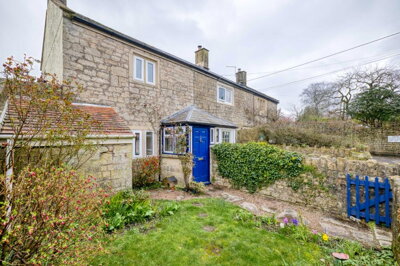
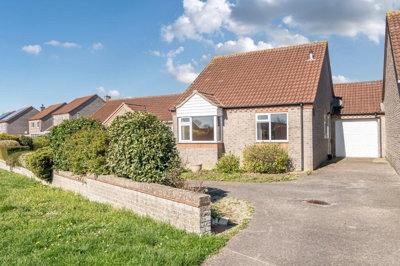
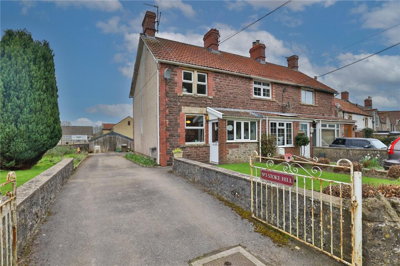
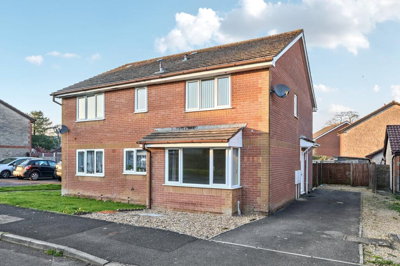
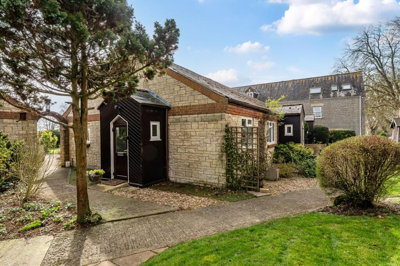
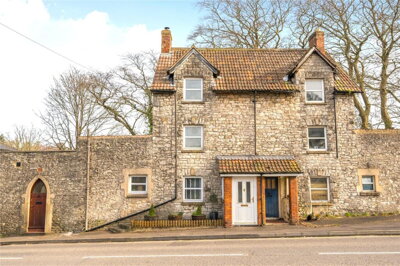
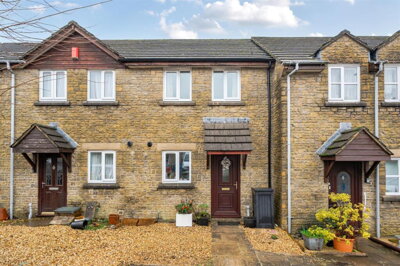
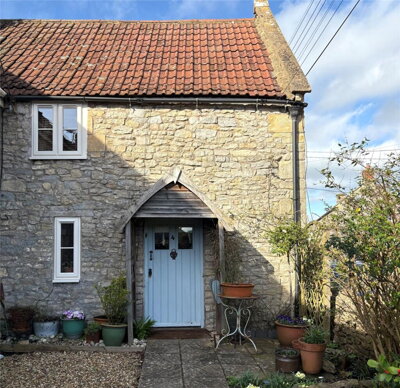
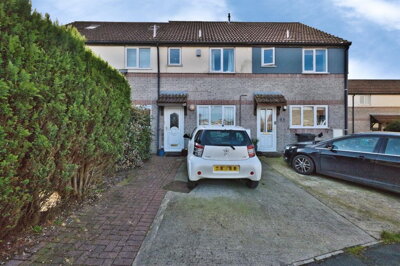
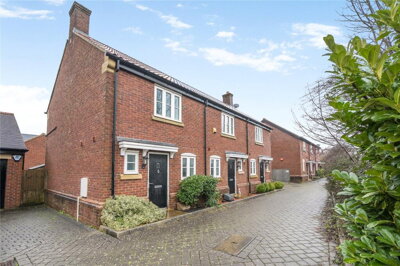
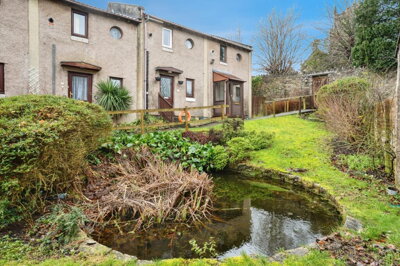
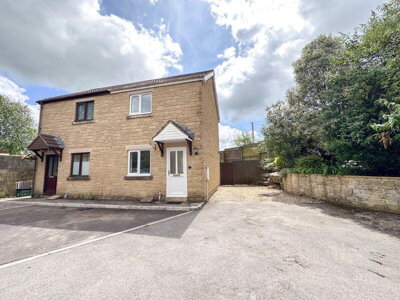
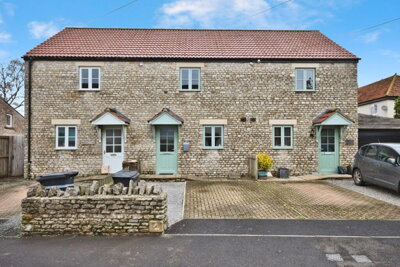
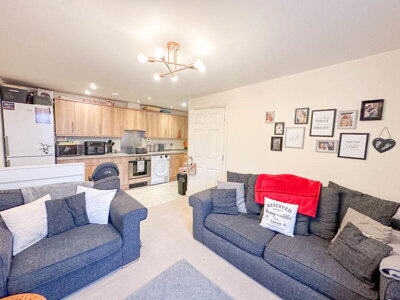
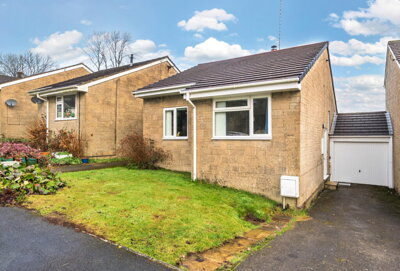
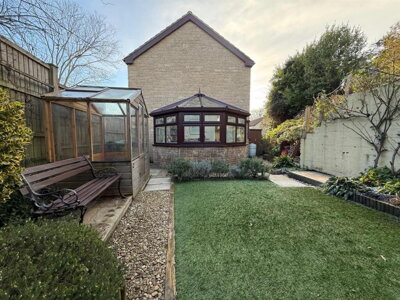
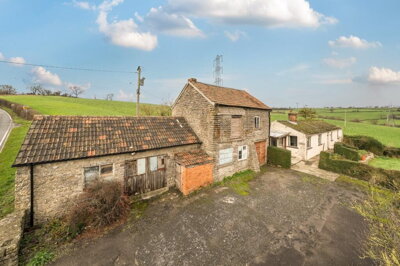
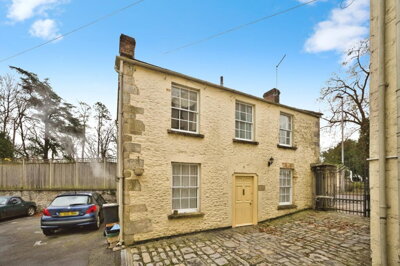
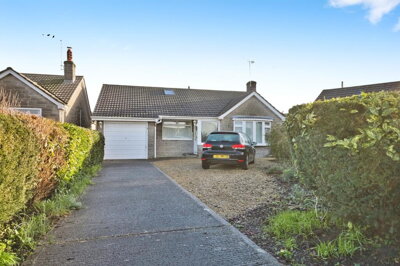
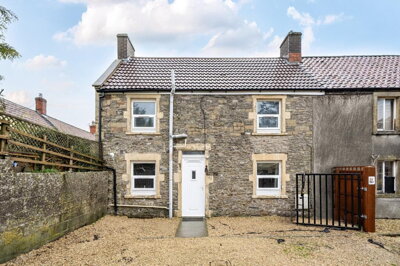
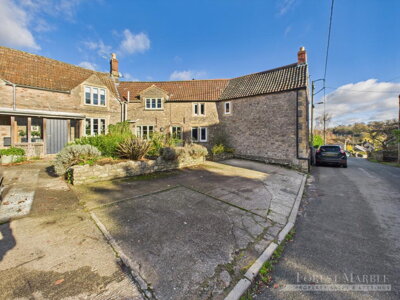
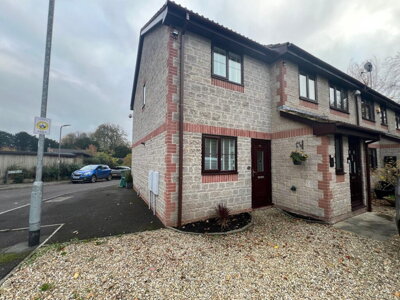
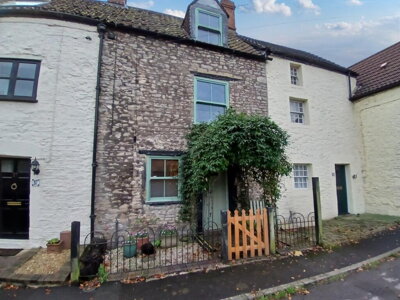
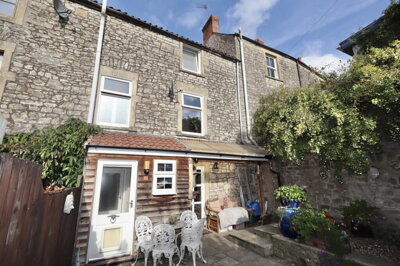
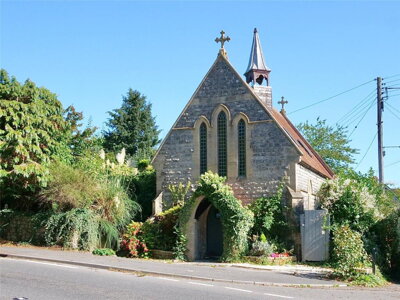
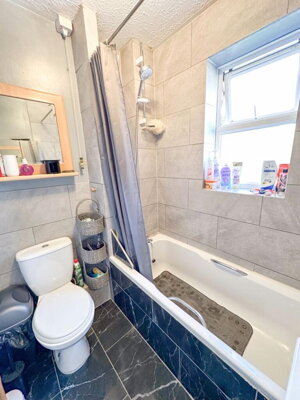
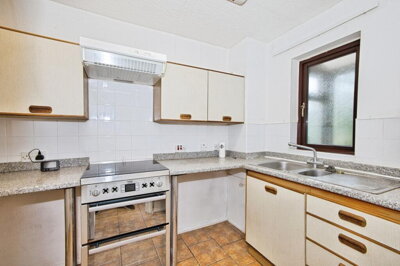
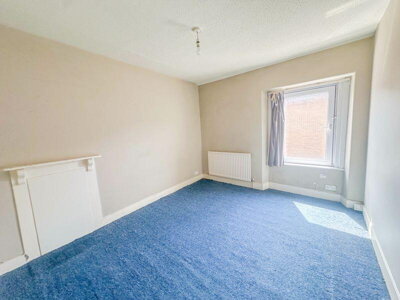
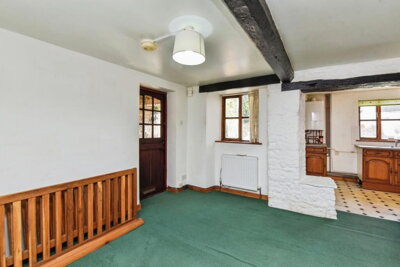
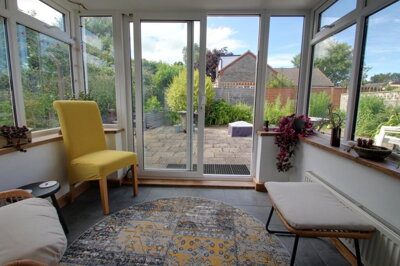
Browse 37 homes for sale in Doulting, Somerset from local estate agents.
The 2 bed house market features detached, semi-detached, and terraced properties with two separate bedrooms plus living spaces. Properties in Doulting range from Victorian and Edwardian period homes to modern new builds, with pricing varying across different neighbourhoods.
£292k
2
0
103
Source: home.co.uk
Showing 2 results for 2 Bedroom Houses for sale in Doulting, Somerset. The median asking price is £292,475.
Source: home.co.uk
Detached
1 listings
Avg £299,950
Semi-Detached
1 listings
Avg £285,000
Source: home.co.uk
Source: home.co.uk
The Doulting property market has demonstrated remarkable resilience and growth, with house prices increasing by 13% over the past twelve months. This upward trajectory reflects the enduring appeal of village living in Somerset, where buyers seek escape from urban congestion while maintaining reasonable commuting options. The current average property price of £440,000 positions Doulting as a premium village location, though prices remain 12% below the 2021 peak of £497,529, suggesting potential value opportunities for proactive buyers entering the market now.
Detached properties command the highest prices in Doulting, with recent sales averaging £725,000. These substantial homes typically offer generous proportions, multiple reception rooms, and sizeable gardens, appealing to families seeking space both inside and out. Semi-detached properties have sold at an average of £409,667, while terraced properties provide more accessible entry points at around £297,500. Parish records indicate 32 detached sales, 6 semi-detached sales, and 12 terraced sales since 2018, demonstrating that while detached homes dominate transaction volumes, the market accommodates first-time buyers, growing families, and those seeking their forever homes alike.
New build activity in Doulting remains limited, with no large-scale developments currently underway in the village itself. Property listings include some recently constructed individual homes, including a well-presented three-bedroom attached home built in 2014/15 and a substantial five-bedroom detached family home constructed in 2003. The scarcity of new supply intensifies demand for existing properties, particularly those with character features or historic credentials that align with Doulting's established architectural heritage. For buyers seeking modern specifications within a traditional setting, options remain limited, making early engagement with the market advisable.

Doulting traces its origins to the 8th century, making it one of Somerset's oldest settlements with a rich history woven through every street and building. The village takes its name from the legendary Doulting Stone, a distinctive creamy white to yellow oolitic limestone quarried locally since Roman times. This celebrated building material has shaped not only Doulting's architecture but also contributed to some of the region's most iconic structures, including Wells Cathedral and Glastonbury Abbey. Walking through Doulting today, you encounter buildings constructed from the same stone that has defined local craftsmanship for nearly two thousand years.
The village centre features a remarkable concentration of historic architecture, with the Parish Church of St Aldhelm standing as a Grade I listed monument dating from the 12th century. The nearby Tithe Barn from the 15th century and Doulting Manor, formerly the Vicarage from the early 18th century, further enrich the village's heritage character. Numerous cottages along Church Lane, King's Road, and Waterlip carry Grade II listing status, including the row of former estate cottages at Nos. 24-29 Doulting Village, built in the late 19th and early 20th centuries with Doulting ashlar and freestone dressings. The Domesday Book recorded just 20 households in Doulting in 1086, highlighting how this small settlement has maintained its character across an extraordinary span of history.
Community life in Doulting centres around the welcoming Prestleigh Inn, where villagers gather for meals and social occasions throughout the year. The River Sheppey originates at St Aldhelm's Well within the village, adding to the sense of place and natural heritage that defines this settlement. The Doulting Stone Quarry continues operating as an independent business, maintaining centuries of local industry, while the historical tramway connecting the quarry to the railway reflects the village's industrial heritage. Agricultural activity and local businesses further contribute to the village economy, creating a balanced community where rural traditions coexist with contemporary living requirements.
Families considering relocation to Doulting will find educational provision available both within the village and in the surrounding area. The village's position in Somerset places residents within reach of primary and secondary schools serving the Shepton Mallet catchment area. Primary education is accessible in nearby villages and towns, with several well-regarded schools operating within reasonable travelling distance of Doulting. Parents should verify current catchment boundaries and admission arrangements, as these can change and directly affect school placement eligibility for families moving to the area.
Secondary education options include schools in Shepton Mallet and the wider Mendip district, with several institutions offering strong academic programmes and extracurricular activities for students of all abilities. The Mendip area has seen sustained investment in educational facilities, meaning families choosing village living do not need to compromise on schooling quality. Secondary schools in the region offer a range of GCSE and A-level programmes, with some institutions specialising in particular subject areas or educational approaches that may suit different learning styles and aspirations.
For families seeking grammar school education, the Somerset grammar school system provides selective entry options for students who demonstrate appropriate academic ability. Schools in nearby towns including Taunton, Wells, and Bath offer established grammar school provision, though admission depends on examination performance and catchment area considerations. Sixth form and further education provision is available at colleges in surrounding towns, offering A-level programmes and vocational qualifications for students completing their secondary education. The proximity of Doulting to larger towns means families do not need to compromise on educational aspirations when choosing village living, with many finding that the combination of Doulting's community environment, strong family values, and access to quality schools creates an ideal upbringing environment for children of all ages.
Transport connectivity from Doulting balances village tranquility with practical commuting options for working residents. The village sits approximately 1.5 miles east of Shepton Mallet, providing access to local bus services connecting surrounding towns and villages. Public transport options enable residents without private vehicles to reach essential services, shopping facilities, and railway stations in nearby towns. The frequency of local bus services varies by route, so prospective residents should check current timetables when planning daily travel arrangements, particularly for regular commuting needs.
Road connections from Doulting provide straightforward access to the regional road network, with the A361 and A37 offering routes to larger centres including Bath, Bristol, and Taunton. The Mendip Hills area, while presenting some winding country roads, connects efficiently to motorway networks at junction 22 of the M5 near Bristol. This road accessibility makes Doulting viable for residents commuting to employment centres while enjoying village living, particularly those working in professional sectors where remote working reduces daily travel requirements. The journey time to Bristol city centre typically takes around 45 minutes outside peak hours, though this extends during busy periods on the M5.
Railway access is available at stations in surrounding towns, with Castle Cary station approximately 15 miles from Doulting offering direct rail services to London Paddington with journey times around two hours. Bruton station provides additional rail connections, while Castle Cary serves regional routes to Exeter, Plymouth, and other southwestern destinations. For international travel, Bristol Airport provides accessible connections to European destinations and beyond, situated approximately 30 miles from Doulting with road access via the M5 and A38. Cycling infrastructure in the area continues developing, with country lanes popular among recreational cyclists and some residents choosing cycling for local journeys, particularly during summer months when weather permits.
Explore current listings and recent sales data to understand price trends. With average prices at £440,000 and detached homes averaging £725,000, understanding the market segments helps you target appropriate properties and identify realistic expectations for your budget. Parish records show 4 recorded sales in 2025 with an average price of £461,250, demonstrating active market conditions that buyers should monitor when refining their property search.
Contact lenders or mortgage brokers to obtain an agreement in principle before making viewings. Having your financing arranged demonstrates seriousness to sellers and estate agents, and helps you understand exactly what price range you can afford when browsing properties in Doulting. Given the village's premium positioning in the Somerset property market, securing favourable mortgage terms early provides a competitive advantage in what can be a fast-moving market for desirable properties.
Schedule viewings of properties matching your criteria in Doulting and the surrounding area. Pay attention to construction materials, property condition, and any signs of historic stone buildings requiring specialist maintenance. The village's period properties built from Doulting Stone may need additional care compared to newer construction, and understanding the implications of owning a listed building before committing helps avoid unexpected complications.
For properties in reasonable condition built from conventional materials, a Level 2 survey provides comprehensive inspection findings. Given Doulting's historic housing stock with many properties over 50 years old, professional surveys identify any defects before you commit to purchase. Our inspectors have extensive experience assessing traditional stone construction and can provide detailed commentary on the specific issues affecting properties built from Doulting Stone and similar local materials.
Appoint a solicitor with experience in Somerset property transactions to handle legal work. They will conduct searches, review contracts, and manage the transfer process through to completion, ensuring all local requirements are properly addressed. Given the village's quarrying heritage and concentration of listed buildings, your solicitor should investigate any historic mineral rights and verify that appropriate consents are in place for the property.
Once surveys satisfy, searches return satisfactorily, and legal matters resolve, you will exchange contracts and set a completion date. On completion day, your solicitor transfers funds and you receive the keys to your new Doulting home. The entire process from offer acceptance to completion typically takes between 8 and 12 weeks, though transactions involving listed buildings or complex titles may require additional time.
Properties in Doulting require careful inspection due to the prevalence of historic construction and traditional building methods. Doulting Stone, while visually distinctive and historically significant, weathers preferentially along bedding planes, which can lead to deterioration requiring maintenance attention. Our inspectors frequently identify issues with stone weathering on period properties throughout the village, particularly on south-facing elevations exposed to prevailing weather patterns. The oolitic limestone used throughout the village can suffer from freeze-thaw damage in harsh winters, making roof condition and drainage particularly important considerations when assessing any property.
The village sits on Jurassic Inferior Oolite at surface level with underlying Mercia Mudstone and Carboniferous Limestone. Clay-rich soils associated with mudstone deposits can exhibit shrink-swell behaviour during wet-dry cycles, potentially affecting foundations of older properties. Buyers should look for signs of movement or cracking that might indicate foundation issues, particularly in properties constructed before modern building regulations. While no significant ground stability concerns were identified in available records, the long history of quarrying in the area means our team always recommends thorough investigation of foundation conditions during survey work. Properties along the historic quarry tramway route may warrant additional scrutiny regarding ground conditions.
Conservation and listed building considerations significantly impact property ownership in Doulting. The high concentration of listed buildings means many properties carry statutory protections affecting permitted development rights, alterations, and maintenance requirements. Grade II listed properties require listed building consent for significant alterations, and works must preserve historic character using appropriate materials and techniques. The row of estate cottages at Nos. 24-29 Doulting Village, for example, demonstrates the quality of late Victorian stone construction that buyers should expect when purchasing period properties in the village. Buyers should factor potential renovation restrictions into purchasing decisions and budget for potentially higher maintenance costs when buying period properties in this heritage-rich village. The presence of historic stone construction also means electrical and plumbing systems may require upgrading to meet current standards, particularly in properties where original systems remain in place.
The average house price in Doulting currently stands at £440,000, based on sales over the past twelve months. Detached properties average £725,000, semi-detached homes around £409,667, and terraced properties approximately £297,500. House prices have increased by 13% year-on-year, though they remain 12% below the 2021 peak of £497,529, suggesting continued market growth and renewed buyer confidence in this Somerset village. Parish records indicate 4 recorded sales in 2025 averaging £461,250, showing prices trending upward as buyer demand remains strong.
Doulting falls under Mendip District Council administration, with properties assessed across council tax bands A through H depending on property value and type. Specific band allocations vary by individual property and can be confirmed through the Valuation Office Agency or your solicitor during conveyancing. The valuation of historic stone properties in Doulting can be complex, as the assessed value may not always reflect the premium commanded by period features and heritage credentials. Banding affects ongoing annual costs that buyers should factor into their budget calculations alongside mortgage payments and maintenance expenses.
Doulting village has no school within its boundaries, so families rely on primary schools in surrounding villages and the Shepton Mallet area for early education. Secondary education is available at schools in Shepton Mallet and throughout the Mendip district, with several schools within reasonable travelling distance by car or school transport. Parents should research specific school catchments and admission arrangements, as catchment boundaries determine placement eligibility and can affect both educational outcomes and property values in particular areas. Grammar school options exist in nearby towns including Taunton, Wells, and Bath for students meeting selective entry criteria, with test preparation potentially beginning in Year 5 or Year 6.
Doulting has limited public transport provision, with local bus services connecting the village to Shepton Mallet and surrounding areas on varying frequencies throughout the day. The nearest railway stations are in Castle Cary and Bruton, both offering regional and national connections including direct services to London Paddington from Castle Cary. Most residents rely on private vehicles for daily commuting and essential travel, though the village location means cycling is popular for local journeys and recreational purposes. Road connections provide straightforward access to the A361 and A37 for travel throughout Somerset and beyond, with the M5 motorway accessible via the A37 for longer journeys.
Doulting offers several factors appealing to property investors, including strong historical character, limited new supply, and proximity to growing employment centres in the South West. The 13% annual price increase demonstrates buyer demand for village properties in Somerset, with Rightmove showing 97 properties sold in the area over the past year. The presence of limited new build development means demand continues focusing on existing stock, supporting values for period properties with authentic character. Properties near the village centre along Church Lane and King's Road and those with original Doulting Stone features tend to hold their value well, though investors should consider maintenance costs for older properties, potential rental demand from local workers, and the additional responsibilities that come with listed building ownership.
Stamp duty rates for 2024-25 apply zero duty on the first £250,000 of residential property purchases, 5% on £250,001 to £925,000, 10% on £925,001 to £1.5 million, and 12% above £1.5 million. First-time buyers benefit from relief on the first £425,000, with 5% applying between £425,001 and £625,000. For a typical Doulting property at the £440,000 average price, standard buyers pay £9,500 in stamp duty, while first-time buyers pay £750. Properties priced above £625,000 do not qualify for first-time buyer relief, so buyers at the upper end of the Doulting market should budget accordingly for the full stamp duty liability.
🏠
A detailed inspection of the property's condition before you buy. From £455
🏠
For older or complex properties including listed buildings. From £600
🏠
Energy performance certificate for your property. From £85
🏠
Solicitors to handle your property purchase legally. From £499
🏠
Compare mortgage rates from leading lenders. From 4.5%
Understanding the full costs of purchasing property in Doulting extends beyond the purchase price to include stamp duty, legal fees, survey costs, and moving expenses. For a property priced at the current average of £440,000, standard buyers pay stamp duty land tax of £9,500 at current 2024-25 rates. This calculation applies 5% to the portion between £250,001 and £440,000, resulting in £9,500 total duty. First-time buyers benefit significantly from relief, paying only £750 on the same property as the first £425,000 attracts zero duty. Buyers should also account for SDLT surcharges if purchasing as a second home or buy-to-let investment, which add 3% to each applicable rate.
Survey costs represent an essential investment in your purchase, providing professional inspection findings before you commit legally. RICS Level 2 surveys average around £455 nationally, with costs varying based on property value, size, age, and construction type. Properties priced above £500,000 average approximately £586 for survey fees. Given Doulting's historic housing stock with many properties over 50 years old, the modest cost of a professional survey provides valuable protection against discovering significant defects after purchase. Pre-1900 properties may incur a 20-40% increase in survey costs due to the additional expertise required, and listed status can add £150-400 to standard pricing. Our team has extensive experience surveying traditional stone properties throughout the Doulting area and can provide detailed assessment of specific issues affecting properties in this heritage village.
Conveyancing costs typically range from £499 for basic packages upwards, covering solicitor fees, local authority searches, land registry fees, and disbursements. Searches specific to the Doulting area will investigate planning history, environmental records, and any local authority matters affecting the property. Given the village's mining and quarrying heritage, your solicitor may recommend additional searches investigating ground conditions and any historic mineral rights affecting the property. The concentration of listed buildings in Doulting means title investigations can be more complex than in comparable villages, potentially requiring additional legal work to verify all historic consents are properly recorded. Factor these additional costs into your overall budget alongside moving expenses, mortgage arrangement fees, and any immediate renovation or furnishing requirements for your new Doulting home.
Properties for Sale In London

Properties for Sale In Plymouth

Properties for Sale In Liverpool

Properties for Sale In Glasgow

Properties for Sale In Sheffield

Properties for Sale In Edinburgh

Properties for Sale In Coventry

Properties for Sale In Bradford

Properties for Sale In Manchester

Properties for Sale In Birmingham

Properties for Sale In Bristol

Properties for Sale In Oxford

Properties for Sale In Leicester

Properties for Sale In Newcastle

Properties for Sale In Leeds

Properties for Sale In Southampton

Properties for Sale In Cardiff

Properties for Sale In Nottingham

Properties for Sale In Norwich

Properties for Sale In Brighton

Properties for Sale In Derby

Properties for Sale In Portsmouth

Properties for Sale In Northampton

Properties for Sale In Milton Keynes

Properties for Sale In Bournemouth

Properties for Sale In Bolton

Properties for Sale In Swansea

Properties for Sale In Swindon

Properties for Sale In Peterborough

Properties for Sale In Wolverhampton

Enter your details to see if this property is within your budget.
Loans, cards, car finance
Estimated property budget
Borrowing + deposit
You could borrow between
Typical borrowing
Monthly repayment
Est. at 4.5%
Loan-to-value
This is an estimate only. Your actual budget may vary depending on interest rates, credit history, and personal circumstances. For an accurate affordability assessment, speak to one of our free mortgage advisors.
This calculator provides estimates for illustrative purposes only and does not constitute financial advice. Your home may be repossessed if you do not keep up repayments on your mortgage. Estimates based on 4.5% interest rate, repayment mortgage. Actual rates depend on your circumstances.
Homemove is a trading name of HM Haus Group Ltd (Company No. 13873779, registered in England & Wales). Homemove Mortgages Ltd (Company No. 15947693) is an Appointed Representative of TMG Direct Limited, trading as TMG Mortgage Network, which is authorised and regulated by the Financial Conduct Authority (FRN 786245). Homemove Mortgages Ltd is entered on the FCA Register as an Appointed Representative (FRN 1022429). You can check registrations at NewRegister or by calling 0800 111 6768.

We use cookies to show you personalised content and improve your experience of our website. Find out more in our Privacy policy and Cookie policy.