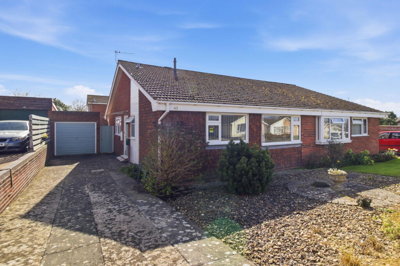
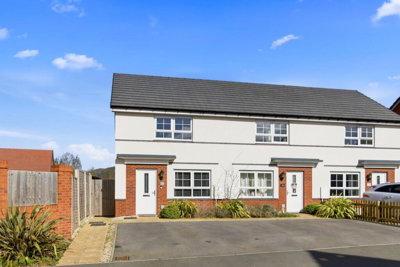
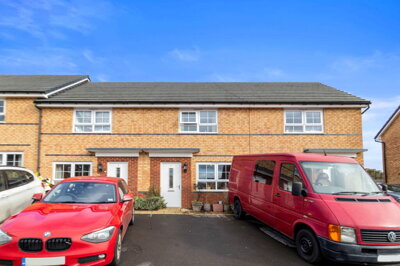
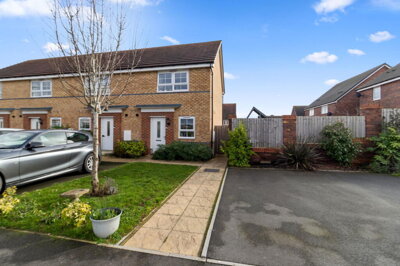
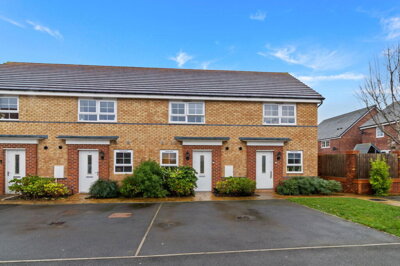
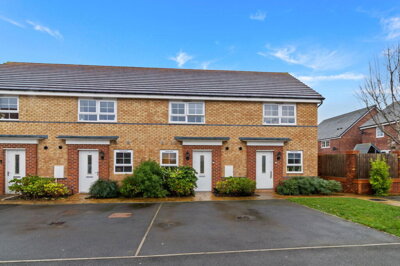
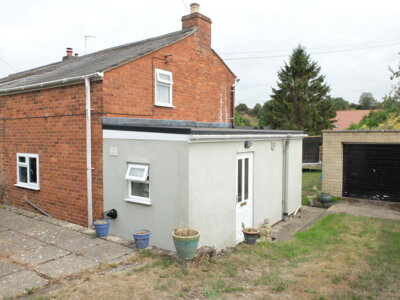
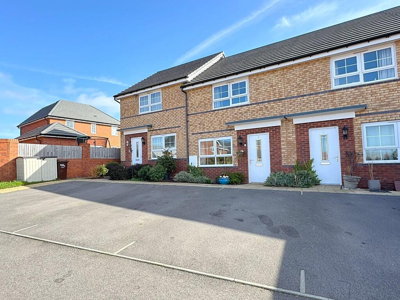
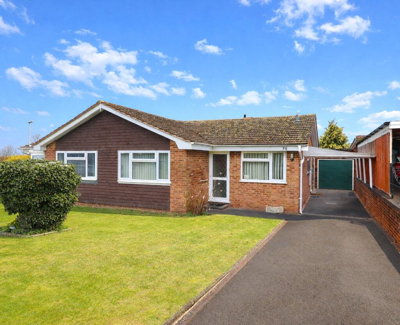
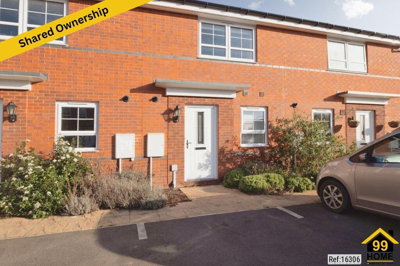
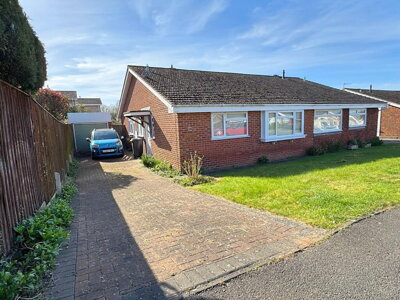
Browse 12 homes for sale in Donnington from local estate agents.
The 2 bed house market features detached, semi-detached, and terraced properties with two separate bedrooms plus living spaces. Properties in Donnington range from Victorian and Edwardian period homes to modern new builds, with pricing varying across different neighbourhoods.
The Donnington property market has demonstrated consistent strength over recent years, with house prices rising 13% above the 2014 peak of £640,000. This steady appreciation reflects the enduring appeal of rural Herefordshire locations among buyers seeking more space, better quality of life, and connection to nature. Our data shows that approximately 27 properties changed hands in the area over the past twelve months, indicating healthy transaction volumes for a village of this size. The market attracts a mix of buyers, from families relocating from urban centres to older buyers downsizing from larger properties in nearby towns. Limited new-build supply in the parish helps maintain values, as demand from buyers seeking authentic rural living continues to grow.
Property types in Donnington reflect its rural character and agricultural heritage. Detached homes dominate the market, often sitting on generous plots with views across rolling countryside. Traditional stone and red brick cottages dot the village, many dating from the 18th and 19th centuries when local Old Red Sandstone - quarried from nearby sources - formed the foundations of many historic properties. Semi-detached and terraced properties provide more affordable entry points to the village market, while conversions of agricultural buildings offer contemporary living spaces within characterful settings. Flat availability remains limited, as is typical for villages of this nature, with most housing stock consisting of houses rather than apartments.
The local economy has historically been rooted in agriculture and related trades, and this heritage is visible in the architectural character of the village. Farmsteads converted into residential properties represent a significant proportion of available homes, offering generous accommodation and land alongside period features. These agricultural conversions often feature high ceilings, exposed beams, and original stonework that appeal to buyers seeking character properties. The village's position within the wider Herefordshire landscape means properties frequently benefit from far-reaching views across farmland and towards the Malvern Hills on clear days.

Life in Donnington offers a pace of life that feels worlds away from the pressures of city living. The village sits within the administrative boundary of Herefordshire, a county celebrated for its orchards, farmland, and medieval market towns. The local landscape is characterised by gentle hills, winding country lanes, and the distinctive red soil that gives Herefordshire its unique appearance. Old Red Sandstone - the geological feature that underlies much of the county - creates the warm, rusky hues that define traditional buildings throughout the area, including those in Donnington itself. This geological foundation extends throughout the region, with notable examples including Haffield House, built in the early 19th century using locally quarried sandstone.
The village community remains the heart of Donnington, with local events, village halls, and parish councils maintaining the social fabric that makes rural life so rewarding. Residents enjoy access to scenic walks along public footpaths that crisscross the surrounding farmland, with the Herefordshire Trail and other long-distance routes passing through the wider area. The Three Counties Showground at Malvern hosts agricultural shows and events throughout the year, drawing visitors from across Herefordshire, Worcestershire, and Gloucestershire. For everyday amenities, residents rely on nearby market towns, which are reachable within a short drive through the beautiful Herefordshire countryside. Ledbury, with its historic market hall and independent shops, is particularly accessible and serves as a local hub for many Donnington residents.
Herefordshire offers an exceptional quality of life for those who appreciate natural beauty and outdoor activities. The county boasts over 2,000 miles of public footpaths, with the Wye Valley Walk and Herefordshire Trail providing particularly popular routes for residents and visitors alike. The River Wye, designated an Area of Outstanding Natural Beauty, flows through the county and offers opportunities for kayaking, fishing, and riverside walks. Local pubs and farm shops scattered throughout the surrounding villages provide essential services while maintaining the social venues that characterise rural community life. The county's position between Birmingham and Bristol means major cities remain accessible for day trips or occasional commuting.
Families considering a move to Donnington will find a selection of educational options within reasonable travelling distance. Herefordshire maintains a network of primary schools serving rural communities, with schools in neighbouring villages providing education for younger children. The county's approach to rural education ensures that even smaller villages have access to quality primary schooling, with dedicated teachers and supportive communities. Secondary education is typically accessed through schools in the nearby market towns, which offer a wider range of GCSE and A-level subjects. Parents should research specific catchment areas and admissions policies, as these can vary significantly depending on exact location within the county.
The county is served by several well-regarded secondary schools, including those in Ledbury, Ross-on-Wye, and Hereford city, all of which are accessible from Donnington by car. Ledbury Primary School has built a strong reputation for academic achievement and pastoral care, serving families from Donnington and surrounding villages. The Hereford Cathedral School and Our Lady's Convent provide faith-based secondary options in Hereford itself, while the Royal Grammar School offers selective places for academically gifted students. Herefordshire has a strong tradition of academic achievement, with schools regularly performing above national averages in measured outcomes.
For families seeking independent education, the county offers several private and boarding options, including schools in Malvern and Worcester, which fall within comfortable commuting distance. The Malvern College and The King's School, Worcester, provide established independent education pathways with strong academic records and wide-ranging extracurricular programmes. Sixth form provision is available at secondary schools with sixth forms and at dedicated sixth form colleges in larger towns, providing students with clear pathways to higher education and vocational training. Transport arrangements for secondary school pupils typically involve school bus services or parental transport, which buyers should factor into their daily routines.
Donnington enjoys a strategic position within Herefordshire, offering reasonable access to major road networks while maintaining its rural character. The village lies within easy reach of the A417 and A449 trunk roads, which provide connections to Gloucester, Worcester, and the wider West Midlands region. The M50 motorway is accessible within a reasonable drive, linking the area to the national motorway network and making longer commutes feasible for those working in Birmingham, Bristol, or other major cities. Daily commuting by car is therefore practical for residents willing to travel, though prospective buyers should factor commute times and costs into their planning.
Rail connections are available from stations in nearby towns, with Hereford station providing services to cities including London Paddington, Birmingham New Street, and Manchester Piccadilly. Journey times to London range from around two and a half to three hours, making Donnington viable for commuters who work from home several days per week or have flexible working arrangements. Ledbury station, on the Hereford to Birmingham line, provides an alternative option for rail travel and is closer to Donnington than Hereford station. Bus services connect the village to local market towns, though frequencies are limited compared to urban areas, making car ownership effectively essential for residents.
Cycling is popular in the area, with quiet country lanes and designated routes offering safe options for shorter journeys and recreational rides through the Herefordshire countryside. The flat terrain of much of the surrounding farmland makes cycling accessible for most fitness levels, while more challenging routes into the Malvern Hills attract enthusiastic cyclists at weekends. For international travel, Birmingham Airport offers flights to European destinations and beyond, reachable within approximately ninety minutes by car. Bristol Airport provides an alternative for residents in the southern part of the county, particularly for European holiday flights.
Spend time exploring Donnington and the surrounding area to understand what makes each neighbourhood unique. Visit at different times of day, check local amenities, and speak to residents about their experience of living in the village. Understanding the character of different areas will help you identify where you want to buy, particularly given the dispersed nature of rural communities where properties may be scattered across a wider area than in urban settings.
Before viewing properties, obtain a mortgage agreement in principle from a lender. This demonstrates to sellers that you are a serious buyer with finance secured, giving you a competitive edge in a market where rural properties can attract multiple offers. Our mortgage comparison tool helps you find the best rates available, and speaking to a broker familiar with rural property valuations can smooth the path to formal mortgage approval.
Work with our platform to arrange viewings of properties that match your criteria. In Donnington, properties can sell quickly given the limited supply in rural villages, so be prepared to move decisively when you find the right home. Take notes and photographs during viewings to help you compare properties later, paying particular attention to the condition of traditional building materials and the age of key systems like heating and roofing.
Once you have an offer accepted, arrange a RICS Level 2 Survey to assess the condition of the property before completion. This is particularly important for older properties in Donnington, where traditional construction methods and materials may require specialist assessment. Our survey booking service connects you with qualified local surveyors who understand the common issues affecting period properties in Herefordshire, including sandstone walls, timber-framed elements, and thatched or slate roofing.
Appoint a conveyancing solicitor to handle the legal aspects of your purchase, including searches, contracts, and registration with the Land Registry. Your solicitor will coordinate with the seller's representatives and ensure all documentation is in order before completion. On completion day, the remaining balance is transferred and you receive the keys to your new home. Rural properties may require additional searches related to agricultural land, rights of way, and flooding, which your solicitor will advise on.
Properties in Donnington often feature traditional construction methods that differ from modern homes, and understanding these is essential for any buyer. Many village properties were built using locally quarried Old Red Sandstone, which provides excellent thermal mass but can be susceptible to moisture penetration if not properly maintained. Red brick construction is also common, particularly in properties from the Victorian and Edwardian periods. A thorough survey will identify any structural issues related to these traditional building methods, including potential problems with damp, subsidence, or roof condition.
Flood risk should be assessed for any property in Herefordshire, as the county's river valleys and rural location mean some properties may be in areas prone to flooding. The Environment Agency provides flood risk maps that prospective buyers should consult before purchasing. The River Wye and its tributaries have historically been subject to flooding events, though modern property surveys will assess individual risk based on topography and drainage. Properties on elevated ground or with well-drained land may offer lower flood risk, which is worth investigating during the survey process.
Conservation areas may apply to parts of Donnington, which can restrict permitted development rights and affect plans for extensions or alterations. Herefordshire contains numerous designated conservation areas that protect the character of historic villages and their surroundings. Buyers should also check for any planning conditions attached to rural properties, particularly those converted from agricultural buildings, as these may have restrictions on occupancy or use. The planning history of converted barns and farmsteads often includes conditions relating to agricultural occupancy restrictions or limitations on business use.
Service charges and leasehold arrangements should be verified for any flat or managed property, with ground rent clauses reviewed carefully to ensure they are reasonable and not subject to excessive escalation. While most properties in Donnington are freehold houses, any property within a managed development or conversion with communal areas will have associated maintenance responsibilities. Rural properties with land attached may also involve additional considerations around rights of way, boundary maintenance, and access to neighbouring farmland.

The average house price in Donnington, Herefordshire, is currently around £725,000 based on transactions over the past twelve months. This figure reflects the premium commanded by rural properties in Herefordshire, where demand consistently outstrips supply. Prices have risen 13% from the 2014 peak of £640,000, demonstrating consistent long-term growth in the local market. Detached properties typically command the highest prices, with stone-built period cottages and converted agricultural buildings also attracting strong interest from buyers seeking character properties.
Properties in Donnington fall under Herefordshire Council's jurisdiction, with council tax bands ranging from A to H depending on the property's assessed value. Most residential properties in the village fall within bands B to E, with larger detached homes and converted barns potentially in higher bands. Prospective buyers should check the specific council tax band for any property they are considering, as this forms part of the ongoing cost of homeownership alongside mortgage payments, insurance, and maintenance. Band information is available through the Valuation Office Agency website or on property listing details.
Donnington itself is a small village served by primary schools in nearby communities, with secondary education typically accessed in nearby market towns such as Ledbury, Ross-on-Wye, or Hereford. Ledbury Primary School is frequently cited by local residents as an excellent option for younger children, with good Ofsted ratings and a strong sense of community. Parents should check specific catchment areas, as admission policies can be competitive in popular rural locations. Independent schooling options are available in Malvern and Worcester, which are within reasonable driving distance.
Public transport options in Donnington are limited, reflecting its small village character. Bus services connect the village to nearby market towns, though frequencies are typically limited to a few services per day, making car ownership effectively essential for most residents. The nearest railway stations are in Ledbury and Hereford, offering services to major cities including London Paddington via Hereford. For commuters, Donnington works best for those with flexible working arrangements or who primarily work from home, as daily rail commuting involves relatively long journey times and requires careful planning of connections.
Donnington has demonstrated consistent property value growth, with prices rising 13% above previous peaks over the past year. The village's rural character, combined with its reasonable access to major road and rail networks, makes it attractive to buyers seeking countryside living. The Three Counties Showground at Malvern, situated within easy reach of Donnington, draws visitors throughout the year and contributes to the broader area's appeal. Limited new-build supply in the area helps maintain property values, as demand from buyers seeking rural lifestyles continues to grow.
Stamp duty rates in England are calculated on the property purchase price. For properties up to £250,000, the rate is 0%. Between £250,001 and £925,000, the rate is 5%. From £925,001 to £1.5 million, the rate is 10%, and above £1.5 million it is 12%. First-time buyers qualify for relief on properties up to £625,000, with 0% payable up to £425,000 and 5% between £425,001 and £625,000. At the Donnington average price of £725,000, a standard buyer would pay approximately £23,750 in stamp duty.
The Donnington property market is dominated by detached houses, reflecting the village's rural character and generous plot sizes. Traditional cottages built from local Old Red Sandstone and red brick are common, many dating from the 18th and 19th centuries when Herefordshire's agricultural prosperity funded significant building activity. Semi-detached and terraced properties provide more affordable options, while converted agricultural buildings offer contemporary living spaces with character features including exposed beams, high ceilings, and original stonework. Flats are rare in the village, as most residential stock consists of houses. No active new-build developments were identified within the parish itself.
Period properties in Donnington require careful inspection of their traditional construction, including the condition of sandstone walls, timber-framed elements, and historic roofing materials. Specialist surveys from surveyors experienced with Herefordshire properties can identify issues common to the area, such as deterioration of locally quarried stone, timber rot in structural beams, and the condition of historic drainage systems. Agricultural conversions may have planning conditions requiring attention, and any thatched or stone-tile roofs will have specific maintenance needs and associated costs.
From 4.5%
Compare mortgage deals from leading lenders
From £499
Expert solicitors for your property purchase
From £350
Professional survey for any property type
From £80
Energy performance certificate for your new home
Buying a property in Donnington involves several costs beyond the purchase price itself, and planning for these from the outset helps avoid unexpected surprises. Stamp duty, formally known as SDLT (Stamp Duty Land Tax), is calculated on a tiered basis in England. For purchases up to £250,000, no stamp duty is payable. Between £250,001 and £925,000, buyers pay 5% on the portion of the price within that range. Given the average property price in Donnington of around £725,000, a standard buyer would expect to pay approximately £23,750 in stamp duty, which should be factored into the overall budget alongside deposit and mortgage arrangement costs.
First-time buyers enjoy enhanced relief, with no stamp duty payable on properties up to £425,000, and 5% on the portion between £425,001 and £625,000. This means a first-time buyer purchasing at the Donnington average price of £725,000 would pay stamp duty on the amount above £625,000 only, reducing their liability to £5,000. Beyond stamp duty, buyers should budget for solicitor fees, which typically range from £500 to £1,500 depending on complexity, plus Land Registry fees of around £200 to £500. Survey costs, mortgage arrangement fees, and moving expenses complete the picture of additional buying costs.
Given the predominantly older property stock in Donnington, buyers should also consider the potential cost of renovation or maintenance works identified during survey. Older properties may require updates to heating systems, electrical wiring, or plumbing that fall outside standard mortgage conditions. Setting aside a contingency fund equivalent to 10-15% of the purchase price is a prudent approach for buyers of period properties, allowing for both planned improvements and unexpected works discovered after moving in.
Properties for Sale In London

Properties for Sale In Plymouth

Properties for Sale In Liverpool

Properties for Sale In Glasgow

Properties for Sale In Sheffield

Properties for Sale In Edinburgh

Properties for Sale In Coventry

Properties for Sale In Bradford

Properties for Sale In Manchester

Properties for Sale In Birmingham

Properties for Sale In Bristol

Properties for Sale In Oxford

Properties for Sale In Leicester

Properties for Sale In Newcastle

Properties for Sale In Leeds

Properties for Sale In Southampton

Properties for Sale In Cardiff

Properties for Sale In Nottingham

Properties for Sale In Norwich

Properties for Sale In Brighton

Properties for Sale In Derby

Properties for Sale In Portsmouth

Properties for Sale In Northampton

Properties for Sale In Milton Keynes

Properties for Sale In Bournemouth

Properties for Sale In Bolton

Properties for Sale In Swansea

Properties for Sale In Swindon

Properties for Sale In Peterborough

Properties for Sale In Wolverhampton

Enter your details to see if this property is within your budget.
Loans, cards, car finance
Estimated property budget
Borrowing + deposit
You could borrow between
Typical borrowing
Monthly repayment
Est. at 4.5%
Loan-to-value
This is an estimate only. Your actual budget may vary depending on interest rates, credit history, and personal circumstances. For an accurate affordability assessment, speak to one of our free mortgage advisors.
This calculator provides estimates for illustrative purposes only and does not constitute financial advice. Your home may be repossessed if you do not keep up repayments on your mortgage. Estimates based on 4.5% interest rate, repayment mortgage. Actual rates depend on your circumstances.
Homemove is a trading name of HM Haus Group Ltd (Company No. 13873779, registered in England & Wales). Homemove Mortgages Ltd (Company No. 15947693) is an Appointed Representative of TMG Direct Limited, trading as TMG Mortgage Network, which is authorised and regulated by the Financial Conduct Authority (FRN 786245). Homemove Mortgages Ltd is entered on the FCA Register as an Appointed Representative (FRN 1022429). You can check registrations at NewRegister or by calling 0800 111 6768.

We use cookies to show you personalised content and improve your experience of our website. Find out more in our Privacy policy and Cookie policy.