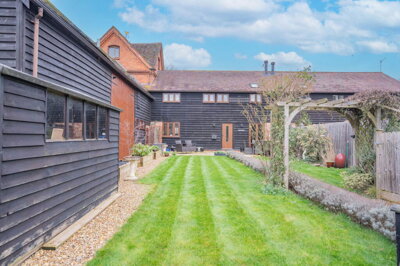
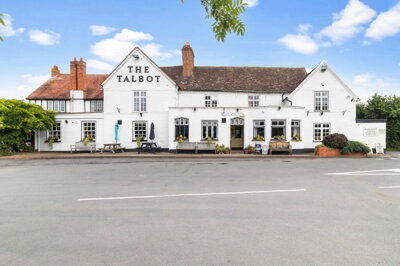
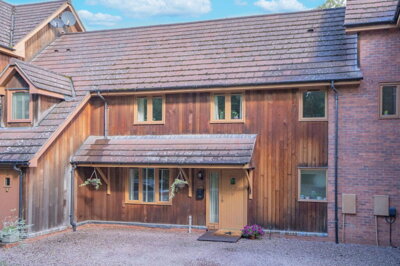
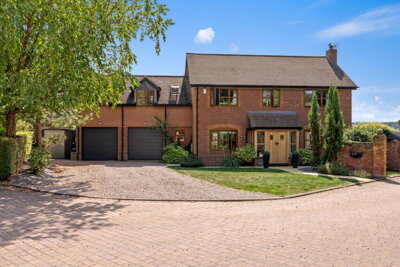
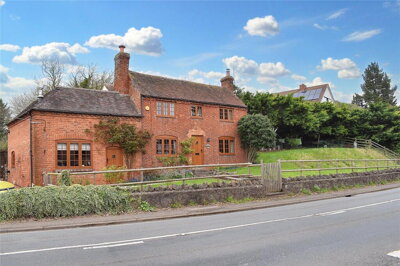
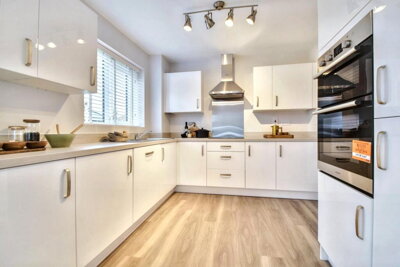
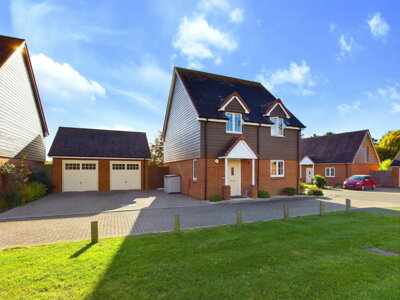
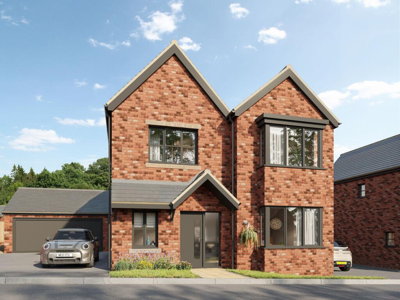
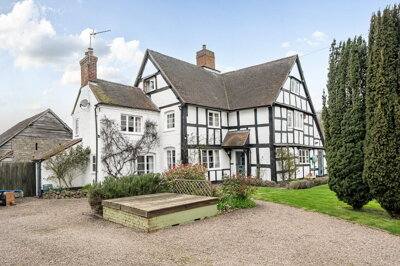
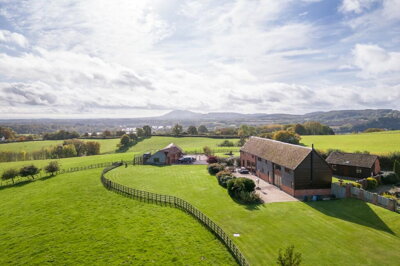
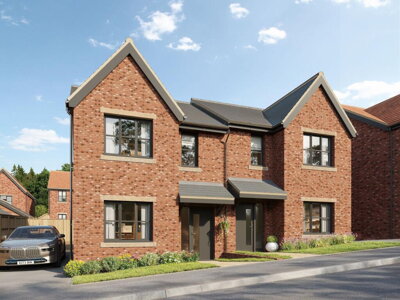
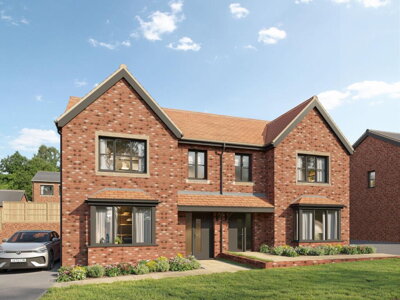
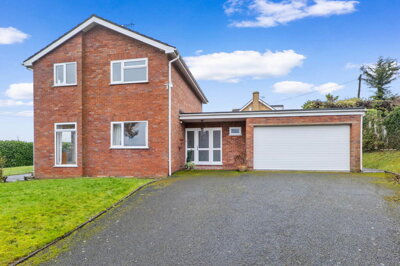
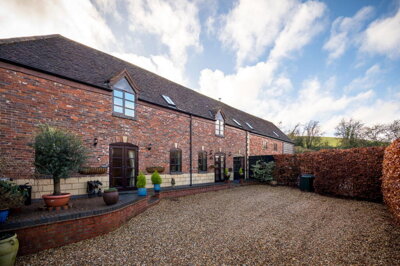
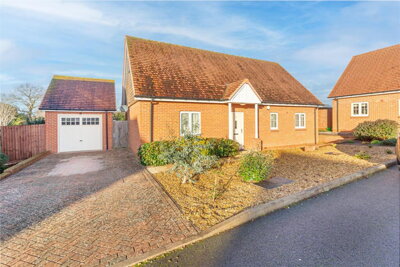
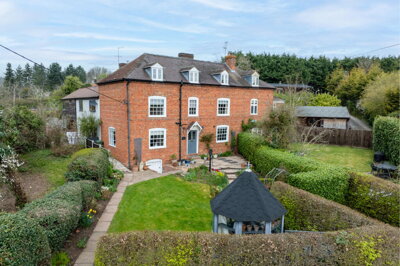
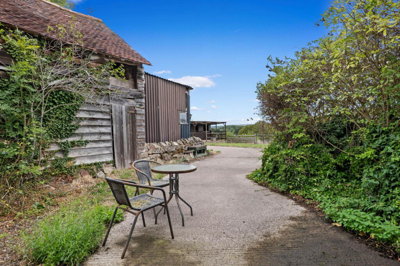
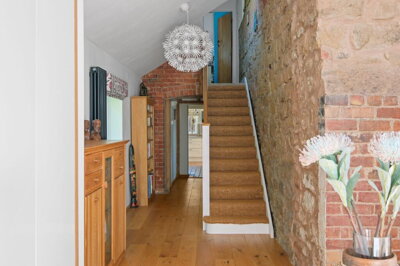
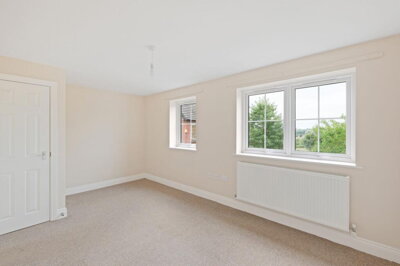
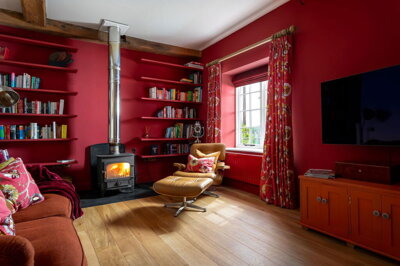
Browse 30 homes for sale in Doddenham, Malvern Hills from local estate agents.
£663k
2
0
49
Source: home.co.uk
Source: home.co.uk
Barn Conversion
1 listings
Avg £450,000
Detached
1 listings
Avg £875,000
Source: home.co.uk
Source: home.co.uk
The Flore property market demonstrates the characteristics of a healthy village economy, with prices rising 9% year on year according to Rightmove data. The overall average house price stands at £448,913, though this figure masks significant variation between property types. Detached homes command the highest prices at around £621,714, reflecting strong demand from families seeking generous space and gardens in a village setting. Semi-detached properties offer more accessible entry at approximately £294,140, making them popular among first-time buyers and those downsizing from larger properties nearby.
Recent market activity shows that detached properties dominate sales volumes, accounting for six of the twelve recorded transactions in the past twelve months. Semi-detached homes followed with five sales, while terraced properties represented just one transaction at around £397,500. Notably, no flats have sold in Flore during this period, which aligns with the village's predominantly residential character and lack of apartment developments. The market has experienced a correction from the 2023 peak of £517,050, with prices now sitting 13% below that high-water mark, potentially creating opportunities for buyers who missed the previous cycle.
Properties in Flore benefit from limited new-build supply, which helps maintain values across the village's varied housing stock. Zoopla reports a slightly higher average sold price of £474,928 for recent transactions, reflecting strong demand from buyers attracted to the village's character and connectivity. The mix of property ages, from 18th-century cottages through to homes built in the 1960s, creates diverse buying opportunities at various price points. For investors, the village's proximity to Northampton and strong transport links suggest continued demand from professionals and families seeking quality village living.

Flore embodies the essence of classic English village life, characterised by stone cottages, thatched roofs, and winding country lanes that invite afternoon walks. The village centre features a traditional public house, a well-regarded primary school, and a village hall that hosts community events throughout the year. Local amenities, while modest in scale, cater well to everyday needs, with a village shop and Post Office serving residents for essential groceries and provisions. The surrounding countryside offers extensive footpaths and bridleways, connecting Flore to neighbouring villages and providing miles of scenic walking routes through Northamptonshire's patchwork farmland.
The demographic profile of Flore reflects its appeal to families and retirees seeking a tranquil environment with strong community ties. Properties in the village range from historic 18th-century cottages to post-war family homes built in the 1960s, creating an eclectic streetscape that appeals to buyers who appreciate architectural variety. Streets such as Sutton Street, The Avenue, High Street, and The Green feature prominently in recent sales activity, showcasing the range of period properties available. The village's population enjoys regular community activities including village fetes, quiz nights, and seasonal celebrations that bring neighbours together throughout the year.
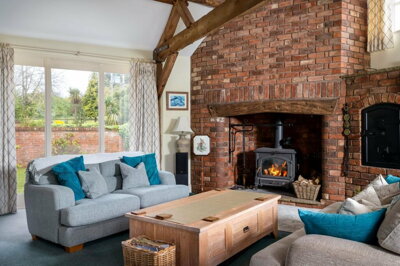
The village's historic properties, particularly those featuring traditional stone construction under thatch and slate roofing, require specialist knowledge to maintain properly. Many homes retain original features including exposed beam ceilings, inglenook fireplaces, and flagstone floors that appeal to buyers seeking authentic period character. For those considering purchasing an older property in Flore, understanding the maintenance requirements of traditional building materials is essential. Specialist tradespeople familiar with thatch roofing, lime mortar pointing, and stone wall maintenance are available in the Northamptonshire area, though their services may command premium rates due to the specialised skills required.

Education provision in Flore centres on Flore Church of England Primary School, a well-established village school serving children from Reception through to Year 6. The school maintains a strong reputation for academic achievement and nurturing individual development within a small, supportive environment. Class sizes in village primary schools often remain smaller than their urban counterparts, allowing teachers to provide more personalised attention to each pupil's learning journey. Parents considering Flore frequently cite the quality of early years and primary education as a significant factor in their decision to relocate to the village.
Secondary education options for Flore residents include several highly-regarded schools in the surrounding area, with schools in Northampton offering comprehensive curricula and specialist subjects. Parents can explore options including grammar schools for academically-minded pupils, faith schools, and comprehensive establishments with strong sporting or creative programmes. For families prioritising educational choice, the proximity to Northampton's diverse school landscape provides flexibility in finding the right fit for each child. Sixth form and further education facilities are readily accessible in Northampton, ensuring teenagers have clear pathways to higher education or vocational training after GCSEs.
When evaluating school catchment areas, parents should verify current admission policies with Northamptonshire County Council, as these boundaries can change and may influence placements. School transport arrangements from Flore to secondary schools in Northampton should be factored into family logistics, particularly for those without multiple vehicles. The village's position on the A45 provides relatively straightforward access to Northampton's schools, though traffic conditions during peak school run times can extend journey times. Many families find that carpooling arrangements with other Flore parents help manage the practical aspects of school transport for secondary-aged children.
Flore enjoys strategic positioning that combines rural tranquility with excellent transport connectivity, making it popular among commuters who work in surrounding towns and cities. The village sits just off the A45 trunk road, providing direct access to Northampton town centre within approximately 15 minutes by car. The M1 motorway junction 16 is easily reachable, offering connections to Milton Keynes, Leicester, Birmingham, and London beyond. This accessibility makes Flore particularly attractive to buyers working in the wider South Midlands region who wish to enjoy village living without enduring excessive commute times.
Public transport options from Flore include bus services connecting the village to Northampton and surrounding settlements, with regular services operating on weekdays and reduced services at weekends. Northampton railway station provides direct rail services to London Euston in under an hour, with regular departures throughout the day for commuters who prefer train travel. Birmingham International station is also accessible within approximately 40 minutes by car, offering Virgin CrossCountry services to destinations across the national rail network. For cyclists, the Northamptonshire countryside offers increasingly well-signposted routes, while local roads provide pleasant cycling opportunities for shorter journeys.
The village's proximity to major employment centres makes it particularly appealing to professionals working in Northampton's commercial centres, as well as those commuting further afield to Milton Keynes's growing business parks or Leicester's industrial zones. Workers in the logistics and distribution sector may appreciate the easy access to the M1 and A45 for reaching warehouses and distribution centres across the region. For those considering a hybrid working arrangement, the peaceful village environment provides an ideal base for home working days, with fast broadband available to support video calls and cloud-based workflows.
Explore Flore thoroughly before committing to a purchase. Walk the streets including Sutton Street, The Avenue, High Street, and The Green to understand the different neighbourhood characters. Visit local amenities including the village shop, Post Office, and public house to assess everyday convenience. Speak with residents to understand day-to-day life in the village, and check commute times to your workplace and verify the nearest schools meet your family's requirements.
Before viewing properties, obtain a mortgage agreement in principle from a lender or broker. This demonstrates your financial readiness to sellers and estate agents, strengthening your position when making offers in what can be a competitive village market. Given Flore's average property prices of around £448,913, most buyers will require mortgage financing, making pre-approval an essential first step. Gather documentation including proof of income, bank statements, and identification to streamline the application process.
Work with local estate agents to arrange viewings of properties matching your criteria. In Flore, popular properties can attract multiple interest, so be prepared to move quickly when you find the right home. Your offer should reflect current market conditions, recent comparable sales in the village, and any factors specific to the property including its condition and any maintenance requirements. Be aware that some Flore properties may be listed buildings requiring additional considerations for alterations.
Commission a RICS Level 2 Survey before proceeding to completion, particularly given the age of many Flore properties. A thorough survey identifies any structural issues, maintenance requirements, or potential problems with traditional construction methods common in period cottages. Many Flore homes feature stone walls, thatch or slate roofing, and original features that require specialist maintenance knowledge. Survey costs typically range from £350 to £600 depending on property value and size.
Appoint a solicitor to handle the legal aspects of your purchase, including searches, contracts, and registration with HM Land Registry. Local knowledge of Northamptonshire property transactions can streamline the process considerably. Your solicitor will conduct searches including local authority checks, drainage and water searches, and environmental searches to identify any issues affecting the property.
Once all searches are satisfactory and financing is confirmed, you will exchange contracts and pay your deposit. Completion typically follows within days or weeks, after which you will receive the keys to your new Flore home. Budget for additional costs including stamp duty land tax, solicitor fees, and survey costs when planning your overall purchase budget.
Properties in Flore require careful assessment due to the prevalence of traditional construction methods and age of the housing stock. Many homes feature stone walls, thatch or slate roofing, and original features that require specialist maintenance knowledge. When viewing period properties, pay particular attention to signs of damp, roof condition, and the integrity of traditional building materials. A thorough RICS Level 2 Survey can identify issues that may not be apparent during a standard viewing, giving you confidence in your purchase decision.
The presence of Grade II listed buildings in Flore means some properties may be subject to planning restrictions and consent requirements for alterations or improvements. Buyers should verify the listed status of any property of interest and understand the implications for future modifications, extensions, or outbuilding developments. Conservation area considerations may also apply, restricting permitted development rights and requiring careful planning before undertaking external changes. These factors can enhance the character and value of village properties but require additional due diligence during the purchase process.
Common defects in older Flore properties include rising or penetrating damp affecting stone walls, deterioration of lime mortar pointing, and wear to thatch or slate roofing materials. Properties built before modern electrical regulations may have outdated wiring requiring replacement, while plumbing systems in historic homes often need updating to meet current standards. Structural movement can occur in older properties as foundations settle over time, and trees planted close to buildings may cause subsidence issues through soil shrinkage. A comprehensive survey from a qualified RICS inspector familiar with traditional construction can identify these issues before completion, potentially saving buyers significant remediation costs.
The Flore property stock reflects its historic origins, with stone-built cottages forming the backbone of the village's character housing. Properties dating from the 18th and 19th centuries commonly feature solid stone walls constructed without cavity insulation, making them more susceptible to penetrating damp than modern builds. These traditional walls rely on lime-based mortars and renders that allow the building to breathe, so inappropriate modern materials can trap moisture and cause deterioration. Buyers of stone properties should budget for ongoing maintenance of pointing, render, and any external coatings applied to the walls.
Thatch roofing remains a distinctive feature of several Flore properties, offering exceptional insulation but requiring specialist maintenance and insurance considerations. Thatched roofs typically need re-ridging every 10-15 years and a full replacement every 30-40 years depending on the materials used and the quality of previous maintenance. Insurance costs for thatched properties often run higher than standard homes, and not all insurers offer cover, so factoring these ongoing costs into your budget is essential. Properties with slate roofing generally offer lower maintenance requirements while retaining the traditional aesthetic appropriate to the village conservation area.
Post-war properties built in Flore during the 1960s and 1970s offer more conventional construction using brick and tile methods that will be familiar to most buyers. These homes typically feature cavity wall construction, modern electrical systems, and conventional heating installations that reduce the specialist maintenance concerns associated with older properties. However, 1960s properties may have suffered from past renovation work using inappropriate materials, and single-glazed windows and original heating systems often warrant replacement for energy efficiency. The elevated plots mentioned in some property listings reflect Northamptonshire's rolling landscape, and buyers should consider how aspect and elevation affect heating costs and seasonal access.
The average house price in Flore stands at £448,913 according to Rightmove data, with Zoopla reporting a slightly higher figure of £474,928 for recent sold prices. Detached properties average £621,714, semi-detached homes around £294,140, and terraced properties approximately £397,500. No flats have sold in Flore during the past twelve months, reflecting the village's exclusively residential character with no apartment developments. The market has shown 9% annual growth, though prices remain 13% below the 2023 peak of £517,050, potentially offering buying opportunities for those entering the market now.
Properties in Flore fall under West Northamptonshire Council's jurisdiction for council tax purposes, with the council based in Northampton serving the village administrative needs. Bands range from A through H depending on the property's assessed value, with most village homes falling within bands C to E reflecting the range of property values from smaller period cottages through to larger detached family homes. You can verify the specific band for any property through the Valuation Office Agency website or by contacting West Northamptonshire Council directly. Council tax payments fund essential local services including education, waste collection, and road maintenance throughout the village.
Flore Church of England Primary School serves the village and enjoys a strong reputation for educational quality within a nurturing environment. The school's small class sizes allow teachers to provide individual attention to each pupil, which parents often cite as a significant advantage over larger urban schools. Secondary options in the surrounding area include several well-regarded schools in Northampton accessible via the A45 trunk road or school transport services. Parents should verify current catchment areas and admission policies with Northamptonshire County Council, as these boundaries can change annually and may influence placements for their children.
Bus services connect Flore to Northampton and neighbouring villages including Weedon and Badby, with regular weekday services and reduced weekend frequencies that serve the village's public house and village shop. Northampton railway station provides direct services to London Euston in under an hour, making day commuting feasible for those working in the capital or attending business meetings. The A45 trunk road offers quick car access to Northampton town centre, while junction 16 of the M1 motorway is within easy reach for regional travel to Milton Keynes, Leicester, and Birmingham. Cyclists can access the Northamptonshire countryside via well-signposted routes, with local roads providing pleasant opportunities for shorter journeys.
Flore's property market benefits from its desirable village setting combined with strong transport connections to major employment centres including Northampton, Milton Keynes, and Leicester. Prices have demonstrated consistent growth with 9% annual appreciation, while limited new-build supply in the village helps maintain property values across the housing stock. The prevalence of period properties with stone construction and traditional features ensures continued demand from buyers seeking character homes in a village setting. Capital appreciation potential appears strong given the village's accessibility and the broader trend of buyers seeking rural locations with good transport links.
Standard stamp duty rates apply in Flore, with zero duty on properties up to £250,000, 5% on the portion from £250,001 to £925,000, 10% up to £1.5 million, and 12% above that threshold. First-time buyers benefit from relief on the first £425,000, paying 5% between £425,001 and £625,000, with no relief above £625,000. Given Flore's average price of £448,913, a typical first-time buyer purchase would attract approximately £9,945 in stamp duty after relief, while a standard buyer would pay around £14,445 based on current rates. Properties at the terraced average of £397,500 would attract no stamp duty for first-time buyers.
Older properties in Flore, including 18th-century stone cottages and character homes with thatch or slate roofing, require careful inspection of traditional construction elements by a qualified surveyor. Key concerns include roof condition for thatch or slate coverings, rising or penetrating damp affecting solid stone walls, and the condition of original windows and doors that may need restoration rather than replacement. Electrical and plumbing systems in historic properties often require updating to meet current safety standards, and foundations on properties of this age may have settled over centuries. Always commission a comprehensive RICS Level 2 Survey and consider engaging specialists familiar with period property maintenance before proceeding with your purchase.
Flore contains several Grade II listed buildings, including stone cottages dating from the 18th century that represent the village's historic architectural heritage. Listed status provides legal protection for these properties' original features, requiring planning permission for most alterations, extensions, or demolitions that might otherwise fall under permitted development rights. Buyers of listed properties should budget for potentially higher maintenance costs using traditional materials and specialist tradespeople. These restrictions can enhance long-term value by preserving the village's character, but they require careful consideration before purchase.
From 4.5% APR
Expert mortgage advice tailored to your Flore purchase
From £499
Specialist solicitors for Flore property transactions
From £350
Thorough property survey for Flore homes
From £60
Energy performance certificate for your new home
Purchasing a property in Flore involves several costs beyond the purchase price, with stamp duty land tax representing a significant consideration for most buyers. At current rates, properties priced at the village average of £448,913 attract SDLT of approximately £9,945 for standard buyers, rising to £14,445 for those purchasing without first-time buyer relief. The nil-rate threshold of £250,000 provides meaningful savings for buyers seeking lower-priced village properties, including some semi-detached homes and smaller period cottages. First-time buyers purchasing at the terraced average of £397,500 would benefit from relief covering the entire SDLT liability.
Additional purchase costs include solicitor fees typically ranging from £500 to £2,000 depending on complexity and property value, survey costs of £350 to £600 for a comprehensive RICS Level 2 Survey, and mortgage arrangement fees that vary by lender but often fall between £500 and £2,000. Search fees through West Northamptonshire Council, land registry fees, and disbursements add a further £200 to £400 to legal costs. Buyers purchasing listed properties should budget for potentially higher legal fees given the additional complexity of listed building consent considerations in conveyancing transactions.
Beyond the purchase transaction itself, buyers should budget for removal expenses, potential decorator or repair costs if purchasing a property requiring updating, and a contingency fund for unexpected issues that may arise during the purchase process or immediately after moving in. Properties with thatch roofing may require specialist insurance that carries higher premiums than standard home insurance policies. First-year running costs for period properties often exceed those of modern homes due to less effective insulation and older heating systems, so factoring these ongoing costs into your budget is prudent before committing to a purchase.
Properties for Sale In London

Properties for Sale In Plymouth

Properties for Sale In Liverpool

Properties for Sale In Glasgow

Properties for Sale In Sheffield

Properties for Sale In Edinburgh

Properties for Sale In Coventry

Properties for Sale In Bradford

Properties for Sale In Manchester

Properties for Sale In Birmingham

Properties for Sale In Bristol

Properties for Sale In Oxford

Properties for Sale In Leicester

Properties for Sale In Newcastle

Properties for Sale In Leeds

Properties for Sale In Southampton

Properties for Sale In Cardiff

Properties for Sale In Nottingham

Properties for Sale In Norwich

Properties for Sale In Brighton

Properties for Sale In Derby

Properties for Sale In Portsmouth

Properties for Sale In Northampton

Properties for Sale In Milton Keynes

Properties for Sale In Bournemouth

Properties for Sale In Bolton

Properties for Sale In Swansea

Properties for Sale In Swindon

Properties for Sale In Peterborough

Properties for Sale In Wolverhampton

Enter your details to see if this property is within your budget.
Loans, cards, car finance
Estimated property budget
Borrowing + deposit
You could borrow between
Typical borrowing
Monthly repayment
Est. at 4.5%
Loan-to-value
This is an estimate only. Your actual budget may vary depending on interest rates, credit history, and personal circumstances. For an accurate affordability assessment, speak to one of our free mortgage advisors.
This calculator provides estimates for illustrative purposes only and does not constitute financial advice. Your home may be repossessed if you do not keep up repayments on your mortgage. Estimates based on 4.5% interest rate, repayment mortgage. Actual rates depend on your circumstances.
Homemove is a trading name of HM Haus Group Ltd (Company No. 13873779, registered in England & Wales). Homemove Mortgages Ltd (Company No. 15947693) is an Appointed Representative of TMG Direct Limited, trading as TMG Mortgage Network, which is authorised and regulated by the Financial Conduct Authority (FRN 786245). Homemove Mortgages Ltd is entered on the FCA Register as an Appointed Representative (FRN 1022429). You can check registrations at NewRegister or by calling 0800 111 6768.

We use cookies to show you personalised content and improve your experience of our website. Find out more in our Privacy policy and Cookie policy.