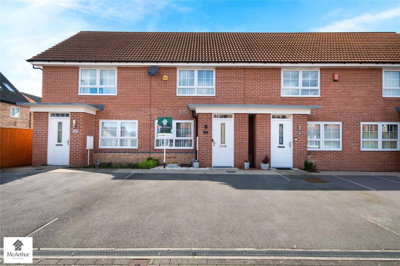
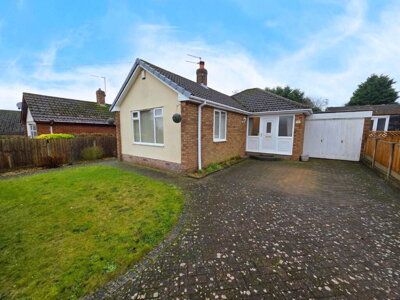
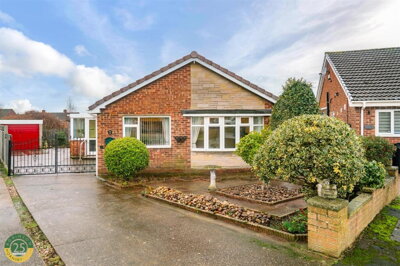
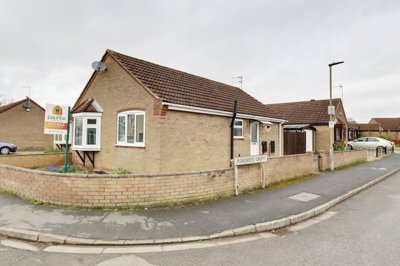
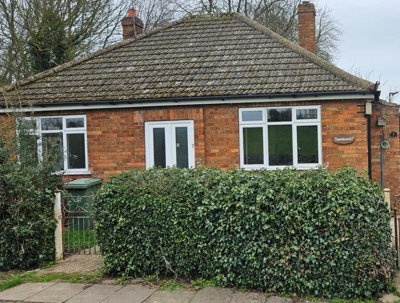
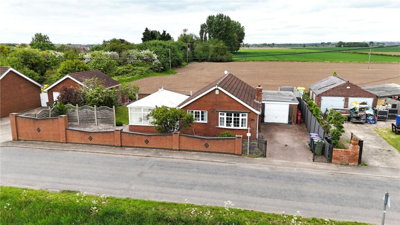
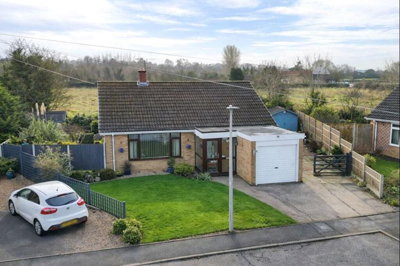
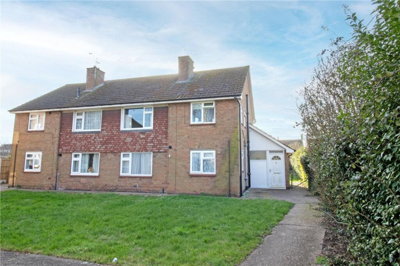
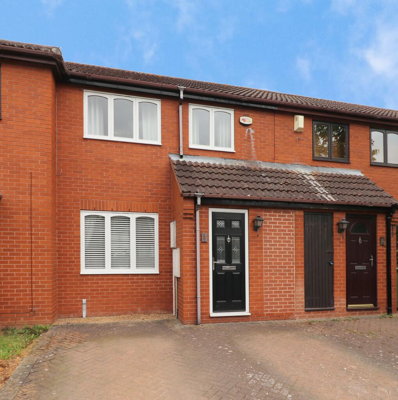
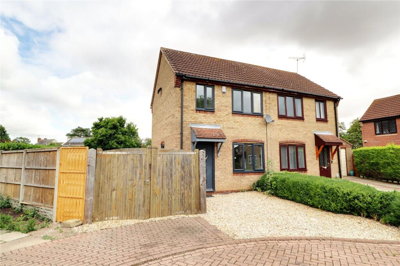
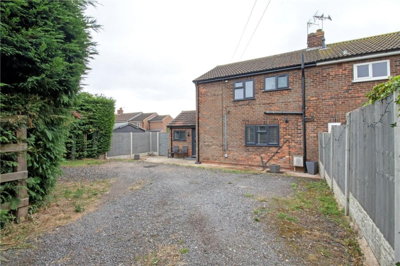
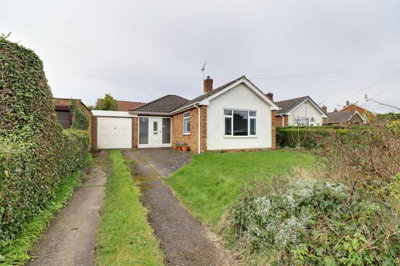
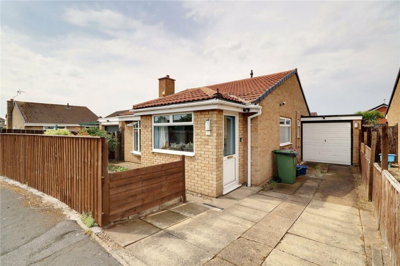
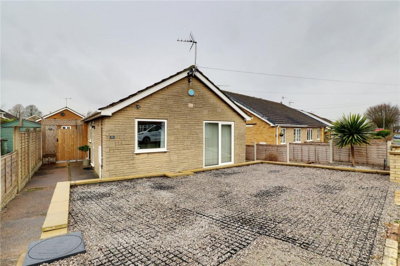
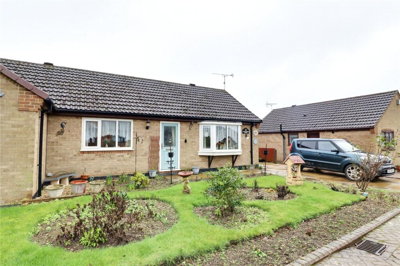
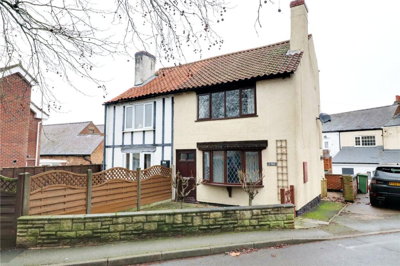
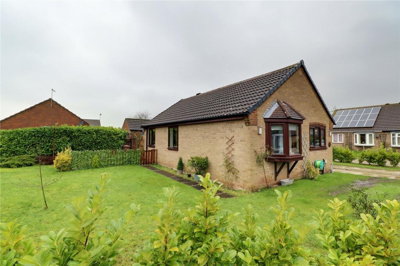
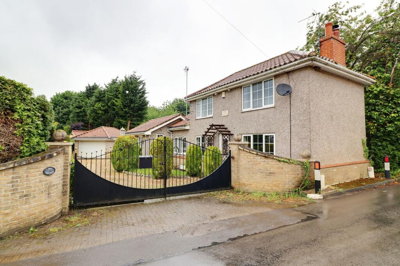
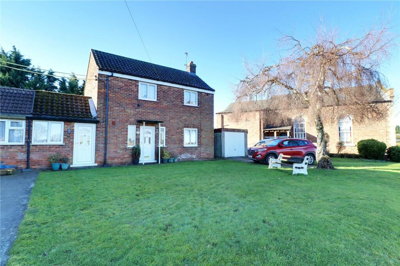
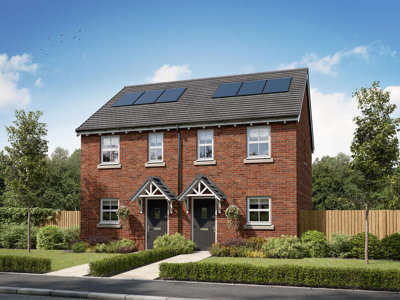
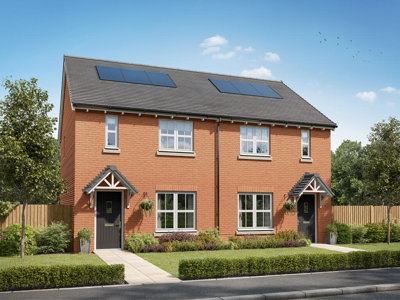
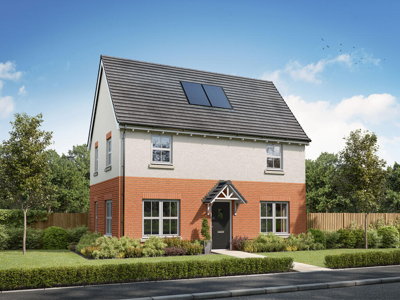
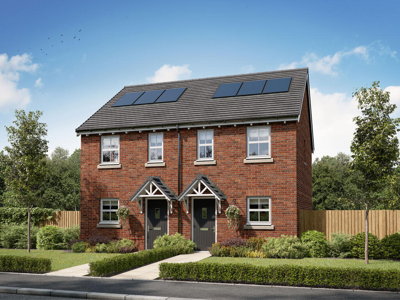
Browse 99 homes for sale in DN9 from local estate agents.
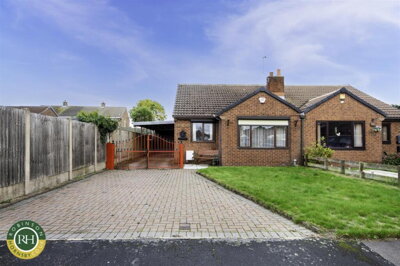
The 2 bed house market features detached, semi-detached, and terraced properties with two separate bedrooms plus living spaces. Properties in DN9 range from Victorian and Edwardian period homes to modern new builds, with pricing varying across different neighbourhoods.
£190k
9
1
314
Source: home.co.uk
Showing 9 results for 2 Bedroom Houses for sale in DN9. 1 new listing added this week. The median asking price is £190,000.
Source: home.co.uk
Terraced
5 listings
Avg £176,400
Semi-Detached
4 listings
Avg £195,000
Source: home.co.uk
Source: home.co.uk
The DN9 property market has demonstrated remarkable stability over the past year, with overall prices remaining relatively flat at around minus 1.0% year-on-year. This consistency makes the area particularly appealing to buyers seeking a predictable market where properties are not subject to the volatile price swings seen in larger cities. Our data shows approximately 208 properties have changed hands in the past 12 months, indicating healthy market activity for a rural postcode area. The market attracts buyers from across the region who are priced out of more expensive areas but still want quality homes in accessible locations.
Property prices in DN9 vary significantly by type, reflecting the diversity of housing stock available. Detached properties command the highest prices with an average of £329,400, offering generous space and gardens that appeal to families. Semi-detached homes average around £194,000, providing an excellent middle ground between space and affordability. Terraced properties start from approximately £147,700, while flats remain the most accessible option at around £101,200. This range means buyers can enter the market at various price points depending on their circumstances and requirements.
Looking at the broader housing stock in DN9, the ONS Census data reveals a balanced mix of property types. Semi-detached homes make up 36.3% of the housing stock, slightly edging out detached properties at 35.8%. Terraced properties account for 19.3% of homes, while flats and apartments represent just 8.0% of the market. This composition explains why semi-detached properties are so prevalent in the area and why they form the backbone of the local housing market.
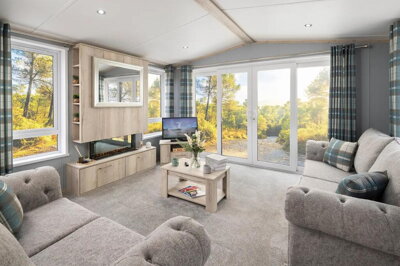
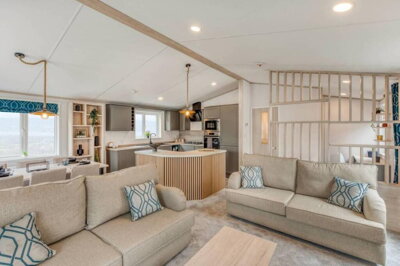
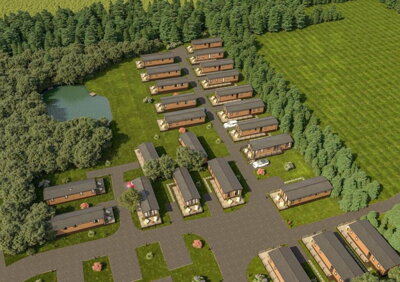
New build activity in DN9 continues to provide options for buyers seeking modern specifications and energy-efficient homes. Developments such as Olympus Drive in Doncaster offer contemporary 4-bedroom detached houses priced at £365,000 to £375,000. For those seeking smaller footprints, Epworth and surrounding areas feature a selection of lodges and residential units ranging from £49,500 to around £128,450, catering to various budgets and lifestyle preferences.

The DN9 postcode area is home to approximately 10,600 residents across roughly 4,300 households, creating close-knit rural communities where neighbours often know one another. The population density remains lower than urban areas, allowing residents to enjoy spacious surroundings, abundant green spaces, and a pace of life that many find refreshingly different from city living. The area retains strong agricultural roots, with farmland and countryside walks forming an integral part of daily life for residents. Village pubs, local shops, and community events help maintain a sense of belonging that is increasingly rare in more urban settings.
The housing stock in DN9 reflects its evolution over the decades, with the majority of properties built between 1945 and 1980, accounting for approximately 40% of all homes. Around 30% of properties post-date 1980, including various new build developments and extensions to older properties. The remaining housing stock splits between properties from the interwar period (1919-1945) at roughly 20% and older properties built before 1919 at around 10%. This mix provides buyers with character homes featuring original features alongside more modern properties that may require less maintenance.
The demographic profile of DN9 skews towards families and older couples, with many residents drawn to the area for its schools, safety, and quality of life. Employment locally comes from a mix of agricultural activity, logistics businesses operating from the M18 corridor, and residents commuting to larger employment centres. The proximity to Doncaster Sheffield Airport, though currently not operational for commercial flights, represents potential for future economic development in the area. Local economic factors include light industrial operations and agricultural enterprises that provide employment within the community.
Village life in DN9 centres around the various community facilities scattered throughout the postcode area. Local shops, traditional pubs, and village halls provide everyday amenities without requiring trips to larger towns. Regular community events, from summer fetes to farmers markets, bring residents together and foster the strong social connections that make rural living so appealing to families and those seeking a quieter lifestyle.

Families considering a move to DN9 will find a selection of primary and secondary education options within reasonable distances. Primary schools serving the area typically include community schools in surrounding villages, with many offering smaller class sizes that some parents prefer over larger urban schools. The local education landscape reflects the rural nature of the area, with schools often serving multiple villages and fostering strong community connections among students and parents alike.
Several primary schools in the surrounding area serve DN9 families, including schools in nearby Hatfield, Stainforth, and the surrounding villages. Parents should research specific catchment areas and admission policies as these can significantly impact which schools children can access from a particular property address. Many families value the community atmosphere of smaller village schools where teachers know students individually and can provide more focused attention.
Secondary education options in the DN9 area include schools in nearby Doncaster and North Lincolnshire, with school transport links connecting residential areas to these institutions. Schools in the Doncaster area offer a range of academic and vocational pathways, with some institutions offering specialist subjects or sports and arts programmes. For families with academic aspirations, grammar school options may be available in surrounding areas, though entry requirements and transportation logistics should be carefully considered when budgeting for a property purchase in the region.
Further education opportunities are readily accessible for older students, with colleges in Doncaster and Scunthorpe offering a wide range of vocational and academic courses. Sixth form provision varies by school, with some secondary institutions offering their own sixth form while others collaborate with nearby colleges or sixth form centres. Families planning a long-term stay in DN9 should factor in education plans when evaluating properties, particularly regarding transportation requirements and morning commute times. The proximity to Sheffield's universities also opens up higher education options for older children within reasonable commuting distance.
Transport connectivity from DN9 centres primarily on road networks, with the M18 motorway providing crucial links to the broader region. The M18 runs north-south through the area, connecting Doncaster to Sheffield and the M1 motorway beyond. The A614 trunk road runs through the area, providing access to Nottingham and the A1 corridor to the east. This road infrastructure makes DN9 particularly attractive to commuters who work in larger cities but prefer the lifestyle benefits of rural living. Journey times to Sheffield city centre typically range from 35 to 50 minutes depending on exact start point and traffic conditions.
For those commuting to Leeds, the journey from DN9 takes approximately 45 minutes to an hour via the M18 and A1(M), making regular commuting feasible for those working in the West Yorkshire employment market. Doncaster town centre is reachable within 20 minutes from most parts of DN9, providing access to retail, healthcare, and employment opportunities without the costs associated with city centre living. The strategic position of DN9 between major northern cities makes it an ideal base for professionals working across the region.
Public transport options include bus services connecting DN9 villages to Doncaster and surrounding market towns. However, services can be infrequent, particularly during evenings and weekends, making car ownership practically essential for most residents. Rail connections are accessed via Doncaster station, which offers East Coast Main Line services to London, Leeds, Edinburgh, and numerous other destinations. Doncaster station is approximately 20 to 30 minutes from most DN9 areas by car, representing a reasonable commute for regular rail travellers. High-speed trains from Doncaster can reach London King's Cross in under two hours, making the capital accessible for business or leisure travel.
For cyclists, the flat topography of the area makes cycling feasible for shorter journeys, though dedicated cycling infrastructure remains limited compared to urban areas. The proximity to Robin Hood Airport (Doncaster Sheffield) would have provided international travel options, though the airport is currently not operational for commercial flights. Future redevelopment of the airport site could potentially improve regional connectivity in coming years, though no firm plans are currently confirmed. Until then, Manchester Airport and Leeds Bradford Airport provide international travel options within reasonable driving distance.
Before viewing properties, spend time exploring different villages within the DN9 postcode to find the community that best suits your lifestyle. Consider commute times, local amenities, school catchments, and property types available in each area. Visit at different times of day and week to get a genuine feel for the neighbourhood and its character.
Speak to a mortgage broker or lender to obtain an agreement in principle before making offers. This strengthens your position as a serious buyer and helps you understand your true budget when searching for homes in DN9. Having your finances arranged also speeds up the process once you find the right property.
Book viewings on properties that match your criteria and attend with a critical eye. Note property condition, potential maintenance issues, and any red flags that might require professional inspection or affect your offer. Our inspectors often find that buyers benefit from viewing properties multiple times before committing.
Given the age of many properties in DN9, with over 60% built before 1980, a thorough Level 2 survey is essential. Survey costs in the area typically range from £400 to £700 depending on property size and value. We work with qualified surveyors who understand the common issues affecting properties in this part of South Yorkshire.
Choose a conveyancing solicitor with experience in local transactions to handle legal work. They will conduct searches, handle contracts, and manage the transfer of ownership through to completion. Local knowledge of the Doncaster and North Lincolnshire areas can be valuable for navigating any specific issues that arise.
Once all searches are satisfactory and finances are confirmed, you will exchange contracts and pay your deposit. Completion typically follows within days to weeks, after which you will receive your keys and move into your new DN9 home. Our team can recommend solicitors experienced in DN9 transactions if you need assistance finding the right professional for your purchase.
The geological characteristics of the DN9 area warrant careful attention from prospective buyers. The presence of clay soils throughout the region creates a moderate to high shrink-swell risk that can affect property foundations over time. The local geology features superficial deposits of alluvium, glaciofluvial deposits, and boulder clay overlying Permian and Triassic mudstones and sandstones. Signs of subsidence or structural movement, such as cracks in walls, sticking doors, or uneven floors, should be taken seriously and investigated before proceeding with a purchase. A professional survey will assess foundation conditions and identify any previous movement or remedial work undertaken.
Flood risk varies across the DN9 postcode, with areas near the River Torne facing elevated river flooding potential. Surface water flooding can also affect low-lying areas during periods of heavy rainfall due to the flat topography and drainage constraints. Specific areas around Hatfield Woodhouse and Lindholme may be more susceptible to flooding issues. Prospective buyers should inquire about flood history with current owners and review available flood risk data before committing to a purchase. Properties in higher-risk areas may face higher insurance premiums or difficulty obtaining mortgage finance.
The legacy of coal mining in the wider Doncaster region means some properties in DN9 may sit above historic mine workings. While specific active mining in DN9 is unlikely, ground instability from legacy operations can occasionally cause problems. Consider requesting a mining search report as part of your conveyancing process, particularly for properties on the edge of former coalfield areas. This additional search identifies any potential issues that might affect property value or insurability, providing before you commit to your purchase.
When evaluating specific properties, pay attention to construction materials and their implications for maintenance and renovation. Traditional brick construction dominates the area, with properties often featuring red brick exteriors typical of housing built from the early 20th century onwards. Cavity wall insulation is common in properties built after the 1920s, while older properties may feature solid walls requiring different treatment for insulation and renovation. Check the tenure of properties carefully, as flats will carry leasehold terms with ground rent and service charges that affect ongoing costs. Our surveyors frequently identify issues with outdated electrical wiring and plumbing in older properties throughout DN9, making a professional inspection particularly valuable.
Given that approximately 70% of properties in DN9 were built before 1980, damp issues represent one of the most common defects our inspectors encounter. Rising damp, penetrating damp, and condensation-related problems frequently affect older properties, particularly those with solid wall construction or inadequate ventilation. Roof condition is another area of concern, with worn tiles, defective flashings, and sagging roof lines appearing in properties across the area. Our inspectors check all these elements thoroughly during every survey we arrange in the DN9 postcode.
The average house price in DN9 currently sits around £233,400 according to recent market data. Property prices vary considerably by type, with detached homes averaging approximately £329,400, semi-detached properties around £194,000, terraced homes at roughly £147,700, and flats at about £101,200. Prices have remained relatively stable over the past year with only minor changes of around minus 1% year-on-year. The DN9 market offers good value compared to nearby Doncaster and Sheffield, where average prices are significantly higher.
Council tax bands in DN9 vary depending on the property value and the local authority area in which it falls. The DN9 postcode spans parts of Doncaster Metropolitan Borough Council and potentially North Lincolnshire Council areas. Properties typically range from Band A to Band E, with most residential properties falling within Bands B through D. You can check the specific band for any property via the Valuation Office Agency website, which provides a free search facility for all properties in England.
The DN9 area offers primary education through various village schools serving their local communities, with many providing smaller class sizes that parents often prefer over larger urban schools. Secondary education options include schools in nearby Doncaster and North Lincolnshire, with catchment areas determining access to specific institutions. Parents should research individual school performance data, Ofsted ratings, and admission policies specific to their target property address. School transport arrangements and journey times should factor into your property search criteria, particularly for secondary school age children.
Public transport connectivity in DN9 is limited compared to urban areas. Bus services operate between villages and nearby towns, though frequencies may be restricted, particularly on evenings and weekends. Rail services are accessed via Doncaster station, approximately 20 to 30 minutes from most DN9 areas by car, offering East Coast Main Line services to London, Leeds, Edinburgh, and beyond. Most residents rely on car ownership for daily commuting and errands, making proximity to the M18 motorway a significant advantage for many properties in the area.
The DN9 property market offers stable conditions with prices relatively unchanged over the past year, making it suitable for buyers prioritising steady value rather than rapid appreciation. The area appeals to families seeking more affordable alternatives to nearby cities, and good transport links to employment centres support ongoing demand. New build developments including those at Lindholme provide modern options, while older properties offer character at lower price points. Long-term prospects may benefit from potential redevelopment of the former Doncaster Sheffield Airport site, which could bring increased economic activity and improved connectivity to the region.
Stamp Duty Land Tax rates for 2024-25 start at 0% for properties up to £250,000, rising to 5% on the portion between £250,001 and £925,000, then 10% up to £1.5 million, and 12% above that. First-time buyers benefit from relief on the first £425,000 at 0%, with 5% charged between £425,001 and £625,000. Calculate your specific liability based on purchase price and buyer status before budgeting for your DN9 purchase. For properties at the DN9 average price of £233,400, standard buyers pay no stamp duty while first-time buyers may benefit from zero duty on the entire purchase.
Given that approximately 70% of properties in DN9 were built before 1980, older properties are common in the area. Key considerations include checking for signs of damp, subsidence, or structural movement given the clay soil conditions prevalent throughout the region. Verify the condition of roofs, plumbing, and electrical systems in older properties, as outdated systems frequently require attention. Request a comprehensive RICS Level 2 survey to identify any defects before purchase, and consider whether renovation costs align with your budget and expectations. The shrink-swell behaviour of local clay soils means foundation issues are worth investigating carefully in properties of any age.
Budgeting for stamp duty represents a significant consideration when purchasing property in DN9, and understanding current thresholds helps you plan your finances accurately. For standard buyers purchasing a property at the DN9 average price of £233,400, no stamp duty applies on the first £250,000 of value. If you are buying above this threshold, the 5% rate would apply to the amount between £250,001 and £925,000. First-time buyers enjoy enhanced relief with zero duty on the first £425,000, potentially eliminating stamp duty costs entirely on properties priced at average DN9 levels.
Beyond stamp duty, purchasing a property in DN9 involves several additional costs that should feature in your budget planning. Survey costs typically range from £400 to £700 for a standard RICS Level 2 survey, with the investment being particularly valuable given the age profile of properties in the area. Solicitor fees for conveyancing generally start from around £499 for standard transactions, though complex cases involving leasehold properties or unusual tenure arrangements may cost more. Property searches including local authority, environmental, and mining reports typically add several hundred pounds to legal costs.
Mortgage arrangement fees vary between lenders but often fall in the range of £500 to £2,000, though some lenders offer fee-free mortgages to attract business. Valuation fees, which the lender arranges to confirm the property value supports the loan amount, are usually charged at between £150 and £500 depending on property value. Buildings insurance must be in place from the point of exchange, while removals costs vary widely based on distance and volume of belongings. Factor in these costs alongside your deposit and mortgage to build a complete picture of the financial commitment involved in purchasing your DN9 home.
Our team can provide a comprehensive breakdown of all costs associated with purchasing property in the DN9 area. We recommend obtaining quotes from multiple mortgage lenders, surveyors, and solicitors to ensure you are getting competitive rates. Given the rural nature of many DN9 properties, additional searches such as mining reports and flood risk assessments may be particularly relevant and should be factored into your budget from the outset.
Properties for Sale In London

Properties for Sale In Plymouth

Properties for Sale In Liverpool

Properties for Sale In Glasgow

Properties for Sale In Sheffield

Properties for Sale In Edinburgh

Properties for Sale In Coventry

Properties for Sale In Bradford

Properties for Sale In Manchester

Properties for Sale In Birmingham

Properties for Sale In Bristol

Properties for Sale In Oxford

Properties for Sale In Leicester

Properties for Sale In Newcastle

Properties for Sale In Leeds

Properties for Sale In Southampton

Properties for Sale In Cardiff

Properties for Sale In Nottingham

Properties for Sale In Norwich

Properties for Sale In Brighton

Properties for Sale In Derby

Properties for Sale In Portsmouth

Properties for Sale In Northampton

Properties for Sale In Milton Keynes

Properties for Sale In Bournemouth

Properties for Sale In Bolton

Properties for Sale In Swansea

Properties for Sale In Swindon

Properties for Sale In Peterborough

Properties for Sale In Wolverhampton

Enter your details to see if this property is within your budget.
Loans, cards, car finance
Estimated property budget
Borrowing + deposit
You could borrow between
Typical borrowing
Monthly repayment
Est. at 4.5%
Loan-to-value
This is an estimate only. Your actual budget may vary depending on interest rates, credit history, and personal circumstances. For an accurate affordability assessment, speak to one of our free mortgage advisors.
This calculator provides estimates for illustrative purposes only and does not constitute financial advice. Your home may be repossessed if you do not keep up repayments on your mortgage. Estimates based on 4.5% interest rate, repayment mortgage. Actual rates depend on your circumstances.
Homemove is a trading name of HM Haus Group Ltd (Company No. 13873779, registered in England & Wales). Homemove Mortgages Ltd (Company No. 15947693) is an Appointed Representative of TMG Direct Limited, trading as TMG Mortgage Network, which is authorised and regulated by the Financial Conduct Authority (FRN 786245). Homemove Mortgages Ltd is entered on the FCA Register as an Appointed Representative (FRN 1022429). You can check registrations at NewRegister or by calling 0800 111 6768.

We use cookies to show you personalised content and improve your experience of our website. Find out more in our Privacy policy and Cookie policy.