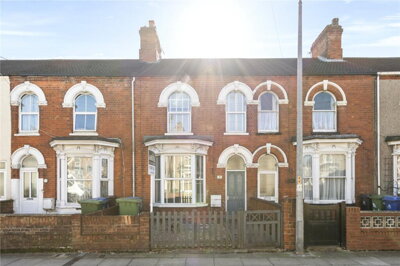
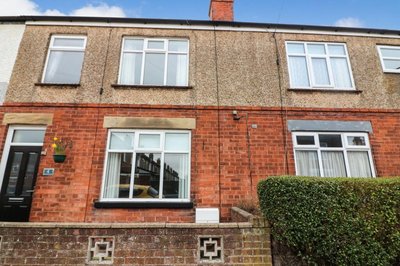
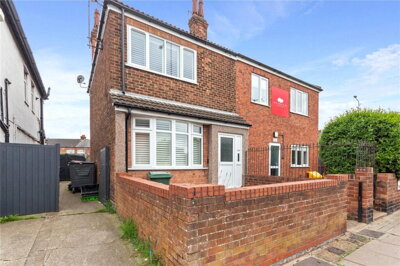
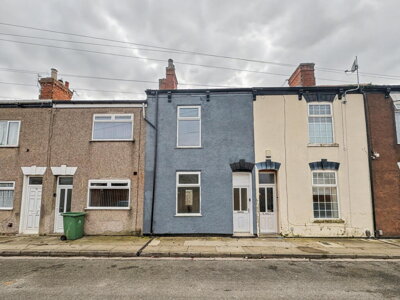
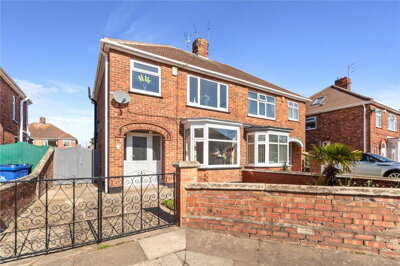
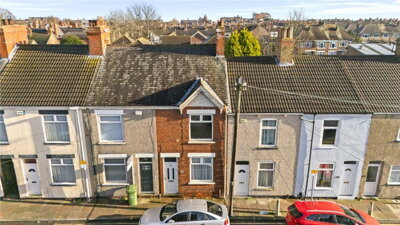
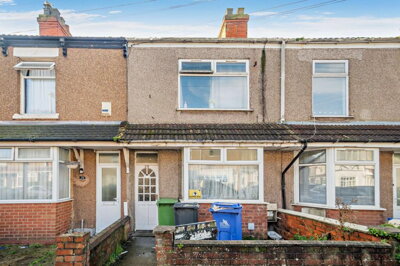
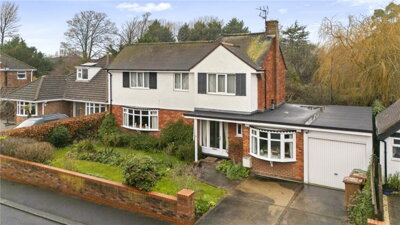
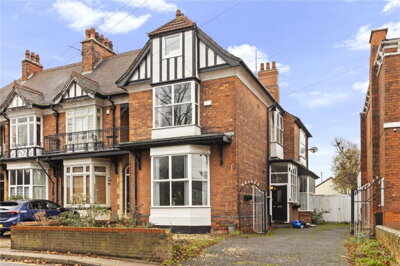
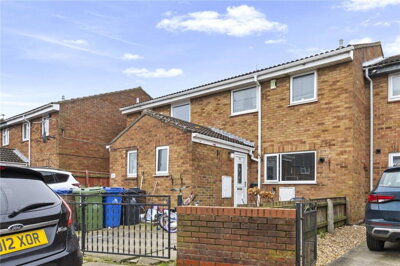
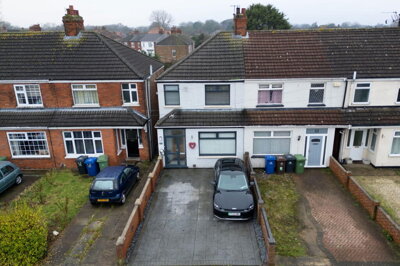
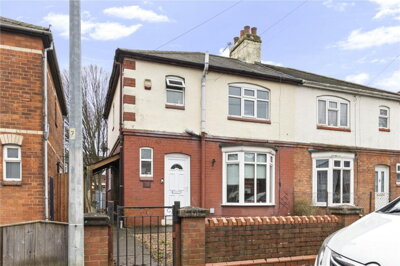
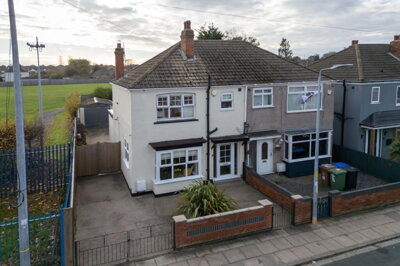
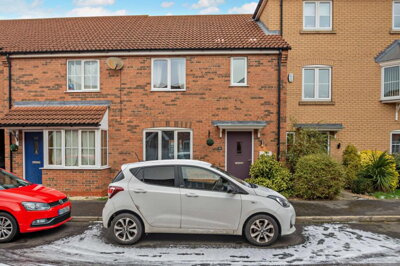
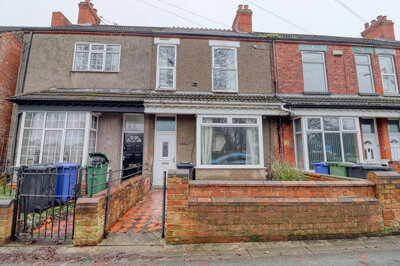
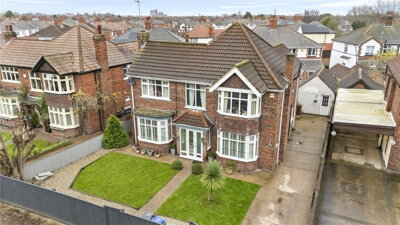
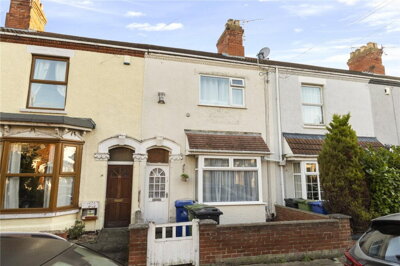
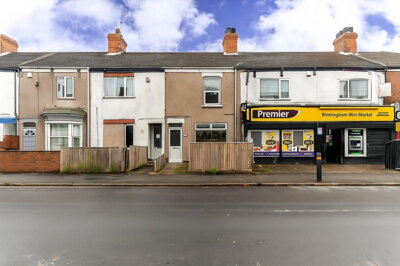
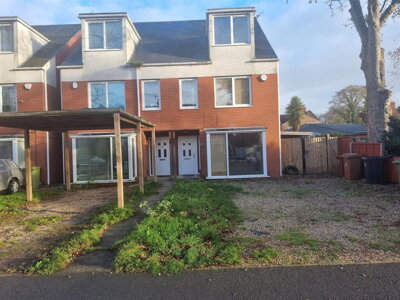
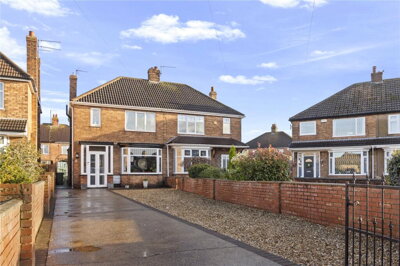
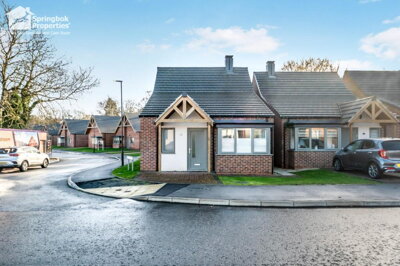
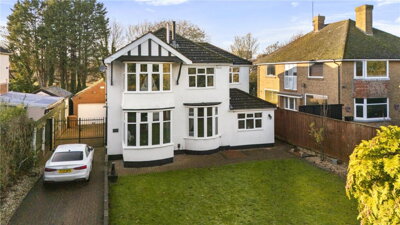
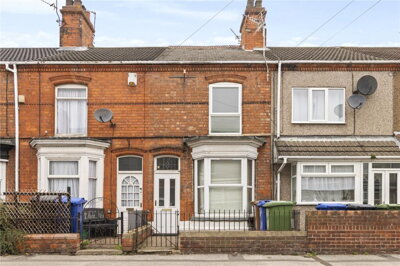
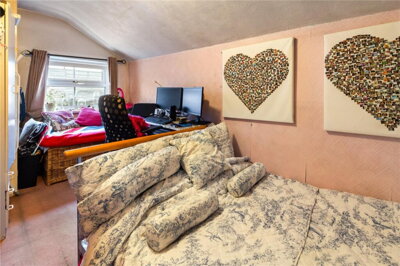
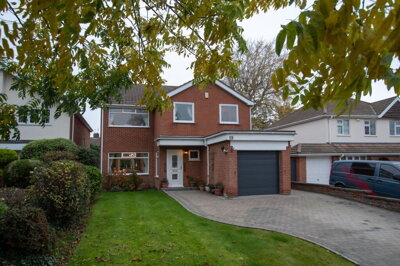
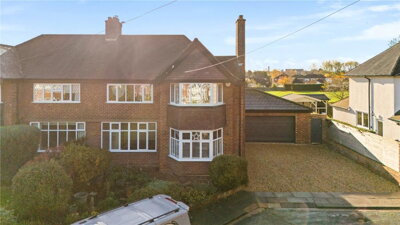
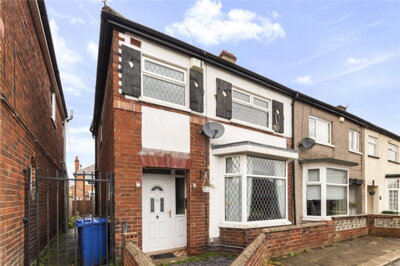
Browse 1,151 homes for sale in DN32 from local estate agents.
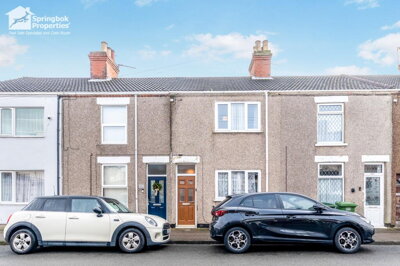
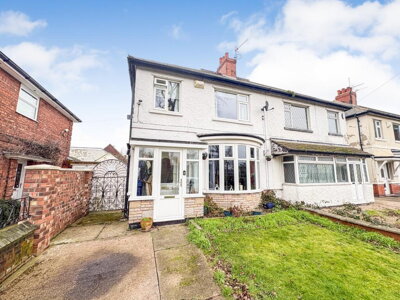
The DN32 property market offers detached, semi-detached, and terraced houses spanning various price ranges and neighbourhoods. Each listing includes detailed property information, photographs, and direct contact with the marketing agent.
£105k
216
0
142
Source: home.co.uk
Showing 216 results for Houses for sale in DN32. The median asking price is £105,000.
Source: home.co.uk
Terraced
135 listings
Avg £85,159
Semi-Detached
55 listings
Avg £206,013
Detached
26 listings
Avg £366,140
Source: home.co.uk
Source: home.co.uk
The DN31 property market presents an attractive proposition for buyers seeking affordable housing in a well-connected North East England location. Our data shows detached properties command the highest prices in the area, with recent sales averaging around £185,000 for this property type. Semi-detached homes represent excellent value at approximately £136,532 according to Rightmove data, making them popular choices for families looking to step onto the property ladder or upgrade from terraced accommodation. The significant price differential between property types means buyers can access more space and bedroom count for their money compared to many southern regions.
Terraced properties form the backbone of DN31's housing stock, with average prices around £79,912 based on recent sales data. These traditional homes often feature the characteristic brick construction seen throughout Grimsby, with many dating from the Victorian or Edwardian periods. Flats in the area offer the most accessible entry point to homeownership, with average prices hovering around £39,000 to £40,000. The market has experienced a notable contraction in transaction volumes, with only 85 residential sales recorded in the past year, representing a decrease of approximately 48% compared to the previous year, reflecting broader national trends in property market activity.
New build activity continues to bring fresh options to the DN31 market. Macaulay Park offers 2 and 3 bedroom homes on the outskirts of Grimsby town centre, with rental prices around £1,120 per calendar month for a 3-bedroom property indicating strong demand in this development. Alexandra Wharf by Keepmoat Homes presents another option for buyers seeking modern construction, with new homes starting from £131,995. Gleeson Homes has also delivered contemporary properties to the area, including 3-bedroom end-of-terrace homes built to NHBC standards in 2021, demonstrating ongoing investment in local housing stock. For buyers prioritising new construction with guarantees, these developments offer properties with modern building standards and warranty protection that may reduce immediate maintenance concerns.

Life in DN31 is shaped by Grimsby's rich maritime heritage and its evolution from a world-renowned fishing port to a modern town with diverse economic foundations. The area around Grimsby Dock remains significant, with the iconic Dock Tower standing as the town's industrial past and attracting visitors interested in maritime history. The town centre offers comprehensive shopping facilities, while residential streets radiate outward through neighbourhoods characterised by their distinctive brick architecture and mature trees. Residents appreciate the balance between urban conveniences and access to green spaces, with parks and open areas providing recreational opportunities throughout the area.
Grimsby's economic identity has evolved beyond its fishing heritage to encompass broader maritime industries and manufacturing sectors, with proximity to Humber Bank Industries cited as a positive factor for properties in certain DN31 locations. The town has also embraced sustainability, with a significant proportion of local electricity generation coming from renewable sources, reflecting broader environmental commitments in the region. Community life remains vibrant, with local events, markets, and social venues contributing to a strong neighbourhood character that many residents value highly. The lower cost of living compared to larger UK cities means household budgets can stretch further, whether for everyday expenses or leisure activities.
The predominant terraced housing stock throughout much of DN31 creates compact, walkable neighbourhoods where neighbours often know one another and local shops and services are within easy reach. Many of these traditional homes require varying degrees of modernisation, presenting opportunities for buyers willing to undertake renovation projects or those seeking character properties with original features intact. The mix of property ages, from Victorian through to contemporary new builds, ensures variety in architectural styles and living arrangements across the postcode area. Families, professionals, and retirees all find their place within DN31's diverse residential communities, contributing to the area's reputation as an affordable yet well-connected location for buyers at various life stages.

Families considering a move to DN31 will find a range of educational options across all key stages, with primary and secondary schools serving the local community throughout the Grimsby area. The presence of established educational institutions adds to the appeal of residential neighbourhoods, with many buyers prioritising school catchment areas when selecting their new home. Several primary schools in the vicinity have developed strong reputations for academic achievement and pastoral care, providing solid foundations for young learners. Secondary schools in the area offer diverse curriculum options, with some specialising in particular subjects or educational approaches to suit different student needs and aspirations.
For families with older children considering further education, the local further education college provides vocational and academic courses that prepare students for employment or university study. Sixth form provision in the area enables students to continue their education locally after GCSEs, with options across different institutions offering varying subject combinations and extracurricular activities. The proximity of the area to universities in Hull and Lincoln expands higher education options for students willing to commute or relocate, while the affordable property prices in DN31 mean families can potentially purchase larger homes to accommodate growing children and support their educational journeys through to completion of secondary and further education. This affordability compared to university towns means parents may find it easier to help their children with living costs or even purchase property for them as an investment.
When purchasing property in DN31, families should research specific school catchment areas, as admissions policies typically prioritise children living within designated distances from schools. Properties near well-performing schools often attract premium interest, and understanding these dynamics can inform both purchasing decisions and potential future resale values. For buyers seeking educational excellence, scheduling viewings during term time and exploring the local school landscape firsthand provides invaluable insight into daily family life in different neighbourhoods throughout the DN31 postcode area. The substantial proportion of older properties in the area means many families live within walking distance of local schools, contributing to the walkable character of established residential streets.

Transport connectivity from DN31 serves both local residents and those commuting to employment centres further afield, with road and rail options providing reasonable connectivity for a town of Grimsby's size. The strategic location offers access to major road networks, with the A180 providing connections to the M180 and broader motorway network, facilitating travel to cities including Sheffield, Leeds, and Hull. For commuters working in nearby towns or industrial areas along the Humber Bank, DN31 offers particularly advantageous positioning with relatively short journey times to significant employment hubs. Local bus services connect residential areas with the town centre and outlying districts, supporting those who prefer not to drive or who wish to reduce their carbon footprint.
Grimsby railway station provides rail connections that, while not offering high-speed services, enable travel to regional destinations for work and leisure purposes. The station serves routes connecting the area to Lincoln, Nottingham, and beyond, with journey times to larger cities varying according to specific destinations and connection times. For residents working in Hull, the city is accessible via road or rail, with the Humber Bridge providing an iconic route for those commuting between North and East Yorkshire. The relatively lower property prices in DN31 compared to these larger cities mean that buyers can live affordably while maintaining access to broader employment markets and urban amenities.
For commuters travelling further afield, Humberside Airport provides air connections to UK and European destinations, while the port facilities at Grimsby and nearby Immingham serve freight and passenger ferry operations. Daily commuters by car will find that parking availability varies throughout the area, with town centre locations offering public parking facilities while residential streets operate permit schemes in certain zones. Cyclists benefit from a growing network of cycle paths and lanes, with the relatively flat terrain around Grimsby making cycling a practical option for shorter journeys, particularly for those working locally or wishing to access town centre facilities without parking concerns. The flat topography of the area, consistent with its low-lying coastal position, makes cycling accessible for a wider range of fitness levels compared to more hilly urban areas.

Start your property search by exploring current listings in DN31 and understanding price ranges across different property types. Our platform shows homes ranging from affordable flats around £39,000 to detached properties averaging £185,000, helping you identify properties that match your budget and requirements. Take time to understand the variation between different neighbourhoods, as prices can differ substantially between established terraced streets closer to the town centre and newer developments on the outskirts.
Before scheduling viewings, approach a lender to obtain an agreement in principle for your mortgage. This strengthens your position when making offers and demonstrates to sellers that you are a serious buyer with financing already considered. With average prices in DN31 sitting well below national averages, many buyers find they require smaller mortgages than in higher-value regions, potentially improving their borrowing terms and monthly affordability.
Schedule viewings of properties that meet your criteria, paying attention to construction quality, room sizes, and the condition of older properties. Given the prevalence of traditional brick terraced homes in DN31, consider requesting a RICS Level 2 survey to identify any structural concerns before committing to purchase. View multiple properties across different streets and property types to build a comprehensive understanding of what your budget can realistically achieve in the current market.
Once you have found your ideal home, submit an offer through the estate agent handling the sale. With approximately 85 property sales in the area last year, competitive negotiation may be possible given relatively lower transaction volumes, and sellers may be receptive to offers reflecting current market conditions. The slight downward price trend of approximately 6% may provide additional leverage for buyers in negotiated situations.
Appoint a conveyancing solicitor to handle the legal aspects of your purchase, including searches, contracts, and registration of ownership. Your solicitor will coordinate with the seller's representatives and manage the transfer of funds through to completion. For leasehold properties, particularly flats which are common in the area, your solicitor will review lease terms, ground rent obligations, and any service charge arrangements.
Upon satisfactory completion of all legal requirements and surveys, contracts are exchanged and a completion date agreed. On the agreed date, you receive the keys to your new home and can begin settling into your DN31 property. Allow time for registering with local services, arranging buildings insurance from completion, and planning any immediate repairs or improvements identified during your survey.
Buyers considering properties in DN31 should pay particular attention to the construction and condition of traditional terraced homes, which form a significant portion of the available housing stock. Many of these properties date from the Victorian or Edwardian periods and feature brick construction with solid walls, characteristics that differ from modern cavity wall insulation and may require different maintenance approaches. Signs of damp, whether rising damp affecting ground floor walls or penetrating damp from deteriorated roof elements, warrant careful investigation during viewings and should be addressed through appropriate surveys before purchase. Given that numerous listings in the area describe properties as requiring modernisation or refurbishment, buyers should realistically assess their willingness and budget to undertake necessary works.
The local geology around Grimsby involves low-lying ground with underlying clay and alluvial deposits, which can create shrink-swell conditions affecting property foundations over time. While specific subsidence data for DN31 was not available, older properties with potentially shallow foundations may be more susceptible to movement in clay soil conditions, particularly during periods of drought or significant rainfall variation. A thorough structural survey can identify any existing signs of movement, previous repair work, or conditions that might indicate future risk. Properties in flood-risk areas, which may be relevant given Grimsby's coastal position and low-lying terrain, should be investigated through appropriate searches and surveys before commitment.
The presence of listed buildings in DN31, including a converted Grade II Listed flourmill close to the waterfront, adds a distinctive element to the local property landscape. Purchasers considering listed properties must understand the additional responsibilities and restrictions that come with owning heritage assets, including requirements for consents before alterations and the need for specialist maintenance approaches using appropriate materials and craftsmen. For leasehold properties, which are common for flats, understanding the remaining lease term, ground rent obligations, and service charge arrangements is essential before proceeding. Our related services section includes options for surveys and legal support that can help you navigate these considerations when purchasing in DN31.
Given the significant proportion of older properties in DN31, likely exceeding 50 years for much of the housing stock, a RICS Level 2 survey proves particularly valuable for identifying common defects in traditional construction. These surveys can reveal issues with outdated electrical wiring, aging plumbing systems, inefficient heating, and roof condition that may not be apparent during a standard viewing. Budgeting for a survey before purchase helps avoid unexpected costs after completion, especially for properties described as requiring refurbishment where issues are likely to be more extensive than cosmetic surface defects.

The average house price in DN31 sits around £87,500 according to recent market data, though this figure varies significantly by property type. Detached properties average approximately £185,000, semi-detached homes around £136,532, terraced properties at roughly £79,912, and flats around £39,000 to £40,000. The market has experienced slight downward pressure over the past year, with prices approximately 6% lower than the previous year and 15% down on the 2022 peak of £96,373, potentially creating opportunities for buyers seeking affordable property in the area. Different sources show varying figures, with Zoopla recording average sold prices around £72,193 in the past 12 months, reflecting the mix of property types and current market conditions.
Properties in DN31 fall under North East Lincolnshire Council, which sets council tax bands based on property values assessed at the time of construction or subsequent sales. Most terraced properties and smaller flats typically fall into bands A through C, while larger semi-detached and detached family homes may be placed in higher bands D through F. Prospective buyers should check specific property listings or the local authority website for accurate band information, as council tax represents an ongoing cost that should be factored into household budgeting alongside mortgage payments and utility bills. The relatively modest property values in DN31 mean many homes fall into lower council tax bands, potentially resulting in more affordable annual charges compared to higher-value regions.
The DN31 area offers a range of educational options including primary and secondary schools serving local communities throughout Grimsby. Several primary schools in the vicinity have established positive reputations for academic achievement and student wellbeing, while secondary schools provide diverse curriculum offerings across the area. For families prioritising school catchment areas, researching specific admissions policies and performance data through official education resources is advisable before purchasing property, as catchment boundaries directly influence school placement eligibility. The concentration of terraced housing in established neighbourhoods means many schools have built strong relationships with their local communities over many years.
DN31 benefits from reasonable public transport connectivity through Grimsby's bus network and railway station, providing options for residents without private vehicles. Bus services connect residential areas with the town centre and surrounding districts, while the railway station offers connections to Lincoln, Nottingham, and other regional destinations. The A180 provides convenient road access to the broader motorway network via the M180, facilitating travel to Sheffield, Leeds, Hull, and other major cities. For commuters to Humber Bank industrial areas, the strategic positioning of DN31 locations offers particularly favourable journey times. The relatively flat terrain also makes cycling a practical option for those working locally or accessing town centre facilities.
DN31 presents an interesting proposition for property investors given its relatively low average prices compared to national averages and the ongoing new build activity in the area. The affordable entry point, with flats available around £39,000 and terraced properties averaging under £80,000, may appeal to investors seeking rental opportunities or first-time buyers building equity. The local economy, driven by maritime industries, manufacturing, and Humber Bank employment, provides ongoing demand for housing. However, potential investors should consider the limited transaction volumes in recent periods and research rental yields in specific neighbourhoods before committing to ensure the investment aligns with their financial objectives. The ongoing new build developments may also impact rental demand in certain segments of the market.
Stamp Duty Land Tax (SDLT) rates for standard buyers in England apply uniformly across all postcode areas including DN31. You will pay 0% on the first £250,000 of property value, 5% on the portion between £250,001 and £925,000, 10% on the portion between £925,001 and £1.5 million, and 12% on any value exceeding £1.5 million. First-time buyers benefit from increased thresholds, paying 0% on the first £425,000 and 5% on the portion between £425,001 and £625,000, though no relief applies above £625,000. Given that average DN31 prices sit well below these thresholds, most buyers purchasing at average prices would benefit from reduced SDLT costs compared to higher-value regions.
When viewing terraced properties in DN31, pay particular attention to signs of damp affecting ground floor walls or corners, which can indicate issues with ventilation or penetrating moisture from roof defects. Check the condition of the roof from ground level, looking for missing or slipped tiles, and examine lead flashing around chimneys for deterioration. Many traditional brick properties in the area feature solid wall construction rather than modern cavity walls, meaning different approaches apply for insulation and moisture management. Look for any signs of structural movement such as cracks in walls or doors that stick, and verify the condition of original features like fireplaces, staircases, and sash windows that may require maintenance or restoration.
As a coastal town with low-lying areas, Grimsby including DN31 is generally susceptible to surface water flooding and potentially tidal or river flooding in certain locations, though specific flood risk data for individual properties should be obtained through proper searches. Properties near the Dock area or in low-lying parts of the postcode may warrant particular investigation regarding flood history and mitigation measures. Your solicitor will typically arrange flood risk searches as part of the conveyancing process, and surveyors can assess any signs of previous water damage or damp that might indicate vulnerability. Buildings insurance costs may reflect local flood risk assessments, and this ongoing cost should be factored into your budgeting.
Understanding the full costs of purchasing property in DN31 helps you budget accurately and avoid surprises during the transaction process. Beyond the property purchase price, buyers should account for Stamp Duty Land Tax, which for most DN31 properties with average prices around £87,500 would be calculated at the standard residential rate of 0% on the first £250,000. This means many buyers in the area would pay no SDLT at all on properties within this price range, representing significant savings compared to purchasing in higher-value regions where thousands of pounds in stamp duty might be payable. First-time buyers may benefit from even greater relief, with thresholds reaching £425,000 for zero-rate relief.
Additional buying costs include solicitor or conveyancing fees, typically ranging from £500 to £1,500 depending on the complexity of the transaction and whether the property is freehold or leasehold. Survey costs should also be budgeted, with a RICS Level 2 survey for a typical DN31 property costing from around £350 depending on property size and value. Mortgage arrangement fees, valuation fees, and broker charges may apply depending on your chosen lender and product, while Land Registry fees for registering your ownership will add further minor costs. Buildings insurance must be in place from completion, and you should factor in moving costs along with potential immediate expenditure on furnishings or repairs if the property requires modernisation.
When budgeting for your DN31 purchase, consider that properties in this area often offer more favourable cost structures than higher-value markets, with both SDLT savings and lower absolute purchase prices meaning your deposit and monthly mortgage costs may be more manageable. However, if purchasing a property requiring renovation, obtain detailed quotes before committing to understand the true total investment involved. Our related services section connects you with trusted providers for mortgages, conveyancing, and surveys, helping you navigate each stage of your DN31 property purchase efficiently. Budgeting for potential repairs identified during survey can prevent financial strain after completion, particularly for older properties where issues may be more extensive than visible during viewings.

Properties for Sale In London

Properties for Sale In Plymouth

Properties for Sale In Liverpool

Properties for Sale In Glasgow

Properties for Sale In Sheffield

Properties for Sale In Edinburgh

Properties for Sale In Coventry

Properties for Sale In Bradford

Properties for Sale In Manchester

Properties for Sale In Birmingham

Properties for Sale In Bristol

Properties for Sale In Oxford

Properties for Sale In Leicester

Properties for Sale In Newcastle

Properties for Sale In Leeds

Properties for Sale In Southampton

Properties for Sale In Cardiff

Properties for Sale In Nottingham

Properties for Sale In Norwich

Properties for Sale In Brighton

Properties for Sale In Derby

Properties for Sale In Portsmouth

Properties for Sale In Northampton

Properties for Sale In Milton Keynes

Properties for Sale In Bournemouth

Properties for Sale In Bolton

Properties for Sale In Swansea

Properties for Sale In Swindon

Properties for Sale In Peterborough

Properties for Sale In Wolverhampton

Enter your details to see if this property is within your budget.
Loans, cards, car finance
Estimated property budget
Borrowing + deposit
You could borrow between
Typical borrowing
Monthly repayment
Est. at 4.5%
Loan-to-value
This is an estimate only. Your actual budget may vary depending on interest rates, credit history, and personal circumstances. For an accurate affordability assessment, speak to one of our free mortgage advisors.
This calculator provides estimates for illustrative purposes only and does not constitute financial advice. Your home may be repossessed if you do not keep up repayments on your mortgage. Estimates based on 4.5% interest rate, repayment mortgage. Actual rates depend on your circumstances.
Homemove is a trading name of HM Haus Group Ltd (Company No. 13873779, registered in England & Wales). Homemove Mortgages Ltd (Company No. 15947693) is an Appointed Representative of TMG Direct Limited, trading as TMG Mortgage Network, which is authorised and regulated by the Financial Conduct Authority (FRN 786245). Homemove Mortgages Ltd is entered on the FCA Register as an Appointed Representative (FRN 1022429). You can check registrations at NewRegister or by calling 0800 111 6768.

We use cookies to show you personalised content and improve your experience of our website. Find out more in our Privacy policy and Cookie policy.