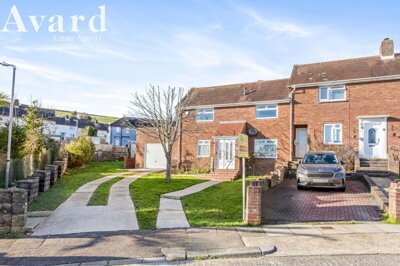
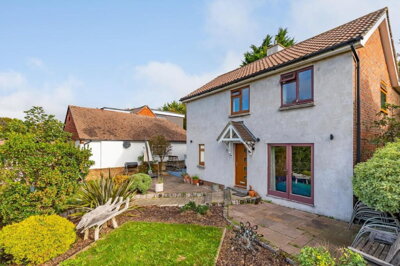
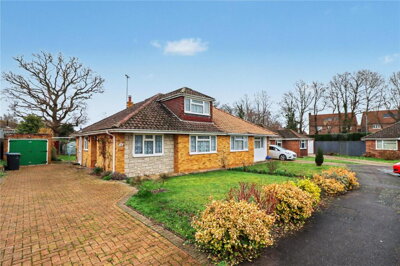
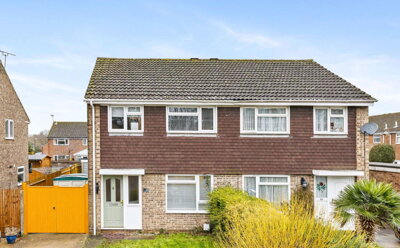
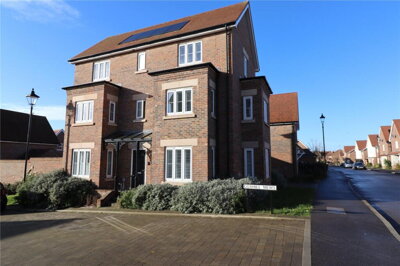
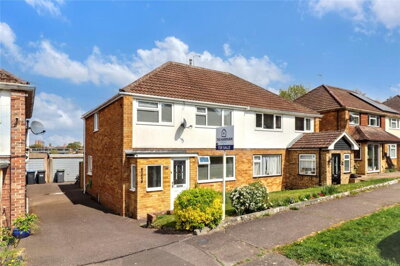
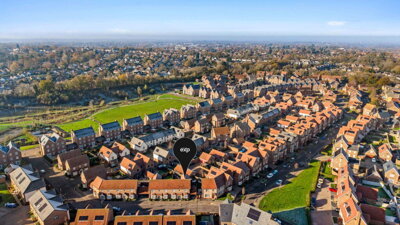
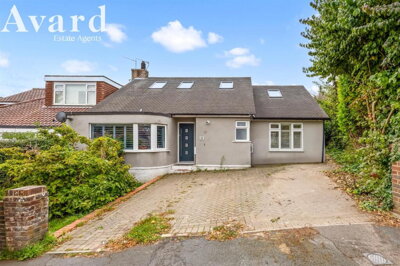
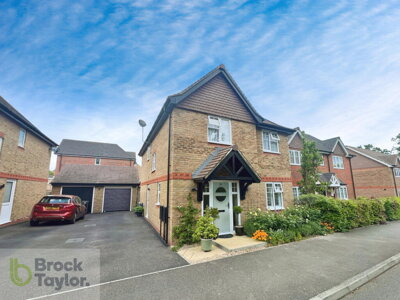
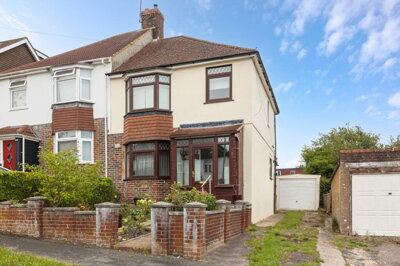
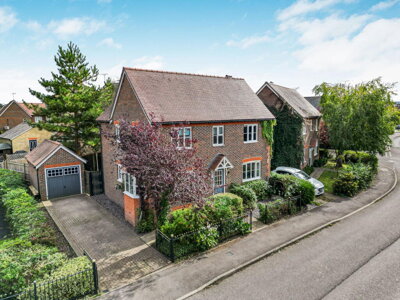
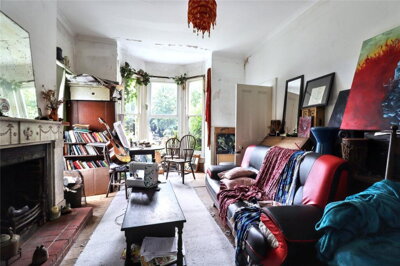
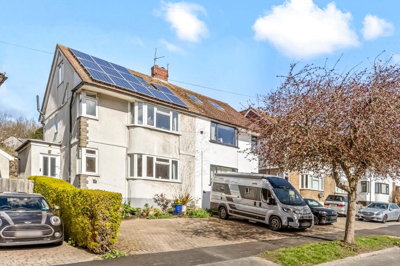
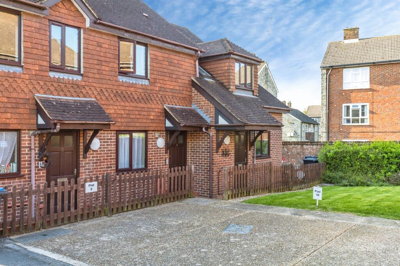
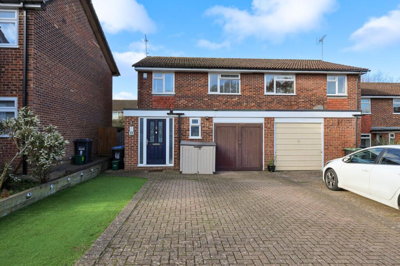
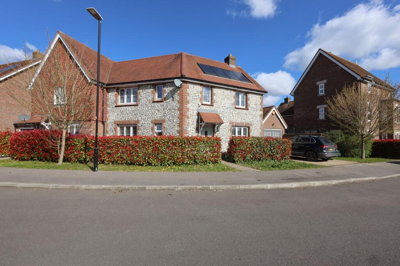
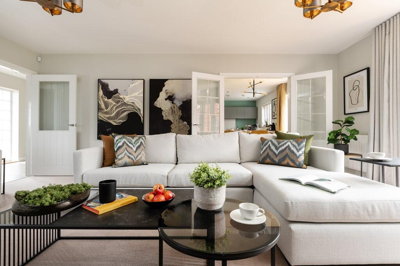
Browse 602 homes for sale in Ditchling, Lewes from local estate agents.
£850k
25
3
164
Source: home.co.uk
Source: home.co.uk
Detached
11 listings
Avg £1.87M
Retirement Property
6 listings
Avg £457,500
House
2 listings
Avg £1.11M
Semi-Detached
2 listings
Avg £725,000
Apartment
1 listings
Avg £575,000
Detached Bungalow
1 listings
Avg £850,000
Flat
1 listings
Avg £259,950
Terraced
1 listings
Avg £475,000
Source: home.co.uk
Source: home.co.uk
The Ditchling property market reflects the village's desirability as a location for families, professionals, and retirees seeking quality housing in a protected rural setting. Our data shows that the overall average house price in Ditchling currently stands at £682,500, with prices having increased by 1% over the past 12 months. This follows a broader trend of price growth, with sold prices over the last year being 10% higher than the 2021 peak of £620,000, demonstrating sustained demand for properties in this part of East Sussex. The market remains relatively active given the village's small size, with approximately 20 property sales recorded in the past 12 months.
Property prices in Ditchling vary significantly by type, providing options across different budget ranges. Detached properties command the highest prices, averaging £930,000, reflecting the demand for spacious family homes with gardens in this semi-rural location. Semi-detached homes average around £570,000, while terraced properties offer more accessible entry points at approximately £475,000. Flats in Ditchling average £290,000, though these are less common in the village, where the housing stock is predominantly composed of houses. No major new build developments were identified within the Ditchling postcode area, meaning buyers are typically looking at the existing housing stock, which includes many properties with significant character and history.
The age of properties in Ditchling is a key characteristic of the local market. Many homes date from before 1919, featuring traditional Sussex construction methods including flint walls, timber-framed structures, and clay tile or slate roofs. There are also properties from the inter-war period (1919-1945) and post-war expansions (1945-1980), alongside some more modern developments constructed after 1980. This variety in property ages means that buyers should budget carefully for potential maintenance costs, as older properties often require investment in updated electrical systems, plumbing, and structural repairs.

Life in Ditchling offers a rare combination of rural charm, community spirit, and accessibility that appeals to a wide range of buyers. The village sits at the foot of the South Downs, placing residents within easy reach of extensive walking and cycling routes through chalk grassland, farmland, and woodland. The South Downs Way national trail passes nearby, making Ditchling a popular destination for outdoor enthusiasts who appreciate access to some of southern England's most beautiful countryside. The village itself is designated as a Conservation Area, with the historic core featuring traditional flint and brick buildings, a village green, and St Margaret's Church, a Grade I listed building dating from the 13th century.
Ditchling has developed a reputation as a hub for artisan crafts and local food production, with several craft workshops, a chocolate maker, and a brewery contributing to the village's distinctive character. The local primary school serves families with young children, while community facilities include a village hall, sports clubs, and regular events that bring residents together. Seasonal events such as the Ditchling Village Show, craft fairs, and farmers' markets provide regular opportunities for community engagement and have helped foster the strong neighbourly connections that define village life here.
The proximity to the South Downs National Park supports local tourism and related businesses, while many residents commute to larger employment centres in Brighton, London, or the Gatwick area. The population of approximately 2,334 people creates a close-knit community feel, where neighbours often know each other and local events foster a strong sense of belonging. For those seeking a balance between rural tranquility and urban accessibility, Ditchling presents a compelling proposition that continues to attract buyers from across the South East.

Education provision is a key consideration for families moving to Ditchling, and the village offers options for primary-age children within the local community. Ditchling Community Primary School serves the village and surrounding area, providing education for children from reception through to Year 6. The school is a voluntary controlled establishment, reflecting its historic ties to the local church. Parents should note that school catchment areas can affect property values and availability, and we recommend checking the latest admission policies with East Sussex County Council when planning a move. For secondary education, pupils typically travel to schools in nearby towns, with several options accessible within a reasonable commute by bus or car.
Beyond state education, Ditchling and the surrounding area offer access to independent schools that serve families seeking alternative educational paths. Several well-regarded independent schools are located within a reasonable driving distance, including institutions in Brighton, Burgess Hill, and the wider Sussex area. For families considering sixth form options, there are sixth form colleges and secondary schools with sixth forms in nearby towns, providing a range of academic and vocational pathways. Schools in the surrounding area include Longhill High School in Rottingdean, which serves some families from the Ditchling area, along with Patcham High School and Varndean School in Brighton. Parents should research current admission arrangements carefully, as catchment boundaries can change and may differ from historical patterns.
Given the age of many properties in Ditchling and the village's family demographic, proximity to good schools is often cited as a major factor in purchasing decisions. School performance data, Ofsted inspection results, and transport options should all factor into your property search. We recommend researching current school performance data and admission criteria before committing to a property purchase, particularly if you have children approaching secondary school age or are planning a family.
Transport connectivity from Ditchling balances the benefits of rural living with access to major employment centres and transport hubs. While Ditchling itself does not have a railway station, the nearby town of Hassocks provides train services with regular connections to Brighton, London Victoria, and the south coast. Hassocks station is approximately 5 miles from Ditchling village centre and offers journey times of around 10 minutes to Brighton and approximately 55 minutes to London Victoria. Many Ditchling residents drive to Hassocks or Burgess Hill for train services, making car ownership a practical necessity for most households in the village.
Bus services connect Ditchling with surrounding villages and towns, providing options for those who prefer not to drive. The 270 and 271 bus routes provide connections to Burgess Hill and Hassocks, where rail services are available. The A273 road provides access to the A23, which runs south to Brighton and north towards Crawley and the M23 motorway. Gatwick Airport is accessible within approximately 40 minutes by car, making Ditchling suitable for frequent travellers or those who work in industries requiring regular flights. For cyclists, the National Cycle Network routes and quiet country lanes provide opportunities for sustainable commuting to nearby towns.
Parking within Ditchling village is limited, as befits a traditional rural settlement, and this is worth considering when evaluating properties near the village centre. Many properties come with off-street parking, but this is not guaranteed, particularly for older cottages and terraced homes in the Conservation Area. The lack of a train station within the village itself contributes to its peaceful character and helps preserve the rural atmosphere that attracts buyers to Ditchling, but it does mean that residents need to factor in the time and effort required to reach rail services at Hassocks or Burgess Hill.
Explore current listings on Homemove, understand price trends, and familiarise yourself with property types available. The average price of £682,500 provides a benchmark, but individual properties may vary significantly based on condition, size, and location within the village. Given the limited number of sales each year, patience is often required when searching for the right property.
Once you have identified properties of interest, contact estate agents to arrange viewings. Given the limited stock in this small village market, be prepared to act quickly on properties that meet your requirements. Consider visiting at different times of day to understand the neighbourhood character, and ask agents about the reason for sale and any competing offers.
Before making an offer, secure a mortgage agreement in principle from a lender. This demonstrates your financial readiness to sellers and their agents, strengthening your position in a competitive market. Our mortgage comparison tool can help you explore available rates from lenders familiar with the local property market.
Given the age of many properties in Ditchling, with significant numbers built before 1919, a Level 2 Survey is strongly recommended. This will identify defects such as damp, timber issues, or subsidence risks associated with the local clay soils. Our survey booking service connects you with qualified local surveyors who understand traditional Sussex construction methods.
Once your offer is accepted, instruct a solicitor to handle the legal aspects of your purchase. They will conduct searches, check titles, and manage the transfer of ownership. Our conveyancing comparison service helps you find experienced solicitors familiar with East Sussex property transactions, including those involving Conservation Area properties and Listed Buildings.
Your solicitor will manage the exchange of contracts, after which both parties are legally bound to complete. On completion day, the remaining balance is transferred and you receive the keys to your new Ditchling home.
Property buyers in Ditchling should be aware of several area-specific considerations that can affect purchasing decisions and future ownership costs. The geology of the area presents particular challenges, with the presence of Gault Clay and Wealden Clay creating a moderate to high shrink-swell risk. This can lead to ground movement, particularly during periods of extreme weather, and may cause subsidence or heave that manifests as cracks in walls or uneven floors. Properties with mature trees nearby are especially susceptible, as tree roots can exacerbate soil movement by extracting moisture during dry periods. A thorough survey by a qualified structural engineer is advisable for any property showing signs of movement or located in areas of known clay risk.
Flood risk, while not severe in Ditchling, should be considered when evaluating properties. Surface water flooding can occur in low-lying areas or near small streams and drainage ditches, particularly after heavy rainfall. Properties in valley locations or near watercourses warrant extra investigation, including checking the property's flood risk assessment and ensuring adequate drainage provisions are in place. The presence of a Conservation Area covering the village centre means that many properties are subject to planning restrictions and may require Conservation Area Consent for certain alterations or extensions. Properties with Listed Building status will require Listed Building Consent for any works affecting their character or structure, adding complexity and cost to renovation projects.
Building materials in Ditchling reflect the village's traditional Sussex character and require specific knowledge when assessing condition and maintenance needs. Flint walls, common in older properties, can be beautiful but may require specialist repair techniques using knapped flint or stone in matching styles. Timber-framed properties with infill panels, red brickwork, and clay or slate roof tiles are typical of the local building tradition. These older construction methods often differ significantly from modern standards, and maintenance costs can be higher than for contemporary properties. Many properties have original features such as sash windows, flagstone floors, and exposed beams that require regular maintenance but add considerable character and value.
Common defects in Ditchling's older properties include rising damp due to failed or absent damp proof courses, penetrating damp from defective rainwater goods or porous walls, and condensation caused by inadequate ventilation. Roofs frequently show deterioration of original clay tiles or slates, failing leadwork around chimneys and valleys, and issues with gutters and downpipes. Properties built on clay soils may exhibit cracking related to subsidence or heave, particularly if foundations are shallow or affected by tree roots. Electrical systems in period properties often require complete rewiring to meet current safety standards, with old fuse boards, insufficient sockets, and potentially dangerous rubber-insulated cables that were common in older installations. Timbers in roofs, floors, and walls may show signs of wet rot, dry rot, or woodworm infestation, particularly in properties where damp has been allowed to penetrate.
For properties within the Ditchling Conservation Area or those with Listed Building status, a standard RICS Level 2 Survey may not be sufficient. A Listed Building typically requires a more comprehensive RICS Level 3 Building Survey to properly assess its historic construction, materials, and specific issues related to statutory protections. The Conservation Area designation means that certain permitted development rights may be removed, requiring planning permission for extensions, alterations, or demolitions that would normally be acceptable elsewhere. When budgeting for a purchase, factor in the potential costs of maintaining traditional materials, updating outdated electrical and plumbing systems, and addressing any historic defects uncovered during survey.
The average house price in Ditchling currently stands at £682,500 according to recent market data. Detached properties average £930,000, semi-detached homes around £570,000, terraced properties approximately £475,000, and flats average £290,000. Prices have increased by 1% over the past 12 months and are now 10% higher than the 2021 peak of £620,000, indicating sustained demand in this East Sussex village. The relatively small number of annual transactions, approximately 20 sales per year, means the market can move quickly when desirable properties become available.
Properties in Ditchling fall under Lewes District Council for council tax purposes. Bands range from A to H depending on the property's assessed value. We recommend checking the specific band for any property you are considering through the Lewes District Council website or the Valuation Office Agency listings. Typical bands for the area reflect the mix of property values, with many family homes falling in bands D to F, while higher-value detached properties may fall into bands G or H. Understanding council tax bands helps with budgeting alongside mortgage costs and ongoing household expenses.
Ditchling Community Primary School serves the village for primary education, providing reception through Year 6. For secondary education, pupils typically attend schools in surrounding towns, with several options accessible by bus or car. Independent school options are available within a reasonable distance in Brighton and the wider Sussex area. When buying in Ditchling, we recommend checking current school admission zones, Ofsted ratings, and transport arrangements for secondary schools, as these can significantly impact daily family routines and are often cited as key factors in purchasing decisions within the village.
Ditchling has limited public transport within the village itself, with bus services connecting to surrounding towns and villages including Burgess Hill and Hassocks. The nearest railway station is Hassocks, approximately 5 miles away, offering regular services to Brighton in around 10 minutes and London Victoria in approximately 55 minutes. Many residents drive to Hassocks or Burgess Hill stations for rail travel, making car ownership generally necessary for most households. Gatwick Airport is accessible within about 40 minutes by car. While the village lacks its own train station, this contributes to its peaceful rural character and helps preserve the village atmosphere that appeals to buyers.
Ditchling offers several factors that make it attractive for property investment. The village benefits from its location within the South Downs National Park, which limits new development and supports property values. The strong community, good local amenities, and excellent transport connections to Brighton and London make it desirable for families and commuters. Price growth of 10% since the 2021 peak suggests a resilient market. However, transaction volumes are relatively low with around 20 sales per year, which may affect liquidity if you need to sell quickly. Properties in the Conservation Area or with Listed Building status may require additional investment for maintenance and specialist surveys, but these designations also help preserve the character that maintains long-term demand.
Stamp Duty Land Tax (SDLT) rates from April 2025 are: 0% on the first £250,000 of purchase price, 5% on £250,001 to £925,000, 10% on £925,001 to £1,500,000, and 12% on anything above £1,500,000. First-time buyers benefit from relief on the first £425,000 (0%), with 5% on £425,001 to £625,000. For a typical Ditchling property at the average price of £682,500, standard buyers would pay £21,625 in SDLT, while first-time buyers would pay £12,875. If you are purchasing an additional property, a 3% surcharge applies to each SDLT band.
Understanding the full costs of buying a property in Ditchling is essential for budgeting and financial planning. The purchase price of £682,500 for an average property in Ditchling will incur Stamp Duty Land Tax (SDLT) of £21,625 for standard buyers, calculated at 0% on the first £250,000, 5% on the next £432,500. First-time buyers benefit from relief that reduces this to £12,875, as the nil-rate threshold extends to £425,000 with 5% on the next £200,000. If you are purchasing an additional property, such as a second home or buy-to-let investment, a 3% surcharge applies to each SDLT band, significantly increasing the total bill.
Beyond stamp duty, buyers should budget for solicitor fees, which typically range from £500 to £1,500 for conveyancing on a property of this value, depending on complexity and whether the property is leasehold or freehold. Most properties in Ditchling are freehold, which simplifies the conveyancing process compared to leasehold purchases. Local searches with Lewes District Council and East Sussex County Council typically cost £250 to £400, while environmental and drainage searches add approximately £100 to £200. These searches reveal important information about the property including planning history, road schemes, and flood risk.
A RICS Level 2 Survey is strongly recommended for Ditchling properties given their age and construction types, with costs likely between £400 and £900 depending on property size and complexity. For Listed Buildings or properties with significant defects, a more comprehensive RICS Level 3 Building Survey may be appropriate, with costs typically starting from around £1,000. Mortgage arrangement fees vary by lender but typically range from £0 to £2,000, and you should factor in valuation fees of around £300 to £500. Land Registry fees for registering your ownership are modest, usually under £200. In total, buyers should budget an additional 3% to 5% of the purchase price to cover these costs, meaning approximately £20,000 to £35,000 on top of the property price for a typical Ditchling home.
From 3.89%
Compare mortgage rates from leading lenders for your Ditchling property purchase
From £499
Expert solicitors handling your Ditchling property transaction
From £400
Comprehensive survey for properties in Ditchling
From £80
Energy performance certificate for your Ditchling home
Properties for Sale In London

Properties for Sale In Plymouth

Properties for Sale In Liverpool

Properties for Sale In Glasgow

Properties for Sale In Sheffield

Properties for Sale In Edinburgh

Properties for Sale In Coventry

Properties for Sale In Bradford

Properties for Sale In Manchester

Properties for Sale In Birmingham

Properties for Sale In Bristol

Properties for Sale In Oxford

Properties for Sale In Leicester

Properties for Sale In Newcastle

Properties for Sale In Leeds

Properties for Sale In Southampton

Properties for Sale In Cardiff

Properties for Sale In Nottingham

Properties for Sale In Norwich

Properties for Sale In Brighton

Properties for Sale In Derby

Properties for Sale In Portsmouth

Properties for Sale In Northampton

Properties for Sale In Milton Keynes

Properties for Sale In Bournemouth

Properties for Sale In Bolton

Properties for Sale In Swansea

Properties for Sale In Swindon

Properties for Sale In Peterborough

Properties for Sale In Wolverhampton

Enter your details to see if this property is within your budget.
Loans, cards, car finance
Estimated property budget
Borrowing + deposit
You could borrow between
Typical borrowing
Monthly repayment
Est. at 4.5%
Loan-to-value
This is an estimate only. Your actual budget may vary depending on interest rates, credit history, and personal circumstances. For an accurate affordability assessment, speak to one of our free mortgage advisors.
This calculator provides estimates for illustrative purposes only and does not constitute financial advice. Your home may be repossessed if you do not keep up repayments on your mortgage. Estimates based on 4.5% interest rate, repayment mortgage. Actual rates depend on your circumstances.
Homemove is a trading name of HM Haus Group Ltd (Company No. 13873779, registered in England & Wales). Homemove Mortgages Ltd (Company No. 15947693) is an Appointed Representative of TMG Direct Limited, trading as TMG Mortgage Network, which is authorised and regulated by the Financial Conduct Authority (FRN 786245). Homemove Mortgages Ltd is entered on the FCA Register as an Appointed Representative (FRN 1022429). You can check registrations at NewRegister or by calling 0800 111 6768.

We use cookies to show you personalised content and improve your experience of our website. Find out more in our Privacy policy and Cookie policy.