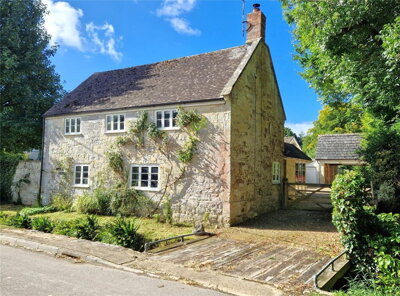
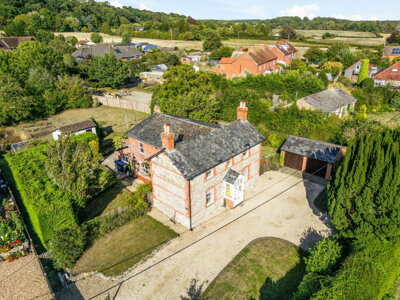
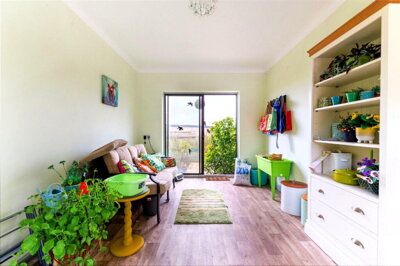
Browse 3 homes for sale in Dinton, Wiltshire from local estate agents.
The larger property sector typically features multiple bathrooms, substantial reception space, and private gardens or off-street parking. Four bedroom houses in Dinton span detached, semi-detached, and occasionally terraced configurations, with styles ranging from period properties to modern executive homes.
£0k
0
0
0
Source: home.co.uk
Showing 0 results for 4 Bedroom Houses for sale in Dinton, Wiltshire.
The Dinton property market reflects the character of the village itself, offering a selection of traditional English homes set within a Conservation Area. Detached properties dominate the local housing stock, accounting for 49.3% of homes, with an average price of £675,000. These substantial homes typically feature generous gardens, off-street parking, and the kind of space that modern families increasingly seek. The village's semi-detached properties, averaging £350,000, represent good value for buyers looking to enter this desirable market without the premium attached to detached homes. Terraced properties, with an average price of £310,000, offer an affordable entry point to village life and often include character features such as original fireplaces and exposed stone walls.
The majority of properties in Dinton predate the modern era, with a significant proportion built using local limestone and traditional construction methods. Many homes are listed buildings or sit within the designated Conservation Area, meaning any modifications require careful consideration and often Listed Building Consent. This historic housing stock appeals to buyers seeking authentic period features, though it also means properties may require ongoing maintenance and careful renovation. The village has not seen significant new-build development in recent years, with most available properties being established homes that have changed hands over generations. For buyers, this scarcity of new supply means competition for the best properties can be keen, particularly those offering modern interiors within historic shells.
Property types in Dinton reflect the village's rural character, with the ONS Census 2021 data for the Dinton and Teffont ward showing 26.6% semi-detached homes and 13.9% terraced properties alongside the dominant detached stock. Flats and maisonettes comprise approximately 9.8% of the housing mix, typically found within converted historic buildings or purpose-built developments. This diverse housing stock means buyers have options across different price points and property styles, from affordable terraced cottages ideal for first-time buyers to impressive detached period homes suitable for growing families or those seeking space for home working. The limited supply of flats in particular means any that come to market often attract interest from downsizers and investors alike.

Dinton and Teffont ward, home to approximately 1,947 residents across 807 households according to the 2021 Census, encapsulates the essence of rural Wiltshire living. The population density remains low, preserving the open spaces and agricultural character that define the Nadder Valley. The village centre centres around the historic church and village green, with a collection of stone cottages and period houses lining the lanes. The community spirit is evident in the local events, from village hall activities to seasonal celebrations that bring residents together throughout the year. The ward's demographics skew towards families and older couples, reflecting both the appeal of the area for those seeking space and the presence of long-established residents.
The local landscape is shaped by the chalk geology that underlies much of Wiltshire, with the River Nadder flowing through the valley creating a verdant corridor of wildlife and recreational opportunity. The chalk downland surrounding Dinton supports rare flora and fauna, making the area popular with walkers, cyclists, and naturalists. Local pubs provide focal points for social life, offering hearty pub fare and refreshments after a day exploring the countryside. The nearby town of Hindon provides additional amenities including a village shop and post office, while the wider area supports a network of farm shops, artisan producers, and traditional markets. Dinton's position within easy reach of the A303 makes the county town of Salisbury accessible for shopping, healthcare, and cultural activities, whilst maintaining the peaceful atmosphere that makes village life so appealing.
The village's proximity to Salisbury influences daily life in numerous ways, with residents able to access the cathedral city's full range of services whilst enjoying the peace of countryside living. Salisbury itself offers comprehensive healthcare facilities including Salisbury District Hospital, a variety of supermarkets and independent shops, restaurants and cultural venues, and excellent transport connections via the mainline railway station. For Dinton residents, this means the practical inconveniences of rural living are balanced by having a major city within easy reach. The journey to Salisbury takes approximately 20-30 minutes by car, making day trips and regular visits straightforward, whilst the journey home to Dinton provides a daily transition from urban activity to rural tranquility that many residents come to treasure.

Understanding the construction methods used in Dinton properties helps buyers appreciate both the character and the maintenance requirements of the local housing stock. Properties in the village predominantly feature local stone construction, with Chilmark stone being a particularly common material in older properties throughout the Nadder Valley. This local limestone, quarried from nearby Chilmark, has been used in building for centuries and gives many Dinton properties their distinctive warm, golden appearance. The use of traditional lime mortars and traditional building techniques means that older properties require sympathetic maintenance approaches that preserve the breathability of traditional construction. Buyers should be aware that modern cement-based products can cause problems in historic stone buildings by trapping moisture within the walls.
The geology of the Dinton area, predominantly chalk with areas of clay and sand, influences foundation design and potential property issues. Properties built on chalk benefit from good drainage and load-bearing characteristics, whilst areas with higher clay content present shrink-swell risks to foundations, particularly during periods of extreme weather or where trees and hedgerows affect soil moisture levels. When viewing properties, look for signs of any historic movement such as cracked plaster, sticking doors or windows, or uneven floors. A thorough survey is particularly important for older properties given the potential for movement over time and the traditional construction methods employed. The chalk bedrock does provide good conditions for soakaways and drainage, though this should be verified for specific properties.
Many Dinton properties feature traditional construction details that buyers should understand before purchasing. Solid wall construction, typical of properties built before the mid-20th century, lacks the cavity insulation found in modern properties, resulting in different thermal performance characteristics. Timber floors, often originally supported on joists running into the external walls, may show signs of wear or timber defects over time. Traditional pitched roofs using slate or clay tile coverings require periodic maintenance and may include leadwork to valleys and junctions that deteriorates over decades. Understanding these construction characteristics helps buyers plan for maintenance and renovation work, particularly if modernising older properties to improve energy efficiency whilst preserving their character and heritage value.
Education provision in and around Dinton serves families at every stage of their children's development. Dinton itself is home to a well-regarded primary school, providing education for children in the early years through to Key Stage 2. The village school benefits from small class sizes and strong community ties, allowing teachers to provide individual attention and a nurturing environment for young learners. For secondary education, pupils typically travel to schools in nearby towns, with several options within reasonable commuting distance including academies and comprehensive schools in the wider Wiltshire area. Parents should research specific catchment areas and admission policies, as these can significantly impact school placement for families relocating to the village.
The proximity to Salisbury opens additional educational opportunities, including grammar schools that serve the wider Wiltshire area. Salisbury hosts several secondary options, including single-sex and co-educational establishments, as well as faith schools for families seeking faith-based education. For sixth form and further education, the city college provides a comprehensive range of A-levels and vocational courses, whilst older students may consider the broader options available in Southampton or Winchester. Transport arrangements for secondary school pupils typically involve school bus services or parental transport, and families viewing properties in Dinton should factor these arrangements into their planning. The presence of the cathedral city's educational reputation adds to Dinton's appeal for families prioritising academic achievement alongside a rural lifestyle.
Beyond formal schooling, the Dinton area offers valuable educational opportunities through its natural and heritage environment. The surrounding Wiltshire countryside provides an outdoor classroom for learning about geography, ecology, and local history. The village's Conservation Area status and numerous listed buildings offer practical examples of architectural history and heritage conservation. Local attractions including St Mary's Church and the wider Nadder Valley provide opportunities for children to learn about local history and architecture. The community spirit in the village, evident in the village hall activities and local events, also provides informal educational and social opportunities for children growing up in Dinton. For families considering the move to village life, these broader educational benefits complement the formal schooling provision in creating a well-rounded environment for children.
Dinton's location in the Nadder Valley provides reasonable connectivity to major transport routes whilst maintaining its rural character. The village sits within easy reach of the A303, the main trunk road connecting the South West to London and the wider motorway network. This accessibility makes commuting to Salisbury straightforward, with the journey taking approximately 20-30 minutes by car depending on traffic conditions. For professionals working in larger cities, the A303 provides connections to the M3 towards Southampton and London, whilst the M4 corridor lies further north in Wiltshire. The road network through the village itself is characterised by narrow country lanes, reflecting the historic nature of the settlement and requiring careful driving.
Public transport options from Dinton are limited, as is typical for rural villages in Wiltshire. Bus services operate periodically, connecting Dinton to nearby towns including Tisbury and Salisbury, though frequencies are reduced compared to urban areas. Salisbury itself offers mainline railway connections, with regular services to London Waterloo taking approximately 90 minutes. This makes Salisbury station a valuable resource for Dinton residents who commute to the capital or need to travel further afield. For those working locally, the surrounding villages and market towns provide employment opportunities in retail, hospitality, healthcare, and agriculture. Cycling is popular for short journeys in the flatter areas of the valley, whilst the scenic countryside routes attract recreational cyclists at weekends.
The practical implications of Dinton's rural location mean that car ownership is effectively essential for most residents. The village lanes, whilst charming, require confident driving, particularly when meeting opposing traffic on narrower sections. Parking in the village can be limited, and properties with off-street parking command a premium given the constrained nature of the historic settlement. For commuters, the proximity to Salisbury station makes working in London feasible as a regular commute, with the 90-minute journey time comparable to or better than many London suburbs. Many Dinton residents work remotely, taking advantage of the village's peaceful environment for home working whilst maintaining connectivity through reliable broadband connections. The village has seen improvements in digital infrastructure in recent years, though prospective buyers should verify current broadband speeds for any specific property.
Explore Dinton thoroughly before committing to a purchase. Visit at different times of day and week to understand traffic patterns, noise levels from farm machinery or local events, and the general community atmosphere. Speak to current residents about their experience of village life, local amenities including the pub and village shop, and the practicalities of living in a rural location without immediate urban conveniences. Walk the surrounding countryside to appreciate the recreational opportunities and understand how the changing seasons affect life in the Nadder Valley.
Contact a mortgage broker or lender to obtain an Agreement in Principle before viewing properties. This strengthens your position when making offers and demonstrates to sellers that you are a serious buyer with financing already considered. With average property prices around £517,833, most buyers will require a substantial mortgage, and a broker can help navigate the options available for properties in this price range. Given Dinton's mix of standard properties and listed buildings, some lenders may have specific requirements or restrictions on lending for heritage properties, which a broker can advise on.
Work with local estate agents to arrange viewings of suitable properties in Dinton. Given the village's limited housing stock, be prepared to move quickly when a suitable property becomes available. Register your interest with local agents so you are notified when properties come to market. Properties in the Conservation Area or those that are listed buildings may have additional considerations regarding condition and future alterations that should be discussed during viewings. Consider whether the property's current condition suits your plans or whether renovation work is anticipated.
Commission a RICS Level 2 Survey (HomeBuyer Report) once your offer is accepted. Given Dinton's historic housing stock with properties often over 50 years old, this survey is particularly valuable for identifying defects such as damp, roof condition, timber defects, and potential issues with traditional construction methods. The cost typically ranges from £400-900 depending on property size and value. For listed buildings or properties with complex renovation histories, a more detailed RICS Level 3 Survey may be appropriate to fully assess the property condition and any historic issues.
Appoint a conveyancing solicitor to handle the legal aspects of your purchase. Your solicitor will conduct searches including local authority, environmental, and drainage searches, whilst also investigating any Planning History that may affect the property. Given Dinton's Conservation Area status and the prevalence of listed buildings, additional searches regarding heritage assets may be necessary. Drainage searches are particularly important given the known surface water flooding risk near the River Nadder.
Once all searches are satisfactory and both parties agree to proceed, your solicitor will arrange the exchange of contracts and set a completion date. On completion day, the remaining funds are transferred and you receive the keys to your new home in Dinton. Allow time for setting up utilities, redirecting mail, and familiarising yourself with the property before moving in larger items. Remember to notify Wiltshire Council of your change of address and transfer any local subscriptions such as the village hall or pub membership.
Buying a property in Dinton requires attention to several area-specific considerations that may not apply in more urban locations. Properties within the Conservation Area are subject to stricter planning controls, meaning that external alterations, extensions, and even some interior works may require consent from Wiltshire Council. Before purchasing, understand what permissions might be needed for any planned changes to ensure they are achievable. Listed buildings carry additional requirements, and any works that affect their character or structure require Listed Building Consent, which can add complexity and cost to renovation projects. These designations contribute to Dinton's charm and heritage value, but buyers should factor the associated responsibilities into their decision-making.
The local geology of chalk and clay presents specific considerations for property condition surveys. Properties may be susceptible to shrink-swell movement in areas where clay content is higher, particularly if there are trees or hedgerows nearby that could affect soil moisture levels. A thorough survey should investigate foundation condition and any signs of historic movement or subsidence. Surface water flooding is a known risk in parts of Dinton, particularly near the River Nadder and its tributaries, and buyers should review the Environment Agency flood maps and consider the flood history of any specific property. Properties with large gardens or land should be assessed for drainage and the practical implications of maintaining outdoor space in a rural setting.
The age of much of the housing stock means that electrical and plumbing systems may require updating to meet modern standards. Older stone-built properties often feature solid walls without cavity insulation, which can affect thermal performance and energy costs. When viewing properties, consider the balance between period features and modern amenities, and assess what work may be needed to achieve your desired standard of living. Service charges and maintenance arrangements for any shared areas should be clarified, whilst freehold properties with large grounds will have ongoing maintenance responsibilities that should be budgeted for accordingly. A detailed survey will identify these issues and help you make an informed decision before committing to your purchase.
Flood risk assessment deserves particular attention for Dinton properties. The River Nadder and its tributaries create surface water flooding risk during periods of heavy rainfall, and properties near the river or in low-lying areas of the valley may be affected. The Environment Agency flood maps are publicly available and should be reviewed for any specific property under consideration. Properties in higher-risk areas may face higher buildings insurance premiums or difficulty obtaining certain types of cover. Sellers are required to complete a Flood Riskform when marketing a property, and buyers should carefully review this information alongside their own research. Understanding flood risk allows buyers to make informed decisions and take appropriate precautions when furnishing or renovating affected properties.
The average property price in Dinton, Salisbury was £517,833 as of February 2026, based on recent sales data. Detached properties average around £675,000, semi-detached homes around £350,000, and terraced properties approximately £310,000. Property values have increased by 1.57% over the past 12 months, indicating a stable market with continued modest growth. Given the village's rural location, Conservation Area status, and proximity to Salisbury, prices reflect the premium associated with character properties in desirable Wiltshire villages.
Properties in Dinton fall under Wiltshire Council's jurisdiction for council tax purposes, with bands ranging from A through to H depending on the property's assessed value. Most period cottages and smaller terraced properties typically fall into bands A to C, whilst larger detached family homes and converted period properties may be in bands D to F. Given Dinton's significant stock of historic properties and listed buildings, many homes will be older properties assessed at lower values for council tax purposes. You can check the council tax band for any specific property through the Valuation Office Agency website or by contacting Wiltshire Council directly using the property address.
Dinton has a well-regarded primary school serving the immediate village and surrounding area, with small class sizes that allow for individual attention. For secondary education, pupils typically attend schools in the wider Wiltshire area, with several options within a reasonable commute including academies and comprehensive schools. Salisbury city offers additional educational opportunities including grammar schools and further education colleges. Parents should research specific school catchments and admission criteria, as these can vary and may influence which properties best suit families with school-age children. School bus services operate from Dinton to several local secondary schools, though families should verify current arrangements when considering a property purchase.
Public transport options in Dinton are limited, as is typical for rural villages. Bus services connect Dinton to nearby towns including Tisbury and Salisbury, though frequencies are lower than in urban areas, making car ownership effectively essential for most residents. The mainline railway station at Salisbury provides connections to London Waterloo in approximately 90 minutes, making commuting to the capital feasible for those working in London. Most residents rely on car ownership for daily travel, with the A303 providing road access to the wider network. Prospective buyers without a car should carefully consider the practical implications of rural transport limitations before committing to a purchase, and verify the current bus timetables for their specific needs.
Dinton offers several factors that appeal to property investors and buyers seeking long-term value. The village's Conservation Area status and limited development potential help protect property values, whilst the continued demand for rural homes with character supports prices. The stable 1.57% annual increase in values indicates a market that has remained resilient through various economic conditions. However, investors should note the limited rental market in such a small village and the potential impact of rural connectivity on tenant demand. For owner-occupiers seeking a peaceful lifestyle investment, Dinton represents an attractive option within reach of urban employment centres, though the market liquidity is limited compared to larger towns.
Stamp Duty Land Tax rates for 2024-25 start at 0% on the first £250,000 of residential property, rising to 5% on the portion between £250,001 and £925,000, then 10% up to £1.5 million, and 12% above that threshold. First-time buyers benefit from relief on the first £425,000, with 5% applied between £425,001 and £625,000. Given the average property price of £517,833, a standard buyer would pay approximately £13,392 in stamp duty, whilst first-time buyers may qualify for relief reducing this to around £4,642. Always verify your liability with HMRC or a conveyancing solicitor as individual circumstances can affect entitlement to reliefs.
Dinton has areas at risk of surface water flooding, particularly near the River Nadder and its tributaries, where heavy rainfall can cause water to flow through the valley. Properties in lower-lying areas of the village or those with large gardens extending towards the river should be carefully assessed for flood risk before purchase. The Environment Agency provides detailed flood risk maps showing the probability of flooding at different severity levels. Surface water flooding, which occurs when heavy rainfall overwhelms local drainage, can be harder to predict than river flooding but is a known consideration in the Nadder Valley. Buyers should review these maps, ask sellers about any historic flooding, and consider the implications for buildings insurance costs and property use.
No active new-build developments specifically within the Dinton postcode area could be verified through available public search results. Most properties available in Dinton are established homes, with many being period properties that have changed hands over generations. This scarcity of new supply contributes to the competitive market for the best properties and supports values for existing stock. For buyers seeking modern construction and contemporary energy efficiency standards, the limited new-build options mean focusing on properties that have been renovated or updated whilst retaining their historic character. Any new-build development in the village would likely require careful consideration given the Conservation Area status and the village's commitment to preserving its historic character.
From 4.5%
Compare competitive mortgage rates from trusted lenders
From £499
Expert property solicitors to handle your legal work
From £400
Professional survey to identify property defects
From £85
Energy performance certificate for your property
Understanding the full costs of purchasing property in Dinton helps you budget accurately and avoid surprises during the transaction. Beyond the property price, buyers should budget for stamp duty, solicitor fees, survey costs, and various third-party fees that together can add several thousand pounds to the total outlay. For a typical detached home priced around the £675,000 average, stamp duty for a standard buyer would amount to approximately £21,750, whilst first-time buyers might benefit from reduced rates depending on their eligibility and whether they already own property. These costs should be accounted for alongside your deposit and mortgage arrangement fees when planning your overall budget.
Survey costs represent an important investment in protecting your purchase, particularly for Dinton's older properties where defects may not be immediately apparent. A RICS Level 2 Survey typically costs between £400 and £900 depending on property size and complexity, whilst a more detailed RICS Level 3 Survey may be appropriate for listed buildings or complex period properties. Conveyancing fees usually range from £500 to £2,000 inclusive of disbursements, with additional costs for local searches including drainage and environmental searches specific to the Wiltshire area. Search fees for a rural property may need to cover flood risk assessments given the known surface water flooding near the River Nadder. Mortgage arrangement fees, valuation fees, and the cost of buildings insurance should also be factored into your total purchase costs.
When calculating your mortgage requirements, lenders will assess your income, outgoings, credit history, and the property value to determine how much they are willing to advance. With Dinton's average property price of £517,833, most buyers will require a substantial mortgage, and obtaining an Agreement in Principle before searching strengthens your position when making offers. Remember that mortgage offers are typically valid for three to six months, so timing your mortgage application to coincide with your property search avoids the need to reapply. Factor in moving costs, potential renovation expenses, and ongoing costs such as council tax, utilities, and maintenance when assessing what you can afford to borrow and spend on your new home in Dinton. The ongoing maintenance costs for period properties, including regular redecoration, roof maintenance, and garden upkeep, should be factored into your long-term budget alongside the initial purchase costs.
Properties for Sale In London

Properties for Sale In Plymouth

Properties for Sale In Liverpool

Properties for Sale In Glasgow

Properties for Sale In Sheffield

Properties for Sale In Edinburgh

Properties for Sale In Coventry

Properties for Sale In Bradford

Properties for Sale In Manchester

Properties for Sale In Birmingham

Properties for Sale In Bristol

Properties for Sale In Oxford

Properties for Sale In Leicester

Properties for Sale In Newcastle

Properties for Sale In Leeds

Properties for Sale In Southampton

Properties for Sale In Cardiff

Properties for Sale In Nottingham

Properties for Sale In Norwich

Properties for Sale In Brighton

Properties for Sale In Derby

Properties for Sale In Portsmouth

Properties for Sale In Northampton

Properties for Sale In Milton Keynes

Properties for Sale In Bournemouth

Properties for Sale In Bolton

Properties for Sale In Swansea

Properties for Sale In Swindon

Properties for Sale In Peterborough

Properties for Sale In Wolverhampton

Enter your details to see if this property is within your budget.
Loans, cards, car finance
Estimated property budget
Borrowing + deposit
You could borrow between
Typical borrowing
Monthly repayment
Est. at 4.5%
Loan-to-value
This is an estimate only. Your actual budget may vary depending on interest rates, credit history, and personal circumstances. For an accurate affordability assessment, speak to one of our free mortgage advisors.
This calculator provides estimates for illustrative purposes only and does not constitute financial advice. Your home may be repossessed if you do not keep up repayments on your mortgage. Estimates based on 4.5% interest rate, repayment mortgage. Actual rates depend on your circumstances.
Homemove is a trading name of HM Haus Group Ltd (Company No. 13873779, registered in England & Wales). Homemove Mortgages Ltd (Company No. 15947693) is an Appointed Representative of TMG Direct Limited, trading as TMG Mortgage Network, which is authorised and regulated by the Financial Conduct Authority (FRN 786245). Homemove Mortgages Ltd is entered on the FCA Register as an Appointed Representative (FRN 1022429). You can check registrations at NewRegister or by calling 0800 111 6768.

We use cookies to show you personalised content and improve your experience of our website. Find out more in our Privacy policy and Cookie policy.