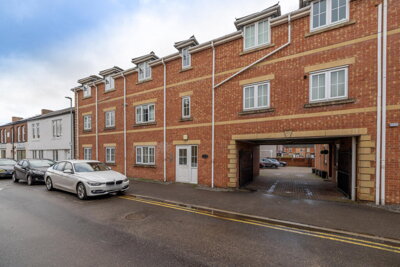
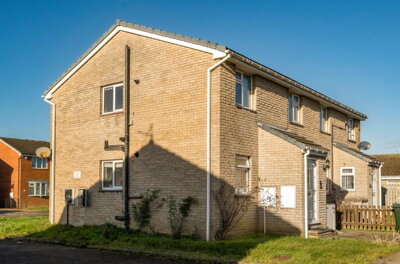
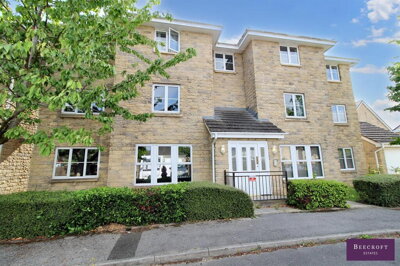
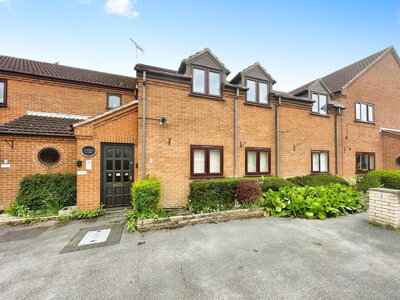
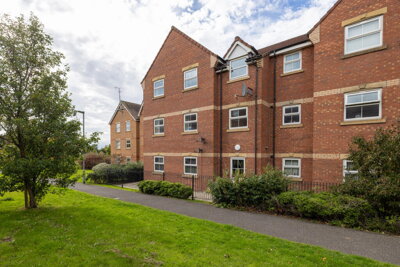
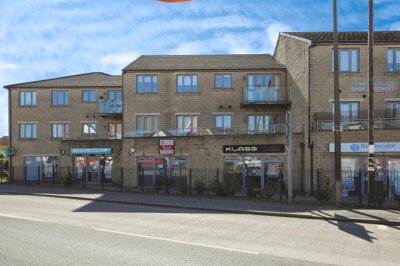
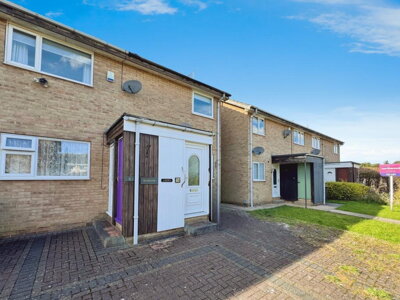
Browse 8 homes for sale in Dinnington St. John's from local estate agents.
John's from local agents. Studio apartments feature open-plan living spaces without separate bedrooms, incorporating sleeping, living, kitchen, and bathroom facilities. The Dinnington St. John's studio market includes properties in modern apartment complexes, converted Victorian and Georgian buildings, and purpose-built developments.
The Dinnington St. John's property market reflects its industrial heritage and modern evolution, offering properties to suit various budgets and preferences. Semi-detached homes dominate the local housing stock, representing 39% of all sales between 1995 and 2015, making them the most common property type in the area. These homes typically offer three bedrooms, generous gardens, and the practical layouts that have made them popular with families for generations. The terraced housing sector accounts for 30% of sales, providing more affordable entry points into the local market for first-time buyers seeking character properties in established neighbourhoods.
New build developments are enhancing the housing options available in Dinnington St. John's. Thornberry Gardens on Lodge Lane presents the Windermere house type priced at £299,995, offering modern specifications within a convenient village location. Swinston Hill Gardens showcases larger detached properties at £450,000, appealing to families seeking contemporary accommodation with generous living spaces. Meltonfield Chase in the S25 postcode area offers properties from £310,000, providing further choice for buyers considering the Dinnington area. Additionally, a partnership between Dinnington St. John's Town Council and Keystone Yorkshire will bring new social housing to East Street, focusing on sustainable building practices and local job creation, subject to planning approval from Rotherham Borough Council.
The historic core of Dinnington St. John's, particularly areas around New Road and Laughton Road within the Conservation Area, feature properties built from local limestone and sandstone materials. These heritage properties include nine listed buildings, from the Grade I Church of St John to the Grade II* Dinnington Hall, offering unique character for buyers seeking period features. Properties in these locations require careful consideration during survey and purchase, as older construction methods and materials may require specialist maintenance knowledge.

Life in Dinnington St. John's revolves around its strong community spirit and comprehensive local amenities. The built-up area, which encompasses the wider Dinnington community, had a population of 10,961 according to the 2021 Census, with 9,091 of those residents within the specific parish boundary. The area developed rapidly following the sinking of Dinnington Main Colliery in 1905, which triggered a remarkable twenty-fold population increase by 1911. This mining heritage has left an indelible mark on the neighbourhood's character, architecture, and social fabric, creating a community that takes pride in its industrial roots while embracing modern opportunities.
Local shopping and services in Dinnington St. John's are comprehensive, with major retailers including Tesco, Savers, Domino's, and Aldi serving daily needs. The indoor market provides a venue for smaller traders and local producers, maintaining the traditional market town feel that characterises the area. Laughter and community events throughout the year bring residents together, reinforcing the neighbourly atmosphere that new arrivals frequently cite as a major advantage of living here. The presence of local pubs, restaurants, and cafes creates social hubs where residents gather after work and at weekends, fostering connections between long-term inhabitants and newcomers alike.
The economic landscape of Dinnington St. John's reflects broader South Yorkshire transitions from traditional industries to modern employment. The Dinnington ward shows a high proportion of employment in manufacturing, construction, and retail sectors, with correspondingly lower representation in service industries compared to national averages. The unemployment rate of 6% (as measured in 2011) has historically run slightly above borough and national averages, though ongoing regeneration efforts and improved transport connections to Sheffield are gradually diversifying local job opportunities. For property buyers, this economic context means the area offers more affordable housing than nearby Sheffield while maintaining good employment prospects within the regional economy.
Education provision in Dinnington St. John's serves families with children across all age ranges, from nursery through secondary and further education. The area falls within the Rotherham Borough Council educational framework, which oversees school admissions and quality standards. Primary schools in and around Dinnington St. John's provide foundational education for younger children, with several settings offering before and after-school clubs to support working parents. The local primary schools generally serve their immediate communities, meaning catchment areas are an important consideration for families purchasing property in the area.
Secondary education options for Dinnington St. John's residents include schools within the wider Rotherham area, accessible via local bus services and reasonable driving distances. Parents should research current Ofsted ratings and performance data when considering which secondary school best suits their child's needs. The proximity to Sheffield also opens additional educational possibilities, with Grammar schools and other selective options available for those who meet entry requirements. Sixth form provision allows students to continue their education locally, though some choose to travel to Sheffield colleges for specialist A-level courses or vocational qualifications.
For families considering property purchases in Dinnington St. John's, school quality and catchment areas should feature prominently in location decisions. Properties within easy walking distance of well-regarded primary schools often command premiums and sell more quickly, reflecting the priority many buyers place on educational access. The Conservation Area around New Road and Laughton Road includes historic school buildings that have served the community for generations, illustrating how education has long been central to life in Dinnington St. John's. Visiting schools, meeting staff, and understanding admissions criteria before committing to a property purchase provides valuable for families with school-age children.
Transport connections from Dinnington St. John's provide residents with practical options for commuting to work, accessing services, and exploring South Yorkshire and beyond. The S25 postcode area is served by bus routes connecting to Sheffield, Rotherham, and surrounding villages, with regular services operated by local providers. For those working in Sheffield city centre, bus travel times vary depending on traffic conditions but typically range from 30 to 45 minutes for the journey into the city centre. The X79 bus route provides a direct connection between Dinnington and Sheffield, making it popular with commuters who prefer public transport to driving.
Road access from Dinnington St. John's benefits from connections to the A57 and proximity to the M1 motorway, which runs through South Yorkshire approximately 10 miles east of the area. The M1 provides direct links to Sheffield, Leeds, Nottingham, and the wider national motorway network, making it attractive to workers who travel further afield. Driving to Sheffield city centre typically takes around 25 to 35 minutes outside peak hours, though congestion on approach roads can extend journey times during rush hours. Parking provision in Sheffield itself represents a consideration for regular commuters, with city centre parking costs adding significantly to daily travel expenses.
Rail travel options for Dinnington St. John's residents include nearby stations on the Sheffield to Lincoln line, with Kiveton Bridge and Shireoaks stations offering connections to Sheffield and beyond. Travel times from Kiveton Bridge to Sheffield typically take around 25 minutes, providing a viable alternative for commuters seeking to avoid road congestion. The rail network also connects to larger stations at Sheffield and Worksop, where onward connections to national rail services are available. For property buyers prioritising commuting convenience, properties within walking or cycling distance of these transport hubs offer particular value, combining the residential benefits of Dinnington St. John's with practical access to regional employment centres.
Before viewing properties, understand Dinnington St. John's neighbourhood, schools, and transport links. Get mortgage agreement in principle from a lender to know your true budget and demonstrate seriousness to sellers when making offers. Consider registering with local estate agents who operate in the S25 postcode area for early access to new listings.
Use Homemove to browse homes for sale in Dinnington St. John's. Contact local estate agents who know the area intimately. Arrange viewings at properties matching your criteria, both during the day and evening if possible to assess the neighbourhood at different times. Pay particular attention to property condition given the age of much of the local housing stock.
When you find your ideal home, submit a formal offer through the estate agent. Your mortgage agreement in principle strengthens your position. Negotiate on price and any conditions, keeping in mind the local market context including the mix of traditional colliery-built terraces and newer developments. Properties in the Conservation Area may have additional considerations affecting value.
Commission a RICS Level 2 Survey before completing your purchase. Given Dinnington St. John's mining heritage and many properties built before 1945, a thorough survey is essential to identify any subsidence risks, damp issues, or roof condition concerns that may affect older properties. Properties in mining areas may require specialist investigation of potential subsidence.
Your conveyancing solicitor handles legal searches, title checks, and contract preparation. They will investigate local planning history, environmental risks, and any mining legacy issues specific to the Dinnington St. John's area. Exchange contracts when all legal matters are satisfactory. The Coal Authority holds records of historic mining activity that should be searched for properties in this area.
Your lender arranges property valuation and final mortgage offer. Coordinate with your solicitor to set a completion date. Collect keys from the estate agent and begin your new life in Dinnington St. John's. Arrange buildings insurance from exchange of contracts to protect your investment.
Property buyers considering Dinnington St. John's should understand the area's mining heritage when assessing potential purchases. The Dinnington Main Colliery operated from 1905 until the late 20th century, and properties built during this period or earlier may be subject to mining subsidence risks. A thorough survey should investigate whether the property falls within any former mining boundaries and whether appropriate guarantees or insurance arrangements are in place. Properties in the Conservation Area around New Road and Laughton Road may also have planning restrictions affecting extensions or modifications, which buyers should understand before committing to purchase.
Flood risk represents a material consideration in Dinnington St. John's, as flood risk is flagged as a consideration in planning applications throughout the area. Property surveys should assess drainage conditions, proximity to watercourses, and any historical flooding incidents affecting the property or neighbouring homes. Surface water flooding during heavy rainfall has become increasingly common across South Yorkshire, making adequate drainage and property history important factors in property assessment. Buyers should request copies of any flood risk assessments available from Rotherham Borough Council.
Building materials and construction methods vary significantly across Dinnington St. John's, reflecting the area's development phases from colliery housing through to modern developments. Historic buildings feature local limestone and sandstone with slate and pantile roofs, while early 20th-century terraces typically use brick construction. Properties in these older categories may show signs of damp, require updated electrical systems, or need roof repairs that buyers should budget for. Newer properties at developments like Thornberry Gardens and Meltonfield Chase offer contemporary construction and warranties but typically command higher prices reflecting their modern specifications and energy efficiency.
For buyers considering listed buildings in Dinnington St. John's, specialist surveys and planning advice are essential. The nine listed properties in the parish, including the Grade I Church of St John and Grade II* Dinnington Hall, represent heritage assets where changes are carefully controlled. Even properties within the Conservation Area face additional planning considerations designed to preserve the historic character of the neighbourhood. These restrictions can affect renovation plans and future modifications, making specialist advice valuable before completing a purchase.
The property market in Dinnington St. John's shows a strong preference for semi-detached homes, which represent 39% of all sales historically, followed by terraced properties at 30% and detached homes at 29%. While specific current average prices for the exact parish boundary were not available, properties in the wider Dinnington area start from around £150,000 for terraced homes, with semi-detached properties typically ranging from £180,000 to £250,000 depending on condition and location. New build properties at developments like Thornberry Gardens command premiums, with the Windermere type priced at £299,995 and larger detached homes at Swinston Hill Gardens reaching £450,000. Contact local estate agents for the most current pricing data for your specific requirements.
Properties in Dinnington St. John's fall under Rotherham Borough Council's jurisdiction for council tax purposes. Bands range from A to H, with most traditional terraced and semi-detached properties typically falling in bands A to C, reflecting lower property values compared to major cities. Newer properties and larger homes may be in higher bands. You can check specific bandings on the Valuation Office Agency website using the property address. Council tax funds essential local services including refuse collection, road maintenance, and community facilities that residents of Dinnington St. John's rely on daily.
Dinnington St. John's offers primary education through several local schools serving the immediate community, with catchment areas determining placement eligibility. Secondary school options within reasonable distance include schools in the Rotherham area, and parents should research current Ofsted ratings to identify the best options for their children. The proximity to Sheffield provides access to Grammar schools and other selective options for those meeting academic entry requirements. Families should verify current school performance data and admissions policies before purchasing property, as catchment boundaries can affect school placement. Visiting schools during term time provides valuable insight into facilities and ethos beyond official statistics.
Public transport from Dinnington St. John's includes regular bus services connecting to Sheffield and Rotherham, with the X79 providing a direct route to Sheffield city centre. The journey takes approximately 30 to 45 minutes depending on traffic conditions. Kiveton Bridge railway station offers rail connections to Sheffield in around 25 minutes, with onward links to the national rail network from Sheffield station. For commuters working in Sheffield, public transport can provide a cost-effective alternative to driving, avoiding both fuel costs and city centre parking charges. The M1 motorway is accessible for those preferring to drive to work further afield.
Dinnington St. John's offers several factors that may appeal to property investors, including more affordable entry prices compared to Sheffield and good transport connections to major employment centres. The mix of traditional housing stock and new developments provides options for different investment strategies, from renting traditional terraces to families to targeting professionals seeking modern accommodation. The local economy shows ongoing regeneration with the planned Keystone Yorkshire social housing development and continued interest in the area from housing developers. However, investors should carefully consider the mining heritage and ensure appropriate surveys identify any subsidence risks before purchasing.
Stamp Duty Land Tax (SDLT) rates from 2024-25 apply as follows: 0% on the first £250,000 of property value, 5% on the portion from £250,001 to £925,000, 10% from £925,001 to £1.5 million, and 12% above £1.5 million. First-time buyers benefit from increased thresholds, paying 0% up to £425,000 and 5% between £425,001 and £625,000, though this relief does not apply above £625,000. Most properties in Dinnington St. John's fall within the lower SDLT bands, making first-time buyer relief particularly valuable for those entering the market. Your solicitor will handle SDLT calculation and submission to HMRC following completion.
Flood risk is flagged as a material consideration in planning applications throughout Dinnington St. John's, though specific named flood zones were not detailed in available data. Property surveys should assess drainage conditions, proximity to watercourses, and any historical flooding incidents affecting the property or neighbouring homes. Surface water flooding during heavy rainfall has become increasingly common across South Yorkshire, making adequate drainage and property history important factors in property assessment. Buyers should request copies of any flood risk assessments available from Rotherham Borough Council and ensure their buildings insurance covers flood damage.
Dinnington St. John's grew rapidly following the opening of Dinnington Main Colliery in 1905, which led to a twenty-fold population increase by 1911. Properties built during or before the colliery operation period may be subject to mining subsidence risks. Your solicitor should conduct Coal Authority searches to identify any historic mining activity affecting the property. Surveys should investigate whether appropriate guarantees or insurance arrangements are in place for mining-related issues. The Dinnington Main Colliery operated until the late 20th century, meaning many local properties fall within potential mining influence zones.
From 4.5% APR
Compare mortgage rates from leading lenders for your Dinnington St. John's property purchase
From £499
Expert property solicitors handling your Dinnington St. John's purchase
From £400
Professional property survey recommended given local mining heritage
From £80
Energy performance certificate for your new property
Understanding the full costs of buying property in Dinnington St. John's helps you budget accurately and avoid financial surprises during the purchase process. Beyond the property price itself, buyers should account for Stamp Duty Land Tax, solicitor fees, survey costs, and mortgage arrangement charges. For a typical semi-detached property in Dinnington St. John's priced at around £200,000, a first-time buyer would pay no SDLT on the first £425,000, meaning most standard purchases fall below the higher rate threshold. However, buyers who already own property or purchasing higher-value homes should budget for SDLT at the relevant rate on the portion above £250,000.
Solicitor and conveyancing costs for property purchases in Dinnington St. John's typically range from £500 to £1,500 depending on complexity and whether the property is freehold or leasehold. Your solicitor will conduct essential searches including local authority checks, environmental searches (important given the mining history), and water/drainage enquiries. These searches typically cost between £200 and £400. Given Dinnington St. John's mining heritage, your solicitor should specifically investigate any historic mining activity that might affect the property, including coal mining records held by the Coal Authority. This additional research protects you from unexpected costs related to subsidence or mine workings after purchase.
Survey costs represent another important budget item, particularly relevant for Dinnington St. John's where many properties date from the early 20th century or earlier. A RICS Level 2 Survey (Homebuyer Report) typically costs between £400 and £800 depending on property size and complexity, while a full Level 3 Building Survey may be advisable for older, larger, or non-standard properties. Given the prevalence of colliery-built terraces and historic buildings in the area, investing in a comprehensive survey can identify defects that might cost thousands to remedy. Properties at new build developments like Thornberry Gardens may qualify for builder warranties instead, though many buyers still opt for independent surveys for additional .
Additional costs to budget for include mortgage arrangement fees (often 0.5-1% of the loan amount, though some lenders offer fee-free deals), valuation fees (required by lenders, typically £150-500), and moving costs. Buildings insurance must be in place from exchange of contracts, and content insurance is advisable from completion. For leasehold properties, ground rent and service charges should be verified, and any lease extension costs factored into longer-term budgeting. First-time buyers should also consider costs for furnishing and any immediate repairs or improvements needed once moving in.

Properties for Sale In London

Properties for Sale In Plymouth

Properties for Sale In Liverpool

Properties for Sale In Glasgow

Properties for Sale In Sheffield

Properties for Sale In Edinburgh

Properties for Sale In Coventry

Properties for Sale In Bradford

Properties for Sale In Manchester

Properties for Sale In Birmingham

Properties for Sale In Bristol

Properties for Sale In Oxford

Properties for Sale In Leicester

Properties for Sale In Newcastle

Properties for Sale In Leeds

Properties for Sale In Southampton

Properties for Sale In Cardiff

Properties for Sale In Nottingham

Properties for Sale In Norwich

Properties for Sale In Brighton

Properties for Sale In Derby

Properties for Sale In Portsmouth

Properties for Sale In Northampton

Properties for Sale In Milton Keynes

Properties for Sale In Bournemouth

Properties for Sale In Bolton

Properties for Sale In Swansea

Properties for Sale In Swindon

Properties for Sale In Peterborough

Properties for Sale In Wolverhampton

Enter your details to see if this property is within your budget.
Loans, cards, car finance
Estimated property budget
Borrowing + deposit
You could borrow between
Typical borrowing
Monthly repayment
Est. at 4.5%
Loan-to-value
This is an estimate only. Your actual budget may vary depending on interest rates, credit history, and personal circumstances. For an accurate affordability assessment, speak to one of our free mortgage advisors.
This calculator provides estimates for illustrative purposes only and does not constitute financial advice. Your home may be repossessed if you do not keep up repayments on your mortgage. Estimates based on 4.5% interest rate, repayment mortgage. Actual rates depend on your circumstances.
Homemove is a trading name of HM Haus Group Ltd (Company No. 13873779, registered in England & Wales). Homemove Mortgages Ltd (Company No. 15947693) is an Appointed Representative of TMG Direct Limited, trading as TMG Mortgage Network, which is authorised and regulated by the Financial Conduct Authority (FRN 786245). Homemove Mortgages Ltd is entered on the FCA Register as an Appointed Representative (FRN 1022429). You can check registrations at NewRegister or by calling 0800 111 6768.

We use cookies to show you personalised content and improve your experience of our website. Find out more in our Privacy policy and Cookie policy.