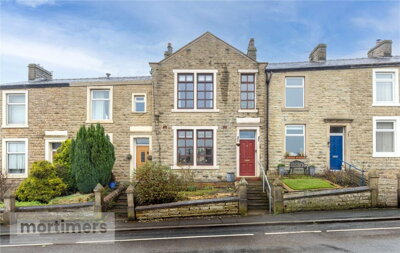
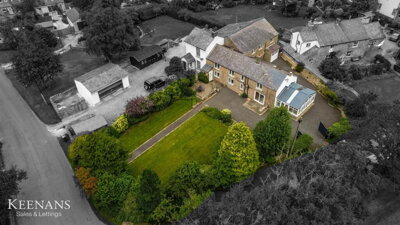
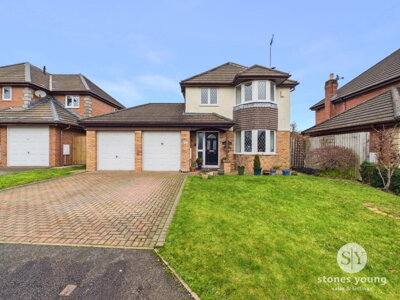
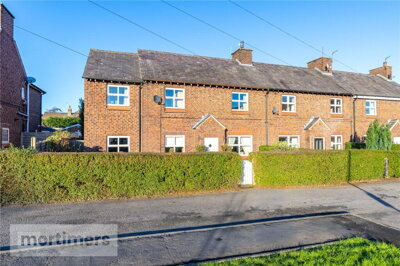
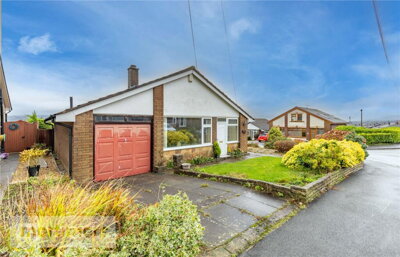
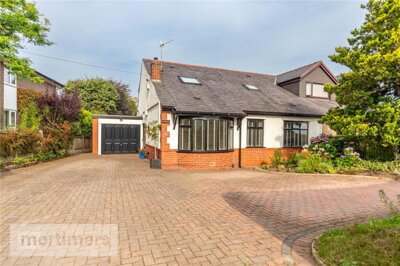
Browse 9 homes for sale in Dinckley, Ribble Valley from local estate agents.
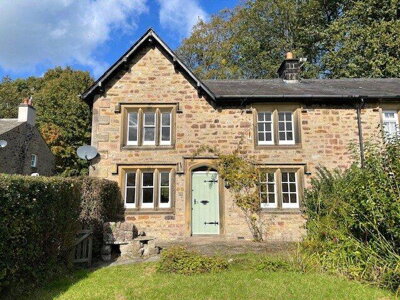
Three bedroom properties represent a significant portion of the Dinckley housing market, offering space for families with multiple reception rooms and gardens in many cases. Browse detached, semi-detached, and terraced options ranging from period character homes to contemporary developments.
£0k
0
0
0
Source: home.co.uk
Showing 0 results for 3 Bedroom Houses for sale in Dinckley, Ribble Valley.
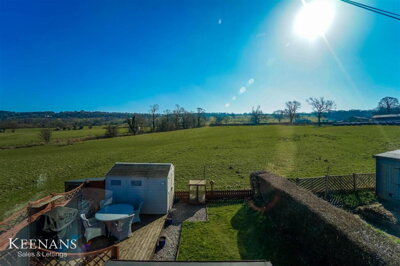
The Dinckley property market operates as a niche segment within the broader Ribble Valley housing landscape. Our current listings showcase the range of properties available in this exclusive postcode area. Detached homes represent the predominant property type, with generous plots and rural settings attracting buyers willing to invest premium sums for the lifestyle on offer. The BB6 postcode encompasses the village and surrounding countryside, meaning buyers searching in Dinckley often discover properties set within expansive grounds with views across farmland and toward the Pennines.
Recent transaction data illustrates the values achievable in this corner of Lancashire. A striking barn conversion on Kenyon Lane sold for £1,275,000 in March 2025, while another substantial detached residence on the same road changed hands for £1,220,000 in February 2024. Further down the price spectrum, a detached bungalow on Ribchester Road fetched £875,000 in October 2023, demonstrating that properties across various configurations and price points have traded successfully in the area. Semi-detached cottages also appear in the local housing stock, with historic examples selling for sums approaching £600,000, indicating consistent demand for character properties in this sought-after location.
New build activity within Dinckley itself remains minimal, reflecting the village's protected rural character and limited development opportunities. Prospective buyers interested in brand new properties may wish to expand their search to nearby market towns within the Ribble Valley, where larger housing developments occasionally become available. However, for buyers prioritising authenticity and rural charm, the existing character properties in Dinckley offer irreplaceable appeal that modern alternatives cannot replicate. The combination of traditional stone construction, mature gardens, and riverside settings creates homes of exceptional quality that simply cannot be reproduced in new build form.

Life in Dinckley revolves around the rhythms of the countryside, offering residents an escape from the pressures of urban living. This small hamlet sits within the Ribble Valley, an area renowned for its outstanding natural landscapes, historic villages, and strong sense of community. The village itself comprises a handful of properties clustered around country lanes, with the River Ribble flowing nearby and providing opportunities for riverside walks, fishing, and wildlife observation. The broader Ribble Valley encompasses the Forest of Bowland, an Area of Outstanding Natural Beauty, meaning residents of Dinckley have direct access to some of Lancashire's most spectacular scenery right on their doorstep.
The demographic profile of Dinckley and surrounding villages in the BB6 area reflects a community of established families, professionals, and retirees who have chosen countryside living. Many residents combine remote working opportunities with occasional commuting to larger employment centres, benefiting from modern connectivity while enjoying the tranquil environment that rural Lancashire provides. Local amenities are concentrated in nearby villages and towns, with everyday shopping, pubs, and village hall activities fostering community connections. The area attracts people drawn to its combination of natural beauty, period properties, and the genuine warmth of village life in this picturesque corner of England.
The River Ribble itself provides a focal point for outdoor activities, with kayakers, walkers, and cyclists enjoying the river valley throughout the year. The adjacent countryside offers an extensive network of public footpaths and bridalways, allowing residents to explore the rolling farmland and woodland that characterise this part of Lancashire. Local pubs in surrounding villages serve as social hubs, while village hall events throughout the year bring communities together through markets, quiz nights, and seasonal celebrations. For families, the combination of outdoor space, strong community ties, and access to quality schools in nearby towns creates an environment where children can thrive in safety and connection to nature.

Understanding the construction methods used in Dinckley properties helps buyers appreciate the character and potential maintenance requirements of homes in this rural hamlet. Properties in the village predominantly date from the Victorian era or earlier, featuring traditional construction techniques that differ significantly from modern buildings. Local stone and brick feature prominently in the building fabric, with many properties constructed using locally sourced materials that blend harmoniously with the Lancashire countryside. Timber-framed elements often appear in older properties, particularly in roof structures and internal beams, lending the character that distinguishes these homes from standard modern construction.
The geology of the Ribble Valley creates an interesting backdrop for property ownership in Dinckley. The underlying landscape includes areas of Carboniferous Limestone and Millstone Grit, overlaid with younger glacial deposits that influence soil conditions across the area. These geological factors mean that ground conditions can vary considerably across even small plots, potentially affecting foundation requirements and drainage characteristics. Properties built on or near limestone can experience different issues compared to those on glacial till, making professional surveys particularly valuable when purchasing in this area. Our team of experienced surveyors understands these local geological variations and how they may influence property condition.
Roof construction in Dinckley properties typically features slate or clay tile coverings, reflecting the traditional building materials available in this part of Lancashire. These materials age well in the local climate but require periodic maintenance, with slipped or damaged slates representing one of the most common defect types our surveyors encounter in the area. Lead flashing around chimneys and roof penetrations also demands careful inspection, as deterioration can lead to water ingress that causes timber decay in roof structures. Properties with complex rooflines involving multiple valleys and junctions present particular areas where our inspectors focus detailed attention during surveys.
Families considering a move to Dinckley will find a selection of educational options within reasonable driving distance. Primary education in the surrounding villages includes several well-regarded village schools that serve the local community with classes often small enough to ensure individual attention and strong pastoral care. Parents should research specific catchment areas, as school places can be competitive in popular rural locations. The close-knit nature of these school communities often proves attractive to families seeking a supportive educational environment away from larger urban schools.
Secondary education options in the region include grammar schools in nearby towns, with notable institutions drawing students from across the Ribble Valley. Parents should verify current admission arrangements and travel arrangements, as school transport can significantly impact daily routines in rural areas. For families prioritising academic excellence, investigating Ofsted ratings and examination results for schools within a reasonable commute becomes an important part of the house-hunting process. Sixth form and further education provision is available in Blackburn and Preston, ensuring that older students have access to comprehensive post-16 options without necessarily needing to board away from home.
The journey to secondary school from Dinckley typically involves transport arrangements that require planning, with many families establishing carpools or utilising school bus services where available. Independent schools in the region also attract families willing to travel further for particular educational approaches or facilities. Early registration for school places is advisable given the competitive nature of popular rural schools, with waiting lists sometimes extending over previous years. The investment in time and logistics often proves worthwhile for families seeking the combination of countryside living and quality education that the Dinckley area provides.
Despite its rural setting, Dinckley benefits from reasonable transport connections that enable residents to access employment and amenities in surrounding towns. The village sits within easy reach of the A59, a major road connecting Liverpool to York that passes through the Ribble Valley and provides routes toward Preston and Blackburn. For residents working in larger cities, these connections prove valuable, with Preston accessible within approximately 30 minutes by car and Manchester reachable within the hour depending on traffic conditions. The proximity to the M6 and M65 motorways further enhances connectivity for longer-distance travel.
Public transport options are more limited, reflecting the village's small scale, but bus services connect Dinckley with neighbouring communities and market towns, providing essential services for residents without private vehicles. The nearest railway stations are located in larger towns, with direct services to major cities from stations in Preston and Blackburn. For commuters, the realistic daily pattern typically involves driving to the nearest station and continuing by train, making a survey of station parking facilities an important practical consideration for prospective buyers who anticipate regular commuting requirements.
Daily commuters from Dinckley should factor in the reality of rural road conditions, particularly during winter months when country lanes may require additional travel time due to weather or reduced visibility. The A59 provides a reliable main route but can experience congestion during peak hours, particularly where it passes through market towns. Many residents working in Manchester or Liverpool choose to travel during off-peak hours where possible, or alternatively embrace flexible working arrangements that reduce the frequency of longer journeys. The village location does require a practical acceptance that access to major cities involves some journey time, though the quality of life benefits of countryside living often outweigh these practical considerations for those who prioritise space and natural surroundings.
Begin by exploring our current listings and understanding the local property market in Dinckley. Given the limited number of properties available at any time, register with local estate agents and set up property alerts so you can act quickly when suitable homes come to market. Consider spending time in the village at different times of day and week to understand the community atmosphere and verify that the rural lifestyle matches your expectations.
Before viewing properties, obtain a mortgage agreement in principle from a lender. This strengthens your position when making offers and demonstrates to sellers that you are a serious buyer. Given the premium property values in Dinckley, ensure your mortgage capacity aligns with the upper quartile prices typical for the area, and consider consulting a broker experienced in rural property finance who can advise on appropriate lending products for properties at this price point.
Schedule viewings of properties that meet your criteria, taking care to assess both the property condition and the surrounding area. For rural properties in Dinckley, pay particular attention to access roads, mobile phone coverage, broadband speeds, and proximity to the River Ribble regarding any flood risk considerations. We recommend viewing properties multiple times and in different weather conditions to gain a complete picture of the property and its immediate surroundings.
Once your offer is accepted, instruct a RICS Level 2 Survey to assess the property condition thoroughly. Given the likely age of properties in this rural hamlet, a comprehensive survey is essential to identify any structural concerns, roofing issues, or damp problems common in older buildings. Our surveyors understand the specific construction methods used in Ribble Valley properties and can provide detailed advice on maintenance requirements and remediation costs.
Appoint a conveyancing solicitor to handle the legal aspects of your purchase. Your solicitor will conduct searches, review the title deeds, and coordinate with the seller's legal team to ensure a smooth transaction through to completion. Given the rural nature of Dinckley, searches should specifically include drainage and water authority enquiries, environmental searches, and planning history investigations for any extensions or alterations.
Once all searches are satisfactory and finances are in place, your solicitor will exchange contracts and agree a completion date. On completion day, the remaining funds are transferred and you receive the keys to your new Dinckley home. Given the competitive nature of this market, maintain close communication with all parties throughout the process to avoid delays and ensure a smooth transaction.
Properties in Dinckley are predominantly older buildings, often dating from the Victorian era or earlier, which brings specific considerations for prospective buyers. A thorough RICS Level 2 Survey is essential to identify potential defects that commonly affect period properties in rural Lancashire. These may include rising or penetrating damp resulting from outdated damp-proof courses, roof deterioration including slipped slates and timber decay in roof structures, and potential structural movement that may require professional assessment. The traditional stone and brick construction methods used in the area, while lending properties their character, also demand experienced surveyors who understand these building types.
Flood risk warrants careful investigation given Dinckley's proximity to the River Ribble. While specific flood risk maps for the village were not available, properties in low-lying areas adjacent to the river could face elevated flood risk during periods of heavy rainfall. Prospective buyers should request this information during surveys and consider the availability and cost of flood insurance for at-risk properties. Planning restrictions in the Ribble Valley, including potential conservation area controls, may affect permissions for extensions or alterations, making it advisable to consult with Ribble Valley Borough Council before committing to a purchase if renovation plans exist.
Electrical and plumbing systems in older Dinckley properties frequently require updating to meet current standards. Our surveyors commonly identify outdated fuse boards, original wiring that has not been re-tested, and plumbing systems using materials no longer considered best practice. Properties that have been empty for periods may show evidence of water damage from burst pipes during winter freezes, particularly in properties without modern heating systems. Timber defects including woodworm activity and wet or dry rot can affect structural elements, especially where ventilation is poor or damp has penetrated the building fabric over time.
Our data indicates an average sold price of approximately £1,275,000 for properties in Dinckley based on recent transactions. Recent sales include a detached barn conversion at £1,275,000, another substantial detached home at £1,220,000, a detached bungalow at £875,000, and a semi-detached cottage at £573,500. These figures reflect the premium nature of property in this sought-after Ribble Valley hamlet, where the scarcity of properties combined with the exclusive rural lifestyle drives consistently high values. The limited transaction volume means buyers should treat these figures as indicative rather than definitive.
Properties in Dinckley fall under Ribble Valley Borough Council jurisdiction. Council tax bands vary by individual property based on valuation, and band information is available through the Valuation Office Agency or the local council website. Given the high property values in Dinckley, many properties fall into higher council tax bands. Prospective buyers should verify the specific band for any property they are considering, as this forms part of the ongoing cost of homeownership alongside mortgage payments and maintenance. The band can significantly impact annual running costs, particularly for families budgeting carefully for a countryside move.
Dinckley is served by primary schools in surrounding villages, with small class sizes that provide individual attention and strong community connections. Secondary education options include grammar schools and comprehensive schools in nearby towns, with admission determined by catchment areas and testing arrangements. Parents should research specific school performance data, Ofsted ratings, and travel arrangements, as school transport from rural locations requires planning. Sixth form provision is available in Blackburn and Preston for older students seeking a wider range of A-level subjects or vocational courses.
Public transport options in Dinckley are limited, reflecting its status as a small rural hamlet. Bus services provide connections to neighbouring villages and towns, but frequency may be reduced compared to urban areas. The nearest railway stations are located in larger towns, with Preston and Blackburn offering direct services to major cities. Most residents rely on private vehicles for daily transportation, making access to a car essential for most households in the area. Those considering relocation without private transport should visit the village to assess whether the available bus services meet their practical needs.
Property in Dinckley represents a sound investment for buyers seeking a premium rural lifestyle rather than rental yield. The limited supply of properties, combined with sustained demand from buyers seeking countryside living in the Ribble Valley, tends to support long-term values. Properties in this area rarely appear on the market, meaning those that do become available often attract strong interest. However, buyers should ensure their purchase aligns with their lifestyle needs and financial circumstances rather than purely investment considerations, as the primary appeal lies in the exceptional quality of life the area provides.
Stamp Duty Land Tax applies to purchases in Dinckley at standard rates for England. For properties purchased at the typical Dinckley price range, stamp duty will be calculated at 5% on the portion between £250,000 and £925,000, with 10% applying to any value between £925,000 and £1.5 million. First-time buyer relief may apply for eligible purchasers, providing relief on the first £425,000 of properties up to £625,000. Your solicitor will calculate the exact SDLT liability based on your circumstances and the purchase price.
Given the age of properties in Dinckley, our surveyors commonly identify several recurring defect patterns. Rising damp caused by absent or failed damp-proof courses affects many period properties, particularly those with solid stone walls and no cavity insulation. Roof defects including slipped slates, deteriorating lead flashing, and timber decay in rafters and purlins require careful assessment. Electrical wiring installed decades ago may not meet current standards and should be tested by a qualified electrician. Properties with large gardens may have hidden drainage issues affecting outbuildings or extensions, and proximity to the River Ribble means flood risk assessment forms an important part of any survey for properties in lower-lying positions.
As a rural hamlet within the Ribble Valley, Dinckley may contain individually listed buildings reflecting its historic character. Properties with listed status receive legal protection requiring special consideration during purchase and any subsequent works. Listed building consent is required for alterations that affect the building's character, and specialist surveys beyond a standard RICS Level 2 Survey may be advisable. Prospective buyers should verify listed status through the planning portal or during conveyancing searches, as these properties require additional commitment to maintenance standards and approved materials.
Budgeting for a property purchase in Dinckley requires careful consideration of all associated costs beyond the purchase price. Stamp Duty Land Tax represents a significant expense, particularly for properties valued at the higher end of the market typical for this hamlet. Using current SDLT thresholds, a property priced at £1,275,000 would attract £46,250 in stamp duty, calculated at 5% on £675,000 and 10% on £350,000. First-time buyers may benefit from relief on the first £425,000 of value, but this relief phases out completely for properties over £625,000, meaning most Dinckley purchases fall outside first-time buyer relief entirely.
Beyond stamp duty, buyers should budget for solicitor fees typically ranging from £500 to £1,500 depending on complexity, plus disbursements including local authority searches, Land Registry fees, and bankruptcy checks that together may amount to £300 to £500. A RICS Level 2 Survey costs between £350 and £600 for properties in this price range, while an Energy Performance Certificate is a legal requirement priced between £80 and £120. Mortgage arrangement fees vary significantly between lenders but often fall between 0% and 1.5% of the loan amount. Total buying costs, excluding mortgage fees, typically range from £2,000 to £4,000, and prospective buyers should ensure they have funds available beyond the deposit to cover these expenses.
Additional costs to factor into your Dinckley purchase budget include moving expenses, potential repairs identified during survey, and immediate furnishing requirements for a property that may have been vacant or minimally maintained. Buildings insurance must be in place from exchange of contracts, and life insurance or income protection provides sensible financial protection given the significant investment involved. Setting aside a contingency fund equivalent to at least 10% of the purchase price for unforeseen works is prudent for buyers of older rural properties where survey findings may reveal maintenance requirements that could not be assessed during initial viewings.
Properties for Sale In London

Properties for Sale In Plymouth

Properties for Sale In Liverpool

Properties for Sale In Glasgow

Properties for Sale In Sheffield

Properties for Sale In Edinburgh

Properties for Sale In Coventry

Properties for Sale In Bradford

Properties for Sale In Manchester

Properties for Sale In Birmingham

Properties for Sale In Bristol

Properties for Sale In Oxford

Properties for Sale In Leicester

Properties for Sale In Newcastle

Properties for Sale In Leeds

Properties for Sale In Southampton

Properties for Sale In Cardiff

Properties for Sale In Nottingham

Properties for Sale In Norwich

Properties for Sale In Brighton

Properties for Sale In Derby

Properties for Sale In Portsmouth

Properties for Sale In Northampton

Properties for Sale In Milton Keynes

Properties for Sale In Bournemouth

Properties for Sale In Bolton

Properties for Sale In Swansea

Properties for Sale In Swindon

Properties for Sale In Peterborough

Properties for Sale In Wolverhampton

Enter your details to see if this property is within your budget.
Loans, cards, car finance
Estimated property budget
Borrowing + deposit
You could borrow between
Typical borrowing
Monthly repayment
Est. at 4.5%
Loan-to-value
This is an estimate only. Your actual budget may vary depending on interest rates, credit history, and personal circumstances. For an accurate affordability assessment, speak to one of our free mortgage advisors.
This calculator provides estimates for illustrative purposes only and does not constitute financial advice. Your home may be repossessed if you do not keep up repayments on your mortgage. Estimates based on 4.5% interest rate, repayment mortgage. Actual rates depend on your circumstances.
Homemove is a trading name of HM Haus Group Ltd (Company No. 13873779, registered in England & Wales). Homemove Mortgages Ltd (Company No. 15947693) is an Appointed Representative of TMG Direct Limited, trading as TMG Mortgage Network, which is authorised and regulated by the Financial Conduct Authority (FRN 786245). Homemove Mortgages Ltd is entered on the FCA Register as an Appointed Representative (FRN 1022429). You can check registrations at NewRegister or by calling 0800 111 6768.

We use cookies to show you personalised content and improve your experience of our website. Find out more in our Privacy policy and Cookie policy.