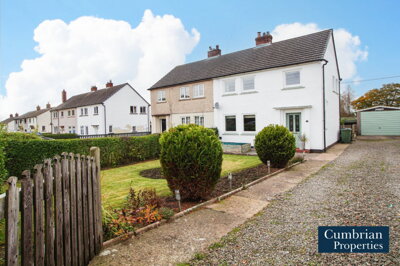
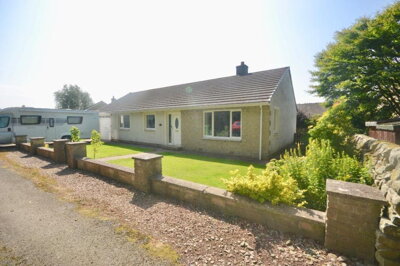
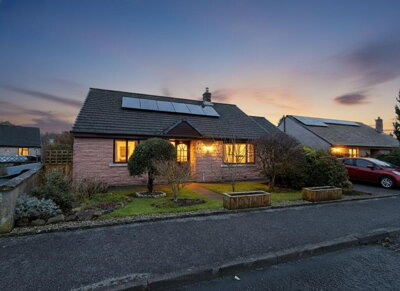
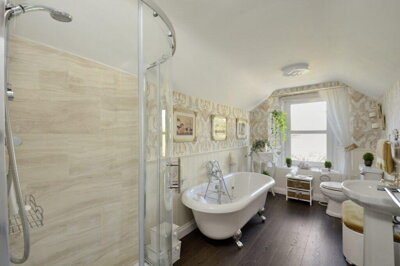
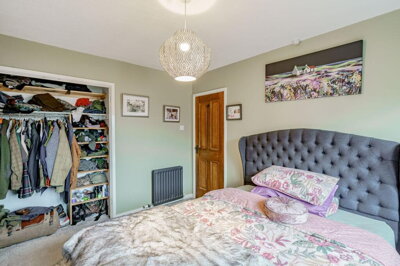
Browse 5 homes for sale in DG14 from local estate agents.
Three bedroom properties represent a significant portion of the DG14 housing market, offering space for families with multiple reception rooms and gardens in many cases. Browse detached, semi-detached, and terraced options ranging from period character homes to contemporary developments.
£0k
0
0
0
Source: home.co.uk
Showing 0 results for 3 Bedroom Houses for sale in DG14.
The DG14 property market presents a diverse range of opportunities for buyers across various property types and price points. Detached properties dominate the sales landscape, commanding an average price of £309,294 and offering the generous space and privacy that families often seek in rural settings. Semi-detached homes provide more accessible entry points at around £82,000 on average, while terraced properties average approximately £131,000, making them attractive options for first-time buyers or those downsizing from larger family homes. The market also includes a small number of flats, particularly in certain postcode segments, with some achieving prices around £612,500 according to recent transactions.
The market demonstrates particular strength in certain postcode segments, with DG14 0SZ showing sold prices 34% higher than the previous year and 3% above the 2021 peak of £455,000. Perhaps most remarkably, the DG14 0UR area has seen prices surge 110% above the 2005 peak of £39,000, indicating significant long-term value appreciation. These variations across the postcode suggest that location-specific research is essential when buying in DG14, as neighbouring streets can offer quite different market conditions and investment potential. The DG14 0UR segment has clearly outperformed the wider market, possibly driven by demand for properties offering particularly attractive rural settings or specific amenity access.
For buyers considering investment potential, the Scottish Borders continues to attract purchasers from across the UK seeking rural lifestyles within reasonable distance of Edinburgh and Carlisle. Properties in DG14 appeal to families, those seeking holiday homes, and retirees drawn to the peaceful village atmosphere. The 7% annual price growth and proximity to the 2023 peak suggest a stable market with sustained demand. Recent property sales in Canonbie and surrounding areas between August 2024 and August 2025 demonstrate active market participation, with properties achieving valuations consistent with the overall postcode averages across different property types and configurations.

The DG14 postcode area centres on Canonbie, a charming village nestled in the Scottish Borders where community life revolves around local events, traditional pubs, and the warm hospitality that Scotland is renowned for. The area attracts buyers seeking the slower pace of rural living without complete isolation, as essential amenities remain accessible within reasonable driving distance. Canonbie itself offers a welcoming atmosphere with regular community gatherings and local traditions that foster a genuine sense of belonging among residents both long-established and newly arrived.
Historical data suggests a significant proportion of the local housing stock dates from before 1919, meaning many properties feature traditional stone construction with thick walls built using lime mortar, a hallmark of Scottish vernacular architecture that requires specialist understanding when purchasing or maintaining. These period properties were constructed using permeable materials designed to breathe, which means modern damp proofing methods must be applied with caution to avoid trapping moisture within the fabric of the building. The Scottish housing stock data indicates approximately a third of homes across the Borders region were built pre-1919, making knowledge of traditional construction essential for any buyer in the area.
The surrounding landscape of the Scottish Borders offers spectacular walking, cycling, and outdoor pursuits, with the Solway Firth coastline accessible for coastal walks and wildlife watching. Local property construction typically follows traditional patterns, with cavity brick rendered externally beneath clay tiled pitched roofs visible on properties from the 1980s onwards. The A7 trunk road passes through Canonbie, connecting the village with the wider Borders road network while maintaining the tranquil character that residents value. For those moving to the area, establishing relationships with local tradespeople familiar with traditional stone construction proves valuable for ongoing maintenance and any renovation projects.
The village and surrounding area support a diverse community mix, with families drawn to the space and outdoor opportunities, professionals finding the manageable commute to nearby cities practical, and retirees appreciating the peaceful environment and strong neighbourly connections. Local property construction in newer developments has followed conventional patterns since the 1980s, though the majority of character properties throughout DG14 remain those built in the traditional style that defines the Borders architectural character.

Families considering a move to DG14 will find educational provision centred on local primary schools serving the Canonbie community and surrounding rural settlements. The Scottish education system operates through local authority catchments, meaning school allocation depends significantly on residential location within the Scottish Borders Council area. Primary school-aged children typically attend their local catchment school before progressing to secondary education, with the nearest secondary schools serving the wider area requiring consideration of transport arrangements given the rural nature of the postcode.
Parents should consult the latest Education Scotland inspection reports and comparison tools when evaluating primary schools across the catchment, as school performance varies and direct verification of current standards remains important for informed decision-making. The Scottish Borders Council operates school transport provision for those living beyond walking distance thresholds to their catchment primary school, which proves essential for families in more remote DG14 properties. Transport arrangements to secondary schools require particular consideration given the rural geography, with secondary pupils typically travelling to schools in nearby towns that serve the wider area.
Scottish housing stock data indicates approximately a third of homes were built before 1919, and this age distribution applies throughout the Borders region including DG14. Parents purchasing period properties should be aware that older homes may require additional attention to matters such as damp proof courses, ventilation systems, and insulation standards to meet contemporary comfort expectations while preserving character features. For families with older children considering further education, the presence of further education colleges in nearby towns and the broader Scottish university system through UCAS applications provides clear progression pathways from local schooling. The proximity to excellent road and rail connections means university cities like Edinburgh and Glasgow remain accessible for campus visits and family weekends.
The DG14 postcode area enjoys connectivity through the A7 trunk road which passes through Canonbie, providing direct access to Carlisle approximately 25 miles to the south. The A7 forms the main arterial route through this part of the Scottish Borders, linking communities along its route while connecting residents to the wider road network. For those travelling regularly to Carlisle for work or amenities, the journey takes around 40 minutes by car under normal traffic conditions, though rural road driving requires appropriate caution and awareness of agricultural traffic.
For residents requiring rail connections, the nearby station at Carlisle provides access to the West Coast Main Line with direct services to London Euston, Glasgow Central, Edinburgh Waverley, and major UK destinations. The journey to Edinburgh takes approximately 90 minutes by rail, making the capital accessible for occasional commuting or day trips. CrossCountry services from Carlisle connect travellers to Birmingham, Newcastle, and other regional centres. Virgin Trains and other operators provide regular departures, with advance booking often securing more competitive fares for regular travel.
Local bus services operate throughout the Scottish Borders, connecting rural communities with market towns and providing essential transport for those without private vehicles. Borders Buses and other regional operators run services linking Canonbie with destinations including Hawick and other Borders towns, though service frequency reflects the rural nature of the area and journey planning should account for this. The proximity of the A74(M) motorway to the south provides efficient access to the M6 corridor and onwards to Manchester and Birmingham, while the A1 trunk road to the east connects the Borders with Newcastle upon Tyne. Car ownership remains advisable for most residents given the rural nature of the area, though the manageable distances to key services mean daily life does not require excessive travel time once initial grocery and specialist shopping needs are established in Hawick or Carlisle.
Spend time exploring different neighbourhoods within DG14, comparing Canonbie village centre with outlying properties. Consider how property prices vary between postcode segments such as DG14 0SZ showing prices 34% above the previous year and DG14 0UR demonstrating exceptional 110% growth above its 2005 peak. Understanding factors like proximity to the A7, school catchments, and available amenities will help you assess how different properties and locations might affect your daily life and long-term investment value.
Contact estate agents listing properties in DG14 to arrange viewings of properties matching your criteria. Before making offers, obtain a mortgage agreement in principle from a lender to demonstrate your purchasing capacity to sellers and strengthen your negotiating position. In the competitive rural Scottish market, having your financing confirmed can prove decisive when multiple buyers express interest in well-presented properties in popular locations throughout the postcode.
Once you have found your ideal home, submit an offer through the selling agent, typically subject to contract and satisfactory survey. Instruct a conveyancing solicitor early in the process to handle legal matters, searches specific to Scottish Borders Council, and the missives process that formalises the agreement between buyer and seller in Scotland. The Scottish conveyancing system operates differently from England, with the exchange of missives rather than exchange of contracts representing the binding commitment stage.
For properties in DG14, particularly older homes built before 1919 with traditional stone construction, we strongly recommend a RICS Level 2 Survey to assess condition and identify any defects. Our inspectors understand the common issues affecting Borders properties, including damp in properties without modern damp proof courses, timber decay in traditional roofs, and stonework deterioration that can affect structural integrity. The typical cost for a RICS Level 2 Survey ranges from £416 to £639 nationally, with older or non-standard properties potentially attracting additional charges.
In Scotland, the legal process differs from England with the exchange of missives rather than contracts. Your solicitor will negotiate final terms and arrange completion, at which point you will receive keys to your new DG14 home. Ensure buildings insurance is in place from the point of conclusion, as this protects your investment against damage from exchange of missives onwards. Your solicitor will coordinate the final settlement arrangements and registration with Registers of Scotland to transfer ownership formally into your name.
Properties across the DG14 postcode, particularly older stone-built homes predating 1919, require careful inspection for common issues prevalent in traditional Scottish construction. Damp and moisture ingress represents a significant concern in period properties without modern damp proof courses or with existing courses that may have failed over time. Look for signs of damp at ground floor level, particularly on north-facing walls where moisture exposure is greatest, and consider commissioning a specialist damp survey as part of your overall property assessment alongside the standard RICS Level 2 Report.
Our inspectors frequently identify moisture problems in Borders properties where traditional lime mortar construction has been inappropriately treated with modern cement-based renders or where modern damp proof courses have been installed without understanding the breathable nature of traditional walls. Properties built before 1875 frequently lack damp proof courses entirely, while those constructed between 1875 and 1920 may have early courses that have subsequently failed. A RICS Level 2 Survey will assess the condition of any damp proofing present and identify areas requiring further investigation or remediation works.
Timber defects including both wet rot and dry rot can develop where hidden roof leaks, inadequate ventilation, or rising damp have compromised structural timbers. Given the clay tiled roofs common throughout traditional Borders properties, tile slip, missing nails, and mortar deterioration should be assessed as potential entry points for water ingress. Our surveyors check roof void access where possible, examining sarking, battens, and structural timbers for signs of decay or fungal activity. Wet rot typically requires sustained moisture to develop, while dry rot can spread through dry timber once established, making early identification valuable.
Windows in older properties often remain single-glazed, contributing to condensation issues and heat loss that may require eventual upgrading. The cost of replacing windows in character properties with appropriate double-glazed alternatives that maintain the property's appearance typically ranges from £3,000 to £8,000 depending on property size and window numbers. Original floorboards in older homes may show wear, damage particularly in bathrooms, or deterioration that requires repair or replacement. For listed buildings or properties in conservation areas, any window replacement must typically use materials and styles appropriate to the property's character and period.
The average sold house price in DG14 is approximately £260,362 according to Rightmove data over the past year, with Zoopla recording a similar figure of £248,332. Detached properties average £309,294, while semi-detached homes are considerably more affordable at around £82,000. Prices have risen 7% year-on-year, indicating a healthy market with strong demand for properties in this picturesque corner of the Scottish Borders. The postcode segment DG14 0SZ has shown particularly strong appreciation at 34% above the previous year, while DG14 0UR has demonstrated exceptional long-term performance rising 110% above its 2005 price peak. Terraced properties in the area average approximately £131,000, offering accessible entry points for first-time buyers seeking the DG14 lifestyle.
Properties in the DG14 postcode fall under Scottish Borders Council administration, which sets council tax bands from A through H based on the Home Report valuation. Actual bands depend on individual property valuations, and prospective buyers can request the current banding from the Scottish Assessors Association or obtain it through the seller prior to purchase. The council tax system in Scotland operates slightly differently from England, with Band D being the reference point for standard comparisons across local authority areas. In rural areas like DG14, properties are often valued at lower bands due to smaller market values compared to urban centres, meaning many households pay relatively modest council tax for the services provided by Scottish Borders Council.
The DG14 area is served by local authority schools within the Scottish Borders Council catchment system, with primary schools serving the immediate Canonbie community and secondary education provided at schools in nearby towns such as Langholm Grammar School or other Borders secondary establishments. Exact school performance varies year by year, and parents should consult the latest Education Scotland inspection reports and comparison tools when evaluating options. Transport arrangements to secondary schools require consideration given the rural geography, with school transport provision available for those living beyond walking distance thresholds. For families prioritising education, viewing the specific Ofsted-equivalent ratings for relevant primary catchments before committing to a property purchase proves worthwhile.
The DG14 postcode area relies primarily on road transport, with the A7 trunk road providing the main route through Canonbie connecting the village to Carlisle approximately 25 miles south. Bus services operated by Borders Buses and other providers connect Canonbie and surrounding villages with Carlisle, Hawick, and other destinations in the Scottish Borders, though service frequency reflects the rural nature of the area. The nearest railway stations are located in Carlisle, providing access to West Coast Main Line services including Virgin Trains to London and CrossCountry services to Edinburgh, Glasgow, Birmingham, and Newcastle. Edinburgh can be reached by rail in approximately 90 minutes from Carlisle, making day trips or occasional commuting practical for those working in the capital.
The DG14 property market has demonstrated consistent growth, with prices 7% up year-on-year and approaching the previous 2023 peak of £261,480. Some postcode segments have shown exceptional performance, with DG14 0UR rising 110% above its 2005 price peak and DG14 0SZ showing 34% annual appreciation. The Scottish Borders continues to attract buyers seeking rural lifestyles within reasonable distance of major cities, suggesting sustained demand. Properties in the area appeal to families, retirees, and those seeking holiday homes, providing potential for both rental income and capital appreciation over the medium to long term. The relative affordability compared to Edinburgh and other Scottish cities makes DG14 attractive to buyers priced out of urban markets while still seeking access to city amenities.
Land and Buildings Transaction Tax (LBTT) applies to residential purchases in Scotland at progressive rates from 0% on the first £145,000 rising through bands to 12% on amounts exceeding £750,000. For a typical DG14 property at the current average price of £260,362, LBTT liability would fall into the £250,001 to £325,000 band, attracting approximately £1,500 to £3,000 in tax depending on exact purchase price. First-time buyers in Scotland receive enhanced relief with zero tax on the first £175,000 of their purchase, meaning a first-time buyer purchasing at the DG14 average price could benefit from relief on the first £175,000 of their acquisition. Your solicitor will calculate the precise liability based on your purchase price and circumstances, including any additional dwellings supplement that may apply.
Older stone-built properties in DG14, many dating from before 1919, present characteristic issues that our surveyors are experienced in identifying. Traditional Scottish construction using lime mortar requires understanding, as modern cement-based repairs can trap moisture and cause stonework deterioration. Damp represents the most common concern, particularly at ground floor level on north-facing walls where moisture exposure is greatest. Our RICS Level 2 Surveys assess roof condition including clay tile integrity, timber condition for signs of wet or dry rot, and the presence and effectiveness of any damp proof course. Windows in older properties frequently remain single-glazed, contributing to heat loss that may require eventual upgrade works.
Understanding the total cost of purchasing property in DG14 requires consideration beyond the advertised asking price. The Land and Buildings Transaction Tax (LBTT), Scotland's equivalent to stamp duty, applies progressive rates from 0% on the first £145,000 rising through bands to 12% on amounts exceeding £750,000. For a typical DG14 property at the current average price of £260,362, LBTT liability would fall into the £250,001 to £325,000 band, attracting approximately £1,500 to £3,000 in tax depending on exact purchase price. First-time buyers benefit from increased thresholds, with relief potentially exempting the first £175,000 from LBTT entirely.
Additional purchasing costs include mortgage arrangement fees typically ranging from £500 to £2,000 depending on lender and product, valuation fees from £300 to £500 depending on property value, and solicitor fees generally between £800 and £1,500 for conveyancing on a standard purchase. A RICS Level 2 Survey costs approximately £455 on average nationally, though this increases for properties above £500,000 value or those of non-standard construction. For older DG14 properties built before 1900 or with non-standard construction, survey costs may be 20-40% higher than standard rates due to the additional expertise required to assess traditional building techniques and materials.
Removal costs vary significantly based on distance and volume of belongings, while potential repairs identified during survey should also be budgeted. Our related services section above provides direct access to quotes for mortgages, conveyancing, and surveys tailored to DG14 properties. When setting your budget, consider that older period properties may require ongoing maintenance expenditure that newer properties would not, so factoring in a contingency fund for unexpected works discovered after purchase remains prudent. Buildings insurance should be arranged from the point of conclusion of missives in Scotland, as this represents the point at which risk typically passes to the buyer for standard purchases.
Properties for Sale In London

Properties for Sale In Plymouth

Properties for Sale In Liverpool

Properties for Sale In Glasgow

Properties for Sale In Sheffield

Properties for Sale In Edinburgh

Properties for Sale In Coventry

Properties for Sale In Bradford

Properties for Sale In Manchester

Properties for Sale In Birmingham

Properties for Sale In Bristol

Properties for Sale In Oxford

Properties for Sale In Leicester

Properties for Sale In Newcastle

Properties for Sale In Leeds

Properties for Sale In Southampton

Properties for Sale In Cardiff

Properties for Sale In Nottingham

Properties for Sale In Norwich

Properties for Sale In Brighton

Properties for Sale In Derby

Properties for Sale In Portsmouth

Properties for Sale In Northampton

Properties for Sale In Milton Keynes

Properties for Sale In Bournemouth

Properties for Sale In Bolton

Properties for Sale In Swansea

Properties for Sale In Swindon

Properties for Sale In Peterborough

Properties for Sale In Wolverhampton

Enter your details to see if this property is within your budget.
Loans, cards, car finance
Estimated property budget
Borrowing + deposit
You could borrow between
Typical borrowing
Monthly repayment
Est. at 4.5%
Loan-to-value
This is an estimate only. Your actual budget may vary depending on interest rates, credit history, and personal circumstances. For an accurate affordability assessment, speak to one of our free mortgage advisors.
This calculator provides estimates for illustrative purposes only and does not constitute financial advice. Your home may be repossessed if you do not keep up repayments on your mortgage. Estimates based on 4.5% interest rate, repayment mortgage. Actual rates depend on your circumstances.
Homemove is a trading name of HM Haus Group Ltd (Company No. 13873779, registered in England & Wales). Homemove Mortgages Ltd (Company No. 15947693) is an Appointed Representative of TMG Direct Limited, trading as TMG Mortgage Network, which is authorised and regulated by the Financial Conduct Authority (FRN 786245). Homemove Mortgages Ltd is entered on the FCA Register as an Appointed Representative (FRN 1022429). You can check registrations at NewRegister or by calling 0800 111 6768.

We use cookies to show you personalised content and improve your experience of our website. Find out more in our Privacy policy and Cookie policy.