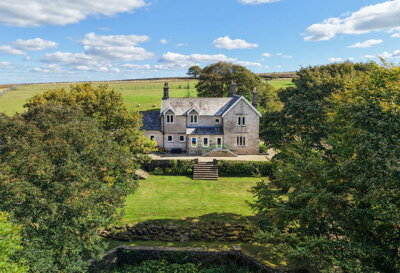
Browse 1 home for sale in Derwent, High Peak from local estate agents.
The larger property sector typically features multiple bathrooms, substantial reception space, and private gardens or off-street parking. Four bedroom houses in Derwent span detached, semi-detached, and occasionally terraced configurations, with styles ranging from period properties to modern executive homes.
£0k
0
0
0
Source: home.co.uk
Showing 0 results for 4 Bedroom Houses for sale in Derwent, High Peak.
The property market in Derwent, High Peak is characterised by its exceptional scarcity and strong demand from buyers seeking rural retreats and countryside homes in the Peak District. Properties in this part of Derbyshire's Peak District typically include traditional stone-built cottages, period farmhouses, and occasional modern conversions that respect the area's vernacular architecture. The majority of housing stock dates from before 1919, constructed using the local gritstone and limestone that defines the Dark and White Peak landscapes. These historic properties often feature thick walls, slate or stone tile roofs, and character features that appeal to buyers seeking authentic period homes in the Upper Derwent Valley.
Given the village's tiny population and its location within the Peak District National Park, new build development is extremely limited. Any new properties tend to be conversions of existing agricultural buildings or carefully designed additions that blend with the natural landscape. The UNESCO Derwent Valley Mills World Heritage Site designation, while centred further east around Matlock and Cromford, influences the broader area's approach to development and preservation, ensuring that new construction in surrounding Derbyshire communities maintains high standards of design and sensitivity to local character. This protective framework helps maintain the distinctive appearance of the area that makes Derwent and its surroundings so desirable to buyers.
Properties in the Upper Derwent Valley typically range from modest stone cottages around the £250,000 mark to substantial detached farmhouses and converted barns with land commanding £500,000 or more. The Peak District premium means homes here cost significantly more than comparable properties elsewhere in Derbyshire, reflecting the national park designation, limited supply, and the enduring appeal of owning a piece of this protected landscape. For buyers prepared to act quickly when properties become available, the rewards of living in this remarkable corner of England are considerable.

Derwent, High Peak occupies a privileged position within the Derbyshire Peak District, offering residents an intimate connection with some of England's finest moorland and woodland scenery. The village sits close to the River Derwent, which flows through the valley carved during the last ice age, creating the distinctive landscape of steep hills, heather-covered moors, and dramatic edges that define this part of the East Midlands. The local geology features Carboniferous limestone in the northern reaches and Millstone Grit across the higher moorland plateaus, creating diverse habitats and varied terrain within easy reach of the village. This geological variety supports rich biodiversity and provides the dramatic scenery that draws visitors from across the country.
The community spirit in Derwent reflects the best of small Derbyshire village life. Local amenities include traditional pubs serving locally brewed ales, village shops supplying everyday essentials, and community facilities that bring residents together throughout the year. The Upper Derwent Valley has a strong cultural heritage, with the reservoirs themselves representing significant feats of Victorian engineering that transformed the landscape while serving the water needs of Sheffield and Derby. Construction of the dams at Ladybower, Derwent, and Howden required the flooding of the original Derwent village, creating the lakes that are now integral to the area's character and recreational use.
Outdoor enthusiasts appreciate the immediate access to some of the finest walking, climbing, and cycling routes in Britain, with the Peak District's network of public rights of way offering everything from gentle riverside strolls to challenging peak-bagging expeditions. The area sits above limestone aquifer systems, which contribute to the excellent water quality in the rivers and streams that thread through the valley. Local walking routes connect to the Pennine Way and the Trans Pennine Trail, providing long-distance options for those seeking extended adventures through this protected landscape.

Families considering a move to Derwent, High Peak will find a selection of primary schools serving the local area, with several village schools in surrounding communities providing education for younger children. The nearest primary schools typically include those in the Hope Valley, Bamford, and Hathersage areas, all of which maintain solid reputations for academic achievement and pastoral care. These schools benefit from their rural settings, offering children ample space for outdoor learning and activities that complement classroom education. Class sizes in these village schools tend to be smaller than urban alternatives, allowing for more individual attention and strong teacher-pupil relationships that many parents value.
Secondary education options for Derwent residents include schools in the nearby market towns of Hope and Bakewell, both of which offer comprehensive education for students aged 11-16. Hope Valley College in Hope serves many families from the Upper Derwent Valley, providing a smooth transition from primary education with facilities that support a wide range of GCSE subjects. The area's closest grammar schools are located in the larger towns of Derbyshire, requiring families to consider transportation arrangements for selective education pathways. Parents should verify current catchment areas with Derbyshire County Council as school admission policies can change annually.
For post-16 education, students typically travel to Chesterfield, Sheffield, or Derby to access sixth form colleges and further education providers offering a broader range of A-level and vocational courses. Sheffield's universities are accessible for higher education, meaning older students can benefit from city-based degree programmes while maintaining their family roots in this attractive part of the East Midlands. The rural location does mean that school transportation requires planning, particularly for secondary and post-16 education where journey times to appropriate schools may be significant.
Transport connections from Derwent, High Peak reflect its rural village character, with residents relying primarily on private vehicles for daily commuting and larger shopping trips. The village sits within reasonable distance of the A57, which runs through the Hope Valley and connects Sheffield to Manchester, providing access to the wider motorway network via junctions with the M1 and M6. For those working in Sheffield, the journey takes approximately 45 minutes by car under normal traffic conditions, making Derwent a viable option for professionals who can work from home several days per week or maintain flexible working arrangements.
Public transport options include bus services operating along the Hope Valley route, connecting Derwent to nearby towns and villages including Hathersage, Bamford, and the railway stations at Hope and Grindleford. The Hope Valley railway line provides access to Sheffield in around 30 minutes and Manchester in approximately one hour, making it practical for commuters who can use train services for some or all of their journey. The nearest railway station is not within immediate walking distance of Derwent village itself, so residents typically combine walking or cycling with train travel, or use the local bus services to reach the stations.
For air travel, Manchester Airport is approximately 90 minutes away by car, while East Midlands Airport is similarly accessible, offering international destinations from this relatively central Derbyshire location. Cyclists benefit from the Peak District's network of designated routes, though the hilly terrain requires reasonable fitness for regular cycling commuting. For those working in Derby, the journey takes around an hour by car, passing through the Derwent Valley where major employers including Bombardier Transportation, Rolls Royce, and Toyota are based, collectively employing over 45,000 people in manufacturing and engineering sectors.
Explore property listings in Derwent and surrounding High Peak villages to understand what is currently available in this tight-knit community. Given the limited stock that reflects the village's small population and protected status, consider similar nearby communities like Hope, Hathersage, and Edale for comparison. Register with local estate agents who serve the Upper Derwent Valley and can alert you to new properties before they reach mainstream portals.
Contact mortgage lenders or brokers to obtain an Agreement in Principle before viewing properties in Derwent. This demonstrates your seriousness as a buyer and helps you understand your true budget in a market where properties commonly range from £250,000 to £600,000. For rural properties with traditional construction including stone walls and potentially specialist insurance requirements, speak to lenders about suitable products and ensure your mortgage broker understands the quirks of Peak District property transactions.
Visit properties that match your criteria, taking time to assess not just the property itself but also its surroundings, approach roads, and proximity to amenities. Ask about flood risk given the valley location near the River Derwent and its tributaries, and check whether the property is within the Peak District National Park, which affects permitted development rights and any future renovation plans you might have.
Once your offer is accepted, instruct a qualified RICS surveyor to inspect the property through our approved panel. For period stone properties common in Derwent, a detailed survey is essential to identify any structural concerns, damp issues, or renovation requirements that may affect your decision or negotiation. Given the age of most properties in this area, your surveyor will pay particular attention to the condition of stonework, roof coverings, and any historic modifications.
Choose a conveyancing solicitor with experience in Derbyshire property transactions to handle the legal work. They will conduct searches with Derbyshire County Council and the Peak District National Park Authority, check for any planning constraints or conservation area restrictions, and manage the transfer of ownership. Many properties in this area will be listed buildings or within conservation areas, requiring specialist knowledge of heritage property law.
Once all searches are satisfactory and contracts are signed, your solicitor will arrange the exchange of contracts and set a completion date. On completion day, the remaining funds are transferred and you receive the keys to your new Derwent home, joining a tiny community of residents who have secured property in one of the most desirable locations in the Peak District.
Properties in Derwent, High Peak require careful consideration of several location-specific factors that may not affect buyers in urban areas. The village's position in the Upper Derwent Valley means that some properties could be subject to flood risk from the River Derwent and its tributaries, particularly those in lower-lying positions or near watercourses. A thorough investigation of the property's flood history and any flood prevention measures in place is advisable before committing to a purchase. The Environment Agency flood maps should be consulted as part of your due diligence, and your solicitor should raise appropriate pre-contract enquiries about any previous flooding incidents.
Properties within the Peak District National Park are subject to strict planning controls that limit extensions, alterations, and new development in this protected landscape. Before purchasing, verify what works have been undertaken previously and whether the property has the benefit of any planning permissions or certificates of lawfulness. These restrictions protect the area's character but may limit your ability to modify or extend the property in future. If you are considering a property that has been converted from an agricultural building, check the terms of any conversion permissions carefully, as these often include conditions that remain binding on subsequent owners.
Many properties in this part of Derbyshire are constructed from traditional materials including natural gritstone and limestone with lime-based mortars, plaster, and paints. These materials breathe differently from modern constructions and may have solid walls rather than cavity insulation, which affects their thermal performance and potential renovation options. Specialist contractors experienced in historic building conservation are recommended for any significant works, and your survey should identify any areas where traditional building fabric requires maintenance or repair. Water quality in the area can be affected by phosphates and other substances running off from agricultural land, so check the specific water supply arrangements for your property.
Specific average house price data for Derwent village itself is not published separately due to the small number of annual transactions in this tiny community of just 43 residents. Properties in the surrounding Hope Valley and Upper Derwent Valley areas of Derbyshire typically range from £250,000 for a modest stone cottage to over £600,000 for substantial detached farmhouses or converted barns with land. The Peak District premium means properties in this part of High Peak command higher prices than comparable properties elsewhere in Derbyshire. Your best approach is to search current listings in Derwent and surrounding villages to understand the specific price range for properties that meet your requirements.
Properties in Derwent, High Peak fall under Derbyshire Dales District Council for council tax purposes, with the village also served by Derbyshire County Council for most local services. Council tax bands vary by property depending on the property's valuation, with most period cottages in the area typically falling into bands C to E due to their historic character and rural locations. You should check the specific band with Derbyshire Dales District Council or on the government council tax website before budgeting for ongoing costs of owning a property in this protected landscape.
The nearest primary schools to Derwent include those in Bamford and Hathersage, both of which serve the local village communities with good reputations for pastoral care and educational standards. For secondary education, Hope Valley College in Hope provides comprehensive education for students aged 11-16, serving many families from the Upper Derwent Valley. Families should verify current catchment areas with Derbyshire County Council as school admission policies can change annually, and factor school transportation into their decision-making given the rural location of properties in Derwent and the distances involved to reach schools.
Public transport from Derwent is limited but functional for a rural village, with the 271 bus service connecting the village to Hope, Hathersage, and Sheffield, though frequencies are reduced compared to urban routes. Hope railway station on the Hope Valley line provides train services to Sheffield in 30 minutes and Manchester in 60 minutes, though the station is not within immediate walking distance of Derwent village itself. For daily commuting, most residents use private vehicles, with Sheffield accessible within 45 minutes by car and Derby reachable in around an hour, passing major employment centres in the Derwent Valley.
Property in Derwent and the broader Upper Derwent Valley benefits from the enduring appeal of Peak District living and the limited supply of homes in this protected landscape. The area attracts buyers seeking rural lifestyles, outdoor activities, and access to countryside amenities, creating consistent demand that supports property values over time. The Peak District National Park designation restricts development, which helps maintain property values by preventing oversupply of homes in the area. However, buyers should note that rental demand in this small village is limited due to the rural location and lack of significant employment within the community itself, so buy-to-let investment may not be straightforward.
Stamp duty rates depend on the purchase price and whether you qualify as a first-time buyer, with standard rates of 5% on the portion between £250,001 and £925,000 for properties above £250,000. Given average property prices of £350,000 to £500,000 for typical homes in the Upper Derwent Valley, most purchases will incur SDLT at the standard rate on amounts above the nil-rate threshold. If you are a first-time buyer purchasing below £625,000, you benefit from relief that raises your zero-rate threshold to £425,000, reducing your SDLT liability considerably. Always verify your SDLT position with a qualified financial advisor or use the HMRC calculator for your specific circumstances.
Properties in Derwent should be checked against Environment Agency flood maps given the village's location in the Upper Derwent Valley near the River Derwent and its tributaries. Properties in lower-lying positions or those near watercourses may be at risk of flooding, particularly during periods of heavy rainfall when the catchment area drains rapidly into the reservoirs. Your solicitor should raise appropriate pre-contract enquiries about flood history and any flood prevention measures, and buildings insurance should be arranged well in advance of completion to ensure cover is in place.
Properties within the Peak District National Park face strict planning controls administered by the Peak District National Park Authority, which carefully considers all development proposals to protect the area's character and natural beauty. Many properties in Derwent are likely to be listed buildings or within the conservation area, adding additional layers of control over any alterations or extensions you might wish to undertake. Before purchasing, verify what works have been undertaken previously and whether the property has the benefit of any planning permissions or certificates of lawfulness, as these restrictions may affect your ability to modify or extend the property in future.
From 4.5%
Finance your Derwent property purchase with competitive mortgage rates from trusted lenders
From £499
Expert legal services for your Derbyshire property transaction
From £350
Detailed property survey essential for period stone properties in the Peak District
From £60
Energy performance certificate for your Derwent property
When purchasing a property in Derwent, High Peak, budget for Stamp Duty Land Tax alongside your purchase price and other associated costs. For a typical property in the £350,000 to £500,000 range common in this area, you would pay SDLT at the standard rate of 5% on the amount above £250,000, meaning a £400,000 property would incur £7,500 in stamp duty. If you are a first-time buyer purchasing below £625,000, you benefit from relief that raises your zero-rate threshold to £425,000, reducing your SDLT liability considerably. Always verify your SDLT position with a qualified financial advisor as rules and thresholds can change.
Beyond stamp duty, factor in solicitor fees for conveyancing, which typically range from £500 to £1,500 for a standard transaction in Derbyshire, plus disbursements for searches with Derbyshire County Council and the Peak District National Park Authority. A RICS Level 2 survey for a property of this type will cost between £400 and £600 depending on size and value, with the national average around £455 according to RICS data. If you require a mortgage, arrangement fees of 0.5% to 1% of the loan amount are common, though some lenders offer fee-free deals that may be worth considering.
Buildings insurance should be in place from completion day, and you should budget for moving costs, potential renovation works, and the ongoing costs of maintaining a period property in the Peak District where traditional building materials and methods may require specialist contractors. Properties constructed from natural stone with lime-based mortars need different maintenance approaches to modern brick-built homes, and your survey should identify any immediate works required. Factor in the costs of Listed Building Consent if applicable, and consider setting aside a contingency fund for unexpected issues that may arise with historic properties in this part of Derbyshire.
Properties for Sale In London

Properties for Sale In Plymouth

Properties for Sale In Liverpool

Properties for Sale In Glasgow

Properties for Sale In Sheffield

Properties for Sale In Edinburgh

Properties for Sale In Coventry

Properties for Sale In Bradford

Properties for Sale In Manchester

Properties for Sale In Birmingham

Properties for Sale In Bristol

Properties for Sale In Oxford

Properties for Sale In Leicester

Properties for Sale In Newcastle

Properties for Sale In Leeds

Properties for Sale In Southampton

Properties for Sale In Cardiff

Properties for Sale In Nottingham

Properties for Sale In Norwich

Properties for Sale In Brighton

Properties for Sale In Derby

Properties for Sale In Portsmouth

Properties for Sale In Northampton

Properties for Sale In Milton Keynes

Properties for Sale In Bournemouth

Properties for Sale In Bolton

Properties for Sale In Swansea

Properties for Sale In Swindon

Properties for Sale In Peterborough

Properties for Sale In Wolverhampton

Enter your details to see if this property is within your budget.
Loans, cards, car finance
Estimated property budget
Borrowing + deposit
You could borrow between
Typical borrowing
Monthly repayment
Est. at 4.5%
Loan-to-value
This is an estimate only. Your actual budget may vary depending on interest rates, credit history, and personal circumstances. For an accurate affordability assessment, speak to one of our free mortgage advisors.
This calculator provides estimates for illustrative purposes only and does not constitute financial advice. Your home may be repossessed if you do not keep up repayments on your mortgage. Estimates based on 4.5% interest rate, repayment mortgage. Actual rates depend on your circumstances.
Homemove is a trading name of HM Haus Group Ltd (Company No. 13873779, registered in England & Wales). Homemove Mortgages Ltd (Company No. 15947693) is an Appointed Representative of TMG Direct Limited, trading as TMG Mortgage Network, which is authorised and regulated by the Financial Conduct Authority (FRN 786245). Homemove Mortgages Ltd is entered on the FCA Register as an Appointed Representative (FRN 1022429). You can check registrations at NewRegister or by calling 0800 111 6768.

We use cookies to show you personalised content and improve your experience of our website. Find out more in our Privacy policy and Cookie policy.