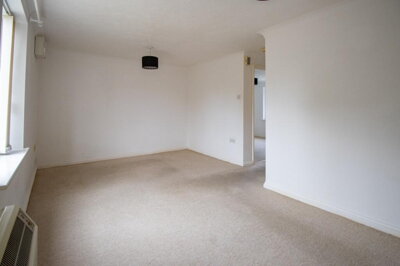
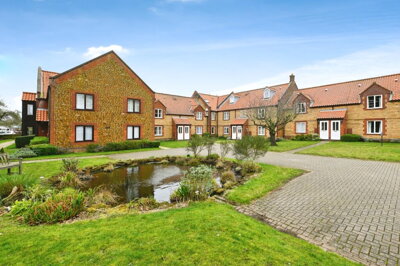
Browse 2 homes for sale in Dersingham, King's Lynn and West Norfolk from local estate agents.
Studio apartments feature open-plan living spaces without separate bedrooms, incorporating sleeping, living, kitchen, and bathroom facilities. The Dersingham studio market includes properties in modern apartment complexes, converted Victorian and Georgian buildings, and purpose-built developments.
£0k
0
0
0
Source: home.co.uk
Showing 0 results for Studio Flats for sale in Dersingham, King's Lynn and West Norfolk.
The Crick property market reflects the broader trends in West Northamptonshire, where detached properties command an average price of £475,000. Semi-detached homes average £287,000, while terraced properties typically sell for around £236,000. Flats and maisonettes in the wider area average £142,000. These figures provide useful context for buyers planning their budget, though individual properties in Crick may vary based on their specific location, condition, and historical significance. The village's Conservation Area status can add value to period properties with original features, while newer developments offer different price points for buyers seeking modern construction methods.
The rental market has shown particular strength in recent months, with average monthly private rents increasing by 4.8% from January 2025 to January 2026. Recent data shows that average rents for terraced properties and flats rose by 5.1%, with detached property rents increasing by 4.2%. This rental growth suggests strong demand in the area, which often translates to healthy capital growth for property owners. The Crick Neighbourhood Development Plan has documented substantial housing development over recent years, with new sizeable developments under construction that have increased the village footprint while maintaining the character of the original settlement. These trends indicate a property market that continues to attract buyers seeking the village lifestyle without sacrificing connectivity to major employment centres.
Understanding the local market dynamics helps buyers time their purchase effectively. West Northamptonshire saw average house prices increase by 4.0% from December 2024 to December 2025, suggesting continued upward momentum in the housing market. Properties in Crick's Conservation Area with historic features such as original ironstone walls, traditional sash windows, and period fireplaces may command premiums compared to similar properties elsewhere in the village. Newer constructions offer the advantage of modern insulation standards and contemporary layouts, while older properties provide the character and solid construction that buyers often seek in a village setting.

Life in Crick offers residents a peaceful village atmosphere with the practical benefits of excellent connectivity to major towns. The village sits at the edge of the Middle Lias escarpment, marking the limit of the Northamptonshire plateau, with the parish characterised by an abundance of sand, clay, and water features that have shaped both the landscape and the local architecture over centuries. The local landscape reflects the village's geological heritage, with the Northampton Sand Formation ironstone being extensive throughout Northamptonshire and forming the basis for many historic buildings in the village.
Walking through the village, you will notice the distinctive honey-coloured sandstone and limestone buildings that give Crick its warm, traditional appearance. The evolution of building materials in Crick tells the story of changing economic conditions and resource availability. Early dwellings were simple huts of timber, wattle, and daub, reflecting the readily available woodland. By 1500, due to timber scarcity, stone became a common building material, with at least 50% of houses partially or completely stone-built by 1700. Local brown ironstone was extracted from quarries around the village and used extensively in buildings during the 1600s and 1700s, creating the distinctive russet-brown appearance that characterises much of the historic building stock.
The village centre's Conservation Area designation ensures that development preserves the historic character that makes Crick distinctive. The predominance of ironstone construction, a material extracted from local quarries and used since the 1600s, gives the village a cohesive aesthetic. From the late 1700s onwards, brick became prevalent for house building, often locally sourced from brick pits in the surrounding area. The canal network, which historically brought imported slate to the village for roofing materials, reflects the area's long history of good transport connections and facilitated the transition from thatched roofs to more durable slate coverings. Local amenities include traditional pubs, village shops, and community facilities that serve the growing population while maintaining village charm.
Families considering a move to Crick will find educational options within the village and the surrounding West Northamptonshire area. The village benefits from its own primary school provision, serving younger children within the community and reducing the need for young families to travel significant distances for everyday education. Primary school catchments are determined by geographic criteria, so property location directly affects which school your children would attend. The village's primary school serves as a community hub, with events and activities that help new residents integrate into village life.
For secondary education, pupils typically travel to nearby towns where they can access a broader range of secondary schools and grammar school options. West Northamptonshire as a whole offers diverse educational provision, with schools across the area serving different needs and specialisms. Parents should research specific catchment areas and school performance data when considering property purchases, as school admissions are determined by geographic criteria. The proximity to Northampton provides additional options, with several secondary schools and the grammar schools in that town accessible to Crick residents. Performance data for schools across Northamptonshire is available through official government comparison tools, allowing parents to make informed decisions about their children's education.
The village's growth has been accompanied by attention to infrastructure planning, including educational provision, as documented in the Neighbourhood Development Plan. Sixth form and further education options are available in nearby Northampton, providing progression pathways for older students who wish to remain in the local area while pursuing advanced qualifications. Families moving to Crick should consider the long-term educational needs of their children, as school quality and catchment areas can significantly impact property values and family life in the village.
Crick enjoys strategic positioning within Northamptonshire, offering residents practical transport connections while maintaining its village character. The village sits near major road routes that provide access to the wider region, with connections to the A14 and other key arterial roads serving as lifelines for commuters. This positioning makes Crick particularly attractive to commuters who work in Northampton, Milton Keynes, or the wider South Midlands area. The village's location between these major towns provides residents with genuine flexibility in their commuting options, avoiding dependence on a single route or destination.
The canal network that passes through Crick reflects the area's long history of sophisticated transport connections. The Grand Union Canal, which connects London to Birmingham, passes through Northamptonshire and historically brought imported Welsh slate to villages like Crick for roofing materials. This imported slate replaced thatch as the preferred roofing material from the late 1700s onwards, reflecting the improvements in transport infrastructure that made the village more connected to national supply chains. Today, the canal offers recreational opportunities for residents, with walking and cycling routes along its banks providing pleasant routes for leisure and commuting.
Public transport options include bus services connecting Crick to nearby towns and villages, providing essential connectivity for those who prefer not to drive. For rail travel, the nearest major stations are located in Northampton and Milton Keynes, offering connections to London and other major destinations including direct services to London Euston and London Marylebone. Parking availability within the village accommodates both residents and visitors, with historic buildings having been adapted over centuries to meet changing needs. The combination of road, rail, and canal connections gives Crick residents multiple options for accessing employment, education, and leisure facilities across the region.
Spend time exploring Crick to understand the village character, proximity to amenities, and commute times. Visit at different times of day and speak to residents about their experience of living here. The Conservation Area designation affects what changes you can make to properties, so understanding this before purchasing is important. Consider the specific characteristics of different parts of the village, from the historic core around the parish church to newer developments on the village outskirts.
Contact lenders or brokers to obtain a mortgage agreement in principle before you start viewing properties. This strengthens your position when making offers and demonstrates to sellers that you are a serious buyer with financing in place. Given the average property prices in the West Northamptonshire area, most buyers will require substantial mortgages, so getting agreement in principle early helps you understand your true budget and avoids disappointment later in the process.
Work with local estate agents to arrange viewings of properties that match your criteria. Consider viewing a range of properties including older listed buildings and newer constructions to understand the full spectrum of what Crick offers. When viewing period properties, pay attention to the condition of traditional features such as ironstone walls, original windows, and historic fireplaces that contribute to the village's distinctive character.
Before completing your purchase, arrange a RICS Level 2 Survey to assess the property condition. Given the age of many properties in Crick, with significant numbers built in the 17th and 18th centuries, a thorough survey is particularly important to identify any issues with historic construction materials. Our inspectors are experienced in assessing traditional Northamptonshire construction and can identify common issues affecting ironstone walls, traditional timber frame elements, and period features that require specialist maintenance.
Choose a conveyancing solicitor to handle the legal aspects of your purchase. They will conduct searches, handle contracts, and ensure the transfer of ownership proceeds smoothly. Searches will include checks with West Northamptonshire Council, environmental records, and drainage searches appropriate for the local geology and village infrastructure.
Once all searches are satisfactory and both parties agree on terms, you will exchange contracts and pay your deposit. Completion typically follows shortly after, when you receive the keys and take ownership of your new home in Crick. Our team can connect you with recommended conveyancing solicitors who have experience with properties in the village and understand the specific considerations for Conservation Areas and listed buildings.
Buying property in Crick requires attention to the specific characteristics of this historic village, where understanding local construction methods and materials helps buyers make informed decisions. The presence of clay soils in the parish, combined with the local geology on the edge of the Middle Lias escarpment, means that potential buyers should consider the shrink-swell risk that can affect properties built on clay substrates. Ground movement caused by clay expanding and contracting with moisture changes can create structural issues over time, particularly in older buildings that may have experienced different ground conditions over their lifetime. Our inspectors are experienced in identifying the signs of such movement in properties throughout the village.
The Conservation Area designation in the village centre brings planning restrictions that affect permitted development rights. If you are considering purchasing a listed property, you should be aware that Listed Building Consent may be required for alterations, and Historic England guidance will apply to any work affecting the historic fabric. West Northamptonshire has a total of 3838 listed buildings and structures, reflecting the area's rich heritage. In Crick specifically, there are 46 Grade II listed buildings alongside the Grade I listed St Margaret of Antioch Parish Church, predominantly houses dating from the 17th and 18th centuries.
The building materials used throughout Crick require specific knowledge for maintenance and repair. When viewing period properties, pay attention to the condition of roofing materials, particularly the transition from traditional slate or thatch to more modern tiles. The condition of ironstone walls should be assessed for signs of weathering, cracking, or previous repairs. Look for any signs of damp in walls built from the local honey-coloured sandstone or limestone, as these materials can be susceptible to moisture penetration if not properly maintained. Traditional timber frame elements, where present, should be checked for signs of woodworm or rot, particularly in areas exposed to moisture.
While specific price data for Crick village itself is limited, West Northamptonshire average prices provide useful guidance for buyers planning their budget. Detached properties average £475,000, semi-detached homes £287,000, terraced properties £236,000, and flats £142,000. Properties in Crick's Conservation Area with historic features such as original ironstone walls, traditional fireplaces, and period sash windows may command premiums compared to similar properties elsewhere in the village. The rental market shows strong growth, with rents increasing by 4.8% annually, indicating sustained demand and making Crick attractive to both homeowners and investors seeking rental income.
Properties in Crick fall under West Northamptonshire Council for council tax purposes, and the council maintains properties across the unitary authority area that includes Crick, Northampton, and surrounding villages. Specific bandings depend on the property valuation and age, with older listed buildings often falling into higher bands due to their historic value and the complexities involved in their maintenance. You can check specific properties on the Valuation Office Agency website or request this information from the selling agent when viewing properties. The village's mix of period and modern properties means council tax bands can vary significantly between neighbouring homes, even on the same street.
Crick has primary school provision serving younger children within the village itself, with the school serving as a focal point for family life in the community. For secondary education, pupils typically access schools in nearby towns including grammar schools where entry is by selection through the 11-plus examination. West Northamptonshire offers a range of educational options, and parents should research specific school performance data through official comparison tools available on the government website. The proximity to Northampton provides additional secondary and sixth form options, with further education colleges available in the wider area for students pursuing vocational or academic qualifications beyond GCSE level.
Crick is served by bus routes connecting the village to nearby towns and providing essential links for residents without cars. For rail travel, residents use stations in Northampton and Milton Keynes, both offering regular services to London and major cities including direct connections to London Euston and London Marylebone. The village's position near the A14 provides straightforward road connections to the Midlands and East Anglia, making it practical for commuters working in Leicester, Cambridge, or Birmingham. While a car provides maximum flexibility for accessing local amenities and commuting, public transport options make occasional travel practical for many residents.
Crick offers several factors that appeal to property investors seeking returns in the West Northamptonshire market. The village has experienced population growth from 1,460 in 2001 to 1,886 in 2011, demonstrating sustained appeal that has continued in the years since. Rental prices have risen by 4.8% over the past year, showing strong tenant demand from renters seeking village living with good transport connections. The Conservation Area and listed building stock suggest properties will retain their character and value over time, as planning controls prevent unsympathetic development that could diminish the village's appeal.
Stamp Duty Land Tax applies at standard rates for properties in England, including those in Crick which falls within the standard-rate band for England. For main residences, you pay nothing on the first £250,000 of the purchase price, then 5% on the portion from £250,001 to £925,000. First-time buyers benefit from more generous relief, paying nothing on the first £425,000 and 5% between £425,001 and £625,000. Properties above £925,000 do not qualify for first-time buyer relief. Given average property prices in West Northamptonshire, many buyers purchasing detached properties will fall into the 5% band. Your solicitor will calculate the exact amount based on your purchase price and circumstances at the time of purchase.
Understanding the costs involved in purchasing property in Crick helps you budget accurately for your move and avoid surprises during the transaction process. Stamp Duty Land Tax represents a significant cost for most buyers, with current thresholds set at 0% for the first £250,000 of a property's purchase price. Above this threshold, the rate increases to 5% on the portion up to £925,000, then 10% up to £1.5 million, with 12% applying above that figure. First-time buyers benefit from more generous thresholds, paying nothing on the first £425,000 and 5% between £425,001 and £625,000, which provides meaningful savings for those purchasing their first home.
Beyond stamp duty, buyers should budget for solicitor fees, which typically start from around £499 for conveyancing work on a standard transaction. A RICS Level 2 Survey costs from approximately £350 and provides essential information about the property condition, particularly important for older properties in Crick where the 17th and 18th-century building stock may have specific maintenance needs. Surveyors will assess the condition of the building fabric, including the distinctive ironstone construction and traditional building methods that characterise many properties in the village. Our inspectors have experience with Northamptonshire construction and understand the common issues affecting period properties in the area.
An Energy Performance Certificate costs from £60 and is required before sale, providing buyers with information about the energy efficiency of the property. Mortgage arrangement fees, valuation fees, and removal costs complete the typical budget for a property purchase. For buyers purchasing period properties in Crick's Conservation Area, additional costs may arise if the property requires Listed Building Consent for works or if specialist surveys are needed to assess the condition of historic features. Budgeting for these potential costs upfront helps ensure a smooth transaction without financial surprises.

The buildings of Crick tell a story of changing construction techniques and materials that spans several centuries, reflecting the village's evolution from a small agricultural settlement to the thriving community it is today. Understanding these construction methods helps buyers appreciate the properties they are considering and anticipate the maintenance requirements that come with different building types. Our inspectors regularly assess properties throughout Crick and can provide detailed reports on the construction methods used and any issues identified during inspection.
Early dwellings in Crick were simple huts of timber, wattle, and daub, reflecting the readily available woodland that covered the area before agricultural clearance. These primitive structures used a framework of timber poles woven with hazel twigs and coated with a mud and straw mixture, creating walls that were warm but required regular maintenance and replacement. By 1500, due to timber scarcity as woodland was cleared for agriculture, stone became a common building material, with at least 50% of houses partially or completely stone-built by 1700. This transition marked a significant improvement in the durability and character of village buildings.
Local brown ironstone was extracted from quarries around the village and used extensively in buildings during the 1600s and 1700s, creating the distinctive russet-brown appearance that characterises much of the historic building stock. Northamptonshire also has honey-coloured sandstone and whiter limestone that were used for more prestigious buildings and details. The ironstone bricks, often locally made, have been used in large quantities for hundreds of years and give many buildings in Crick their characteristic warm colour. From the late 1700s onwards, brick became prevalent for house building, often locally sourced from brick pits in the surrounding area, as transport improvements made it easier to distribute materials throughout the region.
Crick represents a compelling choice for buyers seeking a balance between rural village life and practical connectivity to major towns and cities. The village sits at the edge of the Middle Lias escarpment, offering views across the Northamptonshire countryside while providing straightforward access to employment and amenities in Northampton, Milton Keynes, and the wider South Midlands. The population growth from 1,460 in 2001 to 1,886 in 2011 demonstrates sustained appeal, and the Crick Neighbourhood Development Plan documents continued development that has expanded the village while preserving its essential character.
The presence of nearly 50 listed buildings, predominantly houses from the 17th and 18th centuries, gives Crick a rich architectural heritage that adds character and value to the village. Properties in the Conservation Area benefit from planning controls that protect their historic character, ensuring that the village will retain its distinctive appearance for future generations. The village centre designation means that new development must respect the existing scale, materials, and layout of the historic settlement, protecting the investment of buyers who purchase period properties.
For commuters, Crick's strategic location provides access to major road routes including the A14, while rail connections from nearby Northampton and Milton Keynes offer regular services to London and other major destinations. The village offers practical amenities including shops, pubs, and community facilities, reducing the need for daily travel to larger towns. Families are well-served by local primary schooling and good secondary education options in the surrounding area. The combination of historic character, practical connectivity, and strong community makes Crick an attractive location for buyers at various stages of their lives and careers.
Properties for Sale In London

Properties for Sale In Plymouth

Properties for Sale In Liverpool

Properties for Sale In Glasgow

Properties for Sale In Sheffield

Properties for Sale In Edinburgh

Properties for Sale In Coventry

Properties for Sale In Bradford

Properties for Sale In Manchester

Properties for Sale In Birmingham

Properties for Sale In Bristol

Properties for Sale In Oxford

Properties for Sale In Leicester

Properties for Sale In Newcastle

Properties for Sale In Leeds

Properties for Sale In Southampton

Properties for Sale In Cardiff

Properties for Sale In Nottingham

Properties for Sale In Norwich

Properties for Sale In Brighton

Properties for Sale In Derby

Properties for Sale In Portsmouth

Properties for Sale In Northampton

Properties for Sale In Milton Keynes

Properties for Sale In Bournemouth

Properties for Sale In Bolton

Properties for Sale In Swansea

Properties for Sale In Swindon

Properties for Sale In Peterborough

Properties for Sale In Wolverhampton

Enter your details to see if this property is within your budget.
Loans, cards, car finance
Estimated property budget
Borrowing + deposit
You could borrow between
Typical borrowing
Monthly repayment
Est. at 4.5%
Loan-to-value
This is an estimate only. Your actual budget may vary depending on interest rates, credit history, and personal circumstances. For an accurate affordability assessment, speak to one of our free mortgage advisors.
This calculator provides estimates for illustrative purposes only and does not constitute financial advice. Your home may be repossessed if you do not keep up repayments on your mortgage. Estimates based on 4.5% interest rate, repayment mortgage. Actual rates depend on your circumstances.
Homemove is a trading name of HM Haus Group Ltd (Company No. 13873779, registered in England & Wales). Homemove Mortgages Ltd (Company No. 15947693) is an Appointed Representative of TMG Direct Limited, trading as TMG Mortgage Network, which is authorised and regulated by the Financial Conduct Authority (FRN 786245). Homemove Mortgages Ltd is entered on the FCA Register as an Appointed Representative (FRN 1022429). You can check registrations at NewRegister or by calling 0800 111 6768.

We use cookies to show you personalised content and improve your experience of our website. Find out more in our Privacy policy and Cookie policy.