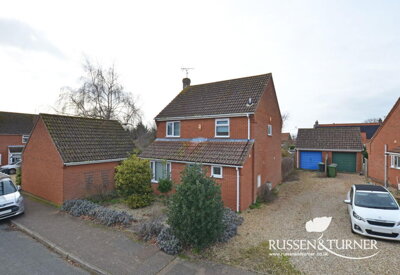
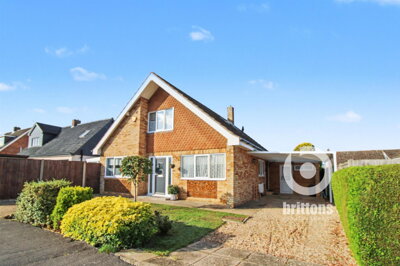
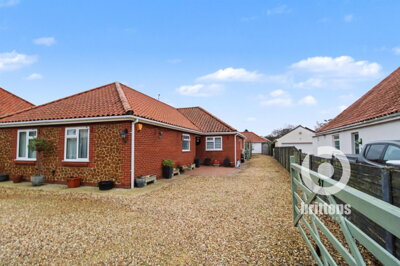
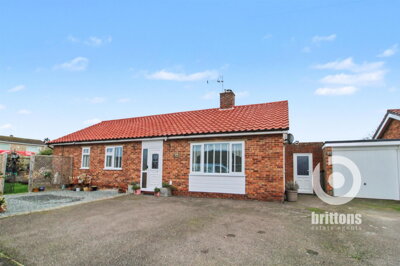
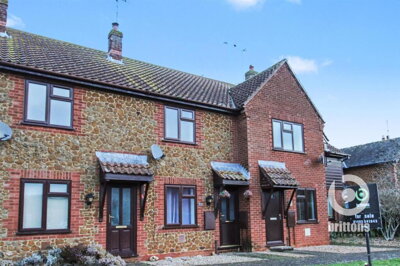
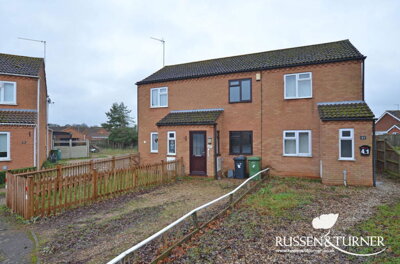
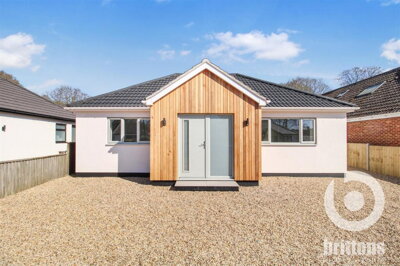
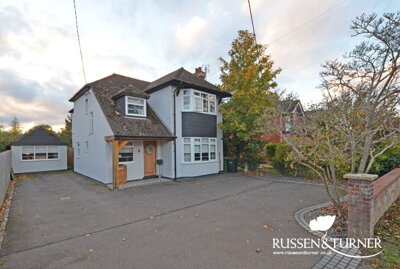
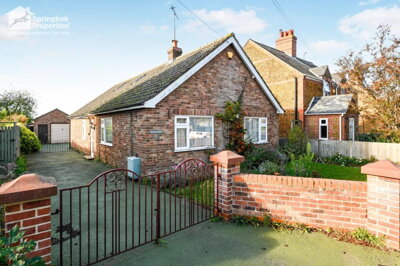
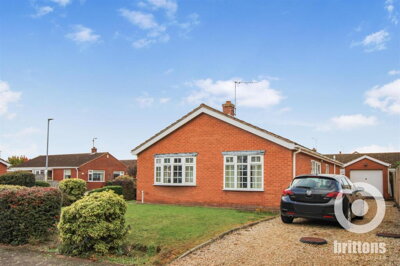
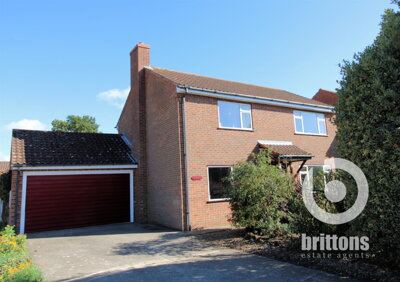
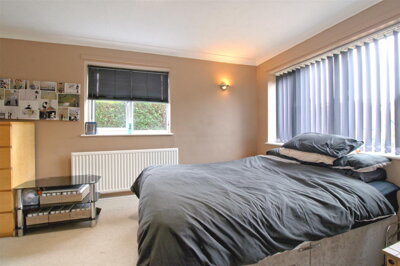
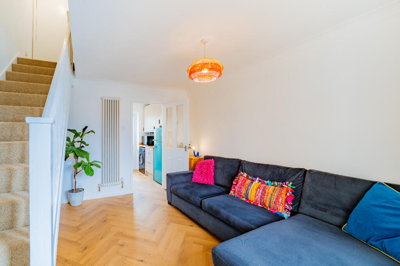
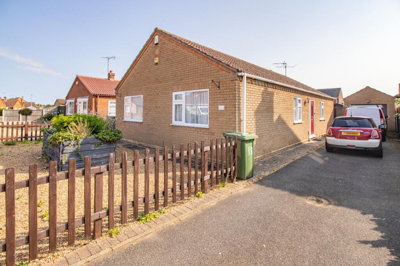
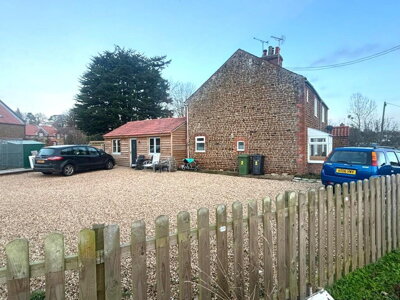
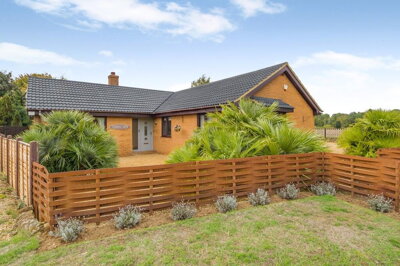
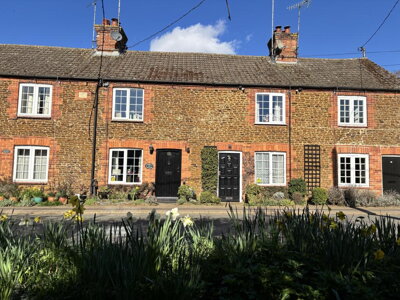
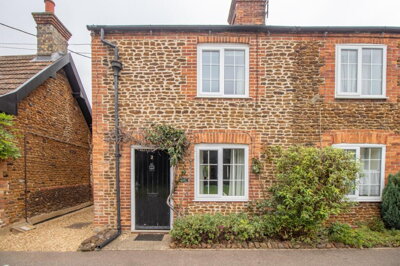
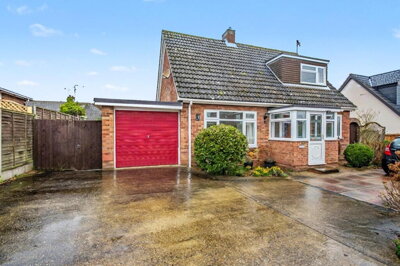
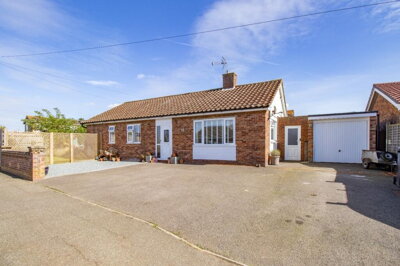
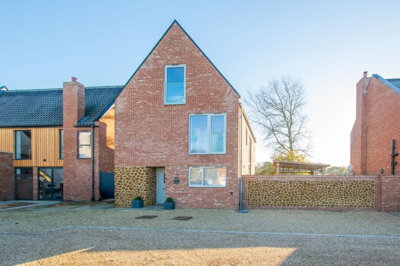
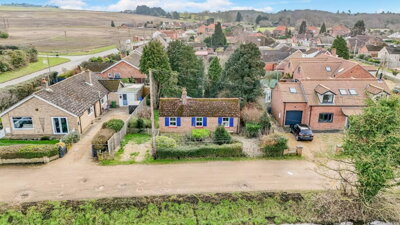
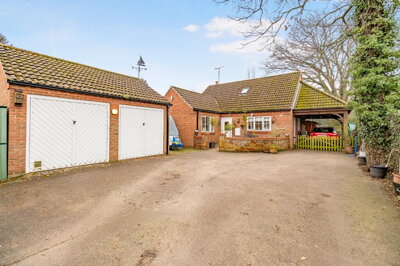
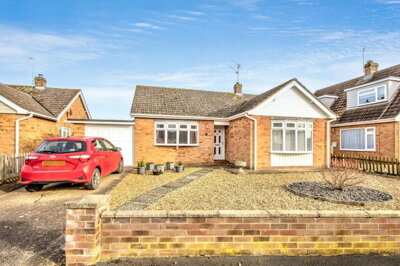
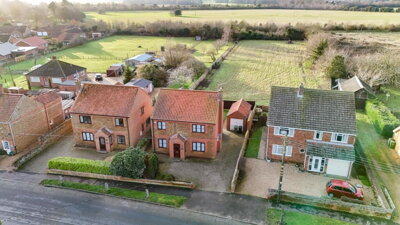
Browse 120 homes for sale in Dersingham, King's Lynn and West Norfolk from local estate agents.
£300k
59
3
143
Source: home.co.uk
Source: home.co.uk
Detached
22 listings
Avg £437,045
Detached Bungalow
14 listings
Avg £358,211
Semi-Detached
10 listings
Avg £257,500
Chalet
3 listings
Avg £503,333
Semi-Detached Bungalow
3 listings
Avg £248,333
Bungalow
2 listings
Avg £342,500
Cottage
2 listings
Avg £260,000
Terraced
2 listings
Avg £164,995
End of Terrace
1 listings
Avg £230,000
Source: home.co.uk
Source: home.co.uk
£475,000
Average Detached Price
1,886
Village Population (2011)
47
Listed Buildings
4.8%
Annual Rental Growth
The property market in Crick reflects its status as a sought-after village location within West Northamptonshire. Properties here range from historic stone cottages dating back to the 17th and 18th centuries to more recent developments that have expanded the village over the years. The Crick Neighbourhood Development Plan has documented substantial housing developments that have increased the village size while attempting to preserve the character that makes this area distinctive. The presence of nearly 50 listed buildings, many constructed from the local brown ironstone that defines Northamptonshire architecture, gives the village a timeless quality that appeals to buyers seeking character properties.
West Northamptonshire as a whole has experienced steady price growth, with the average house price in the neighbouring North Northamptonshire area rising by 4.0% from December 2024 to December 2025. For buyers considering Crick, the wider market data provides useful context: detached homes in the authority area command premium prices averaging £475,000, while more affordable terraced properties typically sell for around £236,000. The rental market has also shown resilience, with terraced properties and flats seeing rent increases of 5.1% over the past year. These figures suggest a healthy market with sustained demand from both buyers and tenants.
Our platform provides access to properties across the village, from cottages in the Conservation Area near St Margaret of Antioch Parish Church to newer developments on the village outskirts. The variety of property types available reflects Crick's unique position as a village that has grown thoughtfully over centuries while maintaining its essential character. Whether you are looking for a period cottage with original ironstone walls or a modern family home with contemporary fittings, searching our listings will help you identify properties that match your requirements and budget.

Life in Crick offers a quintessentially English village experience, with a strong sense of community and a rich historical heritage that dates back centuries. The village centre is designated as a Conservation Area, helping to preserve its distinctive character and ensure that new developments respect the traditional architecture that defines the locality. St Margaret of Antioch Parish Church stands as the village's most significant landmark, a Grade I listed building that has anchored the community for generations. Alongside the church, there are over 40 Grade II listed buildings throughout the village, predominantly houses built during the 17th and 18th centuries using local materials including the characteristic brown ironstone quarried from the surrounding area.
The geography of Crick is shaped by its position on the edge of the Middle Lias escarpment, which marks the limit of the Northamptonshire plateau. The parish benefits from an abundance of natural resources, including sand, clay, and water, which historically supported local building trades and agriculture. Walking through the village, you will notice how the architecture reflects this geological heritage: early timber and wattle constructions gave way to stone buildings as timber became scarce, and later to brick as the canal network enabled easier transport of materials. The village retains several green spaces and maintains the layout that developed over centuries, creating an environment that feels established and welcoming to new residents.
Our team has extensive knowledge of the Crick property landscape. The construction history of the village tells a fascinating story: early dwellings were simple timber, wattle, and daub structures, but as timber became scarce around 1500, stone became the dominant building material. By 1700, at least 50% of houses were partially or completely stone-built. The local brown ironstone quarried from the surrounding area became the defining feature of Crick's architecture, giving the village its distinctive warm tones. Later, as the canal network expanded in the late 1700s, brick became prevalent for house building, often locally sourced from brick pits, and slate imported via the canals replaced traditional thatch roofing. Understanding this local construction heritage helps our inspectors assess properties accurately during surveys.
Education provision in Crick serves families looking to settle in this part of West Northamptonshire, with the village offering primary school options and easy access to secondary schools in surrounding towns. The local primary school in Crick provides education for younger children, giving families the convenience of a village-based start to their child's education. For secondary education, pupils typically travel to schools in nearby towns such as Daventry or Northampton, which offer a wider range of secondary schools and sixth form provision. The presence of good school options nearby makes Crick an attractive location for families at various stages of their educational journey.
Parents researching schools in the area should note that catchment areas can significantly influence which schools children attend, and school performance metrics are updated annually by Ofsted. For families moving to Crick, visiting potential schools and understanding the admissions criteria is an important part of the house-buying process. The wider West Northamptonshire area offers several well-regarded secondary schools, with grammar schools available in certain nearby locations for those who meet the entrance criteria. Private school options also exist in the region for families seeking alternative educational pathways for their children.
When searching for homes for sale in Crick, families often prioritise proximity to good schools, which can influence property values in specific areas of the village. Properties within the catchment area of a well-performing primary school may command a premium, while those closer to bus routes serving secondary schools in Northampton or Daventry offer practical benefits for families with older children. We recommend checking current admission policies and considering how school transport arrangements might affect your daily routine before committing to a particular property.
Crick benefits from its position in Northamptonshire, offering commuters practical access to major employment centres without the stress of city centre living. The village is well-connected by road, with the A428 providing local routes and the M1 motorway accessible within a reasonable drive, linking residents to Northampton, Milton Keynes, and onwards to Birmingham and London. For those working in London, the journey to the capital is manageable, with train services from Northampton taking approximately one hour to reach Euston. This makes Crick particularly appealing to workers who need metropolitan connectivity while preferring village-style accommodation.
Local bus services connect Crick to surrounding towns, providing essential transport options for those without cars or who prefer public transport for shorter journeys. The canal network that once brought slate and other materials to the village now forms part of the local heritage landscape, with the Grand Union Canal passing nearby and offering recreational opportunities for residents. Cycling infrastructure in the wider area has been improving, with various routes available for commuters and leisure cyclists alike. Parking in the village itself is generally straightforward, a practical advantage over more densely populated areas where congestion and parking costs can add daily frustration to residents.
Our platform can help you identify commuter-friendly properties in Crick that balance village living with practical transport connections. Properties near the village centre offer easy access to bus stops, while those on the outskirts may provide quicker access to the A428 for drivers. Train connections from Northampton station provide regular services to London, making day commuting feasible for those working in the capital. Whether you prioritise walking distance to public transport or quick motorway access, browsing our Crick listings will help you find a property that suits your commuting requirements.
Start by exploring properties available in Crick and understanding price trends in West Northamptonshire. Our platform provides access to listings across the village, helping you identify properties that match your requirements and budget before arranging viewings. Consider the different property types available, from historic ironstone cottages to modern family homes, and note how prices vary between different streets and developments within the village.
Before viewing properties, obtain a mortgage agreement in principle from a lender. This demonstrates your seriousness to sellers and estate agents, strengthening your position when you make an offer on a property in competitive village markets like Crick. Having this documentation ready can make the difference when multiple buyers are interested in the same property.
Visit properties that meet your criteria, paying attention to construction materials and age of properties in Crick. Many homes use traditional materials like ironstone and brick, so understanding their maintenance requirements is valuable before purchase. Our team can accompany you on viewings to provide expert guidance on each property and highlight potential issues based on the local construction methods used in different eras of village development.
Once you have an offer accepted, arrange a RICS Level 2 Survey to assess the property condition. This is particularly important for older listed buildings in Crick, where issues with traditional construction methods may not be immediately visible. Our inspectors have experience with local construction types including ironstone walls, timber-framed structures, and properties that have seen various alterations over the centuries.
Choose a solicitor experienced in West Northamptonshire property transactions to handle the legal aspects of your purchase. They will conduct searches, review contracts, and ensure a smooth transfer of ownership. Local knowledge of the Crick area can be valuable when dealing with issues such as rights of way, conservation area requirements, and any village-specific covenants.
Your solicitor will coordinate the final steps, including searches, mortgage arrangements, and any conditions attached to your sale. On completion day, you will receive the keys to your new Crick home.
Buying a property in Crick requires attention to specific local factors that could affect your investment and quality of life. The village's Conservation Area status means that certain works to properties may require planning permission from West Northamptonshire Council, and any external alterations should respect the traditional character of the area. If you are considering a period property, understanding the specific conservation guidelines applicable to your street will help you plan any future improvements appropriately and avoid unexpected restrictions.
The geological conditions in Crick, situated on clay-rich terrain at the edge of the Middle Lias escarpment, mean that some properties may be susceptible to ground movement. Properties with extensive gardens or those built on varying ground levels particularly benefit from a thorough RICS Level 2 Survey before purchase. The presence of older construction methods, including traditional timber-framed buildings with wattle and daub infill, means that potential buyers should investigate the condition of structural elements and any history of movement or repairs. Additionally, many village properties will have features reflecting centuries of local building tradition, from ironstone walls to original flagstone floors, which add character but may require specific maintenance knowledge.
Our inspectors frequently identify issues specific to Crick's older properties during surveys. Ironstone construction, while durable, can be susceptible to frost damage in exposed areas, and pointing may require renewal over time. Timber-framed properties with wattle and daub infill need checking for signs of damp or insect activity in the structural timbers. Properties where the original thatch roofing has been replaced with slate or tiles should be checked for the condition of the underlying structure. Our team brings local knowledge to every inspection, understanding the specific challenges presented by each construction era represented in Crick.
When viewing properties, pay attention to signs of potential issues. Check walls for cracking or movement, particularly around door and window openings. Look for evidence of damp in ground-floor rooms and basements, which can be more common in older properties with solid floors. Examine the roof structure from within any accessible loft space, looking for signs of timber deterioration or inadequate ventilation. Our RICS Level 2 Survey provides a comprehensive assessment of all accessible areas, giving you the information needed to make an informed decision about your Crick property purchase.
While specific transaction data for Crick village itself is limited, properties in the wider West Northamptonshire area provide useful market context. Detached properties average approximately £475,000, semi-detached homes around £287,000, terraced properties at roughly £236,000, and flats at about £142,000. The rental market has shown growth of 4.8% annually, indicating sustained demand. For accurate pricing on specific Crick properties, searching our current listings will provide up-to-date information on asking prices and recent sales in the village itself.
Properties in Crick fall under West Northamptonshire Council for council tax purposes. Bands range from A to H based on property value, with most traditional village cottages and smaller properties typically falling in bands A to C, while larger family homes and detached properties often occupy higher bands. You can check the specific band for any property through the Valuation Office Agency website or your solicitor during the conveyancing process. Council tax bands can affect your ongoing costs of homeownership, so it is worth verifying this information before completing your purchase.
Crick has a local primary school serving the immediate community, providing education for children in the early years and key stage one. For secondary education, families typically access schools in nearby towns, with several options within reasonable commuting distance. West Northamptonshire offers a variety of educational settings, and we recommend checking current Ofsted ratings and admission criteria to find the best fit for your family circumstances. Parents should also research school catchment areas, as these can significantly influence which schools children attend and may affect property values in specific areas of the village.
Crick is served by local bus routes connecting the village to surrounding towns including Daventry and Northampton. Train services are accessible from stations in nearby towns, with direct rail connections to London from Northampton taking approximately one hour. The village's position between major road networks makes it practical for those who combine public transport with car travel for their daily commute. For residents working in Milton Keynes or Birmingham, the M1 motorway provides straightforward road access, making Crick an attractive location for commuters seeking village living with good transport options.
Crick offers several factors that make it attractive for property investment. The village has seen consistent development in recent years, with the Neighbourhood Development Plan supporting managed growth. West Northamptonshire has experienced house price growth of around 4% in the past year, and rental demand remains strong with similar percentage increases. The Conservation Area status helps protect property values by maintaining the village's distinctive character, while excellent transport links ensure continued appeal to commuters. The village population grew from 1,460 in 2001 to 1,886 in 2011, indicating sustained growth that continues to attract new residents seeking village life with good connectivity.
Stamp Duty Land Tax applies to all property purchases in England. For standard purchases, there is no tax on the first £250,000 of property value, with 5% charged on the portion from £250,001 to £925,000. Properties above £925,000 incur 10% up to £1.5 million, and 12% on any value above that. First-time buyers benefit from relief on the first £425,000, with 5% applied between £425,001 and £625,000. Your solicitor will calculate the exact amount due based on your circumstances and purchase price.
Crick offers a diverse range of property types reflecting its long history and recent development. Historic ironstone cottages from the 17th and 18th centuries line the village's Conservation Area, many featuring original features such as flagstone floors, exposed beam ceilings, and working fireplaces. Victorian and Edwardian properties built from locally made brick represent the later phases of village growth, while modern family homes have been added through various housing developments documented in the Neighbourhood Development Plan. This mix of old and new provides options for different preferences and budgets, from characterful period cottages to contemporary detached houses.
Understanding the full costs of buying a property in Crick extends beyond the purchase price to include stamp duty, legal fees, and survey costs. For a typical family home in Crick priced at the regional average of around £350,000 for a semi-detached property, standard stamp duty would be calculated at 5% on the amount above £250,000, resulting in a tax liability of £5,000. First-time buyers purchasing at this price point would benefit from relief on the first £425,000, meaning no stamp duty would be due on properties within that threshold. Your solicitor will calculate the exact SDLT based on your purchase price, residency status, and whether you own other properties.
Additional buying costs include solicitor fees, which typically range from £500 to £1,500 depending on the complexity of the transaction and whether the property is freehold or leasehold. A RICS Level 2 Survey costs from approximately £350 and provides essential protection, particularly for older properties in Crick where traditional construction methods may have specific maintenance requirements. An Energy Performance Certificate costs from around £60 and is a legal requirement for all property sales. For those needing a mortgage, arrangement fees of 0.5% to 1.5% of the loan amount may apply, though many lenders offer fee-free mortgages. Budgeting for removals, potential repairs, and a contingency fund of around 10% of your purchase price is advisable for a stress-free move to your new Crick home.
Ready to find your perfect home in Crick? Our platform provides access to the latest property listings in this charming West Northamptonshire village. Browse current offerings and connect with local estate agents to arrange viewings. Whether you are seeking a period cottage with original features or a modern family home in a well-connected village, Crick has something to offer. Start your search today and take the first step toward securing your new home in this desirable Northamptonshire location.

Properties for Sale In London

Properties for Sale In Plymouth

Properties for Sale In Liverpool

Properties for Sale In Glasgow

Properties for Sale In Sheffield

Properties for Sale In Edinburgh

Properties for Sale In Coventry

Properties for Sale In Bradford

Properties for Sale In Manchester

Properties for Sale In Birmingham

Properties for Sale In Bristol

Properties for Sale In Oxford

Properties for Sale In Leicester

Properties for Sale In Newcastle

Properties for Sale In Leeds

Properties for Sale In Southampton

Properties for Sale In Cardiff

Properties for Sale In Nottingham

Properties for Sale In Norwich

Properties for Sale In Brighton

Properties for Sale In Derby

Properties for Sale In Portsmouth

Properties for Sale In Northampton

Properties for Sale In Milton Keynes

Properties for Sale In Bournemouth

Properties for Sale In Bolton

Properties for Sale In Swansea

Properties for Sale In Swindon

Properties for Sale In Peterborough

Properties for Sale In Wolverhampton

Enter your details to see if this property is within your budget.
Loans, cards, car finance
Estimated property budget
Borrowing + deposit
You could borrow between
Typical borrowing
Monthly repayment
Est. at 4.5%
Loan-to-value
This is an estimate only. Your actual budget may vary depending on interest rates, credit history, and personal circumstances. For an accurate affordability assessment, speak to one of our free mortgage advisors.
This calculator provides estimates for illustrative purposes only and does not constitute financial advice. Your home may be repossessed if you do not keep up repayments on your mortgage. Estimates based on 4.5% interest rate, repayment mortgage. Actual rates depend on your circumstances.
Homemove is a trading name of HM Haus Group Ltd (Company No. 13873779, registered in England & Wales). Homemove Mortgages Ltd (Company No. 15947693) is an Appointed Representative of TMG Direct Limited, trading as TMG Mortgage Network, which is authorised and regulated by the Financial Conduct Authority (FRN 786245). Homemove Mortgages Ltd is entered on the FCA Register as an Appointed Representative (FRN 1022429). You can check registrations at NewRegister or by calling 0800 111 6768.

We use cookies to show you personalised content and improve your experience of our website. Find out more in our Privacy policy and Cookie policy.