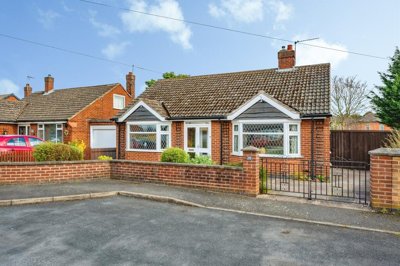
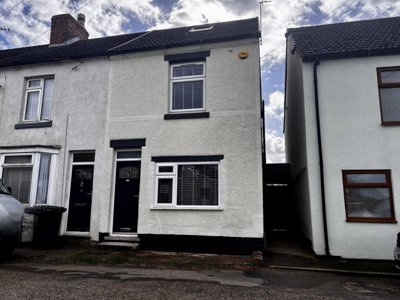
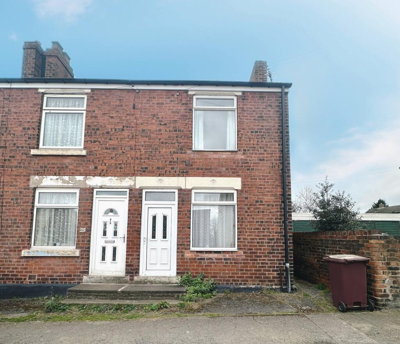
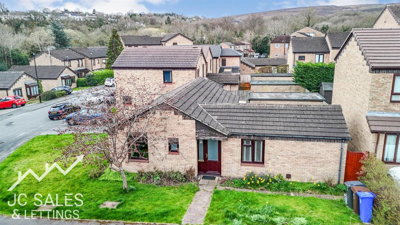
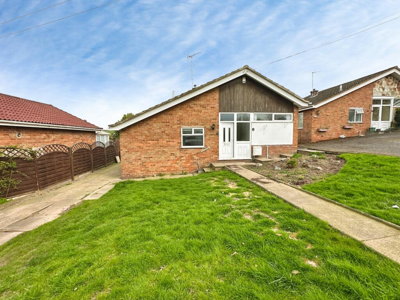
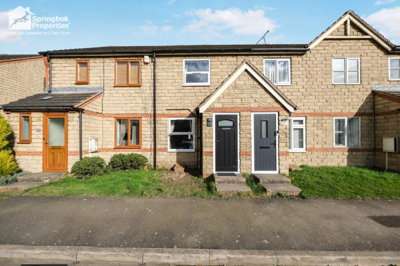
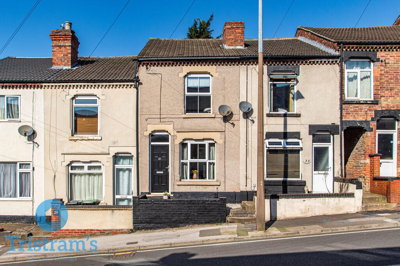
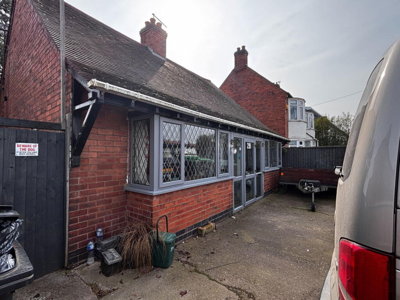
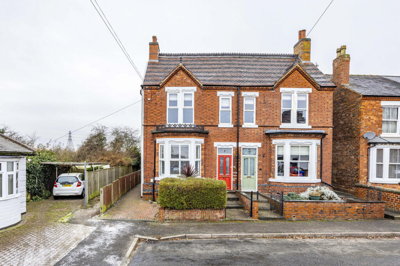
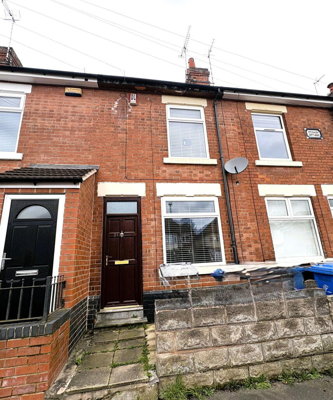
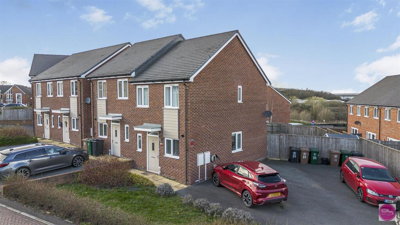
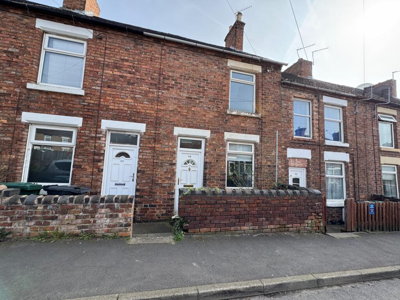
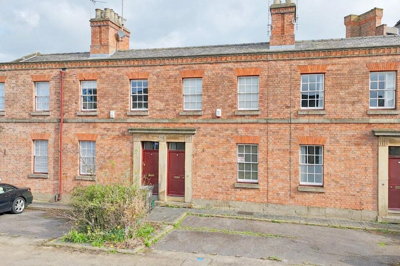
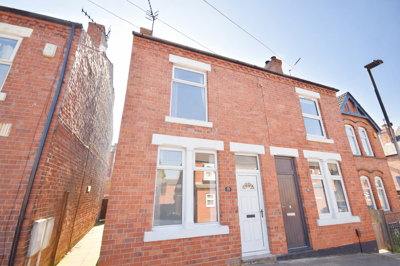
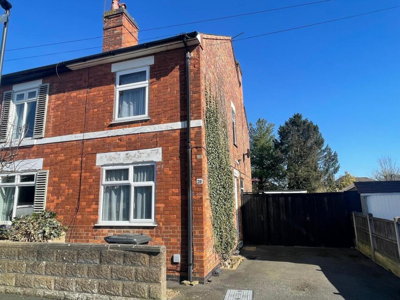
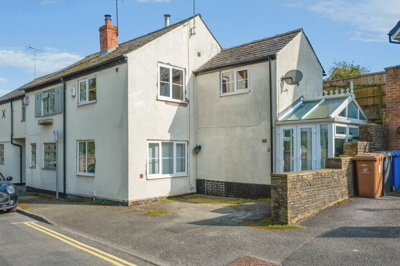
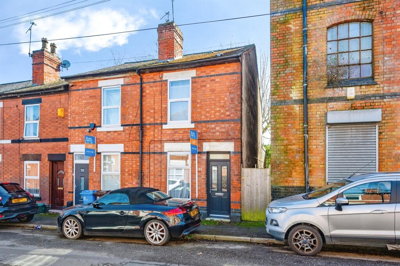
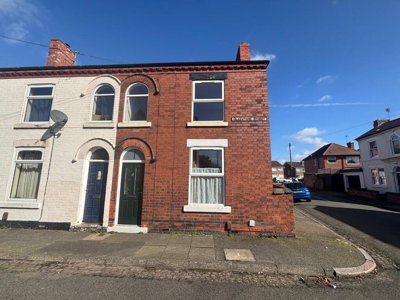
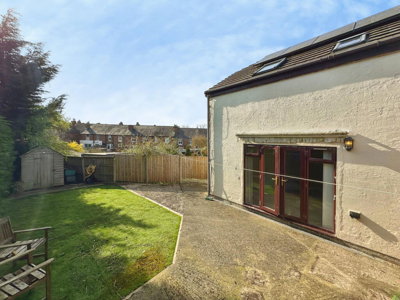
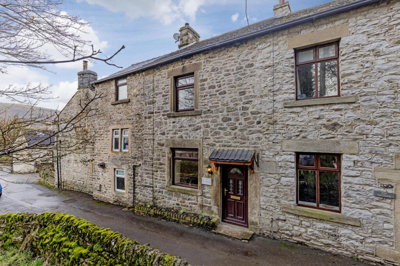
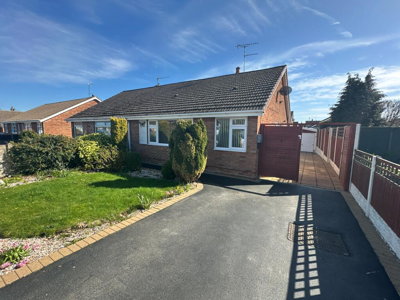
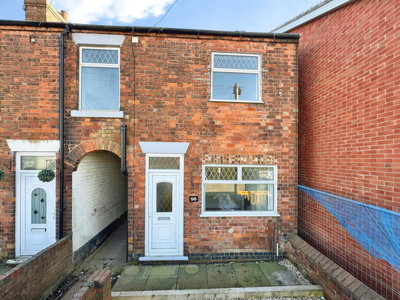
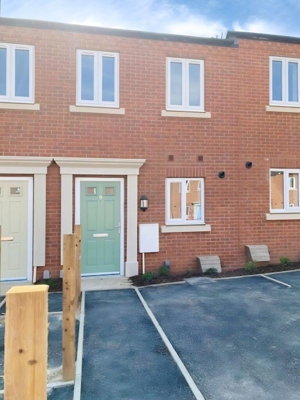
Browse 3,941 homes for sale in Derbyshire, East Midlands from local estate agents.
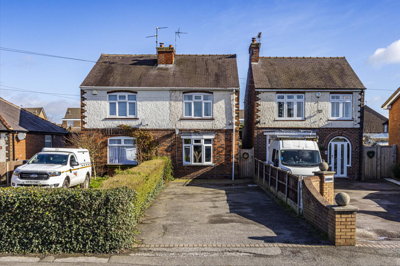
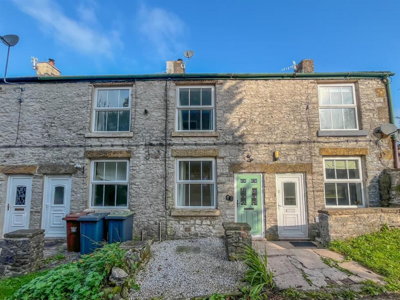
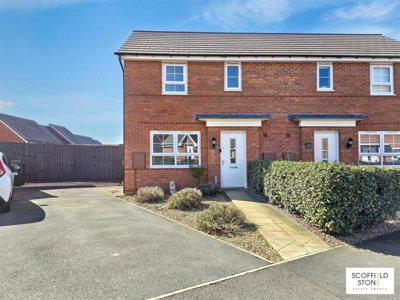
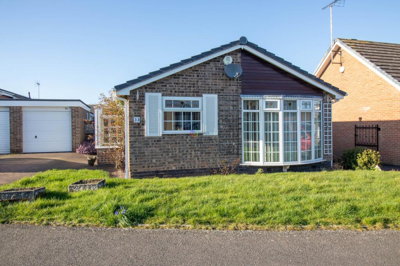
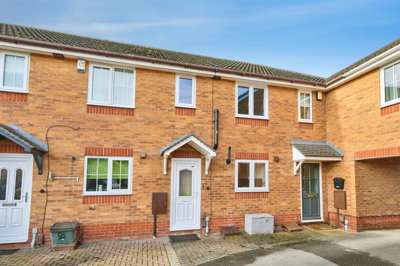
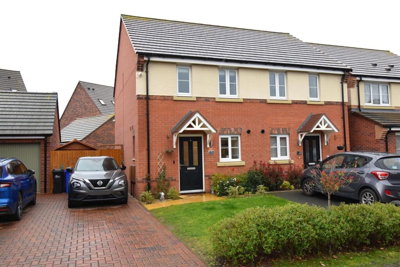
The 2 bed house market features detached, semi-detached, and terraced properties with two separate bedrooms plus living spaces. Properties in Derbyshire range from Victorian and Edwardian period homes to modern new builds, with pricing varying across different neighbourhoods.
£180k
972
106
88
Source: home.co.uk
Showing 972 results for 2 Bedroom Houses for sale in Derbyshire, East Midlands. 106 new listings added this week. The median asking price is £180,000.
Source: home.co.uk
Terraced
486 listings
Avg £166,686
Semi-Detached
437 listings
Avg £194,633
Detached
49 listings
Avg £288,352
Source: home.co.uk
Source: home.co.uk
The Derbyshire property market presents a healthy mix of housing options that cater to diverse buyer requirements and budgets. Analysis of recent sales data reveals that semi-detached properties dominate the market, accounting for 37.5% of all transactions with approximately 5,000 sales, followed closely by detached houses at 31.7% representing 4,200 sales. Terraced properties comprise 25.5% of the market with 3,400 sales, while flats represent the smallest segment at just 5.3% with 704 transactions. This distribution reflects Derbyshire's blend of urban, suburban, and rural housing stock, from dense terraced streets in towns like Chesterfield and Ilkeston to generous detached homes in villages surrounding the Peak District.
Price analysis by property type shows considerable variation that buyers should factor into their search criteria. Detached houses command the highest average prices at approximately £375,127, offering substantial living space and gardens that appeal to growing families. Semi-detached properties average £224,231, providing excellent value for buyers seeking generous room sizes without premium detached costs. Terraced houses average £183,447, presenting an attractive option for first-time buyers or those seeking character properties in historic towns. Flats average around £149,742 according to current market data, offering more affordable entry points particularly in towns with good rail connections. The market has seen approximately 13,200 property sales across the county in the past twelve months, though transaction volumes have dropped by 16.5% compared to previous periods, indicating a more measured pace of activity.
New build activity continues to contribute to housing supply, with around 593 newly built properties sold recently, representing 4.5% of total transactions. Several active developments offer modern homes across the county, including schemes in Wingerworth near Chesterfield, Newton, Holmewood, Amber Valley, Shirebrook, Clay Cross, and Mickleover. These new build developments typically offer two to five bedroom homes from various national housebuilders, providing options for buyers seeking modern construction with energy-efficient features and builder warranties. However, the vast majority of buyers, 95.5%, continue to purchase established properties where character, established gardens, and settled neighbourhoods create their own appeal.

Derbyshire encompasses a remarkable variety of landscapes and communities that have shaped distinctive local characters across the county. The population of Derbyshire, excluding the city of Derby itself, stands at approximately 799,000 residents distributed across 344,000 households, creating vibrant towns and peaceful villages that cater to all lifestyles. The county's geography divides roughly into three zones: the northern Peak District with its dramatic moors, limestone dales, and picturesque villages; the industrial heritage corridor stretching through Chesterfield, Bolsover, and the Amber Valley; and the southern agricultural lands with market towns like Ashbourne and Tutbury. Each area offers its own unique blend of amenities, property styles, and community atmosphere.
The economic foundation of Derbyshire supports stable communities and sustained property demand across the county. Major employers include Rolls-Royce in Derby, a global leader in aerospace technology that attracts highly skilled workers, while Toyota's automotive manufacturing facility in the area provides significant employment across various skill levels. The tourism sector centred on the Peak District National Park generates substantial economic activity, supporting hospitality businesses, outdoor activity providers, and retail establishments throughout towns like Bakewell, Matlock, and Buxton. Healthcare through NHS trusts, education through comprehensive schools and colleges, local government administration, and the logistics sector supported by excellent M1 and A38 motorway connections round out a diverse employment landscape that keeps local property markets active throughout economic cycles.
The county's architectural heritage is evident in the variety of building materials and construction styles found across different areas. Traditional properties in the Peak District and historic towns feature local gritstone and limestone, often built with solid walls that require different considerations for insulation and renovation compared to modern cavity wall construction. Red brick dominates much of the suburban and urban housing stock, particularly in Victorian and Edwardian terraces and semi-detached houses built during the expansion periods of 1919-1945 and 1945-1980. This diverse housing stock means buyers encounter properties ranging from medieval farmhouses with exposed beams and inglenook fireplaces to sleek contemporary apartments, each bringing their own maintenance requirements and charm.

Education provision across Derbyshire reflects the county's commitment to supporting families and maintaining strong communities. Parents will find a comprehensive network of primary and secondary schools serving towns and villages throughout the area, with the quality of local schools often influencing property values and buyer interest in specific neighbourhoods. The county maintains a mix of community schools, foundation schools, and academy converters, providing diverse educational approaches to suit different family preferences and children's learning styles. Several towns within Derbyshire also host grammar schools that serve as significant draws for families seeking selective education pathways for their children.
Beyond state education, Derbyshire offers access to excellent independent schools that attract families from across the region and beyond. These institutions provide alternative educational approaches and often feature extensive grounds, specialist facilities, and strong academic or extracurricular programmes that justify premium property locations nearby. For students pursuing further education, the county hosts further education colleges offering vocational qualifications and A-level programmes, while Derby and Chesterfield provide access to university-level study without requiring relocation to major cities. This educational infrastructure makes Derbyshire particularly attractive to families with children of all ages, from reception pupils starting primary school to teenagers preparing for university applications.
When purchasing property in Derbyshire, parents should carefully research local school catchments, admission policies, and current Ofsted ratings to ensure alignment with their children's educational needs. School performance can vary significantly between neighbouring areas, and catchment boundaries often determine which schools children can access. Many families specifically target properties within walking distance of popular primary schools or within the catchment of high-performing secondary schools, meaning school accessibility can influence both property prices and competition levels in desirable neighbourhoods. Properties near excellent schools frequently attract premium valuations and faster sales, making this factor particularly important for families planning to resell in the future.
Derbyshire's strategic location provides excellent transport connections that make commuting to major employment centres practical for residents. The county sits adjacent to the M1 motorway, providing direct access to Sheffield, Nottingham, Leicester, and London via the motorway network. The A38 trunk road runs through the county connecting Derby with Birmingham and the wider West Midlands, while the A61 provides important north-south connections through Chesterfield towards Sheffield. This road infrastructure positions Derbyshire communities within comfortable driving distance of major employment hubs, making the county attractive to workers who need city access but prefer suburban or rural living environments.
Rail services complement road travel with direct connections from stations across the county to regional and national destinations. Derby railway station offers regular services to London St Pancras International, with journey times of around two hours making day commuting to the capital feasible for those working in finance, government, or professional services. East Midlands Railway operates services connecting Derby, Chesterfield, and stations in the Erewash valley to Nottingham, Sheffield, and Liverpool. Cross Country Trains provide intercity connections from Derby to Birmingham, Bristol, Edinburgh, and Newcastle. For residents without car access, these rail links enable commuting without vehicle ownership, and proximity to stations often influences property desirability in surrounding neighbourhoods.
Local bus services connect communities throughout Derbyshire, though frequency and coverage vary considerably between urban and rural areas. Towns like Chesterfield, Derby, and Swadlincote benefit from regular bus services with multiple routes and operators serving commercial centres, hospitals, and residential areas. Rural communities within the Peak District face more limited public transport options, making car ownership essential for residents in areas like Bakewell, Castleton, or Hartington. Some villages have community transport schemes or demand-responsive services that help residents access essential services, though these typically require advance booking rather than serving regular commuting needs. Cyclists will find some designated routes and quiet lanes suitable for recreational cycling, though the hilly terrain throughout much of the county, particularly in the Peak District, presents challenges for everyday cycling commuting.
Before beginning your property search in Derbyshire, obtain a mortgage agreement in principle from a lender to understand your borrowing capacity and demonstrate your seriousness to sellers. This typically involves a soft credit check and basic affordability assessment that takes just a few days and strengthens your position when making offers.
Explore different areas across Derbyshire to find communities that match your lifestyle preferences, budget, and priorities. Consider factors such as commute times, school quality, local amenities, and the character of housing stock in each location. Our platform allows you to search by area and filter by price, property type, and other criteria to narrow your options.
Once you have identified properties of interest, arrange viewings through our platform and visit homes in person to assess their condition, location, and suitability. Take notes during viewings and ask estate agents about the property history, recent renovations, and any issues with the neighbourhood that might affect your decision.
Before completing your purchase, arrange for a qualified RICS surveyor to conduct a Level 2 Survey that assesses the property condition and identifies any defects or structural concerns. Given Derbyshire's diverse housing stock including older properties, stone construction, and former mining areas, a professional survey is essential for identifying potential issues like damp, roof defects, or ground movement risks.
Appoint a solicitor or licensed conveyancer to handle the legal aspects of your purchase, including searches, contract review, and registration of your ownership with HM Land Registry. Your conveyancer will liaise with the seller's legal representatives and coordinate the transaction through to completion.
Once all searches are satisfactory and both parties agree on terms, your solicitor will exchange contracts and typically pay a deposit of 10% of the purchase price. Completion usually follows two to four weeks later, when the remaining funds are transferred and you receive the keys to your new Derbyshire home.
Property buyers in Derbyshire should be aware of several area-specific factors that can affect their purchase decision and future ownership experience. The county's varied geology creates different considerations depending on location, with areas featuring significant clay deposits in the south and east presenting moderate to high shrink-swell risks to foundations. These clay soils expand when wet and contract during dry periods, potentially causing ground movement that manifests as cracking in walls or doors and windows becoming difficult to open. A thorough survey will assess whether any signs of movement are present and whether previous owners have undertaken foundation work or underpinning to address these issues.
Our inspectors frequently encounter damp issues in older Derbyshire properties, particularly those built with solid walls in the Peak District and historic towns. Rising damp occurs when moisture travels up through porous building materials from the ground, while penetrating damp results from defective rainwater goods, cracked render, or damaged pointing allowing water ingress. Properties built with traditional gritstone or limestone require particular attention to mortar condition and the integrity of flashings where different materials meet. We always recommend checking the condition of skirting boards, ground-floor timber floors, and the lower sections of walls where damp damage most commonly manifests.
Flood risk awareness is essential for properties located near Derbyshire's rivers, which include the River Derwent, River Dove, River Trent, and River Amber. While Derbyshire is landlocked, low-lying areas in floodplains can experience significant water ingress during periods of heavy rainfall or snowmelt, as demonstrated by historic flood events that have affected communities along the Derwent valley. Surface water flooding also poses risks in urban areas where drainage systems may become overwhelmed during extreme weather events. Buyers should review Environment Agency flood maps and consider requesting flood risk assessments from vendors, particularly for properties in known flood zones or with basement accommodation.
The mining heritage of eastern and southern Derbyshire means properties in these areas may sit above historic coal workings that could affect ground stability. Former mining activity can lead to subsidence issues, and mortgage lenders frequently require a Coal Authority mining report before approving loans for properties in affected postcodes. This report searches records of past mining activity and indicates whether the property sits in an area where mining could affect the stability of buildings. For properties with significant mining risk, specialist underpinning or consolidation works may be required, adding substantially to renovation costs that buyers should factor into their budget calculations.
Timber defects represent another common concern in Derbyshire's older housing stock, where traditional timber construction remains prevalent. Our surveyors regularly identify woodworm infestations, dry rot, and wet rot affecting structural timbers, particularly in properties where damp has been present for extended periods. In older stone-built properties, you may find oak beams and traditional timber roof structures that require specialist assessment. We check all accessible timber for signs of deterioration, including woodworm exit holes, fungal growth, and physical weakening of structural elements. Properties with original timber frames or unusual construction methods may benefit from a more comprehensive RICS Level 3 Building Survey rather than the standard Level 2 assessment.
The average house price in Derbyshire currently sits around £261,443 according to recent market data from major property portals, though asking prices averaging £294,448 have been recorded. Prices vary significantly by property type, with detached houses averaging £375,127, semi-detached properties around £224,231, terraced houses at approximately £183,447, and flats averaging £149,742. Derbyshire house prices have risen 3.2% over the past year, outpacing the national average and demonstrating sustained demand for property in this attractive county.
Council tax bands in Derbyshire vary depending on the specific local authority district and property valuation. Derbyshire County Council along with district councils including Amber Valley, Bolsover, Chesterfield, Derbyshire Dales, Erewash, High Peak, North East Derbyshire, and South Derbyshire each set council tax rates for their areas. Bands range from A through to H, with most residential properties falling in bands A through D. You can check the specific band for any property through the Valuation Office Agency website using the property address.
Derbyshire hosts several highly-regarded schools across primary and secondary levels, with particular concentrations in towns like Chesterfield, Derby, Belper, and the market towns of the Derbyshire Dales. The county maintains a mix of community schools, academies, and grammar schools that serve different communities and educational approaches. Specific school performance and Ofsted ratings change regularly, so parents should research current performance data through government websites and consider visiting schools directly when deciding where to purchase property based on educational priorities.
Derbyshire offers good public transport connectivity, particularly in towns and along major rail corridors. Derby station provides regular services to London St Pancras in around two hours, while East Midlands Railway connects Derbyshire communities to Nottingham, Sheffield, Leicester, and Birmingham. Bus services operate throughout urban areas with reasonable frequencies, though rural communities, particularly in the Peak District, have more limited options. The M1 motorway passes through the county providing road connections to major cities, while the A38 offers direct routes to Birmingham and the East Midlands Airport.
Derbyshire presents a compelling case for property investment based on several factors. House prices have shown consistent growth, rising 3.2% annually while outperforming national averages, suggesting capital appreciation potential. The diverse economy anchored by major employers in aerospace, automotive manufacturing, logistics, and tourism provides stable employment that sustains housing demand. The Peak District National Park attracts visitors year-round, supporting holiday let opportunities in certain areas. Rental demand remains steady from young professionals, families, and those relocating from more expensive regions, while the county's relative affordability compared to southern England continues to attract buyers seeking better value for their property budget.
Stamp Duty Land Tax rates for residential properties start at 0% on the first £250,000 of purchase price, rising to 5% on amounts between £250,001 and £925,000, then 10% up to £1.5 million, and 12% above that threshold. First-time buyers benefit from increased thresholds, paying 0% up to £425,000 with 5% charged between £425,001 and £625,000. Properties above £625,000 do not receive first-time buyer relief. Additional 3% surcharges apply for second homes and buy-to-let properties. Your solicitor will calculate the exact SDLT liability and include this in your conveyancing costs.
Derbyshire contains extensive conservation areas and a high concentration of listed buildings, particularly in historic towns like Bakewell, Ashbourne, Matlock, Eyam, and Castleton, as well as throughout the Peak District National Park. Properties listed as Grade I, Grade II*, or Grade II are protected for their architectural or historic significance, requiring planning consent for most alterations or extensions. Conservation area designation imposes additional controls on demolition, extensions, and external appearance changes. These properties often require specialist surveys and may incur higher maintenance costs, but they also offer distinctive character that appeals to many buyers.
We always recommend commissioning a professional survey before completing any property purchase in Derbyshire, particularly given the county's diverse housing stock and age profile. Many properties in towns like Chesterfield, Belper, and the Peak District are over 50 years old and may harbour hidden defects such as damp, roof deterioration, timber defects, or historic structural movement. Our surveyors use their expertise and local knowledge to identify issues specific to Derbyshire construction, from stone properties with solid wall construction to brick Victorians with potential mining subsidence concerns. The cost of a RICS Level 2 Survey typically ranges from £400 to £800 depending on property size, representing a worthwhile investment compared to the potential cost of discovering serious defects after purchase.
Older properties in Derbyshire offer tremendous character and value, but they come with specific risks that our surveyors assess during every inspection. Stone-built properties in the Peak District may have solid walls lacking modern insulation and can suffer from damp penetration through porous stone or deteriorating mortar. Victorian and Edwardian brick properties throughout the county often contain outdated electrical wiring and plumbing that requires updating to current standards. Properties in former mining areas of eastern and southern Derbyshire may sit above historic coal workings, requiring specialist mining reports and potential underpinning works. We check for all these issues during surveys and will advise whether a standard Level 2 assessment is sufficient or whether a more comprehensive RICS Level 3 Building Survey would be more appropriate for complex or historic properties.
Understanding the full costs of purchasing property in Derbyshire helps buyers budget accurately and avoid financial surprises during the transaction process. The primary additional cost beyond the property purchase price is Stamp Duty Land Tax, calculated on a progressive scale that applies to all residential property purchases in England. For standard buyers purchasing a main residence, the rates start at 0% on the first £250,000 of value, rising to 5% on amounts between £250,001 and £925,000, then 10% on the portion between £925,001 and £1.5 million, with the remainder charged at 12%. For example, a property priced at the Derbyshire average of £261,443 would attract no stamp duty on the first £250,000 and 5% on the remaining £11,443, totalling £572 in SDLT.
First-time buyers in Derbyshire benefit from enhanced SDLT relief that raises the nil-rate threshold to £425,000, with 5% charged between £425,001 and £625,000. This relief means first-time buyers purchasing properties up to £425,000 pay no stamp duty at all, representing significant savings compared to previous thresholds. Properties priced above £625,000 do not qualify for first-time buyer relief, with standard rates applying from the start. Buyers purchasing additional properties, such as buy-to-let investments or second homes, face a 3% surcharge on all SDLT rates, which can substantially increase total costs for investors building property portfolios in the Derbyshire market.
Beyond stamp duty, purchasing a Derbyshire property involves several other costs that typically total 2-3% of the purchase price. Solicitors or licensed conveyancers generally charge between £500 and £1,500 for handling the legal work, including local searches, contract preparation, and registration. A mortgage arrangement fee, if charged by your lender, typically ranges from £500 to £2,000, though some lenders offer fee-free mortgages. A RICS Level 2 Survey costs between £400 and £800 depending on property size, while an Energy Performance Certificate costs around £80-120. Removal firms typically quote between £500 and £2,000 depending on distance and volume of belongings. Buyers should ensure they have funds available covering both the deposit and these additional costs to avoid delays in completing their purchase.
Properties for Sale In London

Properties for Sale In Plymouth

Properties for Sale In Liverpool

Properties for Sale In Glasgow

Properties for Sale In Sheffield

Properties for Sale In Edinburgh

Properties for Sale In Coventry

Properties for Sale In Bradford

Properties for Sale In Manchester

Properties for Sale In Birmingham

Properties for Sale In Bristol

Properties for Sale In Oxford

Properties for Sale In Leicester

Properties for Sale In Newcastle

Properties for Sale In Leeds

Properties for Sale In Southampton

Properties for Sale In Cardiff

Properties for Sale In Nottingham

Properties for Sale In Norwich

Properties for Sale In Brighton

Properties for Sale In Derby

Properties for Sale In Portsmouth

Properties for Sale In Northampton

Properties for Sale In Milton Keynes

Properties for Sale In Bournemouth

Properties for Sale In Bolton

Properties for Sale In Swansea

Properties for Sale In Swindon

Properties for Sale In Peterborough

Properties for Sale In Wolverhampton

Enter your details to see if this property is within your budget.
Loans, cards, car finance
Estimated property budget
Borrowing + deposit
You could borrow between
Typical borrowing
Monthly repayment
Est. at 4.5%
Loan-to-value
This is an estimate only. Your actual budget may vary depending on interest rates, credit history, and personal circumstances. For an accurate affordability assessment, speak to one of our free mortgage advisors.
This calculator provides estimates for illustrative purposes only and does not constitute financial advice. Your home may be repossessed if you do not keep up repayments on your mortgage. Estimates based on 4.5% interest rate, repayment mortgage. Actual rates depend on your circumstances.
Homemove is a trading name of HM Haus Group Ltd (Company No. 13873779, registered in England & Wales). Homemove Mortgages Ltd (Company No. 15947693) is an Appointed Representative of TMG Direct Limited, trading as TMG Mortgage Network, which is authorised and regulated by the Financial Conduct Authority (FRN 786245). Homemove Mortgages Ltd is entered on the FCA Register as an Appointed Representative (FRN 1022429). You can check registrations at NewRegister or by calling 0800 111 6768.

We use cookies to show you personalised content and improve your experience of our website. Find out more in our Privacy policy and Cookie policy.