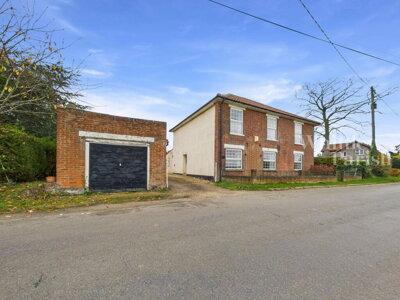
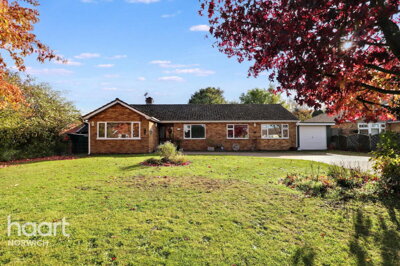
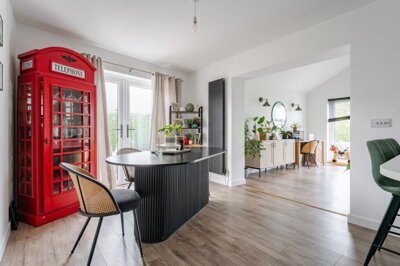
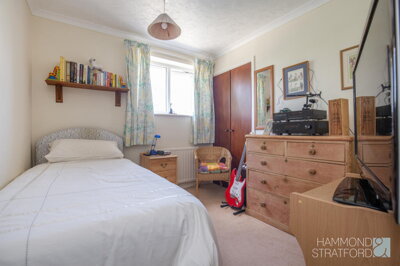
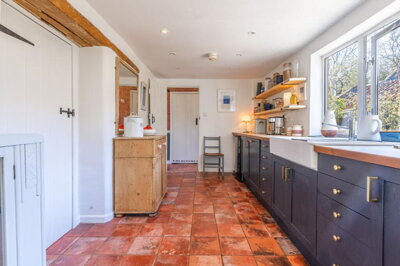
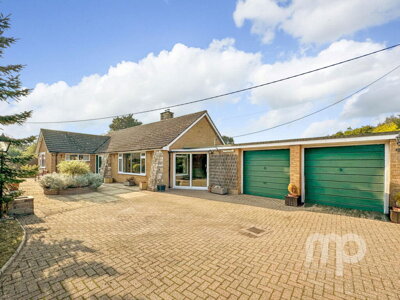
Browse 10 homes for sale in Deopham, South Norfolk from local estate agents.
The larger property sector typically features multiple bathrooms, substantial reception space, and private gardens or off-street parking. Four bedroom houses in Deopham span detached, semi-detached, and occasionally terraced configurations, with styles ranging from period properties to modern executive homes.
£425k
1
0
138
Source: home.co.uk
Showing 1 results for 4 Bedroom Houses for sale in Deopham, South Norfolk. The median asking price is £425,000.
Source: home.co.uk
Detached
1 listings
Avg £425,000
Source: home.co.uk
Source: home.co.uk
£402,667
Average Price
6
Properties Available
£445,000
Detached Average
£280,000
Semi-Detached Average
-1.8%
12-Month Change
472
Village Population
The Deopham property market reflects the character of this rural village, offering a limited but distinctive selection of homes. Detached properties dominate the upper end of the market, commanding an average price of £445,000 and providing generous living space alongside the privacy that countryside buyers often seek. Semi-detached homes present a more accessible entry point at around £280,000 on average, making them attractive options for families seeking village living without the premium attached to larger detached plots. This pricing structure makes Deopham relatively accessible compared to villages closer to Norwich or Cambridge, where similar rural premiums often push average prices significantly higher.
Over the past twelve months, the Deopham market has experienced a modest adjustment, with average prices declining by approximately 1.8%. This contraction follows broader national trends and may present opportunities for buyers who are prepared to act in a market where supply remains constrained. The village has recorded just 6 property sales in the past year, underscoring how rare genuine opportunities to purchase in Deopham can be. Prospective buyers should therefore move decisively when a suitable property becomes available, particularly given the limited new-build activity in the immediate area and the village's desirability among those seeking an authentic Norfolk countryside lifestyle.
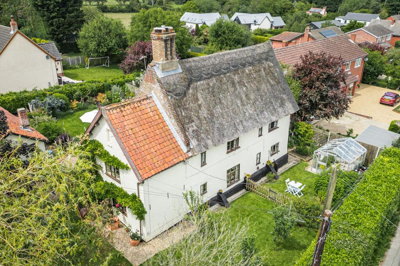
Property types in Deopham reflect its rural character, with detached and semi-detached homes making up the majority of the housing stock. The village features a mix of traditional Norfolk properties built using regional materials alongside more recent additions constructed to contemporary standards. Older properties often display characteristic red brick, knapped flint, and render finishes that give the village its distinctive appearance, while newer homes benefit from cavity wall insulation and modern construction methods. This variety means buyers can choose between the character of period properties and the low-maintenance benefits of more recent construction, depending on their preferences and budget.

Life in Deopham revolves around the rhythms of the Norfolk countryside, offering residents a pace of life that feels a world away from urban pressures. The village sits within the Breckland district, characterised by its distinctive landscape of heathland, farmland, and pockets of woodland that have shaped the local character for centuries. The local geology features glacial deposits of sand and gravel over chalk bedrock, with boulder clay present in some areas, creating the gently undulating terrain that defines this part of South Norfolk. The presence of traditional building materials such as red brick, flint, and render gives the village its authentic Norfolk character, with older properties particularly showcasing these regional building traditions that have stood the test of time.
The community in Deopham thrives on mutual support and shared events, with the parish church serving as a focal point for village activities throughout the year. The village hall hosts various community gatherings, from seasonal celebrations to regular clubs and societies that bring residents together. Local amenities are modest, as befitting a village of this size, but essential services are readily accessible in nearby market towns. The proximity to Attleborough and Wymondham means residents can reach supermarkets, healthcare facilities, and a broader range of shops within a short drive, with larger selections available in Norwich approximately 15 miles to the east.
For those who appreciate outdoor pursuits, the surrounding countryside offers excellent walking, cycling, and wildlife observation opportunities. The wider Norfolk landscape provides habitats for diverse birdlife and protected species, making the area popular among nature enthusiasts and wildlife photographers. The nearby Brecks, with its distinctive mix of forest and heathland, extends into parts of South Norfolk, offering additional recreational opportunities for residents. The network of public footpaths and bridleways crisscrossing the farmland around Deopham provides miles of scenic routes for exploration, whether on foot, by bicycle, or on horseback.

Families considering a move to Deopham will find a selection of educational options available within reasonable driving distance. Primary education is served by schools in nearby villages and towns, with many young families drawn to the strong community values that rural Norfolk schools typically provide. The village's small population means that class sizes are often favourable, allowing teachers to provide individual attention to pupils that can be harder to achieve in larger urban schools. Parents should research specific catchment areas and admission policies for their chosen schools, as these can vary and may influence which properties prove most suitable for family buyers.
Several primary schools in the surrounding area have achieved good or outstanding Ofsted ratings, serving families from Deopham and neighbouring villages. Schools in Attleborough, including those within the Heart of Norfolk Education Trust, provide established primary education with strong academic foundations. Wymondham also offers primary options, with some families choosing schools in this direction for its additional amenities and community facilities. The relatively short distances involved, typically under 20 minutes by car, make these schools accessible while still allowing families to benefit from village life in Deopham.
Secondary education options in the wider South Norfolk area include well-regarded schools in Attleborough, Wymondham, and surrounding towns. Attleborough Academy Norfolk offers secondary education through to sixth form, with a range of GCSE and A-level subjects available to students. For families with specific educational requirements or preferences, including faith schools or those offering particular curricula, it is advisable to investigate availability and admission criteria well in advance of any house purchase. The sixth form provision at these local schools enables students to continue their education locally without the need to travel to larger cities, which can be particularly important for families who value keeping older children within the community during their teenage years.
Deopham enjoys notably strong road connections for a village of its size, making it particularly attractive to commuters who need to access employment centres across Norfolk and beyond. The village sits conveniently between the A11 and A47, two of Norfolk's most important arterial routes that together provide access to most major destinations in the region. The A11 provides a direct link to Norwich, approximately 15 miles to the east, while also offering connections toward Thetford and onward to Cambridge. The A47 runs east-west through the region, connecting Deopham to King's Lynn to the west and Norwich to the east, with regular bus services operating along these corridors.
Norwich railway station offers mainline connections to London Liverpool Street, with journey times of approximately two hours making day commuting or regular business travel feasible for those working in the capital. The station is located in the city centre, accessible via the A11 or via the more scenic route through the Norfolk countryside. For those working in Cambridge or the wider East Anglia region, the road network provides reasonable access despite the lack of a direct motorway connection. The journey from Deopham to Cambridge typically takes around an hour to ninety minutes by car, depending on the route chosen and traffic conditions at peak times.
Within the village itself, a car remains essential for most daily activities, though the compact nature of Deopham means that local destinations can often be reached comfortably on foot or by bicycle. The village centre, including the church and any local amenities, is easily walkable from most properties, encouraging a community atmosphere where residents encounter neighbours regularly. Parking availability is generally not a concern, with most properties offering off-street parking typical of rural Norfolk homes. Bus services connecting Deopham to Attleborough and Wymondham operate on limited frequencies, serving those who work locally or need occasional access to services without driving.
Before beginning your property search in Deopham, obtain a mortgage agreement in principle from a lender. This document confirms how much you can borrow and demonstrates to sellers that you are a serious, financially prepared buyer. Given the rural nature of the market and limited stock, having your finances organised from the outset can make the difference when competing for desirable properties. Several mortgage brokers operate in the Norwich and South Norfolk area who understand rural property markets and can help you find suitable products.
Study the local property market thoroughly, examining recent sales data, price trends, and the types of property available. With only 6 sales in the past year, understanding the specific dynamics of this village market is crucial. Consider engaging with local estate agents who have direct knowledge of properties coming to market before they appear on broader platforms. Agents with experience in South Norfolk villages often know about upcoming listings before they are publicly advertised, giving you a potential advantage in this fast-moving market.
Visit properties that match your requirements, taking time to assess not only the home itself but also the surrounding neighbourhood. Pay attention to flood risk areas, as some parts of Deopham have medium to high surface water flooding potential. Consider the property's construction, age, and any signs of structural concerns, particularly given the clay geology present in parts of the region. Viewing properties at different times of day and in various weather conditions can reveal aspects that a single visit might miss.
Once your offer is accepted, arrange a RICS Level 2 Survey to assess the property's condition thoroughly. For properties over 50 years old, which represent a significant portion of Deopham's housing stock, this survey can identify issues such as damp, roof defects, timber decay, or subsidence risks associated with local clay soils. Survey costs in the Norfolk area typically range from £400 to £900 depending on property size and type. The investment in a thorough survey can save significant expense and stress by identifying problems before you commit to purchase.
Appoint a solicitor with experience in rural Norfolk property transactions to handle the legal aspects of your purchase. They will conduct local authority searches, investigate any planning restrictions, and ensure the title is clear. For properties with listed building status or those in flood risk areas, additional checks may be required to protect your investment. Your solicitor should specifically investigate any flood risk designations and planning history that might affect the property, as these are particularly relevant in parts of Deopham.
After satisfactory survey results and completion of all legal searches, you will exchange contracts and pay your deposit. Completion typically follows shortly after, at which point you will receive the keys to your new Deopham home. Ensure you have budgeted for stamp duty, solicitor fees, and any immediate renovation costs identified during your survey. On completion day, you will be free to move into your new property and begin enjoying everything that village life in Deopham has to offer.
Purchasing a property in Deopham requires careful attention to factors that are particularly relevant to rural Norfolk living. Flood risk represents a notable consideration for buyers, as while the village generally enjoys low risk from river and sea flooding, certain areas around the village centre and along minor watercourses face medium to high surface water flooding potential. A thorough review of Environment Agency flood maps and any historical flooding records should form part of your due diligence before committing to a purchase. Your solicitor should also raise any flood risk concerns during the conveyancing process, and properties in higher-risk areas may require specific insurance arrangements.
The age of properties in Deopham means that buyers should be alert to common issues affecting older rural homes. Traditional construction using solid walls, older foundations, and period features can require more maintenance than modern equivalents. The presence of clay soils in the wider area means that subsidence or heave may affect properties with inadequate foundations, particularly during extended periods of dry or wet weather. Any RICS Level 2 Survey should carefully examine these structural elements, and buyers should budget for potential remedial works identified during the survey process. Properties built before the 1970s may also have outdated electrical wiring and plumbing systems that require updating to meet current standards.
Listed buildings, including properties associated with St. Andrew's Church, require special consideration as they are subject to planning restrictions designed to preserve their historic character. Alterations, extensions, or significant renovations to listed properties require consent from the local planning authority, adding complexity and potential cost to any future home improvements. If you are considering a listed property, factor in the additional survey requirements and potential limitations on how you may modify the property in future. The charm of period features such as original fireplaces, sash windows, and exposed timbers must be weighed against the responsibilities that come with listed status.
Building materials in Deopham properties often reflect traditional Norfolk construction, with red brick, knapped flint, and render finishes commonly found on older homes. Each material brings its own maintenance considerations, from the potential for mortar erosion in brickwork to the risk of impact damage to flint panels. Render finishes, while providing good weather protection, can hide underlying issues if not properly maintained and may require re-rendering periodically. Understanding the materials used in any property you are considering helps with both immediate purchase decisions and long-term maintenance planning.
Deopham's housing stock reflects the village's long history, with properties spanning several architectural periods from historic farmhouses to modest twentieth-century developments. Traditional Norfolk construction methods dominate the older properties, featuring solid brick or flint walls that were built without the cavity insulation found in modern homes. These solid-walled properties, common throughout rural Norfolk, often exhibit different characteristics to newer builds, including higher thermal mass but potentially lower insulation values that affect energy efficiency and heating costs. The prevalence of red brick, knapped flint, and rendered exteriors gives Deopham its distinctive appearance, with each material bringing its own maintenance requirements and considerations for prospective buyers.
Properties constructed before the 1930s typically feature traditional methods that may require more frequent upkeep than modern equivalents, including potential issues with damp penetration through solid walls and older roof structures. The geology of the wider Breckland area, including Deopham, often includes glacial till and boulder clay over chalk bedrock, which can present shrink-swell risks for properties with shallow foundations during periods of extended dry or wet weather. More recent additions to the village's housing stock, though limited given the constrained supply in Deopham, generally benefit from cavity wall insulation, double glazing, and contemporary building standards that reduce ongoing maintenance demands.
Understanding the construction type of any property you are considering is essential for budgeting future maintenance and improvements. Timber frame construction may also be present in some modern builds, though this is less common than the traditional brick and flint methods that characterise the village. A RICS Level 2 Survey provides detailed assessment of construction type, identifying materials used and any associated defects or maintenance considerations specific to each property type found in Deopham. Given the potential for clay-related subsidence issues in the region, particular attention should be paid to foundation conditions and any signs of movement or cracking in properties of any age.
The average property price in Deopham currently stands at £402,667. Detached properties average around £445,000, while semi-detached homes are typically priced at approximately £280,000. The market has seen a modest 12-month price decline of 1.8%, and with only 6 property sales recorded in the past year, buyers should be prepared for limited choice and potentially competitive situations when suitable properties do become available. This scarcity of supply makes it worthwhile registering with multiple estate agents active in the South Norfolk area to ensure you are aware of new listings as soon as they come to market.
Properties in Deopham fall under South Norfolk Council's jurisdiction. Council tax bands vary by property depending on their value and characteristics, ranging from Band A through to Band H. Most properties in the village are likely to fall within the lower to middle bands, typical of rural Norfolk where property values, while rising, remain generally below urban centres. Prospective buyers should verify the specific band for any property they are considering through the Valuation Office Agency website or their solicitor during the conveyancing process. The current rates for South Norfolk Council can be found on their official website, where you can also check any applicable discounts or exemptions.
Deopham itself is a small village, so families typically access primary education at schools in surrounding villages and towns. Outstanding or good-rated primary schools can be found in nearby communities, with schools in Attleborough and Wymondham serving the wider area. Secondary education options include well-regarded schools in these same towns, with sixth form provision enabling students to continue studying locally. Parents should always verify current Ofsted ratings and admission catchment areas, as these can change and will directly impact school placement eligibility. Schools such as Attleborough Academy Norfolk and those within the Wymondham College area provide established secondary education with strong academic records.
Deopham is a rural village where private transport is essential for most daily activities. Bus services operate in the area, connecting the village to nearby towns including Attleborough and Wymondham, though frequencies are likely to be limited compared to urban routes. Norwich railway station, offering mainline services to London Liverpool Street, is approximately 15 miles away, with journey times of around two hours making regular commuting feasible. For commuters, the proximity to the A11 and A47 provides strong road connectivity, though journey times to major cities require car travel to reach rail connections.
Deopham offers potential for property investment, though buyers should understand the characteristics of this niche market. The village's appeal lies in its rural character, community atmosphere, and excellent road connections to major employment centres including Norwich and Cambridge. With limited new-build activity in the immediate area and a constrained supply of properties, demand from buyers seeking countryside living is likely to remain steady. However, the small size of the market means that capital growth may be slower than in more active locations, and properties may take longer to sell during quieter periods. Rental demand in the village is likely to be modest given the limited local employment options, so investors should carefully consider their target tenant profile.
Stamp duty Land Tax rates from April 2024 apply as follows: no tax is due on properties up to £250,000, 5% on the portion between £250,001 and £925,000, 10% on the portion between £925,001 and £1.5 million, and 12% on any amount exceeding £1.5 million. First-time buyers may benefit from relief on properties up to £625,000, paying 0% on the first £425,000 and 5% on the remainder up to that threshold. Given that the average Deopham property price is £402,667, a first-time buyer purchasing an average-priced home in the village would pay no stamp duty at all under current thresholds.
Deopham contains a number of listed buildings, with St. Andrew's Church standing as a notable heritage feature of the village. Properties with listed status are subject to planning restrictions designed to preserve their historic character, meaning that any alterations, extensions, or significant renovations require consent from the local planning authority. While this adds complexity and potential cost to any future home improvements, listed properties also offer distinctive character that cannot be replicated in modern construction. If you are considering a listed property in Deopham, factor in the additional survey requirements and potential limitations on how you may modify the property in future.
Deopham generally enjoys low risk from river and sea flooding given its inland location, though certain areas warrant investigation before purchase. Some parts of the village, particularly around the centre and along minor watercourses, face medium to high surface water flooding potential during periods of heavy rainfall. Prospective buyers should review Environment Agency flood maps and any historical flooding records as part of their due diligence. Your solicitor should also raise any flood risk concerns during the conveyancing process, and properties in higher-risk areas may require specific insurance arrangements or additional surveys to fully assess the risk profile.
Budgeting for your Deopham purchase requires careful consideration of all associated costs beyond the property price itself. The Stamp Duty Land Tax rates applicable from April 2024 mean that for a property priced at the village average of £402,667, standard buyers would pay no tax on the first £250,000 and 5% on the remaining £152,667, totalling £7,633.35. First-time buyers benefit from an increased threshold, paying nothing on the first £425,000, which means a first-time buyer purchasing an average-priced Deopham home would pay no stamp duty at all under current first-time buyer relief provisions.
Additional costs to factor into your budget include solicitor fees, which typically range from £500 to £1,500 for a standard transaction in the Norfolk area, with more complex purchases such as those involving listed buildings or unusual tenure arrangements potentially costing more. Survey costs for a RICS Level 2 Survey range from approximately £400 to £900 depending on property size and type, with larger detached homes commanding higher fees than smaller properties. If you require a mortgage, arrangement fees of around £1,000 to £2,000 are common, though these can sometimes be added to your loan amount rather than paid upfront.
Removal costs vary according to the volume of belongings and distance moved, while buildings insurance must be in place from the point of completion to protect your investment. searches and Land Registry fees typically add a few hundred pounds to your costs, and you should also budget for any surveys that might be recommended following the initial RICS Level 2 assessment. Always ensure you have sufficient funds set aside to cover these costs without overstretching your finances, and consider having a contingency fund available for any issues identified during the survey process that might require attention after you move in.
Properties for Sale In London

Properties for Sale In Plymouth

Properties for Sale In Liverpool

Properties for Sale In Glasgow

Properties for Sale In Sheffield

Properties for Sale In Edinburgh

Properties for Sale In Coventry

Properties for Sale In Bradford

Properties for Sale In Manchester

Properties for Sale In Birmingham

Properties for Sale In Bristol

Properties for Sale In Oxford

Properties for Sale In Leicester

Properties for Sale In Newcastle

Properties for Sale In Leeds

Properties for Sale In Southampton

Properties for Sale In Cardiff

Properties for Sale In Nottingham

Properties for Sale In Norwich

Properties for Sale In Brighton

Properties for Sale In Derby

Properties for Sale In Portsmouth

Properties for Sale In Northampton

Properties for Sale In Milton Keynes

Properties for Sale In Bournemouth

Properties for Sale In Bolton

Properties for Sale In Swansea

Properties for Sale In Swindon

Properties for Sale In Peterborough

Properties for Sale In Wolverhampton

Enter your details to see if this property is within your budget.
Loans, cards, car finance
Estimated property budget
Borrowing + deposit
You could borrow between
Typical borrowing
Monthly repayment
Est. at 4.5%
Loan-to-value
This is an estimate only. Your actual budget may vary depending on interest rates, credit history, and personal circumstances. For an accurate affordability assessment, speak to one of our free mortgage advisors.
This calculator provides estimates for illustrative purposes only and does not constitute financial advice. Your home may be repossessed if you do not keep up repayments on your mortgage. Estimates based on 4.5% interest rate, repayment mortgage. Actual rates depend on your circumstances.
Homemove is a trading name of HM Haus Group Ltd (Company No. 13873779, registered in England & Wales). Homemove Mortgages Ltd (Company No. 15947693) is an Appointed Representative of TMG Direct Limited, trading as TMG Mortgage Network, which is authorised and regulated by the Financial Conduct Authority (FRN 786245). Homemove Mortgages Ltd is entered on the FCA Register as an Appointed Representative (FRN 1022429). You can check registrations at NewRegister or by calling 0800 111 6768.

We use cookies to show you personalised content and improve your experience of our website. Find out more in our Privacy policy and Cookie policy.