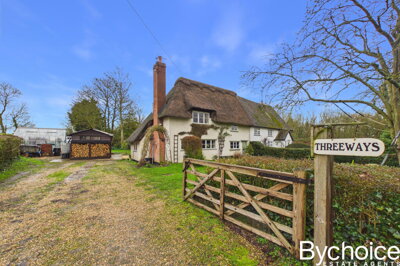
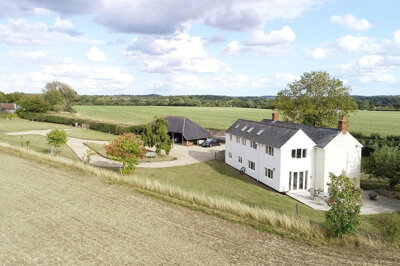
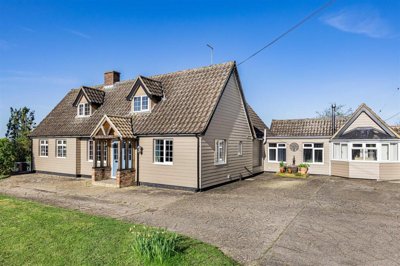
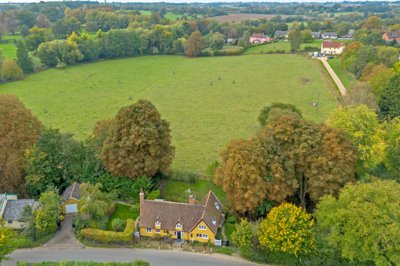
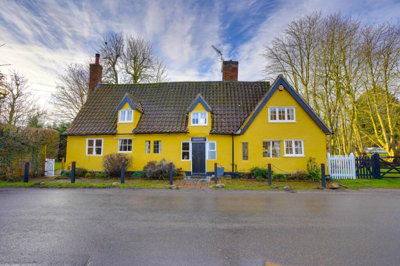
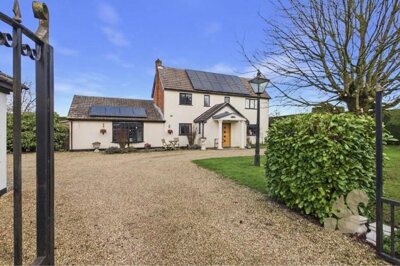
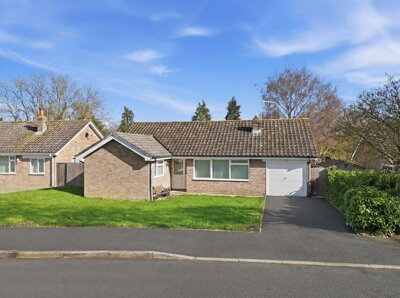
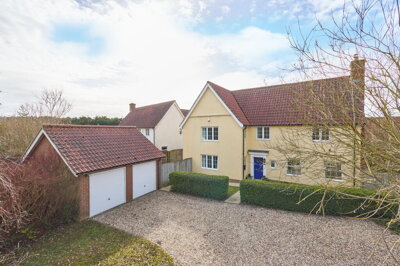
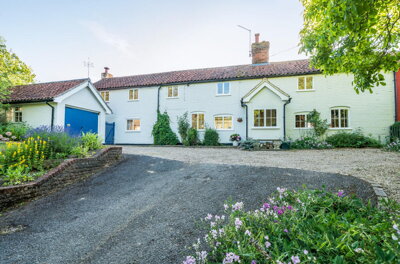
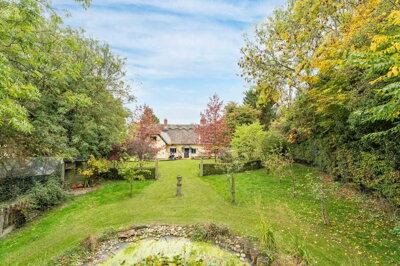
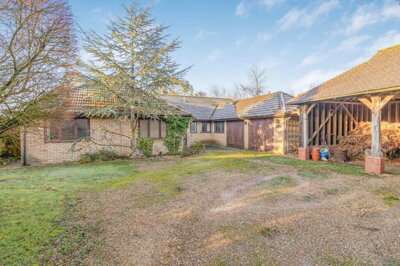
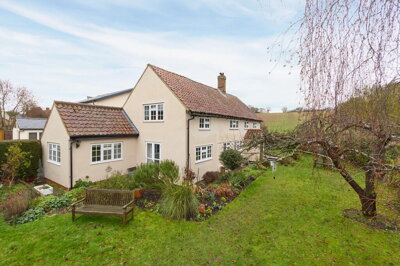
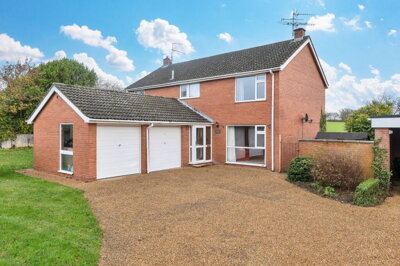
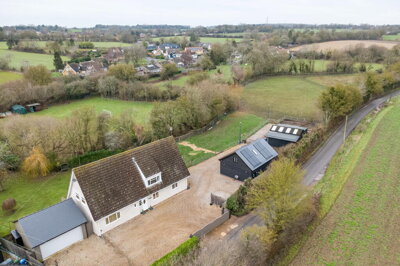
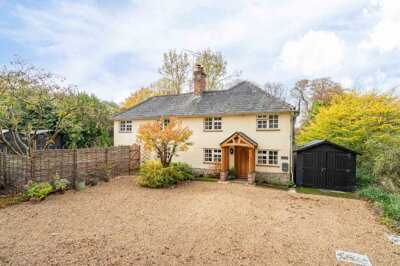
Browse 16 homes for sale in Denston, West Suffolk from local estate agents.
£535k
2
1
12
Source: home.co.uk
Source: home.co.uk
Detached
2 listings
Avg £535,000
Source: home.co.uk
Source: home.co.uk
The Denston property market reflects its status as a small, exclusive village where homes change hands infrequently. Our records show just 4 property sales completed in the parish over the twelve months to February 2026, with prices showing steady appreciation of 1.2% over the same period. This scarcity of supply means that properties in Denston rarely appear on the open market, making early engagement with local estate agents essential for serious buyers. The limited turnover creates a market where waiting for the right property is often necessary, particularly for those seeking specific property types or locations within the village.
Detached properties command the highest prices in Denston, with the average currently standing at £575,000, reflecting the desirability of generous plots and period features in this sought-after village. Semi-detached homes average £350,000, offering excellent value for buyers seeking a village lifestyle without the premium attached to fully detached accommodation. Terraced properties, averaging £275,000, provide the most accessible entry point to the Denston property market and often include charming converted farm buildings and workers' cottages dating from the 18th and 19th centuries. New build developments are extremely rare in Denston, with the village's Conservation Area status and listed building concentration severely limiting new development opportunities.
The village's housing stock is overwhelmingly comprised of period properties, with the majority of homes predating 1919. Traditional construction methods dominate the local architecture, including timber-framed structures with Suffolk brick infill, lime mortar pointing, and clay tile or slate roofing. These older properties require understanding of traditional building maintenance, as inappropriate modern repairs using cementitious products can cause significant deterioration in historic fabric. Properties constructed post-1980 represent a small minority of the housing stock, typically found on the village's periphery where limited infill development has occurred.

Life in Denston centres on the village's strong sense of community and its extraordinary architectural heritage. With a population of just 134 residents across 58 households, the village retains the intimate scale and neighbourly atmosphere that has characterised Suffolk villages for centuries. The village is centred around The Street, where the exceptional concentration of listed buildings creates an unbroken sequence of historic architecture. Denston Hall, a magnificent Grade I listed country house, dominates the village's western edge, while St Nicholas' Church with its exceptional tower stands as medieval craftsmanship at the village's heart.
The surrounding Suffolk countryside provides an enviable backdrop for daily life, with extensive footpaths and bridleways threading through agricultural land and woodland. The proximity to the River Glem, a tributary of the River Stour, adds to the rural charm while requiring awareness of potential low-level fluvial flood risk in very wet conditions. Local amenities in the village itself are limited, as is typical for settlements of this size, but the thriving market towns of Bury St Edmunds, Sudbury, and Newmarket are all within reasonable driving distance, providing access to supermarkets, healthcare facilities, restaurants, and cultural attractions.
The village's traditional building materials reflect centuries of local building custom. Pale Suffolk brick, rendered walls, and timber-framed structures give the village its distinctive appearance, with the characteristic warm hues of local brickwork visible throughout the Conservation Area. The village hall serves as a focal point for community activities, while nearby villages such as Clare and Long Melford provide access to local pubs and shops. The pale Suffolk brick, rendered walls, and timber-framed buildings reflect the traditional building customs of this part of East Anglia, materials that continue to influence the village's distinctive appearance.

Families considering a move to Denston will find a selection of primary and secondary schools within reasonable travelling distance, though the village's small size means no school is situated within the parish itself. Primary education is available at several village schools in nearby communities, with classes typically serving small cohorts that allow for individual attention and strong community integration. Parents should research specific catchment areas and admissions policies, as these can vary significantly depending on the precise location of their chosen property within the wider West Suffolk district.
Primary schools in surrounding villages serve the local community, with establishments in Clare and Long Melford providing education for younger children within a reasonable driving distance of Denston. These village schools typically offer small class sizes that allow teachers to provide individual attention to each pupil, fostering strong academic foundations in a supportive environment. For families seeking faith-based education, Catholic primary schools in nearby towns may also be accessible, subject to admissions criteria and transport arrangements.
Secondary education options include the well-regarded schools in Bury St Edmunds, including King Edward VI School, and provision in Sudbury and Newmarket. For families prioritising academic selection, the grammar school system in Suffolk provides opportunities for students to access grammar school education in nearby towns, subject to passing the eleven-plus examination. Sixth form and further education provision is concentrated in the larger towns, particularly Bury St Edmunds, which offers a comprehensive range of A-level courses and vocational qualifications. Parents are advised to factor school transport arrangements and journey times into their property search, particularly for secondary-aged children who may need to travel further for their education.

Denston occupies a favourable position for commuters seeking to balance rural tranquility with access to employment centres. The village sits approximately 8 miles from Bury St Edmunds, Suffolk's principal market town, where the train station provides connections to Cambridge and Norwich. The A14 trunk road passes nearby, offering direct access to Cambridge to the north-west and Felixstowe port to the south-east, connecting Denston to the wider regional road network. For those working in Newmarket, the famous racing town is just a short drive away, while Sudbury provides additional employment and rail connections to Colchester and London Liverpool Street via the Gainsborough line.
Public transport options from Denston are limited, reflecting the village's small scale and the bus service patterns typical of rural Suffolk. Bus services connecting Denston to nearby towns operate on reduced frequencies, typically with limited evening and weekend services. Car ownership is effectively essential for residents, though the village's walkable layout means daily necessities can often be reached without driving. The nearest railway stations are located in Bury St Edmunds and Newmarket, providing flexibility for commuters to London and the wider rail network.
For cyclists, the relatively flat Suffolk countryside offers pleasant cycling opportunities, though longer journeys typically require combination with rail or road transport. The network of country lanes connecting Denston to neighbouring villages provides scenic routes for recreational cycling, while dedicated cycle paths along some busier routes offer safer options for commuting. Parking in the village is generally straightforward, with properties typically offering off-street parking, a significant advantage over urban locations where on-street parking can be a daily challenge.

Given the limited number of properties available in Denston, understanding the local market thoroughly is essential before beginning a property search. Study recent sales data available through Land Registry records, understand the premium attached to listed buildings and Conservation Area properties, and familiarise yourself with planning constraints that may affect any intended purchase. The rarity of properties coming to market means that serious buyers should register with multiple local estate agents and set up property alerts.
Contact a mortgage broker or lender to obtain an agreement in principle before viewing properties. With average detached prices at £575,000, most buyers will require substantial mortgage finance. Having a financial position confirmed strengthens an offer when competing for the rare properties that become available in this small village market. Rural mortgage products may offer different terms compared to urban properties, so consulting a specialist broker with experience of rural Suffolk property markets is advisable.
View properties with a critical eye, paying particular attention to the age and condition of historic buildings. Many properties in Denston are pre-1919 and may require maintenance or modernisation. Consider commissioning a RICS Level 2 Survey before proceeding, particularly for older properties where defects such as damp, timber issues, or subsidence may be present. The village's clay geology means that movement-related defects are a particular consideration in older properties with traditional shallow foundations.
The clay geology underlying Denston creates a moderate to high shrink-swell risk that can affect foundations. A thorough survey will assess any movement or structural issues. For listed buildings, consider whether a more detailed RICS Level 3 Survey would be appropriate to assess traditional construction methods and repair implications. Common defects in older Denston properties include damp arising from defective rainwater goods, timber decay in structural and secondary elements, and roofing issues such as slipped tiles and failing leadwork.
Once an offer is accepted, instruct a solicitor experienced in rural property transactions to handle the legal work. They will conduct local authority searches, check the property's title, and ensure all planning permissions and listed building consents are in order. For listed properties, verifying that all previous works were carried out with appropriate consents is particularly important to avoid potential enforcement action.
Complete the purchase and receive the keys to a new Denston home. Remember that any future works to listed buildings will require Listed Building Consent, and the property's historic character must be maintained in accordance with Conservation Area requirements. Factor ongoing maintenance costs into household budgeting, as traditional building materials such as lime mortar and traditional renders require periodic repointing and renewal to maintain the fabric in good condition.
Purchasing a property in Denston requires careful attention to several factors unique to this historic village environment. The presence of extensive listed buildings and a Conservation Area creates planning constraints that differ significantly from urban locations. Any exterior alterations, extensions, or significant changes to a listed property require Listed Building Consent from West Suffolk Council, and works carried out without consent can result in criminal prosecution. Prospective buyers should review the listing details for any property under consideration and understand the obligations that come with owning a listed building, including requirements to maintain the structure in a wind-and-weather-tight condition.
The underlying geology of Denston, characterised by superficial deposits of glacial till overlying chalk bedrock with clay soils, presents particular considerations for buyers. The moderate to high shrink-swell risk associated with clay soils means that foundations, particularly on older properties with shallower foundations, may be susceptible to movement during dry spells or when affected by nearby trees. Properties with large trees in close proximity should be subject to particular scrutiny, as tree root activity can exacerbate ground movement in clay conditions. A thorough RICS Level 2 Survey will assess whether any movement has occurred and whether appropriate foundation solutions are in place. Properties near the River Glem should be checked for flood resilience measures, and buyers should review any flood risk assessments or historical flood records for specific properties.
The village's traditional building materials, including Suffolk brick, lime mortar, and timber framing, require appropriate maintenance techniques that differ from modern construction. Lime mortar and traditional renders allow buildings to breathe, while cementitious repairs can trap moisture and cause deterioration. Inspect properties carefully for signs of inappropriate modern repairs, such as cement pointing over original lime mortar, or solid concrete floor installations in buildings designed with suspended timber floors. Verify that previous owners have used appropriate materials for any repair or renovation works carried out. Properties with recent modernisation should be assessed for the quality and appropriateness of the works carried out, particularly regarding insulation, ventilation, and the installation of services in historic structures.
Electrical and plumbing systems in older Denston properties may require updating to meet current standards. Properties constructed before the 1980s often have electrical systems that do not incorporate modern safety features such as residual current devices, and wiring may be deteriorating. Similarly, older plumbing systems using lead or galvanised steel pipes may require replacement. A thorough survey should identify any electrical or plumbing concerns, and buyers should obtain quotes for any necessary upgrades before finalising a purchase decision.

As of February 2026, the average property price in Denston stands at £415,000, representing a 12-month increase of 1.2%. Detached properties average £575,000, semi-detached homes £350,000, and terraced properties £275,000. The market is characterised by limited supply, with only 4 property sales recorded in the previous twelve months, making competitive bids common when quality properties become available. The scarcity of homes for sale in Denston means that properties marketed at realistic prices tend to attract strong interest from buyers seeking access to this desirable West Suffolk village.
Properties in Denston fall under West Suffolk Council's council tax banding system, which classifies properties into bands A through H based on their assessed value as of April 1991. Smaller terraced cottages in Denston typically fall into bands A to C, while larger detached period properties and converted farm buildings often occupy bands E to G. Prospective buyers should check the specific band with West Suffolk Council or during the conveyancing process, as council tax funding supports local services including education, highways maintenance, and refuse collection. The current council tax rates for West Suffolk can be found on the council website.
Denston itself has no school, so children travel to nearby villages and towns for education. Primary schools in Clare and Long Melford serve the local community, offering small class sizes that provide individual attention for younger children. Secondary options include the well-regarded King Edward VI School in Bury St Edmunds, which consistently achieves strong academic results, and schools in Sudbury and Newmarket. The grammar school system in Suffolk provides selective education opportunities for students who pass the eleven-plus examination, with places available at schools in Bury St Edmunds and Colchester. Parents should verify current admissions arrangements, catchment area boundaries, and school transport provision with Suffolk County Council before committing to a property purchase.
Denston has limited public transport provision, consistent with its status as a small rural village. Bus services connecting Denston to Clare, Sudbury, and Bury St Edmunds operate on reduced frequencies, typically with limited evening and Sunday services. The nearest railway stations are in Bury St Edmunds and Newmarket, offering connections to Cambridge, Norwich, and London Liverpool Street. Car ownership is effectively essential for most residents, though the village's compact centre is walkable for daily needs. For commuters working in Cambridge, Bury St Edmunds station provides rail connections averaging around 40 minutes to Cambridge, while Newmarket station offers access to Cambridge via the scenic route through Kennett and Dullingham.
Denston's small market and limited property supply mean that properties here tend to hold their value well, supported by the village's historic character, Conservation Area status, and desirable location in West Suffolk. The village's exceptional architectural heritage, including Grade I listed buildings and a protected medieval street pattern, ensures that Denston will retain its distinctive character for decades to come. The rare availability of properties creates strong demand when homes do come to market. However, investors should note that the limited transaction volume makes quick resale more challenging, and any development potential is severely constrained by planning controls. Properties in Denston are best suited to long-term ownership where the buyer can appreciate the village's unique qualities rather than seeking short-term capital gains.
Stamp Duty Land Tax applies at standard rates for purchases in England, with different thresholds for standard buyers, first-time buyers, and those purchasing additional properties. For a £415,000 property, a buyer paying SDLT at standard rates would pay nothing on the first £250,000, then 5% on the amount between £250,001 and £415,000, totaling £8,250. First-time buyers purchasing properties up to £625,000 benefit from relief on the first £425,000, meaning no SDLT would be owed on a £415,000 purchase for an eligible first-time buyer. For additional property purchases, a 3% surcharge applies on top of standard rates. The government website provides calculator tools for accurate estimates based on specific circumstances and purchase price.
Denston is situated inland near the River Glem, which creates a generally low but present risk of fluvial flooding during periods of extended wet weather. The village's position on clay geology can affect local drainage patterns, as clay soils have low permeability and may result in slower water absorption during heavy rainfall. Surface water flooding can also occur during intense rainfall events, particularly in areas with poor drainage or low-lying ground near watercourses. Properties on higher ground within the village generally face lower flood risk, while those near the River Glem or in lower-lying areas warrant additional investigation. A thorough property survey and local flood risk searches should be conducted before purchase to assess the specific risk profile of any property under consideration.
Given that many properties in Denston are pre-1919 and the village has numerous listed buildings and a Conservation Area, a RICS Level 2 Survey is strongly recommended for most purchases. Survey costs in the Denston area typically range from £450 to £800 depending on property size and type, with smaller terraced cottages at the lower end and larger detached period properties at the higher end. For listed buildings or properties with apparent structural concerns such as cracking, damp, or signs of movement, a more detailed RICS Level 3 Building Survey may be appropriate to assess traditional construction methods, potential repair requirements, and any implications of the property's historic status. Our inspectors have extensive experience surveying period properties in West Suffolk and understand the common defects found in traditional Suffolk brick and timber-framed buildings.
From £450
A detailed inspection of the property condition, ideal for standard properties in Denston
From £800
A comprehensive building survey recommended for older, listed, or historic properties
From £499
Expert legal services for your property purchase in Denston
From 4.5%
Competitive mortgage rates for your Denston property
Understanding the total cost of purchasing property in Denston requires careful budgeting beyond the advertised purchase price. Stamp Duty Land Tax applies to all English property purchases above £250,000 at standard rates, with a 5% charge on the portion between £250,001 and £925,000. For the average Denston property priced at £415,000, this means SDLT of £8,250 at standard rates. First-time buyers purchasing properties up to £625,000 benefit from relief on the first £425,000, significantly reducing the SDLT burden for eligible purchasers. Those purchasing an additional property will pay a 3% surcharge on the entire purchase price.
Additional purchase costs include solicitor fees for conveyancing, which typically range from £500 to £2,000 depending on complexity. Given the prevalence of listed buildings and Conservation Area properties in Denston, conveyancing may involve additional work to verify that all previous alterations were carried out with appropriate Listed Building Consent and to investigate any planning conditions attached to the title. Survey costs for a RICS Level 2 Survey in the Denston area typically range from £450 to £800 depending on property size and type, while more detailed RICS Level 3 Surveys for listed buildings can cost £800 or more.
Mortgage arrangement fees, valuation fees, and search costs from West Suffolk Council should also be budgeted for when calculating the total cost of purchasing a Denston home. Land Registry fees, Telegraphic Transfer fees, and bank charges for foreign currency exchange (if applicable) add further minor costs. Buyers should budget for a contingency equivalent to at least 5% of the purchase price to cover unexpected costs that may arise during the purchase process or immediately after moving in.

Properties for Sale In London

Properties for Sale In Plymouth

Properties for Sale In Liverpool

Properties for Sale In Glasgow

Properties for Sale In Sheffield

Properties for Sale In Edinburgh

Properties for Sale In Coventry

Properties for Sale In Bradford

Properties for Sale In Manchester

Properties for Sale In Birmingham

Properties for Sale In Bristol

Properties for Sale In Oxford

Properties for Sale In Leicester

Properties for Sale In Newcastle

Properties for Sale In Leeds

Properties for Sale In Southampton

Properties for Sale In Cardiff

Properties for Sale In Nottingham

Properties for Sale In Norwich

Properties for Sale In Brighton

Properties for Sale In Derby

Properties for Sale In Portsmouth

Properties for Sale In Northampton

Properties for Sale In Milton Keynes

Properties for Sale In Bournemouth

Properties for Sale In Bolton

Properties for Sale In Swansea

Properties for Sale In Swindon

Properties for Sale In Peterborough

Properties for Sale In Wolverhampton

Enter your details to see if this property is within your budget.
Loans, cards, car finance
Estimated property budget
Borrowing + deposit
You could borrow between
Typical borrowing
Monthly repayment
Est. at 4.5%
Loan-to-value
This is an estimate only. Your actual budget may vary depending on interest rates, credit history, and personal circumstances. For an accurate affordability assessment, speak to one of our free mortgage advisors.
This calculator provides estimates for illustrative purposes only and does not constitute financial advice. Your home may be repossessed if you do not keep up repayments on your mortgage. Estimates based on 4.5% interest rate, repayment mortgage. Actual rates depend on your circumstances.
Homemove is a trading name of HM Haus Group Ltd (Company No. 13873779, registered in England & Wales). Homemove Mortgages Ltd (Company No. 15947693) is an Appointed Representative of TMG Direct Limited, trading as TMG Mortgage Network, which is authorised and regulated by the Financial Conduct Authority (FRN 786245). Homemove Mortgages Ltd is entered on the FCA Register as an Appointed Representative (FRN 1022429). You can check registrations at NewRegister or by calling 0800 111 6768.

We use cookies to show you personalised content and improve your experience of our website. Find out more in our Privacy policy and Cookie policy.