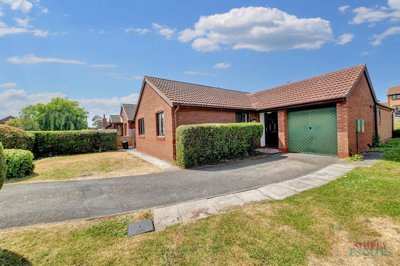
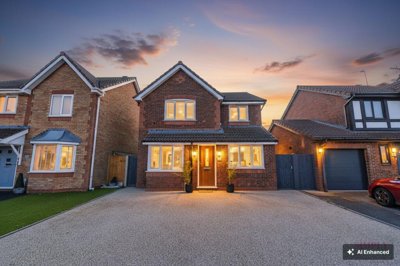
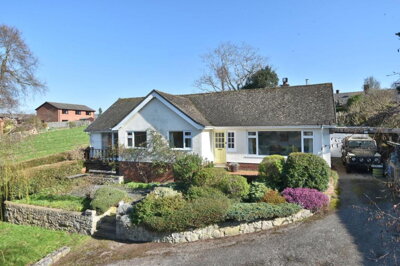
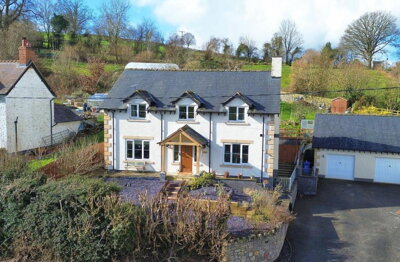
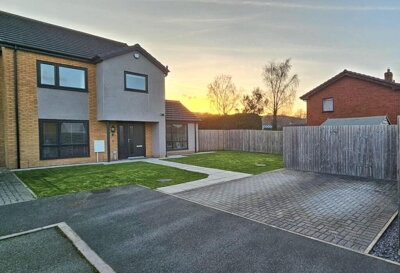
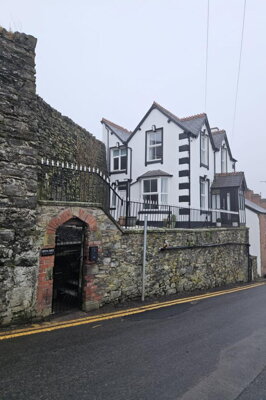
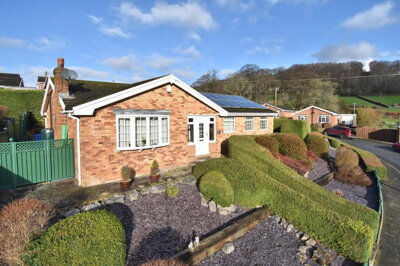
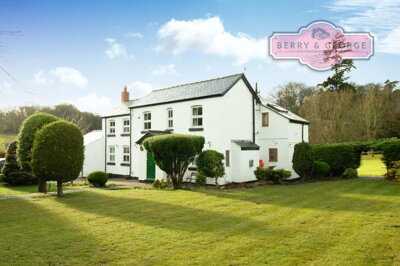
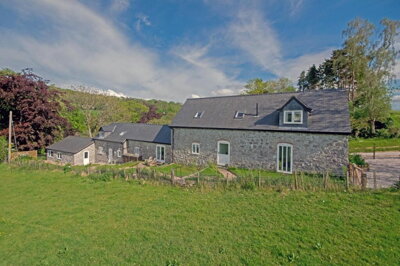
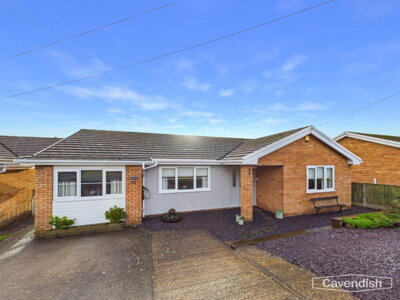
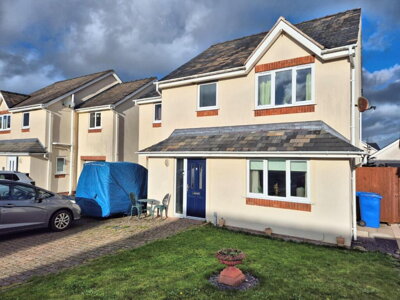
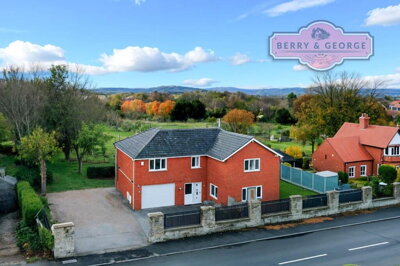
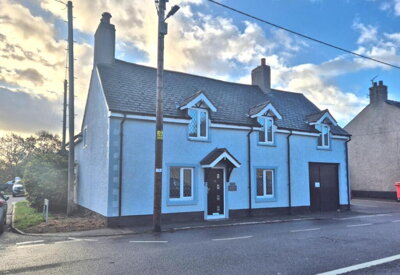
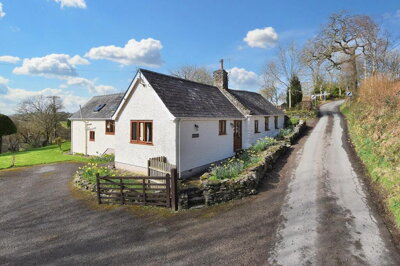
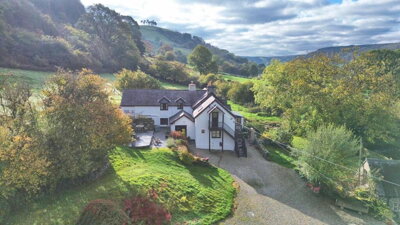
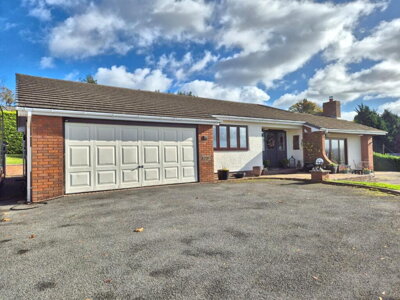
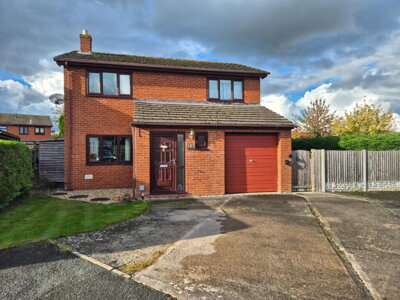
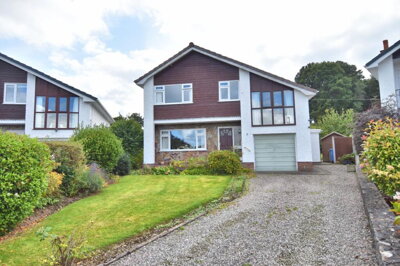
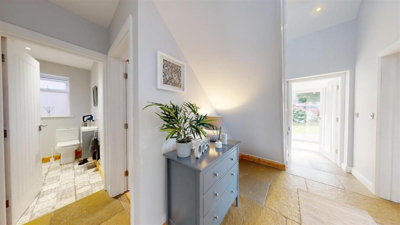
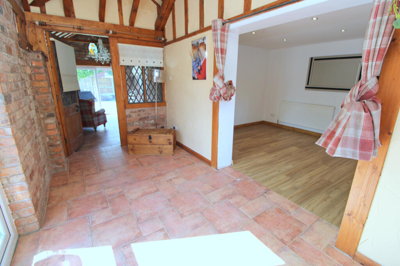
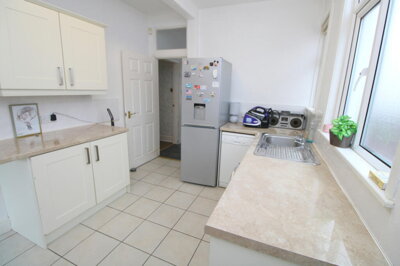
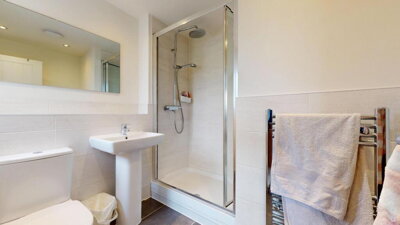
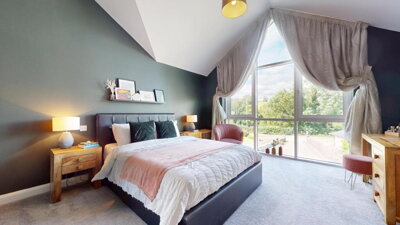
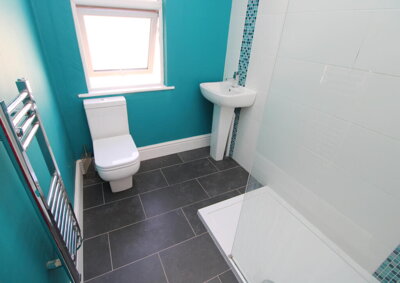
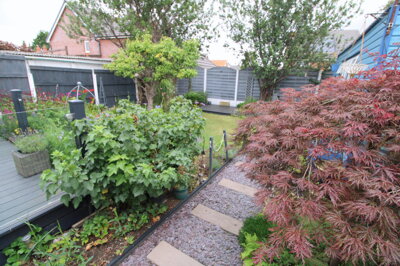
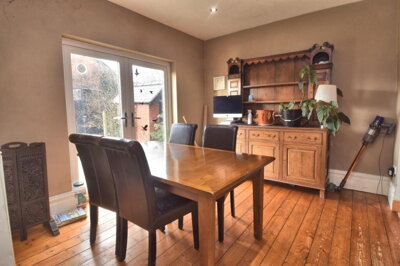
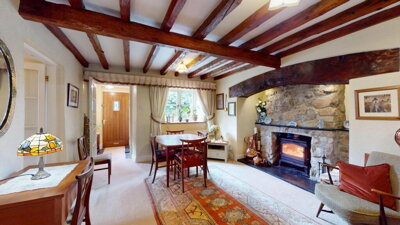
Browse 289 homes for sale in Denbighshire, Cymru / Wales from local estate agents.
The larger property sector typically features multiple bathrooms, substantial reception space, and private gardens or off-street parking. Four bedroom houses in Denbighshire span detached, semi-detached, and occasionally terraced configurations, with styles ranging from period properties to modern executive homes.
£390k
109
4
143
Source: home.co.uk
Showing 109 results for 4 Bedroom Houses for sale in Denbighshire, Cymru / Wales. 4 new listings added this week. The median asking price is £389,950.
Source: home.co.uk
Detached
82 listings
Avg £463,818
Semi-Detached
17 listings
Avg £296,879
Terraced
10 listings
Avg £279,145
Source: home.co.uk
Source: home.co.uk
The Denbighshire property market has shown remarkable stability over the past year, with average house prices holding steady at around £215,000 according to recent data from multiple sources including Rightmove, Zoopla, and the Office for National Statistics. Our listings include properties across all price points, from affordable terraced homes starting from £94,000 to spacious detached properties reaching £280,000 or more. The market has experienced modest growth, with prices rising by approximately 0.9% over the last twelve months according to ONS data from December 2025, indicating a healthy and balanced local economy that rewards both buyers and sellers while remaining accessible compared to neighbouring English counties.
Property types in Denbighshire reflect the county's varied landscape and history. Detached homes command the highest prices, averaging £261,000 to £277,000 depending on the source, and are particularly popular in rural areas and around the Clwydian Range where buyers seek space and scenic views. Semi-detached properties, averaging around £180,000 to £197,000, represent excellent value for families seeking generous living space without the premium prices attached to detached homes. Terraced properties, which make up a significant portion of sales in towns like Denbigh, typically sell for £145,000 to £155,000, while flats remain the most affordable option at around £94,000 to £114,000 for those entering the market with smaller budgets.
New build homes in the area command a premium, with the average newly built property in the county priced at approximately £283,000 according to available data. New build properties made up just 0.8% of sales in Denbigh in 2025, indicating limited supply of brand-new homes in the immediate area. For buyers considering new builds, understanding what the property includes and any snagging issues becomes particularly important, which is why many opt for a dedicated snagging survey despite the additional cost.

Denbighshire embodies the best of North Wales, from its dramatic coastline along the Irish Sea to the stunning landscapes of the Clwydian Range and Dee Valley. The county's population has been growing steadily, with household projections predicting an increase of approximately 199 new households per annum over recent years. By 2033, nearly 70% of households in Denbighshire are expected to be one or two-person households, reflecting national trends towards smaller family units and an aging population seeking peaceful retirement locations in attractive settings. This demographic shift has influenced housing demand, with bungalows and manageable properties in quiet locations remaining consistently popular among downsizers and retirees.
The local economy centres on several key sectors that provide employment across the county. Tourism plays a vital role, with visitors drawn to attractions including the historic castle at Denbigh, the famous Llangollen International Musical Eisteddfod held each summer, and the seaside pleasures of Rhyl and Prestatyn with their promenade attractions and beach access. Public services, including healthcare and education, employ significant numbers of residents, while agriculture remains important in the rural heartlands where farms dot the valleys and hillsides. The A55 expressway has opened up commuting opportunities, connecting Denbighshire to employment centres in Chester, Liverpool, and Manchester, making the county increasingly attractive to remote workers seeking more affordable housing with excellent transport connections. The number of jobs within the county has remained stable at around 37,000, providing a steady foundation for the local housing market.
The county's towns each offer distinct advantages for residents. Denbigh itself dominates the local skyline with its impressive castle ruins perched atop the limestone outcrop, while Ruthin retains its medieval market town character with a cobbled square hosting regular markets. Llangollen draws visitors for its railway, canal, and annual eisteddfod, making it a vibrant place to live year-round. The coastal towns of Rhyl and Prestatyn provide seaside amenities within easy reach of the more rural interior, offering families access to beaches, arcades, and family attractions during the summer season.

Families considering a move to Denbighshire will find a comprehensive network of educational establishments across the county that serves children from early years through to sixth form and beyond. The area is served by numerous primary schools, many of which are located within the market towns and villages, providing local education for younger children within walking distance of family homes in communities like Corwen, Mold, and the surrounding villages. Many parents appreciate the smaller class sizes and community feel that primary schools in Denbighshire can offer compared to larger urban areas further east.
Secondary education is provided through schools in towns including Denbigh, Ruthin, Llangollen, and Rhyl, with several offering sixth form provision for students continuing their education into their late teens before university or vocational training. The county's commitment to education is evident in ongoing investment in school facilities and teaching standards, though prospective buyers should research individual school performance through Estyn reports to identify the best options for their family's needs. Schools in towns like Ruthin and the rural area around Llangollen have historically performed well in Welsh educational assessments.
Beyond statutory education, Denbighshire offers valuable further and higher education opportunities through Coleg Cambria which provides further education courses from sites across North East Wales, including campuses within reasonable distance for Denbighshire residents. For higher education, the nearby Glyndwr University in Wrexham offers a range of undergraduate and postgraduate programmes, while the University of Chester provides additional options within commuting distance. For families prioritising educational outcomes, property values tend to be more accessible near schools with strong academic records, making Denbighshire an attractive option compared to congested southern English markets where school catchment areas can add significant premiums to property prices.
Transport connectivity is one of Denbighshire's strongest advantages, with the A55 North Wales Expressway providing swift access to major destinations across the region and beyond. The A55 runs through the county, connecting coastal towns to Chester and offering routes towards Liverpool and Manchester for those requiring access to larger employment markets. Journey times from central Denbighshire to Chester typically take around 45 minutes by car, while Manchester can be reached in approximately 90 minutes under normal traffic conditions, making the county practical for commuters who work in northern England but prefer a Welsh lifestyle and more affordable housing costs.
Public transport options within Denbighshire include rail services connecting towns along the North Wales coast, with stations at Rhyl and Prestatyn providing links to the broader rail network including direct services to London Euston via Chester and Birmingham. Bus services operated by Arriva Buses Wales and local operators connect smaller communities to market towns, though rural bus services may have limited frequency compared to urban areas. For cyclists and walkers, Denbighshire offers an extensive network of scenic trails and public footpaths, including portions of the Offa's Dyke Path National Trail that traces the border between England and Wales through the county's dramatic hillside landscapes.
Parking availability varies by location throughout Denbighshire, with towns like Ruthin and Denbigh offering public car parks for town centre visits and shopping trips. Coastal resorts see increased parking demand during summer months when tourists flock to beaches and attractions, which can affect daily life for residents in peak season. The county's road network generally copes well with traffic volumes, though the A55 can experience congestion during peak periods and holiday weekends when summer traffic heading to Anglesey and Snowdonia passes through the region.
Explore different areas of Denbighshire to find the location that best matches your lifestyle preferences and practical requirements. Consider factors like commute times to potential workplaces, school catchments if you have children, proximity to coastal areas or the Clwydian Range for outdoor activities, and access to local amenities including shops, doctors, and leisure facilities. Use Homemove to browse current listings and set up alerts for new properties matching your criteria as they come onto the market.
Before arranging viewings, contact lenders or mortgage brokers to obtain an Agreement in Principle that demonstrates your borrowing capacity to estate agents and sellers. This document shows that you are a serious buyer with financing in place, which can strengthen your position when making offers in a competitive market. Current average prices around £215,000 mean most buyers will be looking at mortgages between £170,000 and £200,000 for a 90% LTV purchase, though larger deposits can secure more competitive interest rates and reduce monthly payments.
Contact estate agents listing properties you are interested in to schedule viewings at properties across Denbighshire's market towns and villages. Take time to assess the property's condition during viewings, noting any signs of damp, roof issues, or maintenance concerns common in older properties throughout the county. Properties in conservation areas or with listed building status may have additional considerations worth discussing with agents, as planning restrictions could affect your plans for the property.
Once you have a property in mind and your offer has been accepted subject to survey, instruct a qualified RICS surveyor to conduct a Level 2 Homebuyer Report before proceeding to exchange contracts. This survey checks for defects common in Denbighshire's housing stock, including potential damp issues in older stone and solid-wall properties, roof condition, and any signs of subsidence particularly relevant in areas with clay geology or former mining activity. Given that many properties in the county are over 50 years old, a professional survey can identify issues that might cost thousands of pounds to remedy.
Appoint a solicitor experienced in Welsh property transactions to handle the legal work associated with your purchase. They will conduct searches including local authority checks, drainage and water searches, and any relevant environmental searches given flood risk areas in coastal parts of the county around Rhyl and Prestatyn. The conveyancing process in Wales follows similar procedures to England with some specific Welsh considerations including the Land Transaction Tax system rather than Stamp Duty.
Once all searches are satisfactory and your mortgage offer is confirmed by your lender, you will exchange contracts and pay your deposit which is typically 10% of the purchase price. Completion typically follows within weeks, after which you will receive your keys and can move into your new Denbighshire home. The average transaction in the county involves approximately 1,028 property sales annually, indicating a healthy market with reasonable transaction times compared to some other regions.
Properties in Denbighshire present unique considerations that buyers should carefully evaluate before committing to a purchase, given the county's varied geography and housing stock. Flood risk affects certain areas of the county, particularly coastal properties in Rhyl and Prestatyn where tidal flooding from the Irish Sea can occur, as well as homes located on river floodplains along the River Clwyd and its tributaries. Surface water flooding can also occur in urban areas during periods of heavy rainfall, which has become more frequent in recent years. We strongly recommend requesting a flood risk report from Natural Resources Wales and discussing insurance implications with providers before proceeding with any purchase in affected areas.
The county contains numerous conservation areas protecting areas of special architectural interest, including parts of Denbigh, Ruthin, St Asaph, Llangollen, and many smaller villages with distinctive Welsh character. Properties within these designated areas may be subject to restrictions on alterations, extensions, or changes that could affect your plans for the property, requiring planning permission for works that might be permitted elsewhere. Listed Buildings throughout the county, which are concentrated in historic town centres and around country estates, require consent for more substantial works and may need specialist maintenance using traditional materials and techniques that preserve their historic character.
Given that a significant proportion of Denbighshire's housing stock is over 50 years old, buyers should be alert to common issues including damp that affects traditional stone walls with solid construction rather than cavity insulation, outdated electrical systems that may not meet current safety standards, and roof condition on older properties with original slate coverings. Building materials vary across Denbighshire, with traditional limestone and slate commonly found in older rural properties and historic town centres of places like Denbigh and Ruthin, while brick and render dominate more modern developments built from the mid-20th century onwards. Properties built before 1919 may have solid walls rather than cavity insulation, resulting in higher heating costs and different approaches to insulation and damp proofing.
If considering a property with a mining legacy, which can affect areas of North Wales, a specific mining search report is advisable to assess any potential subsidence risk from former workings beneath the property. The underlying geology of Denbighshire includes areas of limestone in the Clwydian Range and glacial deposits in valley areas, with clay-rich glacial till in some locations that can cause ground movement during dry spells. Coastal properties in Rhyl and Prestatyn may face additional considerations including potential salt damp, coastal erosion, and higher insurance costs that should be factored into the overall cost of ownership.
The average house price in Denbighshire currently ranges from approximately £195,000 to £228,000 depending on the data source consulted, with Rightmove reporting £224,812 over the last 12 months and ONS data from December 2025 showing £195,000. Property prices have remained relatively stable with a modest 0.9% annual increase, making Denbighshire an accessible market compared to many parts of England where average prices frequently exceed £300,000. Detached properties average around £261,000 to £277,000, semi-detached homes around £180,000 to £197,000, terraced properties approximately £145,000 to £154,000, and flats starting from around £94,000 for the most affordable options in the market.
Council tax in Denbighshire is administered by Denbighshire County Council, with bands ranging from A to I depending on the assessed value of the property. Most terraced properties and smaller homes in towns like Denbigh and Ruthin fall into bands A to C, which currently charge between approximately £1,200 and £1,500 per year for a band C property. Larger detached properties and those in more desirable rural locations typically occupy bands D to F, while the most expensive properties can reach bands G to I. Prospective buyers should verify the specific band with Denbighshire County Council as bands can influence both council tax costs and mortgage lender valuations during the purchase process.
Denbighshire offers a range of educational establishments across primary and secondary levels, with schools in towns like Denbigh, Ruthin, and Llangollen serving their local communities with varying academic strengths. Families should research individual school performance through Estyn reports, the Welsh equivalent of Ofsted, to identify the best options for their children before committing to a property purchase in a particular catchment area. The county provides good further education opportunities through Coleg Cambria with campuses in the region, while higher education is available at nearby Glyndwr University in Wrexham and the University of Chester, making Denbighshire suitable for families with children at all educational stages.
Denbighshire benefits from the A55 expressway running through the county, providing direct road connections to Chester in approximately 45 minutes, with onward routes to Liverpool and Manchester for those working in larger cities. Rail services operate along the North Wales coastal line with stations at Rhyl and Prestatyn offering connections to the broader rail network including direct services to London. Bus services connect smaller communities to market towns, though rural services may have limited frequency compared to urban areas and may not operate on Sundays or public holidays. For commuting to major employment centres, the road network is generally reliable, though the A55 can experience congestion during peak travel periods and summer holiday traffic heading to coastal resorts and onwards to Anglesey.
Denbighshire offers several factors that make it attractive for property investment, with average prices around £215,000 remaining significantly lower than many parts of England and potentially offering better value for first-time buyers priced out of southern markets. The stable market, with approximately 1,028 annual transactions, indicates consistent demand from buyers seeking the quality of life that North Wales can offer. Population trends show modest household growth projected at around 199 new households per year, and the county's tourism sector provides potential rental demand in popular areas like Llangollen and the coastal towns during peak season. Properties in conservation areas or with character features such as original fireplaces, sash windows, and exposed stone walls may appreciate well over time, though investors should factor in potential flood risk for coastal properties and any planning restrictions affecting rental conversions.
Stamp duty Land Tax in Wales follows Welsh rates through the Land Transaction Tax system, which currently starts at 0% on the first £225,000 of residential property purchases. For purchases between £225,000 and £400,000, the rate is 5%, rising to 7.5% on amounts between £400,000 and £750,000, and 10% on amounts up to £1,500,000, with 12% charged above that threshold. First-time buyers in Wales may qualify for relief on the first £300,000 of properties up to £500,000, though this relief phases out for more expensive purchases. At the current Denbighshire average price of around £215,000, most buyers would pay no Land Transaction Tax under current thresholds, providing a significant saving compared to equivalent purchases in England.
Understanding the full costs of buying property in Denbighshire helps you budget accurately for your purchase and avoid unexpected expenses during the transaction process. At current average prices of approximately £215,000, the Welsh Land Transaction Tax rates mean most buyers pay no tax on purchases up to £225,000, which covers the majority of properties in the county. For properties priced above this threshold, the rate increases progressively, with purchases around £250,000 attracting approximately £1,250 in Land Transaction Tax, while a £300,000 property would incur around £3,750. First-time buyers purchasing properties up to £500,000 may benefit from first-time buyer relief on the first £300,000, significantly reducing costs for eligible purchasers.
Beyond purchase taxes, buyers should budget for additional costs including mortgage arrangement fees typically ranging from £500 to £2,000 depending on the lender and product chosen, survey costs of £400 to £900 depending on property value and the type of survey required, and conveyancing fees from £500 to £1,500 for a solicitor to handle the legal work. Searches conducted by your solicitor, including local authority, drainage, water, and environmental searches specific to Denbighshire's geography, typically cost £250 to £400 in total. Given that many properties in Denbighshire are over 50 years old and some are located in flood risk or conservation areas, buyers should consider ordering additional specialist reports such as mining searches for properties in former mining areas or flood risk assessments for coastal locations to ensure full understanding of the property before committing to purchase.
From 3.5%
Find competitive mortgage deals for your Denbighshire purchase
From £499
Expert solicitors for your property transaction
From £400
Professional survey for your new home
From £80
Energy performance certificate for your property
Properties for Sale In London

Properties for Sale In Plymouth

Properties for Sale In Liverpool

Properties for Sale In Glasgow

Properties for Sale In Sheffield

Properties for Sale In Edinburgh

Properties for Sale In Coventry

Properties for Sale In Bradford

Properties for Sale In Manchester

Properties for Sale In Birmingham

Properties for Sale In Bristol

Properties for Sale In Oxford

Properties for Sale In Leicester

Properties for Sale In Newcastle

Properties for Sale In Leeds

Properties for Sale In Southampton

Properties for Sale In Cardiff

Properties for Sale In Nottingham

Properties for Sale In Norwich

Properties for Sale In Brighton

Properties for Sale In Derby

Properties for Sale In Portsmouth

Properties for Sale In Northampton

Properties for Sale In Milton Keynes

Properties for Sale In Bournemouth

Properties for Sale In Bolton

Properties for Sale In Swansea

Properties for Sale In Swindon

Properties for Sale In Peterborough

Properties for Sale In Wolverhampton

Enter your details to see if this property is within your budget.
Loans, cards, car finance
Estimated property budget
Borrowing + deposit
You could borrow between
Typical borrowing
Monthly repayment
Est. at 4.5%
Loan-to-value
This is an estimate only. Your actual budget may vary depending on interest rates, credit history, and personal circumstances. For an accurate affordability assessment, speak to one of our free mortgage advisors.
This calculator provides estimates for illustrative purposes only and does not constitute financial advice. Your home may be repossessed if you do not keep up repayments on your mortgage. Estimates based on 4.5% interest rate, repayment mortgage. Actual rates depend on your circumstances.
Homemove is a trading name of HM Haus Group Ltd (Company No. 13873779, registered in England & Wales). Homemove Mortgages Ltd (Company No. 15947693) is an Appointed Representative of TMG Direct Limited, trading as TMG Mortgage Network, which is authorised and regulated by the Financial Conduct Authority (FRN 786245). Homemove Mortgages Ltd is entered on the FCA Register as an Appointed Representative (FRN 1022429). You can check registrations at NewRegister or by calling 0800 111 6768.

We use cookies to show you personalised content and improve your experience of our website. Find out more in our Privacy policy and Cookie policy.