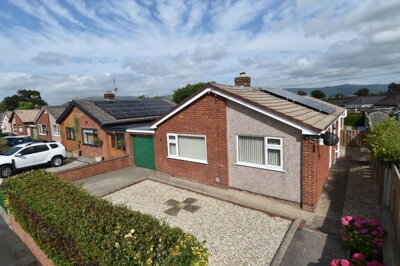
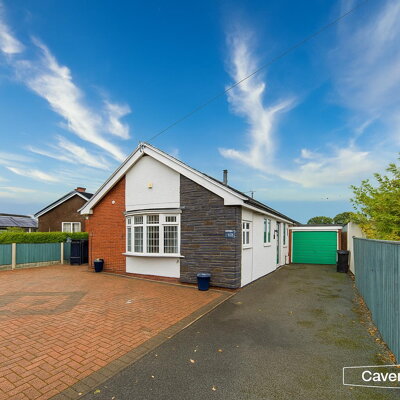
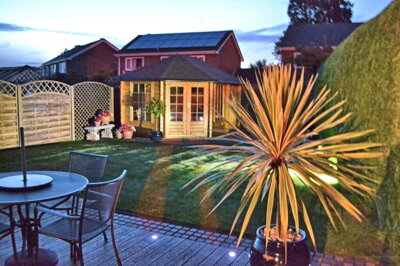
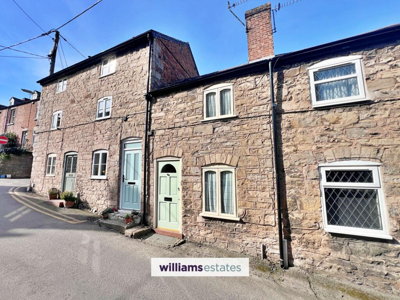
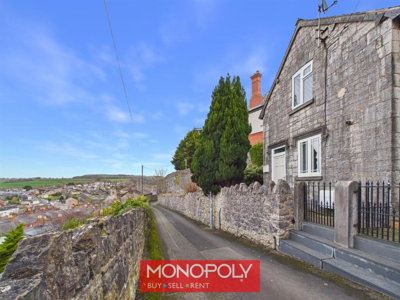
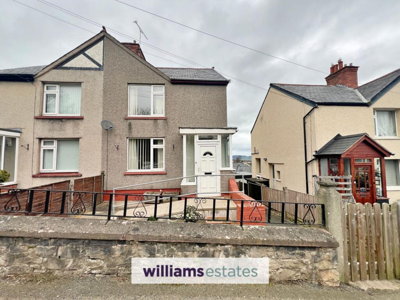
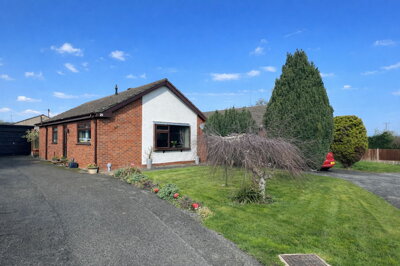
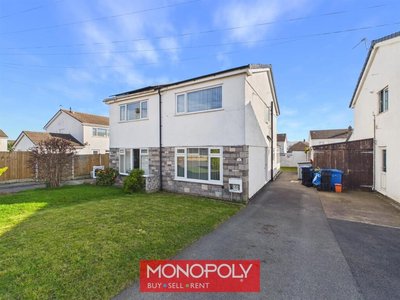
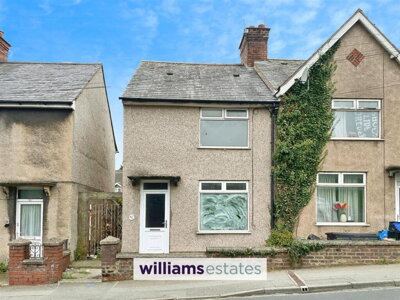
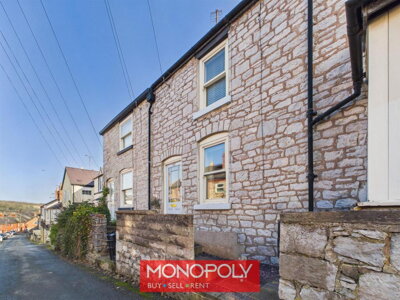
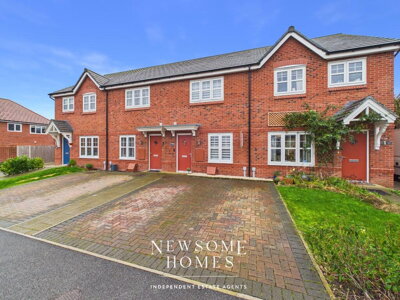
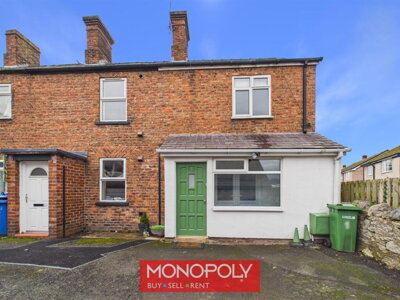
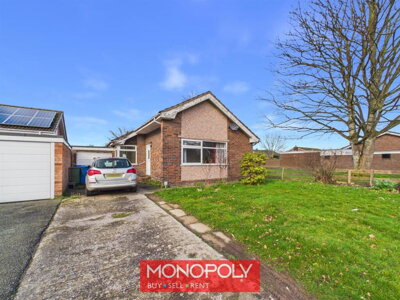
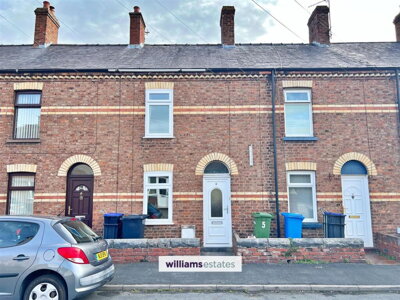
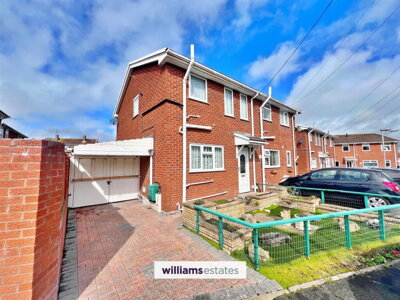
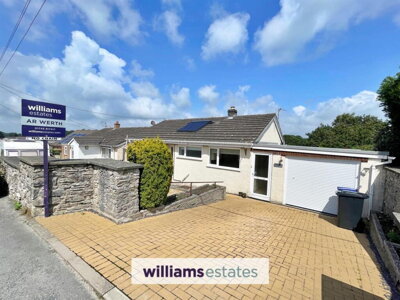
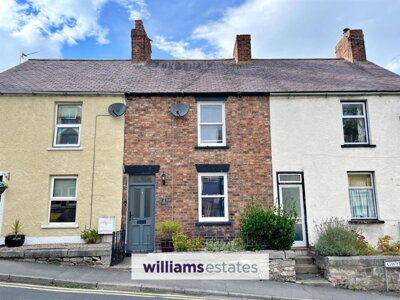
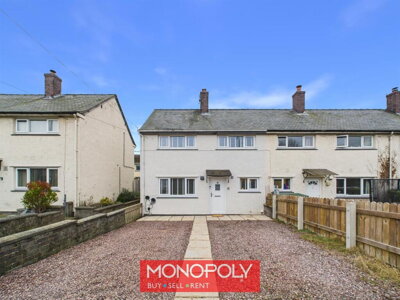
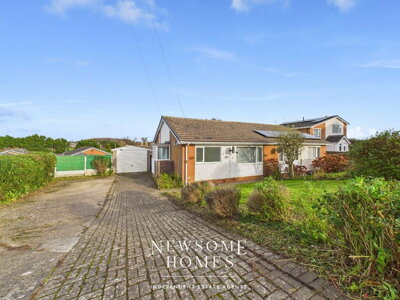
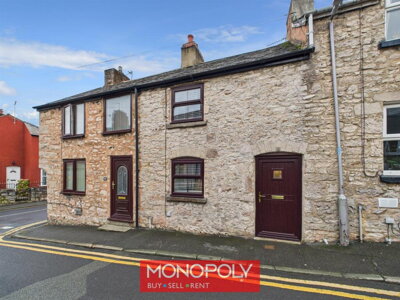
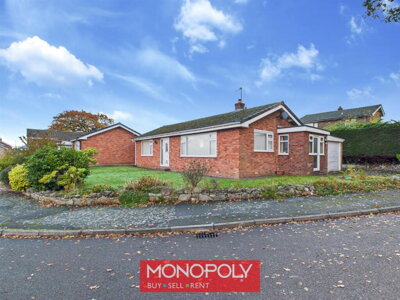
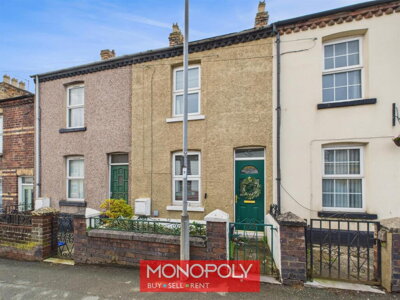
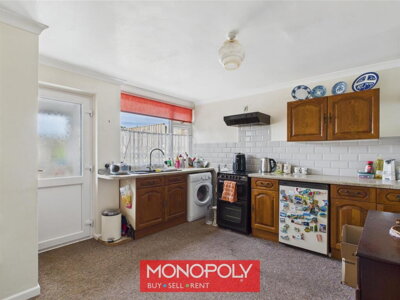
Browse 31 homes for sale in Denbigh, Denbighshire from local estate agents.
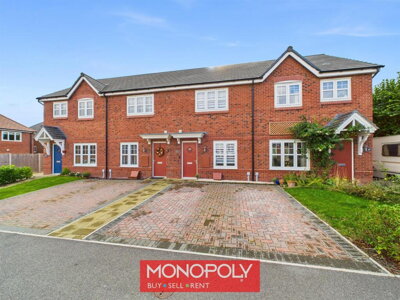
The 2 bed house market features detached, semi-detached, and terraced properties with two separate bedrooms plus living spaces. Properties in Denbigh range from Victorian and Edwardian period homes to modern new builds, with pricing varying across different neighbourhoods.
£160k
4
1
29
Source: home.co.uk
Showing 4 results for 2 Bedroom Houses for sale in Denbigh, Denbighshire. 1 new listing added this week. The median asking price is £160,000.
Source: home.co.uk
Terraced
3 listings
Avg £158,317
Semi-Detached
1 listings
Avg £150,000
Source: home.co.uk
Source: home.co.uk
The Denbigh property market offers attractive opportunities for buyers seeking value in North Wales. Detached properties command the highest prices, with the current average sitting at £290,000, while semi-detached homes present more accessible pricing at around £190,000. The market has experienced modest corrections over the past 12 months, with overall prices decreasing by approximately 2%. This creates favourable conditions for buyers looking to negotiate, particularly in the terraced and flat segments where prices have seen slightly larger reductions of 2% and 5% respectively.
The housing stock in Denbigh reflects its historic character, with detached properties comprising roughly 25-30% of the overall stock, semi-detached homes at around 30-35%, terraced properties at 25-30%, and flats making up the remaining 5-10%. This mix provides options across all price points, from more affordable terraced homes averaging £150,000 to premium detached properties at £290,000. The diverse stock means buyers can find everything from compact starter homes to substantial family residences within the town boundaries.
New build developments are breathing fresh life into the local housing supply. Denbigh Manor, developed by Castle Green Homes on the outskirts of town, offers 3 and 4 bedroom detached and semi-detached homes priced from £219,995 to £339,995. Similarly, Maes Y Rhedyn by Anwyl Homes provides additional new build options with 3 and 4 bedroom homes starting from £249,995. Both developments occupy the LL16 postcode area, ensuring residents benefit from the same excellent local amenities while enjoying modern construction standards and energy efficiency that older properties may lack.

Denbigh's population of approximately 8,983 residents across 3,900 households creates a close-knit community atmosphere that distinguishes it from larger towns. The historic town centre, protected by a Conservation Area designation, features a remarkable concentration of Listed Buildings including numerous Grade I and Grade II* structures. The local economy benefits from diverse employment sectors including healthcare and social care, retail and hospitality serving both residents and tourists, agriculture in the surrounding countryside, and education provision at local schools. The presence of Denbigh Castle and other historical attractions supports a thriving tourism sector that brings additional vitality to the town centre.
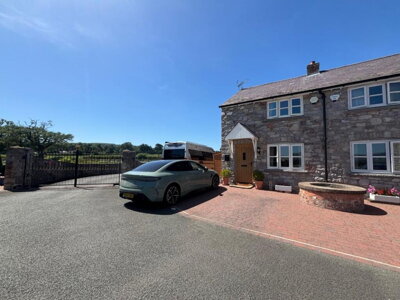
The architectural character of Denbigh reflects its rich heritage. Many properties are constructed from local limestone, a tradition dating back centuries, often finished with render. Victorian-era and later properties feature brick construction alongside the stone, while slate roofs dominate the skyline throughout the town. This distinctive visual character extends from the historic core into more modern residential areas on the outskirts, creating a cohesive townscape that residents consistently report finding appealing. Local amenities include convenience shops, independent retailers, pubs, and restaurants, with larger supermarkets available in nearby towns accessible via the efficient bus network.
Beyond the traditional sectors, light industrial and small businesses operate from local industrial estates, providing employment for residents who prefer to work locally rather than commuting. The mix of employment opportunities helps sustain the local economy and reduces dependence on any single industry. This economic diversity supports the housing market by maintaining demand from workers across different sectors, from healthcare professionals at local medical practices and care homes to retail workers serving the town centre and agricultural workers in the surrounding countryside.

Families considering a move to Denbigh will find educational provision at all levels within the town and surrounding area. Local primary schools serve the immediate community, with secondary education provided by schools in Denbigh and the wider Denbighshire area. The education sector represents one of the significant employers in the town, with dedicated teaching and support staff supporting students from reception through to sixth form. Further education opportunities are available at colleges in nearby towns, accessible via regular public transport connections, providing clear progression pathways for students beyond GCSE level.
When purchasing property in Denbigh, we recommend that prospective buyers with school-age children carefully research catchment areas and admissions criteria before committing to a purchase. Denbighshire County Council publishes school information and catchment maps that can help identify which schools serve specific addresses. Properties within the Conservation Area may appeal to families valuing the historic environment, though parents should note that school quality ratings and available places can fluctuate annually. We also recommend checking current Estyn inspection reports and performance data for individual schools, as these provide more detailed and current information than general descriptions alone.
School catchment boundaries can significantly impact which properties are most suitable for families. In Denbigh, as in many towns, these boundaries can mean the difference between attending one school or another, sometimes for properties on the same street. We advise buyers to verify catchment boundaries directly with Denbighshire County Council before completing a purchase, particularly in rural areas where distances between schools can be considerable and transport arrangements may need to be arranged. Our platform allows you to search properties by proximity to schools, helping families find homes that balance educational requirements with other priorities such as commute times and property specifications.
Denbigh enjoys excellent connectivity despite its market town character. The town sits conveniently near the A55 North Wales Expressway, providing direct access to Chester in approximately 45 minutes and connecting to the broader M53 and M56 motorway network towards Manchester. For rail travel, the nearest mainline stations are in Chester and Rhyl, with regular bus services connecting Denbigh to these hubs. Those working in Holyhead, Bangor, or further afield find this positioning practical, balancing the desire for rural living with access to larger job markets in North West England and North East Wales.
Local bus services operate throughout Denbigh and connect the town to surrounding villages and larger towns including Ruthin and Rhyl. The town itself is relatively walkable, with most amenities accessible on foot from residential areas. Parking provision varies by location, with on-street parking common in older residential streets while newer developments typically include allocated parking spaces. Cyclists benefit from some dedicated routes, though the hilly terrain around Denbigh means cycling appeals more to enthusiasts than everyday commuters. The comprehensive transport links make Denbigh viable for those working in larger cities who prefer returning to a smaller community at day's end.
The A55 North Wales Expressway passes close to Denbigh and serves as the main arterial route for both commuters and commercial traffic. This positioning means residents have straightforward access to employment opportunities in Chester, where major business parks and the Countess of Chester Hospital provide significant job markets. The journey to Chester takes approximately 45 minutes by car under normal traffic conditions, though morning and evening rush hours can extend this. For those working in Manchester or Liverpool, the total journey time extends to around 90 minutes, making Denbigh a viable base for commuters willing to accept a longer drive in exchange for rural living conditions.
Spend time exploring different neighbourhoods within Denbigh, from the historic Conservation Area near the castle to modern developments on the outskirts. Understanding local price patterns, property conditions, and community characteristics will help you identify areas that match your priorities. Our platform provides detailed property listings with accurate pricing and specifications to support your research.
Before scheduling viewings, obtain a mortgage agreement in principle from a lender. This document confirms how much you can borrow and demonstrates to sellers that you are a serious buyer. Given current market conditions in Denbigh, with modest price adjustments across most segments, having your financing arranged strengthens your negotiating position considerably.
Book viewings for properties that meet your criteria, taking notes on condition, parking, outdoor space, and any signs of needed repairs. Pay particular attention to the age of the property, as many Denbigh homes date from before 1919 and may require maintenance investment beyond modern equivalents. Ask about recent renovations, heating systems, and any planning permissions granted for alterations.
Once your offer is accepted, instruct a RICS Level 2 Survey to assess the property condition thoroughly. In Denbigh, these surveys typically cost between £400 and £700 depending on property size and complexity. The survey will identify defects common to local construction, including potential issues with older stone walls, slate roofs, and outdated electrical systems that characterise much of the housing stock.
Appoint a solicitor experienced in Denbighshire property transactions to handle the legal aspects of your purchase. They will conduct searches including local authority, drainage, and environmental checks specific to Denbigh, investigate any mining or quarrying history that may affect the property, and manage the transfer of funds on completion.
After satisfactory survey results and completed searches, your solicitor will arrange contract exchange with the seller's representatives. A deposit, typically 10% of the purchase price, becomes payable at this stage. Completion is then scheduled, usually within 7-28 days, at which point the remaining balance is transferred and you receive the keys to your new Denbigh home.
The substantial proportion of older properties in Denbigh means buyers should pay particular attention to construction materials and their implications. Many homes feature solid stone or brick walls built before modern cavity wall insulation techniques became standard, which can affect thermal performance and mortgageability. When viewing older properties, look for signs of damp including staining on walls, musty odours, and peeling paint or wallpaper. These issues are common in period properties but range from simple condensation problems to more serious penetrating or rising damp requiring professional treatment. Our inspectors frequently identify damp issues in Denbigh properties, particularly in ground floor rooms and basements where moisture penetration is most likely.
The local geology introduces specific considerations for property buyers in Denbigh. The town sits on Carboniferous Limestone and Silurian mudstones, with some clay content present in the underlying geology. While formal mining risk is lower than in coalfield areas, historical limestone quarrying has occurred, and properties near former quarry sites should be subject to appropriate specialist searches. Surface water flooding affects some lower-lying areas of Denbigh, particularly near the River Clywedog and other watercourses, so buyers should review Environment Agency flood maps and consider whether properties in these zones require specialist insurance or mitigation measures.
Properties within the Denbigh Conservation Area benefit from protection of their historic character but also carry obligations for owners. Any external alterations to these properties typically require Conservation Area Consent or planning permission from Denbighshire County Council. Listed Buildings, which are numerous in the town centre, require Listed Building Consent for virtually any works that might affect their character. We recommend that buyers considering period properties factor potential restoration costs and the limitations on alterations into their budget calculations. We indicate properties within the Conservation Area or those with Listed status where known in our listings.
The age of Denbigh's housing stock means that many properties will have electrical wiring and plumbing systems that do not meet current standards. Our surveyors often identify outdated consumer units, insufficient earth bonding, and older plumbing materials that require updating. Properties built before 1919 commonly feature timber floor joists, lime mortar pointing, and original sash windows that require specialist maintenance. A thorough RICS Level 2 Survey will identify these issues and help you negotiate appropriate reductions or require the seller to address defects before completion.
The overall average house price in Denbigh stands at approximately £215,627 according to recent market data. Property prices vary significantly by type, with detached homes averaging £290,000, semi-detached properties around £190,000, terraced houses at £150,000, and flats at approximately £105,000. The market has experienced modest price reductions of around 2% over the past 12 months, creating opportunities for buyers in various segments. New build properties at developments like Denbigh Manor and Maes Y Rhedyn start from £219,995 for 3-bedroom homes, positioning new build options competitively against the existing stock.
Council tax bands in Denbigh are set by Denbighshire County Council and vary according to property value and type. Band A properties typically represent the lowest values while Band H covers the most expensive homes. You can check the specific band for any listed property through the Welsh Government valuation list or by contacting Denbighshire County Council directly. These bands affect ongoing running costs and should be factored into your budget alongside mortgage payments and utility bills when calculating the true cost of home ownership in Denbigh. Properties in the historic town centre, particularly those with Listed status, may have higher bandings due to their character and location.
Denbigh offers educational provision at primary and secondary levels within the town itself, with additional options available in surrounding towns accessible via regular bus services. Families should research current Estyn inspection reports and performance data for individual schools, as these are updated regularly and provide more current information than general descriptions. Denbighshire County Council publishes school catchment area maps that determine which schools serve specific addresses, and parents should verify catchment boundaries before committing to a purchase, particularly in rural areas where distances between schools can be considerable. The education sector is a significant employer in Denbigh, with dedicated teaching and support staff supporting students throughout their school years.
Denbigh is served by local bus services connecting the town to surrounding villages and larger centres including Ruthin and Rhyl. Rail connections are accessed via nearby stations in Chester and Rhyl, with bus services providing the link from Denbigh to these stations. The A55 North Wales Expressway passes close to Denbigh, providing direct road access to Chester in approximately 45 minutes and onwards to Manchester and Liverpool beyond. This positioning makes Denbigh practical for commuters who work in larger cities but prefer returning to a smaller community at day's end, with the town offering a viable balance between rural living and employment connectivity.
Denbigh offers several factors that may appeal to property investors. The town's historic character and tourism economy around Denbigh Castle create consistent demand for rental properties, particularly from tourists seeking self-catering accommodation and from renters who appreciate the community atmosphere without needing to purchase. Modest price reductions over the past year may present buying opportunities ahead of any market recovery. Local demand from key workers in healthcare, education, and retail sectors provides a baseline tenant pool. However, investors should carefully calculate yields after accounting for management costs, void periods, and potential maintenance requirements on older properties that constitute much of the stock.
As a property in Wales, stamp duty land tax in Denbigh follows Welsh rates rather than the England and Northern Ireland system. The thresholds and rates change periodically, so you should verify current figures with your solicitor or conveyancer before completing. First-time buyers in Wales may benefit from relief on properties up to certain values, though the relief has limitations compared to previous schemes. Your conveyancing solicitor will calculate the exact SDLT liability based on your purchase price, whether you are a first-time buyer, and whether you own any other properties, providing a clear figure well before completion so you can arrange funds accordingly.
From 3.5%
Expert mortgage advice tailored to your situation
From £499
Expert property solicitors to handle your legal work
From £400
Thorough condition survey by qualified inspectors
From £80
Energy performance certificate for your property
Understanding the full costs of purchasing property in Denbigh helps you budget accurately and avoids delays during the transaction. Beyond the purchase price, buyers should budget for stamp duty land tax, which in Wales operates under a separate system to England. Your solicitor will calculate the precise SDLT liability based on your purchase price, your buyer status, and whether you own other property. First-time buyer relief may apply to properties below certain thresholds, though eligibility criteria and maximum values change periodically, so verifying current rules with your conveyancer before budgeting is essential.
Survey costs for properties in Denbigh typically range from £400 to £700 for a standard RICS Level 2 Survey, depending on property size and complexity. Larger detached homes or those with unusual construction may incur higher fees. A thorough survey is particularly valuable in Denbigh given the age of much of the housing stock, as older properties frequently reveal defects that are not immediately apparent during viewings. Our inspectors have extensive experience surveying period properties in Denbigh and understand the common issues that affect stone walls, slate roofs, and older electrical systems. Conveyancing fees generally start from around £499 for straightforward transactions, though leasehold properties, properties in the Conservation Area, or those with complex titles may involve additional costs reflecting the additional work involved.
Additional costs to factor into your budget include lender arrangement fees if applicable, valuation fees charged by your mortgage lender, search fees from Denbighshire County Council and other authorities, land registry fees for registering the title transfer, and removal costs for moving your belongings. Buildings insurance must be in place from the day of completion, and you should also budget for moving costs, potential repairs or renovations identified during survey, and connection charges for utilities at your new address. Planning these costs in advance ensures a smooth path to completing your Denbigh purchase without financial surprises. We recommend setting aside a contingency fund of at least 10-15% above your purchase price to cover these additional costs and any unexpected issues that may arise during the transaction.
Properties for Sale In London

Properties for Sale In Plymouth

Properties for Sale In Liverpool

Properties for Sale In Glasgow

Properties for Sale In Sheffield

Properties for Sale In Edinburgh

Properties for Sale In Coventry

Properties for Sale In Bradford

Properties for Sale In Manchester

Properties for Sale In Birmingham

Properties for Sale In Bristol

Properties for Sale In Oxford

Properties for Sale In Leicester

Properties for Sale In Newcastle

Properties for Sale In Leeds

Properties for Sale In Southampton

Properties for Sale In Cardiff

Properties for Sale In Nottingham

Properties for Sale In Norwich

Properties for Sale In Brighton

Properties for Sale In Derby

Properties for Sale In Portsmouth

Properties for Sale In Northampton

Properties for Sale In Milton Keynes

Properties for Sale In Bournemouth

Properties for Sale In Bolton

Properties for Sale In Swansea

Properties for Sale In Swindon

Properties for Sale In Peterborough

Properties for Sale In Wolverhampton

Enter your details to see if this property is within your budget.
Loans, cards, car finance
Estimated property budget
Borrowing + deposit
You could borrow between
Typical borrowing
Monthly repayment
Est. at 4.5%
Loan-to-value
This is an estimate only. Your actual budget may vary depending on interest rates, credit history, and personal circumstances. For an accurate affordability assessment, speak to one of our free mortgage advisors.
This calculator provides estimates for illustrative purposes only and does not constitute financial advice. Your home may be repossessed if you do not keep up repayments on your mortgage. Estimates based on 4.5% interest rate, repayment mortgage. Actual rates depend on your circumstances.
Homemove is a trading name of HM Haus Group Ltd (Company No. 13873779, registered in England & Wales). Homemove Mortgages Ltd (Company No. 15947693) is an Appointed Representative of TMG Direct Limited, trading as TMG Mortgage Network, which is authorised and regulated by the Financial Conduct Authority (FRN 786245). Homemove Mortgages Ltd is entered on the FCA Register as an Appointed Representative (FRN 1022429). You can check registrations at NewRegister or by calling 0800 111 6768.

We use cookies to show you personalised content and improve your experience of our website. Find out more in our Privacy policy and Cookie policy.