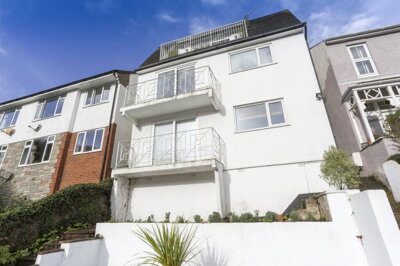
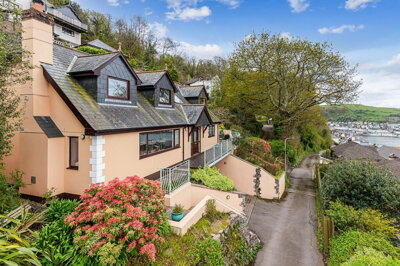
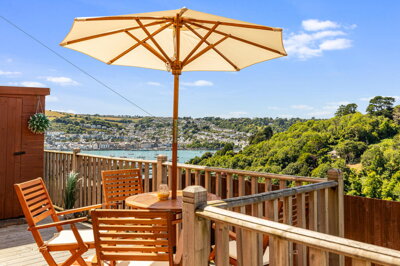
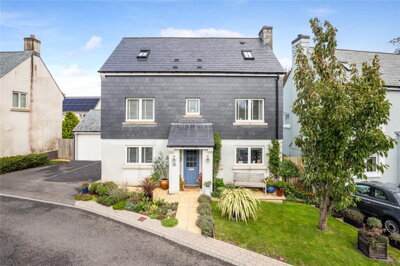
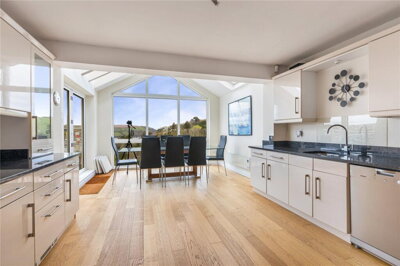
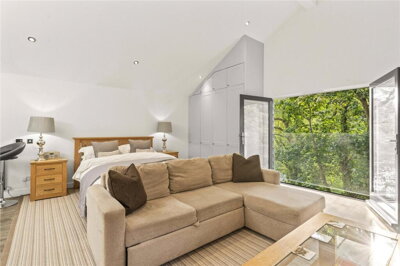
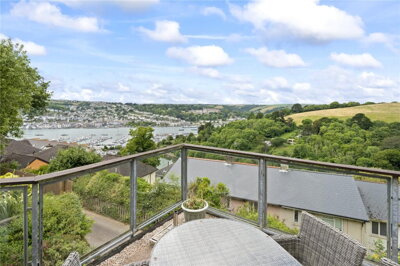
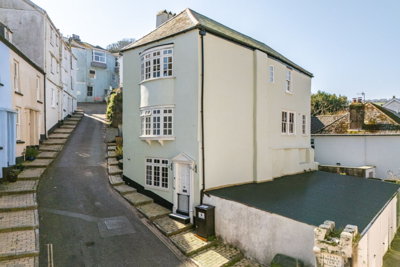
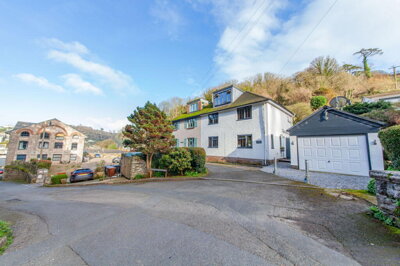
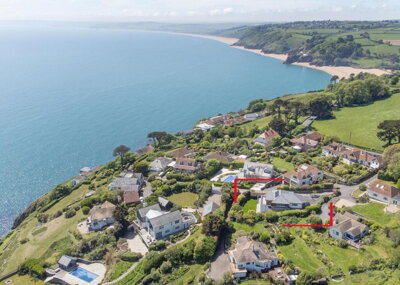
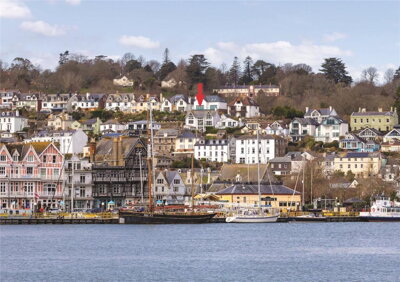
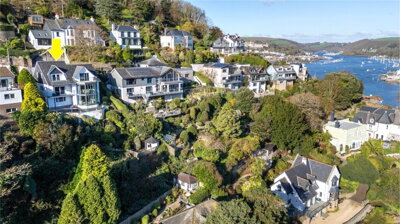
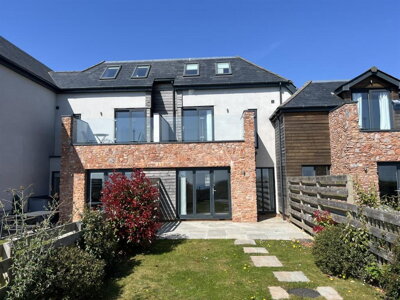
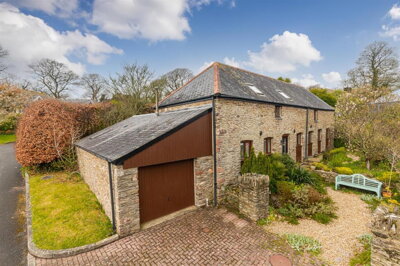
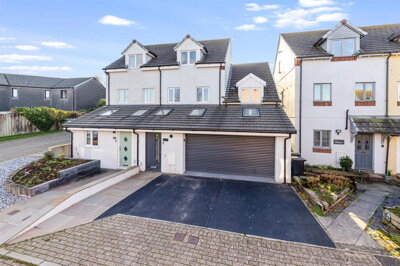
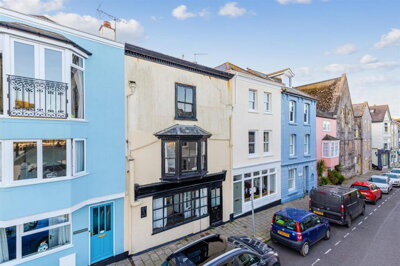
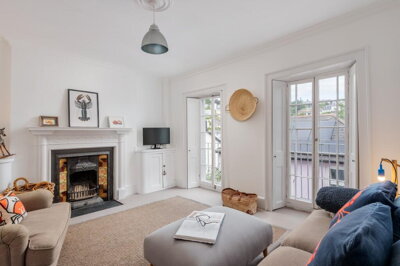
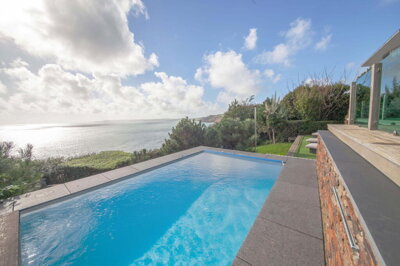
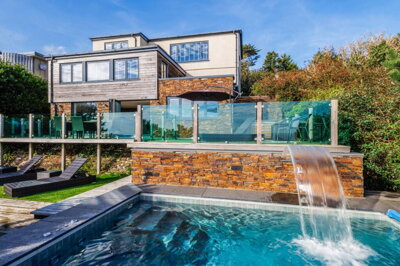
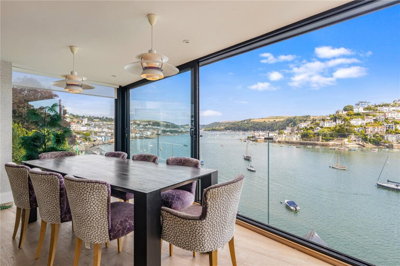
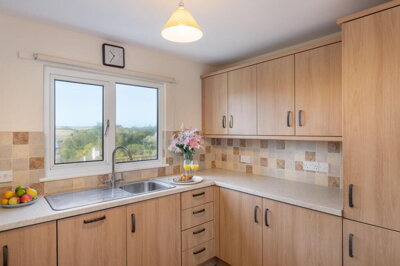
Browse 40 homes for sale in Dartmouth, South Hams from local estate agents.
The larger property sector typically features multiple bathrooms, substantial reception space, and private gardens or off-street parking. Four bedroom houses in Dartmouth span detached, semi-detached, and occasionally terraced configurations, with styles ranging from period properties to modern executive homes.
£650k
19
1
158
Source: home.co.uk
Showing 19 results for 4 Bedroom Houses for sale in Dartmouth, South Hams. 1 new listing added this week. The median asking price is £650,000.
Source: home.co.uk
Detached
10 listings
Avg £1.33M
Semi-Detached
5 listings
Avg £543,000
Terraced
4 listings
Avg £587,500
Source: home.co.uk
Source: home.co.uk
The Dartmouth property market reflects the unique character of this historic coastal town, with an overall average price of £472,308 across approximately 100 sales recorded in the past 12 months. Property types in Dartmouth are varied, with terraced houses comprising 39.1% of the housing stock, followed by detached properties at 29.5%, flats at 20.3%, and semi-detached homes at 10.1%. This mix provides options for first-time buyers, families, and those seeking spacious retirement homes, though the limited availability of flats indicates strong demand in this sector. The predominance of terraced properties reflects the historic town centre layout, where buildings were constructed on the available land between the river and the steep hillside, creating the characteristic narrow streets and stepped access that define Dartmouth's architectural identity.
When examining prices by property type, detached homes command the highest values with an average of £620,000, reflecting the premium associated with larger properties in this desirable location. These substantial homes are often found in areas like Victoria Road, College Way, and the approaches to the town where larger plots allow for gardens and off-street parking, amenities highly valued in a town centre where parking is at a premium. Semi-detached properties average around £410,000, typically situated in residential areas slightly removed from the historic core, offering more modern accommodation while maintaining proximity to town centre amenities. Terraced homes typically sell for approximately £395,000, with the lowest prices often found in compact cottages on the steep hillsides where accessibility may be limited, while riverside terraces command premiums.
Flats in Dartmouth average £290,000, offering a more accessible entry point to the local market despite representing a smaller portion of available stock. These are often located within converted Georgian and Victorian properties on the main thoroughfares, or in purpose-built developments near the waterfront. Over the past five years, prices in Dartmouth have increased by 19%, demonstrating sustained demand driven by the town's desirability as both a residential location and holiday destination. However, the market has seen a modest 1% decline over the past 12 months, suggesting a period of stabilisation following the pandemic-driven surge in coastal property demand.
New build developments in Dartmouth include Dartmouth Place by Baker Estates, offering 2, 3, and 4 bedroom homes priced from £320,000 to £550,000, situated on the eastern edge of the town with views toward the river. Little Cotton Farm by Cavanna Homes, located in the nearby village of Stoke Fleming approximately two miles from Dartmouth town centre, features 2, 3, 4, and 5 bedroom properties ranging from £310,000 to £650,000. These developments provide opportunities for buyers seeking modern construction methods and energy-efficient homes, complementing the characterful older properties that dominate the town centre. New build properties typically appeal to buyers who prioritise warranties, contemporary insulation standards, and reduced maintenance requirements, though they command a premium over equivalent period properties.

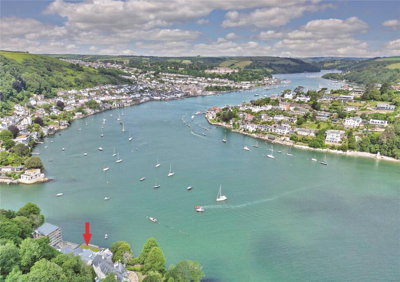
Dartmouth nestles along the western bank of the River Dart, approximately two miles from where the river meets the sea at the Start Bay coastline. The town is characterised by steep, winding streets that climb up from the historic waterfront, lined with Georgian and Victorian architecture that reflects its prosperous past as a royal naval port. The town's layout dates to medieval times, with properties constructed on the limited flat land near the water and along the hillsides accessible only by steep lanes and steps. This historic development pattern has created a compact town centre where most amenities are within walking distance, though it also means that larger gardens and extensive parking are rare commodities that command premium prices.
The geology of the area consists predominantly of Devonian slate and limestone, with the distinctive building materials of local stone, painted render, and slate roofs contributing to the town's visual coherence and timeless appeal. The underlying geology is generally stable, with low shrink-swell clay risk across most of the town, though superficial deposits including river alluvium along the waterfront areas and head deposits on the hillsides can create localised ground conditions that require consideration when assessing foundations. Properties near the river may encounter different subsoil conditions than those on the higher ground, and this geological variation is reflected in the construction approaches used historically across different parts of the town.
The population of Dartmouth stands at approximately 5,049 residents across 2,492 households, according to the 2021 Census. The community maintains a balanced demographic mix, with significant numbers of retirees drawn to the area's peaceful environment and excellent healthcare facilities, alongside working-age families employed in the tourism, maritime, and service sectors. The town attracts residents seeking a quality of life that combines coastal beauty with access to amenities, though the seasonal population swells considerably during summer months when holidaymakers and day visitors arrive to enjoy the harbour, beaches, and coastal walks. Property age distribution shows that 35% of homes were built before 1919, with a further 15% constructed between 1919 and 1945, meaning half the housing stock is over a century old and rich in architectural character but potentially requiring more maintenance than newer construction.
Tourism forms the backbone of Dartmouth's economy, supporting numerous hotels, restaurants, cafes, and retail establishments throughout the town centre. The Britannia Royal Naval College, situated on the hill above the town, represents a major employer and contributes to the sense of naval tradition that permeates the community, with graduation ceremonies and naval events bringing additional visitors throughout the year. The maritime industry remains significant, with boat-building yards and marine services continuing the town's historic connection to the sea, from traditional wooden boat construction to modern yacht refit facilities. A notable feature of the local market is the proportion of properties used as second homes or holiday lets, which influences both demand patterns and pricing dynamics, as investor buyers often target properties that can generate rental income during the peak tourist season while appreciating in value over the longer term.

Families considering a move to Dartmouth will find a selection of educational establishments serving the local community, from primary through secondary level. The town is served by several primary schools catering to children from Reception through to Year 6, with the majority situated within comfortable walking distance of the town centre. Primary schools in Dartmouth include St Mary's Catholic Primary School, which serves families seeking faith-based education, and Dartmouth Primary School, which serves the broader community. These schools provide a solid foundation for young learners in a supportive, community-focused environment that reflects Dartmouth's welcoming character, with small class sizes enabling teachers to provide individual attention to each child.
Secondary education options in Dartmouth include Dartmouth Academy, which serves students from across the surrounding rural area including villages such as Stoke Fleming, Blackawton, and Dittisham. For families seeking grammar school provision, the nearby town of Totnes offers selective education opportunities accessible via regular bus services that operate throughout the school term. The journey from Dartmouth to Totnes takes approximately 25 minutes by bus, with services running throughout the day to accommodate students attending grammar schools in the Totnes area. Parents should research specific catchment areas and admission policies, as these can significantly influence school allocation in this semi-rural location where schools may serve villages spread across considerable distances.
Further education opportunities are readily accessible in Plymouth, approximately 30 miles away via the A381 and A38, where learners will find the University of Plymouth offering undergraduate and postgraduate degrees across various disciplines, alongside a range of vocational training providers including Plymouth Marjon University. For families prioritising educational excellence, visiting local schools, reviewing Ofsted reports, and understanding admission criteria should form a key part of the property search process. The presence of quality educational facilities can significantly impact both family quality of life and long-term property values, with homes in good school catchments often maintaining their value more robustly through market fluctuations. Additionally, families should consider the availability of before and after-school childcare, which can be limited in smaller towns and may require advance planning to secure.
Transport connectivity from Dartmouth combines the peaceful isolation of rural Devon living with practical links to larger employment centres. The A381 road provides the primary route through the South Hams, connecting Dartmouth to Totnes approximately 10 miles to the north, where direct rail services to Exeter, Plymouth, Bristol, and London Paddington are available. The journey from Dartmouth to Totnes by car typically takes around 25 minutes, with the road traversing attractive Devonian countryside through villages such as Ashpring Cross and Tuckenhay. The road is narrow in places and passes through winding sections, so journey times can extend during peak season when tourist traffic increases substantially.
Bus services operated by various providers connect Dartmouth with surrounding towns and villages, offering essential public transport options for those without private vehicles. The Stagecoach bus service provides regular connections to Totnes, with journey times of approximately 40 minutes, while services also operate to Kingswear, Paignton, and Brixham during the summer season. For commuters working in Plymouth, the journey takes approximately 45 minutes by car via the A381 and A38, making day-to-day commuting feasible for those employed in the city, though the distance and fuel costs mean this is more practical for those working hybrid schedules rather than daily commuting. Rail travellers connect through Totnes station, which offers regular services to major destinations including Exeter St Davids, Plymouth, and London Waterloo.
For air travel, Plymouth City Airport offers limited commercial services, while Exeter International Airport provides a broader range of domestic and international flights within approximately one hour's drive, serving destinations across Europe and offering connections to worldwide networks via hub airports. The distinctive ferry service across the River Dart to Kingswear, with its connection to the Paignton and Dartmouth Steam Railway, adds character to local transport options and provides a scenic alternative for travelling to Paignton during the summer season. Parking in Dartmouth town centre can be challenging during peak tourist season, with the main car parks at the Eastern Wharf and Cornice Road often reaching capacity during summer weekends, though residential parking permits are available for local homeowners through South Hams District Council.
Purchasing property in Dartmouth requires awareness of several location-specific factors that can significantly impact your investment, particularly given the age of much of the local housing stock. Our inspectors frequently identify damp issues in Dartmouth properties, with rising damp, penetrating damp, and condensation being especially common in older properties and those close to the waterfront. Properties built before 1919, which comprise 35% of the housing stock, often lack modern damp-proof courses, and the coastal climate with its salt air and humidity accelerates moisture penetration into walls and timbers. When viewing properties, look for tide marks on internal walls, musty smells, and peeling wallpaper or paint, particularly in ground floor rooms and basements.
Timber defects represent another significant concern in Dartmouth properties, where our surveyors regularly encounter wet rot, dry rot, and woodworm infestation. The combination of age, moisture exposure, and sometimes inadequate ventilation creates ideal conditions for timber decay in floor joists, roof timbers, and window frames. Slate roofs, which dominate the Dartmouth skyline, require regular maintenance as slipped slates, degraded lead flashing, and corroded nails are frequently identified during surveys. Properties on Victoria Road, Anzac Street, and the other steep hillside streets are particularly susceptible to roofing issues due to their exposure to wind-driven rain from the estuary.
Cracking to render or masonry affects many Dartmouth properties, especially those exposed to coastal weather conditions and the repeated wet-dry cycles that occur throughout the year. The traditional painted render finish common to Georgian and Victorian properties can trap moisture if damaged, leading to blistering, cracking, and eventual failure of the render system. Properties within the Dartmouth Conservation Area often have rendering specified by planning conditions to maintain the historic character, meaning repair costs may be higher than for properties where modern cladding options are permitted. Electrical systems in older properties frequently require upgrading, as wiring installed before the 1980s often does not meet current standards and may not have the capacity for modern household demands.
Flood risk represents a primary consideration for Dartmouth buyers, as the town faces potential flooding from the River Dart, particularly in waterfront and low-lying areas adjacent to the estuary. Properties on the Lower Street, The Quay, and nearby areas experience the highest risk from river flooding during periods of high tide and heavy rainfall upstream. Coastal flooding during storm surges presents additional risk, and surface water flooding can occur in various parts of the town following heavy rainfall when drainage capacity is exceeded. The Dartmouth waterfront and surrounding low-lying areas should be investigated thoroughly before purchase, and buildings insurance availability and cost should be confirmed with providers before committing to a purchase in higher-risk zones.
Start by exploring property listings on Homemove and understanding current prices in different neighbourhoods. Consider factors like proximity to the river, conservation area restrictions, and flood risk when evaluating properties. The average price of £472,308 provides a useful benchmark, though prices vary significantly between terraced homes around £395,000 and detached properties averaging £620,000. Spend time exploring different areas of Dartmouth, from the historic town centre streets to the residential areas on the town outskirts, to understand which neighbourhoods best match your requirements and budget.
Before arranging viewings, obtain a mortgage agreement in principle from a lender to confirm your borrowing capacity. This strengthens your position when making offers and demonstrates to sellers that you are a serious buyer. Local mortgage brokers familiar with Dartmouth property values can help you secure competitive rates and understand any specific considerations for this coastal market. Given the mix of property types from flats to substantial detached homes, and the presence of listed buildings and non-standard construction, some lenders may have specific criteria that affect borrowing terms, so seeking specialist advice early is advisable.
Visit properties that match your criteria, paying attention to construction quality, potential maintenance issues, and location specifics. Given that approximately 75% of Dartmouth properties were built before 1980, older properties may require surveys to assess condition. Note any differences between properties in the conservation area and those outside, as permitted development rights may vary. When viewing properties near the waterfront, pay particular attention to signs of damp, the condition of timber windows and doors, and any evidence of previous flooding such as watermarks on walls or warped floorboards.
Commission a RICS Level 2 Survey for most properties, or consider a more detailed RICS Level 3 Building Survey for older, listed, or unusual properties. Survey costs in Dartmouth typically range from £400 to £900 depending on property size and complexity. The survey will identify defects common to local properties, including damp, timber issues, and roof condition. For properties in the conservation area or those that are listed buildings, a more comprehensive survey may be necessary to understand the full implications of ownership, including planning restrictions and potential repair obligations.
Once your offer is accepted, instruct a solicitor to handle the legal transfer of ownership. Your conveyancer will conduct searches, check title deeds, and manage the complex process of purchasing property in a conservation area with potential planning restrictions. Ensure your solicitor has experience with South Hams District Council requirements and any listed building considerations. Searches will include drainage and water searches, environmental searches to identify any potential contamination, and local authority searches to identify planning constraints, listed building statuses, and conservation area designations.
After satisfactory survey results and completed searches, you will exchange contracts and pay your deposit. Completion typically follows within days or weeks, when you receive the keys to your new Dartmouth home. Remember to budget for Stamp Duty, survey costs, legal fees, and moving expenses alongside your property purchase price. For properties in higher flood risk areas, ensure your buildings insurance is confirmed before completion, as some properties may require specialist insurers or may have excess clauses that affect your overall costs.
The current average house price in Dartmouth is £472,308 based on recent sales data covering the past 12 months. Detached properties average £620,000, semi-detached homes around £410,000, terraced properties approximately £395,000, and flats average £290,000. Prices have increased by 19% over the past five years, demonstrating sustained long-term growth in this desirable coastal location, though the market has seen a modest 1% decline in the past 12 months. The mix of property types, the prevalence of historic homes requiring maintenance, and the limited supply from being a historic town with conservation constraints all contribute to this varied pricing landscape.
Dartmouth offers several primary schools serving the local community, with Dartmouth Primary School and St Mary's Catholic Primary School serving pupils from the town and surrounding villages. Secondary education is available through Dartmouth Academy, which serves students from across the rural South Hams area. For families seeking grammar school provision, schools in nearby Totnes such as King Edward VI Community College provide alternative options accessible via regular bus services. Parents should research specific school catchments, review Ofsted reports, and understand admission criteria, as these can significantly affect school allocation in this semi-rural location where schools may serve villages spread across considerable distances.
Dartmouth is connected to surrounding areas via bus services, with regular routes operated by Stagecoach providing access to Totnes where rail connections are available to Exeter, Plymouth, Bristol, and London. The A381 road links Dartmouth to the A38 trunk road, providing road access to Plymouth in approximately 45 minutes and to Exeter in around one hour. The distinctive ferry service across the River Dart to Kingswear, connecting with the Paignton and Dartmouth Steam Railway, adds charm to local travel options and provides a scenic route to Paignton during the summer season. Daily commuters should note that parking in Plymouth city centre involves costs, and the overall journey door-to-door may take significantly longer than the raw driving time suggests.
Dartmouth offers potential for property investment, though buyers should understand the local market dynamics before committing. The town's economy relies heavily on tourism, and a significant proportion of properties serve as second homes or holiday lets, which influences demand patterns and can create seasonal fluctuations in availability. The Naval College and maritime industry provide employment stability for resident workers. Five-year price increases of 19% demonstrate historical value growth, though the market has shown recent modest decline following the post-pandemic peak. Properties in the conservation area may hold their value well due to restricted supply, but investors should factor in maintenance costs for period properties and potential void periods for holiday lets during quieter months.
Properties in Dartmouth fall under South Hams District Council administration, with council tax collected alongside Devon County Council and Devon and Cornwall Police contributions. Council tax bands vary by property depending on value and characteristics, ranging from Band A for lower-valued properties through to Band H for the most expensive homes valued above £320,000. Buyers should check specific band information for any property they are considering, as this forms part of the ongoing costs of homeownership alongside mortgage payments, buildings insurance, and maintenance. Flats and smaller terraced cottages in Dartmouth typically fall into Bands A through C, while larger detached properties may be in Bands E through G.
For standard property purchases, Stamp Duty Land Tax rates are 0% on the first £250,000, 5% on £250,001 to £925,000, 10% on £925,001 to £1.5 million, and 12% on amounts exceeding £1.5 million. First-time buyers qualify for relief on the first £425,000, with 5% applied between £425,001 and £625,000. Given Dartmouth's average price of £472,308, most buyers would pay stamp duty on the amount above £250,000 at the standard rate, equating to approximately £11,115, unless they qualify for first-time buyer relief which would reduce this to around £2,365. Those purchasing additional properties face the 3% surcharge on all bands, increasing costs considerably.
Flood risk in Dartmouth comes from multiple sources, including river flooding along the River Dart waterfront and low-lying areas including properties on Lower Street and near the historic quay, coastal flooding during high tides and storm surges, and surface water flooding following heavy rainfall when local drainage is overwhelmed. Properties closer to the river and estuary face higher risk levels, though the flood risk varies considerably across different parts of the town depending on elevation and proximity to water. Before purchasing, obtain a Flood Risk Report for the specific property, verify insurance availability and cost with providers, and consider flood resilience measures such as non-return valves on drainage and flood-resistant building materials for any property in affected areas.
Given that approximately 75% of Dartmouth properties were built before 1980, with 35% built before 1919, the vast majority of properties in the town will benefit from a professional survey before purchase. Our inspectors commonly identify damp issues, timber defects including rot and woodworm, slate roof deterioration, and render cracking in older Dartmouth properties. A RICS Level 2 Survey typically costs between £400 and £900 depending on property size and complexity, while a more detailed RICS Level 3 Building Survey may be advisable for listed buildings or properties with apparent structural issues. The survey cost represents a small fraction of the purchase price but can identify defects that might cost thousands of pounds to rectify, providing crucial negotiating leverage or alerting you to properties that should be avoided entirely.
From £400
A detailed inspection of a standard property, identifying defects common to Dartmouth's older housing stock
From £600
A comprehensive structural survey recommended for period properties, listed buildings, and non-standard construction
From 4.5% APR
Expert mortgage advice tailored to your property purchase in Dartmouth
From £499
Conveyancing solicitors experienced in South Hams property transactions
Understanding the full costs of buying property in Dartmouth helps you budget accurately and avoid financial surprises during the purchase process. Beyond the property purchase price, buyers must account for Stamp Duty Land Tax, legal fees, survey costs, and various other expenses that together can add several thousand pounds to the total investment. For a property at the Dartmouth average price of £472,308, these additional costs typically range from £8,000 to £15,000 depending on circumstances and property type. First-time buyers and those purchasing lower-value properties may find these costs at the lower end of the range, while buyers of additional properties face substantially higher Stamp Duty bills.
Current Stamp Duty rates (2024-25) apply 0% duty on the first £250,000 of any purchase, meaning buyers immediately save £12,500 compared to the old threshold that existed before the temporary relief was made permanent. On a £472,308 property, this results in Stamp Duty of approximately £11,115 at standard rates for buyers who do not qualify for first-time buyer relief. First-time buyers benefiting from relief pay nothing on the first £425,000 and 5% on amounts between £425,001 and £625,000, potentially reducing their Stamp Duty liability to approximately £2,365. Those purchasing additional properties face the 3% surcharge on all bands, increasing their Stamp Duty to around £25,369 on the same property.
Professional costs typically include a RICS Level 2 Survey ranging from £400 to £900 depending on property size, age, and complexity, with larger detached properties and period homes commanding higher fees than smaller flats. Conveyancing fees start from £499 for standard purchases but may increase for more complex transactions involving listed buildings, conservation area properties, or unusual titles. For older Dartmouth properties, particularly those in the conservation area or with listed status, buyers may need to budget for more detailed structural surveys and specialist reports including asbestos surveys or timber condition assessments. Factor in removal costs, potential renovation expenses for period properties, and ongoing costs including council tax, buildings insurance which may be higher for flood-risk properties, and service charges where applicable.
Properties for Sale In London

Properties for Sale In Plymouth

Properties for Sale In Liverpool

Properties for Sale In Glasgow

Properties for Sale In Sheffield

Properties for Sale In Edinburgh

Properties for Sale In Coventry

Properties for Sale In Bradford

Properties for Sale In Manchester

Properties for Sale In Birmingham

Properties for Sale In Bristol

Properties for Sale In Oxford

Properties for Sale In Leicester

Properties for Sale In Newcastle

Properties for Sale In Leeds

Properties for Sale In Southampton

Properties for Sale In Cardiff

Properties for Sale In Nottingham

Properties for Sale In Norwich

Properties for Sale In Brighton

Properties for Sale In Derby

Properties for Sale In Portsmouth

Properties for Sale In Northampton

Properties for Sale In Milton Keynes

Properties for Sale In Bournemouth

Properties for Sale In Bolton

Properties for Sale In Swansea

Properties for Sale In Swindon

Properties for Sale In Peterborough

Properties for Sale In Wolverhampton

Enter your details to see if this property is within your budget.
Loans, cards, car finance
Estimated property budget
Borrowing + deposit
You could borrow between
Typical borrowing
Monthly repayment
Est. at 4.5%
Loan-to-value
This is an estimate only. Your actual budget may vary depending on interest rates, credit history, and personal circumstances. For an accurate affordability assessment, speak to one of our free mortgage advisors.
This calculator provides estimates for illustrative purposes only and does not constitute financial advice. Your home may be repossessed if you do not keep up repayments on your mortgage. Estimates based on 4.5% interest rate, repayment mortgage. Actual rates depend on your circumstances.
Homemove is a trading name of HM Haus Group Ltd (Company No. 13873779, registered in England & Wales). Homemove Mortgages Ltd (Company No. 15947693) is an Appointed Representative of TMG Direct Limited, trading as TMG Mortgage Network, which is authorised and regulated by the Financial Conduct Authority (FRN 786245). Homemove Mortgages Ltd is entered on the FCA Register as an Appointed Representative (FRN 1022429). You can check registrations at NewRegister or by calling 0800 111 6768.

We use cookies to show you personalised content and improve your experience of our website. Find out more in our Privacy policy and Cookie policy.