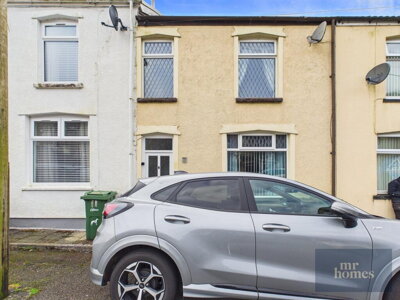
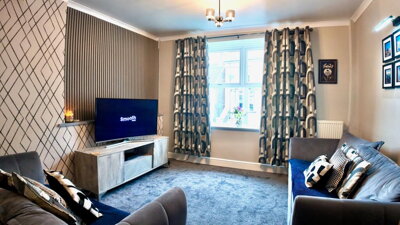
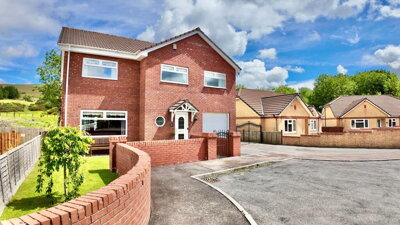
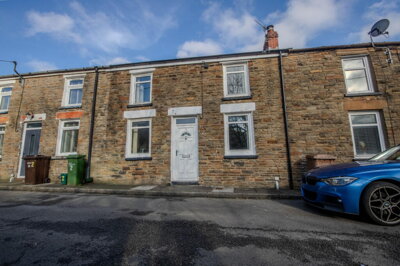
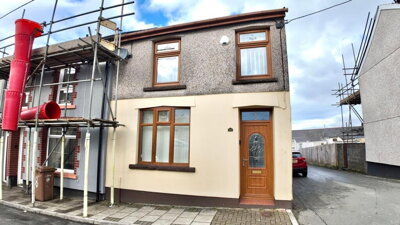
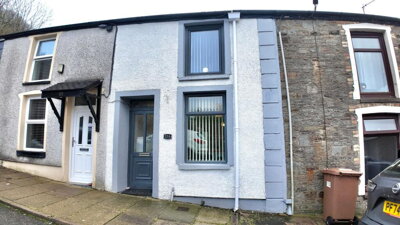
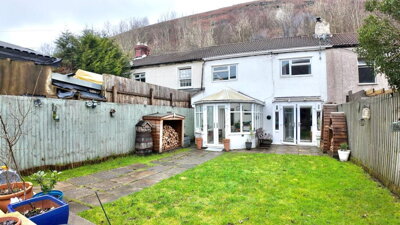
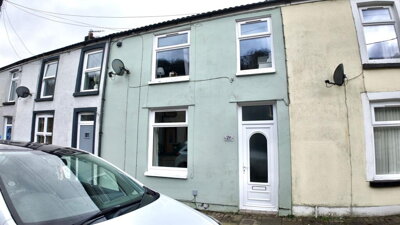
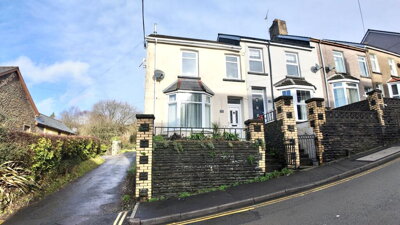
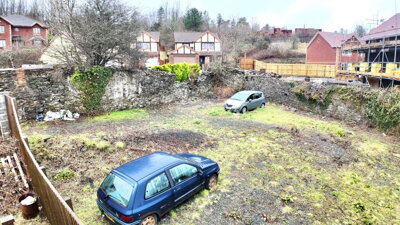
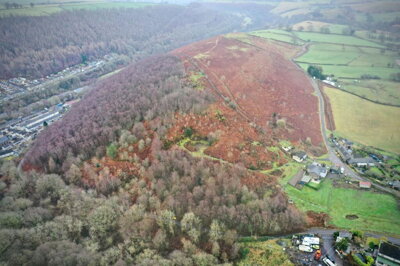
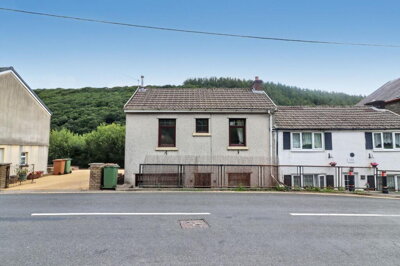
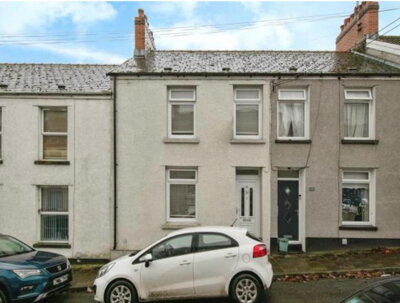
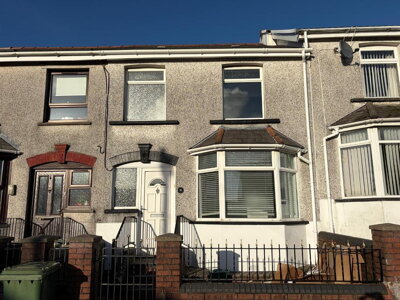
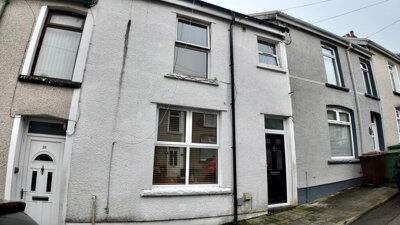
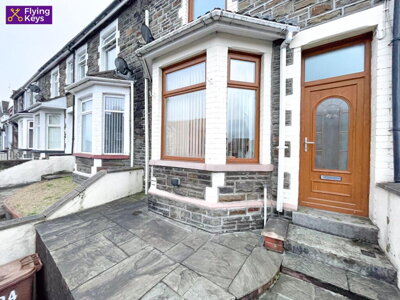
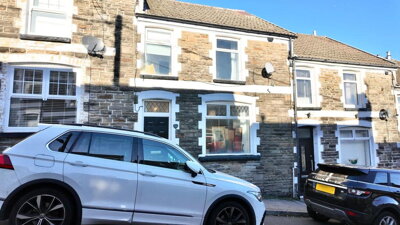
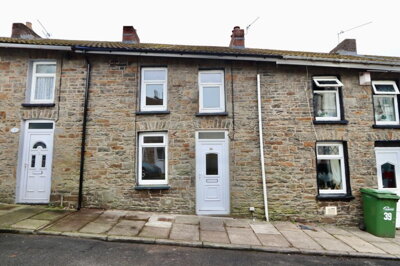
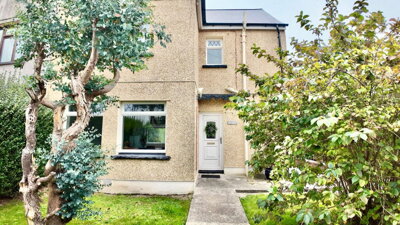
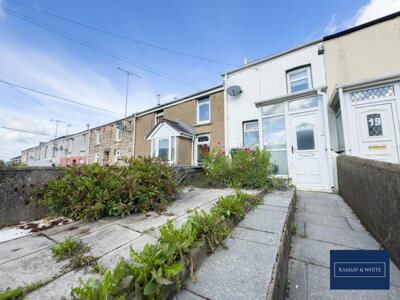
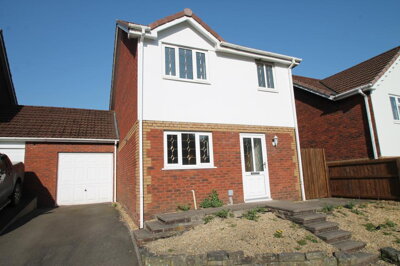
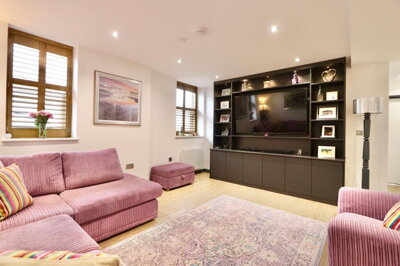
Browse 155 homes for sale in Darran Valley from local estate agents.
The Llwchwr property market offers something for every buyer, from affordable terraced houses to substantial detached family homes. Detached properties command the highest prices, averaging £321,146, reflecting the demand for generous living space and gardens that many buyers seek. Semi-detached homes, averaging £198,337, represent excellent value for families looking for more room than a terrace provides without the premium of a detached property. Terraced properties in Llwchwr average £167,650, making them an attractive entry point for first-time buyers or investors seeking rental opportunities in this established residential area. For those interested in leasehold flats, properties on streets like Heol Maes Y Cerrig in Loughor have seen 2-bedroom flats ranging from £64,442 to £67,802, providing additional options at the lower end of the market.
New build activity in and around Llwchwr continues to bring fresh options to the market. Chapel Fields on Glebe Road in Loughor (SA4 6SR) offers 4-bedroom detached homes from £395,000 through Barratt David Wilson Homes. Further development can be found at Gwynfaen in Penyrheol (SA4 4GJ), where Pobl Living is delivering 144 low-carbon homes with prices ranging from £107,500 to £315,000, including shared ownership opportunities. Neighbouring areas like Penllergaer and Gorseinon also feature new developments from major builders including Persimmon at Cwrt Y Brenin (from £269,995), Bellway at Parc Mawr (from £269,995 to £534,995), and Barratt at Pentref Llewelyn (from £250,000), providing additional options for buyers willing to consider slightly broader search parameters around the Llwchwr area.
The local economy supports the housing market through major employers including Gorseinon campus of Gower College Swansea, Ty Garngoch, CEM Day, and Swansea Council schools, providing employment for approximately 1,500 people in the ward. Rising demand for rural and semi-rural locations with access to nature plays directly to Llwchwr's strengths, while housing delivery in Wales has lagged in recent years, contributing to supply constraints that support property values across the area.

Llwchwr ward is home to approximately 9,230 residents across 4,051 households, making it the ninth largest ward population in Swansea with an average household size of 2.28 people. The area boasts higher percentages of detached and semi-detached housing compared to the Swansea average, reflecting its family-oriented character and the quality of life it offers. Home ownership levels are notably strong, with significant proportions of residents owning their properties outright or with a mortgage, while private and social renting tenures remain below the city average. This demographic profile contributes to the stability and community cohesion that long-term residents appreciate about the area.
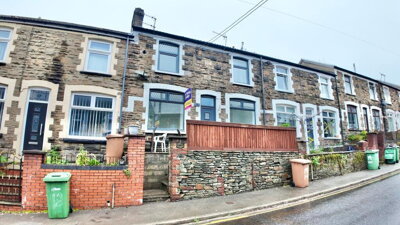
The physical landscape of Llwchwr is defined by its position on the eastern bank of the Afon Llwchwr (River Loughor) where it meets the Loughor Estuary. The area sits at the northern part of the South Wales Coalfield syncline, with the surrounding hills composed of Upper Carboniferous rocks that historically supported coal mining in the region. Unconsolidated superficial deposits include glacial till, valley floor alluvium, and extensive tidal flat deposits around the estuary and up the Loughor valley, creating the potential for clay-rich soils susceptible to shrink-swell movement that can affect property foundations. The Loughor area features streets of attractive terraced houses built from local materials, including Pennant Sandstone that characterises many homes in this part of Wales. The Garden Village, begun around 1914 and largely complete by the late 1930s, adds architectural variety with its three-bedroom semi-detached houses that remain popular with families today.
The historic town of Loughor anchors the community with its designated Conservation Area, where much of the original Roman street pattern has been preserved despite industrialisation in the 19th century and modern traffic pressures. Several Grade II Listed Buildings punctuate the area, including the Old Town Hall of 1867 (constructed in rock-faced squared brown sandstone with tooled dressings), Capel Moriah chapel with its gates and railings, The Sanctuary (an early 18th-century house with medieval history), and the Loughor Railway Viaduct. The area features local shops, pubs, and community facilities that serve the day-to-day needs of residents, while the proximity to Gorseinon provides access to additional amenities including the Gorseinon campus of Gower College Swansea.

Education provision in Llwchwr serves families with children at every stage of their schooling journey. The area falls within the catchment areas for several well-regarded primary schools that serve the local communities of Loughor, Gowerton, and Penyrheol. Primary education in the ward provides a strong foundation for young learners, with schools typically offering good facilities and supportive learning environments that reflect the family-oriented character of the community. Parents moving to Llwchwr should research individual school catchments and performance data to identify the most suitable options for their children.
Secondary education in the wider Swansea area provides comprehensive and grammar school options accessible to Llwchwr residents. Schools in the surrounding SA4 postcode area serve the ward, with many families choosing to remain in local education through to sixth form before pupils progress to higher education or training. The nearby Gorseinon campus of Gower College Swansea provides further and higher education opportunities for older students and adults seeking vocational qualifications or university-level courses. This educational infrastructure makes Llwchwr an attractive location for families prioritising academic provision when choosing their next home.
The age distribution data for Llwchwr ward reveals a slightly higher proportion of residents aged 65 and above compared to some other parts of Swansea, alongside a lower proportion of people aged 16 to 24. This demographic pattern reflects the settled nature of the community and suggests that families establishing roots in the area tend to remain long-term, creating multigenerational connections that strengthen neighbourhood ties. For buyers considering retirement options or quieter lifestyles, this data indicates an established community with stable demographics rather than an area with high population turnover.
Transport connectivity ranks among Llwchwr's strongest attributes, making it particularly appealing to commuters and those who travel regularly for work. The A484 runs through the heart of the area, crossing the Afon Llwchwr via a road bridge and providing direct access to the M4 motorway at junction 47 (roughly 5 miles north), which connects Swansea to Cardiff and the wider motorway network. This road infrastructure places Llwchwr residents within comfortable driving distance of Swansea city centre (approximately 20 minutes), Llanelli (approximately 15 minutes), and the M4 corridor leading to West Wales.
Rail services from nearby stations offer additional commuting options for residents who prefer public transport. The West Wales Line provides rail connections to Swansea and beyond, with journey times to Swansea city centre typically taking around 25-30 minutes. The railway line crosses the Afon Llwchwr on a historic viaduct that forms part of the area's industrial heritage, symbolising the historic importance of transport links to the local community. For professionals working in Cardiff or travelling further afield, the rail network offers an alternative to road travel.
Local bus services connect the various settlements within the Llwchwr ward, including Loughor, Gowerton, and Penyrheol, providing essential connectivity for those without private vehicles. Parking provision varies across the area, with on-street parking common in older terraced streets and more extensive parking available at newer developments and local centres. Cyclists will find some dedicated routes and quieter lanes for recreational cycling, while the proximity to the Loughor Estuary and Gower Peninsula offers scenic routes for weekend rides. The combination of road, rail, and bus options makes Llwchwr well-connected for daily travel and occasional longer journeys.
Contact a mortgage broker or lender to obtain an agreement in principle before you start viewing properties. This demonstrates your financial readiness to estate agents and sellers, giving you a competitive edge when you find the right property. In the current market with rising inflation and higher interest rates tempering buyer enthusiasm, getting your finances sorted early is particularly important.
Explore property listings in Llwchwr, Loughor, and the surrounding SA4 postcode area to understand what is available within your budget. Consider new build developments like Chapel Fields on Glebe Road and Gwynfaen in Penyrheol alongside existing properties to compare options. The area offers properties ranging from terraced houses averaging £167,650 to detached homes averaging £321,146, so understanding the local market nuances helps you focus your search effectively.
Once you have identified properties of interest, arrange viewings through estate agents listing on Homemove. For properties over 50 years old or in the Conservation Area, we recommend booking a RICS Level 2 survey to assess condition before committing to purchase. Given that 23% of Welsh homes were built before 1900 and 39% between 1930 and 1982, older properties in Llwchwr may harbour defects like damp, outdated electrics, or structural issues that a professional survey can identify.
Choose a conveyancing solicitor to handle the legal aspects of your purchase, including local searches, title checks, and contract review. Your solicitor will liaise with the seller's representatives throughout the transaction and conduct searches for flooding, mining history, and local planning matters that affect properties in the Llwchwr area.
After satisfactory survey results and agreed terms, your solicitor will exchange contracts and set a completion date. On completion day, the remaining funds are transferred and you receive the keys to your new Llwchwr home.
Flood risk represents a significant consideration for buyers researching properties in Llwchwr. The area sits within the Rivers Loughor and Amman catchments, which are designated Flood Alert Areas where flooding of low-lying land and roads can occur during adverse weather conditions. The Loughor Estuary and river valley create a landscape where properties near the watercourse or in low-lying areas face elevated risk during periods of heavy rainfall or high tides. Wales has experienced a 242% increase in flood and subsidence-related home insurance claims between 2016 and 2024, the largest rise in the UK, highlighting the growing importance of this issue across the region. Buyers should check Natural Resources Wales flood risk maps and consider arranging appropriate surveys for properties in affected areas.
The geological characteristics of the Loughor valley introduce additional considerations for prospective buyers. The area features alluvial deposits and tidal flats that suggest the potential for clay-rich soils, which are susceptible to shrink-swell movement that can affect property foundations. Historical mining activity in the area, including the Cae Duke Colliery that operated from 1888 to 1933 and coal raised at Coalbrook in the late 18th century, may have left legacy effects on ground conditions that buyers should investigate. Properties with shallower foundations (common in homes built before modern building regulations) face higher subsidence risk from clay soil shrinkage during dry spells, tree root activity, leaking drains, or poor ground preparation.
Properties within the Loughor Conservation Area or those that are Grade II Listed Buildings require careful consideration before purchase. Listed buildings such as the Old Town Hall, Capel Moriah, The Sanctuary, and the Loughor Railway Viaduct may have restrictions on alterations and renovations that affect how you can modify the property. The Old Town Hall is noted as a building at risk due to being out of use and lacking maintenance, illustrating the potential complications of owning heritage property. Conservation Area status can limit permitted development rights, requiring planning permission for certain types of extensions or external changes. These factors can add complexity to renovation projects but also protect the distinctive character and heritage value of the property. A specialist RICS Level 3 Survey is recommended for listed buildings or non-standard construction, providing the detailed analysis needed for historic properties.
The predominant building materials in older Llwchwr properties reflect the local geology and construction traditions of South Wales. Traditional buildings pre-1919 typically have solid walls using natural materials like Pennant Sandstone, earth, brick, wood, and lime mortar. These solid-walled properties often lack cavity insulation and may have outdated electrical systems (galvanized pipes, knob-and-tube wiring) that require updating. Common defects in such properties include penetrating damp through ageing brickwork, rising damp from failed damp-proof courses, deteriorating roof coverings, and timber defects where ventilation is poor. A RICS Level 2 survey provides thorough assessment of these issues before you commit to purchase.
The overall average house price in Llwchwr stands at £235,702 based on recent sales data, with prices climbing 12% year-on-year to reach similar levels seen in the 2022 peak. Detached properties average £321,146, semi-detached homes £198,337, and terraced properties £167,650. For leasehold flats, streets like Heol Maes Y Cerrig in Loughor have seen 2-bedroom properties ranging from £64,442 to £67,802. This varied pricing across property types means buyers can find options ranging from affordable starter homes to substantial family houses, depending on their budget and requirements.
Properties in Llwchwr fall within the Swansea Council jurisdiction and are assigned council tax bands based on their value. Bands range from A (the lowest) to H (the highest), with most residential properties in the area falling within bands A through D. Exact bands depend on the specific property, and buyers can check current banding through the Swansea Council website or the Valuation Office Agency.
Llwchwr benefits from good primary school provision in the local community, with several schools serving the Loughor, Gowerton, and Penyrheol areas. Secondary schools in the wider SA4 postcode area provide comprehensive education options for older pupils, with the nearby Gorseinon campus of Gower College offering further and higher education opportunities including vocational qualifications. Parents should research individual school performance data and catchment area boundaries when considering properties, as school admissions are determined by geographic catchments. The area's stable demographics with higher proportions of families staying long-term reflect the quality of educational provision in the ward.
Llwchwr offers solid public transport connectivity through local bus services and rail connections from nearby stations. The A484 provides direct road access to the M4 motorway at junction 47, linking the area to Swansea (approximately 20 minutes), Cardiff, and the wider motorway network. Rail services to Swansea city centre take around 25-30 minutes via the West Wales Line, making commuting feasible for those working in the city or needing to travel further afield. The historic Loughor Railway Viaduct carries rail services across the Afon Llwchwr, connecting the community to the national rail network.
The Llwchwr property market has demonstrated resilience with 12% annual price growth, returning to 2022 peak levels and indicating strong buyer demand. The combination of relative affordability compared to central Swansea, good transport links, and proximity to the Gower Peninsula makes the area attractive to both owner-occupiers and investors. Housing delivery in Wales has lagged in recent years, contributing to supply constraints that support prices, while growing interest in semi-rural areas with access to nature plays to Llwchwr's strengths. Key employers including Gorseinon campus of Gower College Swansea, Ty Garngoch, and CEM Day provide local employment supporting the residential market.
Stamp Duty Land Tax (SDLT) rates for standard purchases in England and Wales start at 0% on the first £250,000 of property value, then 5% on the portion from £250,001 to £925,000. First-time buyers benefit from relief on properties up to £625,000, paying 0% on the first £425,000 and 5% on the remainder up to that threshold. For example, a £235,702 property would incur no SDLT for a first-time buyer, while a £400,000 purchase would attract SDLT of £7,500 (after the first £425,000 threshold relief). Additional property investors pay higher rates with a 3% surcharge on all bands.
Llwchwr is located in the Rivers Loughor and Amman catchments, designated as Flood Alert Areas where flooding of low-lying land and roads can occur during adverse weather. Properties along the Afon Llwchwr and near the Loughor Estuary face elevated risk during periods of heavy rainfall or high tides. Wales has seen a 242% increase in flood and subsidence-related insurance claims between 2016 and 2024, making flood risk assessment essential for buyers. Natural Resources Wales provides detailed flood risk maps showing areas with 0.1% to 1% chance of flooding from rivers and sea, including climate change projections. Properties in affected areas may require specialist surveys and additional insurance considerations.
The Llwchwr area has a documented coal mining history, including the Cae Duke Colliery operating from 1888 to 1933 and coal raised at Coalbrook in the late 18th century. Historical mining activity can result in unstable ground conditions contributing to subsidence risk, with abandoned mines also being a source of pollution including metals. Properties in areas with mining heritage should be thoroughly investigated through mining searches as part of conveyancing. A RICS Level 2 survey can identify potential structural concerns, cracks, or settlement issues that might indicate underlying ground problems affecting the property.
From £395
A RICS Level 2 survey identifies defects in properties over 50 years old, including common issues found in Llwchwr's older housing stock such as damp, outdated electrics, and structural concerns. Essential for properties in the Conservation Area or with Pennant Sandstone construction.
From £550
A comprehensive building survey recommended for listed buildings, non-standard construction, or larger historic properties. Provides detailed analysis of the property's condition including advice on heritage compliance and renovation considerations.
From £85
Energy Performance Certificate required for all property sales. Provides energy efficiency ratings and recommendations for improvements to older properties in Llwchwr.
From £499
Solicitors handle legal work including local searches for flooding, mining history, and planning matters affecting Llwchwr properties.
Understanding the full costs of buying a property in Llwchwr extends beyond the purchase price to include SDLT, solicitor fees, survey costs, and moving expenses. For a typical Llwchwr property at the current average price of £235,702, first-time buyers would pay zero SDLT under current thresholds. Standard buyers would also pay nothing on the first £250,000, meaning most properties at or below this price point would incur no stamp duty at all. However, for higher-value properties such as the 4-bedroom detached homes at Chapel Fields from £395,000, or those purchased by additional property investors, the costs increase accordingly.
Survey costs represent an important investment in protecting your purchase, particularly for older properties in Llwchwr where 23% of Welsh homes were built before 1900 and 39% between 1930 and 1982. A RICS Level 2 Home Survey for a property in the £200,000 to £300,000 range typically costs around £500, while properties valued between £300,000 and £400,000 may see costs of approximately £550. Given that many properties in Llwchwr date from the early 20th century or earlier, a professional survey can identify defects such as dampness, outdated electrics, or structural concerns before you commit to purchase. For listed buildings or properties with non-standard construction, a RICS Level 3 Survey from around £550 provides the detailed analysis needed for historic properties.
Conveyancing costs for buying a property in Swansea Council's jurisdiction typically start from around £499 for standard transactions, covering legal work including local searches, title registration, and contract preparation. Additional costs may arise for leasehold properties (service charges and ground rent review), listed buildings (heritage compliance), or properties in flood risk areas (additional searches and insurance considerations). Mining searches should be included for properties in the Llwchwr area given the historical mining activity. Mortgage arrangement fees vary by lender but typically range from free to around £2,000 depending on the product chosen. Budgeting for these costs alongside your deposit and purchase price ensures a smooth transaction when you find your ideal Llwchwr home.
Properties for Sale In London

Properties for Sale In Plymouth

Properties for Sale In Liverpool

Properties for Sale In Glasgow

Properties for Sale In Sheffield

Properties for Sale In Edinburgh

Properties for Sale In Coventry

Properties for Sale In Bradford

Properties for Sale In Manchester

Properties for Sale In Birmingham

Properties for Sale In Bristol

Properties for Sale In Oxford

Properties for Sale In Leicester

Properties for Sale In Newcastle

Properties for Sale In Leeds

Properties for Sale In Southampton

Properties for Sale In Cardiff

Properties for Sale In Nottingham

Properties for Sale In Norwich

Properties for Sale In Brighton

Properties for Sale In Derby

Properties for Sale In Portsmouth

Properties for Sale In Northampton

Properties for Sale In Milton Keynes

Properties for Sale In Bournemouth

Properties for Sale In Bolton

Properties for Sale In Swansea

Properties for Sale In Swindon

Properties for Sale In Peterborough

Properties for Sale In Wolverhampton

Enter your details to see if this property is within your budget.
Loans, cards, car finance
Estimated property budget
Borrowing + deposit
You could borrow between
Typical borrowing
Monthly repayment
Est. at 4.5%
Loan-to-value
This is an estimate only. Your actual budget may vary depending on interest rates, credit history, and personal circumstances. For an accurate affordability assessment, speak to one of our free mortgage advisors.
This calculator provides estimates for illustrative purposes only and does not constitute financial advice. Your home may be repossessed if you do not keep up repayments on your mortgage. Estimates based on 4.5% interest rate, repayment mortgage. Actual rates depend on your circumstances.
Homemove is a trading name of HM Haus Group Ltd (Company No. 13873779, registered in England & Wales). Homemove Mortgages Ltd (Company No. 15947693) is an Appointed Representative of TMG Direct Limited, trading as TMG Mortgage Network, which is authorised and regulated by the Financial Conduct Authority (FRN 786245). Homemove Mortgages Ltd is entered on the FCA Register as an Appointed Representative (FRN 1022429). You can check registrations at NewRegister or by calling 0800 111 6768.

We use cookies to show you personalised content and improve your experience of our website. Find out more in our Privacy policy and Cookie policy.